- Trapezoidal Machine
- Corrugated Machine
- Glazed Tile Machine
- Double Layer Machine
- CZU Purlin Machine
- Ridge Cap Machine
- Floor Decking Machine
- Rolling Door Machine
- Fence Machine
- Embossing Machine
- Standing Seam Machine
- Cut To Length And Slitting Line
- Guard Rail Machine
- Decoiler And Stacker
- Stud And Track Machine
- Gutter And DownPipe
- Curving Machine
- Cladding Panel Machine
- Corollary Equipment
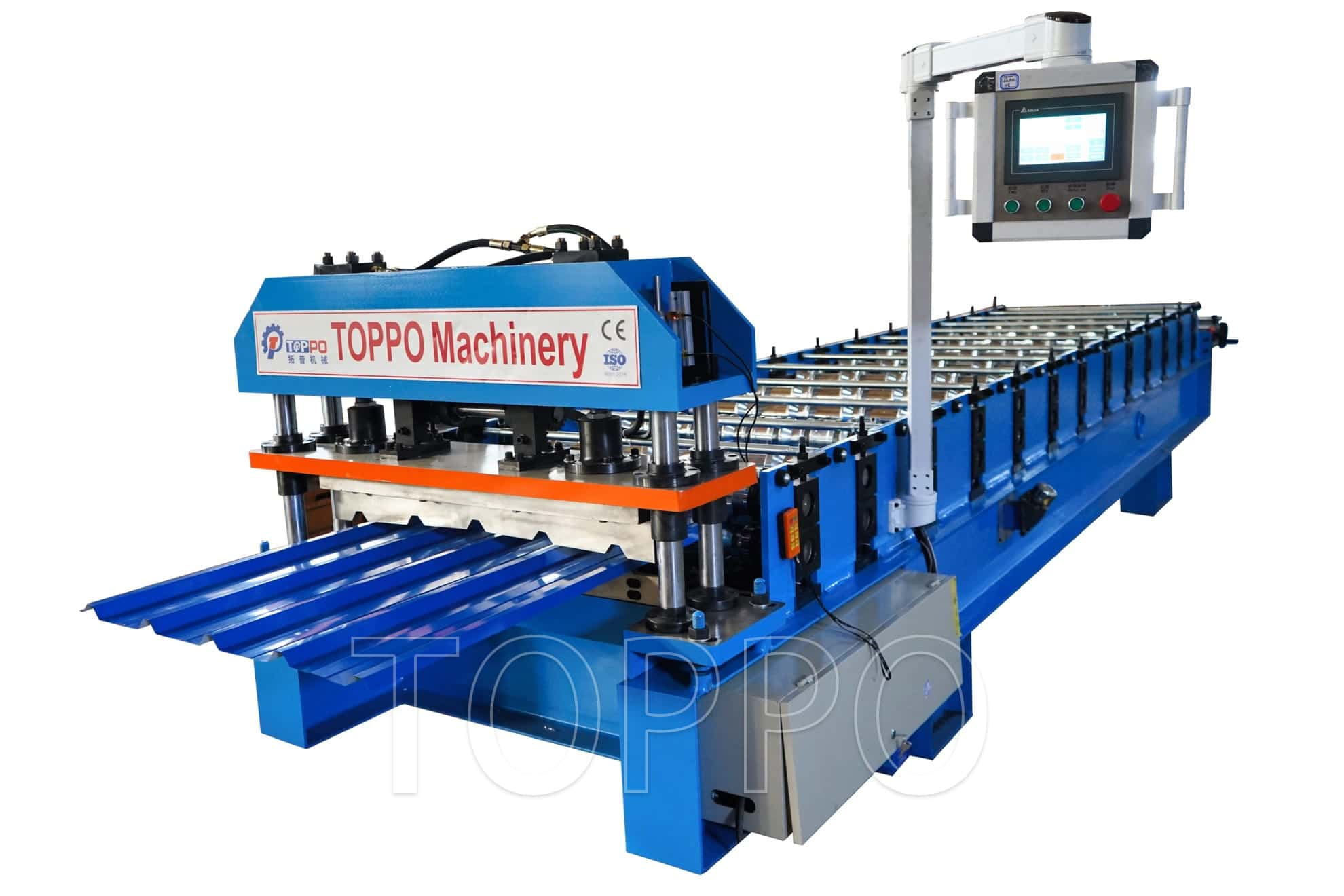
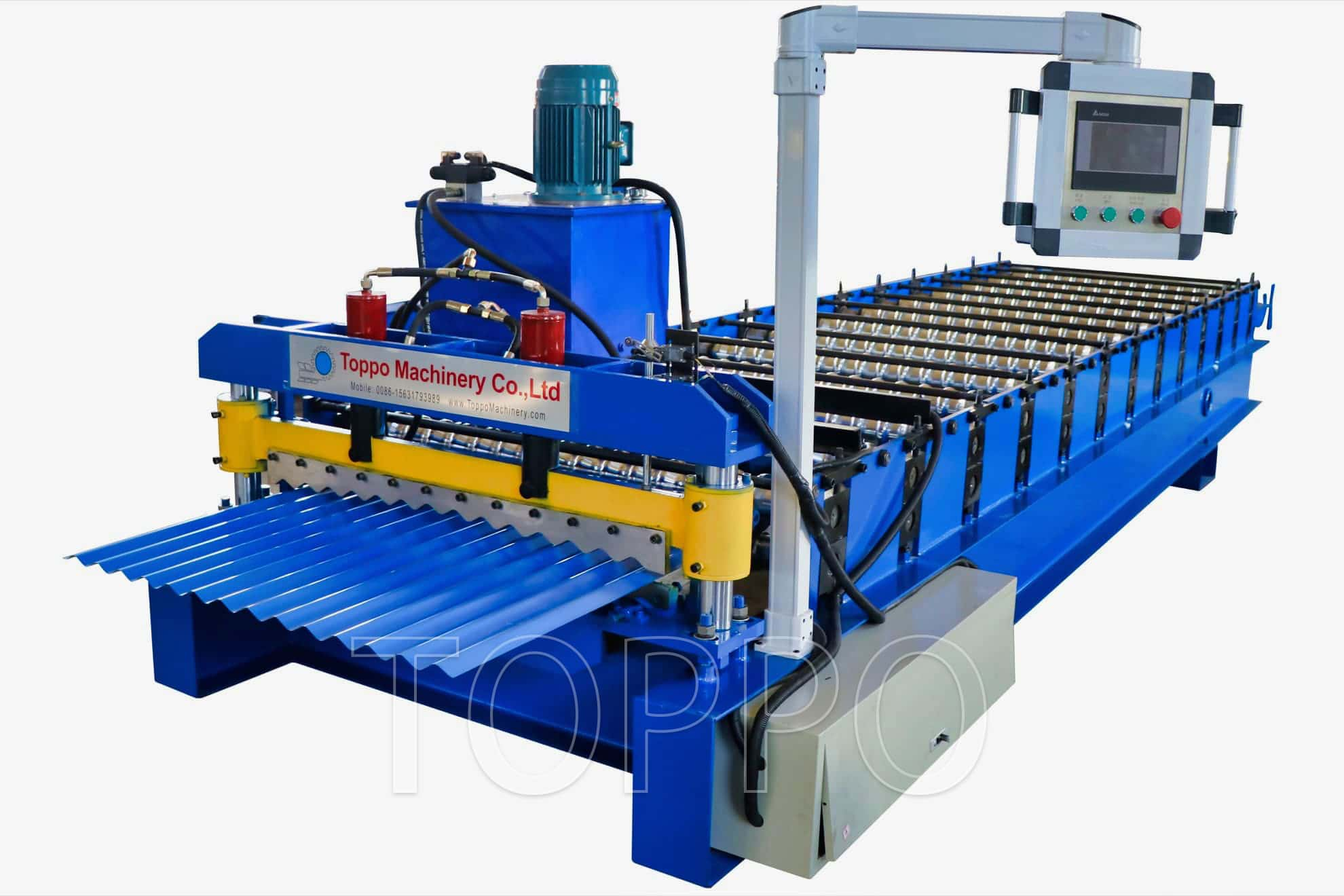
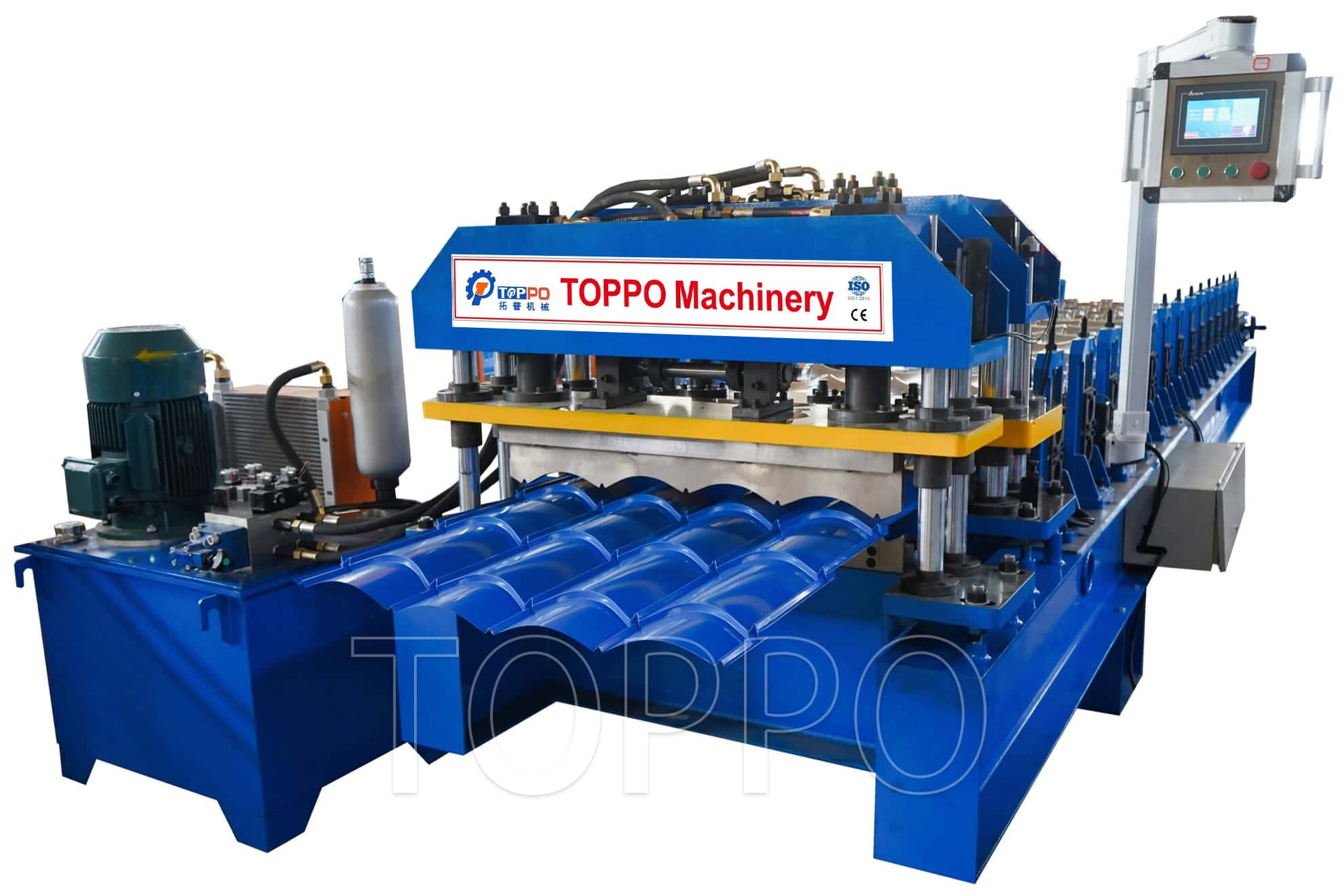
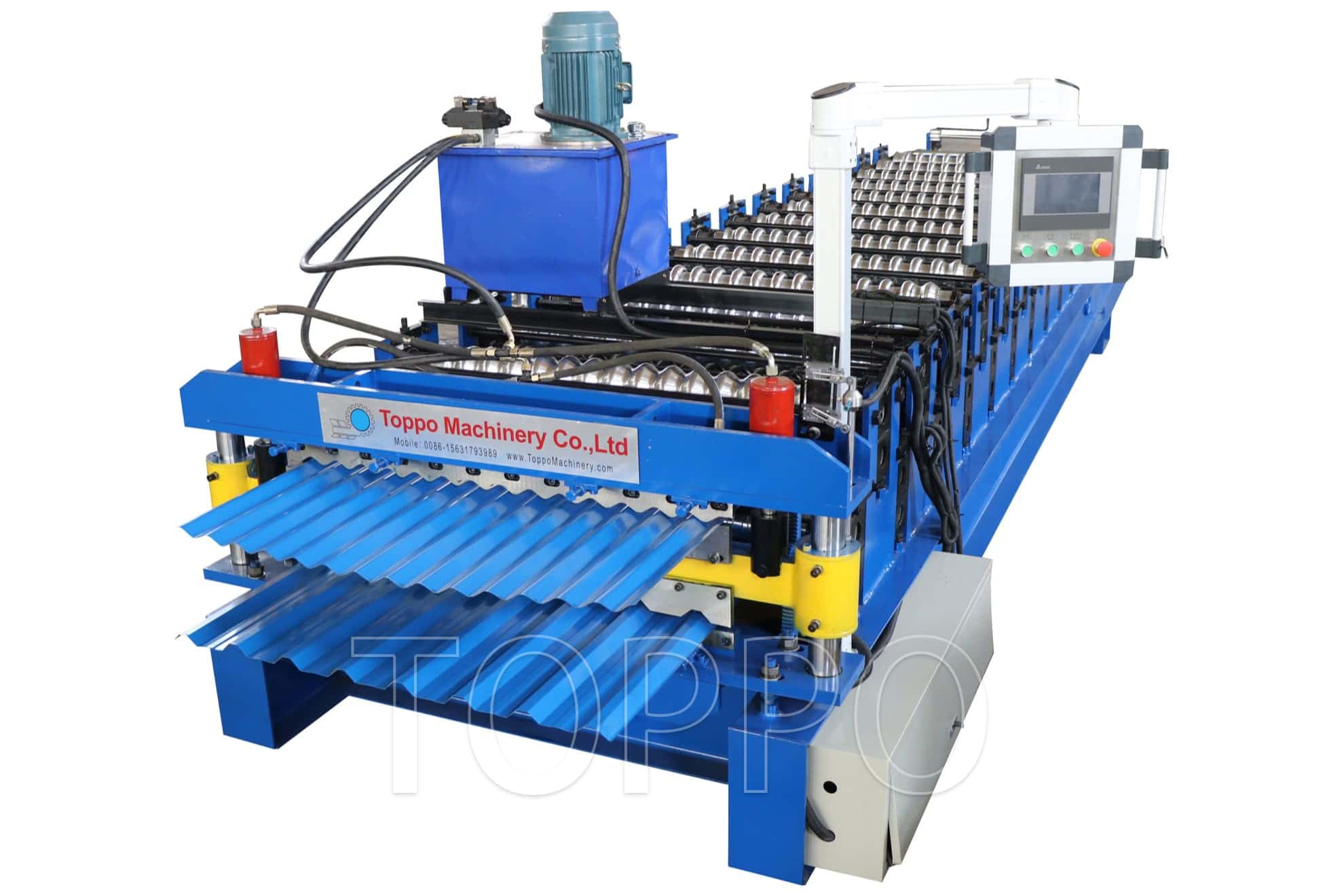
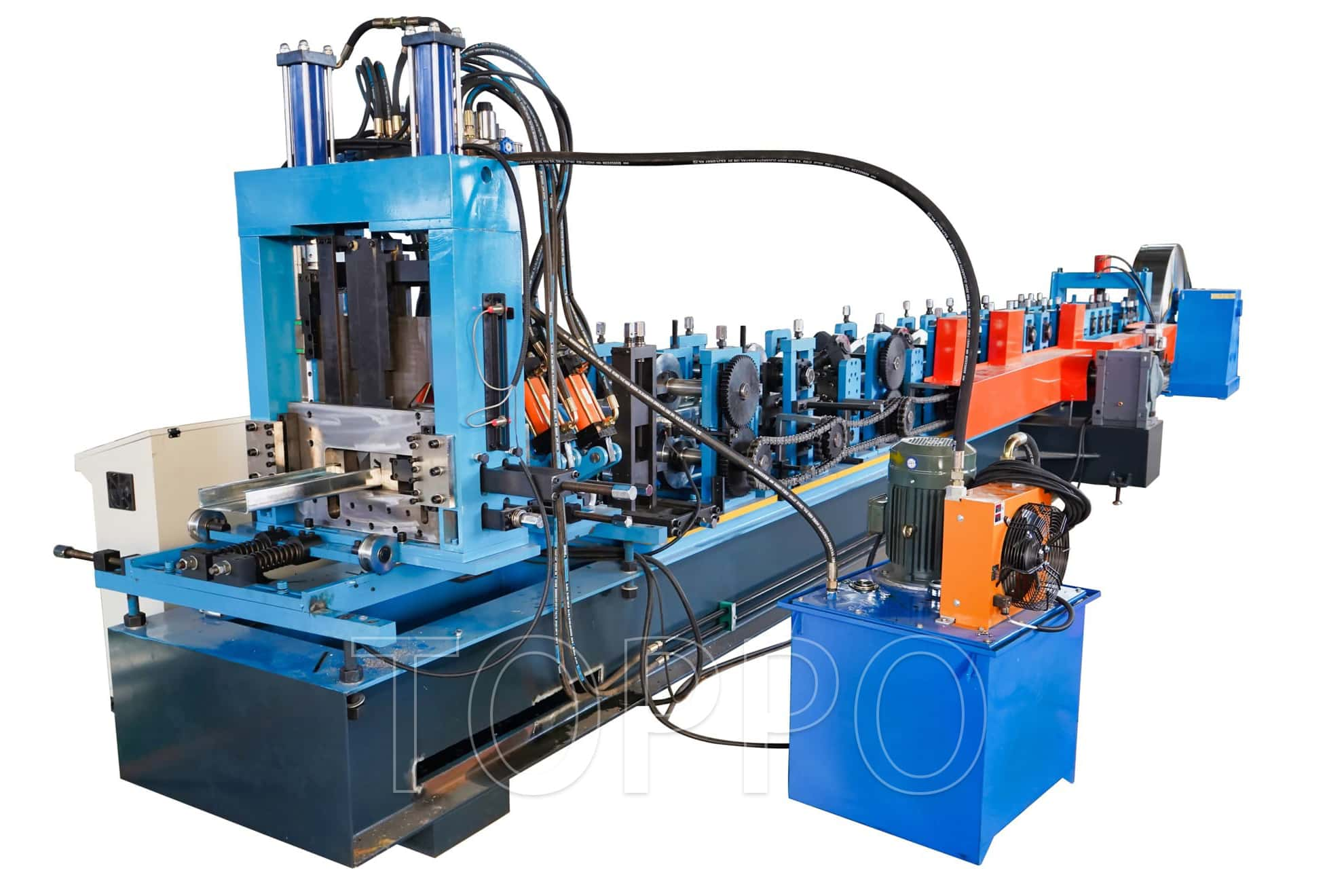
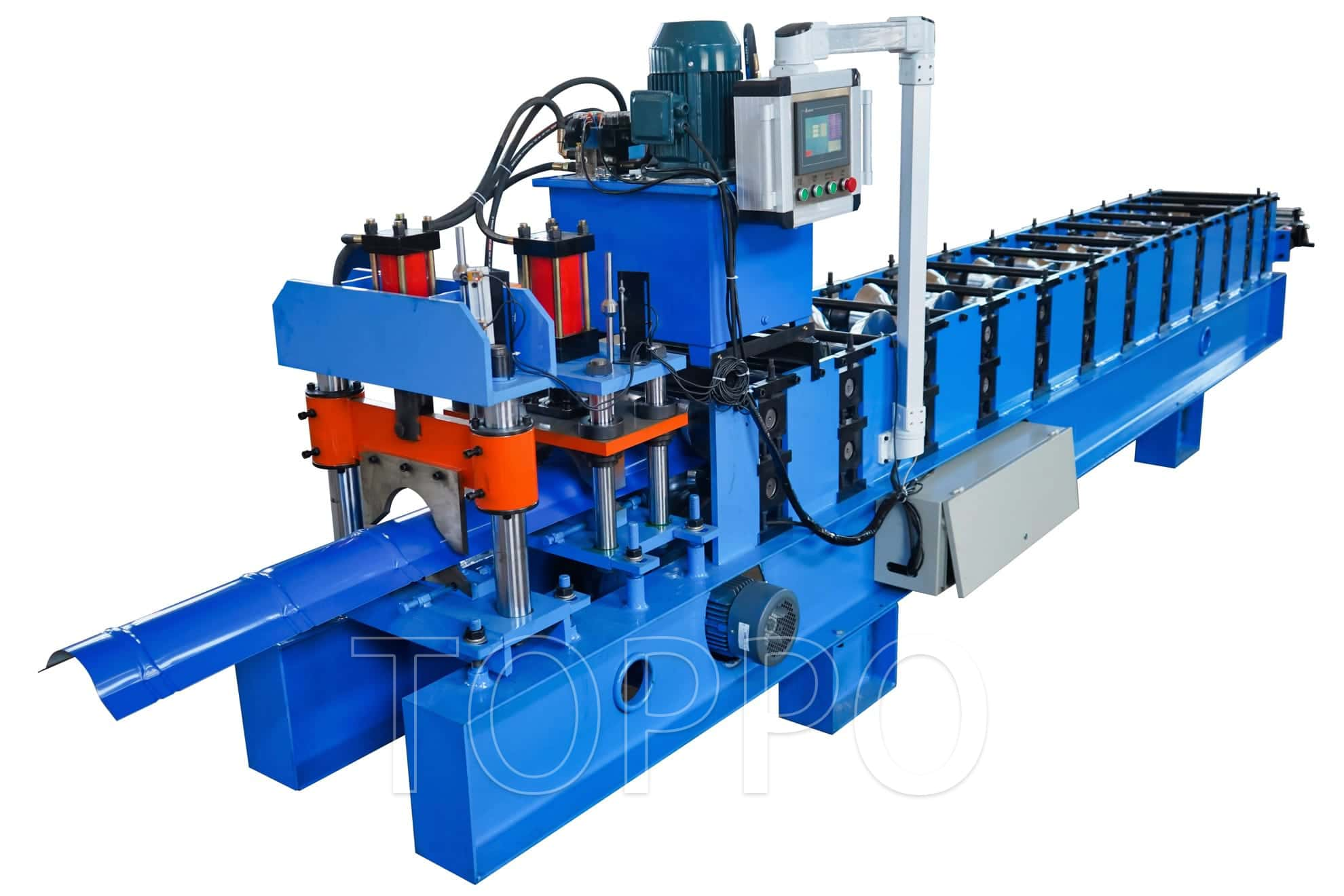
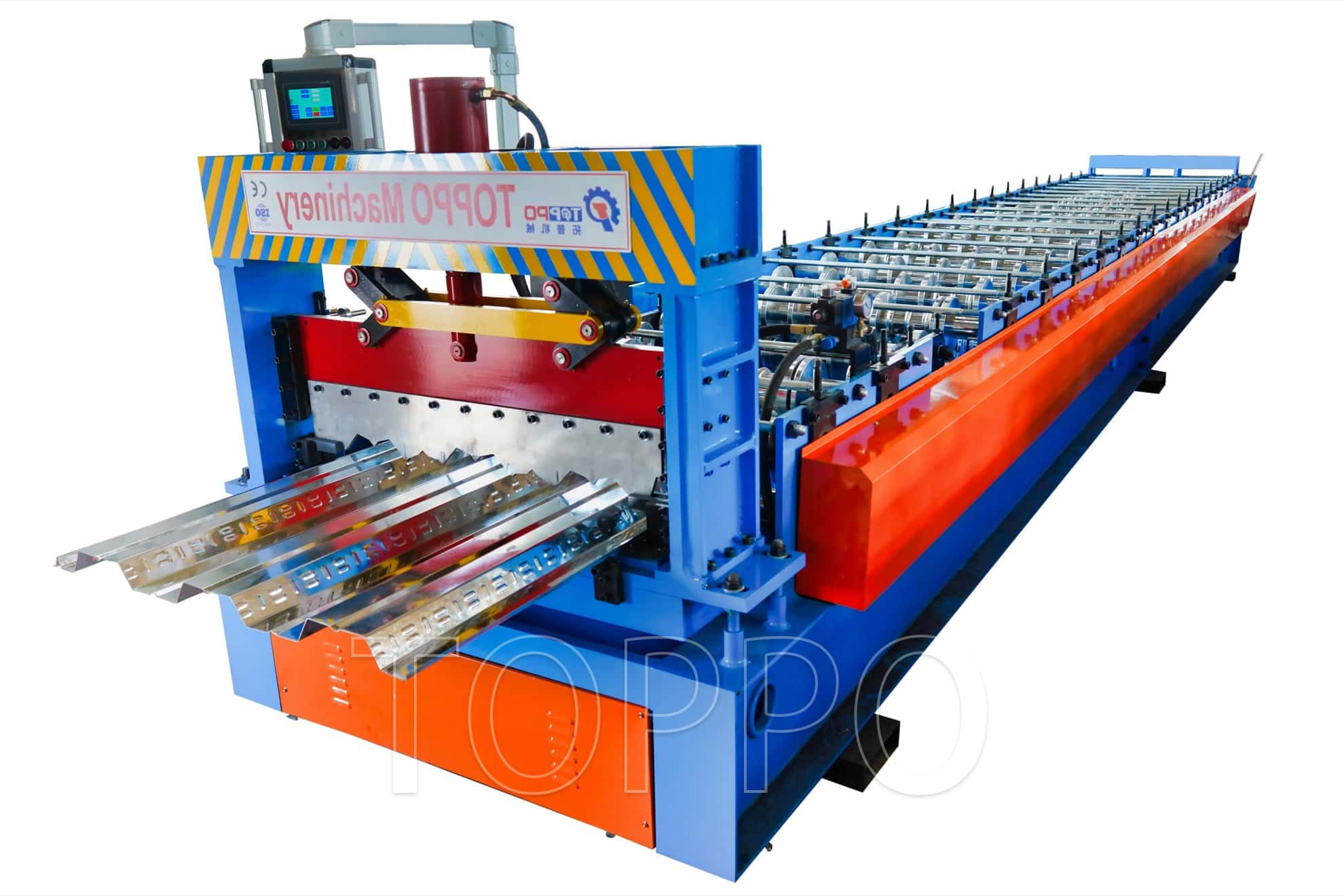
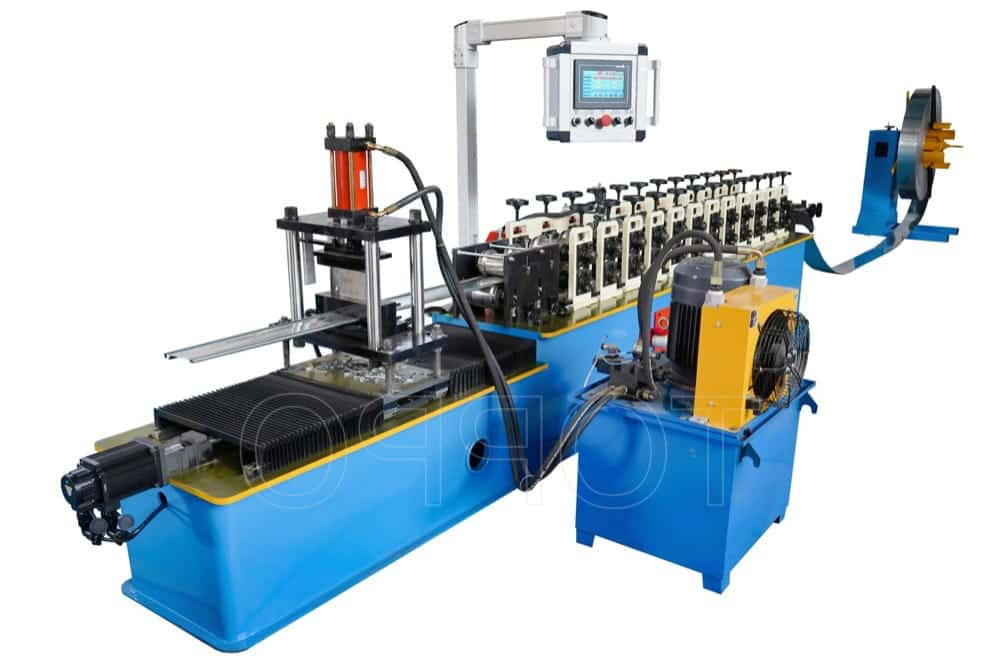
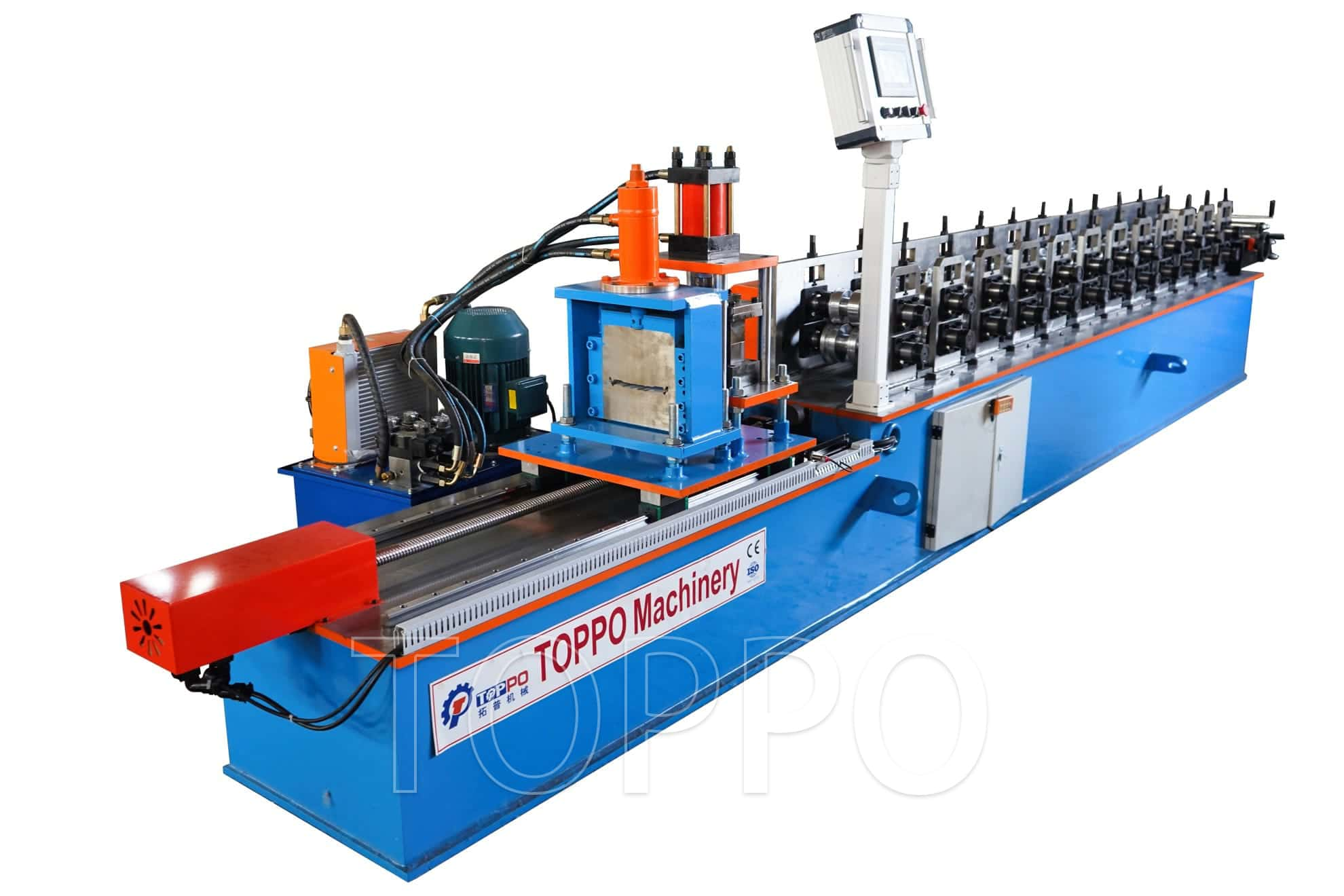
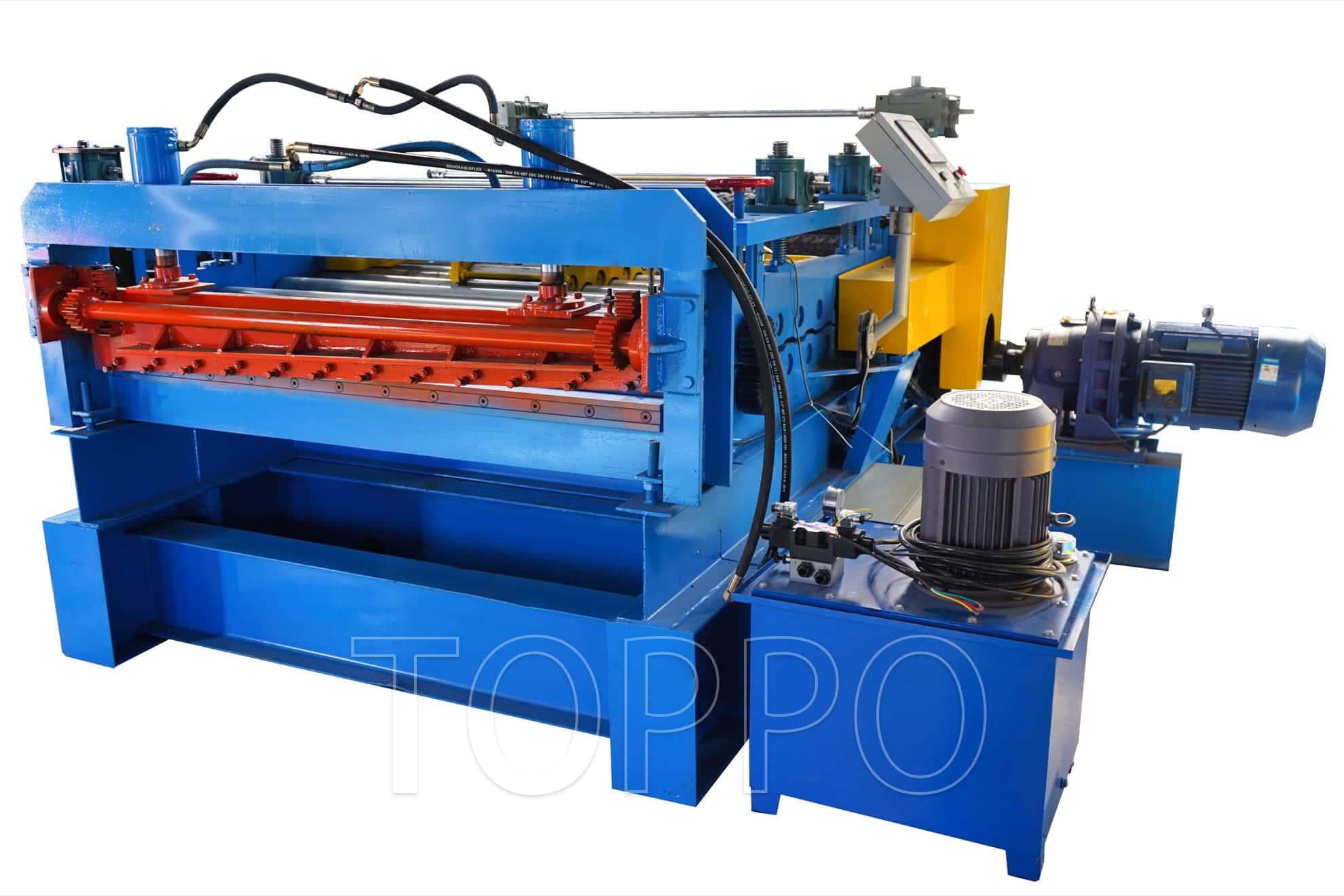
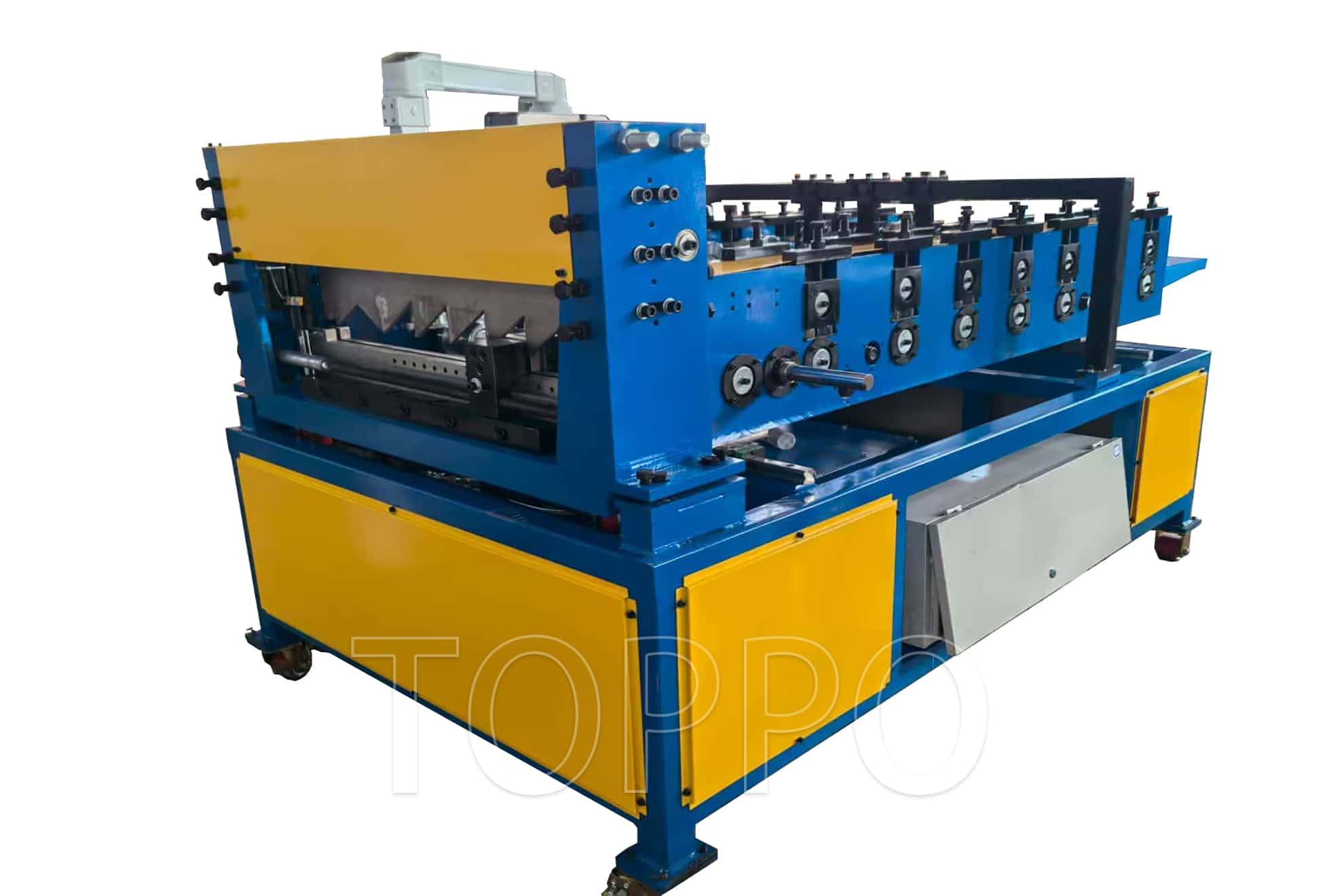
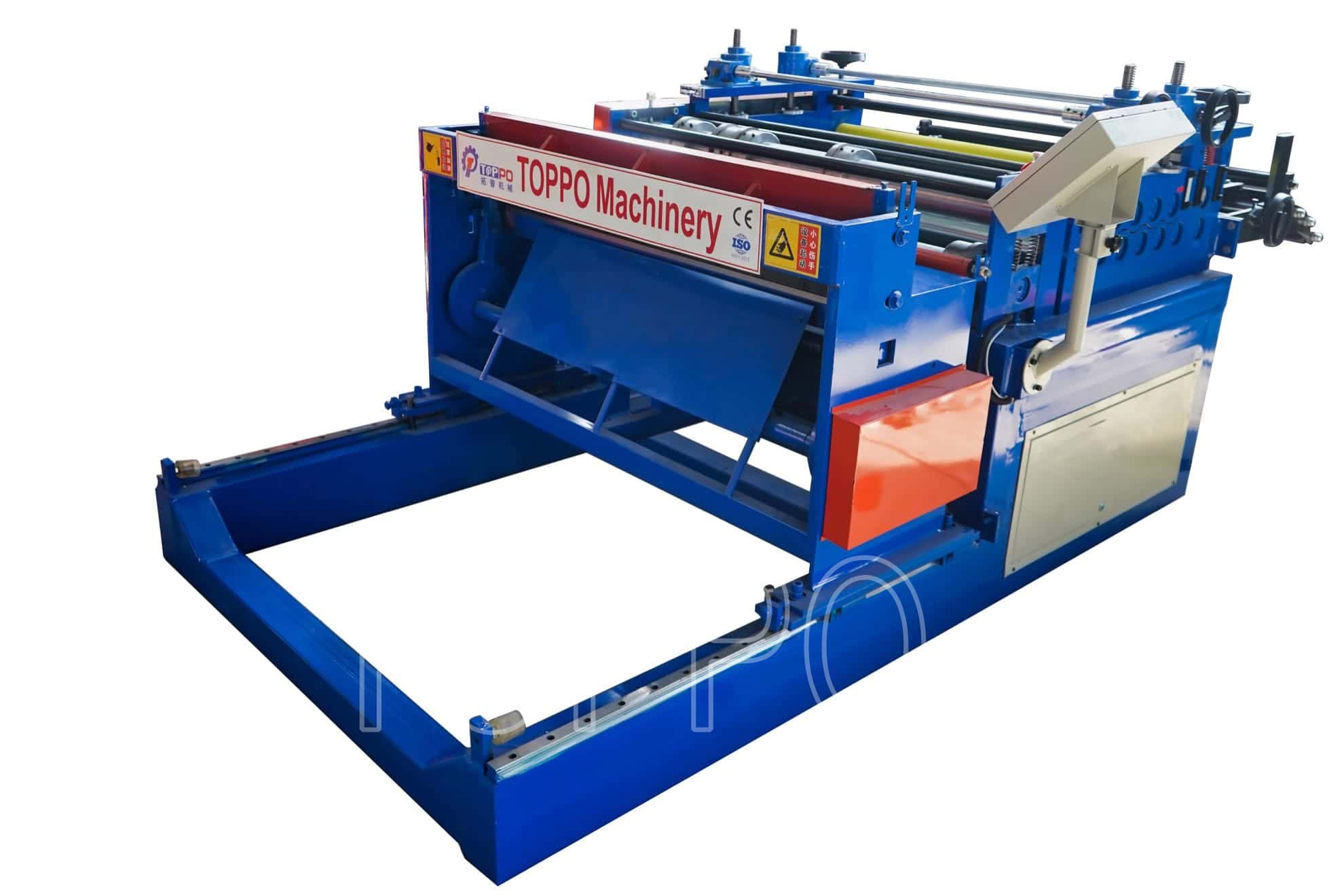


The production process follows five main steps: coil loading and uncoiling, material feeding, roll forming through multiple roller stations, hydraulic cutting to the required length, and finished sheet collection. Key features buyers should consider include a precision roll forming system, automatic length measurement and cutting, PLC control, a hydraulic cutting system, and customizable tile profiles. Machine specifications—material type, thickness, coil width, tile profile, cutting length, power supply, and production speed—must be confirmed before ordering, since not every machine can process every material or profile without design modifications.
Metal glazed roofing sheets are widely used in residential houses and villas, commercial buildings, industrial and agricultural facilities, roofing distribution businesses, and construction and renovation projects. When choosing a machine, buyers should confirm the tile profile drawing, check material specifications, evaluate the automation level, compare complete machine configurations rather than price alone, confirm electrical requirements, and discuss technical support and after-sales service.
TOPPO Machinery specializes in roll forming equipment for metal roofing and building material production, evaluating each customer's actual production needs—tile profile, material thickness, coil specifications, and target capacity—before recommending a suitable configuration. Customized profiles may be possible upon technical evaluation of a drawing or sample, and machines with appropriate length measurement and cutting control can produce sheets of different specified lengths within design limits. To obtain an accurate quotation, buyers should provide the tile profile drawing, material type, thickness range, coil width, required production speed, power supply, and preferred configuration. Ultimately, the right equipment should match the required tile profile, material specifications, production capacity, and automation needs, with technical details confirmed before purchase.
Introduction
An Automatic Metal Glazed Roof Tile Roll Forming Machine is designed to manufacture metal roofing sheets with attractive glazed tile profiles. It is an ideal solution for roofing material manufacturers, building material suppliers, and metal roofing production businesses looking to expand their product range.
Using advanced roll forming technology, the machine gradually shapes metal coils into the required roofing profile through a series of precision-engineered rollers. Depending on the machine configuration, the production line can include an automatic decoiler, feeding system, roll forming system, hydraulic cutting system, and PLC control system.
At TOPPO Machinery, we provide metal roofing roll forming solutions designed to meet different production requirements. From standard glazed tile profiles to customized designs, we help customers select suitable equipment based on their material specifications, profile drawings, and production goals.
1. What Is an Automatic Metal Glazed Roof Tile Roll Forming Machine?
A metal glazed roof tile roll forming machine is industrial equipment used to produce metal roofing sheets with a traditional tile-style appearance.
Unlike conventional ceramic roof tiles, metal glazed roofing sheets are manufactured from suitable metal coils. The roll forming process creates the required profile, while the cutting system produces sheets according to the specified length.
This type of equipment is widely used by manufacturers supplying roofing materials for residential buildings, commercial properties, industrial facilities, and other construction projects.
An automatic glazed tile roll forming machine can help manufacturers achieve consistent product profiles, improve production efficiency, and reduce repetitive manual operations.
2. How Does a Glazed Tile Roll Forming Machine Work?
A typical automatic metal roof tile production line follows several main steps.
Step 1: Coil Loading and Uncoiling
The metal coil is loaded onto the decoiler, which feeds the material into the production line. The decoiler capacity should match the coil weight and dimensions required for the project.
Step 2: Material Feeding
The feeding system guides the metal sheet into the roll forming machine to help maintain stable material movement and consistent forming.
Step 3: Roll Forming
The metal sheet passes through multiple forming roller stations. Each station gradually shapes the material until it reaches the specified glazed tile profile.
Step 4: Hydraulic Cutting
The cutting system cuts the formed roofing sheet to the required length. The cutting method and blade design should match the actual machine configuration and finished profile.
Step 5: Finished Sheet Collection
The finished metal roofing sheets are collected for inspection, packaging, and transportation. An automatic stacking system can also be considered when required.
The exact production process and automation level depend on the selected machine configuration.
3. Main Features of an Automatic Glazed Tile Making Machine
When selecting an automatic glazed roof tile roll forming machine, buyers should pay attention to the following features.
Precision Roll Forming System
The forming rollers are designed according to the required roofing profile. A properly engineered roller system helps produce consistent shapes and maintain the required profile dimensions.
Automatic Length Measurement and Cutting
Depending on the configuration, the control system can measure the production length and coordinate the cutting operation. Accurate settings and proper machine adjustment are important for achieving consistent finished sheet lengths.
PLC Control System
A PLC control system allows operators to manage relevant production functions through the control panel. Depending on the machine design, these functions may include length setting, production counting, and cutting control.
Hydraulic Cutting System
The hydraulic cutting system provides the force required to cut the formed metal sheet. The cutting blade and cutting mechanism should be designed to suit the specified tile profile and material thickness.
Customized Tile Profiles
Different markets may require different metal roofing tile shapes and dimensions. Before manufacturing the machine, buyers should confirm the profile drawing, material specifications, and finished sheet requirements.
4. Materials and Specifications
An automatic metal glazed tile making machine is generally configured according to the material and profile requirements of the customer.
Common considerations include:
Material type: Pre-painted galvanized steel (PPGI), galvanized steel (GI), or other compatible materials.
Material thickness: Determined by the machine design and the customer's production requirements.
Coil width: Selected according to the required finished profile and forming design.
Tile profile: Confirmed through a technical drawing or an approved sample.
Cutting length: Set according to the required roofing sheet dimensions.
Power supply: Confirmed according to the installation location and local electrical standards.
Production speed: Selected according to the machine configuration, material properties, and required product quality.
These parameters should be confirmed before ordering. Not every glazed tile machine can process every material thickness or produce every tile profile without design modifications.
5. Applications of Metal Glazed Roofing Sheets
Metal glazed roofing sheets combine a decorative tile-style appearance with the practical characteristics of metal roofing materials.
Typical applications include:
Residential houses and villas
Commercial buildings
Industrial and agricultural buildings
Roofing material distribution businesses
Construction and renovation projects
The suitability of the finished roofing sheets depends on the material, coating, profile design, installation method, and local building requirements.
For roofing material manufacturers, investing in a suitable glazed tile roll forming machine can provide an opportunity to produce roofing sheets for different customer segments.
6. How to Choose the Right Glazed Tile Roll Forming Machine
Before purchasing an automatic glazed tile roll forming machine, consider the following factors.
Confirm the Tile Profile
The profile drawing is one of the most important requirements. Different tile shapes may require different roller designs and cutting mechanisms.
Check the Material Specifications
Provide the material type, thickness range, coil width, and relevant material properties. These details help the manufacturer determine whether the proposed machine is suitable for your production needs.
Evaluate the Automation Level
Consider whether you need a standard production line or additional equipment such as an automatic stacking system. The right configuration depends on your production volume, labor arrangements, and budget.
Compare Machine Configurations
When comparing quotations, do not focus only on the initial price. Review the forming system, cutting method, control components, production speed, included accessories, and after-sales support.
Confirm Electrical Requirements
Confirm the required voltage, frequency, and phase before placing an order. The electrical configuration should be compatible with the power supply available at your factory.
Discuss Technical Support
Ask about installation guidance, operation manuals, spare parts, and technical support. Clear communication before purchase can help reduce installation and commissioning difficulties.
7. Why Choose TOPPO Machinery?
TOPPO Machinery specializes in roll forming equipment for metal roofing and building material production.
We understand that different customers have different requirements for roofing profiles, raw materials, production capacity, and machine configurations.
Our approach is to evaluate the customer's actual production needs before recommending a suitable machine solution.
When discussing your project with TOPPO Machinery, you can provide your required tile profile, material thickness, coil specifications, and target production capacity. Our team can then review the requirements and discuss an appropriate configuration.
Whether you are establishing a new roofing sheet production line or expanding an existing manufacturing business, selecting the correct equipment is an important step toward reliable production.
8. Frequently Asked Questions
Q1: What materials can an automatic metal glazed roof tile roll forming machine process?
Depending on the machine design, it can process suitable materials such as pre-painted galvanized steel and galvanized steel. The supported material types and thickness range should be confirmed with the manufacturer.
Q2: Can the glazed tile roll forming machine produce customized profiles?
Yes, customized profiles may be possible. The customer should provide a profile drawing or a sample for technical evaluation. The manufacturer must confirm whether the existing machine design is suitable or requires modifications.
Q3: Can the machine cut roofing sheets to different lengths?
A machine equipped with a suitable length measurement and cutting control system can generally be configured to produce sheets of different specified lengths within its design limits.
Q4: What information is required to obtain a quotation?
To prepare an accurate quotation, provide the tile profile drawing, material type, thickness range, coil width, required production speed, power supply, and preferred machine configuration.
Q5: How can I choose the right machine for my factory?
Start by confirming your target roofing profile, raw material specifications, production requirements, and available factory power supply. Then compare machine configurations and request technical confirmation from the manufacturer.
Conclusion
An Automatic Metal Glazed Roof Tile Roll Forming Machine is an important investment for businesses manufacturing decorative metal roofing sheets. The right equipment should match the required tile profile, material specifications, production capacity, and automation needs.
Before purchasing, confirm the technical details and compare the complete machine configuration rather than price alone.
Looking for a metal glazed roof tile roll forming machine for your production project?
Contact TOPPO Machinery and send us your tile profile drawing, material thickness, and production requirements. Our team will help you evaluate a suitable roll forming solution for your business.