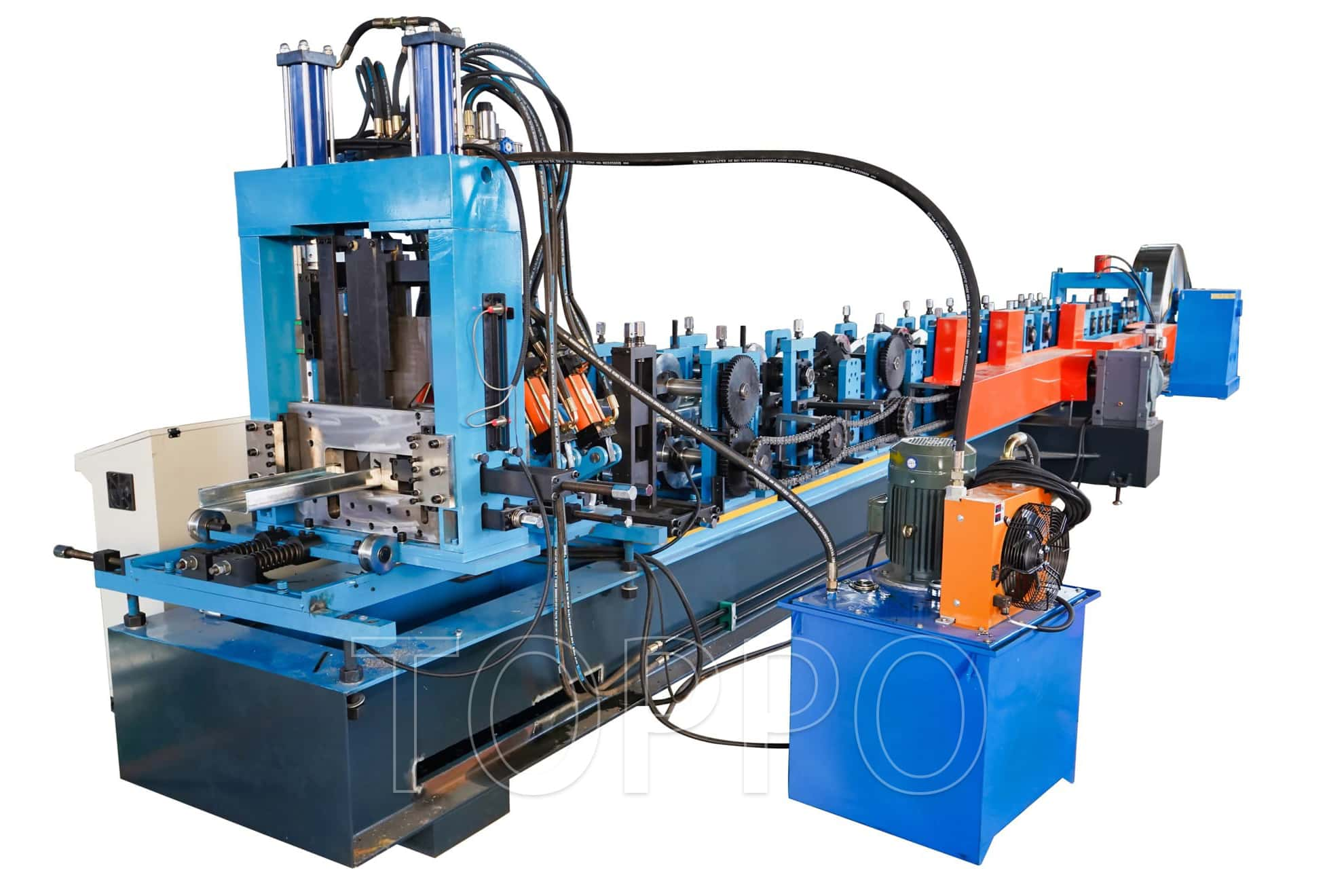
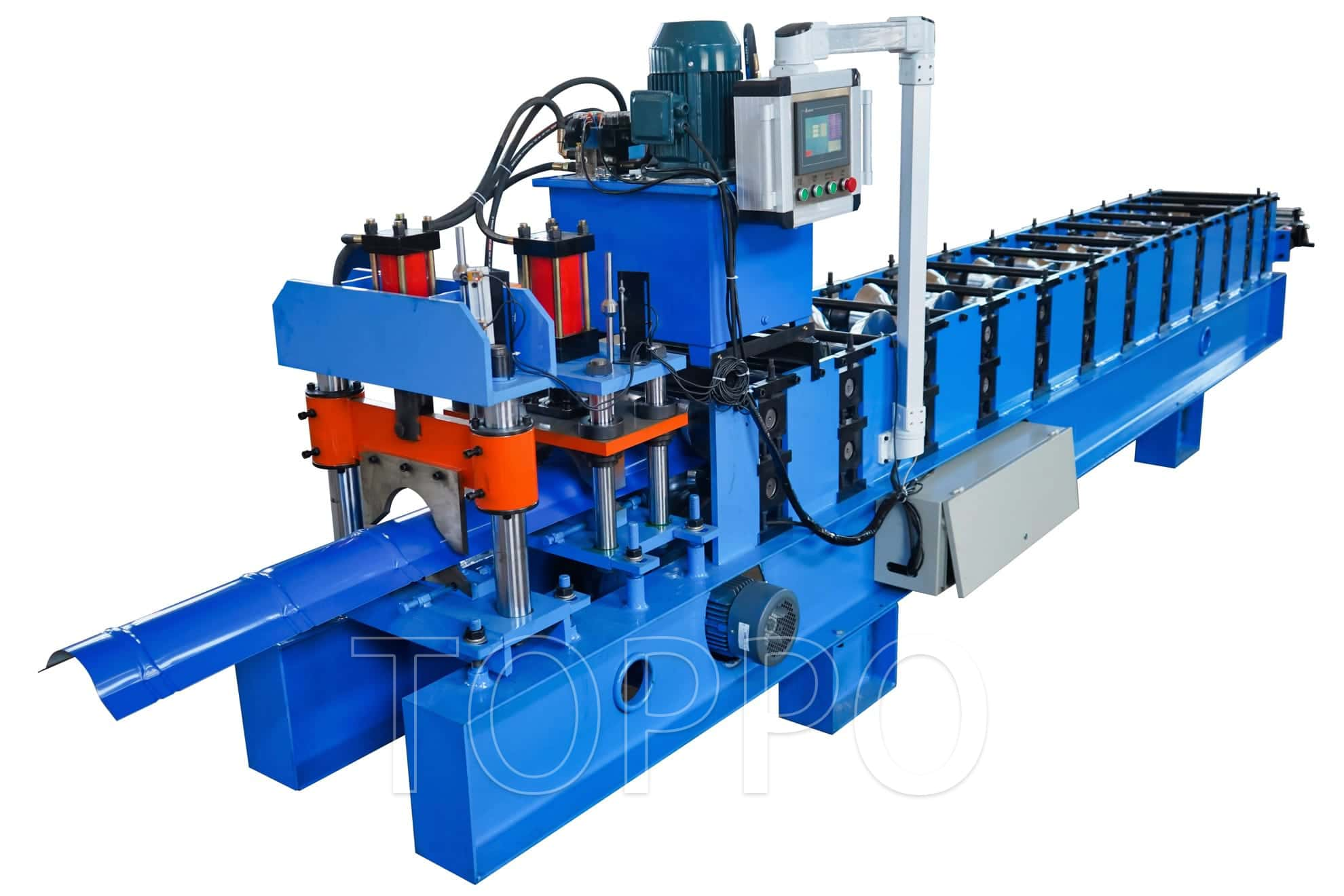
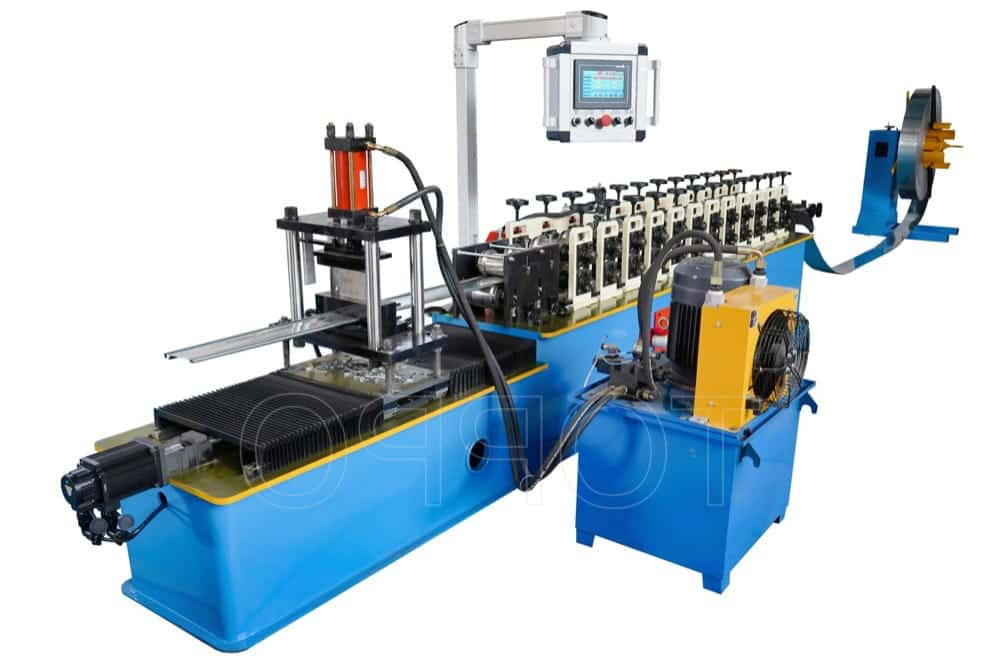
Double LayerRoll Forming Machinefor Combined Trapezoidal and Corrugated Roofing Sheets
If you’re a small business owner in the roofing or metal fabrication industry, investing in a double layerroll forming machine can transform your production capacity. This versatile equipment lets you produce two popular roofing profiles with a single machine, cutting costs and maximizing floor space.
Whether you serveroofing contractors,metal roofing manufacturers, orbuilding material suppliers, this 2-in-1 solution delivers consistent quality and faster output. Let’s explore how it works and why it’s a smart choice for growing operations.
1. What Is a CombinedTrapezoidal and CorrugatedRoll Forming Machine?
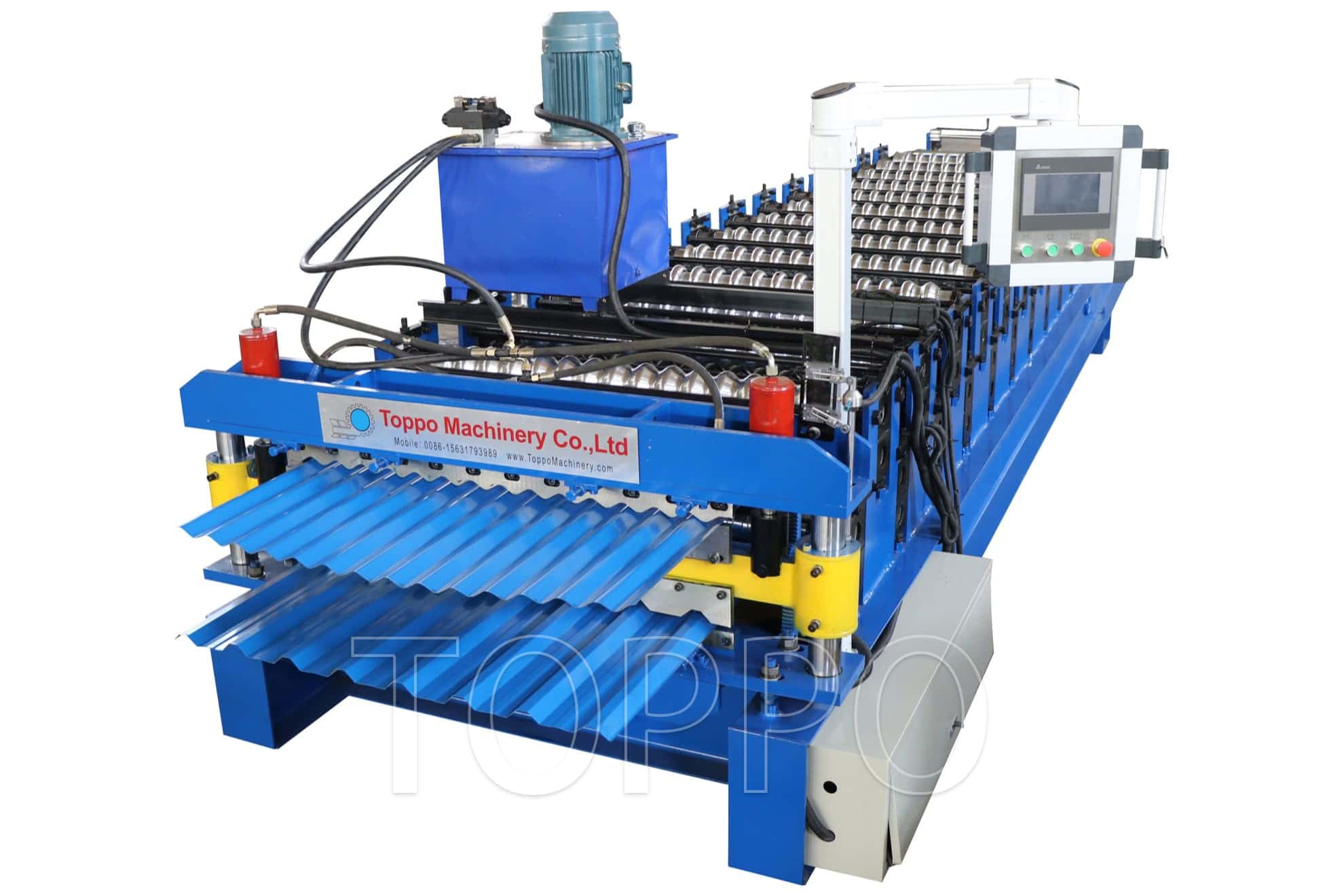
Atrapezoidal and corrugatedroll forming machineis a type ofcombinedroll forming machinethat integratestwo profile forming systemsinto one frame. It’s also known as adouble deckroll forming machineordual layerroll forming machine.
1.1 Core Structure and Working Principle
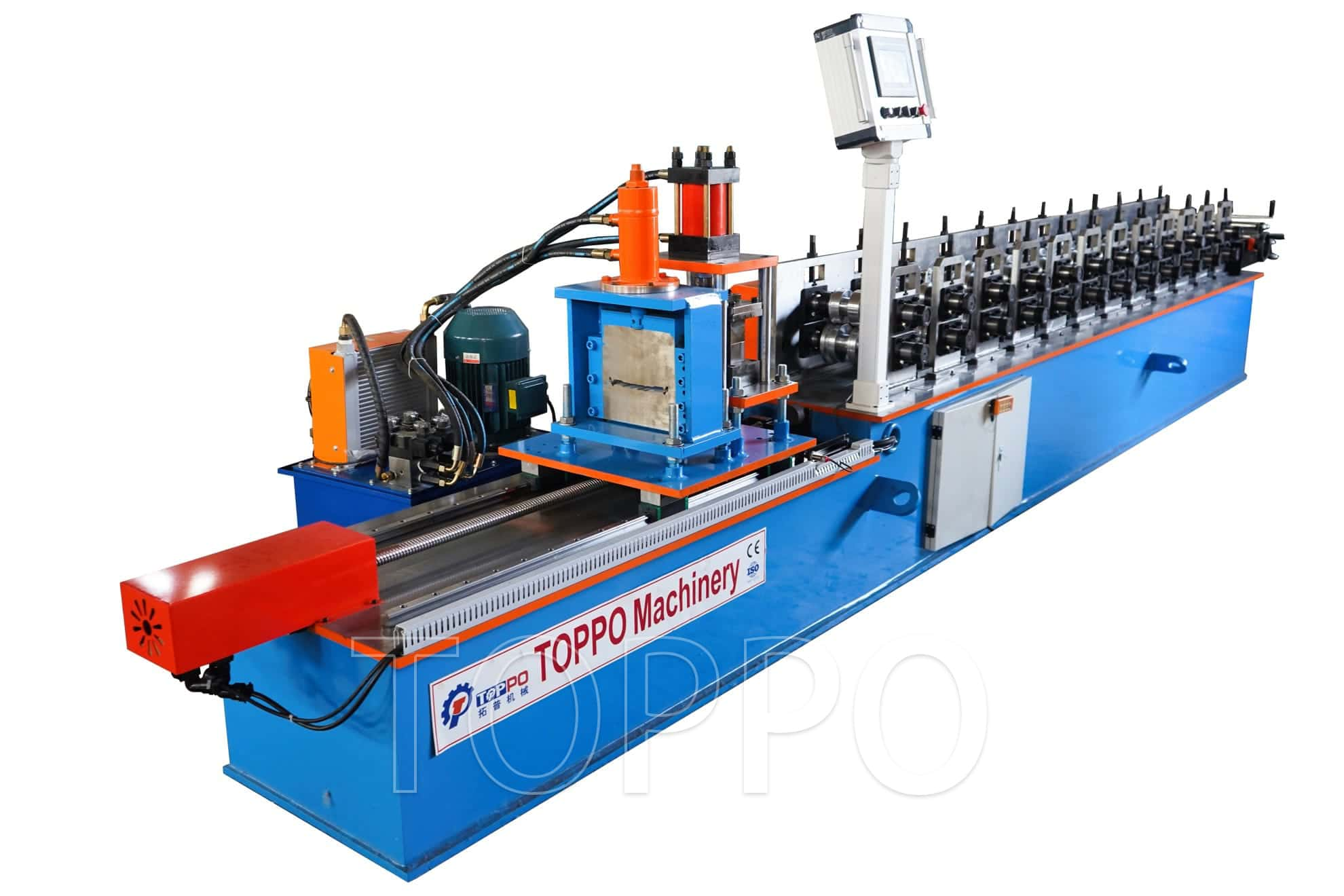
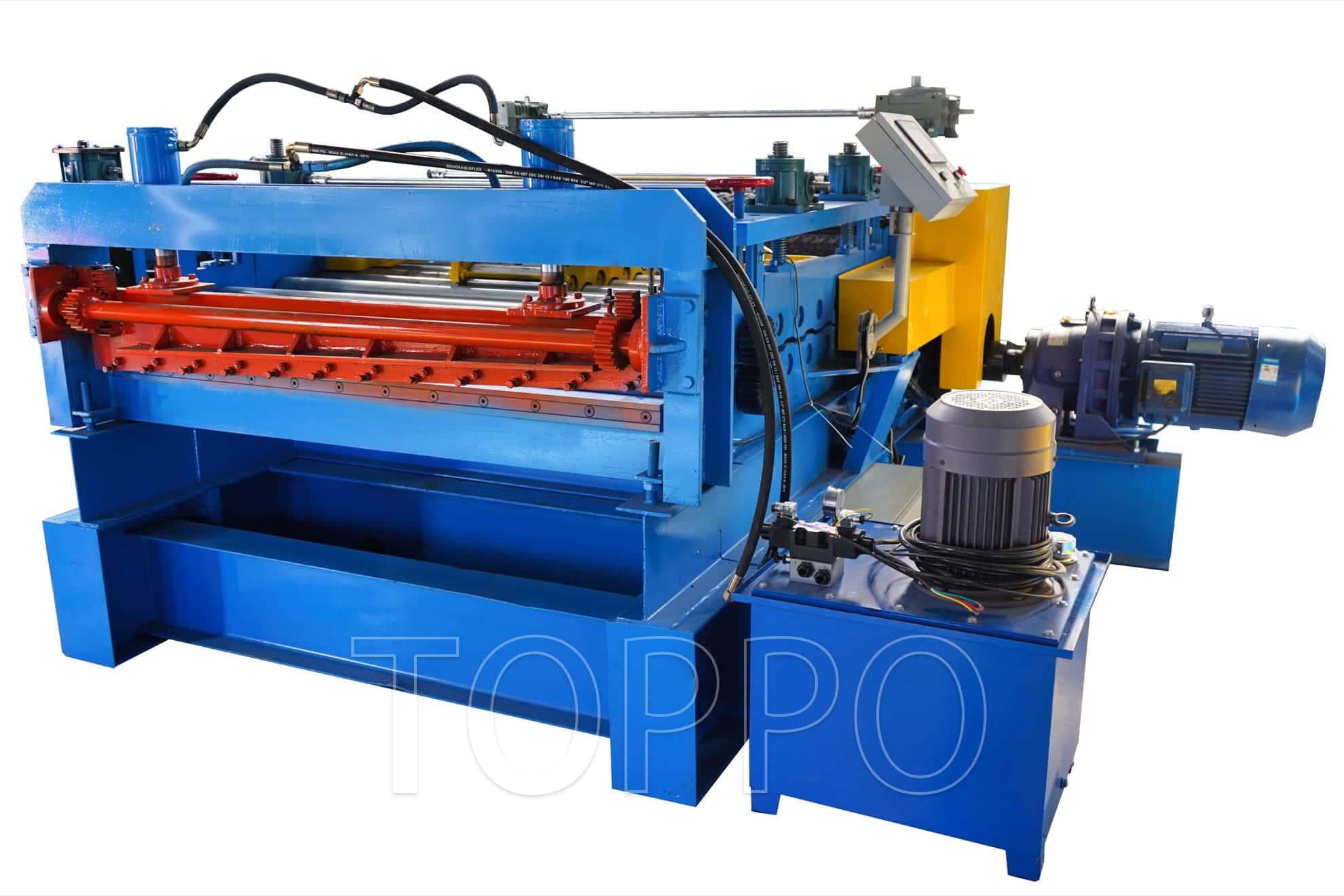
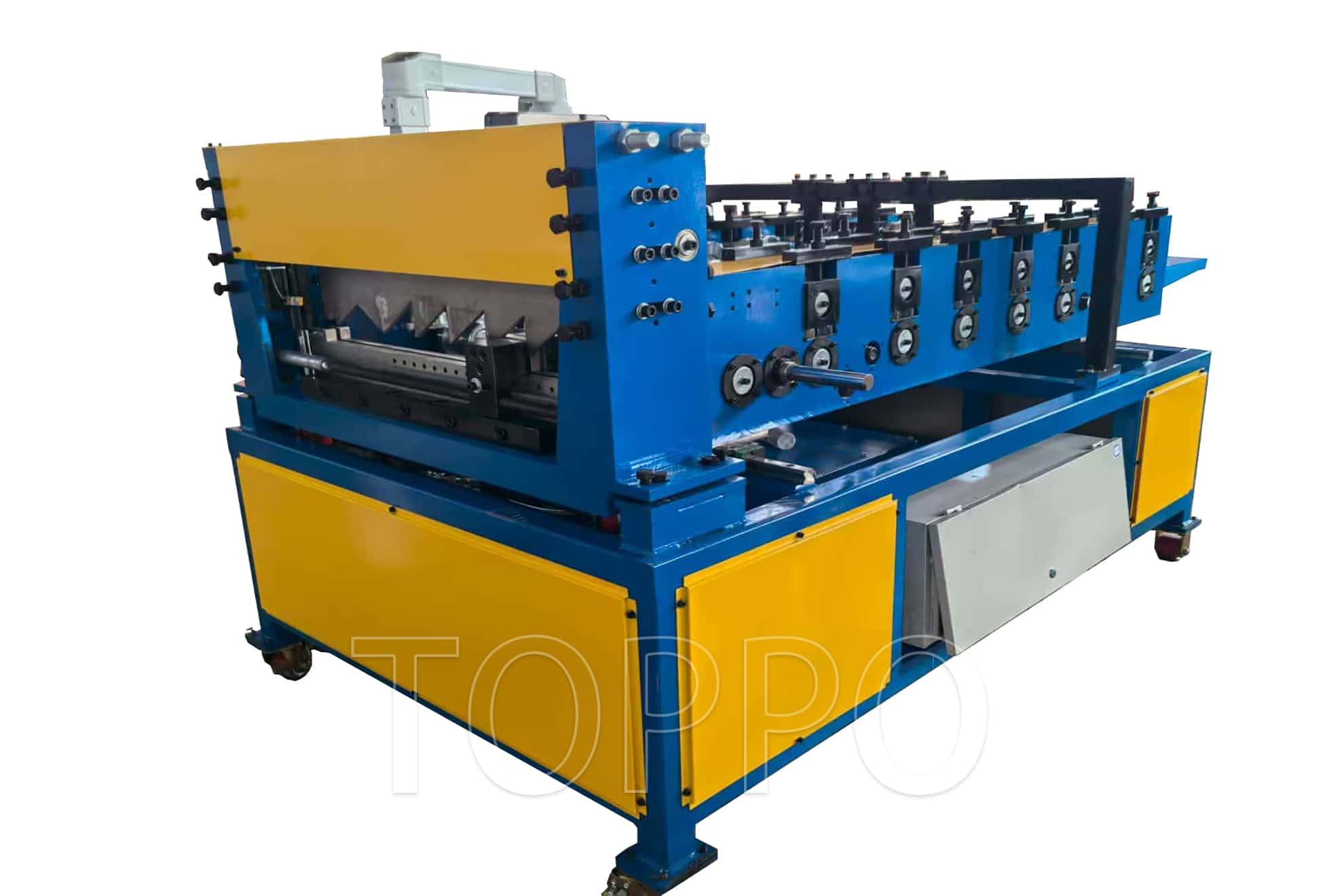
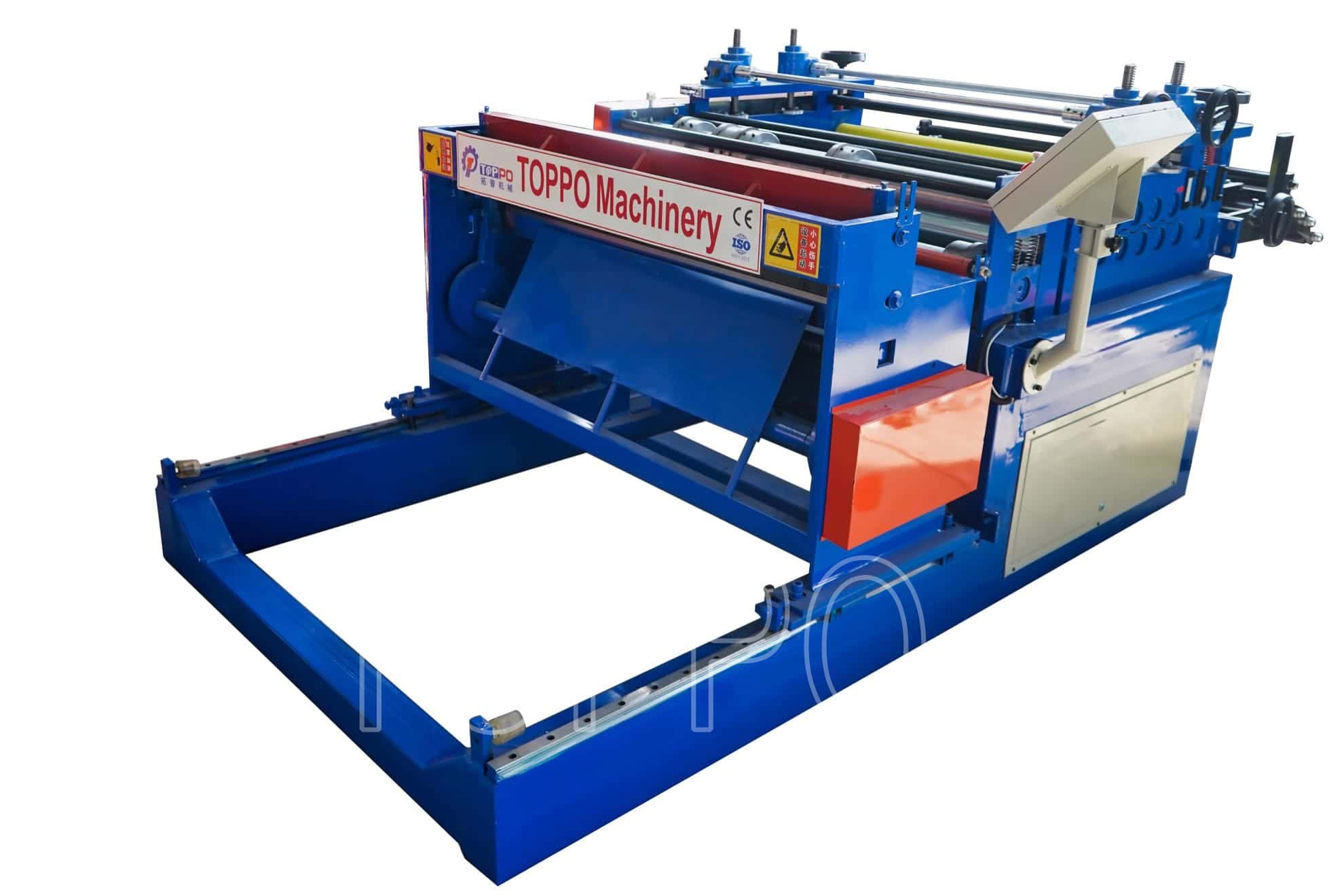
The machine featuresindependent forming stationsfor each profile, mounted on a single heavy-duty frame. It processes steel coils by feeding them through a series of rollers that gradually shape the metal into the desired profile.
Key structural components include:
Thedual profile configurationallows you to switch between products without changing tooling, saving hours of setup time.
1.2 Key Technical Specifications
For small businesses, understanding core parameters helps you choose the right model. Most standarddouble layer roof panel machines offer the following specs:
- Forming thickness
: 0.3-0.8mm (suitable for common color steel coils)
- Forming width
: 1000-1250mm (matches standard steel coil sizes)
Working speed: 0-30 m/min (adjustable based on production needs)
- Roller material
: 45# steel with chrome plating for durability
- Automatic length measurement
with ±1mm tolerance
Other variants like theIBRdouble layerroll forming machineordouble layer steel roofing sheet machinecan be customized for regional profile standards.
2. Top Benefits for Small Business Owners
For smallroof panel production factoriesorsteel sheet manufacturers, atwo layerroll forming machineoffers clear advantages over single-profile equipment.
2.1 Cost and Space Efficiency
Instead of buying two separate machines, you get two production lines in one footprint. This is ideal for workshops with limited space.
Major cost savings include:
30-40% lower upfront investment compared to two single machines
Reduced labor costs (one operator can manage the entire line)
Lower maintenance expenses with shared hydraulic and electrical systems
Many smallmetal fabrication companiesreport breaking even on their investment within 12-18 months.
2.2 Production Flexibility
With adouble tierroll forming machine, you can quickly respond to changing customer demands. Theprofile changeover systemlets you switch between trapezoidal and corrugated sheets in minutes.
This flexibility helps you:
Serve more customer types, from
roofing sheet producersto
prefabricated building manufacturersTake on mixed orders without delaying production
Expand your product catalog without major equipment upgrades
It’s also a great fit forroll forming machinedistributorsandroofing material wholesalerslooking to offer versatile equipment to their clients.
3. How to Choose the RightDouble Layer Roofing Machine
Not alltwo profileroll forming machines are created equal. Here’s what to look for when evaluating suppliers.
3.1 Critical Features to Prioritize
Focus on features that directly impact product quality and long-term reliability:
Roller materialand treatment: Hardened chrome-plated rollers prevent scratches on color steel surfaces
Cutting system: A
hydraulic cutting systemensures clean, burr-free edges
Control system: A user-friendly
PLC control systemwith touchscreen interface reduces training time
Frame construction: Thick welded steel frame provides stability at high speeds
Don’t forget to check if the machine supports customization for local profile standards, such as thedouble layer corrugated roofing machineordouble layer trapezoidal roofing machine.
3.2 Evaluating Suppliers and After-Sales Support
For small business owners, reliable after-sales service is just as important as machine quality.
When vetting suppliers, ask about:
Installation and operator training services
Warranty coverage (aim for at least 1 year on core components)
Availability of spare parts
Remote technical support capabilities
Reputable suppliers often provide case studies from similarsteel structure companiesorindustrial building contractors.
4. Maintenance Tips for Long-Term Performance
Proper maintenance extends the lifespan of yourdual profileroll forming machineand minimizes downtime.
4.1 Daily and Weekly Maintenance Routine
Consistent basic maintenance prevents most common issues:
Daily: Clean roller surfaces, check hydraulic oil levels, inspect electrical connections
Weekly: Lubricate bearing points, test safety sensors, verify cutting blade sharpness
Monthly: Inspect roller alignment, check belt tension, update PLC system software
Fordouble layer metal sheet forming machines, pay special attention to the upper and lower forming stations to ensure consistent profile quality.
4.2 Common Troubleshooting Tips
Even with regular care, minor issues may arise. Here are quick fixes for common problems:
| Issue | Possible Cause | Solution |
|---|
| Uneven profile shape | Misaligned rollers | Readjust roller gap and alignment |
| Slow cutting speed | Low hydraulic pressure | Check oil pump and pressure valve |
| Inaccurate length | Encoder calibration error | Recalibrate length measurement system |
If you’re a steel coil processing company or construction company with high production volume, consider scheduling quarterly professional inspections.
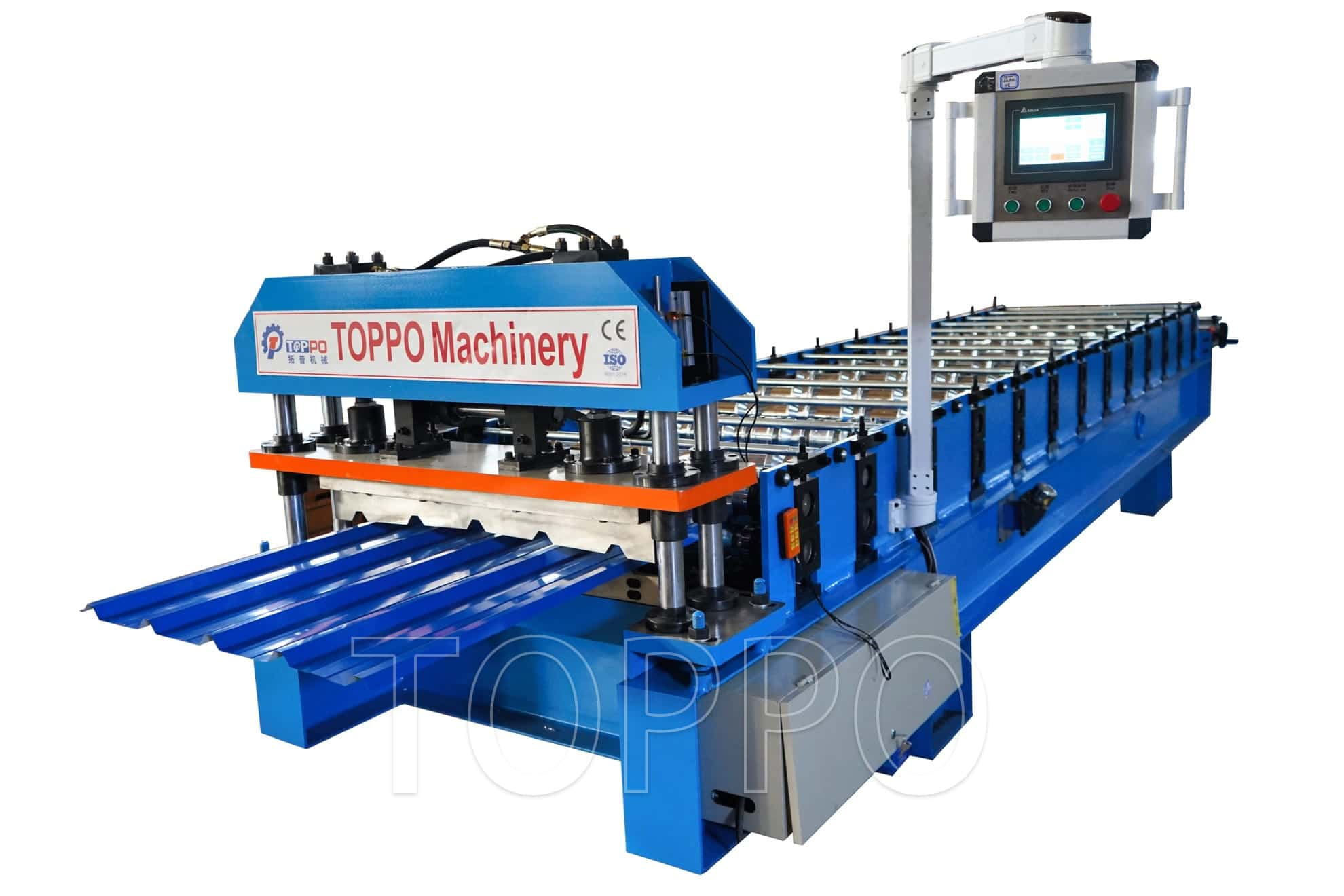
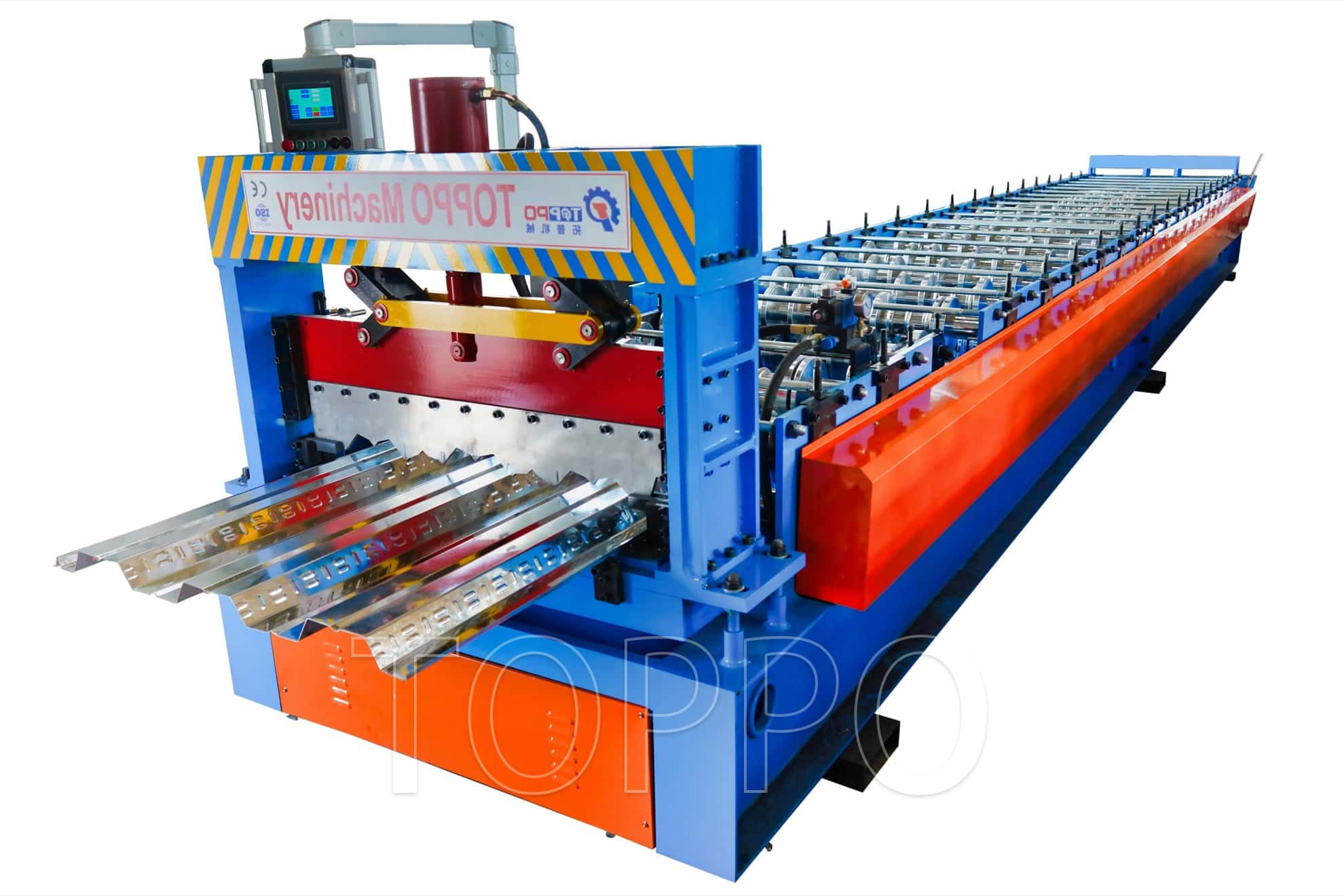
Double layerroll forming machinein operation with trapezoidal sheet output
alt:Double layerroll forming machineproducing trapezoidal roofing sheets
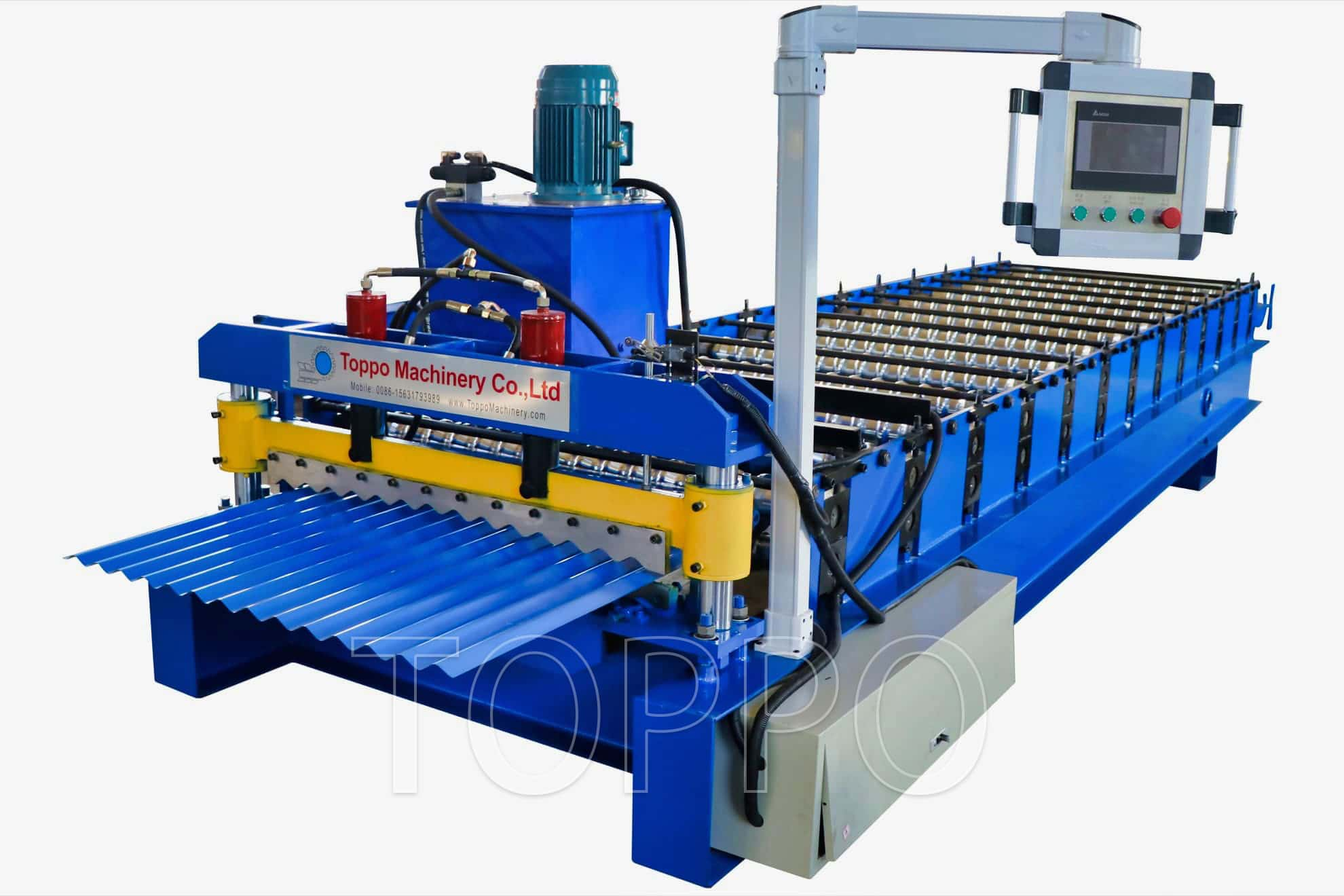
Close-up of corrugated profile forming rollers
alt: Corrugated profile forming rollers ondouble deckroll forming machine
PLC control panel of combined roofing sheet machine
alt:PLC control systemfor combinedtrapezoidal and corrugatedroll forming machine