- Trapezoidal Machine
- Corrugated Machine
- Glazed Tile Machine
- Double Layer Machine
- CZU Purlin Machine
- Ridge Cap Machine
- Floor Decking Machine
- Rolling Door Machine
- Fence Machine
- Embossing Machine
- Standing Seam Machine
- Cut To Length And Slitting Line
- Guard Rail Machine
- Decoiler And Stacker
- Stud And Track Machine
- Gutter And DownPipe
- Curving Machine
- Cladding Panel Machine
- Corollary Equipment


Introduction
Roofing materials play an important role in residential, commercial, and industrial construction. As demand for different roofing designs continues to evolve, manufacturers need production methods that match their target markets, material requirements, and business goals.
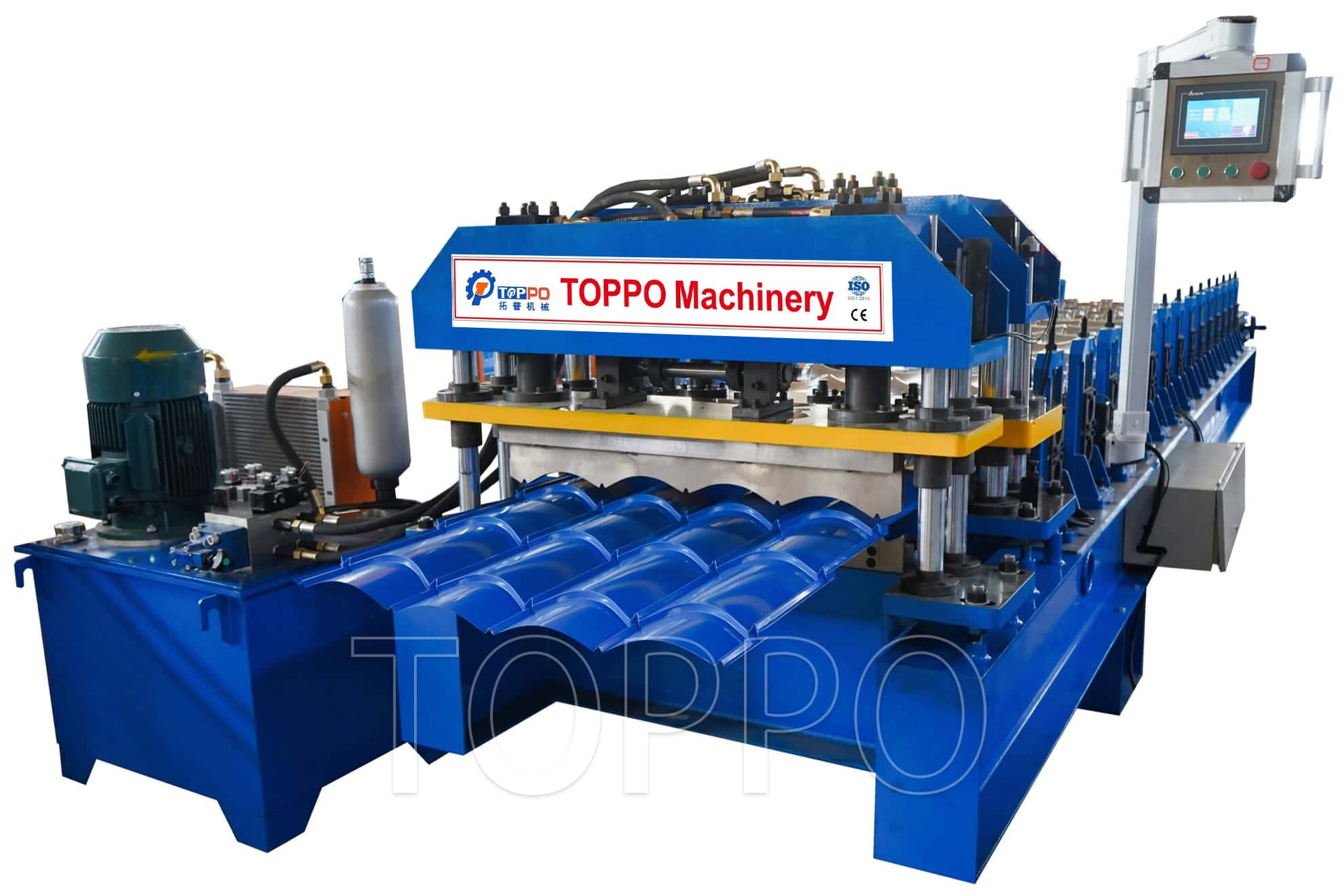
A Metal Roof Tile Roll Forming Machine is designed to shape metal coils into roofing sheets with specific profiles. Depending on the machine configuration, manufacturers can produce glazed tile-style roofing sheets and other metal roofing profiles for different applications.
Traditional roofing methods, including ceramic tile manufacturing and manual metal sheet fabrication, use different materials, equipment, and production processes. Understanding these differences helps businesses decide which manufacturing approach is suitable for their operations.
In this article, TOPPO Machinery explains the key differences between metal roof tile roll forming and traditional roofing production methods.
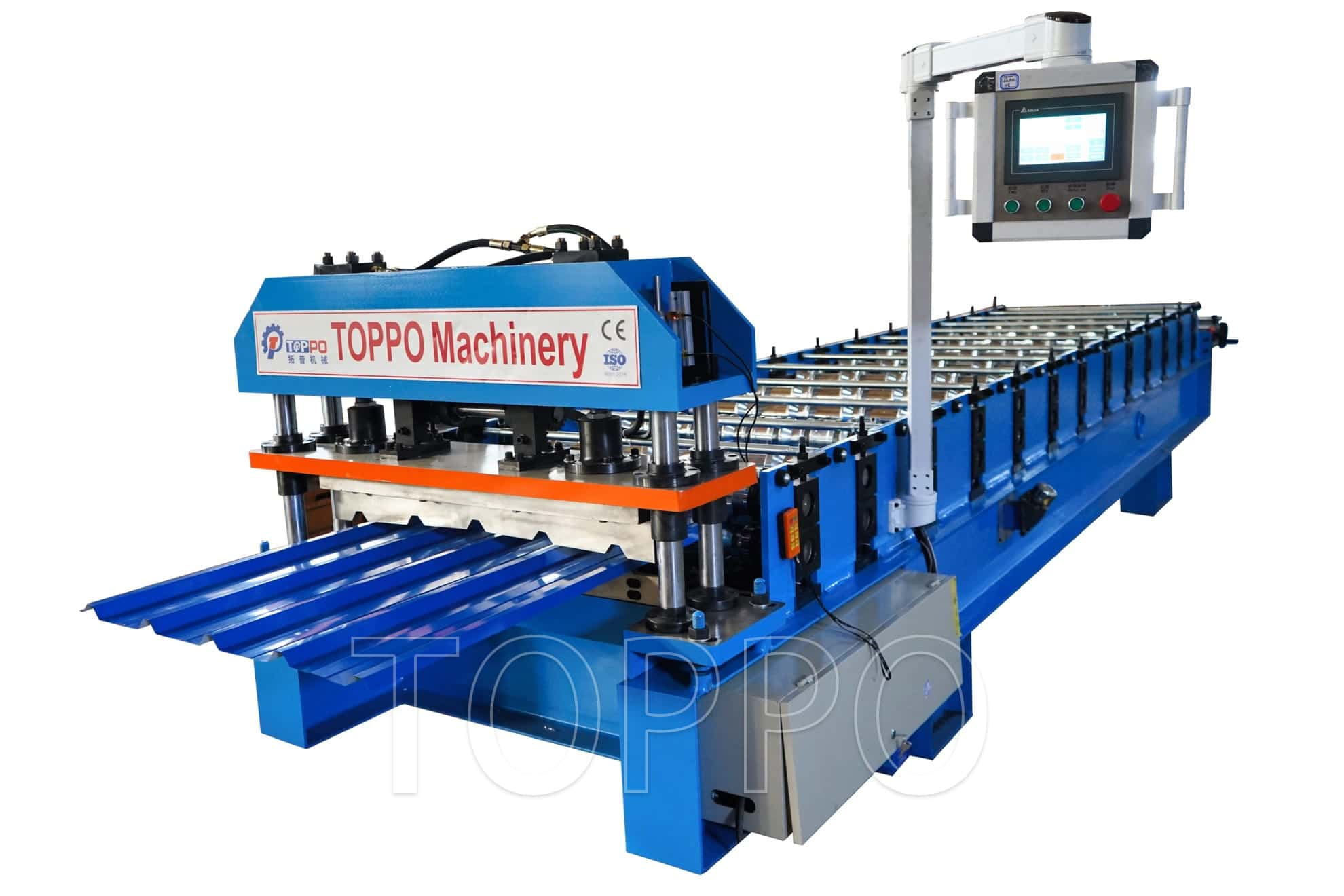
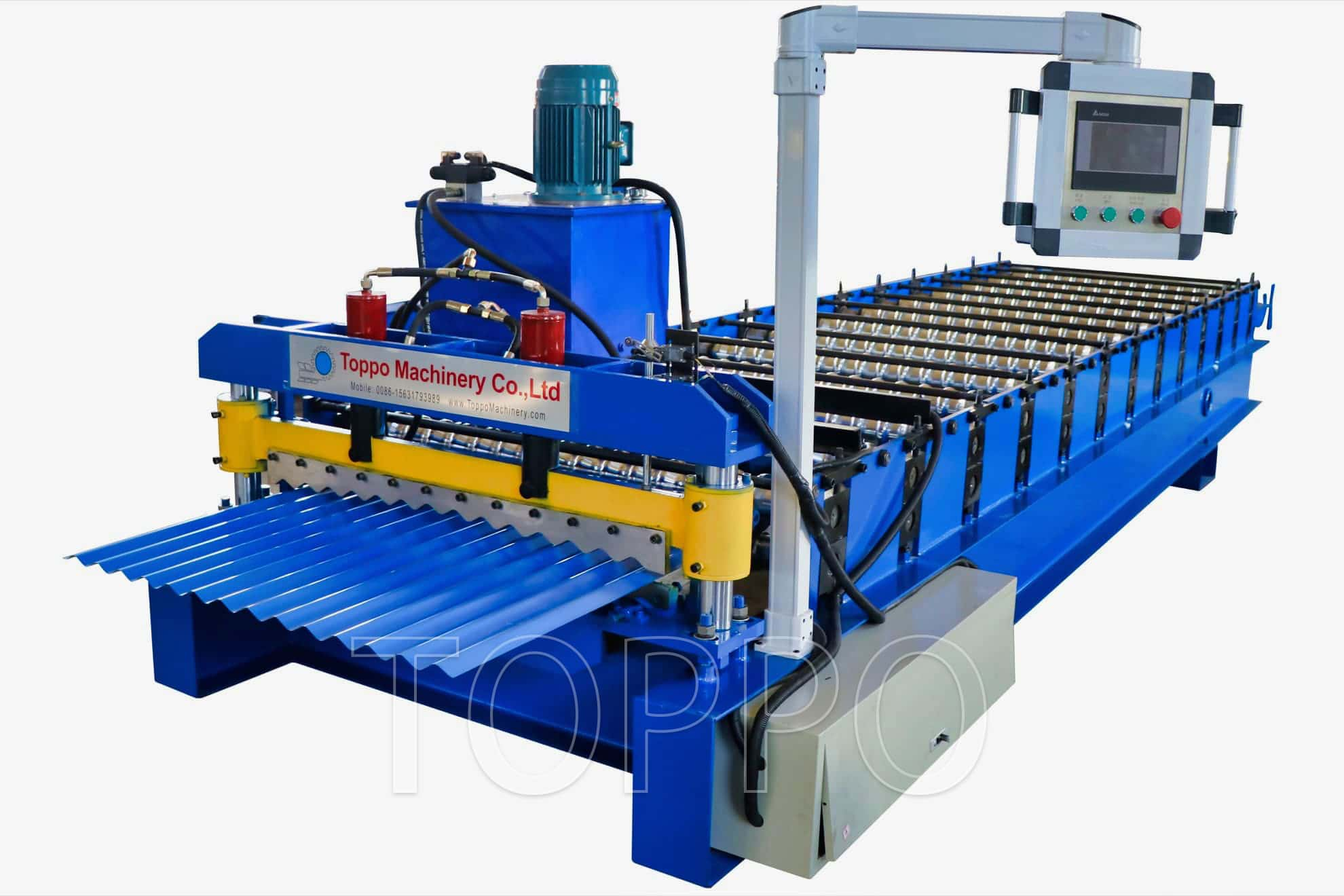
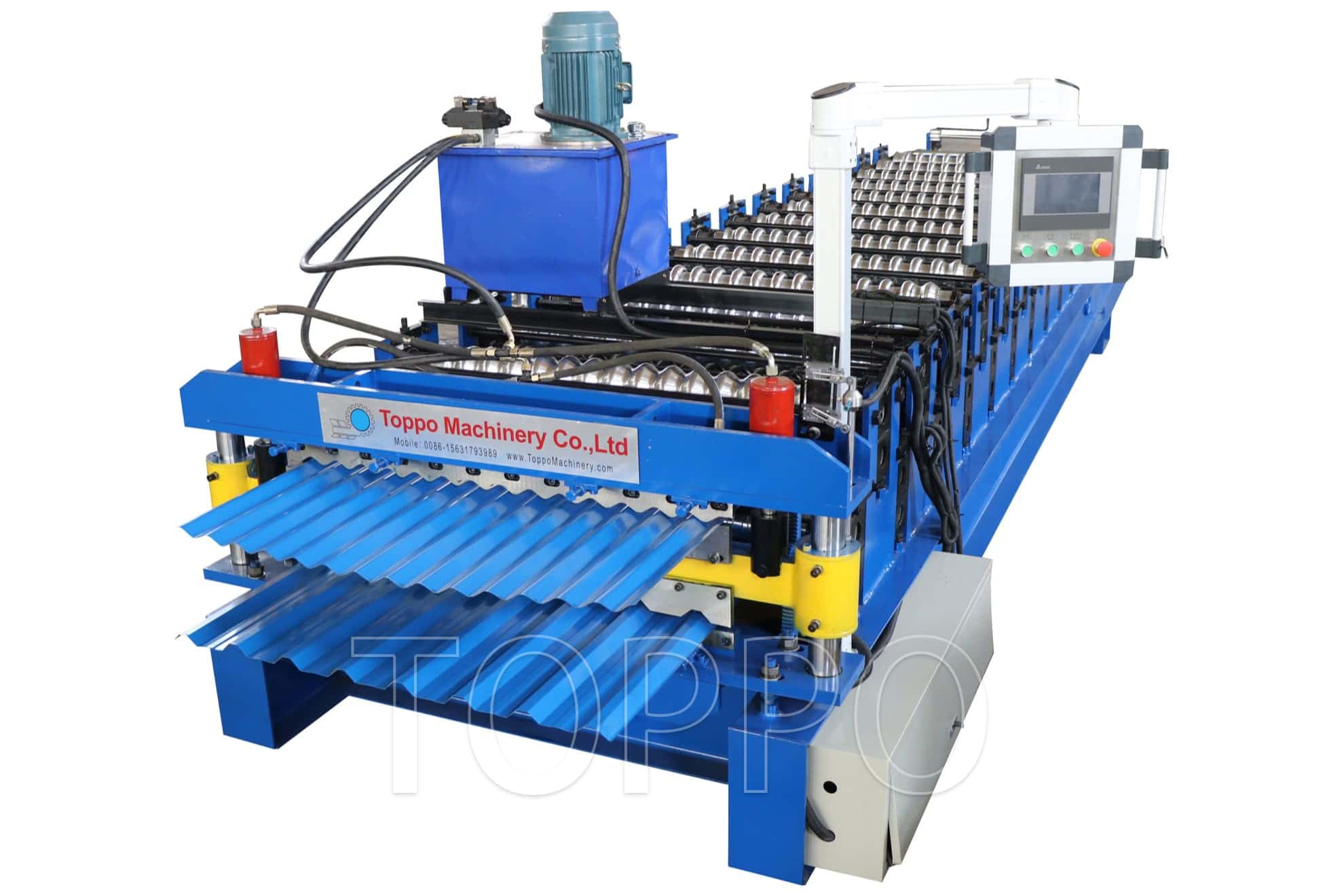
1. Understanding Metal Roof Tile Roll Forming Technology
Roll forming is a continuous metal shaping process. A metal strip passes through a series of roller stations, and each station gradually changes its shape until the required profile is achieved.
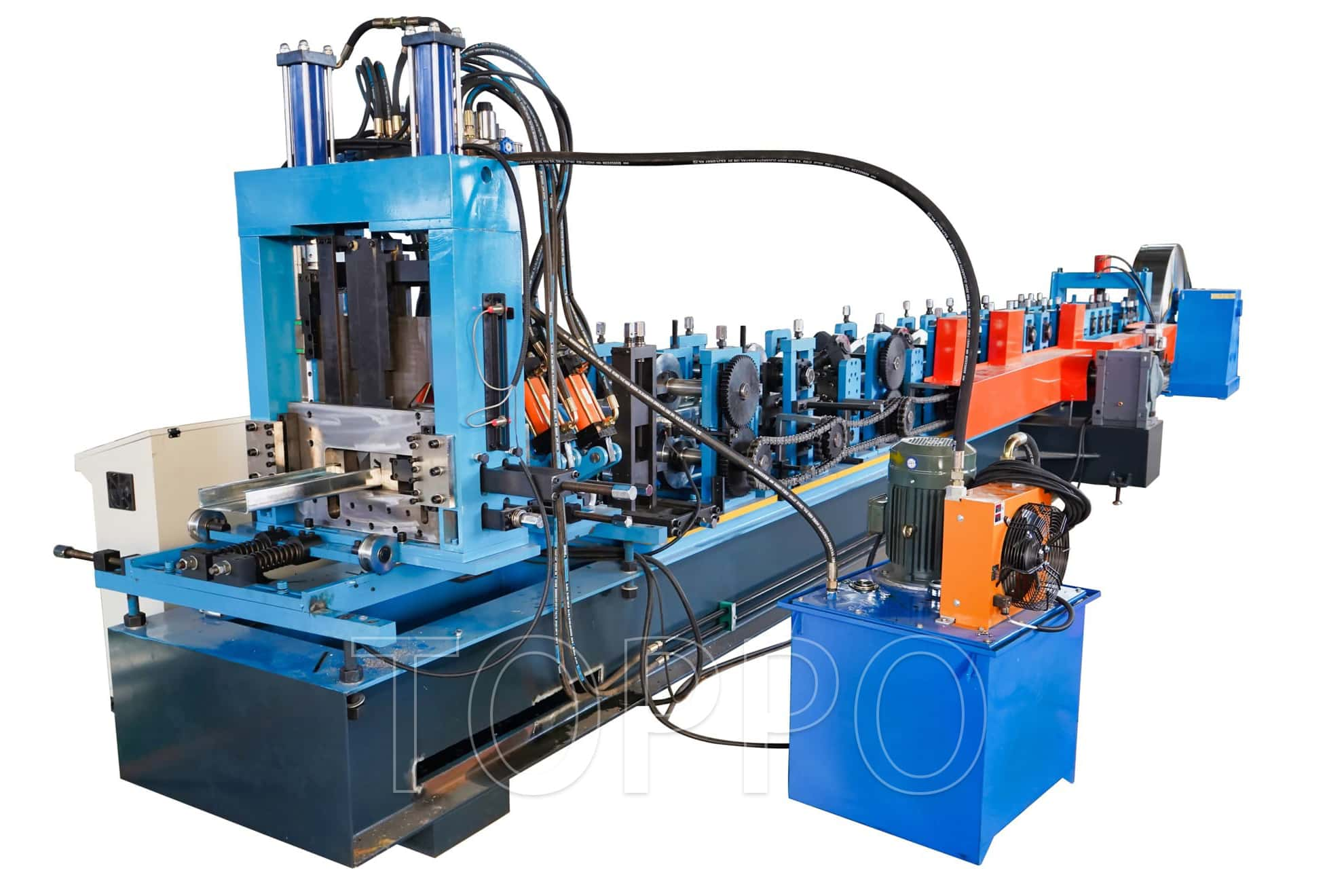
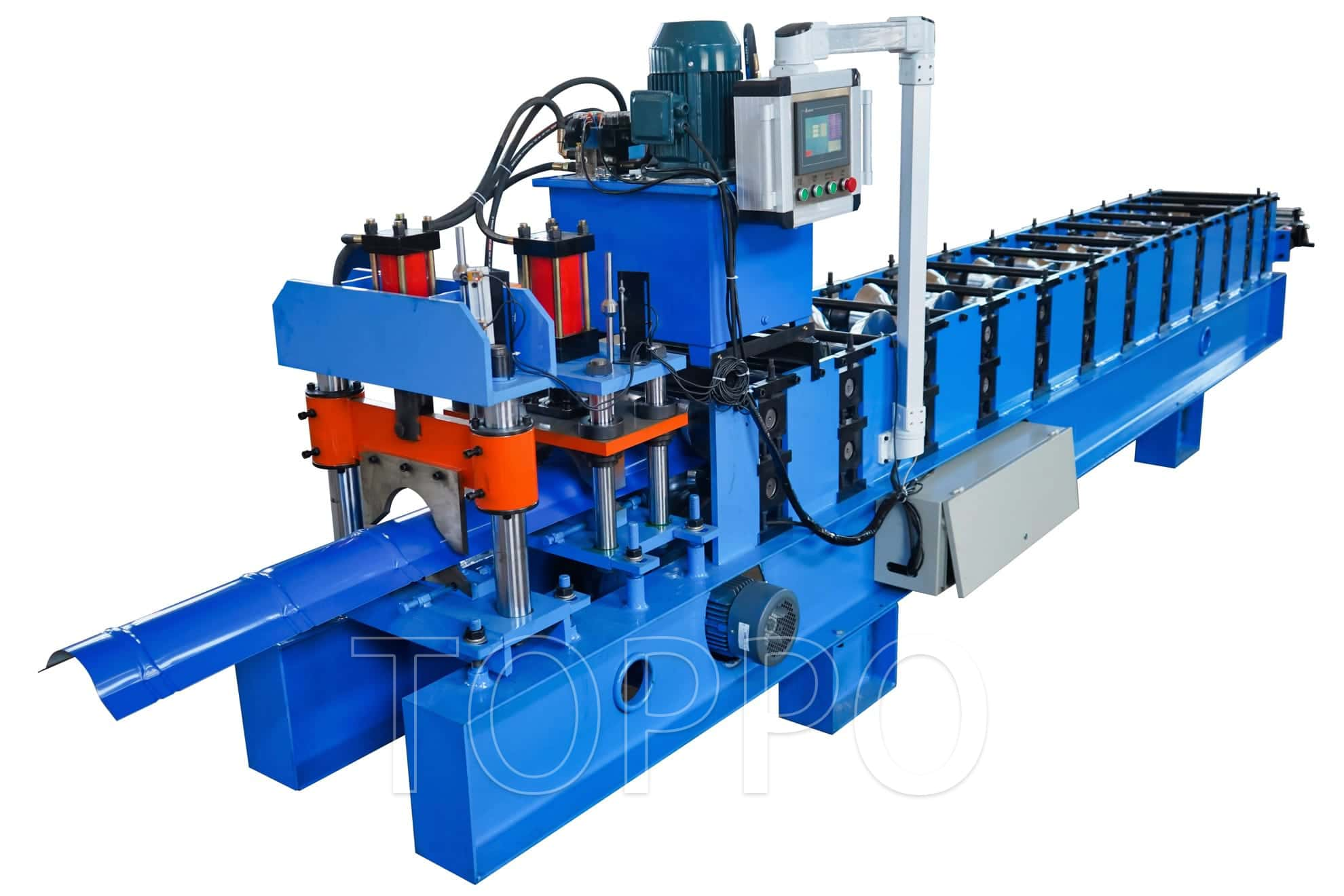
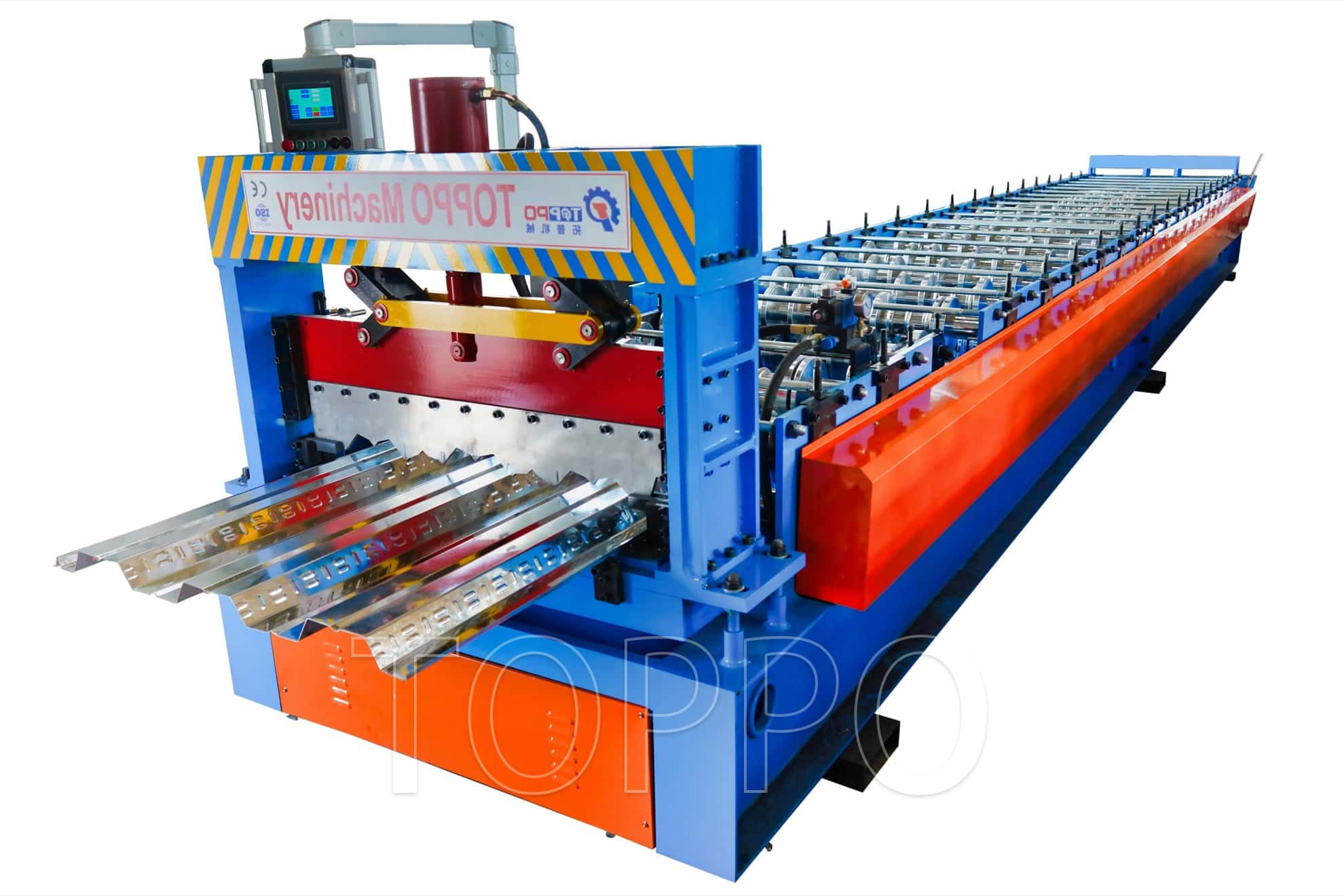
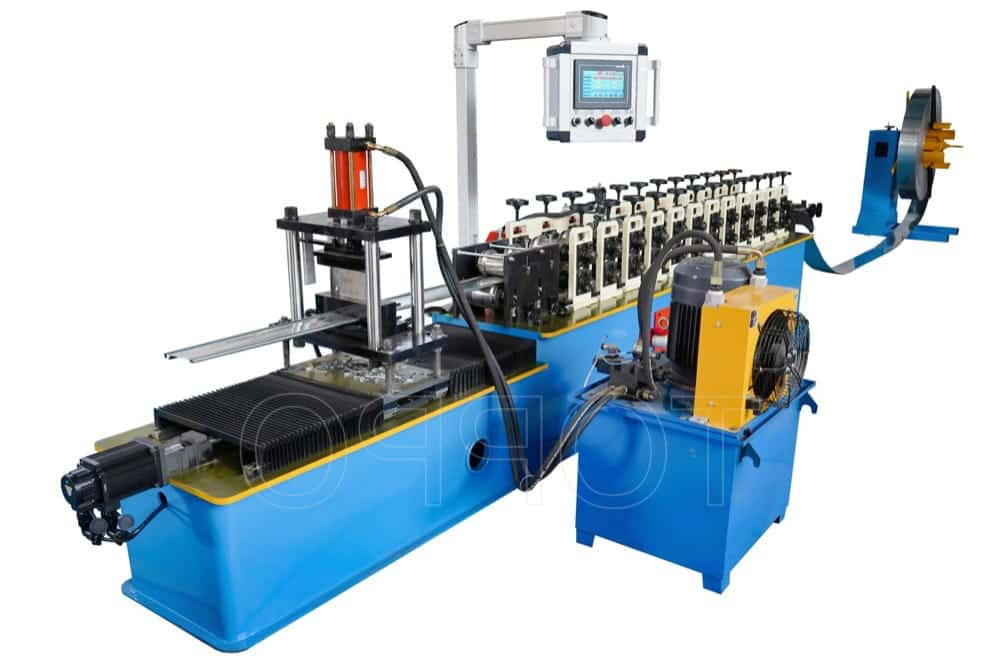
A metal glazed roof tile roll forming machine is designed specifically for producing metal sheets with a decorative tile-style profile.
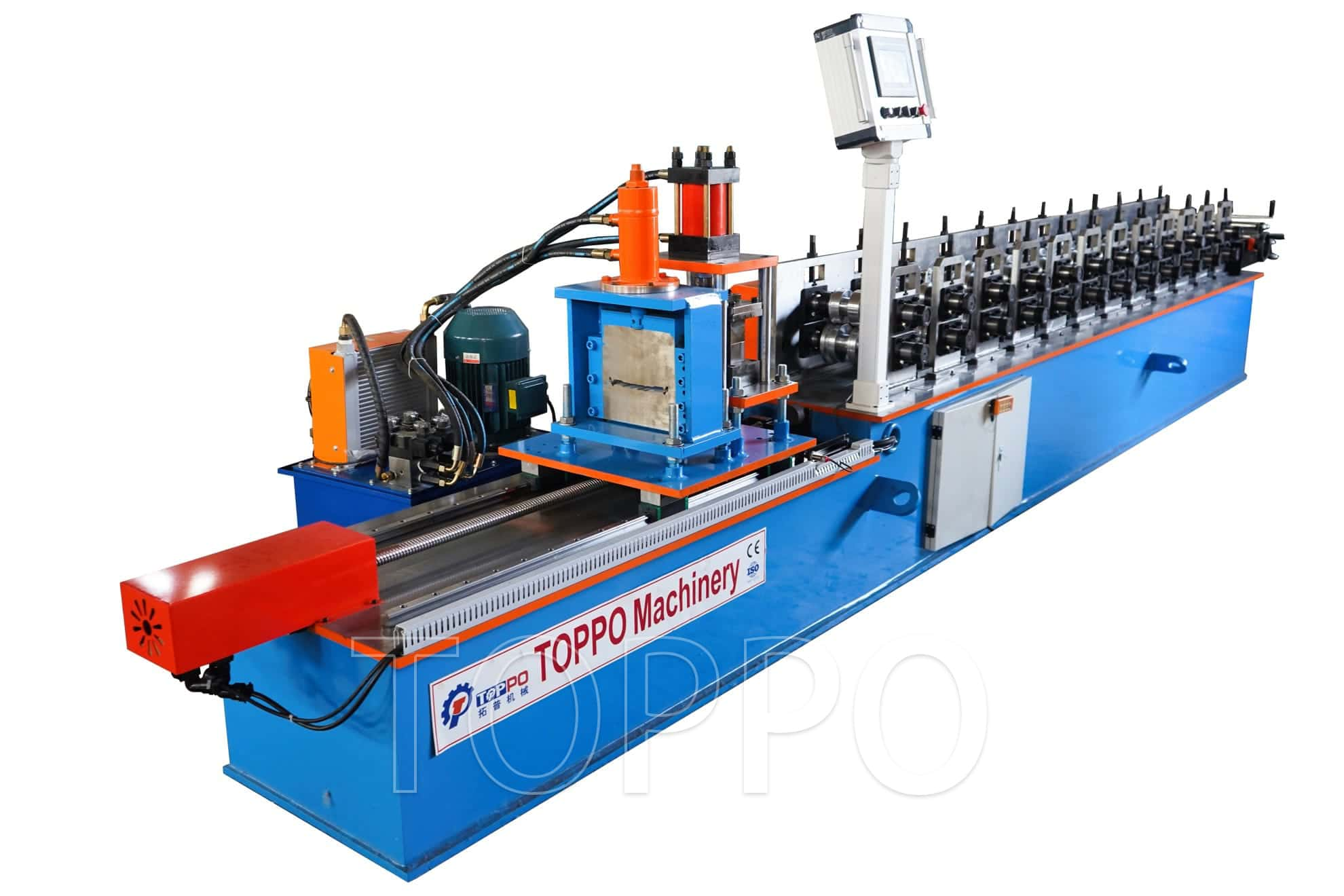
A typical production line may include:
A decoiler for loading and feeding the metal coil
A feeding and guiding system
Multiple forming roller stations
A cutting system
A PLC control system
Optional auxiliary equipment for finished sheet handling
The exact configuration depends on the profile drawing, material specifications, required production capacity, and automation level.
Unlike a process that manufactures individual ceramic tiles, metal roll forming works with sheet material supplied in coils and produces continuous formed sheets that are cut to the required length.
2. Metal Roofing Production vs. Ceramic Tile Manufacturing
Metal roofing and ceramic roofing use different raw materials and manufacturing processes.
Metal Roofing Production
Metal roofing sheets are generally produced from suitable steel coils or other compatible metal materials.
The material passes through the forming machine, where rollers create the specified profile. The formed sheet is then cut to the required length.
This process is suitable for businesses manufacturing metal roofing products in a range of profile designs.
Ceramic Tile Manufacturing
Traditional ceramic roof tile production generally involves preparing clay or other suitable ceramic materials, shaping individual tiles, drying them, and firing them in a kiln. Glazing may be included depending on the product.
This process requires different equipment and production conditions from metal roll forming.
Which Method Is Better?
Neither method is universally better. The appropriate choice depends on the intended roofing product, local market demand, available investment, raw material supply, and manufacturing capabilities.
A business planning to manufacture metal glazed roofing sheets should evaluate a metal roof tile roll forming machine rather than assuming that ceramic tile production equipment can perform the same function.
3. Production Consistency and Profile Accuracy
Consistent product dimensions are important for roofing manufacturers.
In a properly configured roll forming line, the forming rollers are designed according to the required profile drawing. Stable material feeding, correct machine adjustment, and suitable raw materials help maintain consistent profile geometry.
However, the final result also depends on material properties, roller design, machine alignment, cutting accuracy, and operating conditions.
When evaluating a metal roof tile manufacturing machine, buyers should ask the manufacturer how the proposed roller system matches the intended profile and what material specifications the machine supports.
For ceramic tile production, consistency depends on different factors, including the raw material composition, forming process, drying conditions, and firing process.
The two methods therefore require different quality control procedures.
4. Production Efficiency and Labor Requirements
Production efficiency is another important consideration when comparing manufacturing methods.
A metal roof tile roll forming machine can integrate material feeding, roll forming, length measurement, and cutting into a coordinated production process, depending on the selected configuration.
Automation can reduce certain repetitive manual operations and help manufacturers organize production more efficiently.
However, actual output depends on the machine's practical operating speed, cutting cycle, product length, material specifications, and finished sheet handling arrangements.
Ceramic tile manufacturing generally involves separate stages such as material preparation, shaping, drying, and firing. Each stage has its own equipment and production requirements.
Before choosing either approach, businesses should estimate their expected output, labor requirements, factory space, utility consumption, and overall operating costs.
5. Product Customization and Design Flexibility
Different construction markets may require different roofing profiles and dimensions.
A metal glazed roof tile roll forming machine can be designed or configured for a specified metal roofing profile. Customization feasibility depends on the profile geometry, material specifications, roller design, and cutting system.
Before placing an order, buyers should prepare:
A profile drawing or sample
Finished sheet dimensions
Material type and thickness
Required sheet lengths
Any special forming or cutting requirements
The manufacturer can then evaluate whether the requested profile is compatible with the proposed machine or requires a different design.
Ceramic roofing products use different molds and forming processes. Changes in tile design may require modifications to molds, tooling, or other production stages.
The most suitable method depends on the type of finished product and the degree of customization required.
6. Raw Materials and Finished Product Characteristics
Material selection affects the manufacturing process and the characteristics of the finished roofing product.
Metal glazed roofing sheets may use suitable pre-painted galvanized steel (PPGI), galvanized steel (GI), or other compatible materials, depending on the machine design and product requirements.
Their performance depends on the base metal, coating system, profile geometry, installation method, and environmental conditions.
Ceramic roofing tiles use ceramic materials and have different physical properties and production requirements.
Buyers should compare the finished products based on their intended application rather than assuming that metal and ceramic roofing materials are interchangeable.
Important considerations include structural requirements, weather exposure, corrosion protection, maintenance expectations, local building codes, and installation methods.
7. Investment and Operating Cost Considerations
The total investment depends on the selected manufacturing method and the scale of the intended operation.
For a metal roofing production line, the main cost factors may include:
Roll forming machine configuration
Decoiler capacity
Roller and cutting system design
Automation and auxiliary equipment
Installation and commissioning
Spare parts and maintenance
Transportation and import costs
Ceramic tile production may require additional investment in material preparation, shaping equipment, drying facilities, kilns, and related infrastructure.
Operating costs also differ. Businesses should compare raw material costs, labor, energy consumption, maintenance, production yield, and expected sales volume.
A lower initial equipment price does not necessarily mean a lower total cost of ownership. The right decision should reflect the complete production process and the company's commercial objectives.
8. How to Choose the Right Metal Roof Tile Roll Forming Machine
If your business plans to manufacture metal glazed roofing sheets, the following steps can help you select suitable equipment.
Confirm Your Target Product
Determine the required roofing profile, finished dimensions, and intended applications.
Define the Material Specifications
Confirm the material type, thickness range, coil width, and relevant material properties.
Estimate Production Requirements
Calculate the expected output and determine whether a standard line or additional automation is appropriate.
Review the Complete Configuration
Check the forming rollers, cutting system, control components, decoiler capacity, and included accessories.
Confirm Installation Requirements
Verify the factory power supply, available floor space, delivery arrangements, and technical support requirements.
Providing these details to the manufacturer helps ensure that the proposed equipment matches the intended production process.
9. Metal Glazed Roof Tile Roll Forming Solutions from TOPPO Machinery
TOPPO Machinery specializes in roll forming equipment for metal roofing and building material production.
We understand that customers may have different requirements for roofing profiles, material specifications, production capacity, and automation.
Our team can review your profile drawing and technical requirements to discuss a suitable metal glazed roof tile roll forming machine configuration.
Before confirming an order, we recommend verifying the supported material range, required profile, machine specifications, electrical configuration, delivery terms, and after-sales support.
This approach helps buyers make informed equipment decisions based on their actual manufacturing needs.
Frequently Asked Questions
What is the main difference between metal roof tile roll forming and ceramic tile manufacturing?
Metal roof tile roll forming shapes metal coils into roofing sheets using roller stations and a cutting system. Ceramic tile manufacturing typically involves preparing ceramic materials, shaping individual tiles, drying them, and firing them in a kiln.
Can a metal glazed roof tile roll forming machine produce customized profiles?
Customized profiles may be possible, depending on the required geometry and machine design. A profile drawing or sample is needed for technical evaluation.
What materials can a metal roof tile roll forming machine process?
Depending on the machine configuration, compatible materials may include pre-painted galvanized steel and galvanized steel. The supported material range should be confirmed before ordering.
Does an automatic roll forming machine eliminate all manual work?
No. Automation can reduce certain repetitive operations, but coil loading, material handling, inspection, packaging, and maintenance may still require operator involvement, depending on the production line.
What information is needed to select a suitable machine?
Provide the required profile drawing, material type, thickness range, coil width, finished sheet length, target production capacity, and factory power supply.
Conclusion
Metal roof tile roll forming and traditional ceramic tile manufacturing serve different roofing markets and require different production processes.
For businesses planning to manufacture metal glazed roofing sheets, a suitable metal roof tile roll forming machine can provide an integrated approach to forming and cutting metal coils into specified profiles.
The best equipment choice depends on the intended product, material specifications, production capacity, factory conditions, and total investment.
Looking for a metal glazed roof tile roll forming machine?
Contact TOPPO Machinery with your profile drawing, material specifications, and production requirements. Our team can help you evaluate a suitable roll forming solution for your business.