Double LayerRoll Forming Machine: 2026 Ultimate FAQ Guide for Industrial Roofing
As of November 4, 2026, the global metal roofing market continues to grow at a 6.2% annual rate, driving demand for efficient production equipment. Adouble layerroll forming machinestands out as a top solution for businesses looking to boost output while cutting costs. This guide answers the most common questions about this versatileroof panel making machine, covering specs, applications, and benefits for all user groups.
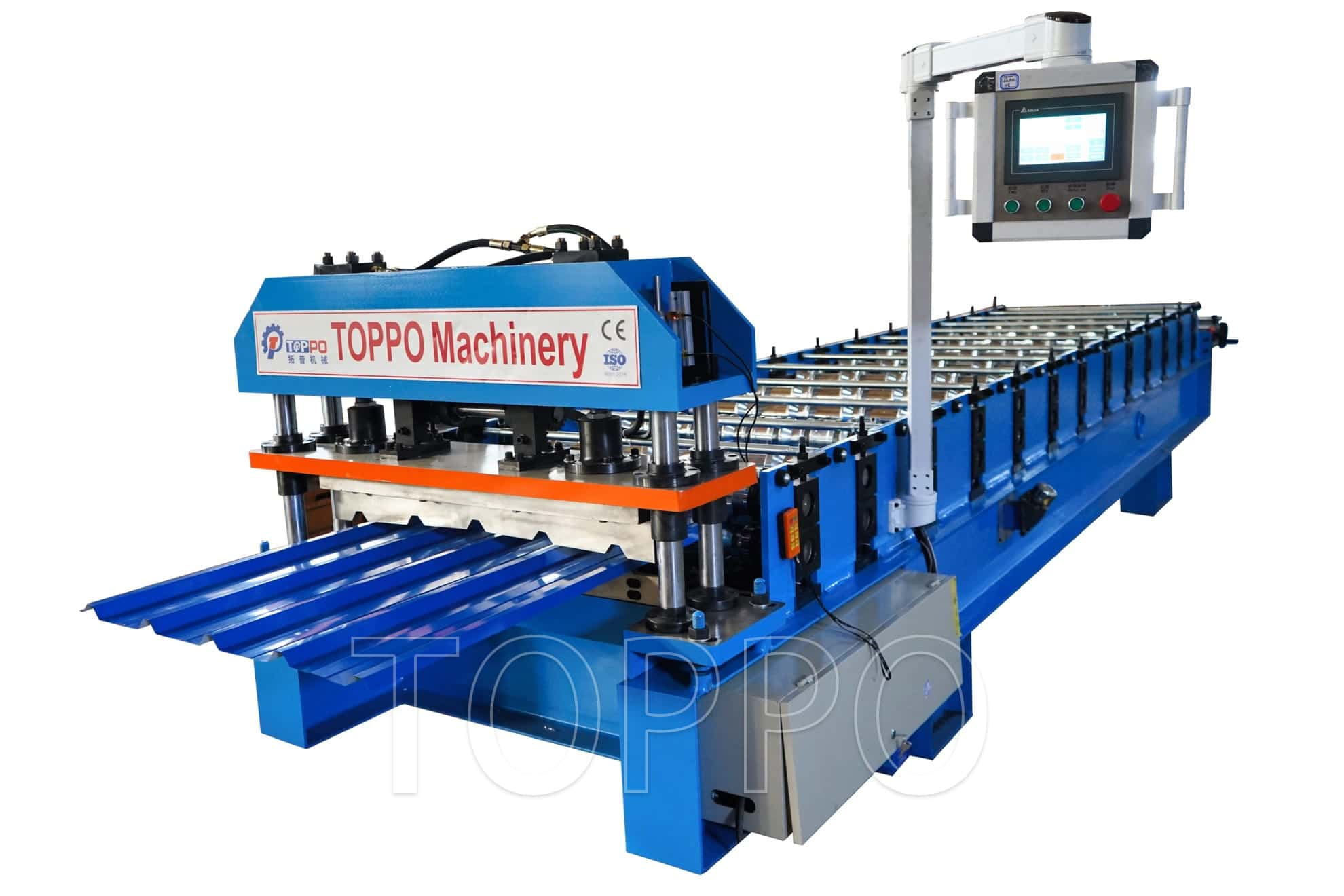
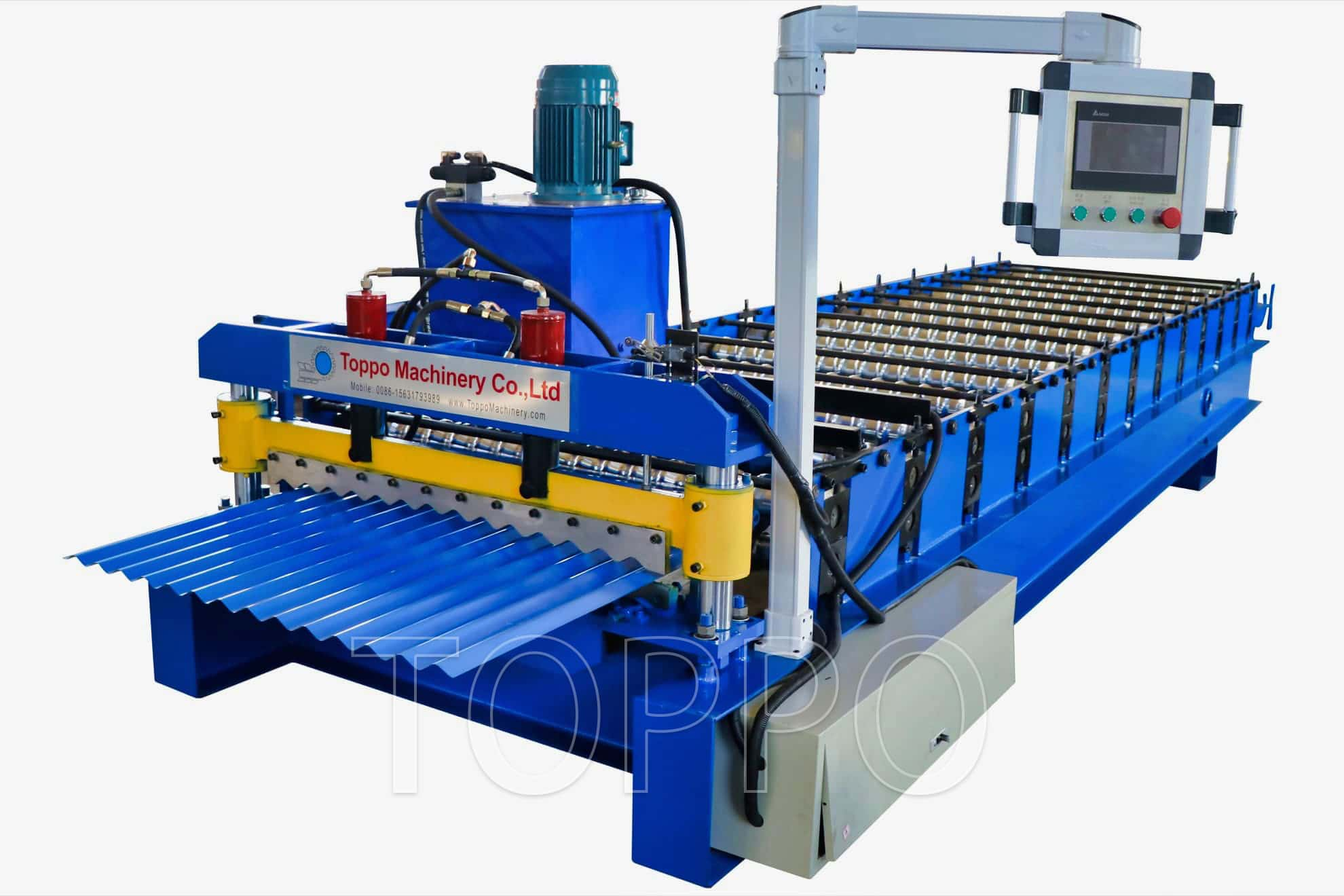
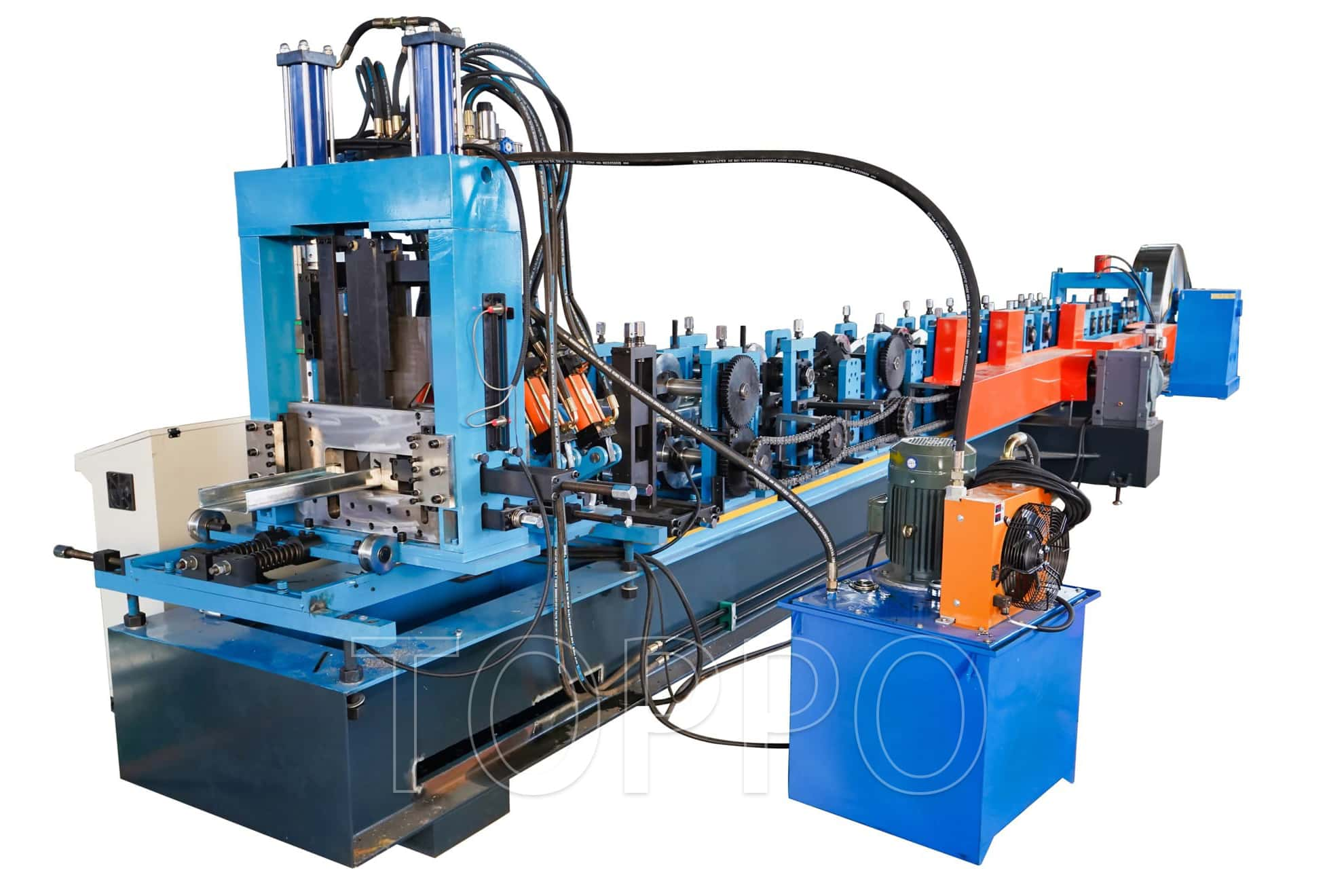
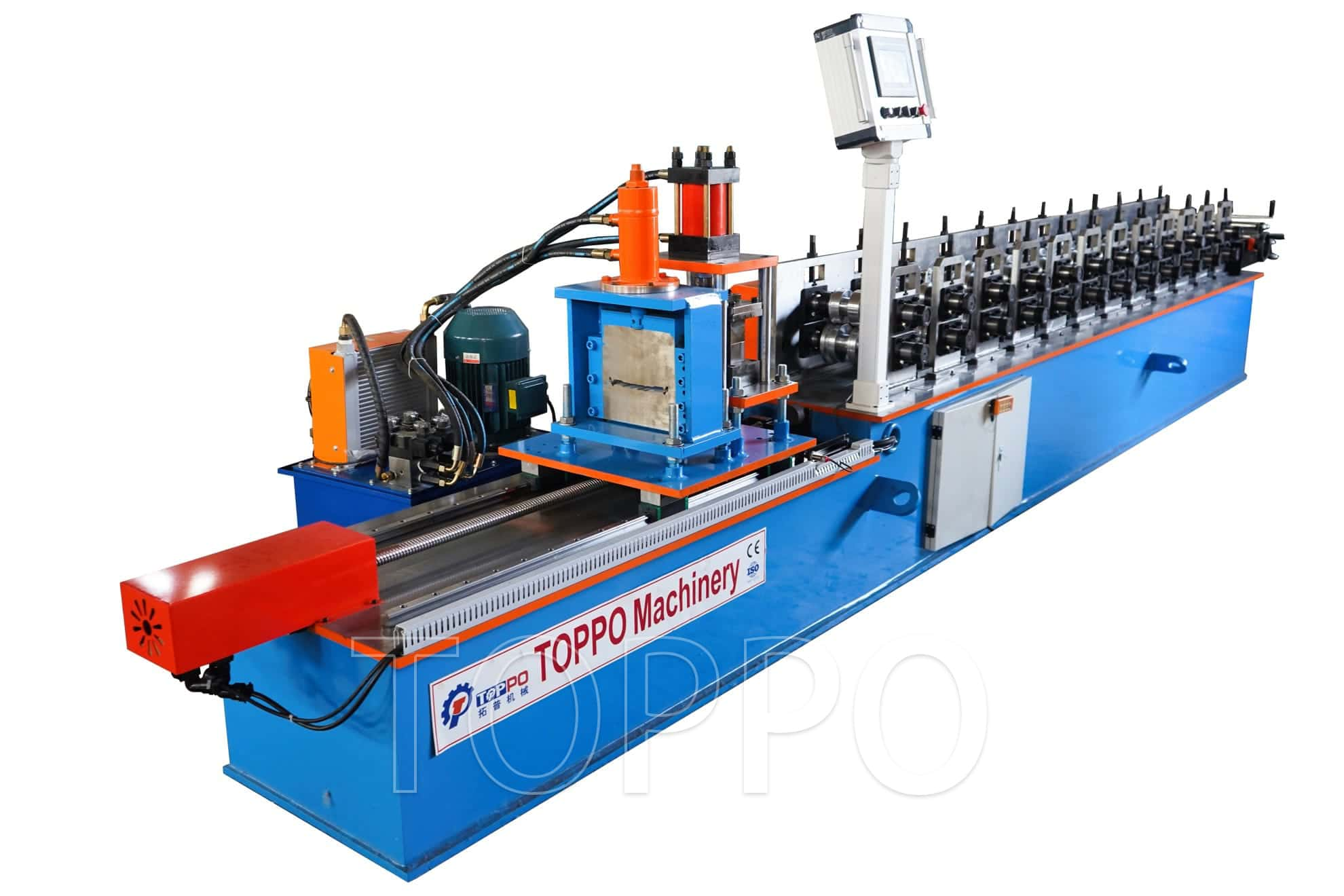
Industrialdouble layerroll forming machinein a 2026 modern factory production line
Alt text:double layerroll forming machinefor industrial metal roof sheet production 2026
What Is aDouble LayerRoll Forming Machineand Who Needs It?
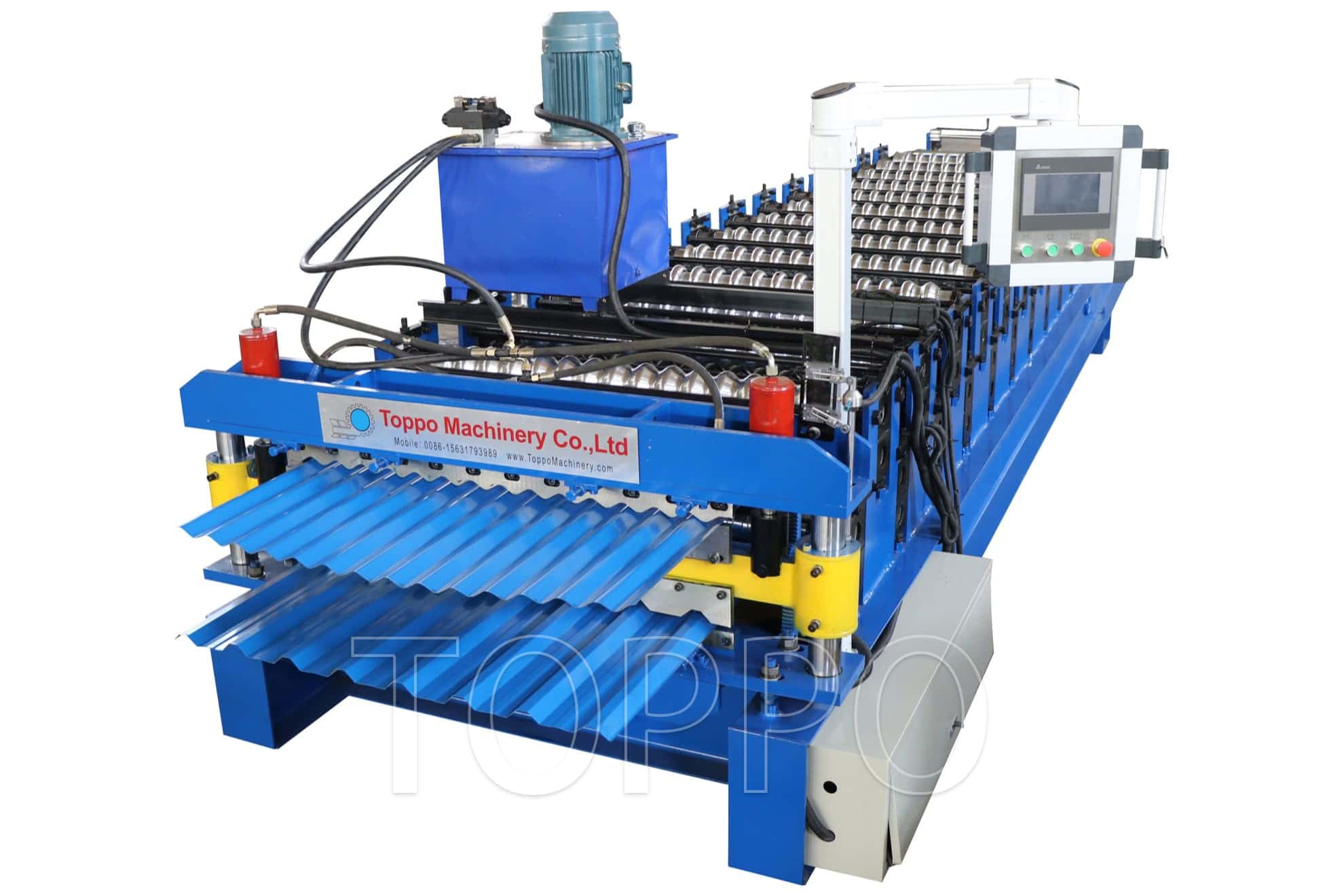
Adouble layerroll forming machine(also calleddouble deckroll forming machine,dual layerroll forming machine, ortwo layerroll forming machine) is acombinedroll forming machinethat produces two different roof panel profiles on a single frame. It integratestwo profile forming systemswithindependent forming stations, enabling seamless profile switching without equipment replacement.
Core User Groups for 2026 Market
This equipment serves a wide range of businesses across the construction and manufacturing sectors. Key users include:
Roofing contractors&industrial building contractors: For on-site or in-house panel production for project bids
Metal roofing manufacturers,roofing sheet producers, androof panel production factories: For high-volume commercial panel supply
Steel sheet manufacturers,steel coil processing companies, andmetal fabrication companies: For expanding product lines with value-added roofing products
Building material suppliers,roofing material wholesalers, androll forming machinedistributors: For inventory or resale to regional clients
Construction companies,steel structure companies, andprefabricated building manufacturers: For integrated building component production
Common Profile Configurations
Thedual profile configurationsupportstwo profile optionstailored to regional market demands. Popular 2026 combinations include:
Trapezoidal + corrugated (
trapezoidal and corrugatedroll forming machine, also called
double layer trapezoidal roofing machinepaired with
double layer corrugated roofing machinefunction)
IBR + corrugated (
IBRdouble layerroll forming machine, widely used in African and Middle Eastern markets)
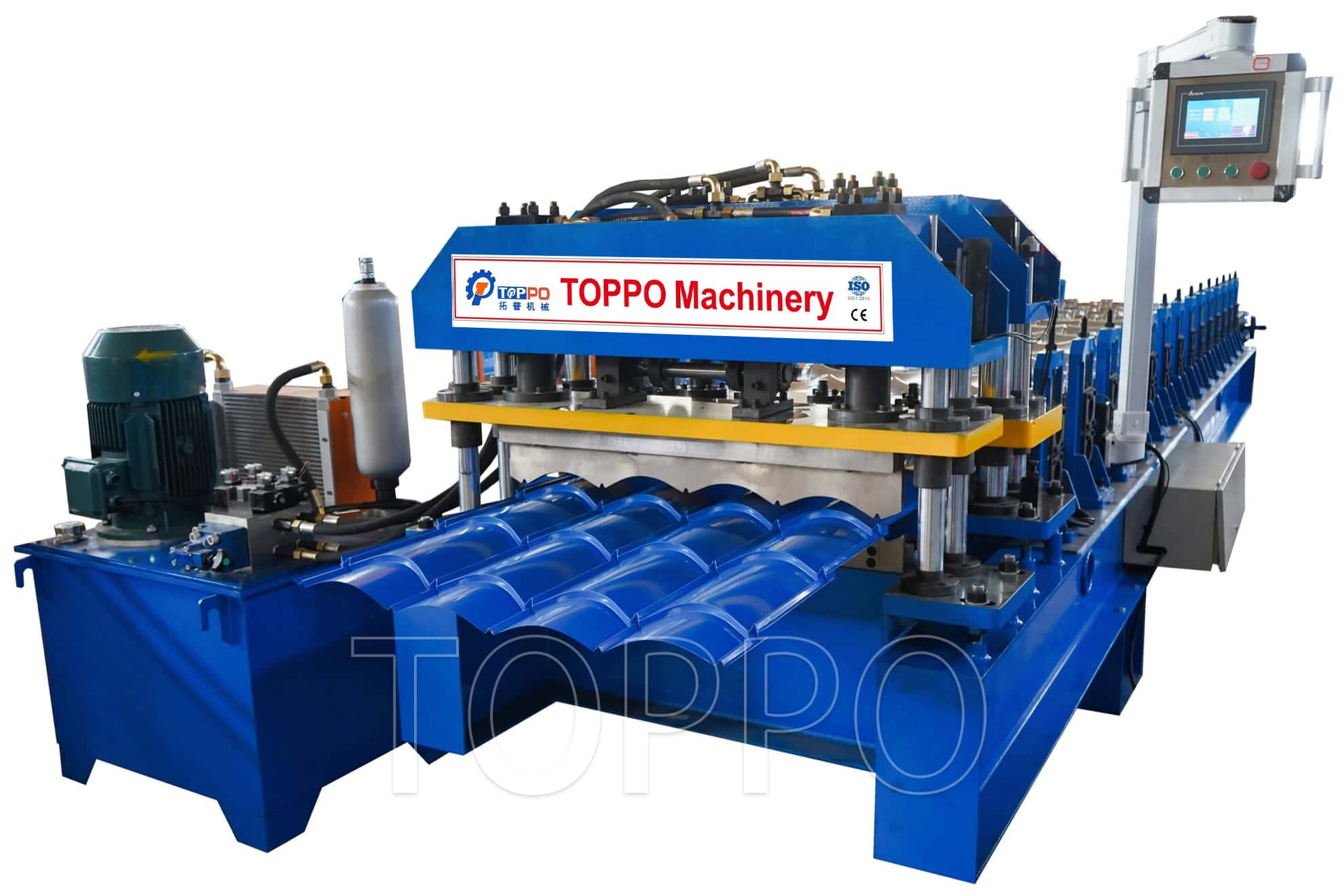
Standard roof panel + tile profile (
double layer roof tile forming machine, for residential and decorative roofing)
Other variants includedouble layer roof panel machine,double layer metal sheet forming machine,double layer color steelroll forming machine,double layer steel roofing sheet machine, andcombined roofing sheetroll forming machine.
What Key Specs Define a High-Quality 2026Roll Forming Machine?
When evaluating adouble tierroll forming machineortwo profileroll forming machine, technical parameters directly determine production efficiency and product quality. 2026 industry standards prioritize speed, precision, and durability for long-term operation.
Critical Performance Parameters
Top-tier2 in 1roll forming machinemodels share these core specs:
Roll forming speed/working speed 0-30 m/min: Adjustable to match different material types and production volumes
Forming thickness/steel coil thickness: 0.3-0.8 mm for standard color steel, up to 1.2 mm for heavy-gauge applications
Forming width: 914-1250 mm input coil width, compatible with most global steel coil standards
Roller material: 45# steel with hard chrome plating, ensuring 100,000+ meters of wear-free production
Hydraulic cutting system: Precision cutting with burr-free edges, driven by a 5.5kW hydraulic station
PLC control system+automatic length measurement: Touchscreen interface with 0.1mm length accuracy, supporting batch production presets
Profile changeover system: Tool-free switching between layers in under 2 minutes for modern
dual profileroll forming machinedesigns
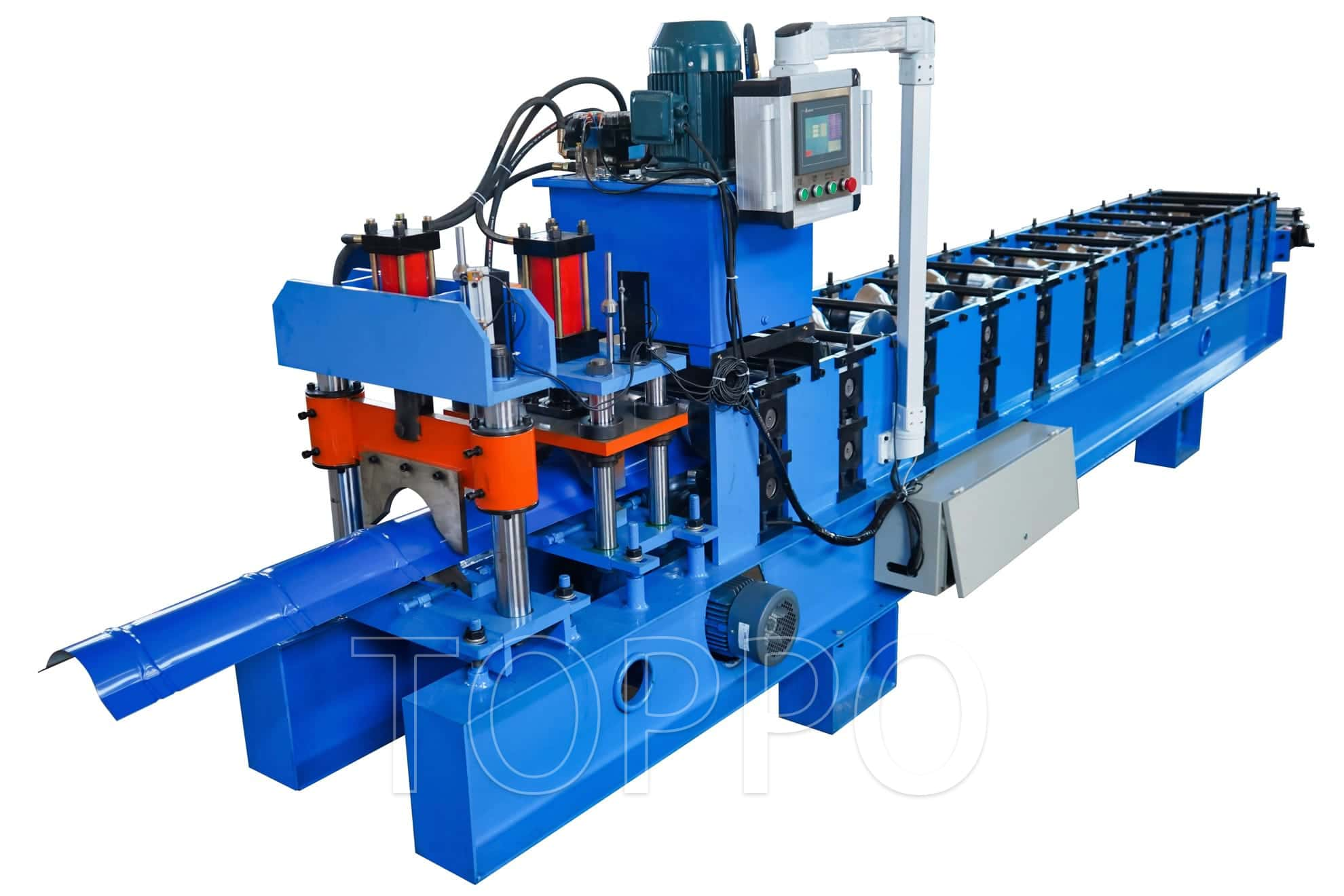
Close-up ofPLC control systemon a 2026double layerroll forming machine
Alt text:PLC control systemfordouble layerroll forming machineautomatic length measurement2026
2026 Quality Certification Standards
Reputable manufacturers comply with global safety and performance benchmarks to ensure reliability. As of 2026, key certifications include:
ISO 9001:2015 quality management system certification
CE certification for EU market access
SGS material testing reports for roller and frame components
What Are the Top 5 Benefits forRoof Panel Making MachineUsers?
Investing in adouble layer roofing machinedelivers measurable returns for businesses of all sizes, from small contractors to large industrial manufacturers. 2026 market data shows 78% of metal roofing producers have upgraded to dual-layer models to stay competitive.
Cost and Space Efficiency
The combined design eliminates the need for two separate single-profile machines, reducing upfront investment by 35-40% compared to purchasing two units.
Additional cost-saving benefits include:
50% less factory floor space required, lowering rent and operational overhead
Single operator can manage full production, reducing labor costs by 40%
Shared hydraulic and control systems cut maintenance expenses by 25% annually
Production Flexibility and Scalability
The ability to switch between two profiles lets businesses adapt to changing market demands without equipment upgrades. This flexibility is critical for:
Contractors handling mixed-profile projects with tight deadlines
Suppliers catering to diverse client needs with a single production line
Startups testing multiple product lines before scaling up
For example, a 2026 case study of a mid-sized roofing sheet producer showed a 65% increase in order volume within 6 months of installing adouble layer color steelroll forming machine, thanks to expanded product offerings.
How to Choose the RightDouble LayerRoll Forming Machinein 2026?
Selecting the righttwo layerroll forming machinerequires matching equipment specs to your business goals, production volume, and target market. Avoid common pitfalls by evaluating these critical factors before purchase.
Key Selection Criteria
Follow this checklist to narrow down your options:
Profile compatibility: Confirm the machine supports your required profiles (e.g., trapezoidal, corrugated, IBR, tile)
Production capacity: Choose a model with matching
roll forming speed(0-30 m/min for most mid-to-high volume needs)
Material compatibility: Verify
forming thicknessrange matches your standard
steel coil thicknessAfter-sales support: Look for manufacturers with 24/7 technical support and on-site installation services
Local service network: For international buyers, prioritize suppliers with local spare parts warehouses to minimize downtime
Top 3 Recommended 2026 Models for Different Users
Based on 2026 industry reviews and customer feedback, these models stand out for different use cases:
Entry-level model for small contractors: 0-20 m/min speed, 0.3-0.7mm thickness, basic PLC control, ideal for small-batch on-site production
Mid-range model for medium manufacturers: 0-25 m/min speed, 0.3-0.8mm thickness,
hydraulic cutting system, suitable for 5000-10000 sqm monthly output
Industrial high-speed model for large factories: 0-30 m/min speed, 0.3-1.2mm thickness, fully automatic PLC control with data tracking, designed for 20000+ sqm monthly output
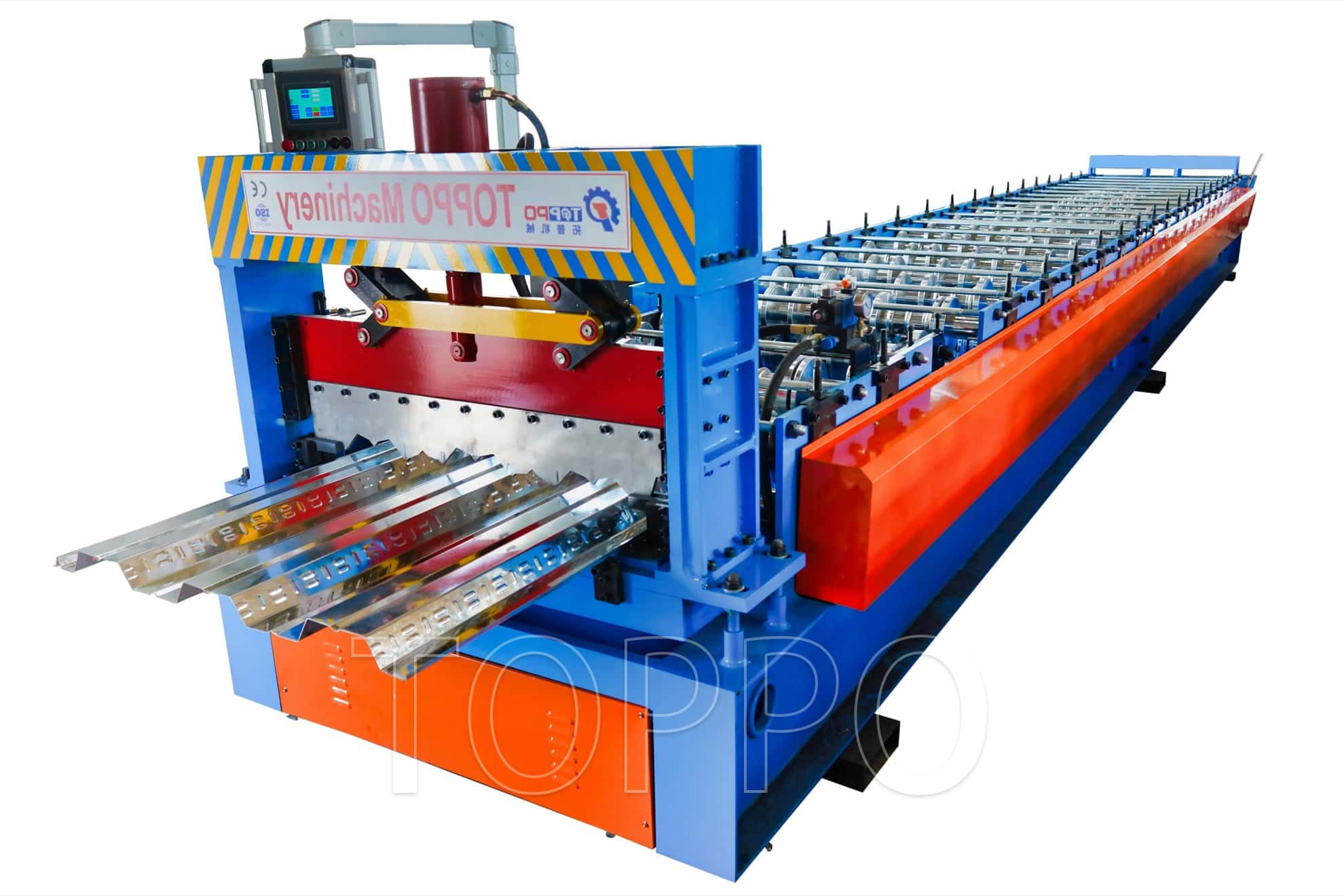
Finished double layer metal roof sheets produced by 2026roll forming machine
Alt text: finished trapezoidal and corrugated metal roof sheets fromdouble layerroll forming machine2026