Double LayerRoll Forming Machine: 2026 FAQ Guide for Industrial Roofing Production
Adouble layerroll forming machineis a core asset for modern metal roofing production, enabling manufacturers to produce two distinct roof panel profiles with a single equipment setup. As of 2026, demand for flexible, cost-effective roll forming solutions has surged across the construction and building materials sectors. This FAQ guide breaks down everything you need to know about this 2-in-1 production technology, from key features to use cases forroofing contractors,metal roofing manufacturers, andsteel sheet manufacturers.
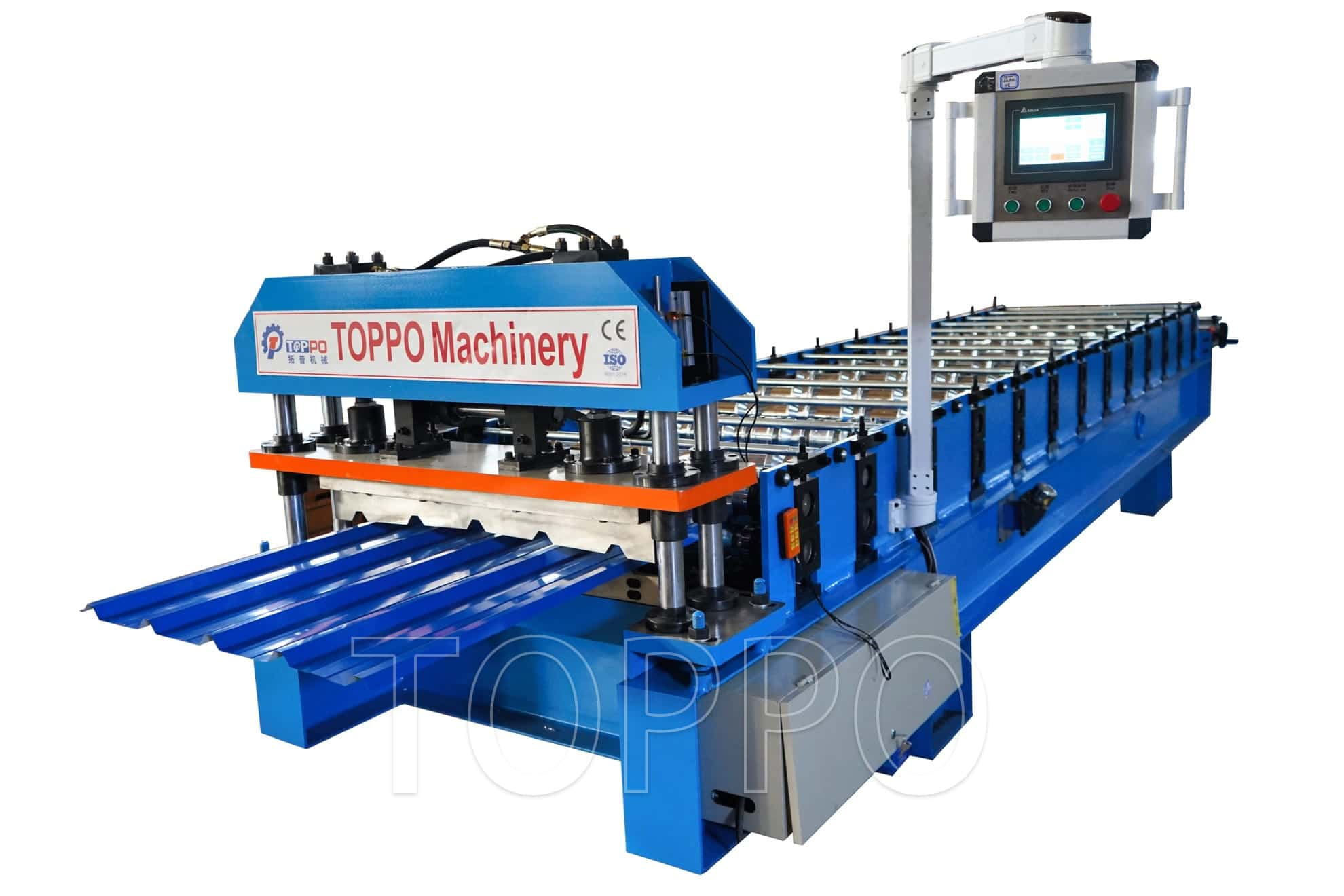
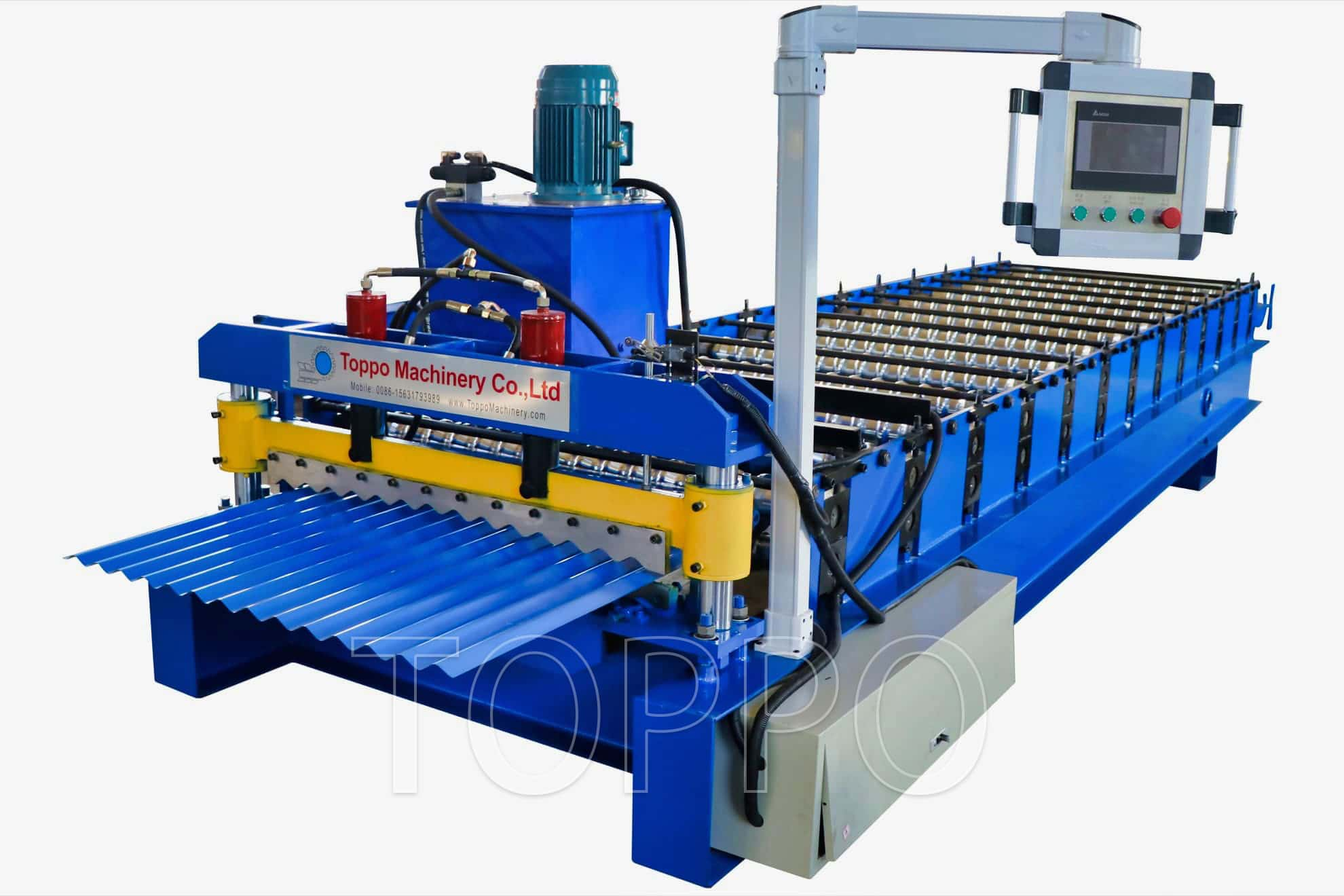
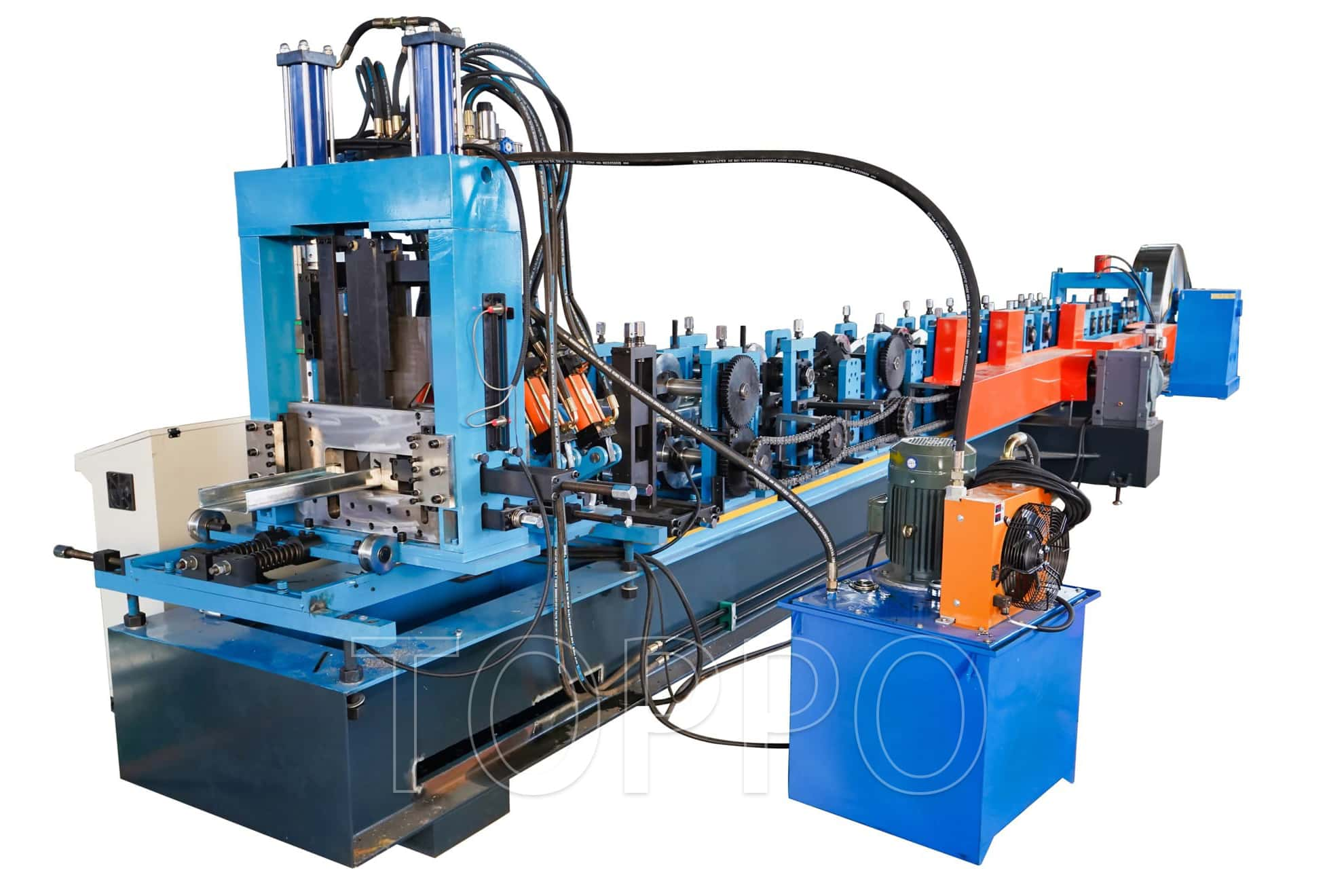
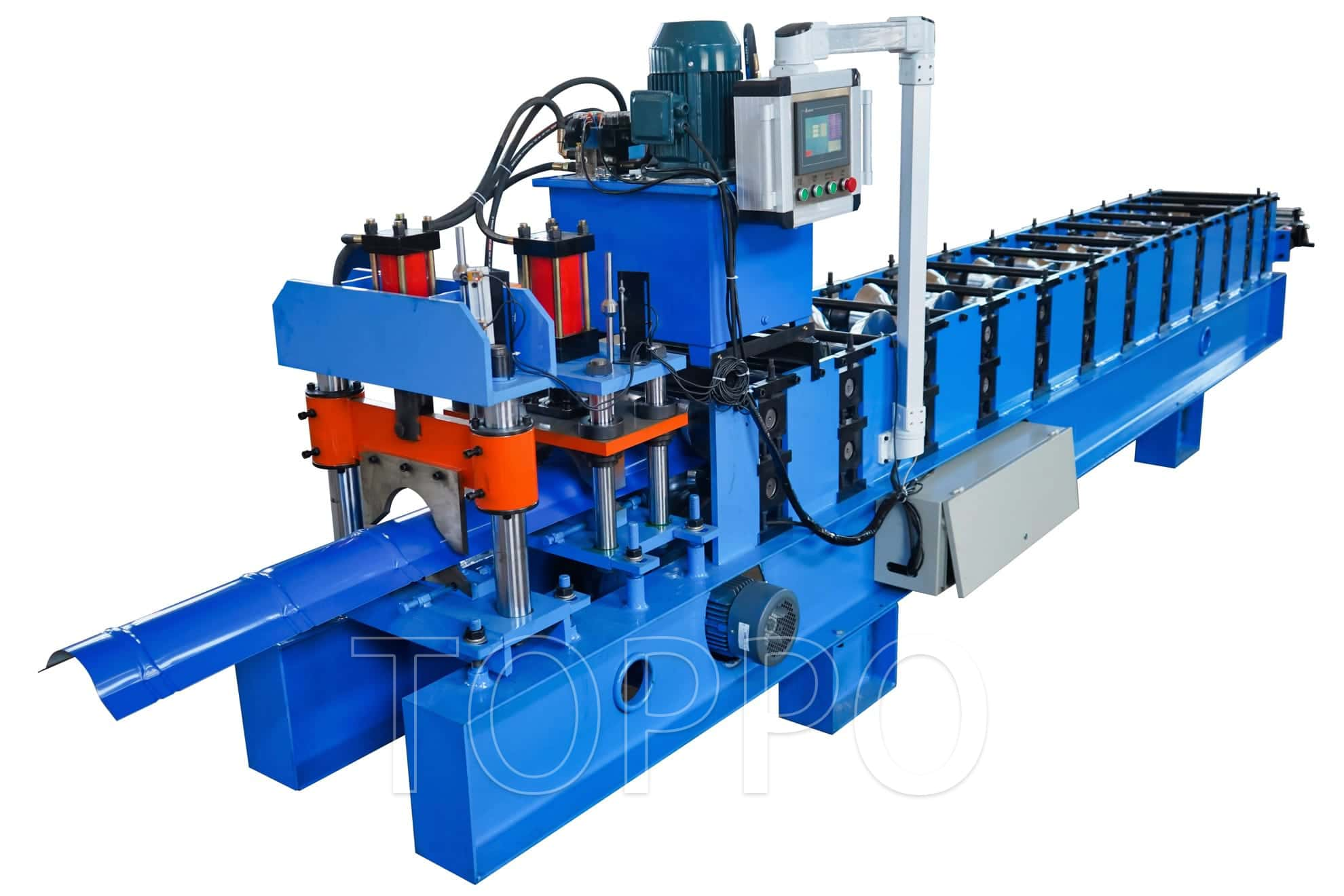
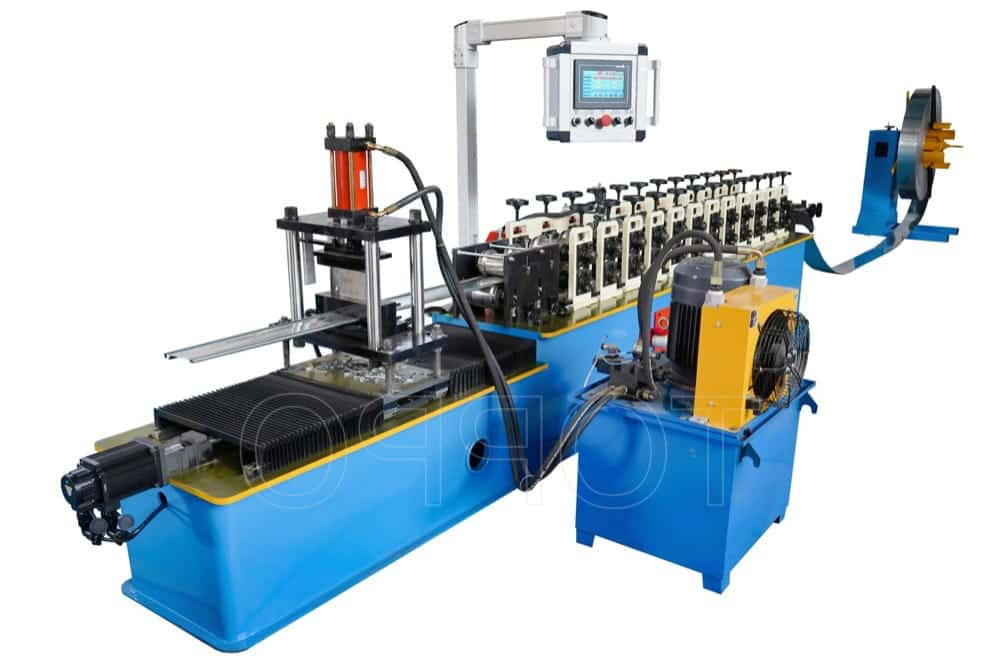
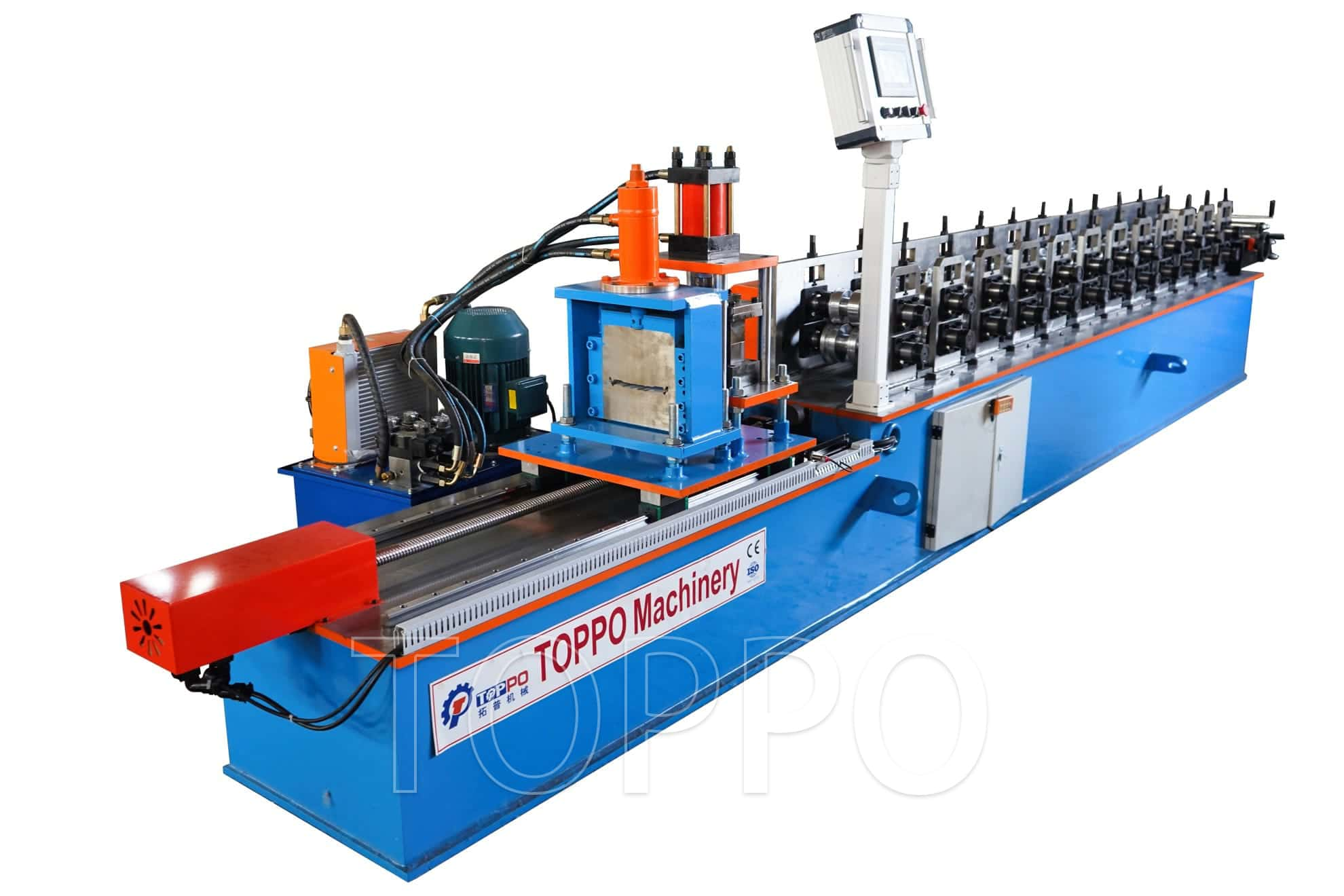
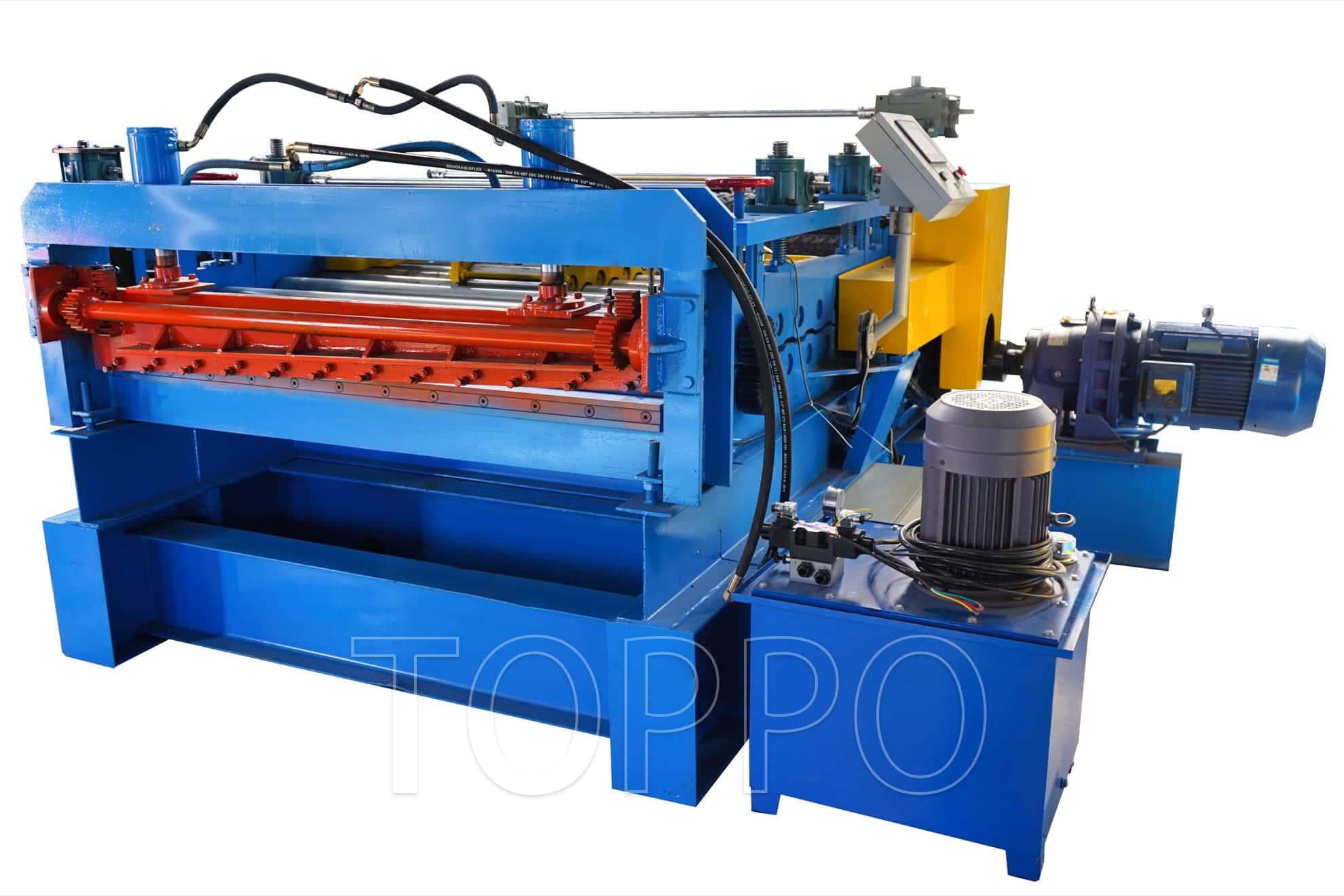
Industrialdouble layerroll forming machinein a 2026 manufacturing facility
Alt text:double layerroll forming machinefor metal roof sheet production 2026
What Is aDouble LayerRoll Forming Machine& How Does It Work?
Core Definition and Basic Structure
Adouble layerroll forming machine(also called adouble deckroll forming machineordual layerroll forming machine) is acombinedroll forming machinethat integrates twoindependent forming stationson one frame. It allows users to switch between two roof panel profiles without changing equipment.
Key structural components include:
Working Principle and Production Flow
The machine processes steel coils by feeding material through sequential roller sets that gradually shape the metal into the desired profile. Thedual profile configurationlets operators select either layer via the control panel, with no need for manual roller adjustment.
Standard production flow:
Load steel coil into the decoiler
Input production parameters (length, quantity) via PLC
Select profile (upper or lower layer)
Start automatic forming and cutting
Collect finished roof panels from the output table
As of 2026, most models support aworking speed 0-30 m/min, withforming thicknessranging from 0.3mm to 0.8mm for color steel coils. 【外链建议:2026 global roll forming equipment market report - market research firm】
What Are the Key Types and Technical Parameters?
Common Subtypes for Roofing Production
There are several specialized variants tailored to different roof panel styles, each designed for specific production needs:
- Double layer trapezoidal roofing machine
: for standard trapezoidal roof sheets
- Double layer corrugated roofing machine
: for wavy corrugated panels
- IBRdouble layerroll forming machine
: for South African style IBR roof sheets
- Trapezoidal and corrugatedroll forming machine
: combined 2-in-1 popular model
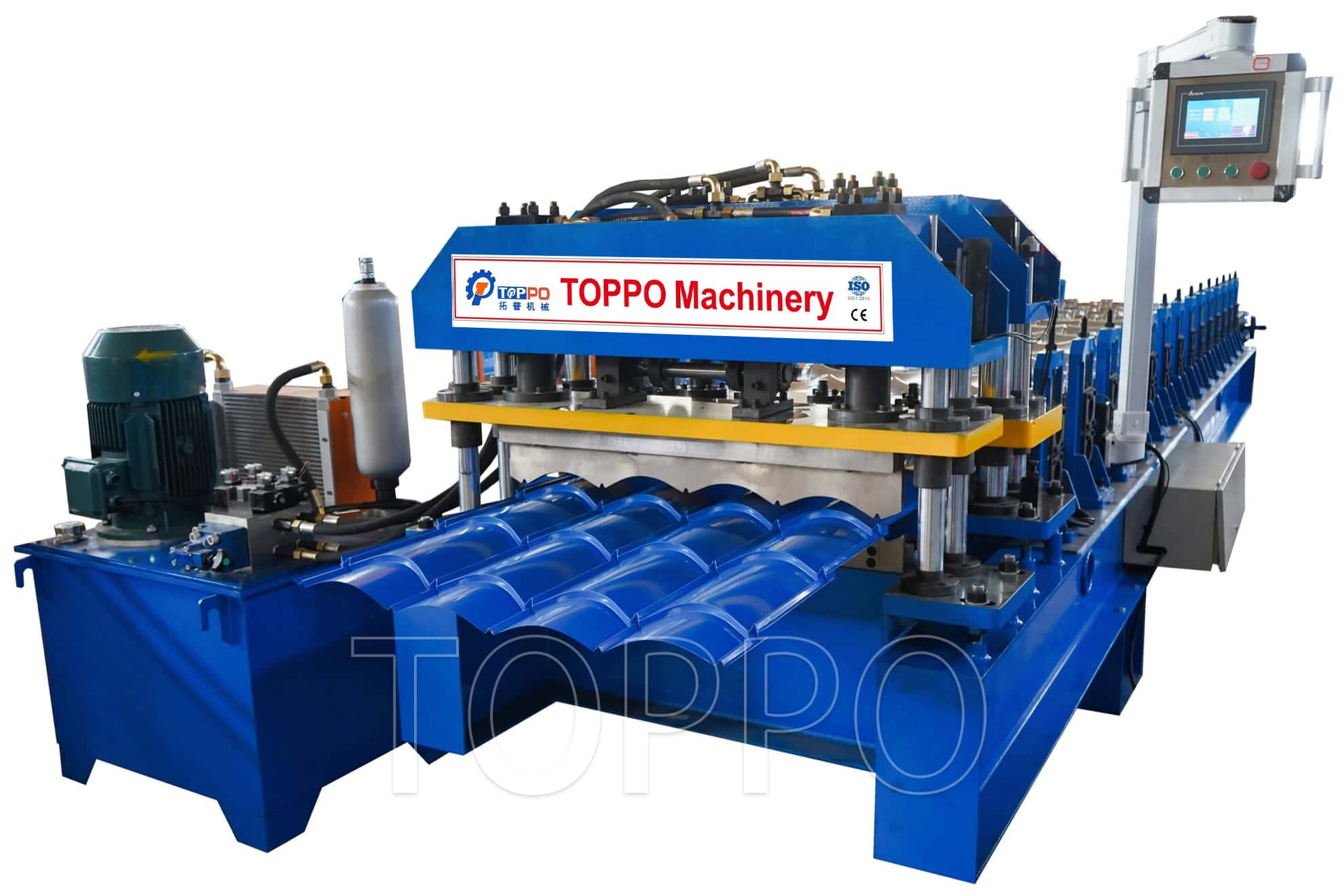
- Double layer roof tile forming machine
: for tile-effect metal roof panels
Other variants include thedouble layer metal sheet forming machine,double layer color steelroll forming machine, anddouble layer steel roofing sheet machine, all optimized for specific material types.
Critical Technical Parameters to Evaluate
When selecting aroof panel making machine, pay attention to these core parameters that directly impact production efficiency and output quality:
- Forming width
: typically 1000-1250mm for standard steel coils
- Steel coil thickness
: 0.2-1.0mm for most roofing applications
- Roll forming speed
: 0-30m/min (adjustable based on profile complexity)
- Roller material
: 45# steel with chrome plating for extended durability
- Profile changeover system
: automatic or semi-automatic switch between layers
Control system: PLC with touchscreen, compatible with 2026 smart factory integration
Who Benefits From This Equipment?
Target Customer Groups and Use Cases
Thistwo layerroll forming machine(also called a two tierroll forming machineortwo profileroll forming machine) serves a wide range of industry players. Key beneficiaries include:
- Roofing sheet producers
: expanding product lines without extra equipment
- Building material suppliers
: reducing inventory costs by producing on demand
- Construction companies
and
industrial building contractors: on-site panel production for large projects
- Prefabricated building manufacturers
: matching custom panel requirements
- Roll forming machinedistributors
and
roofing material wholesalers: high-demand product for resale
- Steel structure companies
and
metal fabrication companies: in-house panel production
- Roof panel production factories
and
steel coil processing companies: boosting production capacity
For self-building homeowners, small-scale models offer a cost-effective way to produce custom roof panels for personal projects.
ROI and Cost-Saving Advantages
The2 in 1roll forming machinedelivers significant cost savings compared to purchasing two separate single-layer machines. As of 2026 industry data, businesses report an average 35-45% reduction in equipment investment and 20-30% lower floor space requirements.
Additional benefits:
Lower labor cost (one operator can manage both profiles)
Faster production setup for mixed orders
Higher flexibility to meet changing market demand
Reduced maintenance costs compared to two separate machines
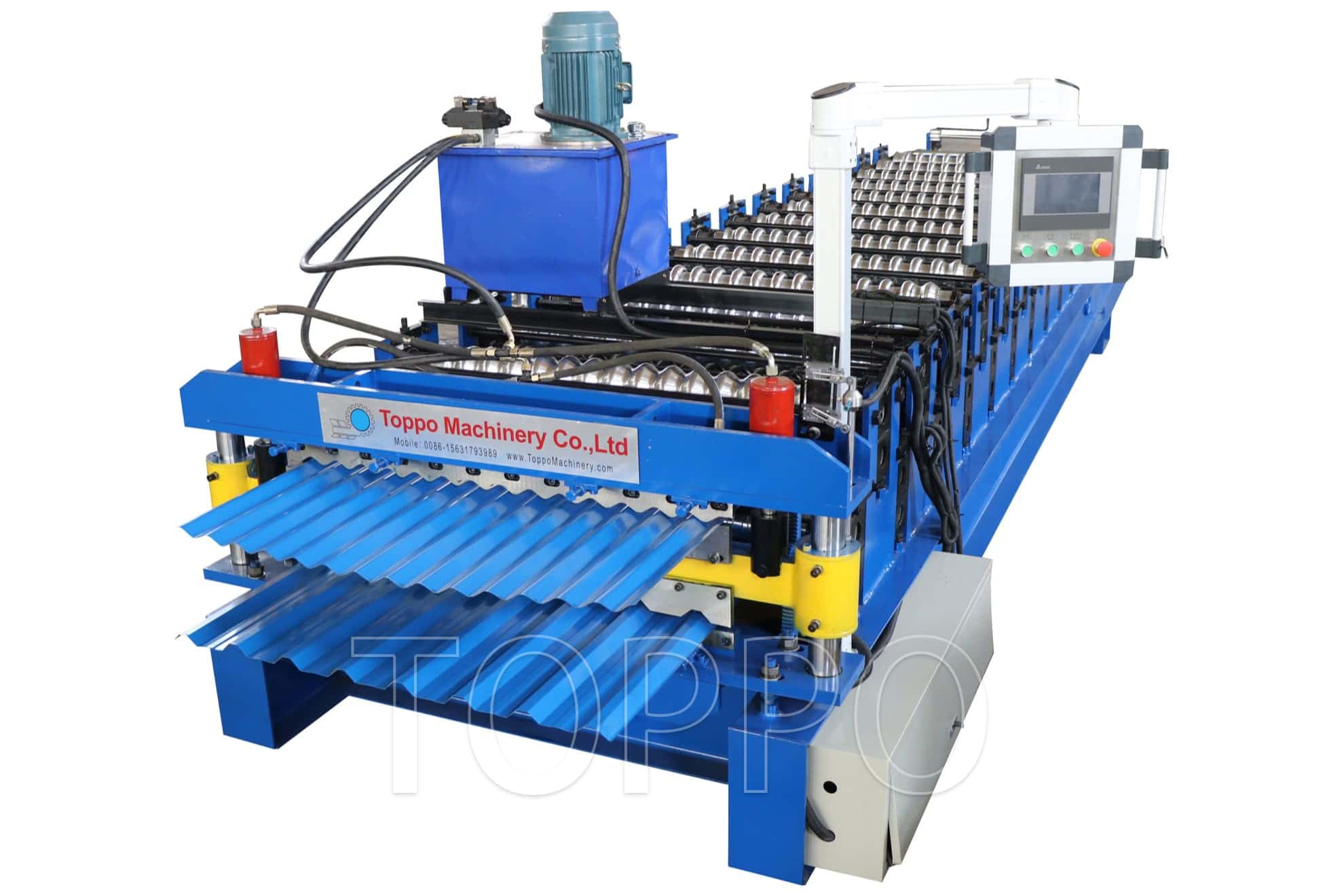
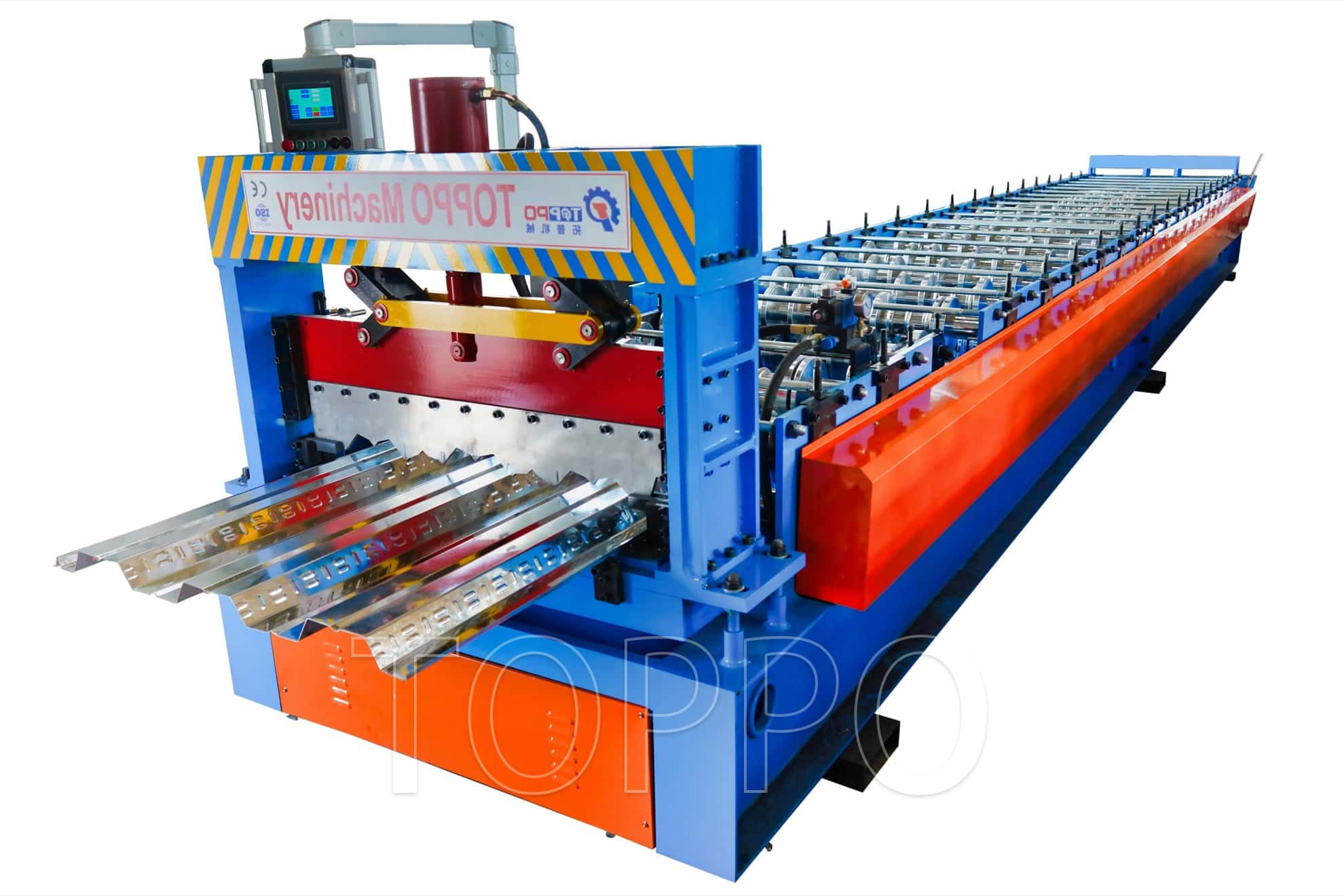
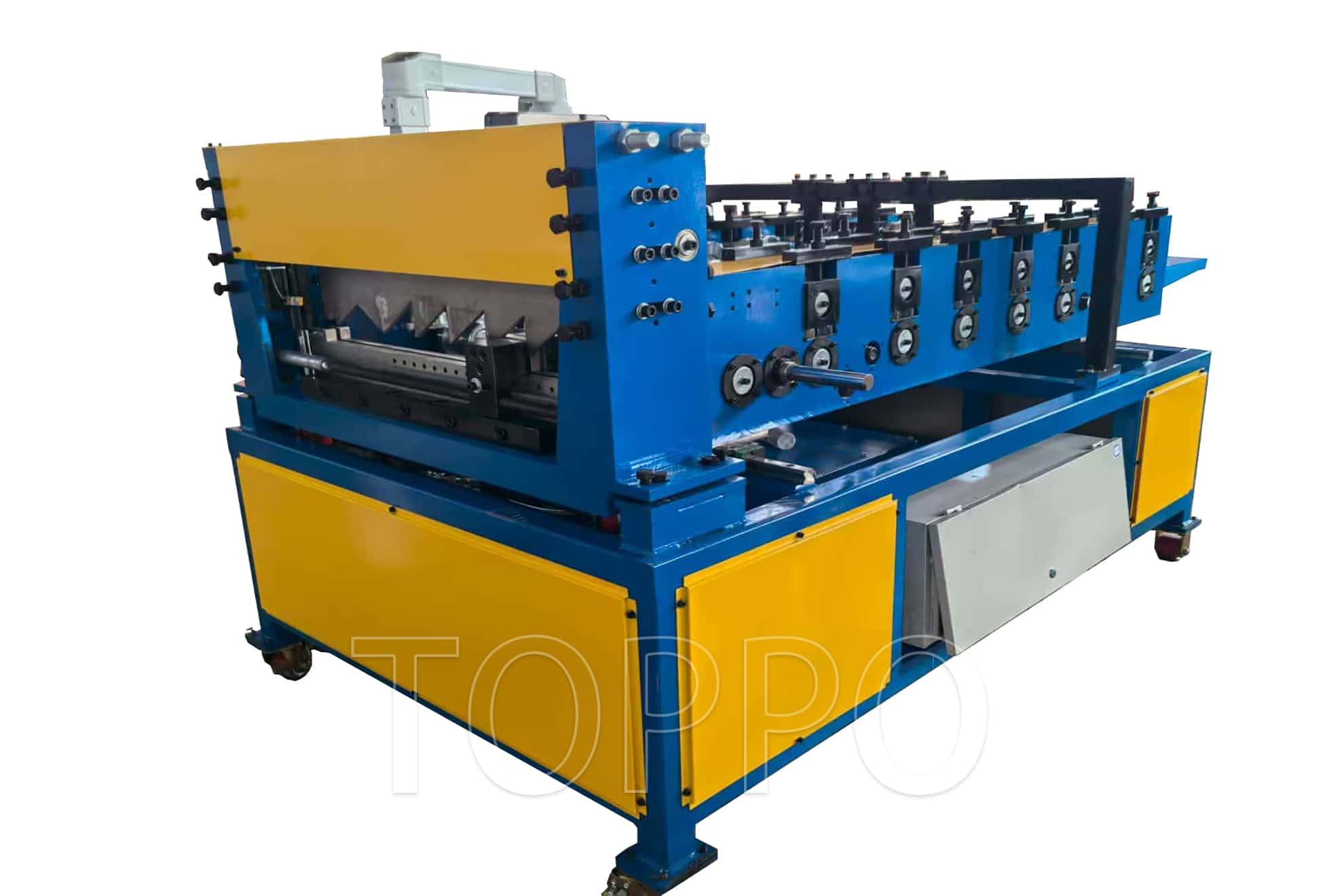
Double layerroll forming machineproducing trapezoidal and corrugated panels
Alt text:trapezoidal and corrugatedroll forming machinedual profile production
How to Choose and Maintain the Right Machine?
Key Selection Criteria for 2026 Buyers
When selecting adouble layer roofing machineorcombined roofing sheetroll forming machine, consider these factors aligned with 2026 industry standards:
Match profile types to your target market (trapezoidal, corrugated, IBR, etc.)
Verify
forming thicknessand
forming widthmatch your material specifications
Check
roller materialand heat treatment quality for long-term use
Ensure the
hydraulic cutting systemdelivers burr-free, precise cuts
Confirm the
PLC control systemsupports multi-language and smart factory connectivity
Evaluate after-sales service and spare parts availability from the supplier
Essential Maintenance Tips for Longevity
Proper maintenance extends the lifespan of yourdouble layer roof panel machineby 30-40%, according to 2026 equipment reliability studies. Follow these best practices:
Lubricate roller bearings and forming stations weekly
Inspect hydraulic system oil levels and seals monthly
Calibrate the
automatic length measurementsystem every 3 months
Clean the PLC control panel and electrical components regularly
Replace worn rollers every 2-3 years depending on production volume
Forroofing contractorsandconstruction companiesusing the machine on job sites, additional dust and moisture protection measures are recommended.
In summary, adouble layerroll forming machineis a versatile, high-return investment for any business involved in metal roof sheet production. Whether you are a small roofing contractor or a large steel structure company, this equipment delivers the flexibility and efficiency needed to thrive in the 2026 building materials market.