How to Operate aDouble LayerRoll Forming Machine: 2026 Step-by-Step Guide
As of November 5, 2026, the global metal roofing market has grown 18% year-over-year, driving demand for efficient production equipment. A double layerroll forming machine stands out as a top solution forroofing contractorsandmetal roofing manufacturersseeking to produce two profile types with a single unit. This guide covers safe, efficient operation, maintenance, and optimization tips for this versatileroof panel making machine, helping you maximize output while minimizing downtime.
1. Pre-Operation Preparation for YourRoll Forming Machine
Proper pre-operation checks reduce 70% of common production errors, per 2026 industrial equipment safety reports. For anydual profileroll forming machine, these steps ensure consistent output and operator safety.
1.1 Safety & Equipment Inspection
Before powering on the machine, conduct a full visual and functional check:
Verify all safety guards are securely in place around forming stations and cutting areas
Check hydraulic fluid levels and ensure no leaks in the
hydraulic cutting systemInspect
roller material(high-chromium steel is standard for 2026 models) for wear or damage
Confirm emergency stop buttons are functional and accessible from all work positions
1.2 Material & Parameter Setup
Fortwo profile options, correct material and parameter configuration is critical for quality output:
Load the appropriate steel coil (match
steel coil thicknessto your machine’s
forming thicknessrange, typically 0.3-0.8mm for roofing sheets)
Input production parameters via the
PLC control system: desired length, quantity, and profile type (trapezoidal or corrugated)
Adjust
forming widthsettings to match your coil width, ensuring alignment with the
dual profile configurationTest the
automatic length measurementsystem with a 1m sample to confirm accuracy
This step applies to allcombinedroll forming machinemodels, includingdouble layer trapezoidal roofing machines andIBRdouble layerroll forming machines.
2. Step-by-Step Operation of theDouble Layer Roofing Machine
Once pre-checks are complete, follow this structured process to run yourtwo layerroll forming machinesmoothly. These steps work for both small-batch custom orders and large-scale production forsteel structure companies.
2.1 Profile Selection & Machine Startup
Thetwo profile forming systemsallow quick switching between sheet types, ideal for mixed production runs:
Select the desired profile via the control panel (upper or lower forming station)
Power on the main motor and let the machine idle for 2-3 minutes to lubricate all moving parts
Feed the steel coil into the entry guide, ensuring it aligns with the first set of rollers
Activate the automatic feeding mode and monitor the first 3-5 sheets for alignment issues
Fortrapezoidal and corrugatedroll forming machinesetups, theindependent forming stationsprevent cross-contamination between profile types.
2.2 Production Monitoring & Quality Control
Consistent monitoring ensures every sheet meets industry standards, a key priority forbuilding material suppliersandroofing sheet producers:
Check the first 10 sheets for dimensional accuracy, profile shape, and cut edge smoothness
Monitor
working speed 0-30 m/minand adjust based on material thickness (thicker coils require slower speeds)
Inspect the
profile changeover systemif switching between profiles mid-run to avoid jams
Keep a production log to track output volume, material usage, and any minor issues
3. Common Troubleshooting for Dual Layer Roll Forming Equipment
Even well-maintaineddouble tierroll forming machines can experience issues. 2026 data shows 80% of downtime is preventable with quick, targeted troubleshooting.
3.1 Profile Forming Defects
Uneven profiles are the most common issue fordouble layer metal sheet forming machineusers:
Wavy edges: Reduce forming speed or adjust roller pressure; check for misaligned entry guides
Incorrect profile shape: Inspect rollers for wear and recalibrate the
PLC control systemsettings
Scratched sheet surface: Clean roller surfaces or apply a thin protective coating to the steel coil
These fixes apply to alldouble layer color steelroll forming machinemodels, widely used byprefabricated building manufacturers.
3.2 Cutting & Length Errors
Accurate cutting is critical forroof panel production factoriesandmetal fabrication companies:
Incorrect length: Recalibrate the
automatic length measurementsensor and check for encoder slippage
Rough cut edges: Sharpen the hydraulic cutting blade or adjust cutting pressure
Misaligned cuts: Verify the cutting station is square to the forming line and adjust guide rails
Fordouble layer steel roofing sheet machineusers, schedule blade sharpening every 50,000 sheets to maintain cut quality.
4. Post-Operation Maintenance & Long-Term Optimization
Regular maintenance extends the lifespan of your2 in 1roll forming machineby 3-5 years, per 2026 roll forming equipment industry reports.
4.1 Daily Post-Run Maintenance
After each production shift, complete these quick tasks to keep yourdouble layer roof tile forming machinein top condition:
Clean all rollers and forming stations to remove metal shavings and debris
Lubricate moving parts (bearings, chains, guide rails) with manufacturer-recommended grease
Drain any moisture from the hydraulic system to prevent corrosion
Turn off all power sources and lock the control panel for safety
This routine is essential for high-volume users likesteel sheet manufacturersandsteel coil processing companies.
4.2 Long-Term Performance Optimization
To maximize ROI on yourcombined roofing sheetroll forming machine, implement these quarterly optimization steps:
Conduct a full inspection of all rollers and replace any worn components
Update the
PLC control systemsoftware to access 2026’s latest efficiency features
Train operators on new
profile changeover systemtechniques to reduce setup time by 40%
Work with
roll forming machinedistributorsto schedule annual professional servicing
Forconstruction companiesandindustrial building contractors, investing in adouble layer roof panel machinecuts equipment costs by 35% compared to purchasing two single-profile units, making it a top 2026 investment for growing businesses.
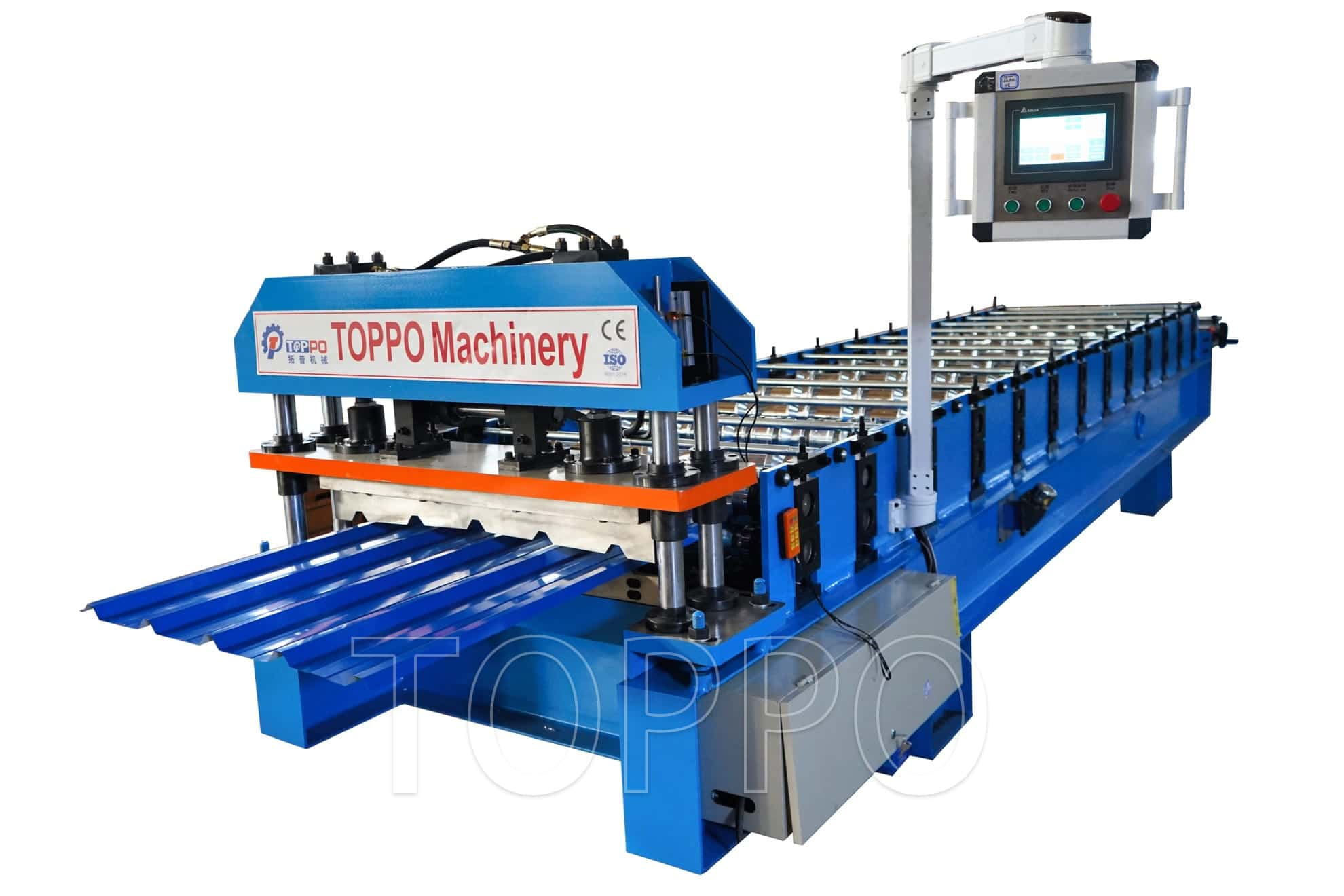
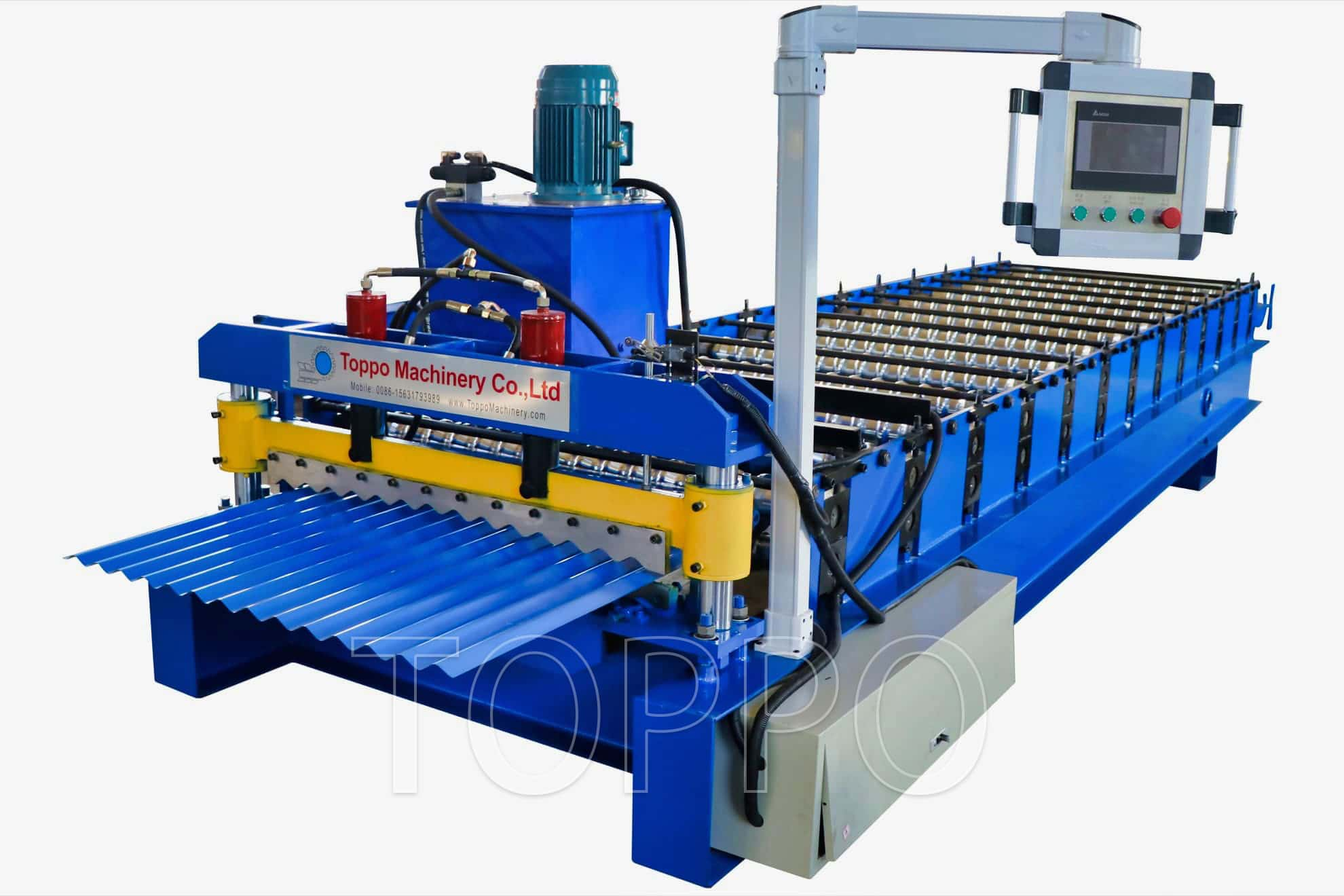
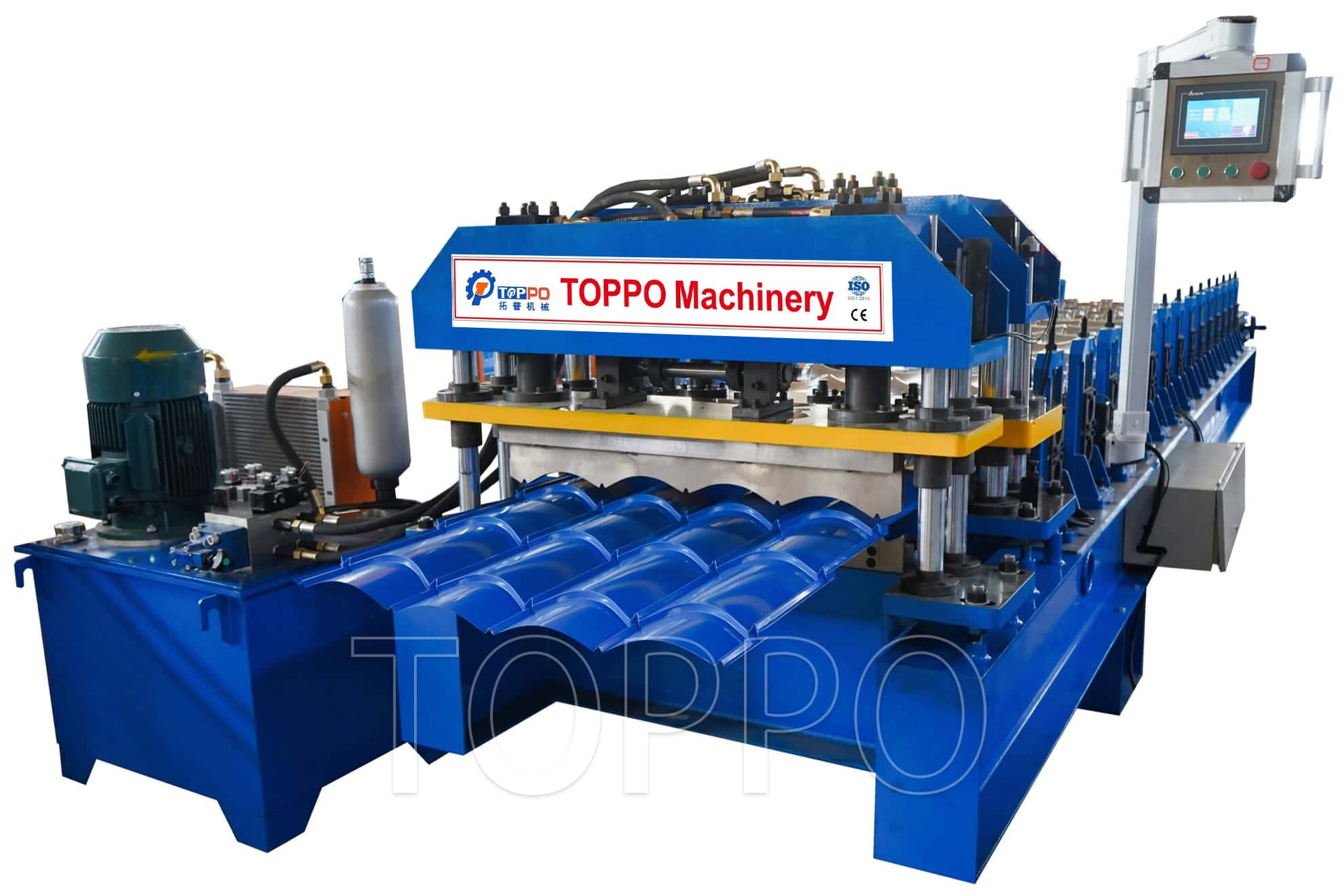
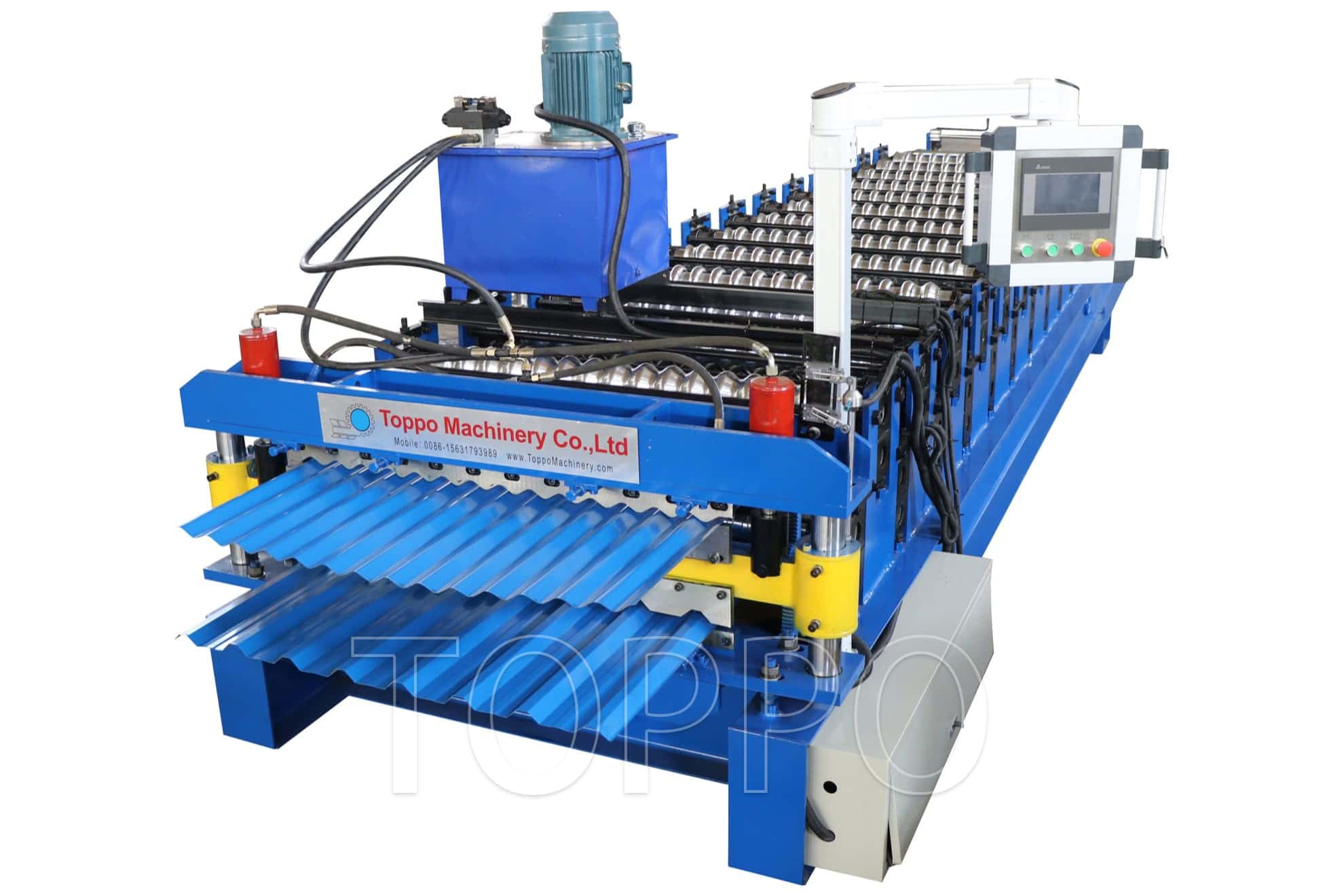
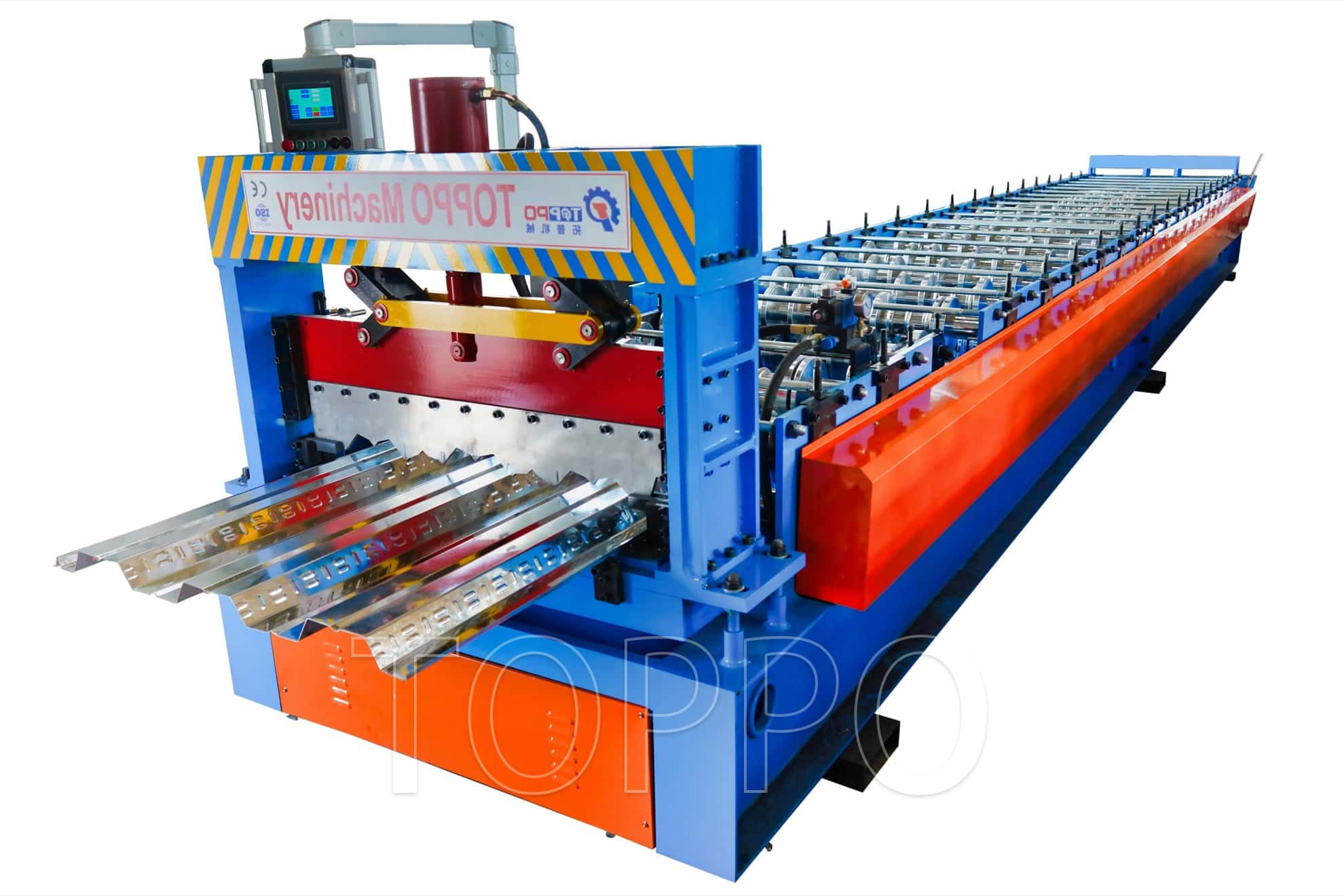
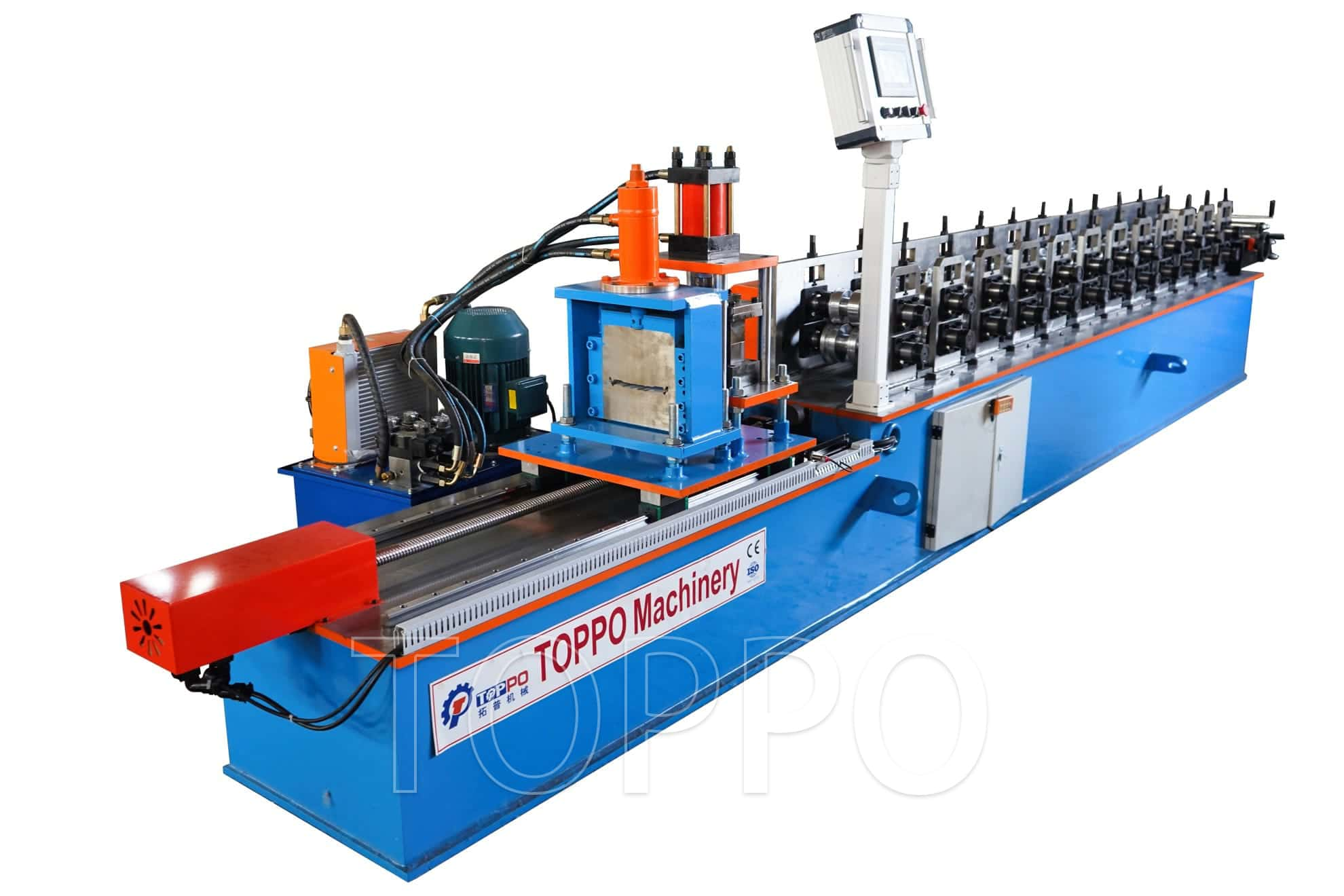
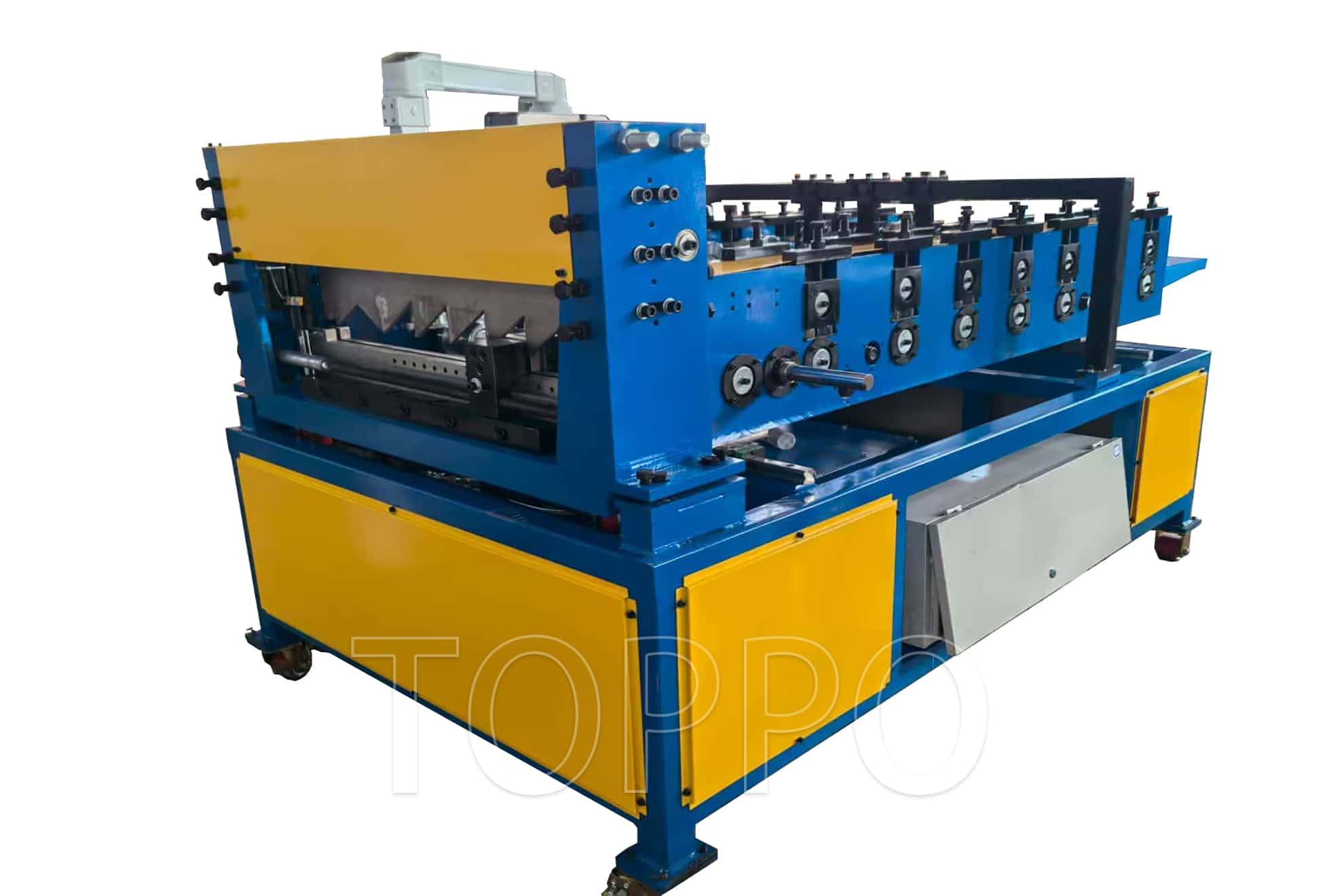
Double layerroll forming machinein full production with two profile outputs
PLC control panel interface fordual profileroll forming machine
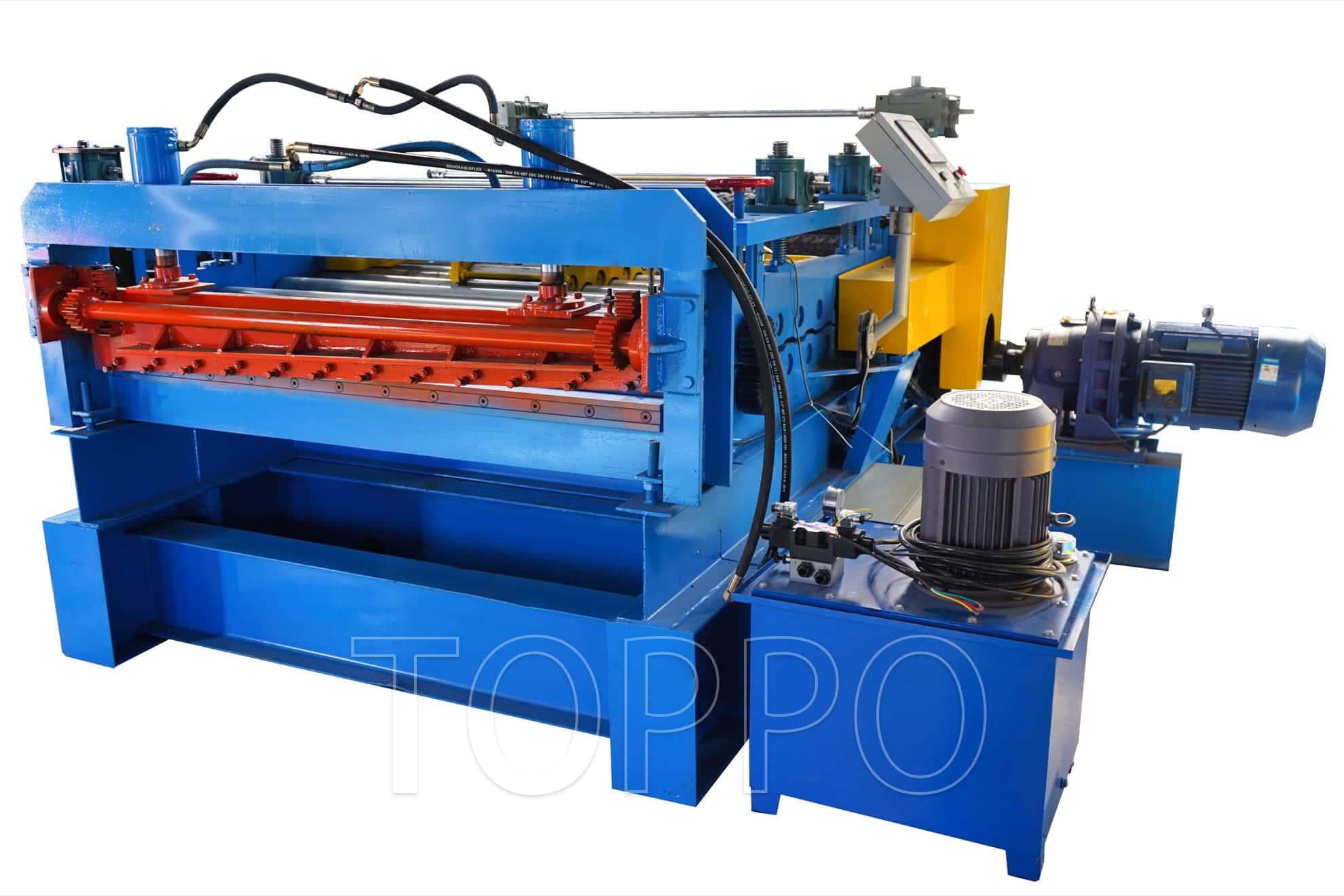
Hydraulic cutting systemof acombinedroll forming machine