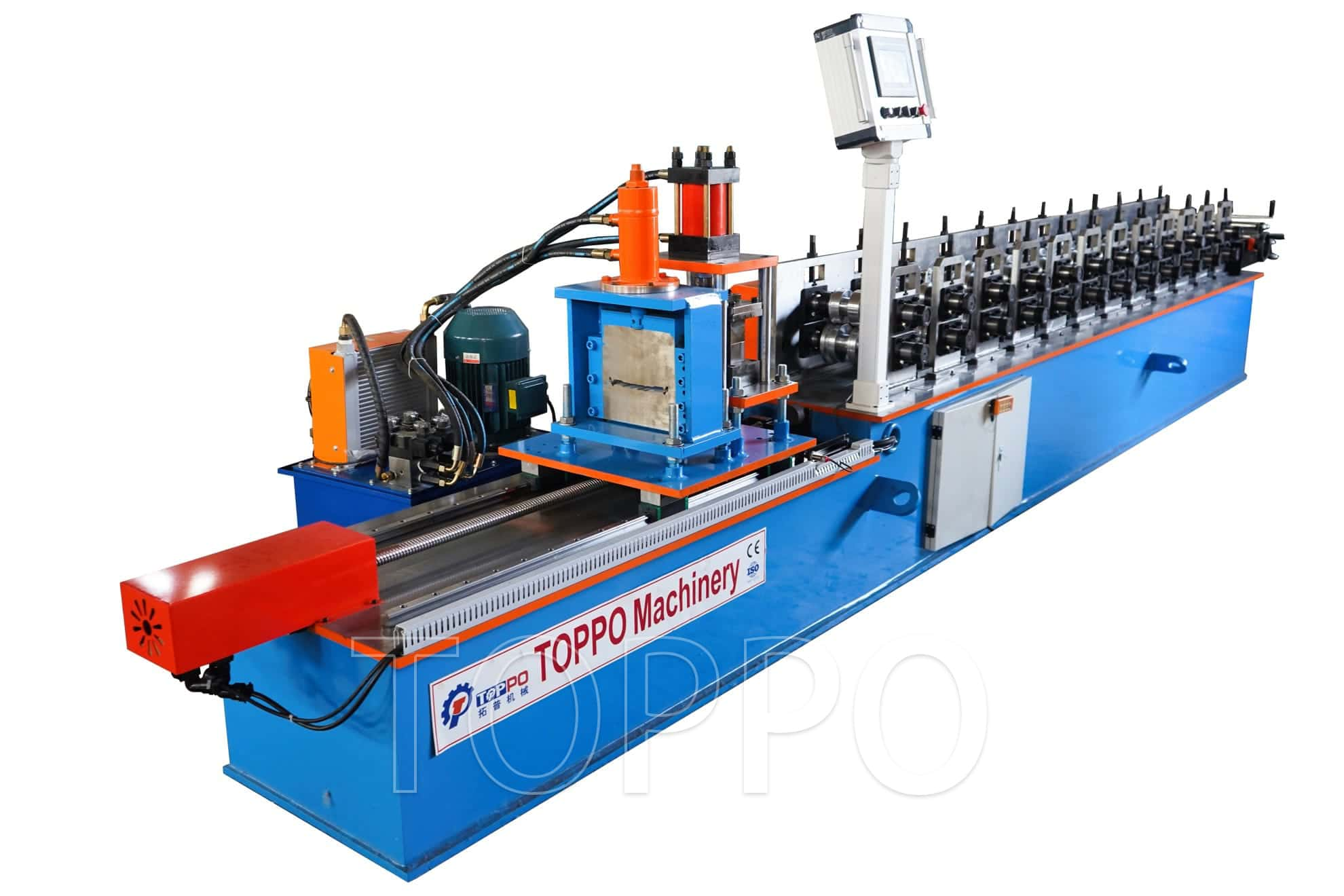
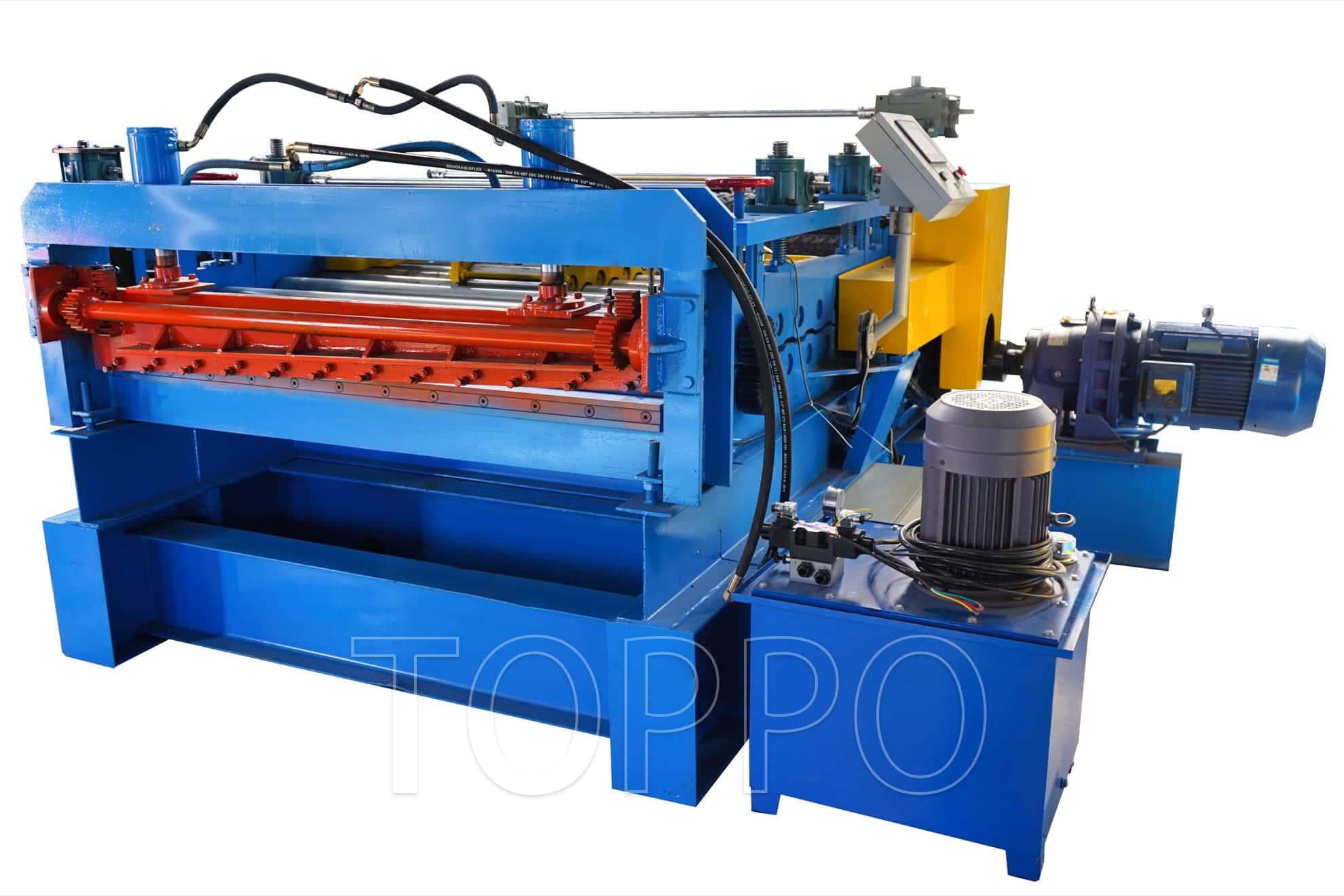
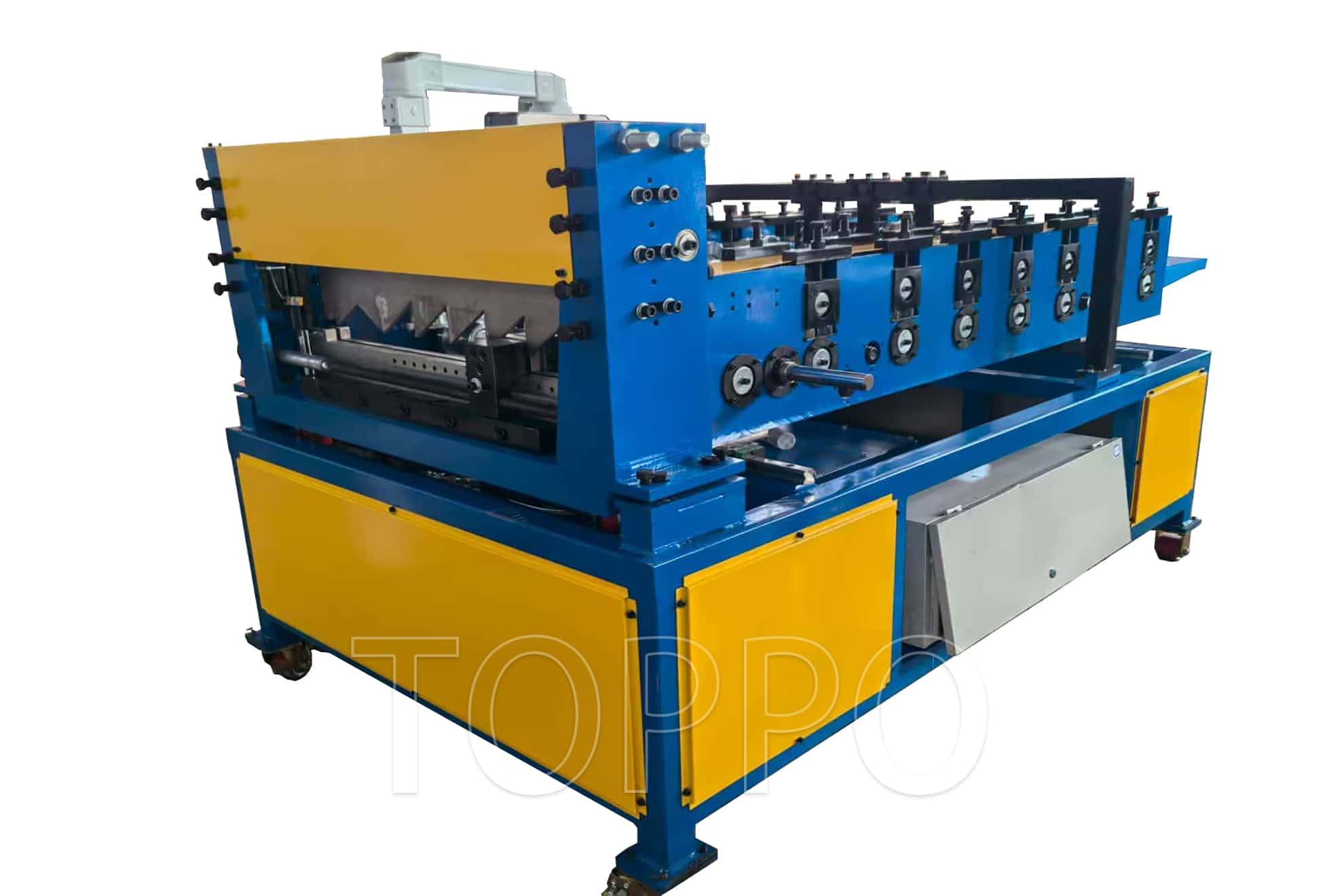
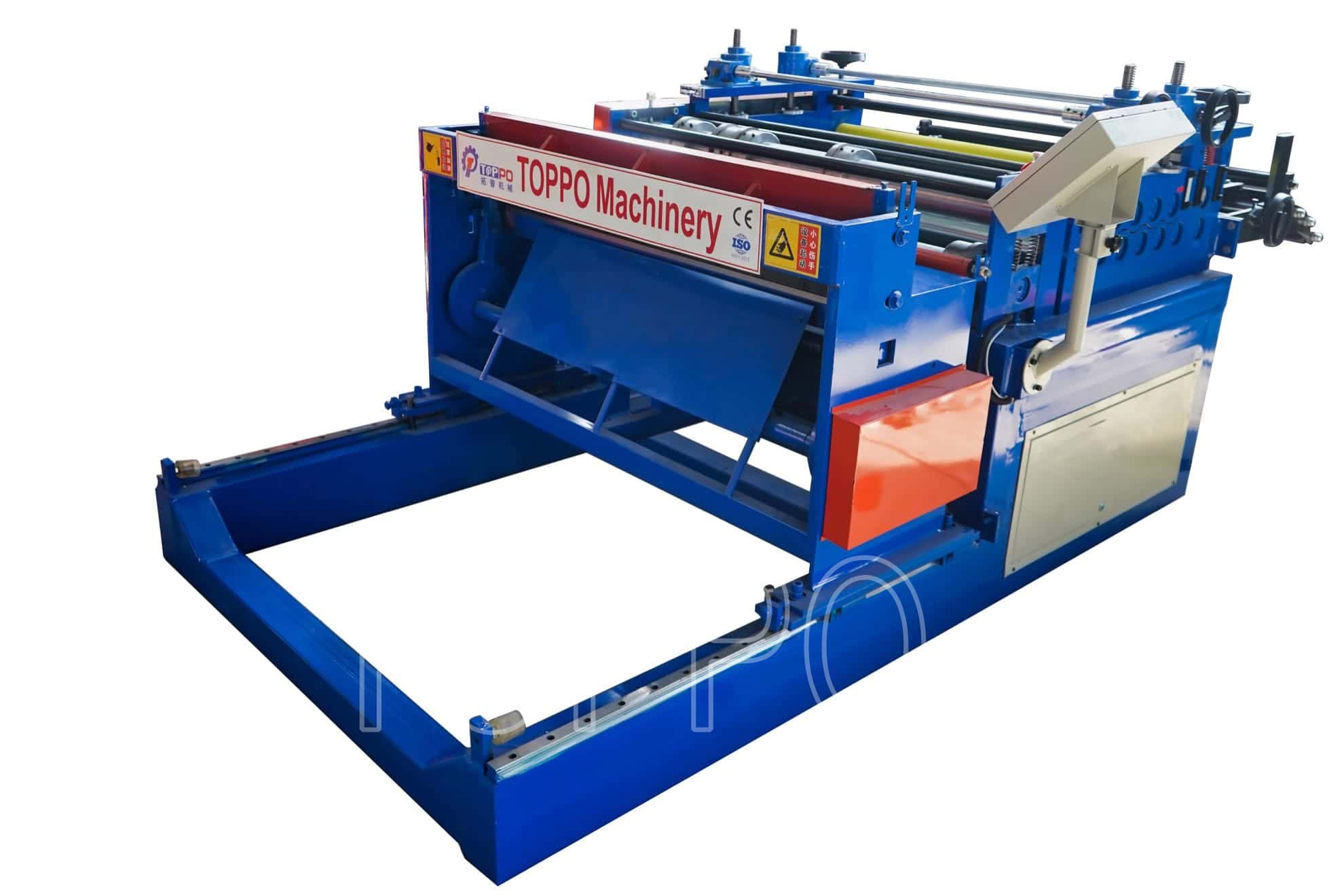
Double LayerRoll Forming Machine: 2026 Guide for Industrial Roofing Production
As of November 5, 2026, the global metal roofing market continues to grow at a 6.2% annual rate, driving demand for efficient production equipment. A double layerroll forming machine has become a core asset for businesses looking to boost output while reducing floor space and labor costs. This guide compares top models, breaks down key specs, and shares maintenance best practices for long-term performance.
1.Double LayerRoll Forming Machinevs. Single Layer: 2026 Comparison
Core Performance Differences
The most obvious gap lies in production flexibility and output efficiency.
A single-layer
roll forming machineproduces only one profile per setup, requiring full line changes for new products
A
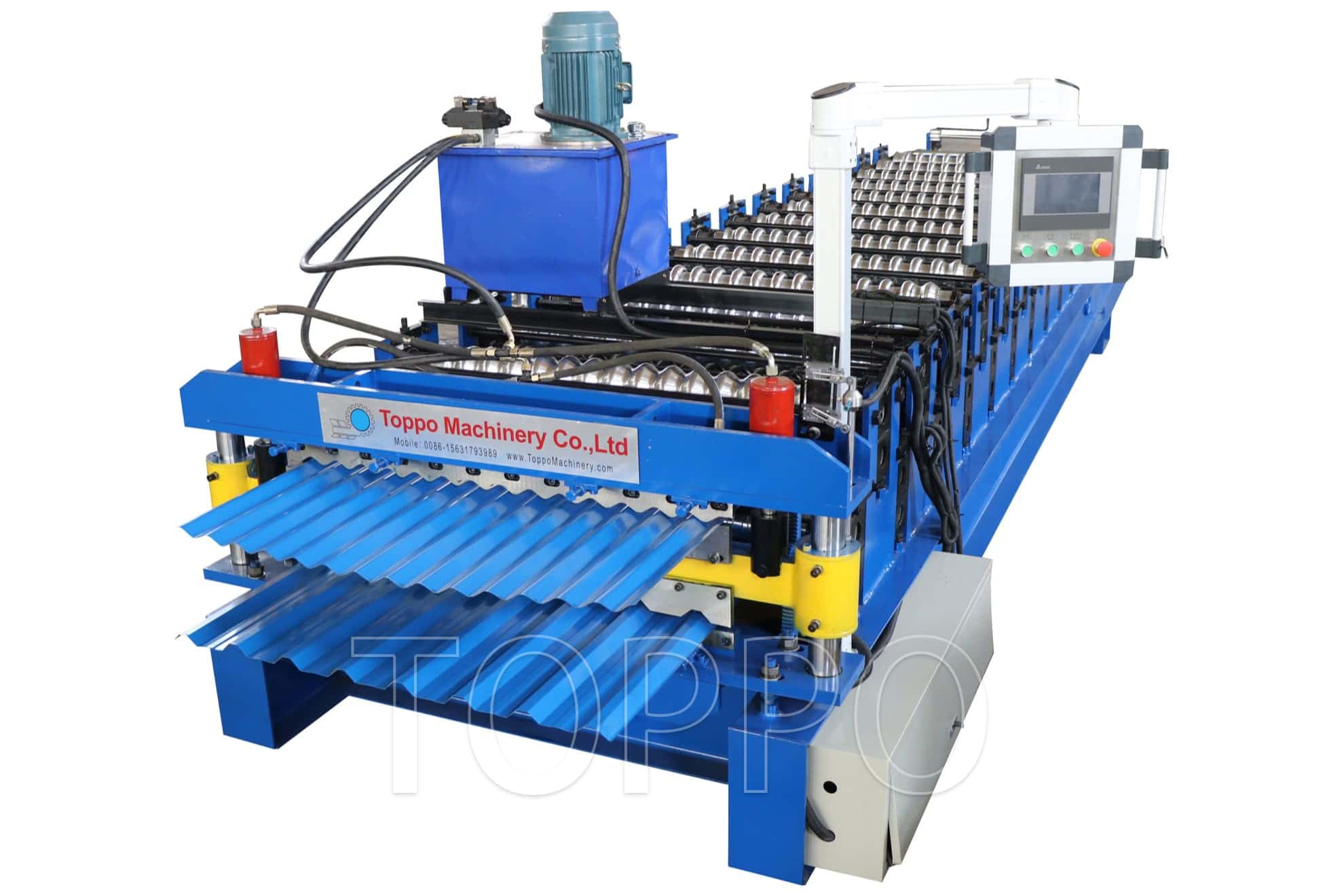
double deckroll forming machineintegrates
two profile forming systems, enabling quick switches between panel types
2026 data shows
dual layerroll forming machines reduce production changeover time by 78% compared to single-layer models
Cost & ROI Analysis for 2026 Buyers
Initial investment and long-term returns vary significantly across equipment types.
Entry-level single-layer machines cost 30-40% less upfront but limit product variety
A
two layerroll forming machinehas a 15-20% higher initial cost but delivers 2x the product range
For
roofing contractorsand
metal roofing manufacturers, average ROI drops from 18 months to 11 months with a
double tierroll forming machine
2. Key Specs to Evaluate Before Purchasing
Mechanical & Production Parameters
Technical specs directly determine production capacity and product quality.
Forming thickness: 0.3-0.8mm for standard color steel, up to 1.2mm for heavy-duty models
Forming width: 900-1250mm to match common steel coil sizes
Roll forming speed: 0-30 m/min for high-volume production lines
Roller material: 45# steel with chrome plating for 2x longer service life
Hydraulic cutting system: Ensures burr-free cuts and consistent panel length
Control System & Smart Features
2026 models come with advanced automation to reduce operator error.
PLC control system with touchscreen interface for easy parameter adjustment
Automatic length measurement with ±0.5mm accuracy per panel
Profile changeover system that switches between
two profile optionsin under 5 minutes
Independent forming stations that prevent cross-interference between upper and lower layers
Dual profile configuration supporting
trapezoidal and corrugatedroll forming machinesetups
3. Top Niche Models for Different 2026 Business Needs
Standard Roofing Production Models
These models cater to mainstreamroofing sheet producersandbuilding material suppliers.
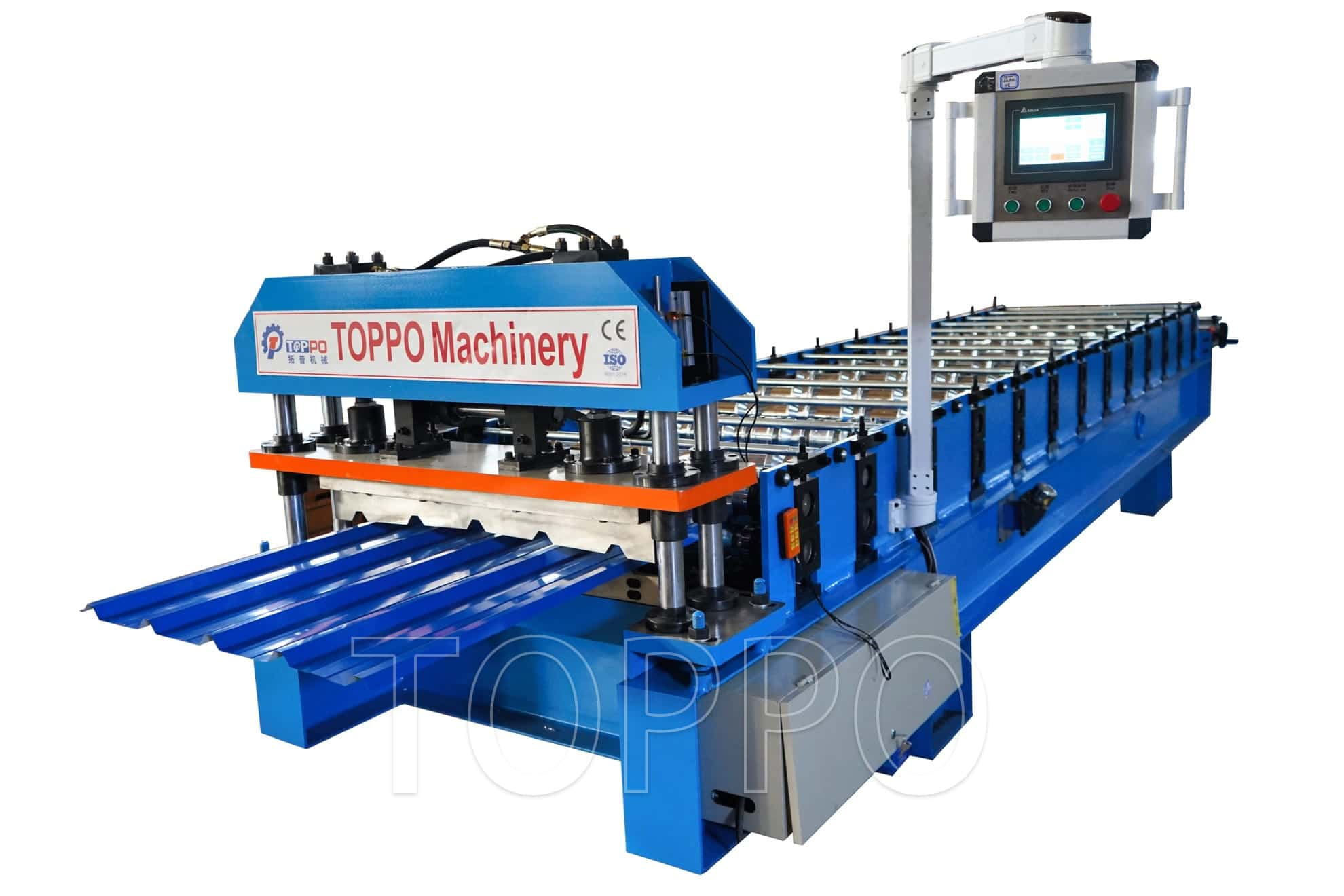
Double layer trapezoidal roofing machine: Ideal for residential and commercial roof panels
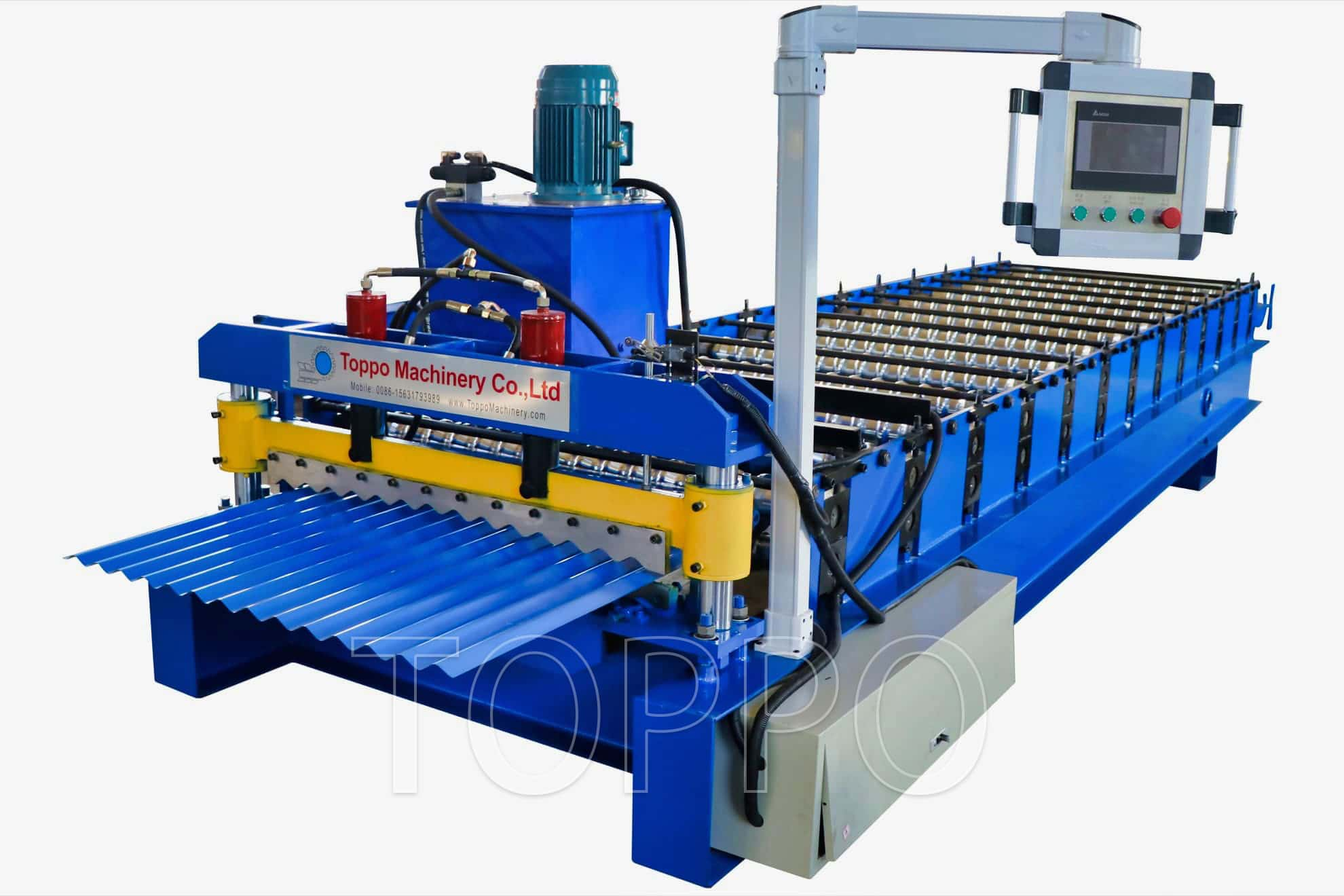
Double layer corrugated roofing machine: Perfect for agricultural and industrial wall/roof cladding
IBRdouble layerroll forming machine: Designed for South African and Southeast Asian market standards
Double layer roof panel machine: Supports custom profile designs for
prefabricated building manufacturers
Specialized Industrial Models
Heavy-duty options servesteel structure companiesand large-scale fabrication firms.
Double layer metal sheet forming machine: Handles thicker steel coils for structural panels
Double layer color steelroll forming machine: Optimized for pre-painted steel coil processing
Double layer steel roofing sheet machine: Equipped with anti-rust treatment for coastal region use
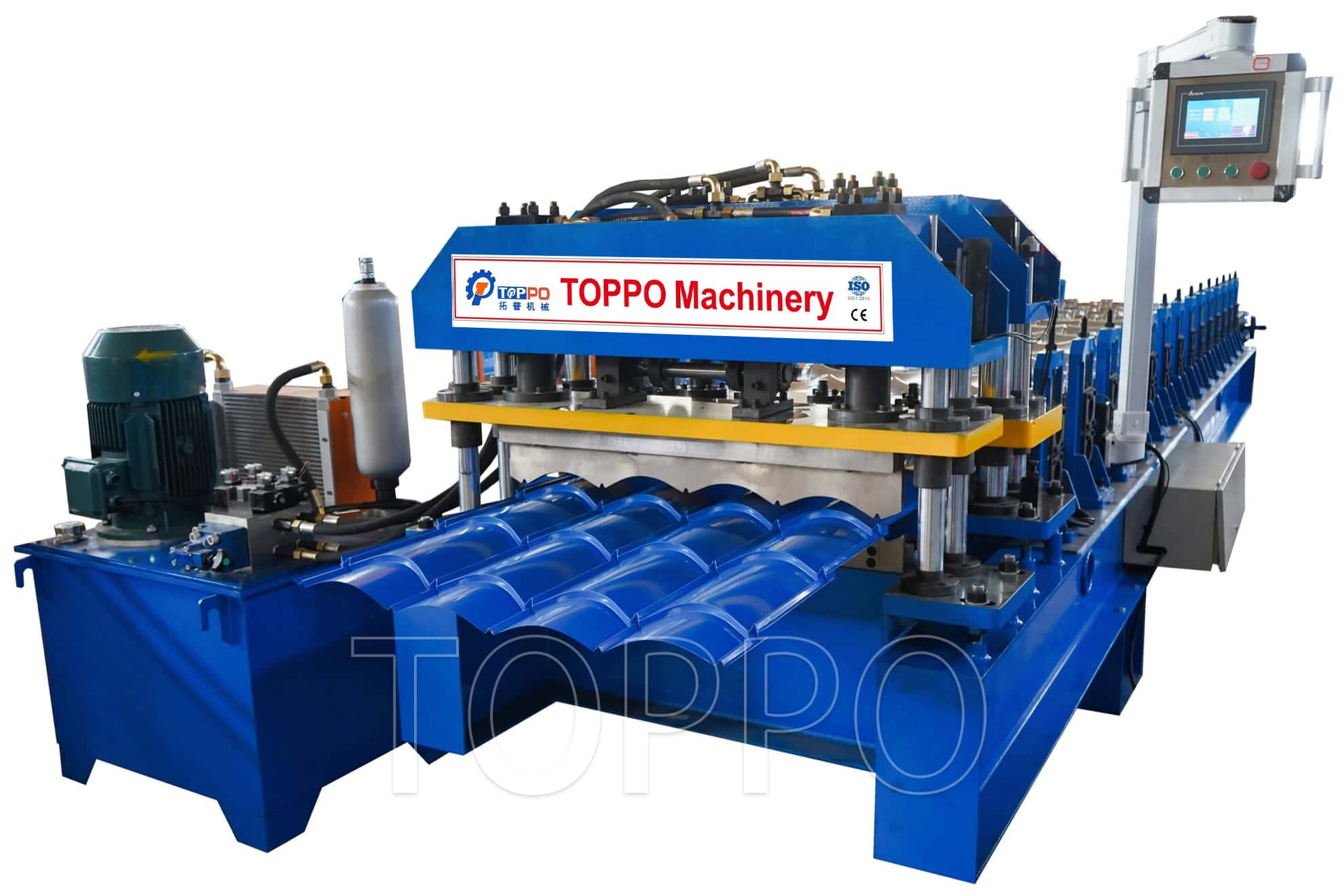
Double layer roof tile forming machine: Produces stone-coated or glazed metal roof tiles
Combined roofing sheetroll forming machine: Integrates punching and forming in one line