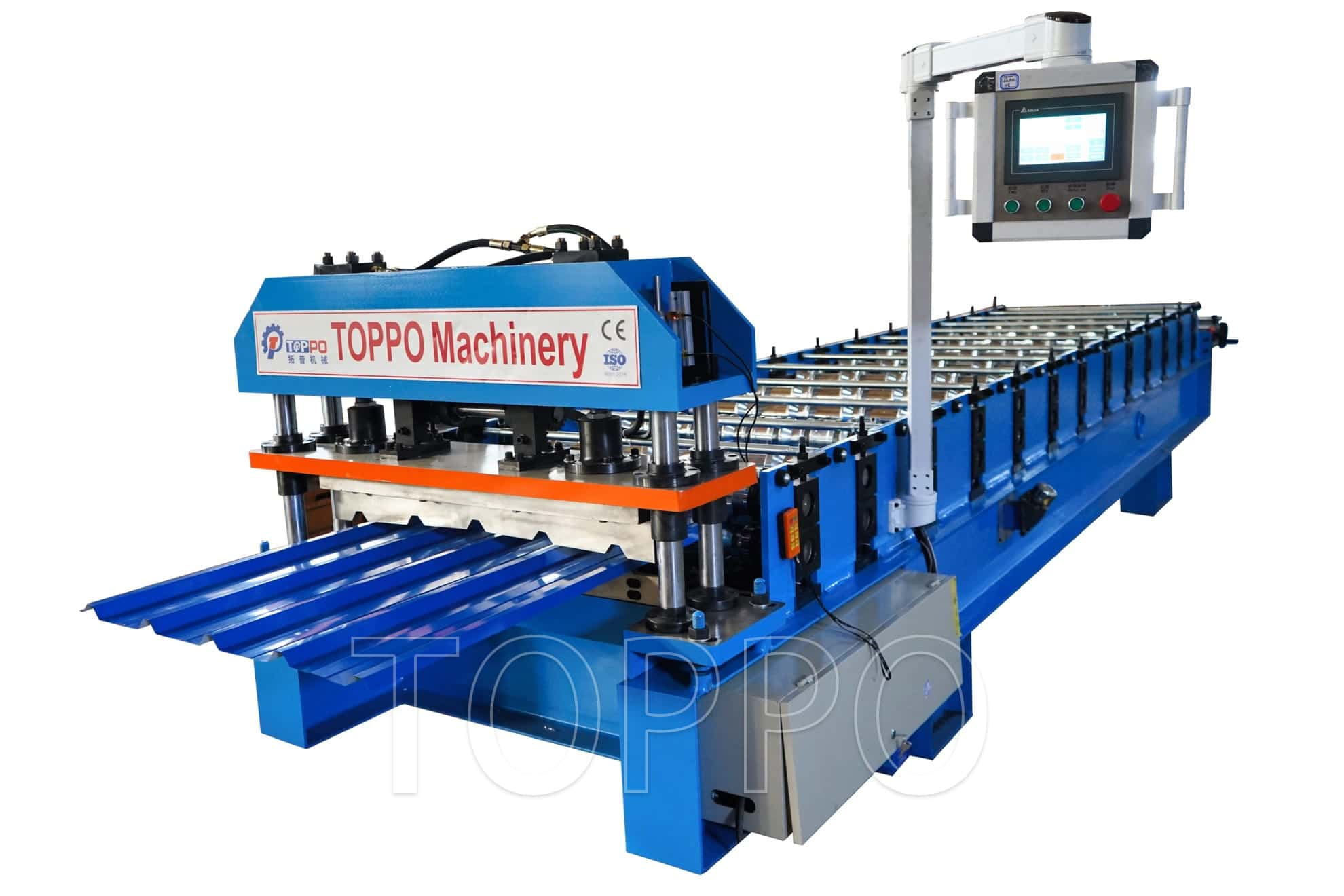
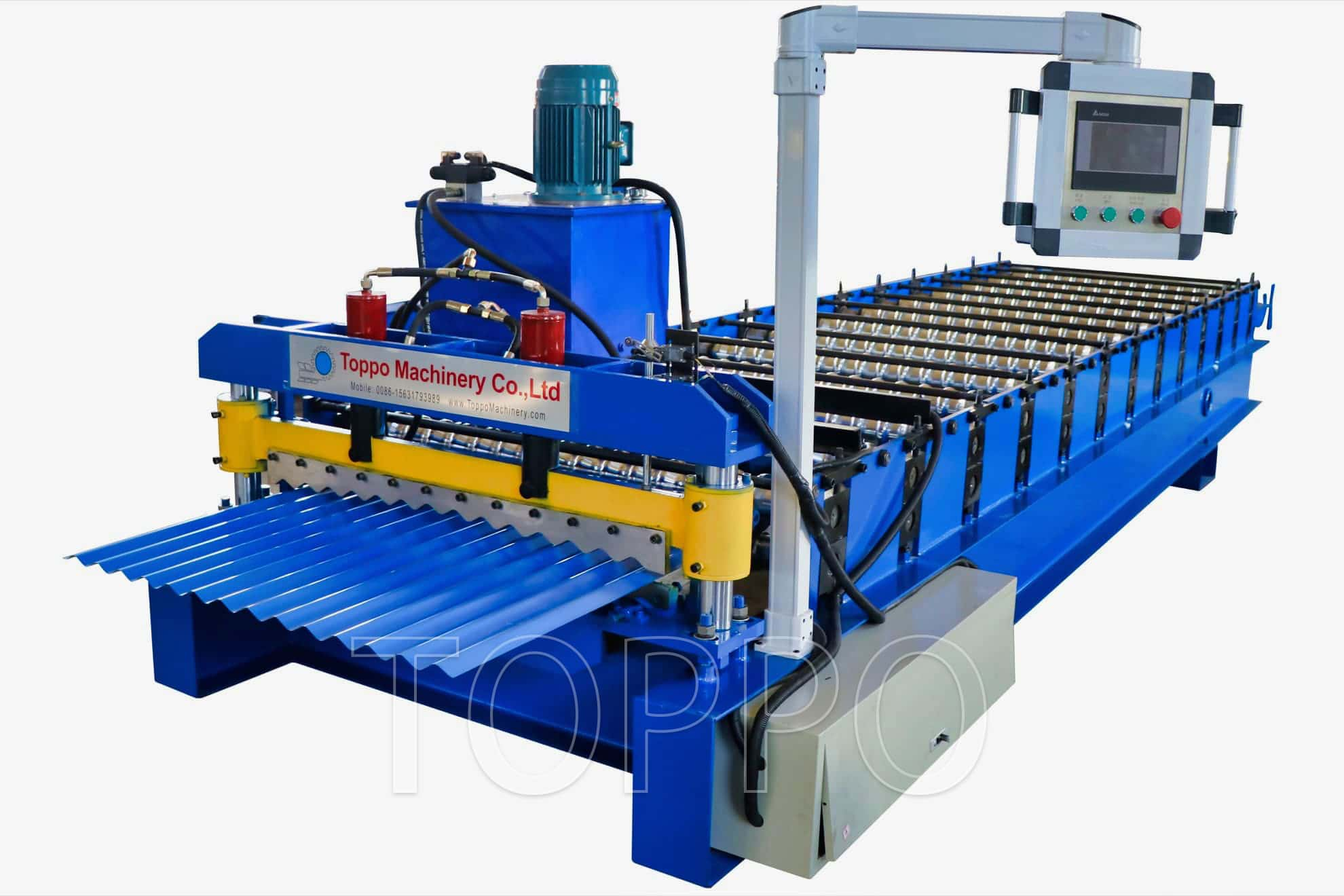
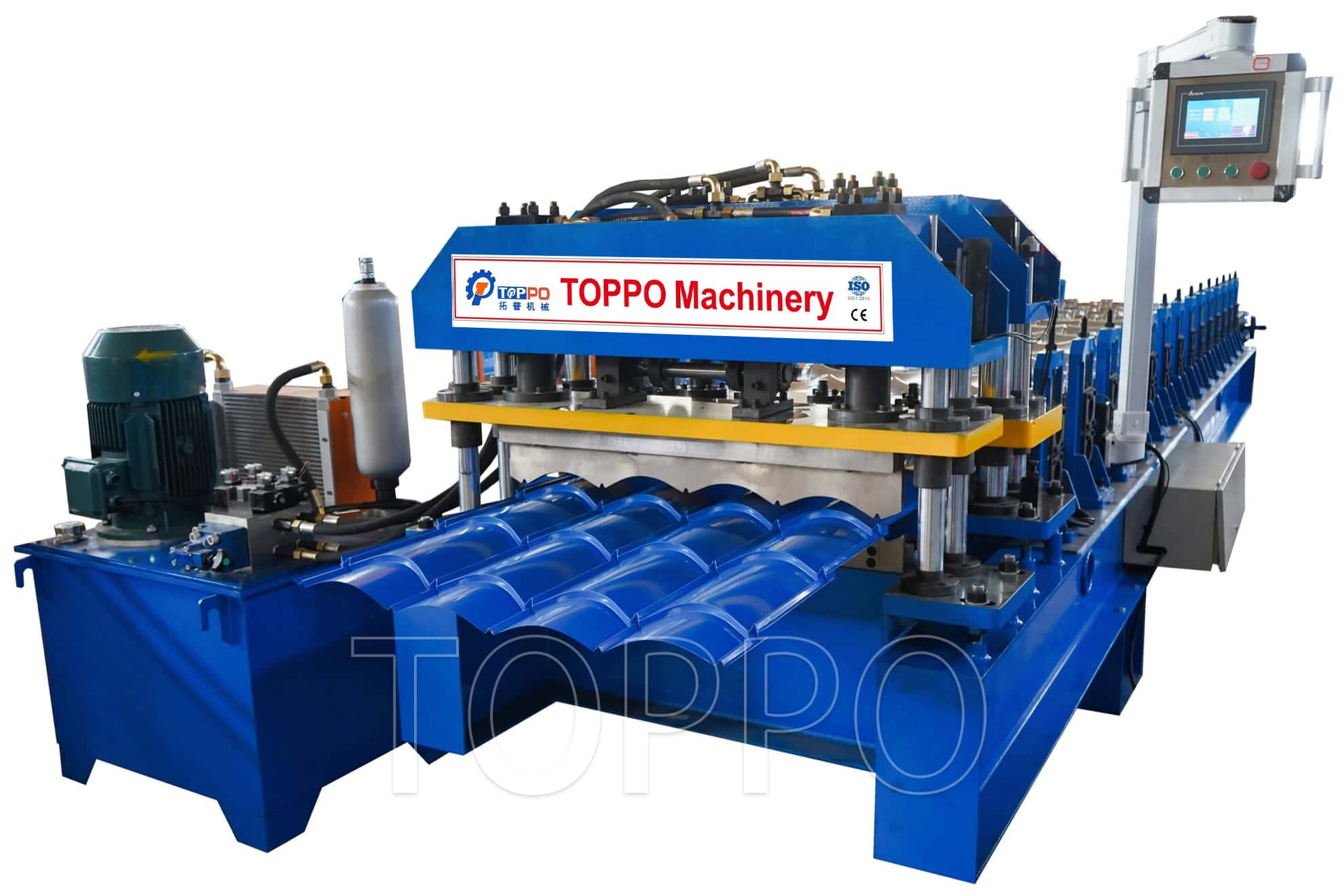
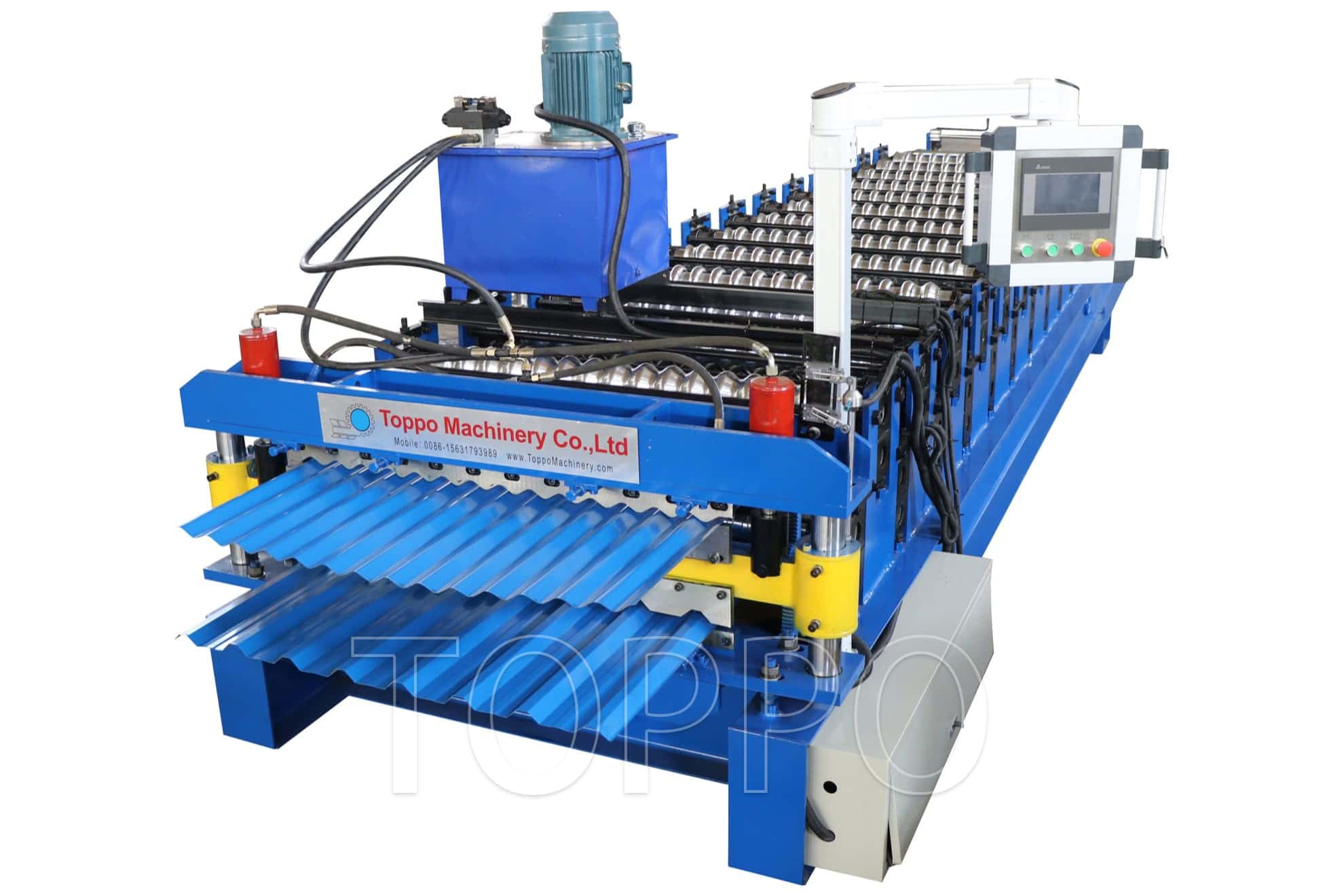
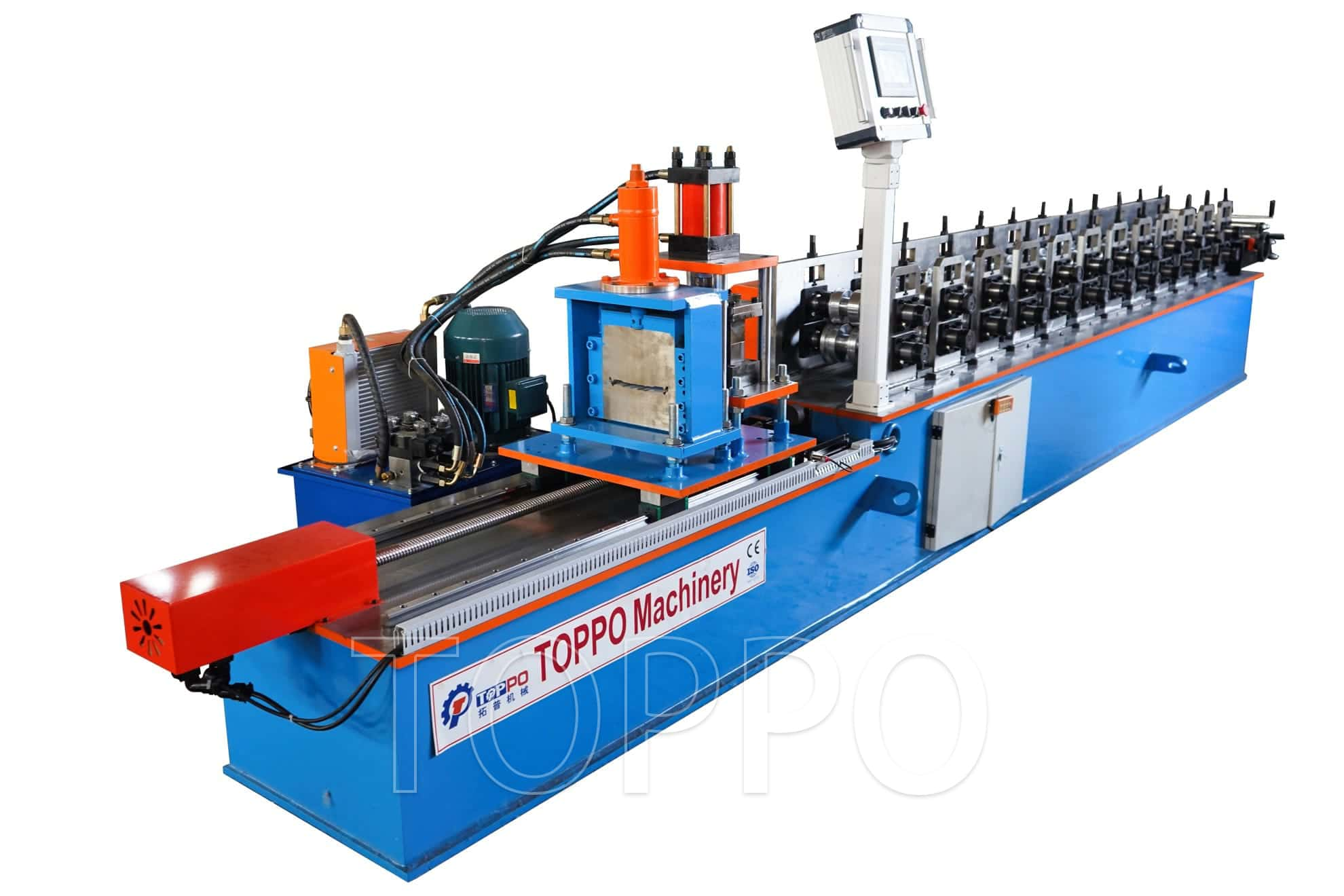
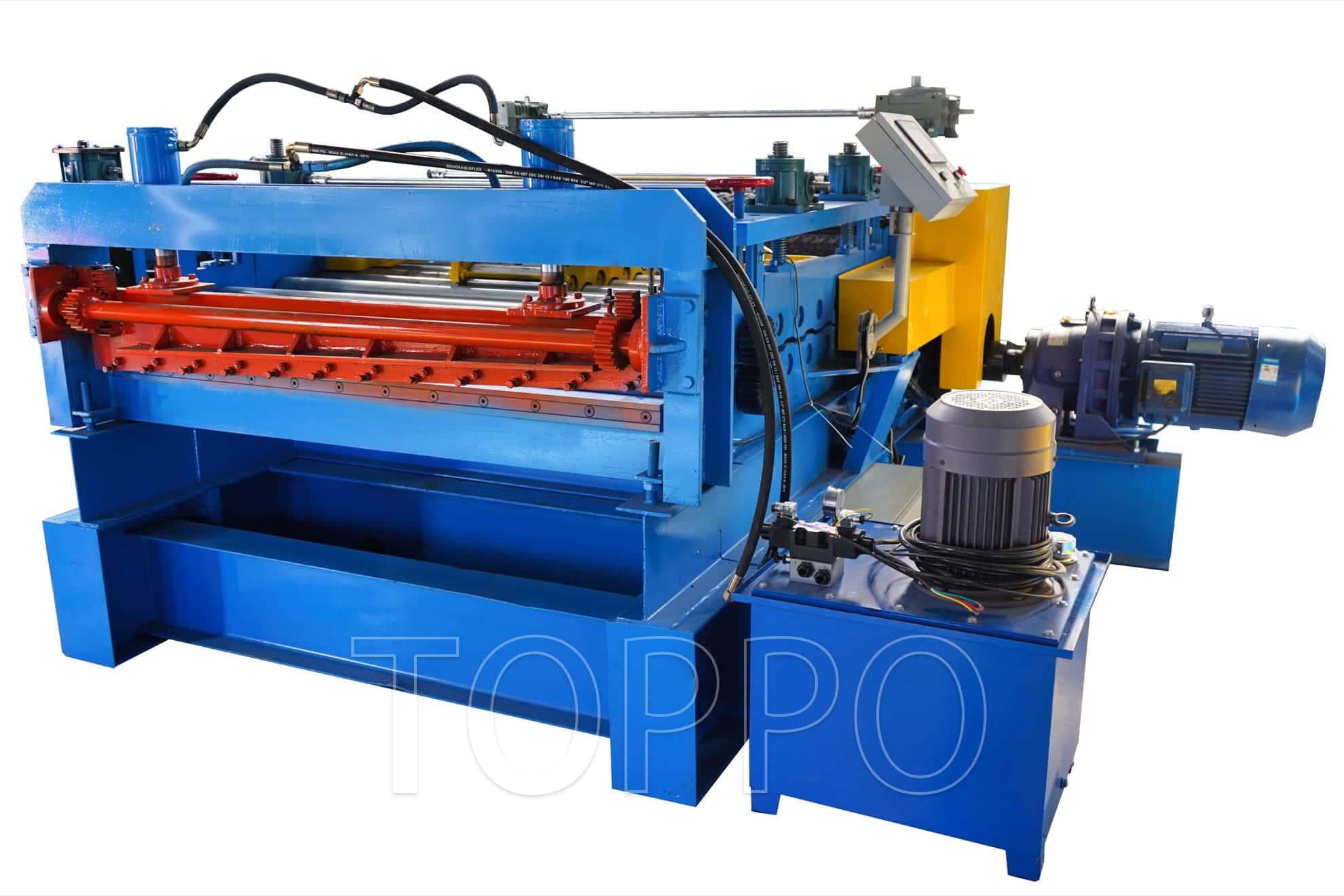
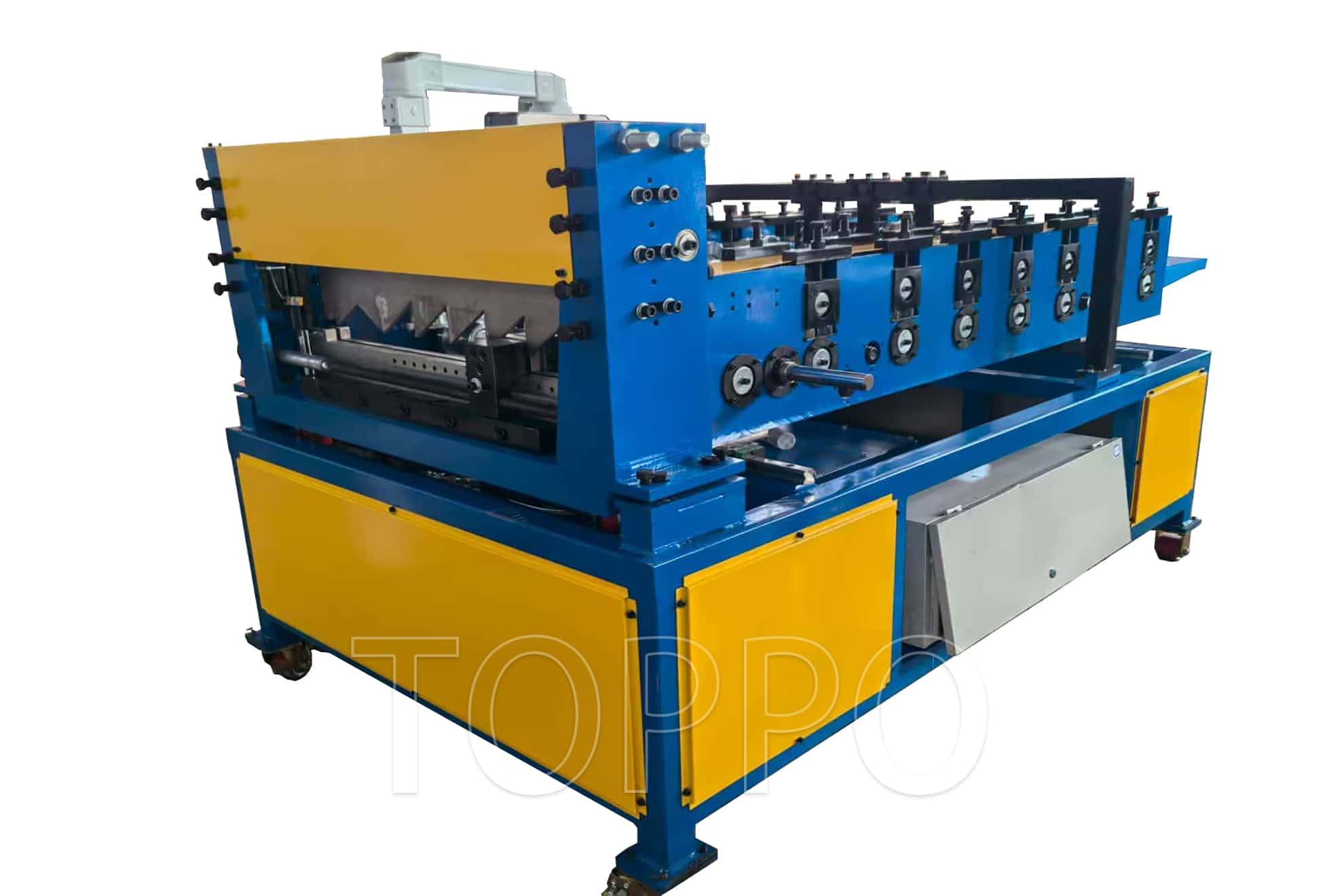
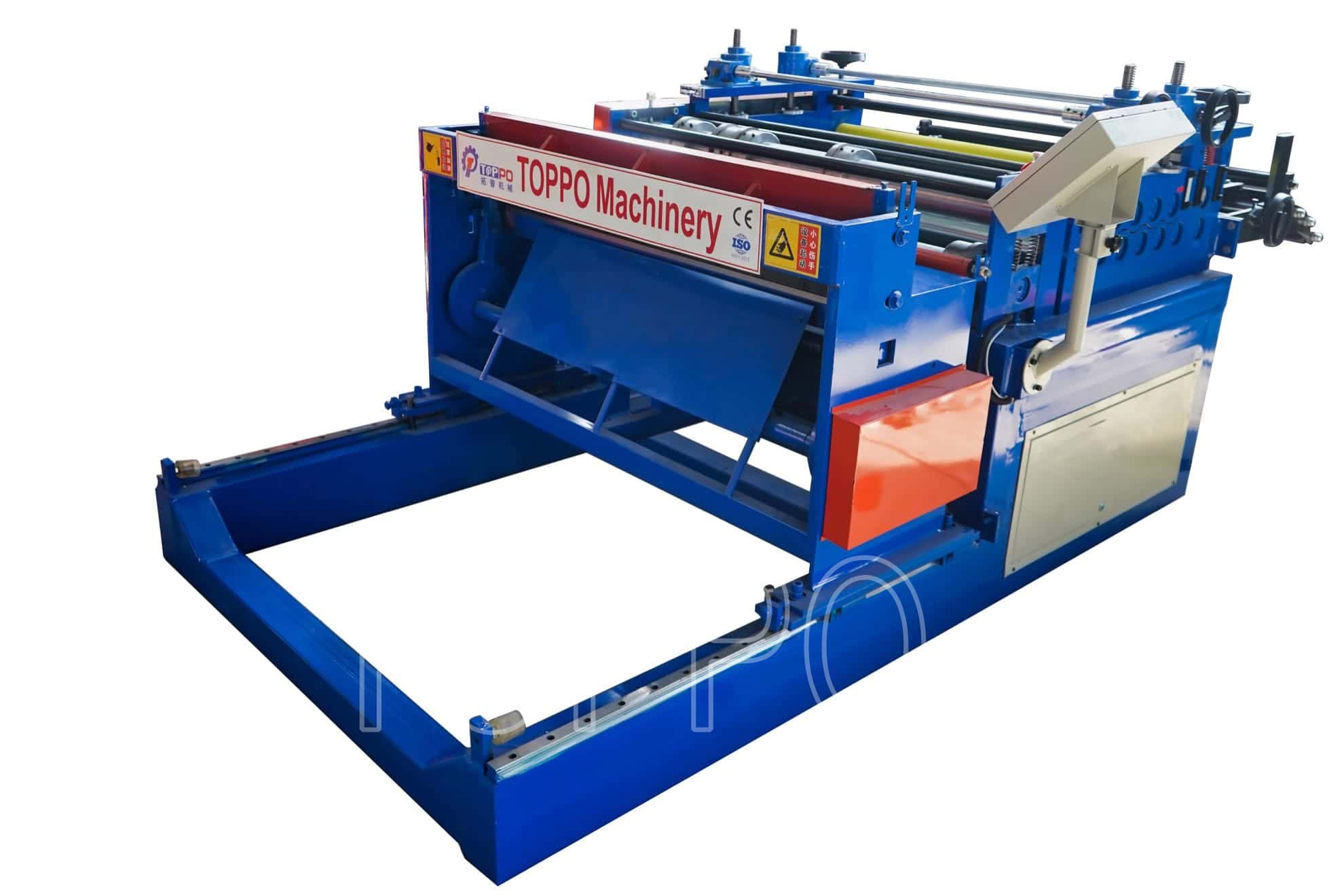
How to Operate aDouble LayerRoll Forming Machine: 2026 Step-by-Step Guide
As of November 5, 2026, the global metal roofing market has grown by 18% year-over-year, driving demand for efficient production equipment. A double layerroll forming machine withhydraulic cutting systemhas become a core asset forroofing contractors,metal roofing manufacturers, andsteel sheet manufacturerslooking to cut costs and boost output. This guide covers safe, optimized operation for both beginners and experienced teams.
1. Pre-Operation Preparation for YourDouble DeckRoll Forming Machine
Proper preparation prevents 60% of commonroll forming machinebreakdowns, per 2026 industry maintenance data.
1.1 Safety & Site Inspection
Before powering on the machine, complete these checks:
Confirm all safety guards are locked in place around forming stations and cutting areas
Clear the work area of debris, loose tools, and tripping hazards
Verify the hydraulic oil level is within the recommended range (check sight glass)
Ensure emergency stop buttons are accessible from all operating positions
1.2 Material & Machine Parameter Setup
Match your setup to the production run requirements:
Load the correct steel coil (check thickness: 0.3-0.8mm for standard roofing sheets)
Input target sheet length and quantity via the
PLC control systemSelect the appropriate profile: trapezoidal, corrugated, or IBR (for
IBRdouble layerroll forming machinemodels)
Calibrate the
automatic length measurementsensor to ±0.5mm accuracy
Forcombinedroll forming machineunits, confirm bothprofile changeover systemlocks are engaged before starting.
2. Step-by-Step Operation of theDual LayerRoll Forming Machine
Moderntwo layerroll forming machines feature intuitive controls, but following a strict sequence ensures consistent quality.
2.1 Startup & Test Run
Follow this startup sequence for optimal performance:
Turn on the main power supply, then activate the PLC control panel
Run a 30-second dry test to check for unusual noises or vibrations
Feed the steel coil lead edge into the first forming station
Run 2-3 test sheets, measure dimensions, and adjust forming pressure if needed
Theworking speed 0-30 m/minrange lets you slow down for test runs before ramping up to full production.
2.2 Full Production Operation
Once test sheets pass quality checks:
Set the desired production speed (15-25 m/min is ideal for color steel sheets)
Monitor the
hydraulic cutting systemfor clean, burr-free cuts
Keep an eye on the
two profile forming systemsto ensure consistent shaping
Collect finished sheets and stack them carefully to avoid scratching
3. Maintenance Tips for Long-TermRoll Forming MachinePerformance
Regular maintenance extends the lifespan of adouble tierroll forming machineby 30-40%, according to 2026 equipment lifespan studies.
3.1 Daily Maintenance Tasks
Complete these checks at the end of each production shift:
Wipe down all roller surfaces to remove metal dust and debris
Check hydraulic system for leaks and top up fluid if needed
Lubricate moving parts (chain, bearings) with recommended grease
Clean the PLC control panel and cover it to prevent dust buildup
3.2 Weekly & Monthly Deep Maintenance
For long-term reliability, schedule these tasks:
Inspect
roller material(hard chrome plated) for wear or damage
Tighten all bolts and connections on
independent forming stationsCalibrate the
profile changeover systemalignment
Test emergency stop and safety interlock systems
4. Troubleshooting Common Issues forRoof Panel Making MachineUsers
Even well-maintainedtwo profileroll forming machinemodels can experience minor issues. Here’s how to resolve them quickly.
4.1 Common Production Quality Issues
Address these common defects with simple adjustments:
Uneven sheet bending: Adjust forming station pressure evenly on both sides
Burrs on cut edges: Sharpen or replace hydraulic cutting blades
Incorrect sheet length: Recalibrate
automatic length measurementsensor
Scratches on sheet surface: Check for debris on rollers or misaligned guides
Building material suppliersandconstruction companiescan reduce waste by 15% by resolving these issues immediately.
4.2 Operational & Mechanical Issues
For non-quality related problems:
Machine won’t start: Check power supply, emergency stop button, and safety interlocks
Slow forming speed: Verify hydraulic pressure and motor condition
Profile mismatch: Confirm correct tooling setup and profile changeover lock
PLC error codes: Refer to the machine manual or contact technical support
Forprefabricated building manufacturersandsteel structure companies, investing in operator training for yourdouble layer roof panel machinecan reduce downtime by 25% annually. As of 2026, manyroofing material wholesalersandmetal fabrication companiesoffer on-site training for new equipment purchases.