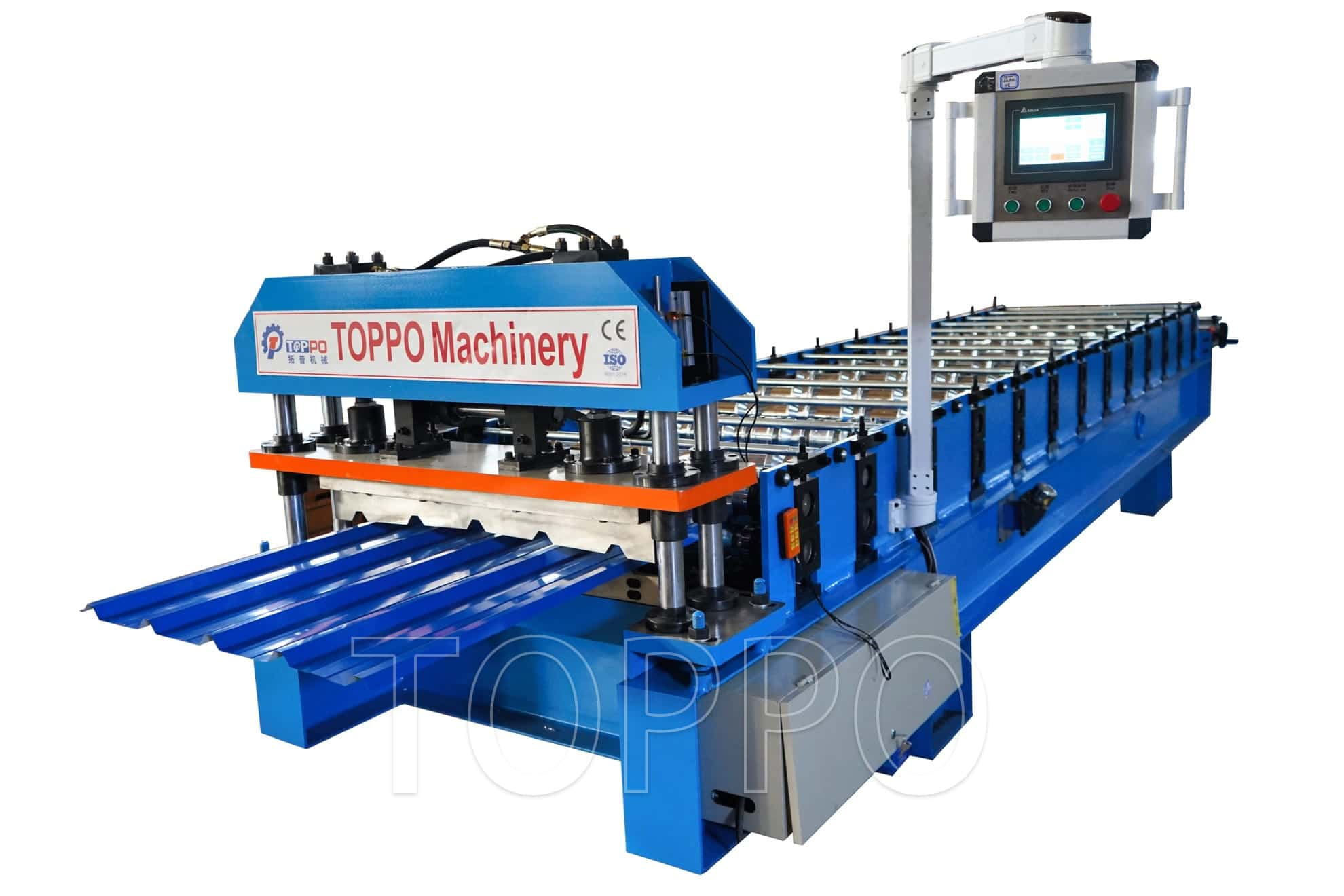
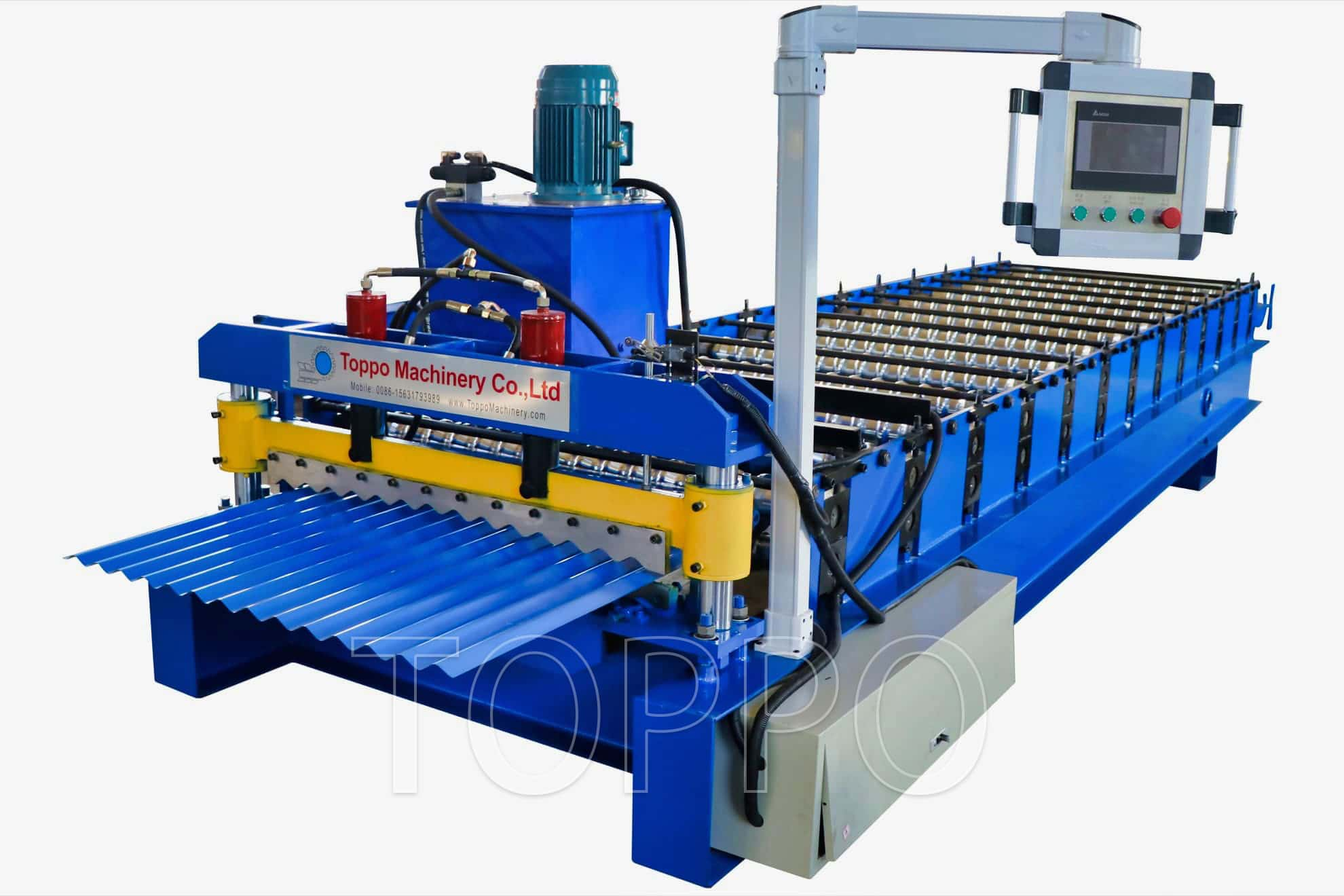
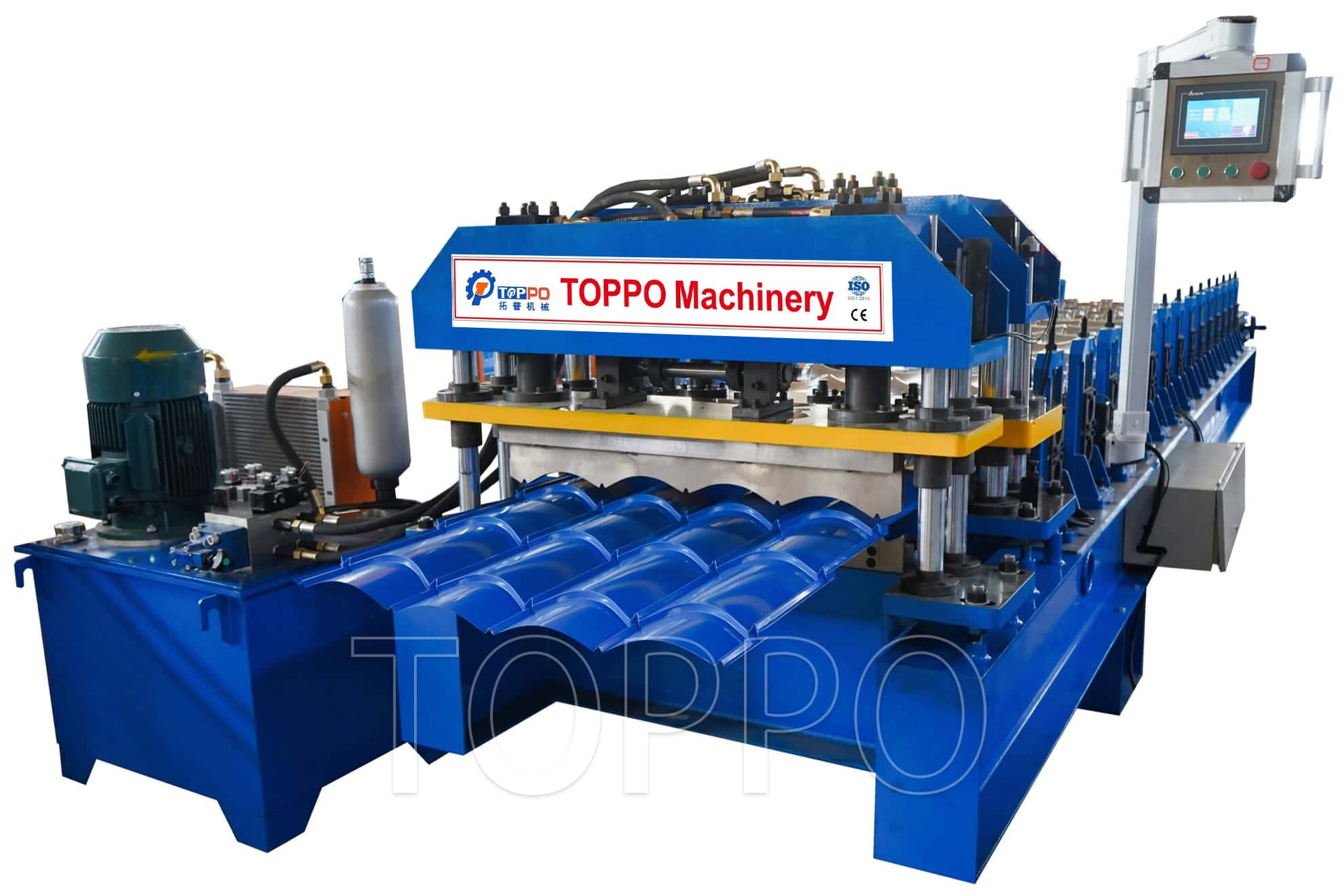
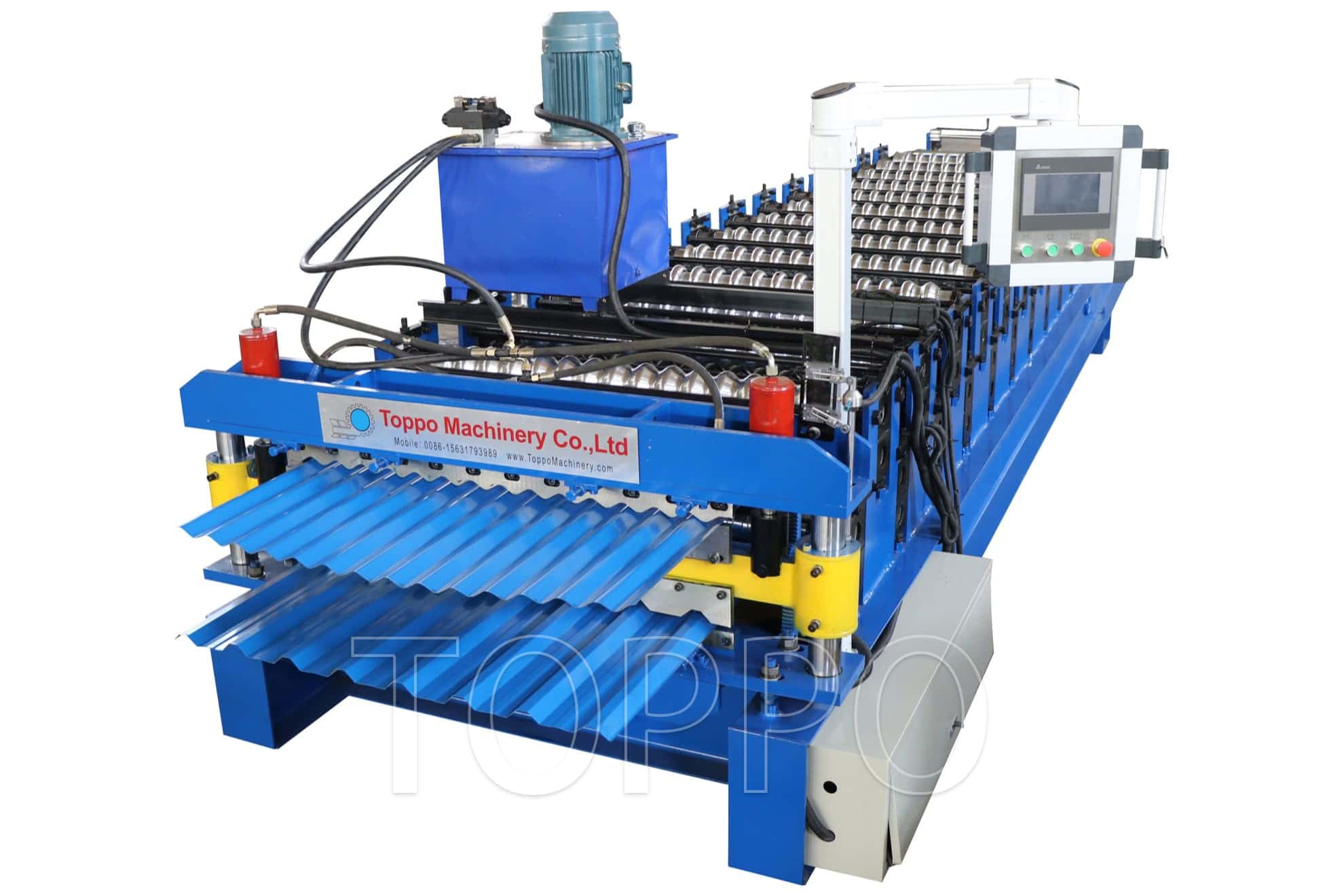
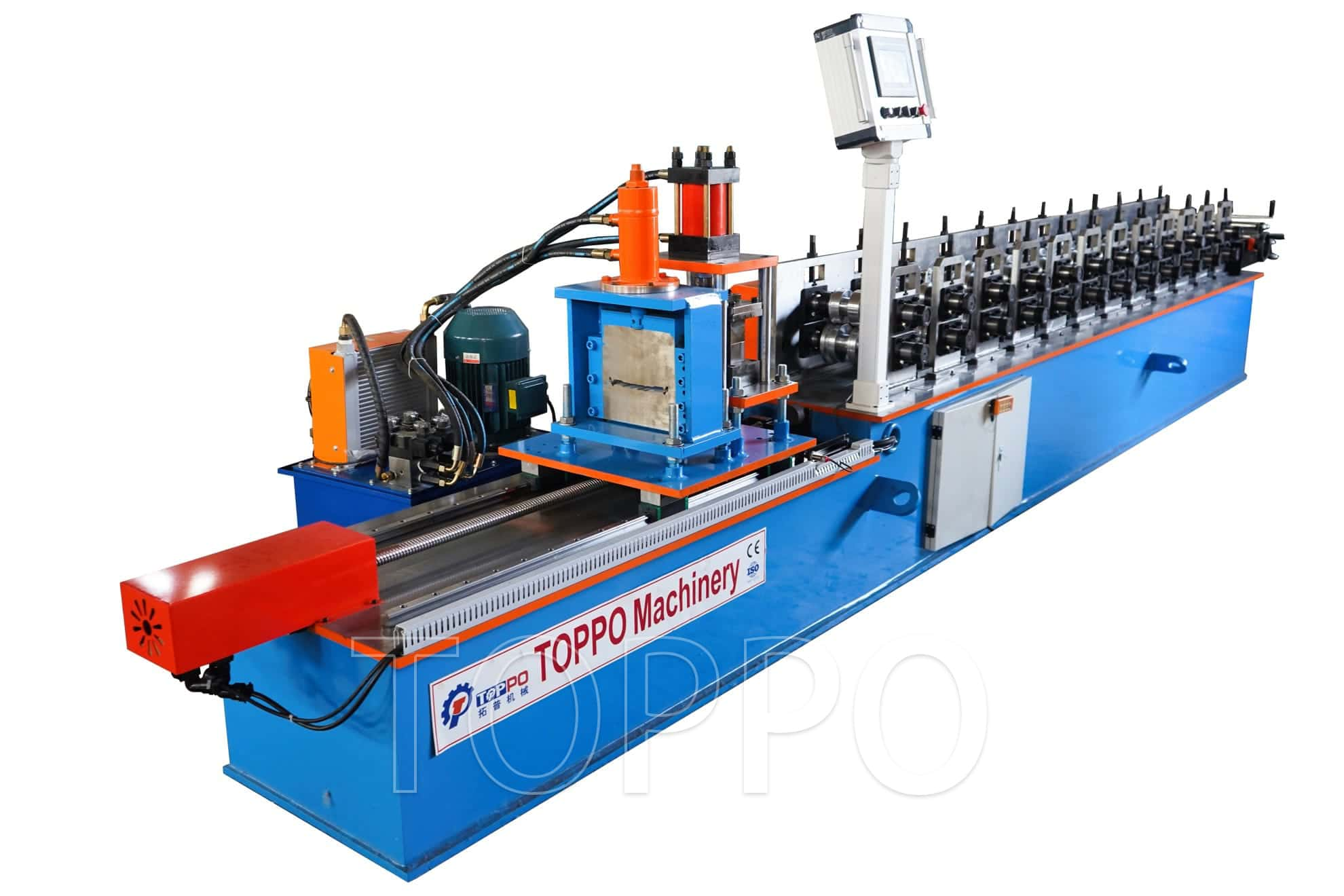
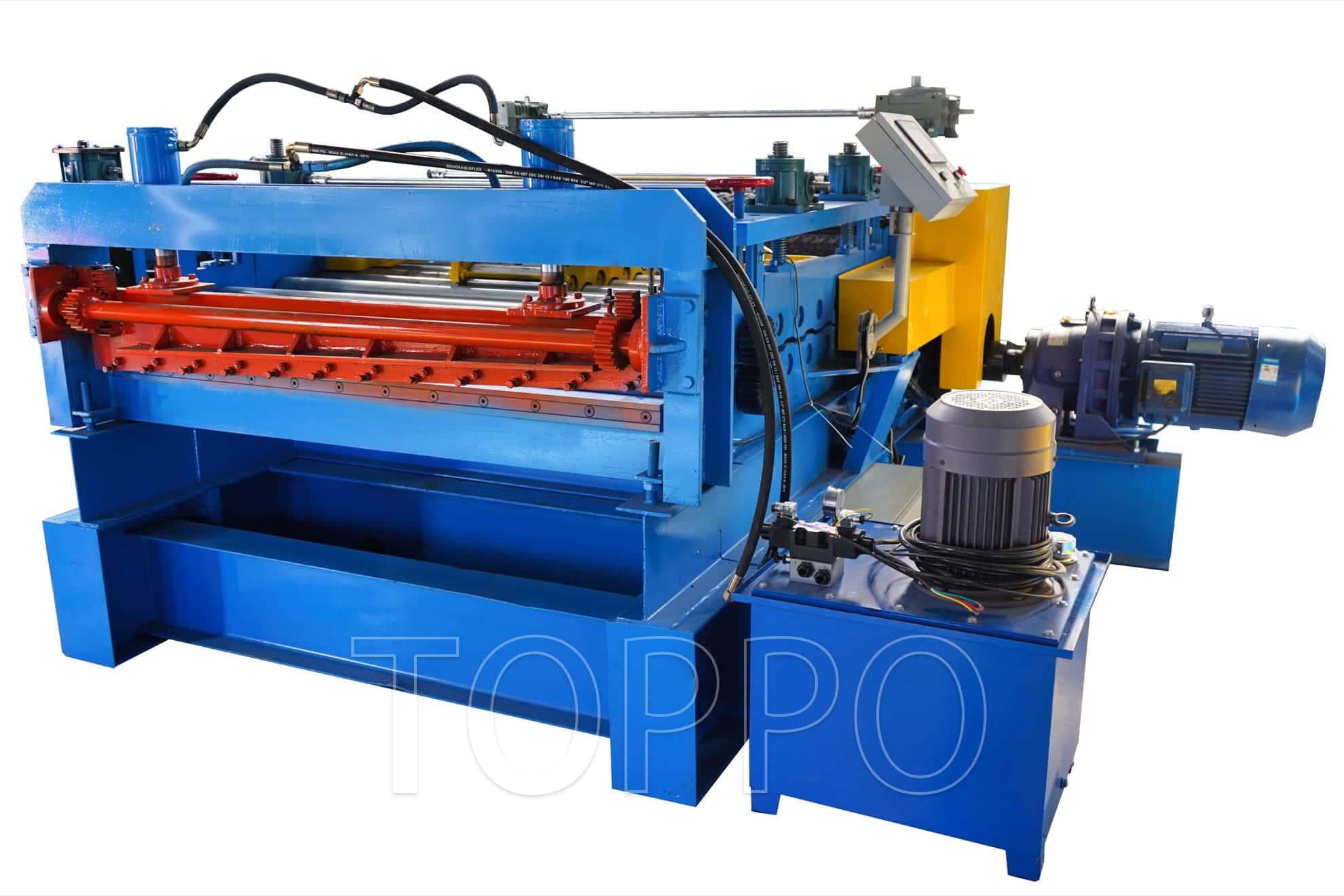
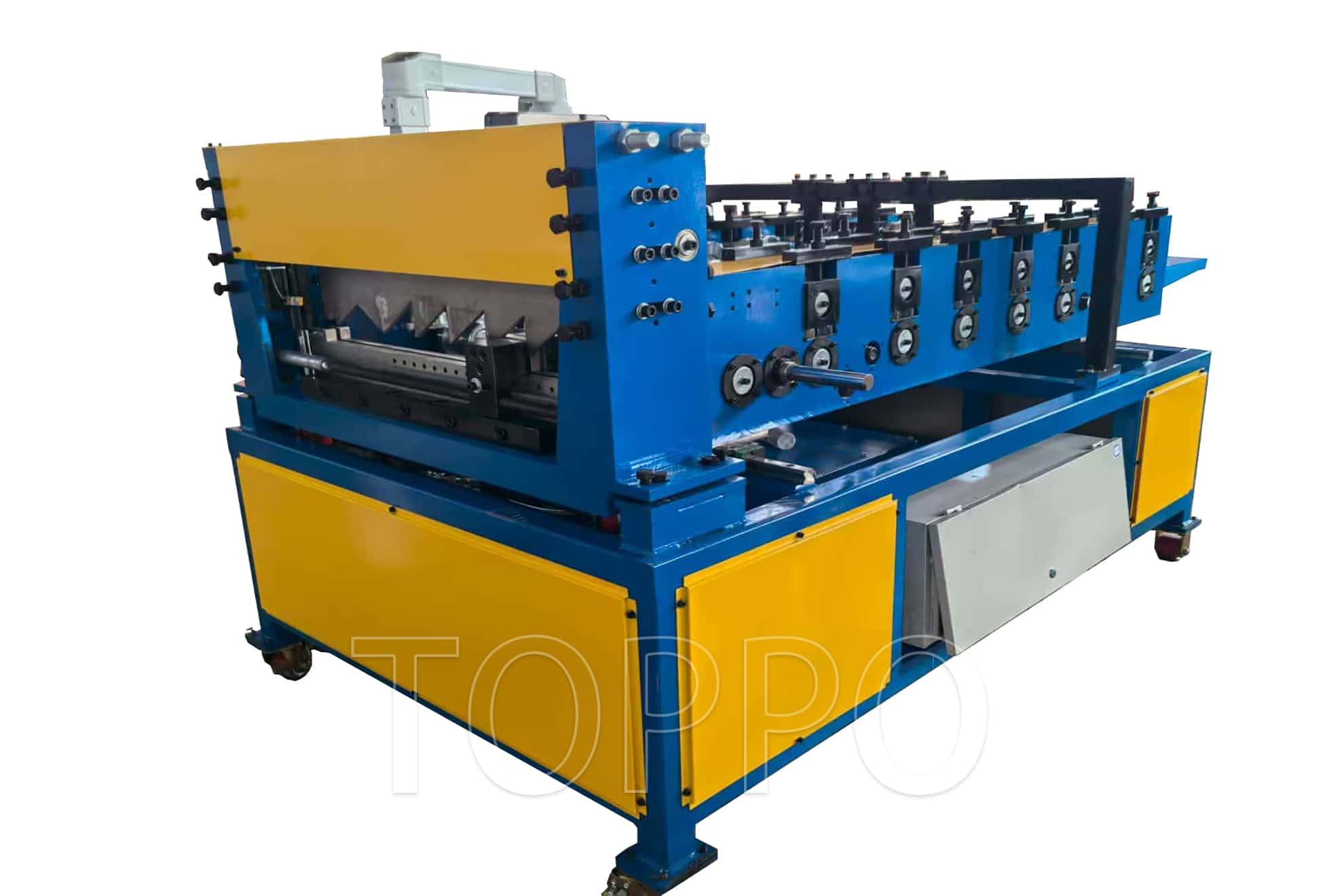
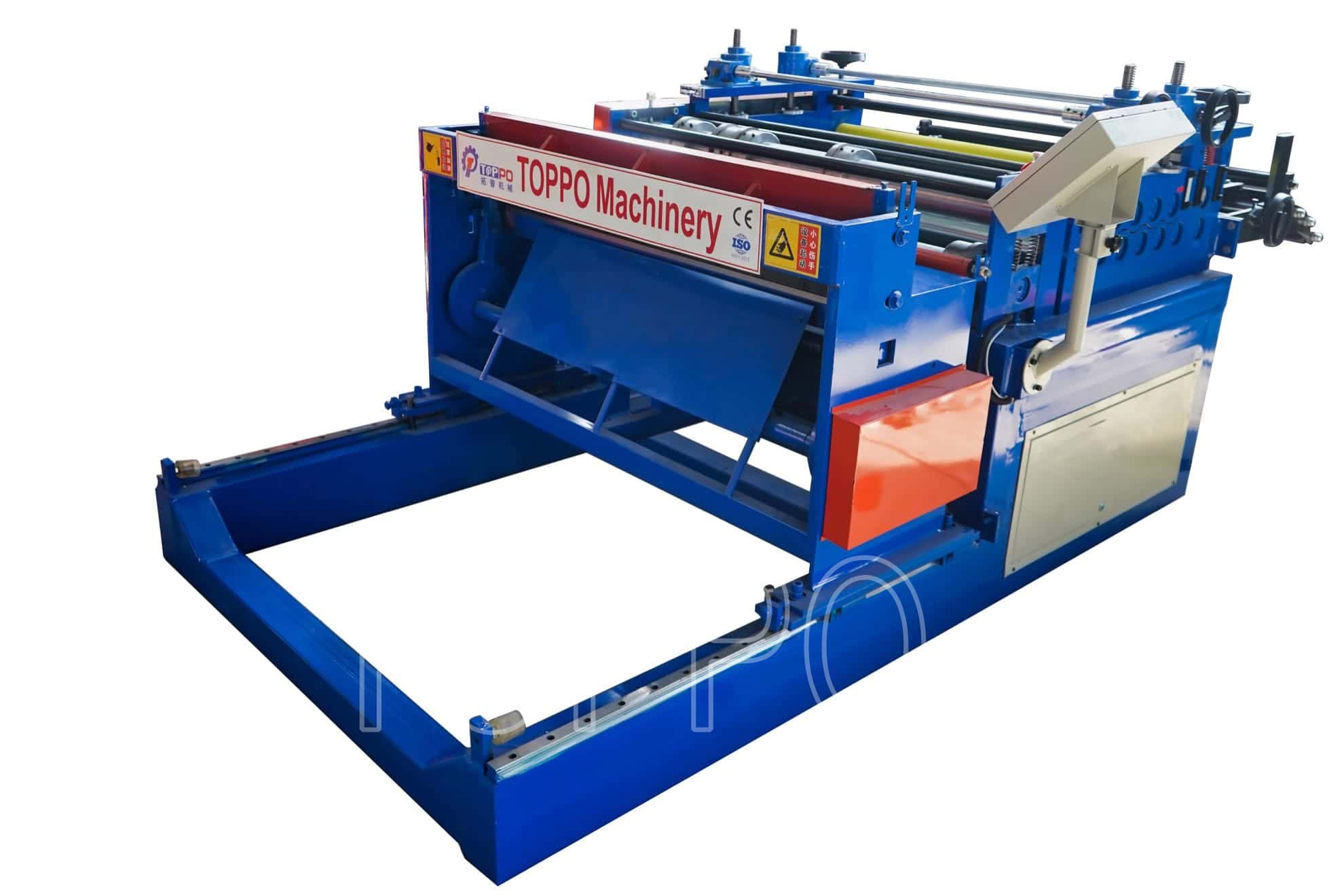
Automatic Double Deck Roofing Machine:Double LayerRoll Forming MachineWithHydraulic Cutting System
As of November 2026, the global metal roofing market continues to grow at a 6.8% annual rate, driving demand for efficient production equipment. A double layerroll forming machine has become a top choice for businesses seeking to boost output while reducing floor space and labor costs.
This automatic double deck roofing machine integratestwo profile forming systems, enabling production of two distinct roof panel types on a single line. Equipped with a precisionhydraulic cutting systemand PLC control, it delivers consistent quality for both residential and commercial roofing projects.
Core Structure & Key Components of theDual LayerRoll Forming Machine
Independent Forming StationsforDual Profile Configuration
The machine features twoindependent forming stationsstacked vertically, each dedicated to one profile type. This design eliminates the need for manual roller changes when switching between products.
Key structural components include:
Heavy-duty steel frame with stress-relieved welding for 20+ year lifespan
Precision-machined rollers made of 45# steel with hard chrome plating
Synchronized transmission system for smooth, low-noise operation
Hydraulic Cutting System& Control Technology
Thehydraulic cutting systemis a standout feature of this 2026 model, delivering clean, burr-free cuts with ±0.5mm length accuracy. It works in tandem with theautomatic length measurementsensor to ensure consistent panel dimensions.
Core control and cutting features:
- PLC control system
with touchscreen interface for easy parameter adjustment
Hydraulic power unit with pressure protection and oil cooling system
- Automatic length measurement
with encoder for precise cutting
Emergency stop and safety guarding for operator protection
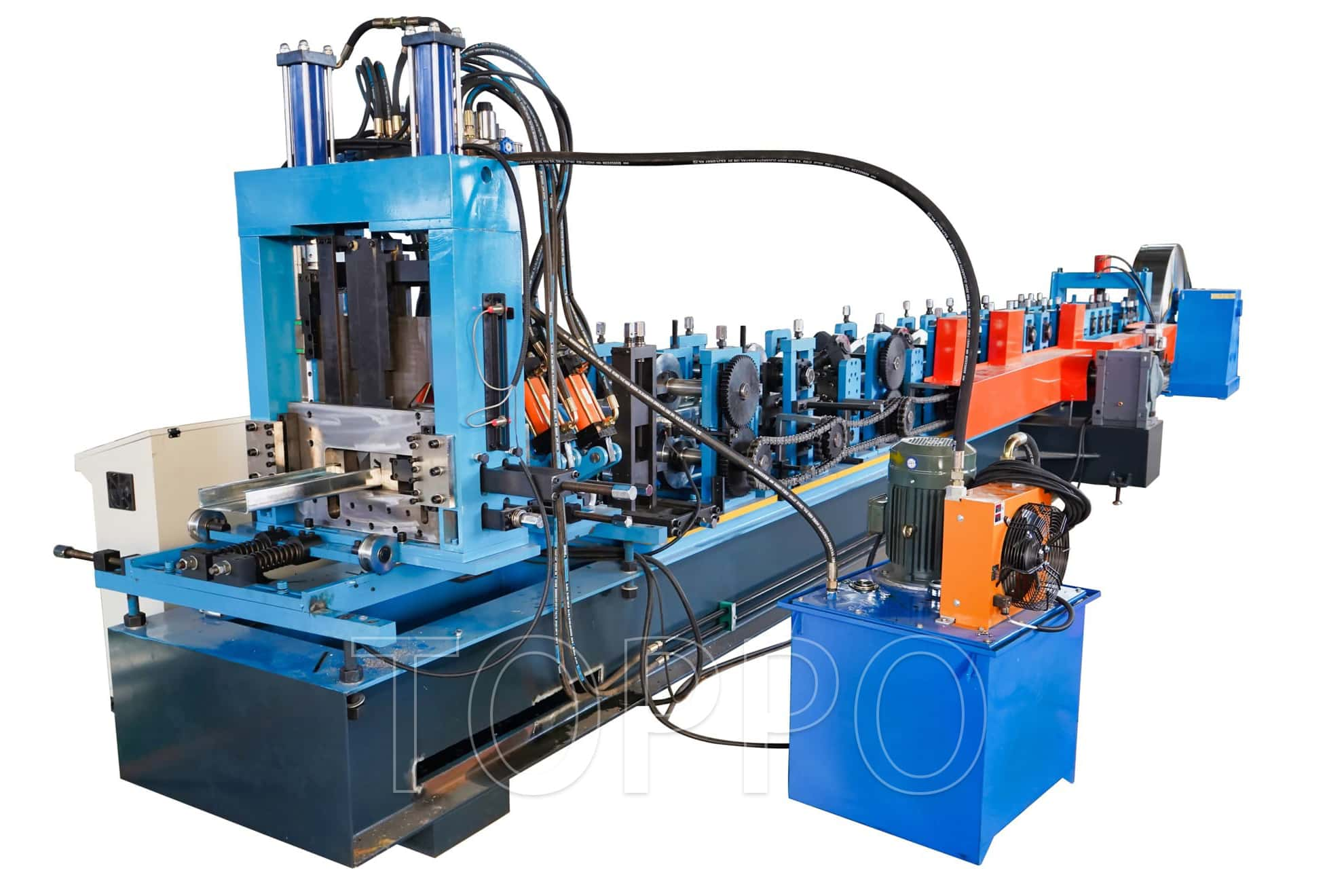
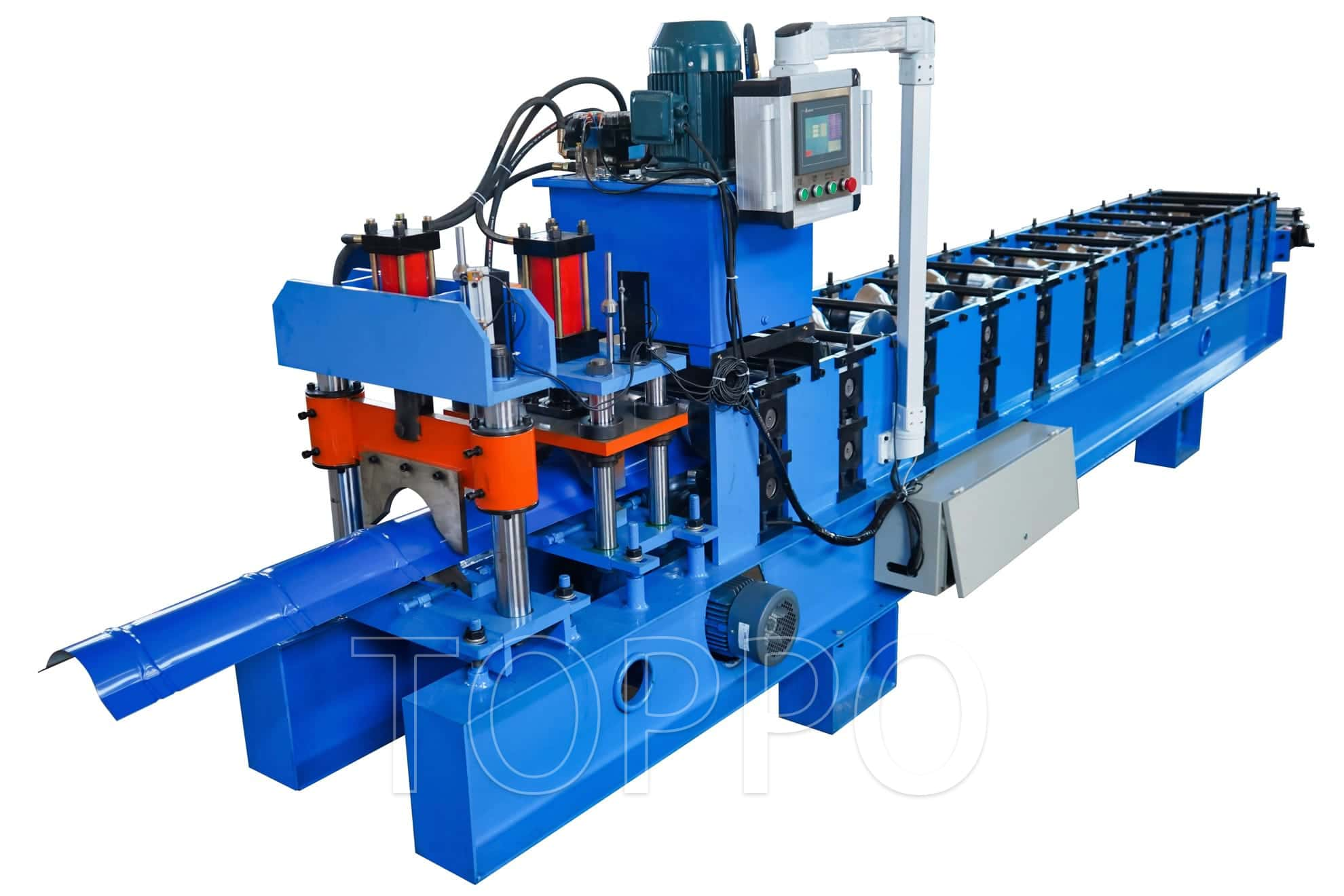
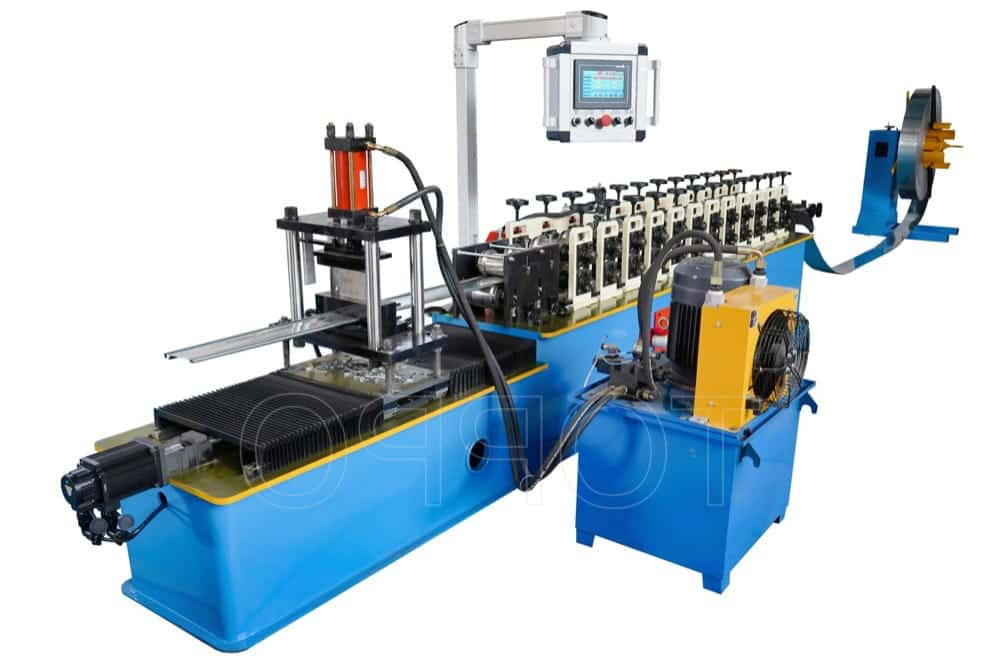
Double layerroll forming machinefull structure with labeled hydraulic cutting unit
Alt text: Automaticdouble layerroll forming machinewithhydraulic cutting system, 2026 model
Performance Parameters & Product Type Variations
Technical Specifications for 2026 Market Standards
Thistwo layerroll forming machinemeets 2026 industry performance benchmarks, balancing speed, precision, and material compatibility. It handles commonsteel coil thicknesses used in residential and commercial roofing.
Key technical parameters include:
- Forming thickness
: 0.3-0.8mm for color steel, 0.4-1.0mm for galvanized steel
- Forming width
: 1000-1250mm standard (customizable for special coil sizes)
- Working speed 0-30 m/min
, adjustable based on profile complexity
- Roller material
: 45# forged steel with HRC 58-62 hardness after heat treatment
CommonDouble Layer Roof Panel MachineConfigurations
Thecombinedroll forming machineis available in multiple configurations to suit different production needs. Each model pairs two popular roof panel profiles for maximum versatility.
Popular 2026 configurations:
- Double layer trapezoidal roofing machine
+ corrugated panel line (most widely used)
- IBRdouble layerroll forming machine
with corrugated profile option
- Double layer color steelroll forming machine
for tile-effect panels
- Double layer steel roofing sheet machine
for industrial building panels
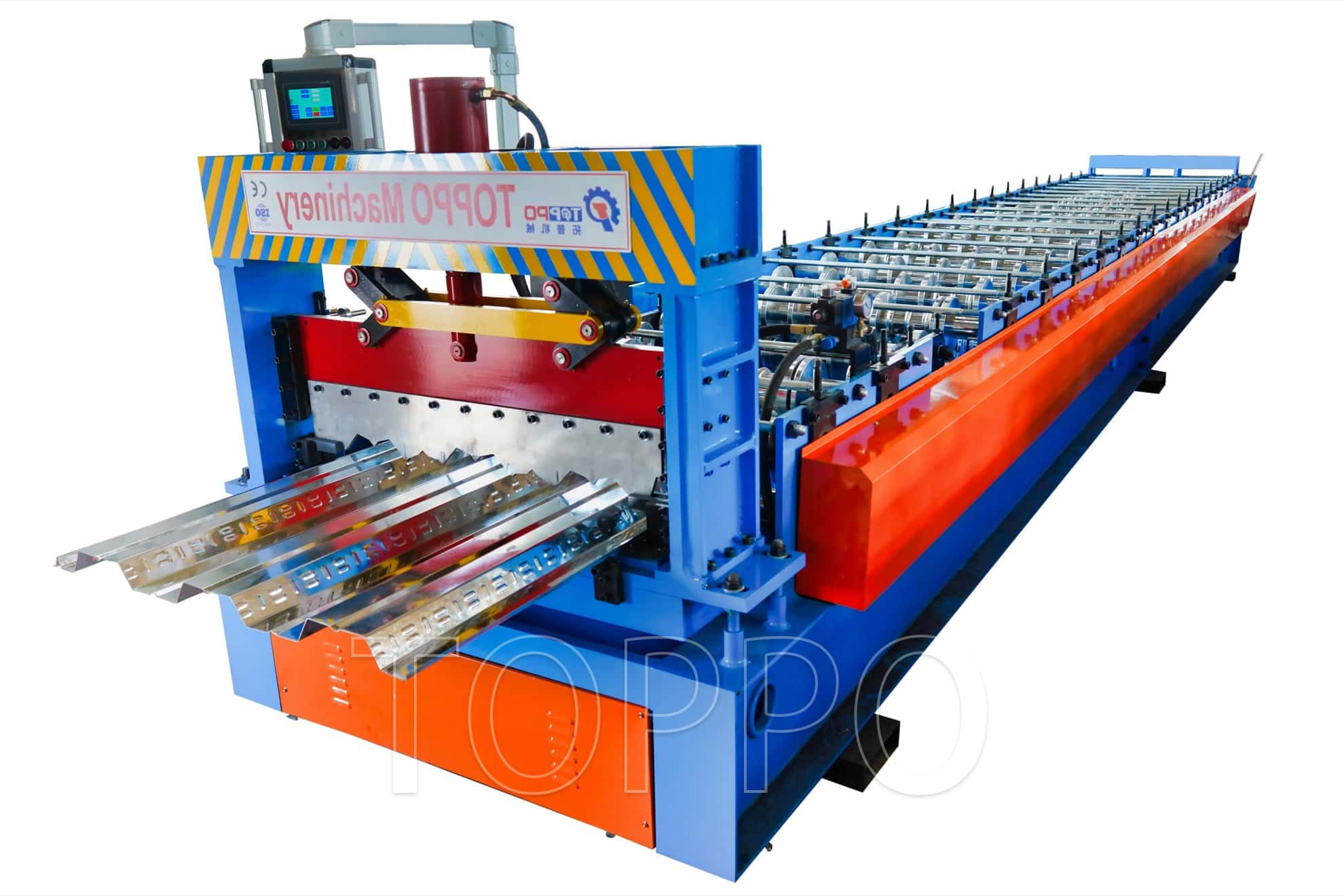
Double layertrapezoidal and corrugatedroll forming machinesample panels
Alt text: Sample roof panels from double layertrapezoidal and corrugatedroll forming machine
Benefits for Target Users & Application Scenarios
Value for Roofing Manufacturers & Contractors
Formetal roofing manufacturersandroofing contractors, thisdouble tierroll forming machinereduces capital investment by 35% compared to purchasing two separate single-layer lines. It also cuts labor requirements by 40% with its automated operation.
Key user benefits include:
2-in-1 production capability saves 50% of factory floor space
Fast
profile changeover systemreduces downtime between production runs
Consistent forming quality reduces material waste by up to 8%
Low maintenance design cuts long-term operational costs
Application Across Building & Construction Segments
Thedouble layer roof tile forming machineserves a wide range of 2026 construction sectors, from residential self-build projects to large industrial developments. It supports both small-batch custom orders and high-volume mass production.
Primary application areas:
Residential metal roofing for self-build homes and renovation projects
Commercial and industrial building roofing for
steel structure companiesPrefabricated building component production for modular construction firms
Roofing material supply for
building material suppliersand wholesalers
Double Layer vs Single LayerRoll Forming MachineComparison
Cost & Efficiency Comparison
Forroof panel production factoriesandsteel sheet manufacturers, choosing between a double layer and single layerroll forming machinedepends on production volume and product variety needs.
Key cost and efficiency differences:
Initial cost: Double layer machine costs 60-70% of two single-layer machines
Floor space: Double layer model uses 50% less space than two separate lines
Labor: One operator can run a double layer line, vs two for single-layer lines
Changeover time: 10-15 minutes for double layer, vs 30+ minutes for single-layer retooling
Which Machine Is Right for Your Business?
Forroll forming machinedistributorsandsteel coil processing companies, understanding customer needs is critical to recommending the right equipment.
Ideal use cases for double layer machines:
Businesses producing two or more roof panel types regularly
Small to medium factories with limited floor space
Startups seeking to minimize initial investment while maximizing product range
Contractors needing on-site or mobile production for large projects
Side-by-side comparison of single layer anddouble layerroll forming machines
Alt text: Comparison between single layer anddouble layerroll forming machine2026
As of 2026, the automatic double deck roofing machine withhydraulic cutting systemremains the most cost-effective solution for versatile roof panel production. Whether you are a metal fabrication company, construction company, or prefabricated building manufacturer, this equipment delivers reliable performance and fast return on investment.