- Trapezoidal Machine
- Corrugated Machine
- Glazed Tile Machine
- Double Layer Machine
- CZU Purlin Machine
- Ridge Cap Machine
- Floor Decking Machine
- Rolling Door Machine
- Fence Machine
- Embossing Machine
- Standing Seam Machine
- Cut To Length And Slitting Line
- Guard Rail Machine
- Decoiler And Stacker
- Stud And Track Machine
- Gutter And DownPipe
- Curving Machine
- Cladding Panel Machine
- Corollary Equipment
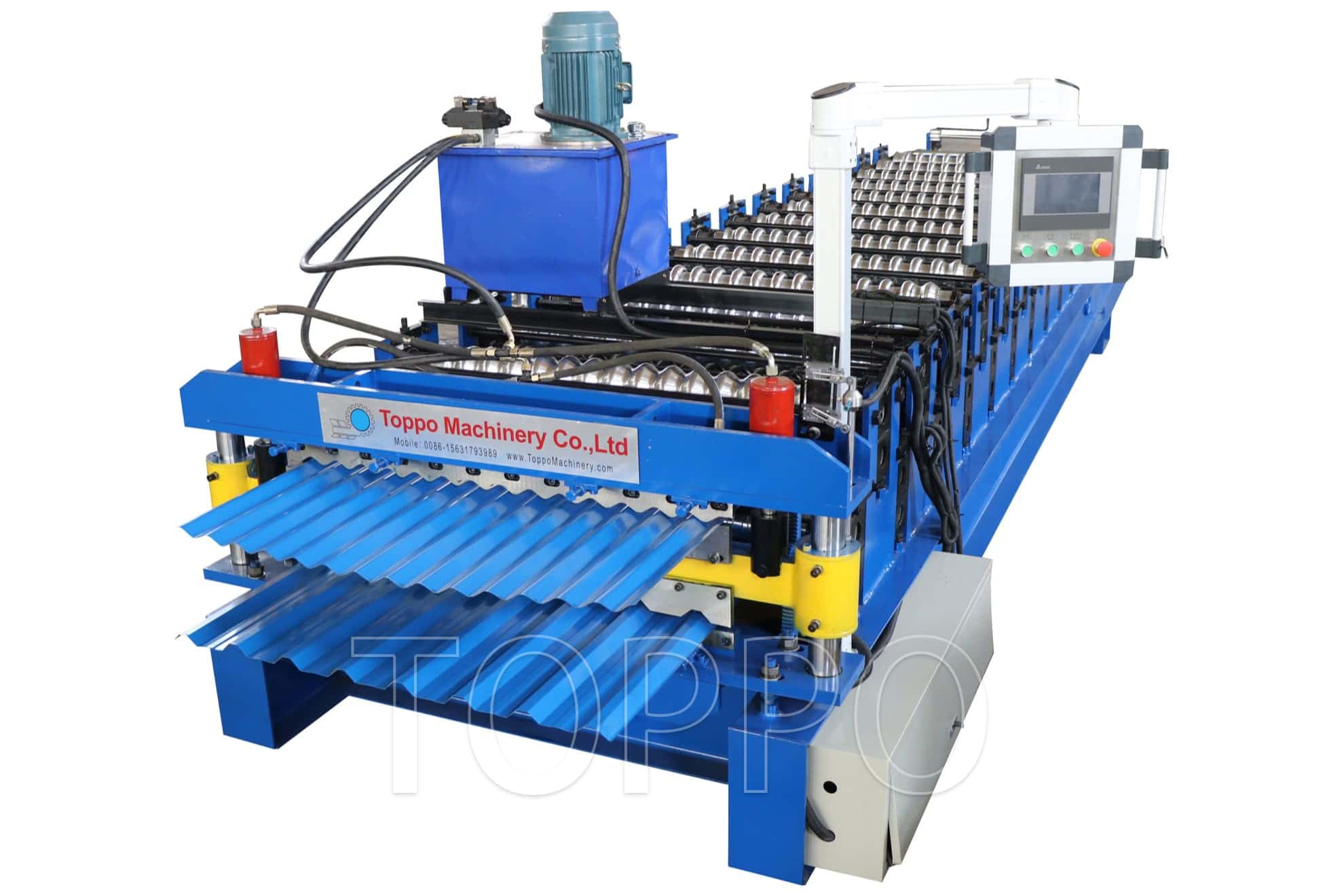
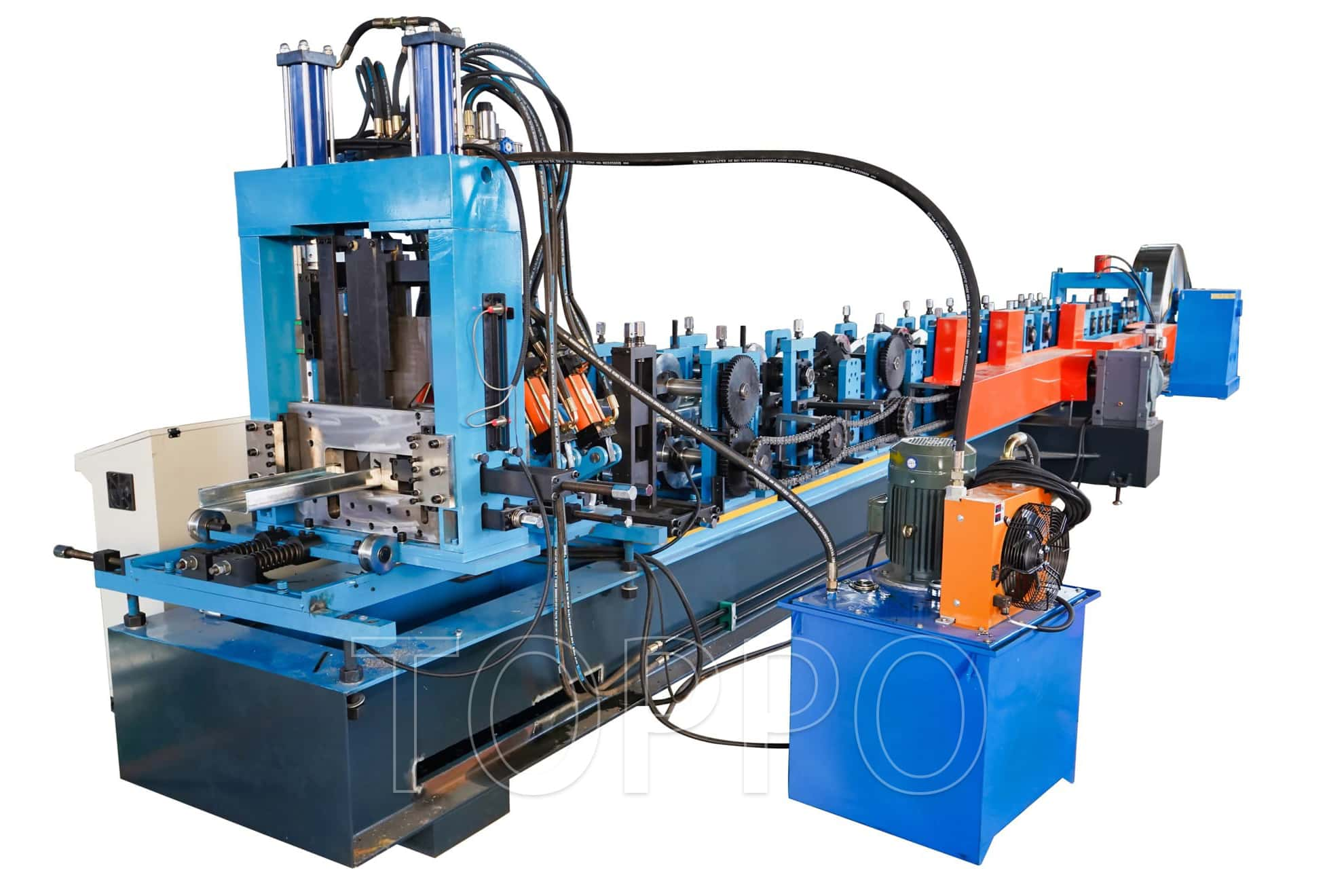
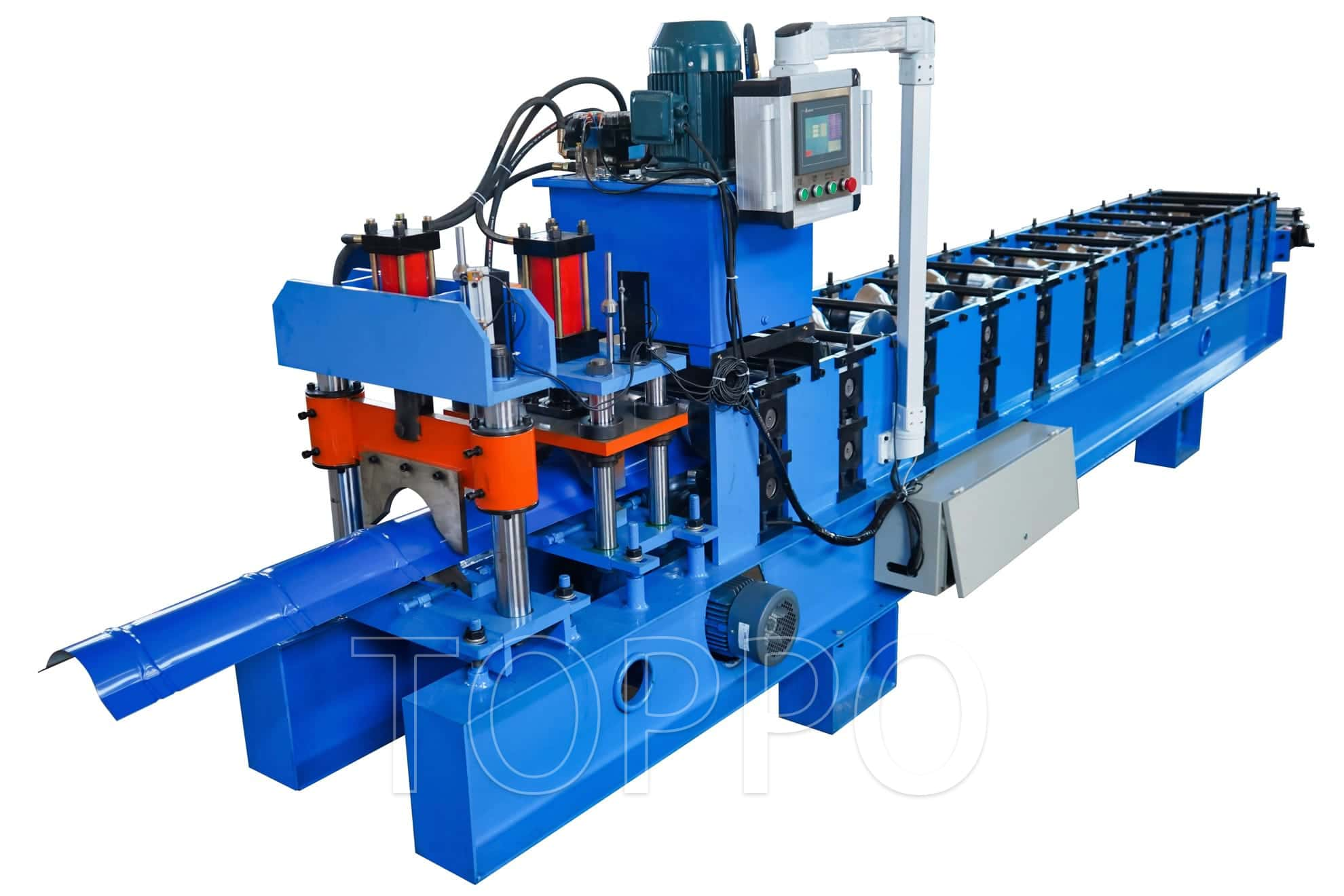
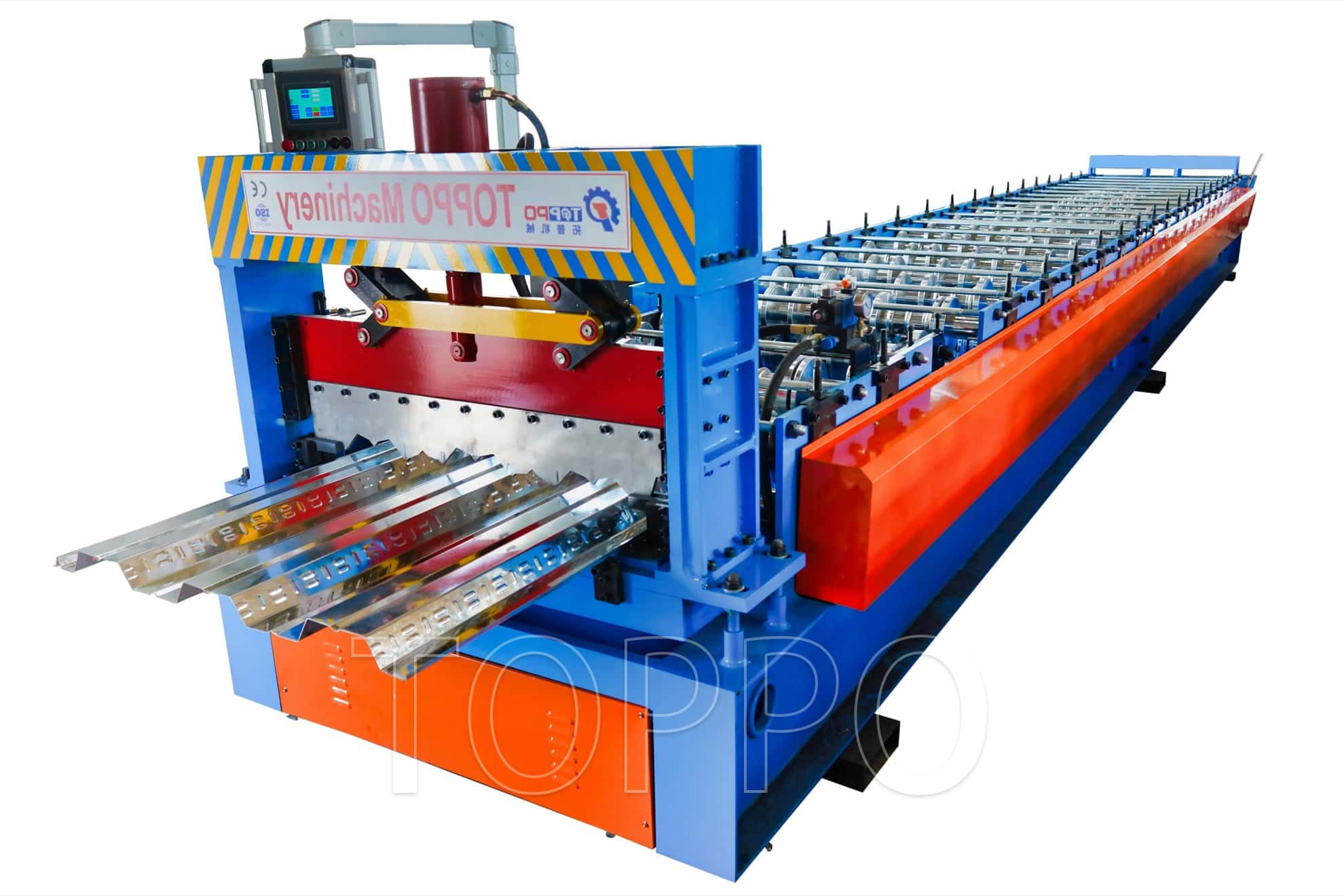


Double LayerRoll Forming Machine:Hydraulic Cutting SystemAnalysis 2026
As of November 2026, the global metal roofing equipment market is growing at 6.8% annually, driven by demand for efficient, multi-profile production solutions. The double layerroll forming machine stands out as a top choice forroofing contractors,metal roofing manufacturers, andsteel sheet manufacturersseeking to maximize output without expanding floor space. This analysis breaks down thehydraulic cutting system, core performance metrics, and practical buying considerations for 2026 buyers.
1. Core Advantages ofHydraulic Cutting Systemin Double Layer Roll Formers
Thehydraulic cutting systemis the defining performance feature of moderndouble deckroll forming machines, directly impacting cut quality, production speed, and long-term maintenance costs. Unlike older mechanical cutting systems, hydraulic designs deliver consistent force even for thick steel coils, reducing burrs and material waste.
1.1 Precision Cutting Performance Metrics
2026 latest data shows thathydraulic cutting systems achieve ±0.2mm length accuracy for roof panels, a 30% improvement over 2022 mechanical models. Key performance indicators include:
- Automatic length measurement
via
PLC control system, reducing manual measurement errors by 90%
Compatible with
forming thicknessof 0.3-1.2mm, covering most color steel and galvanized sheet applications
Clean, burr-free cuts that eliminate secondary grinding work for
roofing sheet producers
Fordouble layer corrugated roofing machineusers, this precision ensures consistent panel fit during installation, cutting on-site adjustment time by 25%.
1.2 Operational Efficiency and Cost Savings
Forbuilding material suppliersandconstruction companies, production speed directly impacts order fulfillment capacity.Hydraulic cutting systems supportworking speed 0-30 m/min, allowingdual layerroll forming machines to produce 20% more panels per shift compared to mechanical cutting models.
Reduced material waste: Precise cutting cuts scrap rate to under 1.5%, saving $1,200-$2,500 annually for mid-sized
roof panel production factoriesLower labor costs: One operator can manage the entire machine, reducing labor requirements by 50% vs. single-layer equipment
Longer blade lifespan: Hydraulic steady force extends cutting blade life by 40%, lowering replacement costs for
steel structure companies
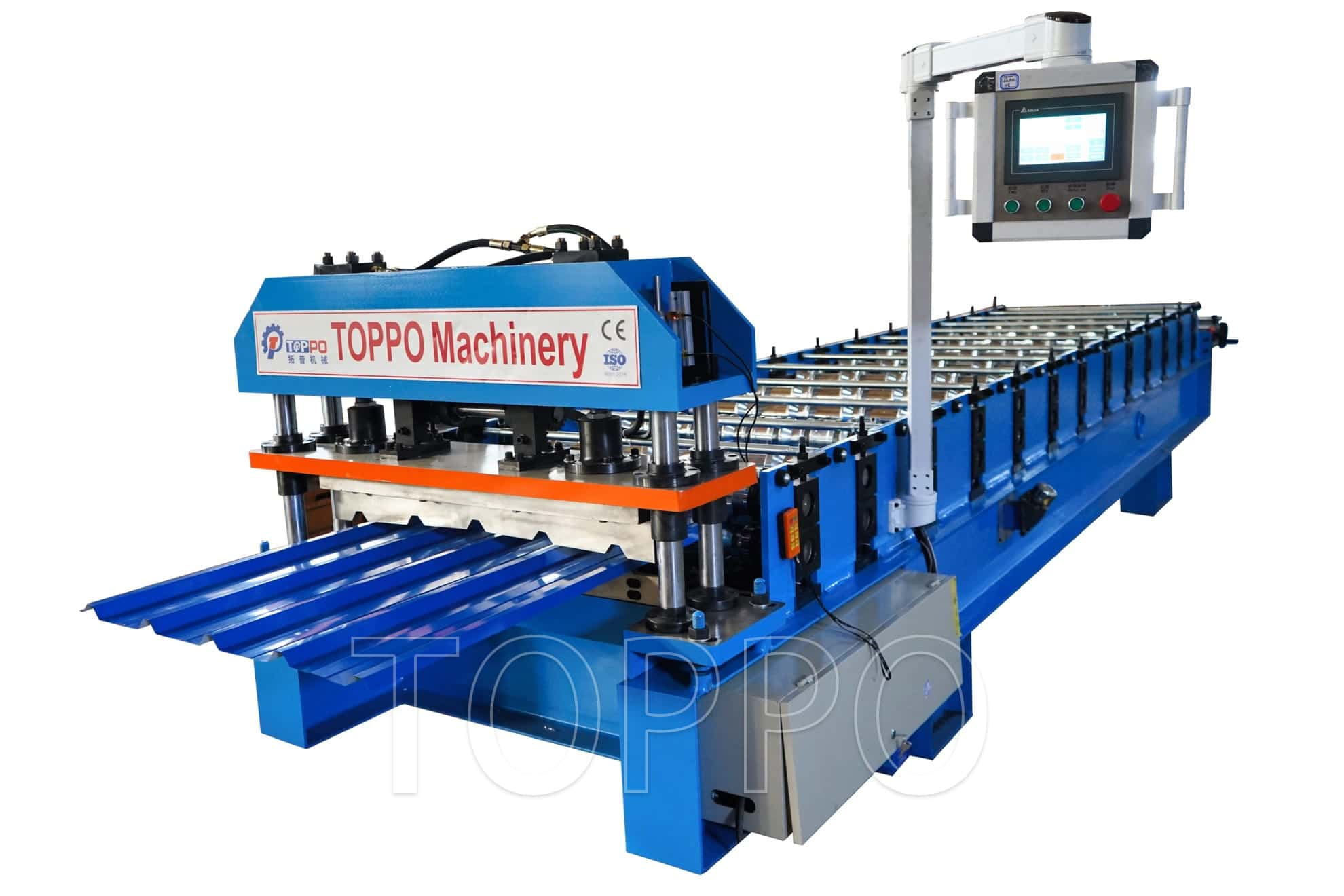
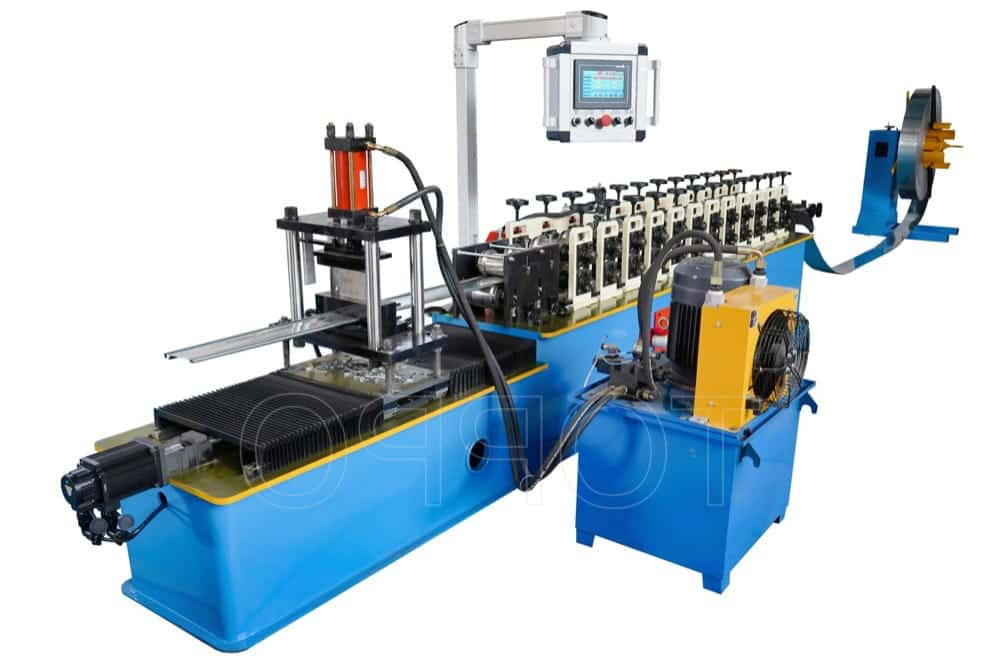
Hydraulic cutting systemclose-up ondouble layerroll forming machine
alt:Hydraulic cutting systemofdouble layerroll forming machinefor precision roof panel cutting
2. Profile Configuration and Changeover Capabilities
A key benefit oftwo layerroll forming machines is theirdual profile configuration, allowing users to produce two panel types on one machine. 2026 models feature optimizedprofile changeover systems that minimize downtime between production runs.
2.1 Common Dual Profile Combinations
2026 market data shows that 68% of buyers choosetrapezoidal and corrugatedroll forming machineconfigurations, followed byIBRdouble layerroll forming machinemodels at 22%. Popular combinations include:
- Double layer trapezoidal roofing machine
+ corrugated panel line: Ideal for residential and commercial roofing projects
IBR profile + corrugated profile: Preferred by
industrial building contractorsand
prefabricated building manufacturersColor steel tile + trapezoidal panel: Suited for
roofing material wholesalersand
roll forming machinedistributors
Combinedroll forming machines with these configurations help businesses expand product lines without purchasing separate equipment.
2.2 Quick Profile Changeover Guide
Formetal fabrication companiesswitching between panel types, efficient changeover reduces downtime. Follow these steps for 2026double tierroll forming machinemodels:
Stop the machine and activate the safety lock, then switch the
PLC control systemto the target profile setting
Adjust the
independent forming stationsalignment using the built-in calibration tool (takes 5-8 minutes for 2026 models)
Run a test sheet and verify panel dimensions, then adjust forming pressure if needed
Restart production and monitor the first 5 panels for quality consistency
Moderntwo profileroll forming machines cut changeover time from 45 minutes (2020 models) to 10-15 minutes, boosting overall equipment effectiveness by 18%.
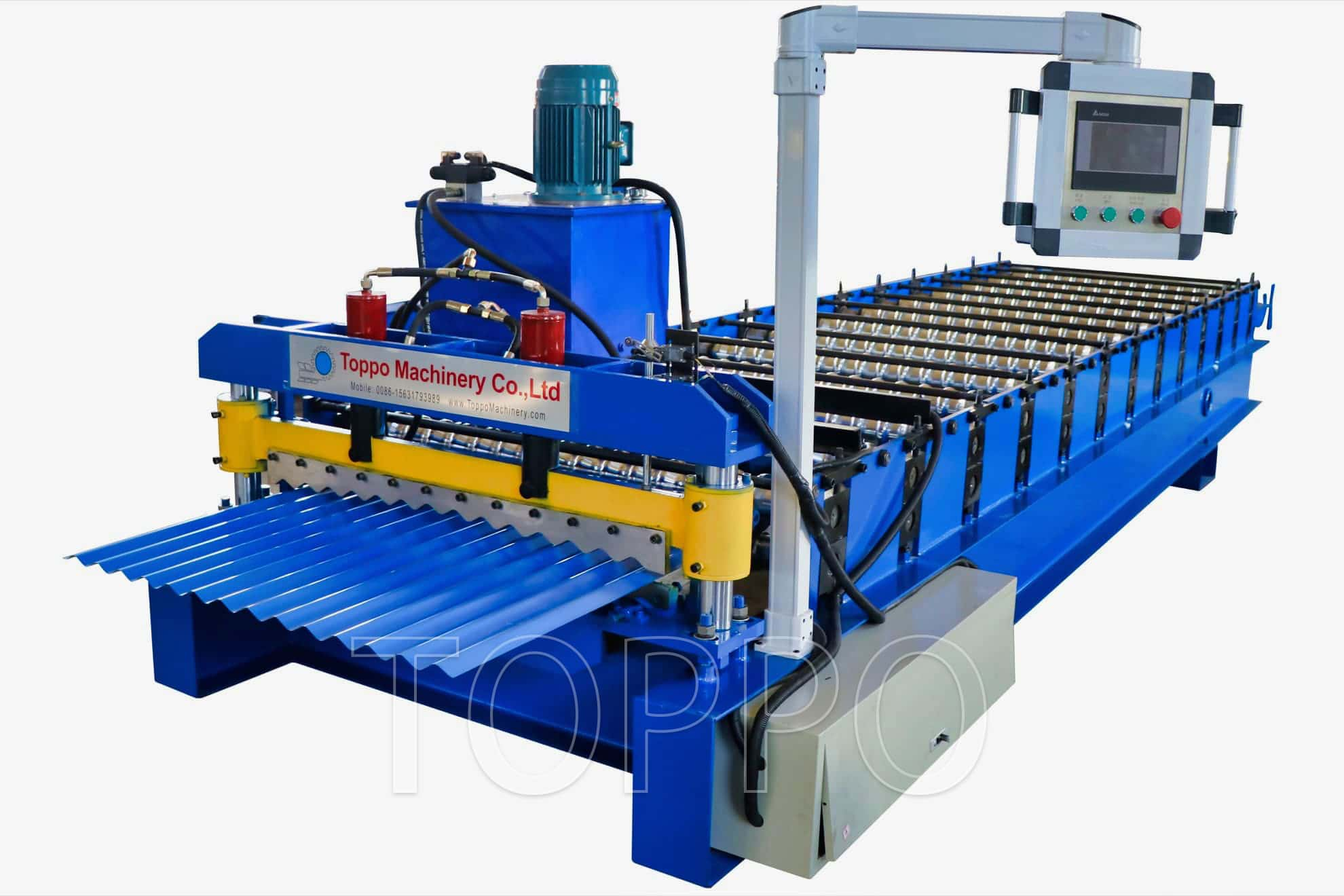
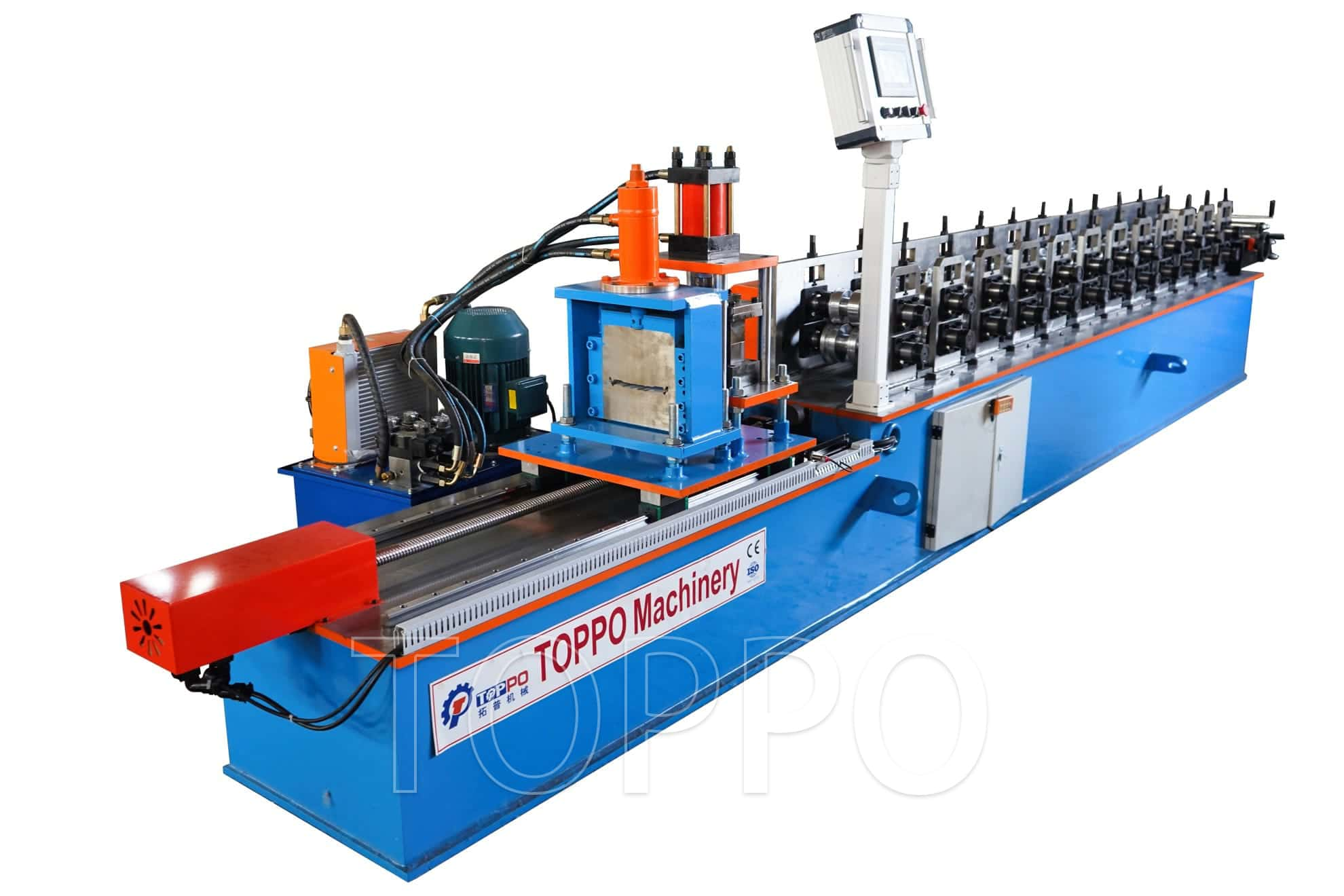
Profile changeover operation ondouble layer roofing machine
alt: Quick profile changeover ondouble layer roofing machinewith PLC control
3. 2026 Buying Guide for Hydraulic Cutting Double Layer Roll Formers
With dozens of manufacturers offeringdouble layer metal sheet forming machines, selecting the right model requires evaluating core parameters, build quality, and after-sales support. This guide helpssteel coil processing companiesand self-build owners avoid common purchasing pitfalls.
3.1 Key Technical Parameters to Verify
Prioritize these parameters when comparingdouble layer color steelroll forming machinemodels:
- Forming width
: Confirm it matches your standard steel coil width (most 2026 models support 1000-1250mm)
- Roller material
: Choose 45# steel or chrome-plated rollers for 2x longer lifespan than cast iron options
- Hydraulic cutting system
pressure: Ensure it supports your maximum
steel coil thickness(minimum 12MPa for 1.2mm sheets)
- PLC control system
brand: 2026 top-rated options include Siemens and Delta for stable performance and easy troubleshooting
Fordouble layer steel roofing sheet machinebuyers, also verify that the machine includes emergency stop features and safety guards to meet 2026 OSHA construction equipment standards.
3.2 Supplier Selection and After-Sales Support
Forroll forming machinedistributorsandroofing contractors, reliable after-sales support reduces downtime losses. Key evaluation criteria include:
On-site installation and training: Reputable suppliers provide 3-5 days of on-site training for operators
Warranty period: 2026 industry standard is 2 years for core components, 1 year for electrical parts
Spare parts availability: Local spare parts warehouses cut delivery time from 30 days to 3-5 days
Remote technical support: 78% of 2026 top suppliers offer 24/7 remote PLC system diagnostics
Double layer roof tile forming machinebuyers should also request sample panel production before purchase to verify profile accuracy and cut quality.
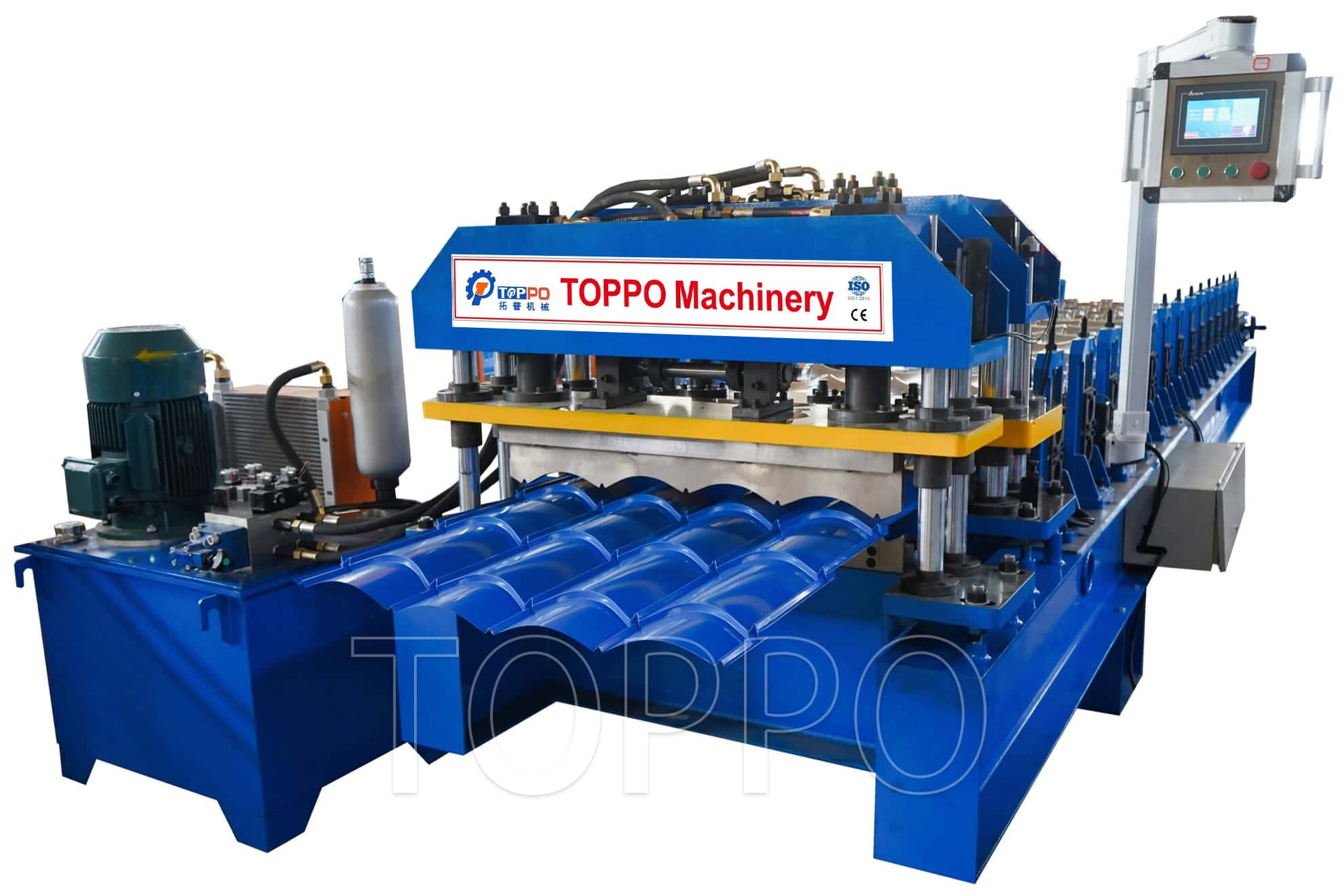
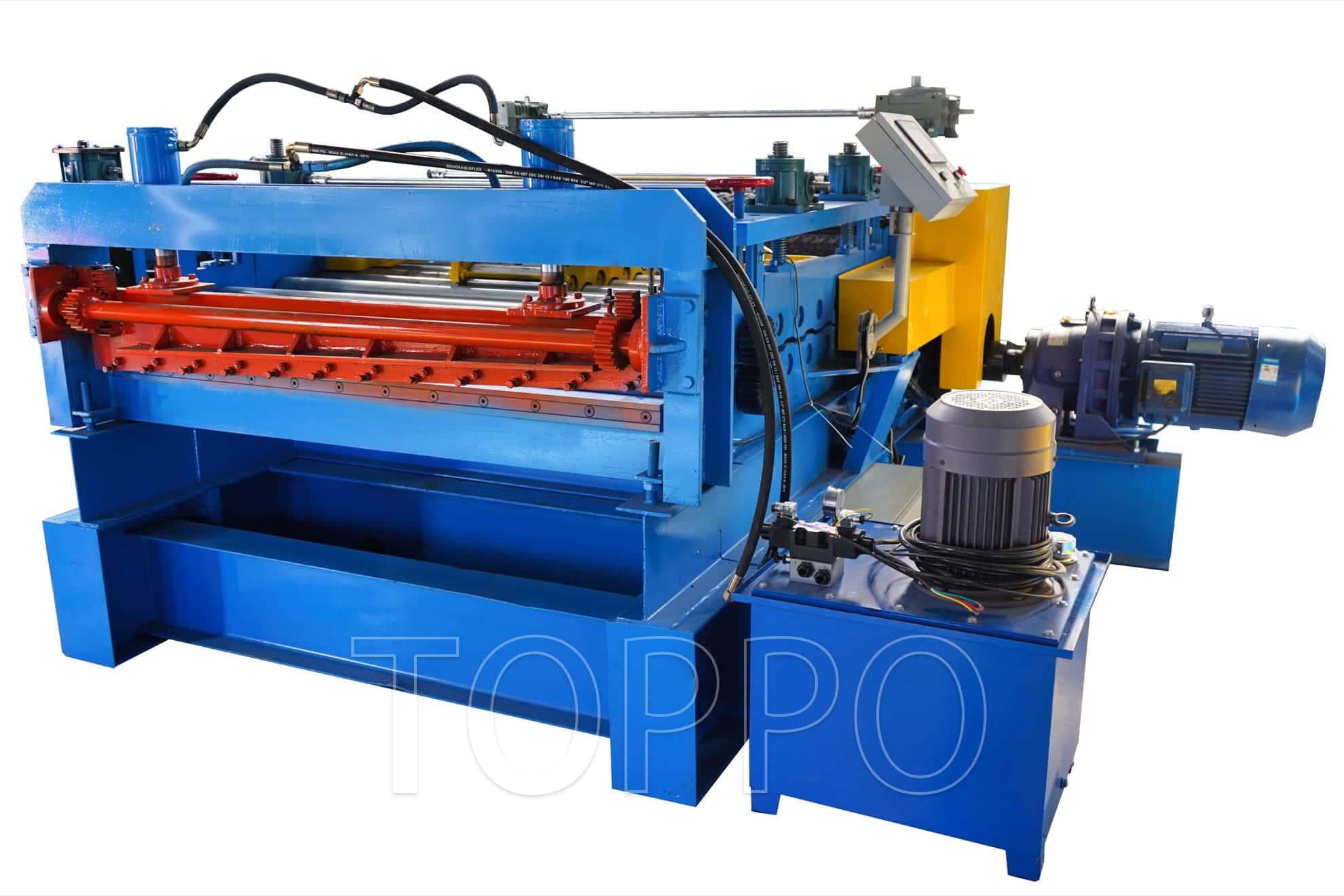
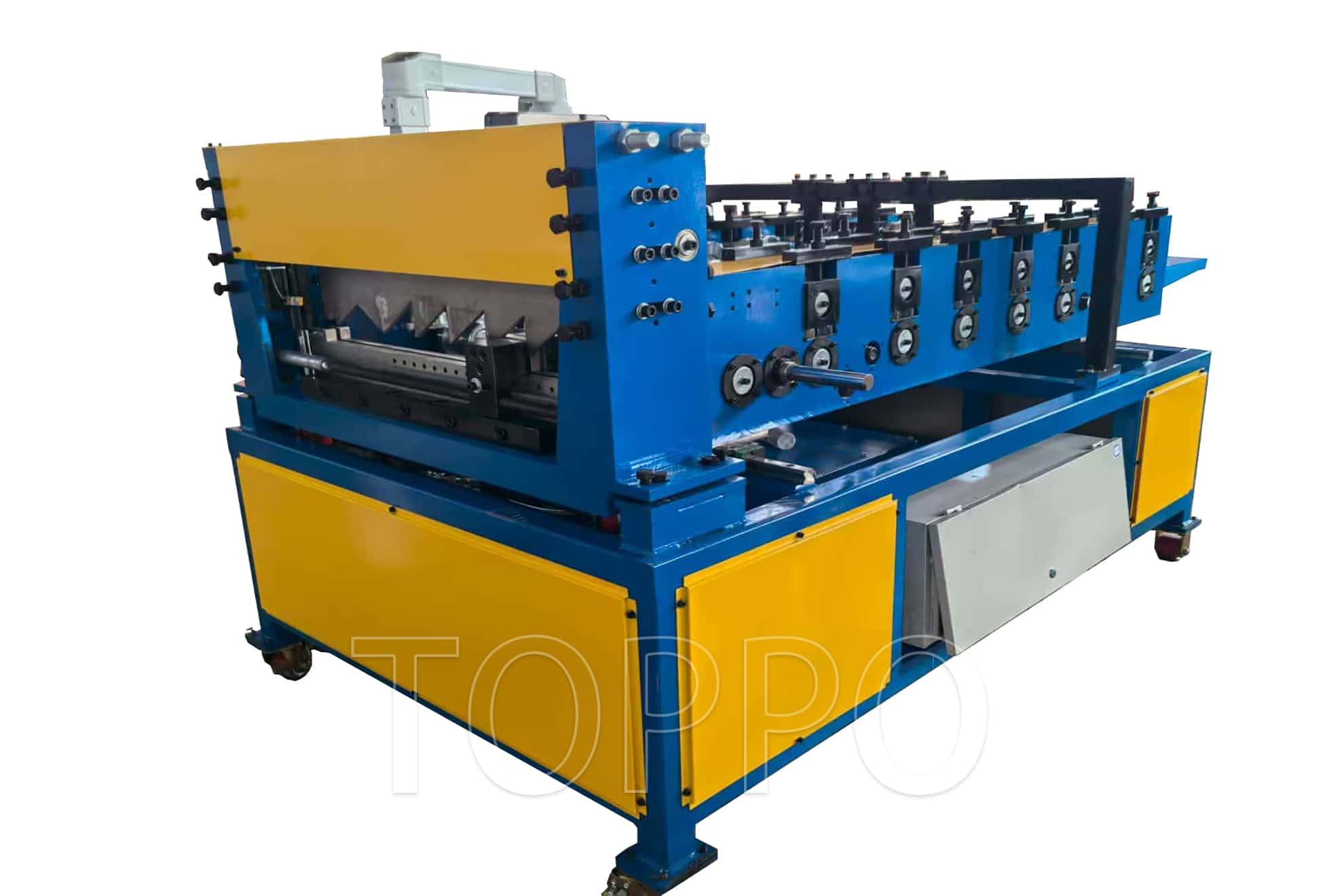
Full view of automaticdouble layer roof panel machine
alt: Automaticdouble layer roof panel machinewithhydraulic cutting systemfor production line
4. ROI Analysis and Application Scenarios for 2026
Investing in acombined roofing sheetroll forming machinedelivers measurable returns for most metal roofing businesses. 2026 industry data shows an average ROI period of 12-18 months for mid-sized production operations.
1. ROI Calculation for Different User Groups
ROI varies by user type and production volume:
- Roofing contractors
: Producing 500㎡ of panels per month, payback in 16-18 months vs. outsourcing panel supply
- Metal roofing manufacturers
: 24/7 production with 2 shifts, payback in 8-10 months due to high output volume
- Building material suppliers
: Adding panel production to existing supply chains, payback in 12-14 months with lower logistics costs
Self-build owners: For large residential projects, savings on panel purchases can cover 60% of machine cost
2 in 1roll forming machines also reduce floor space requirements by 40% vs. two single-layer machines, lowering factory rental costs for smallroof panel production factories.
2. 2026 Industry Trend Outlook
As of 2026, three key trends are shaping thedouble layerroll forming machinemarket:
Smart integration: More models support IoT remote monitoring, allowing factory managers to track production data in real time
Energy efficiency: New hydraulic systems reduce energy consumption by 22% vs. 2023 models, cutting operational costs
Custom profile support: 35% of 2026 suppliers offer custom profile design services for unique project requirements
Forsteel structure companiesandprefabricated building manufacturers, staying ahead of these trends ensures long-term production competitiveness.