- Trapezoidal Machine
- Corrugated Machine
- Glazed Tile Machine
- Double Layer Machine
- CZU Purlin Machine
- Ridge Cap Machine
- Floor Decking Machine
- Rolling Door Machine
- Fence Machine
- Embossing Machine
- Standing Seam Machine
- Cut To Length And Slitting Line
- Guard Rail Machine
- Decoiler And Stacker
- Stud And Track Machine
- Gutter And DownPipe
- Curving Machine
- Cladding Panel Machine
- Corollary Equipment
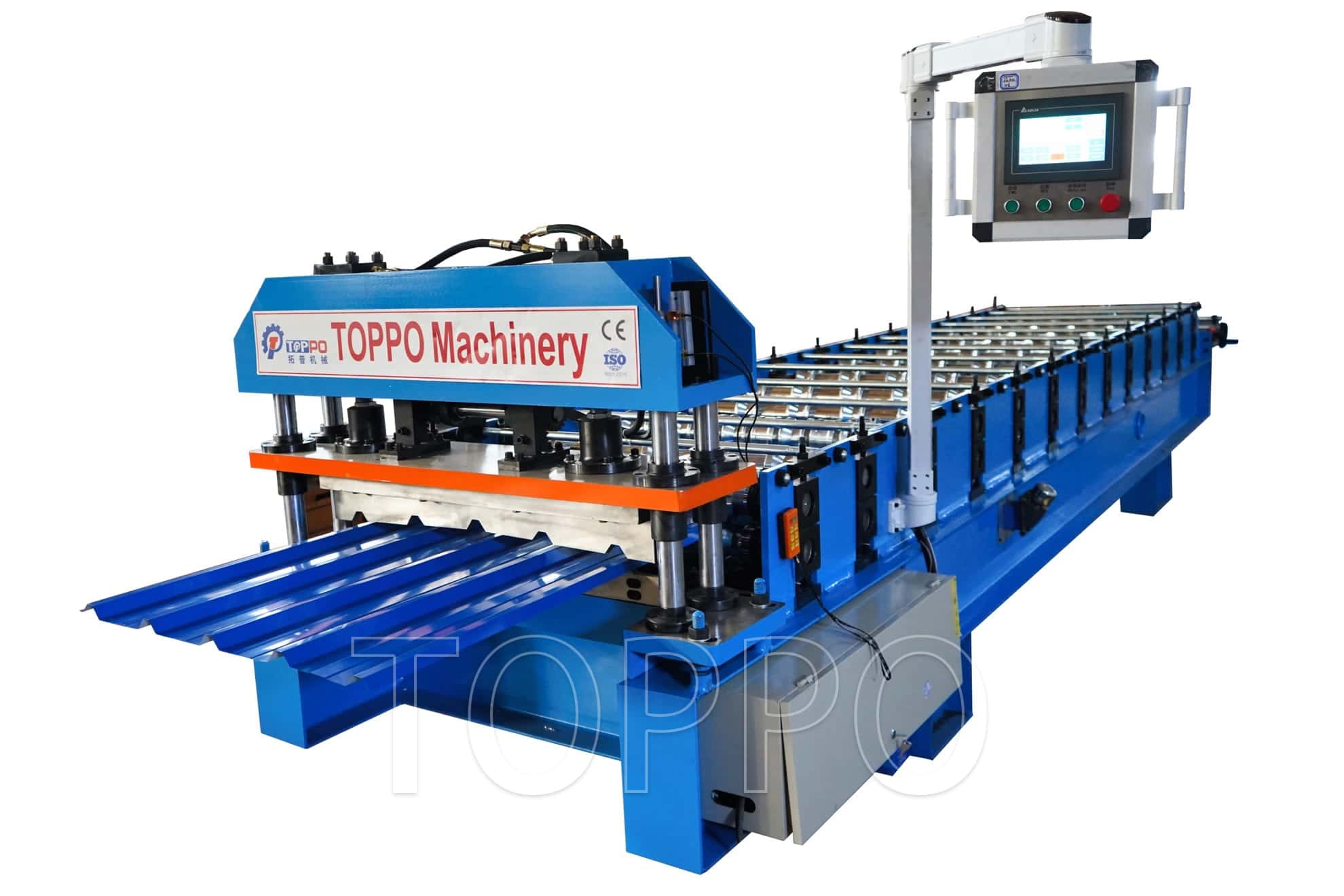
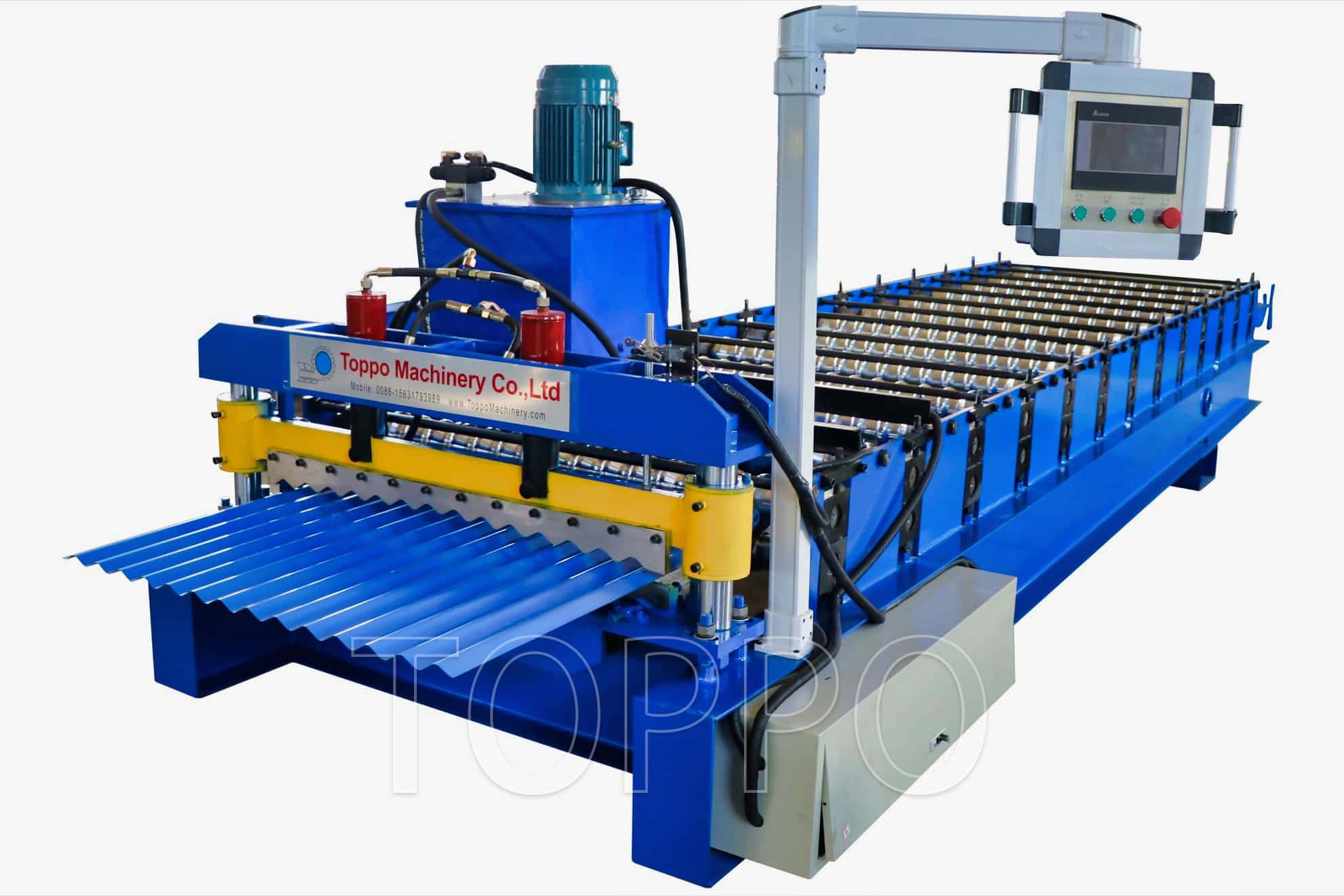
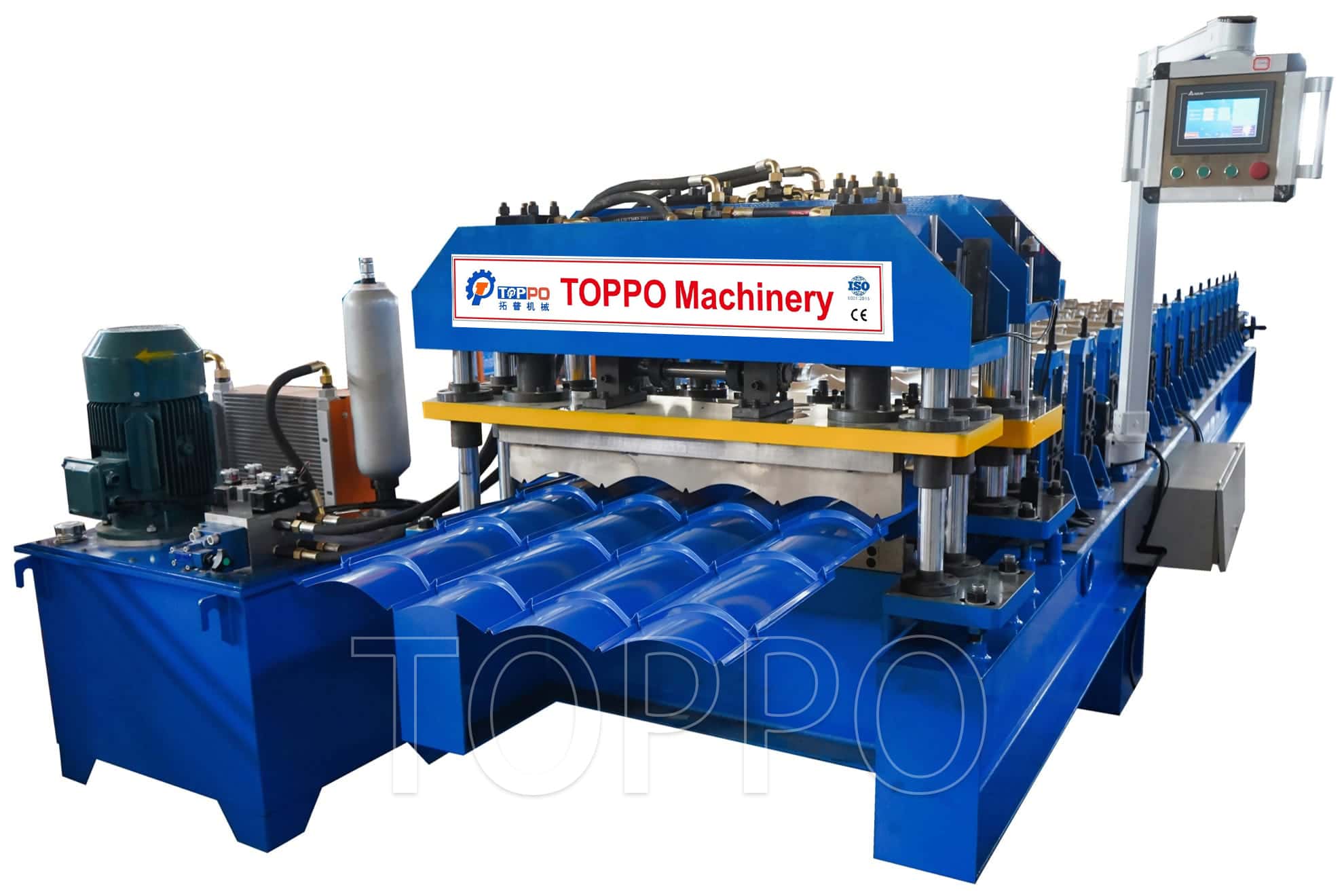
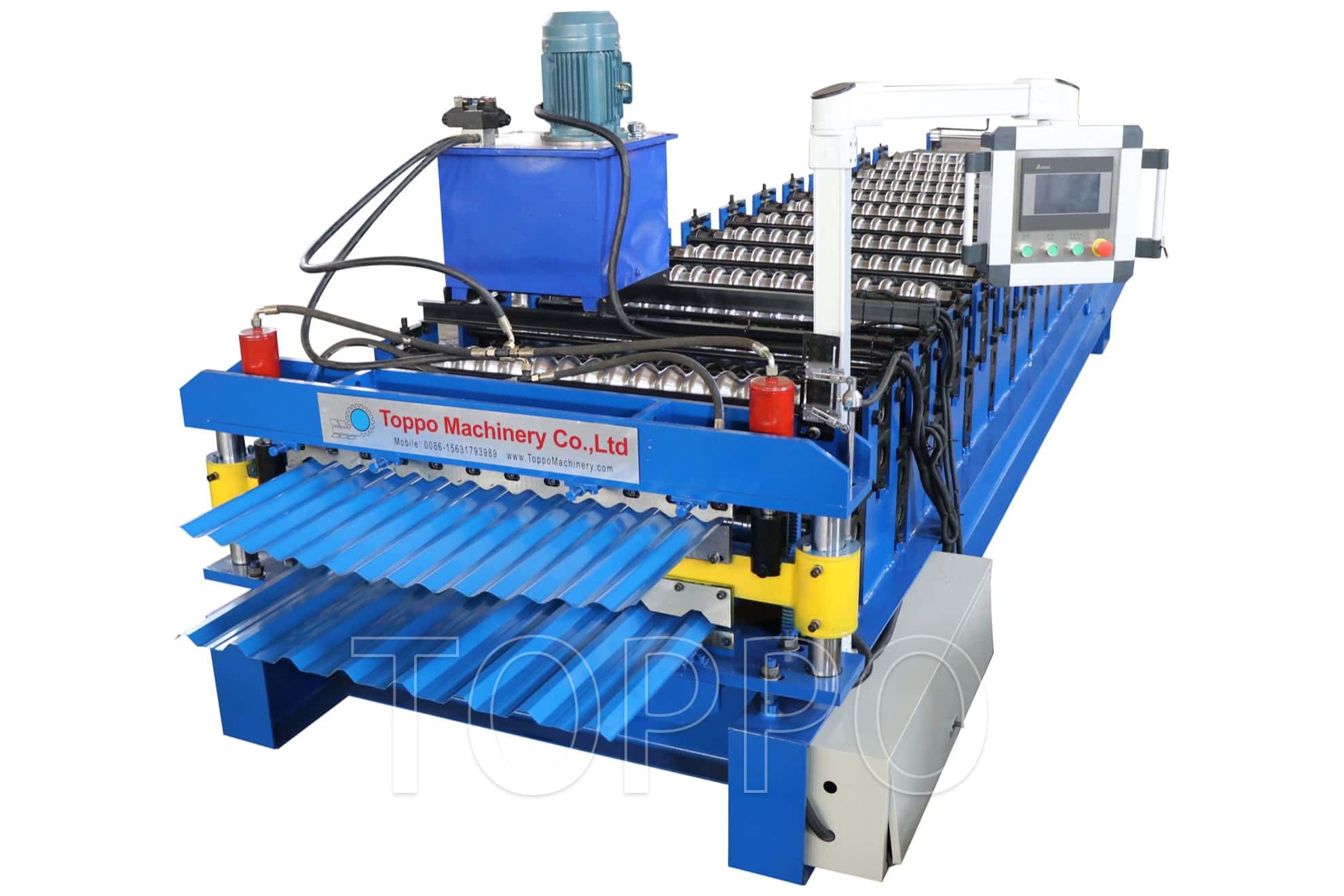


7 Buying Errors That Create Long-Term Problems for Roofing Sheet Manufacturers
When roofing sheet manufacturers buy new machinery, they are not simply adding equipment to the workshop. They are shaping the factory’s future production quality, maintenance burden, labor efficiency, delivery stability, and ability to serve better market segments. A strong purchase can improve consistency and support long-term profitability. A weak purchase can create recurring downtime, higher scrap, unstable quality, and constant technical dependence on external support. For that reason, buying a roofing sheet making machine should be treated as a strategic production decision rather than a fast procurement task.
This is especially important when the machine will be used for coated roofing products. Painted material is less forgiving than ordinary steel. A line that performs acceptably with bare sheet can still create unacceptable scratching, marking, or dimensional drift when prefinished coils enter the process. A properly engineered Color Coated sheet machine should protect surface quality while preserving stable geometry and practical throughput. A PrePainted Color Coated Sheet metal cold roofing sheet making machine requires even stronger process control because every contact point can influence final appearance and sellable yield. Many equipment-buying mistakes become visible only after coated production begins, which is why disciplined evaluation matters so much.
1. Defining the budget before defining the machine mission
One of the most damaging mistakes is beginning with a target budget and then trying to fit the machine into that number. Buyers should start the other way around: first define the product range, thickness range, width, coating requirements, expected volume, profile family, and actual operating environment. Only then does price comparison become meaningful. Without that sequence, the factory risks comparing quotations for lines that do not solve the same problem.
Implementation step: prepare a written specification that covers product, material, speed expectation, labor structure, and downstream handling before asking suppliers to quote.
Caution: a roofing sheet making machine selected mainly to satisfy a budget target can become more expensive later if it cannot meet quality or stability requirements.
2. Treating coated production as a minor variation of standard production
Another major mistake is assuming that coated and uncoated production differ only in raw material price. In fact, coated materials can expose weaknesses in guides, roll finish, strip tracking, and receiving equipment. This is why machine design for painted products should not be treated as a small upgrade option.
Implementation step: ask the supplier how the Color Coated sheet machine controls friction, alignment, surface contact, and protective handling throughout the full line.
Caution: if the factory intends to process premium finished coils, validate the machine specifically as a PrePainted Color Coated Sheet metal cold roofing sheet making machine under representative conditions instead of relying on generic claims.
3. Overvaluing speed claims and undervaluing process stability
Suppliers often promote top-line speed figures, but peak speed is not the same as stable production. True output depends on strip feeding consistency, cut synchronization, receiving capacity, inspection rhythm, and maintenance reliability. A machine may perform impressively for a short factory video and still lose control during actual multi-shift production.
Implementation step: ask for evidence of stable operation under commercial conditions, including how the supplier manages full-line coordination from decoiler to stacking.
Caution: a roofing sheet making machine should be judged by sellable throughput and repeatability, not by isolated speed demonstrations.
4. Skipping technical verification of workshop capability
Some buyers accept product catalogs and sales explanations without checking how the machine is manufactured. Yet roller hardness, shaft precision, frame rigidity, electrical integration, and hydraulic quality all affect long-term reliability. Weak workshop discipline can hide behind a strong sales process.
Implementation step: request machining records, quality-control photos, pre-shipment test information, or live workshop review if available. For a Color Coated sheet machine, verify the condition of roller finish and all strip-contact points carefully.
Caution: external appearance is not enough. Core part quality determines the machine’s true commercial value.
5. Assuming commissioning is simple and training is optional
A machine can be correctly built and still perform poorly if commissioning is rushed. Startup quality depends on no-load checks, material trials, baseline parameter recording, dimensional verification, operator instruction, and maintenance coordination. Without these controls, the factory may spend months learning what should have been standardized during installation.
Implementation step: require a written commissioning scope that covers trial-production procedures, training content, acceptance standards, and recorded setup data.
Caution: a PrePainted Color Coated Sheet metal cold roofing sheet making machine is especially sensitive at startup because prepainted surfaces reveal poor setup quickly. Weak training will amplify defects and waste.
6. Neglecting the after-sales system until it is too late
Many buyers focus heavily on machine delivery and very little on what happens after the machine is running. Spare-parts continuity, technical response speed, manual clarity, and remote troubleshooting support all influence long-term uptime. When these elements are weak, small issues become repeated production losses.
Implementation step: compare suppliers on service channels, spare-parts planning, support responsibilities, and documentation quality before signing the contract.
Caution: even a good roofing sheet making machine becomes a source of risk if the supplier cannot support it efficiently after commissioning.
7. Buying only for present demand and ignoring future flexibility
Some factories choose a line for the exact order pattern they have today without considering how the market may change. But new profiles, better-coated products, higher throughput expectations, or standardization across multiple lines may become important later. A machine that cannot adapt may limit the business sooner than expected.
Implementation step: evaluate whether the control system, machine architecture, and supplier relationship can support future expansion, profile development, and operating standardization.
Caution: a Color Coated sheet machine that looks acceptable for initial production may become inadequate if the product mix moves toward more demanding surface-quality requirements.
What disciplined manufacturers do differently
Disciplined manufacturers do not buy by quote comparison alone. They define the machine mission clearly, validate coated-material capability, check workshop evidence, compare real production stability, demand structured commissioning, assess after-sales support, and think in terms of long-term production strategy. That approach reduces preventable surprises and increases the probability that the machine will deliver stable return on investment.
In practical terms, this means evaluating a roofing sheet making machine through the lens of total operational control. It means judging a Color Coated sheet machine by how well it preserves appearance and profile integrity in real production. It also means confirming that a PrePainted Color Coated Sheet metal cold roofing sheet making machine can work with real painted coils, not only in abstract sales descriptions. Manufacturers that avoid these buying errors generally gain stronger margins, better consistency, and more confidence in future expansion.
READ MORE:
7 Procurement Mistakes Roofing Sheet Manufacturers Should Avoid Before Ordering New Equipment
7 Machine Buying Mistakes Roofing Sheet Manufacturers Can No Longer Afford to Make
What Roofing Sheet Manufacturers Should Never Overlook When Buying New Machines
7 Costly Mistakes Roofing Sheet Manufacturers Make When Buying Production Machines