Step-by-Step Machine Setup Practices That Ensure Consistent Roofing Sheet Quality
This article outlines a step-by-step machine setup methodology designed to ensure consistent roofing sheet quality, focusing on inspection routines, roller adjustment sequences, PLC synchronization, and output protection for stable production.
Step-by-Step Machine Setup Practices That Ensure Consistent Roofing Sheet Quality
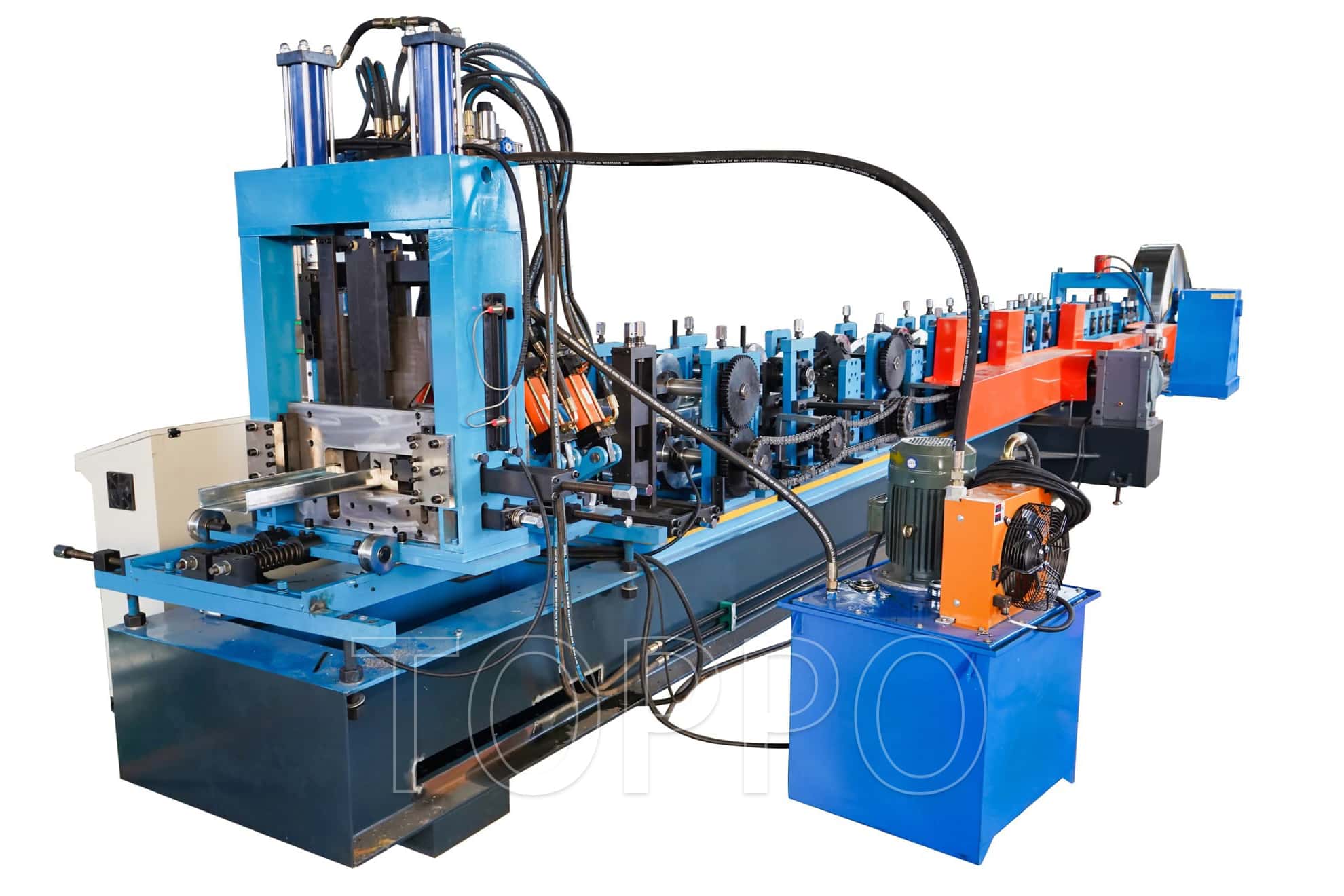
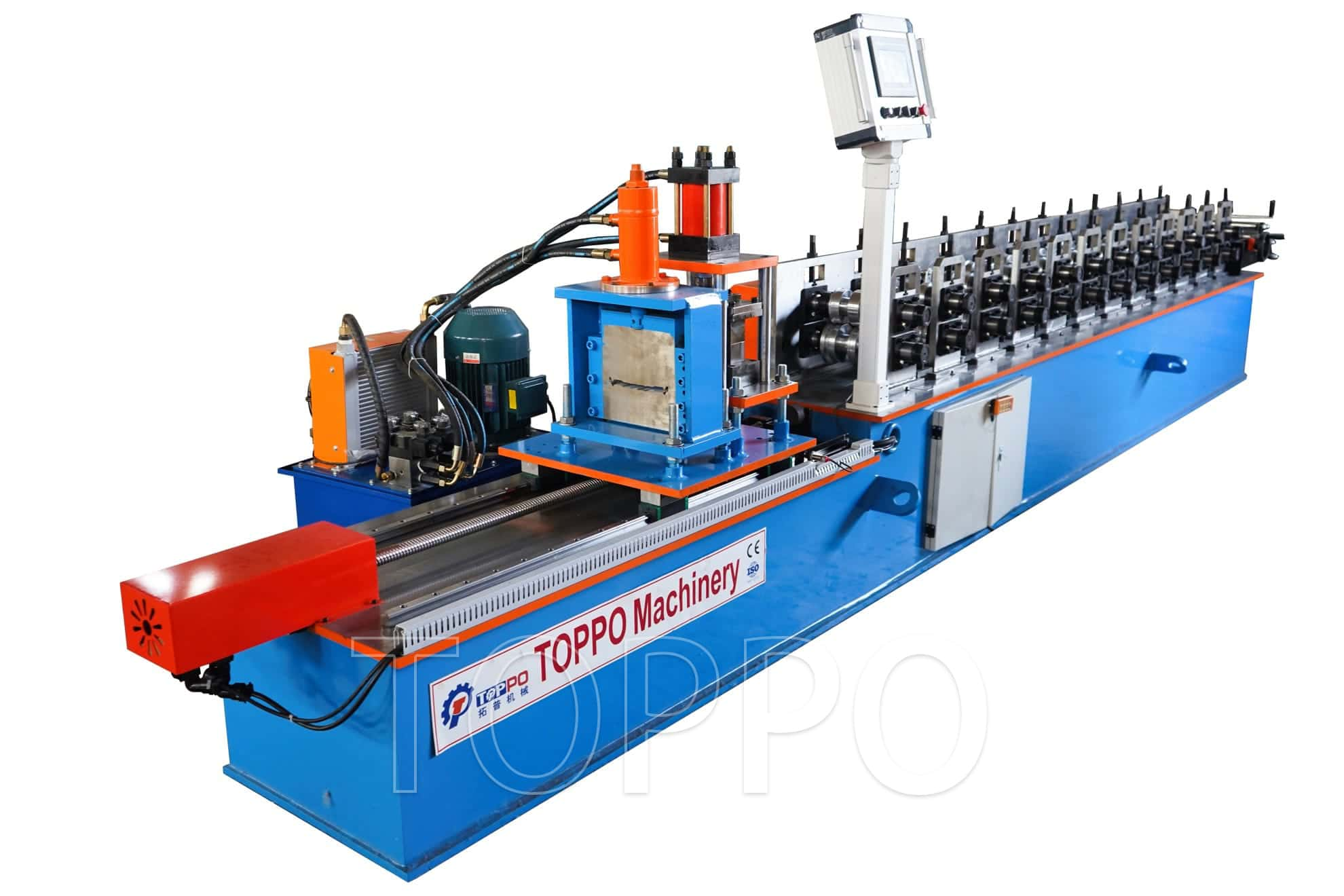
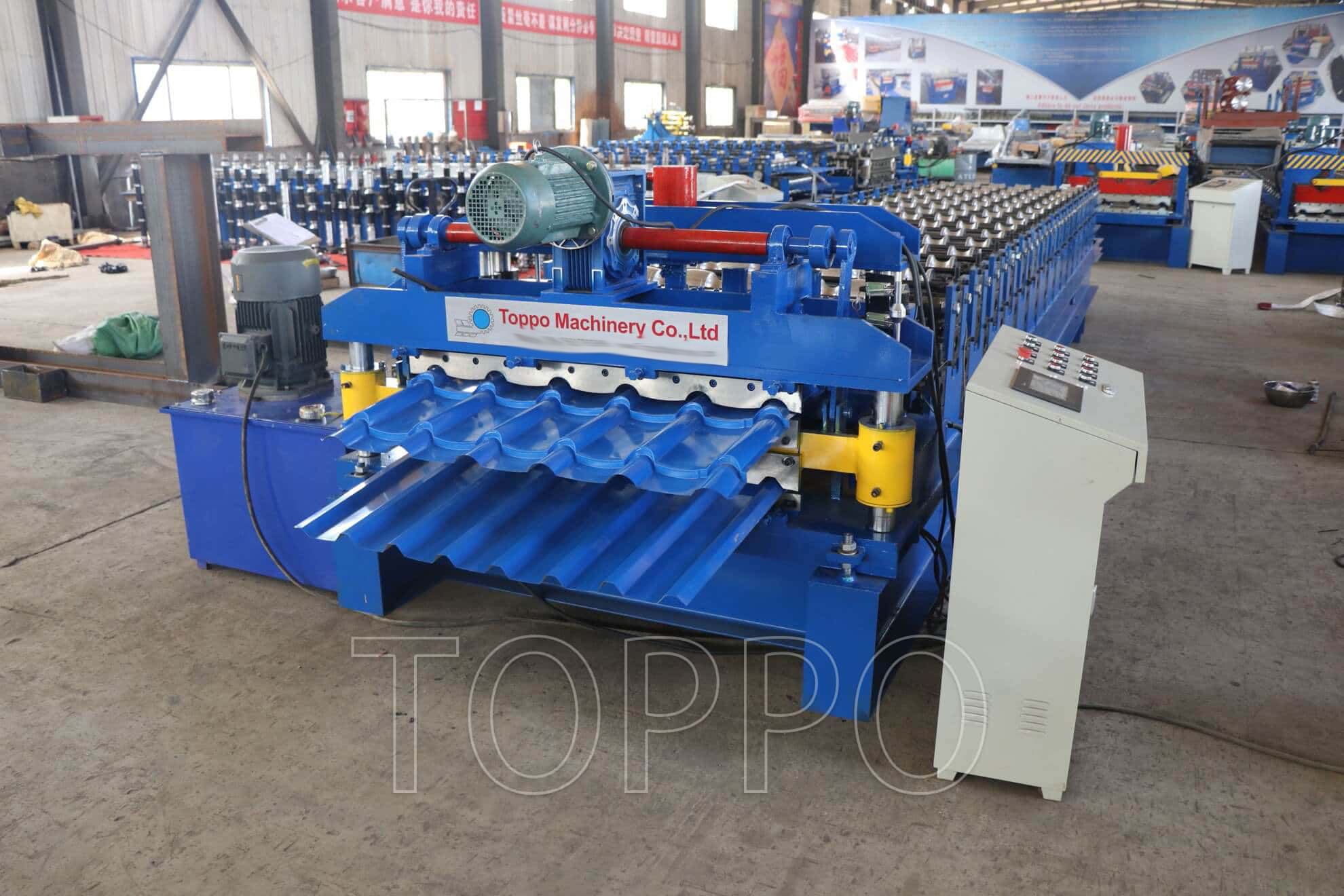
Consistency is the ultimate benchmark of roofing sheet quality. In real production environments, customers rarely complain about a single defective sheet—but they quickly lose trust when quality fluctuates from batch to batch. For manufacturers operating an Auto PLC c z steel purlin roll forming machine, achieving stable and repeatable quality depends on disciplined setup practices rather than operator experience alone.
This article presents a step-by-step machine setup methodology focused on preventing quality variation. It highlights critical adjustment points, frequent mistakes, and real factory cases that demonstrate how standardized practices improve roofing sheet consistency over time.
1. Pre-Setup Inspection: The Foundation of Quality
Before starting any production run, a systematic inspection is essential, including coil surface condition, material thickness tolerance, roller wear, and bearing lubrication.
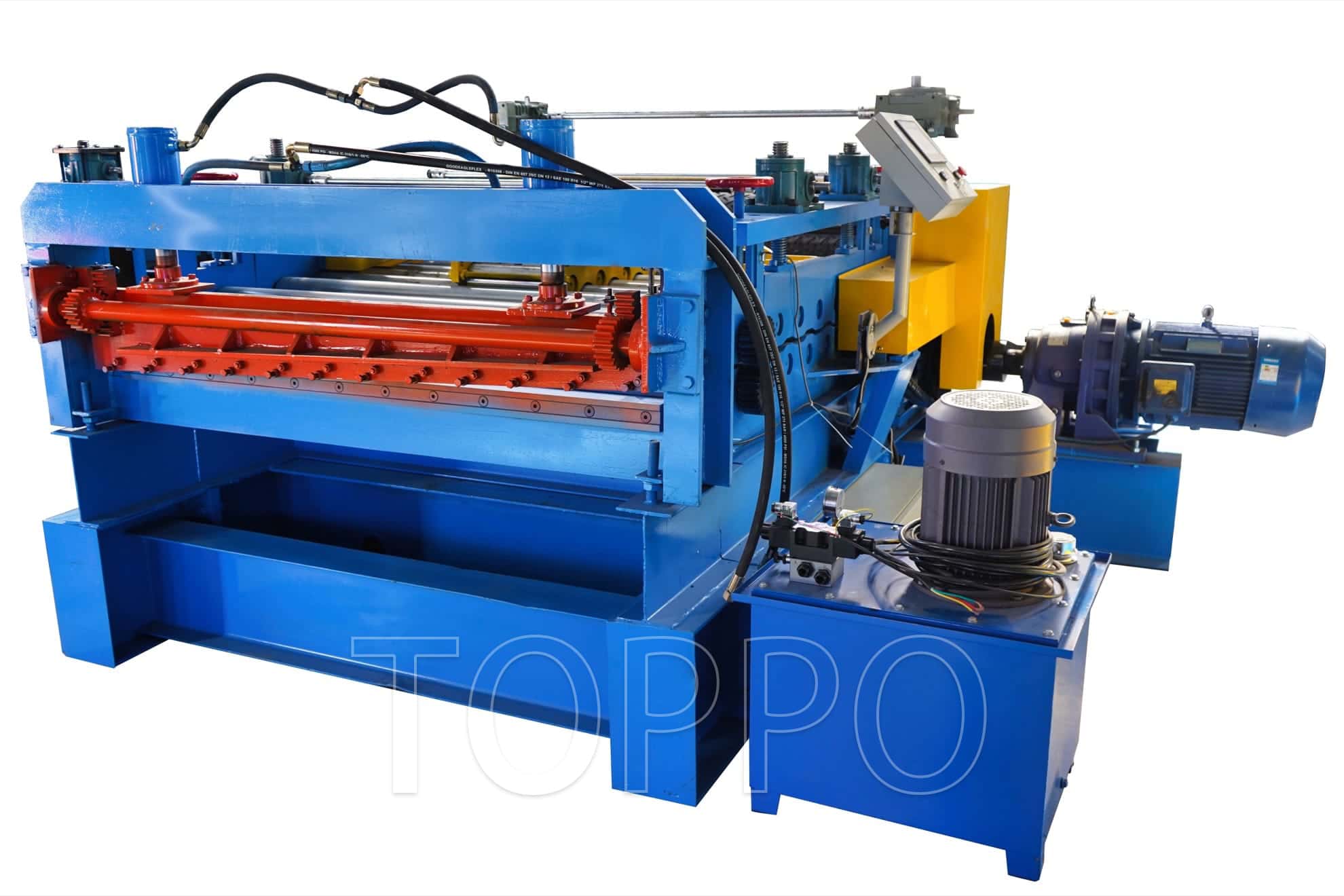
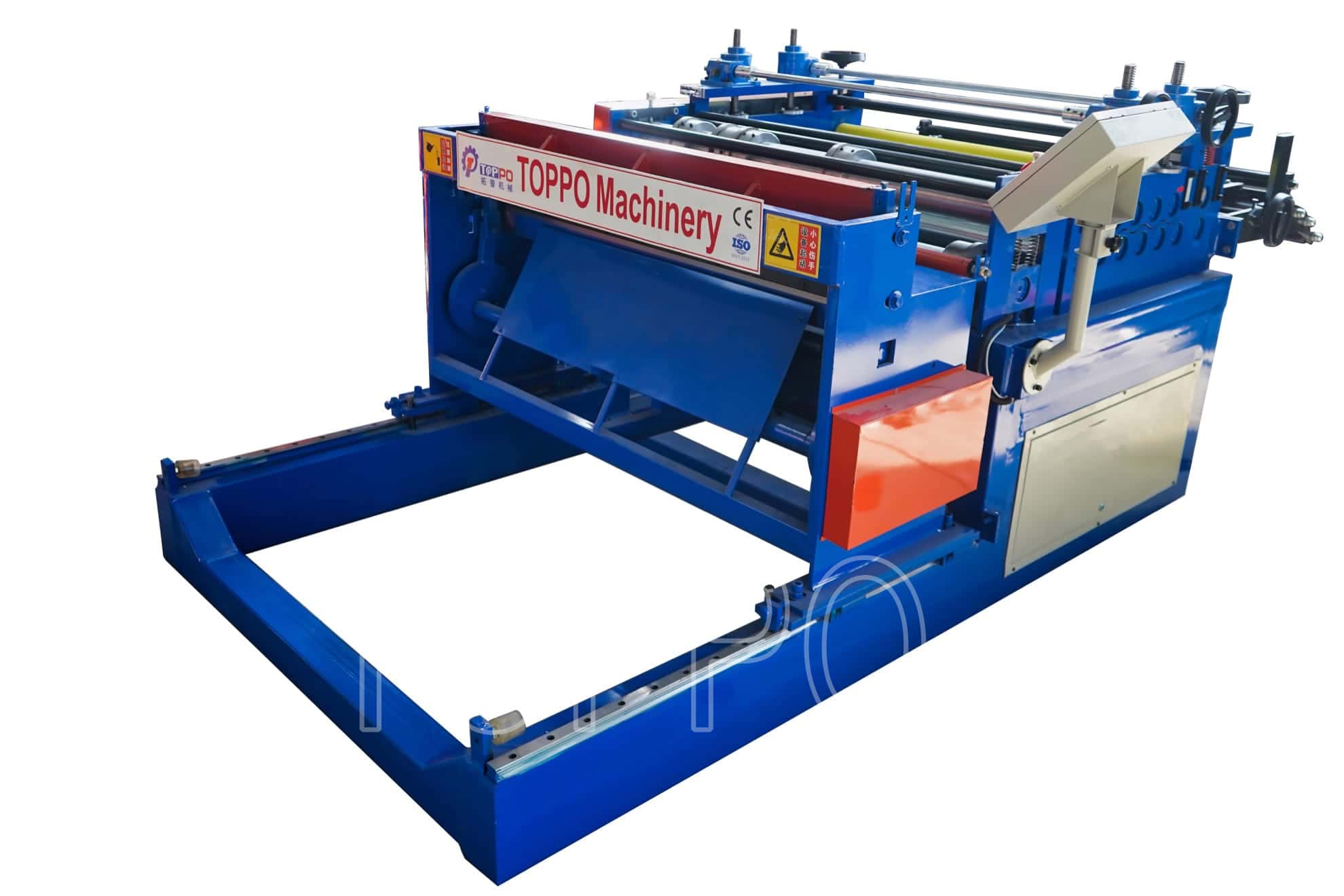
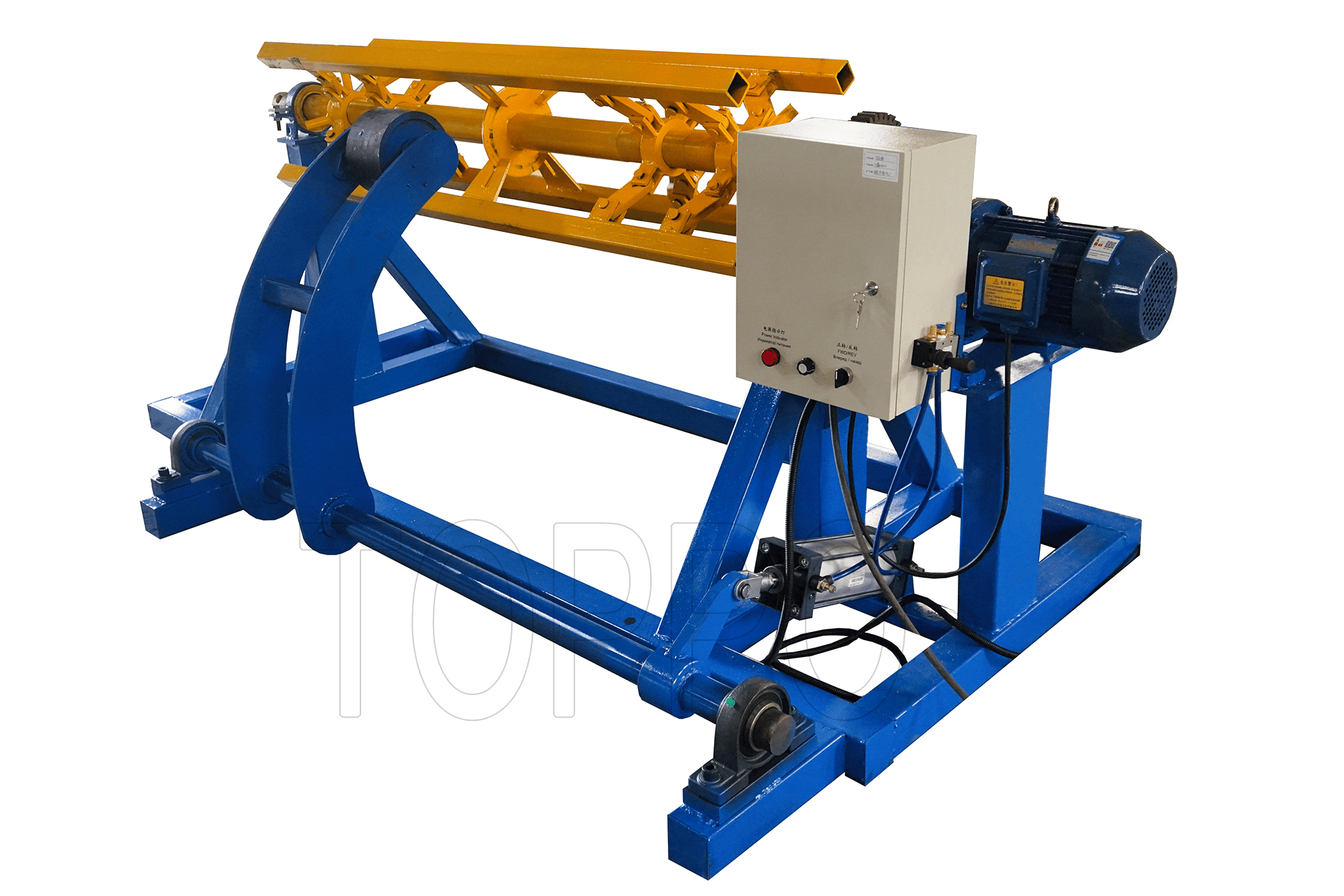
2. Coil Loading and Strip Centering Procedures
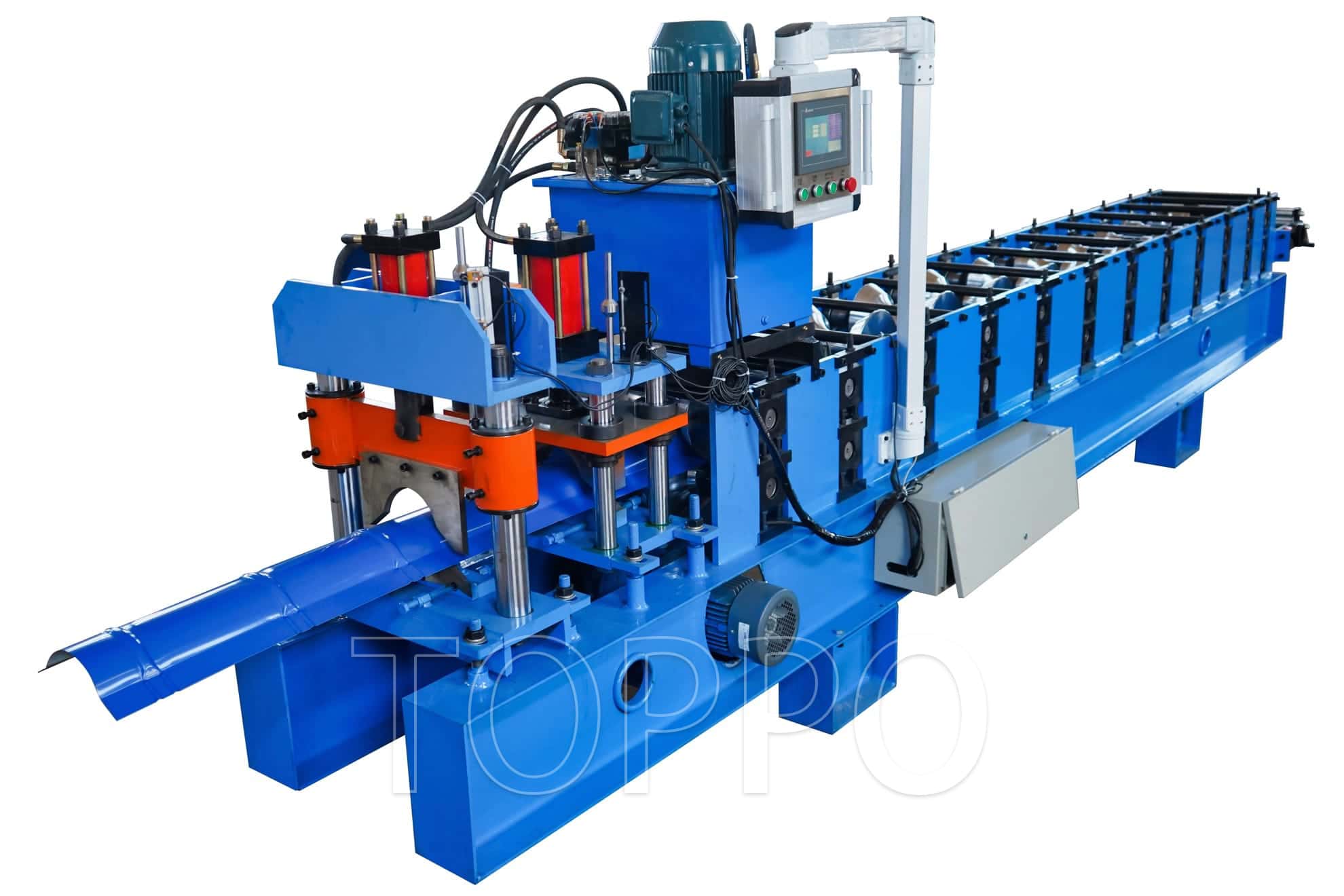
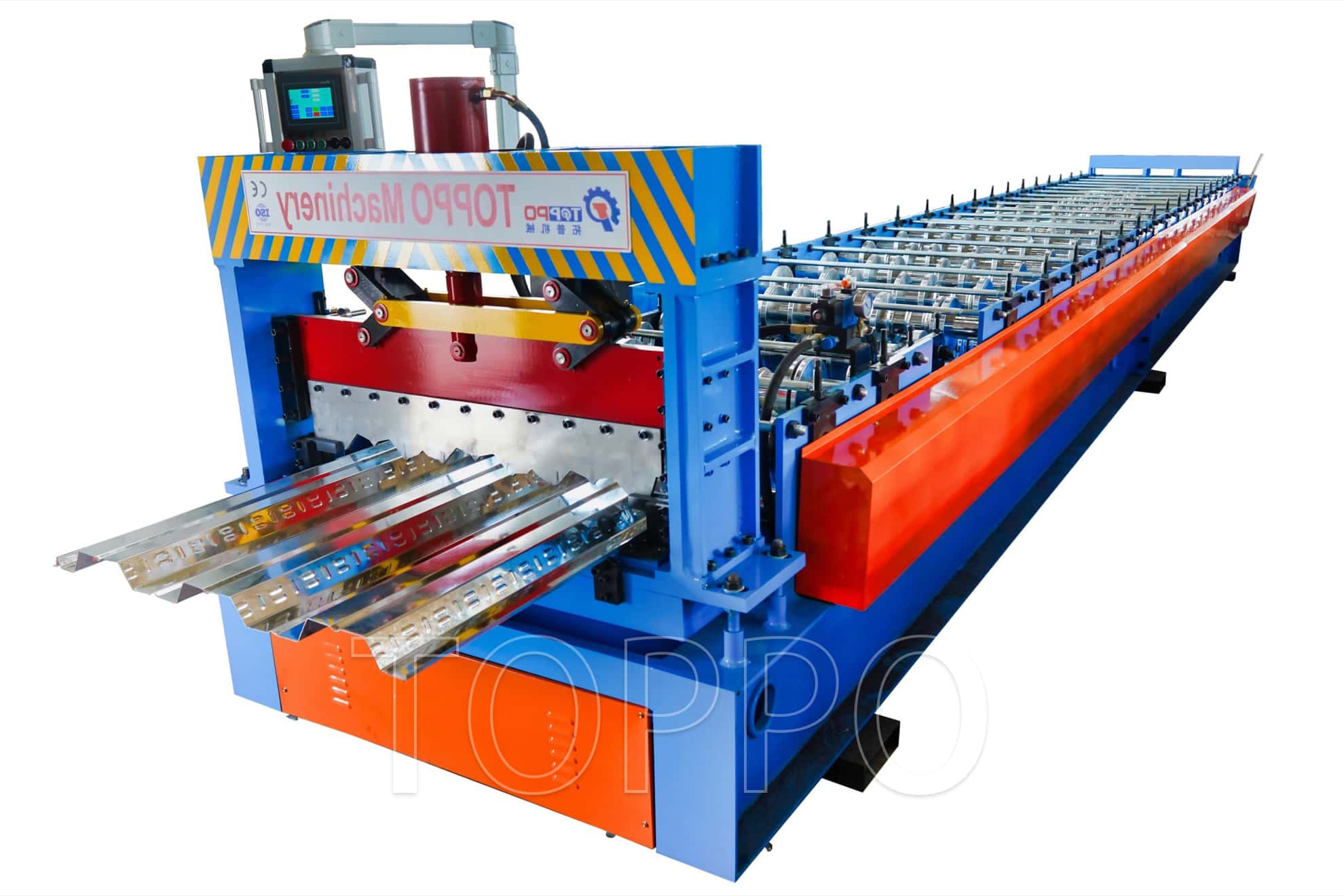
Incorrect strip centering creates long-term stress on the forming system and causes asymmetric profiles on a roof panel making machine.
3. Gradual Speed Ramp-Up Strategy
On an Auto PLC c z steel purlin roll forming machine, controlled acceleration protects both material and mechanical components.
4. Forming Roller Adjustment Sequence
Roller adjustment must follow a logical sequence from entry stations to final sizing stations.
5. Punching and Forming Coordination
Punching operations must be synchronized precisely with material movement on a c z steel purlin roll forming machine.
6. Cutting System Verification Under Load
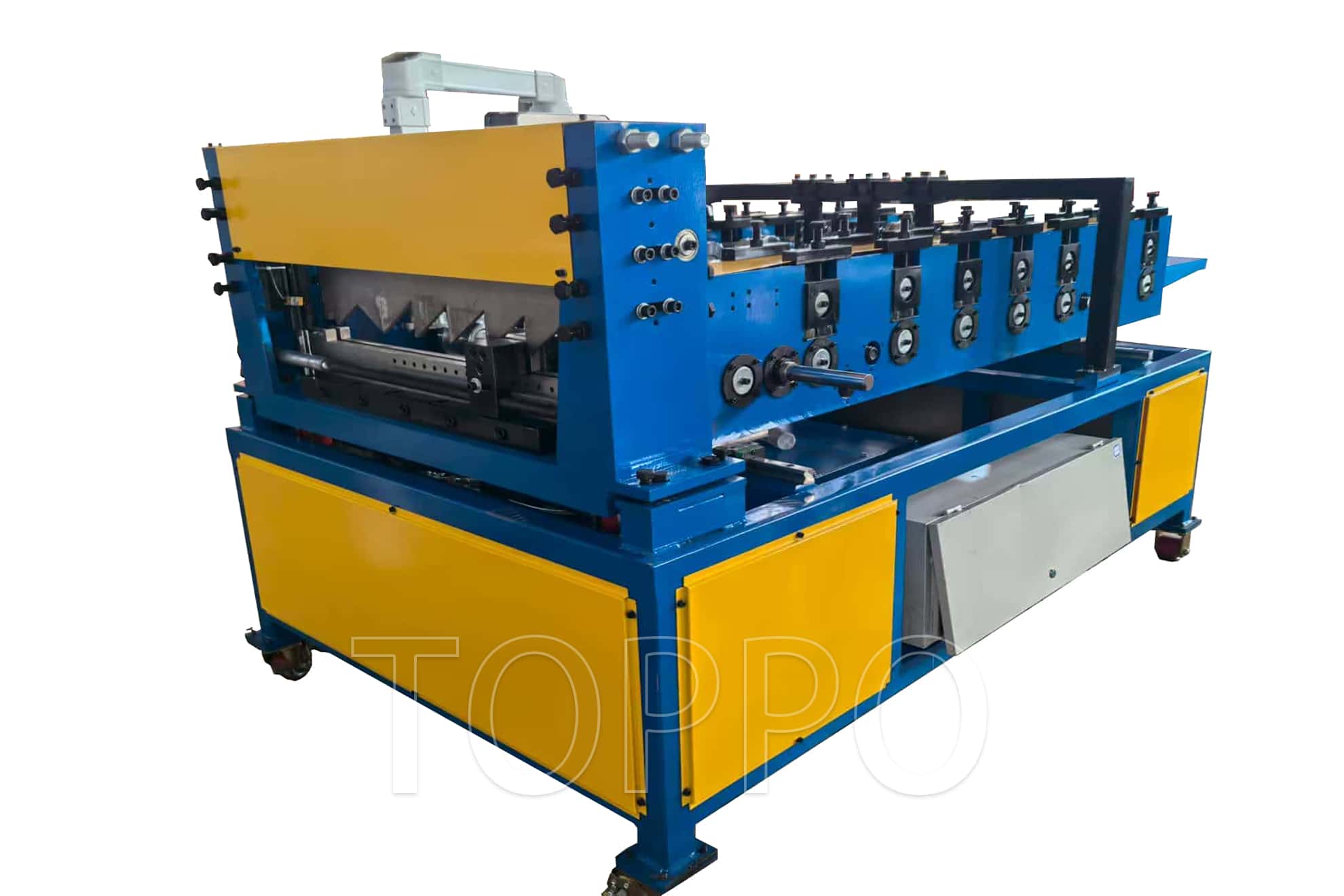
Cutting systems should be tested under real production conditions to ensure clean edges.
7. Output Handling and Protection Measures
Improper run-out table configuration can damage finished roofing sheets after cutting.
8. Documentation and Operator Standardization
Standardized setup documentation improves repeatability and reduces quality variation.
Conclusion
Consistent roofing sheet quality is achieved through structured setup practices and disciplined verification, allowing automated roll forming systems to deliver reliable long-term performance.
READ MORE: