Key Considerations for Distributors Supplying Roll Forming Machines to Roofing Factories
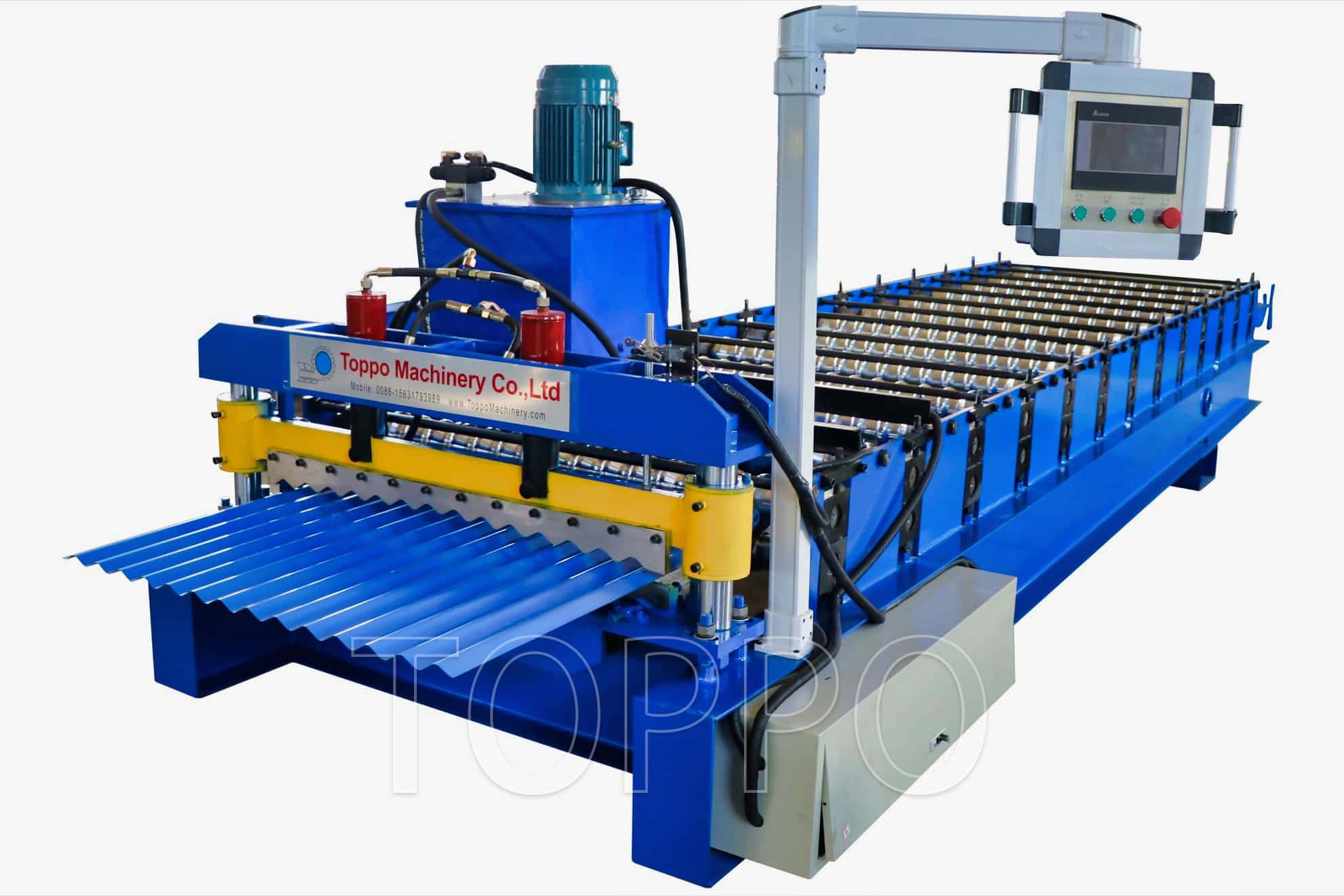
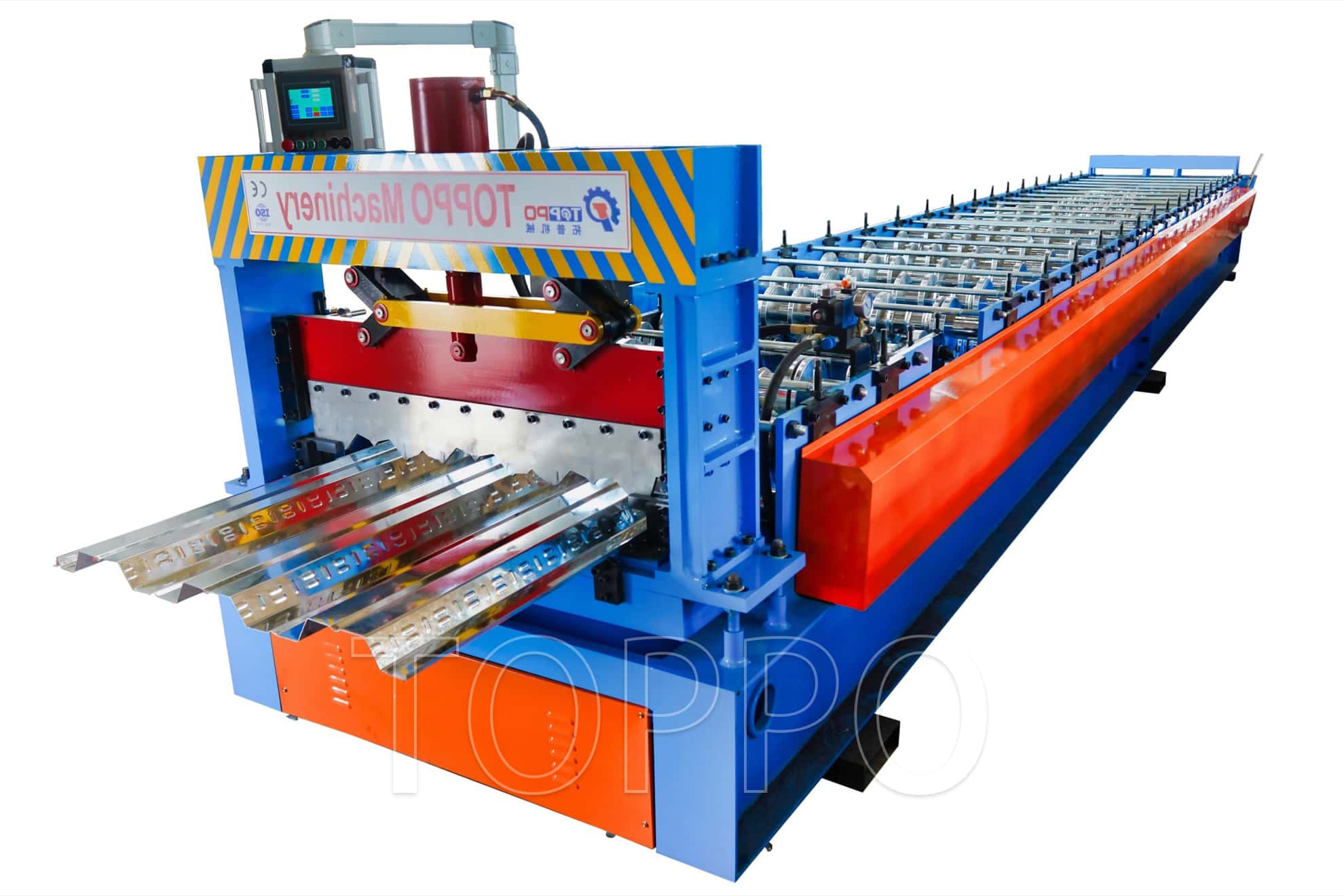
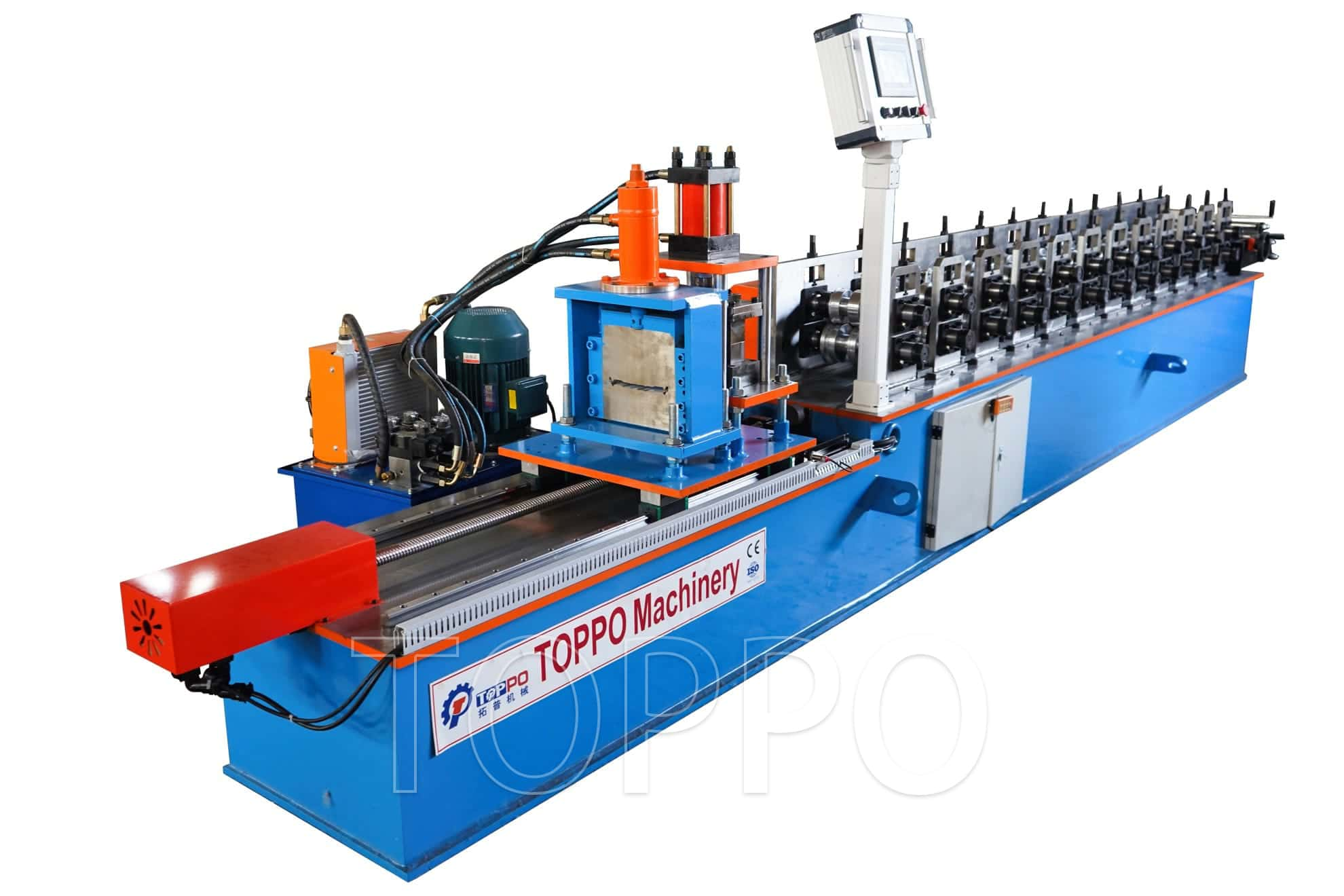
The 836 steel corrugated roll forming machine is a vital piece of equipment in the production of roofing materials. Distributors who supply roll forming machines to local roofing factories must understand key factors to ensure that the machines meet the factory’s needs and run efficiently. In this article, Amelia discusses the necessary steps and common mistakes that distributors should avoid when supplying roll forming machines, with a focus on practical implementation.
1. The Role of Roll Forming Machines in Roofing Production
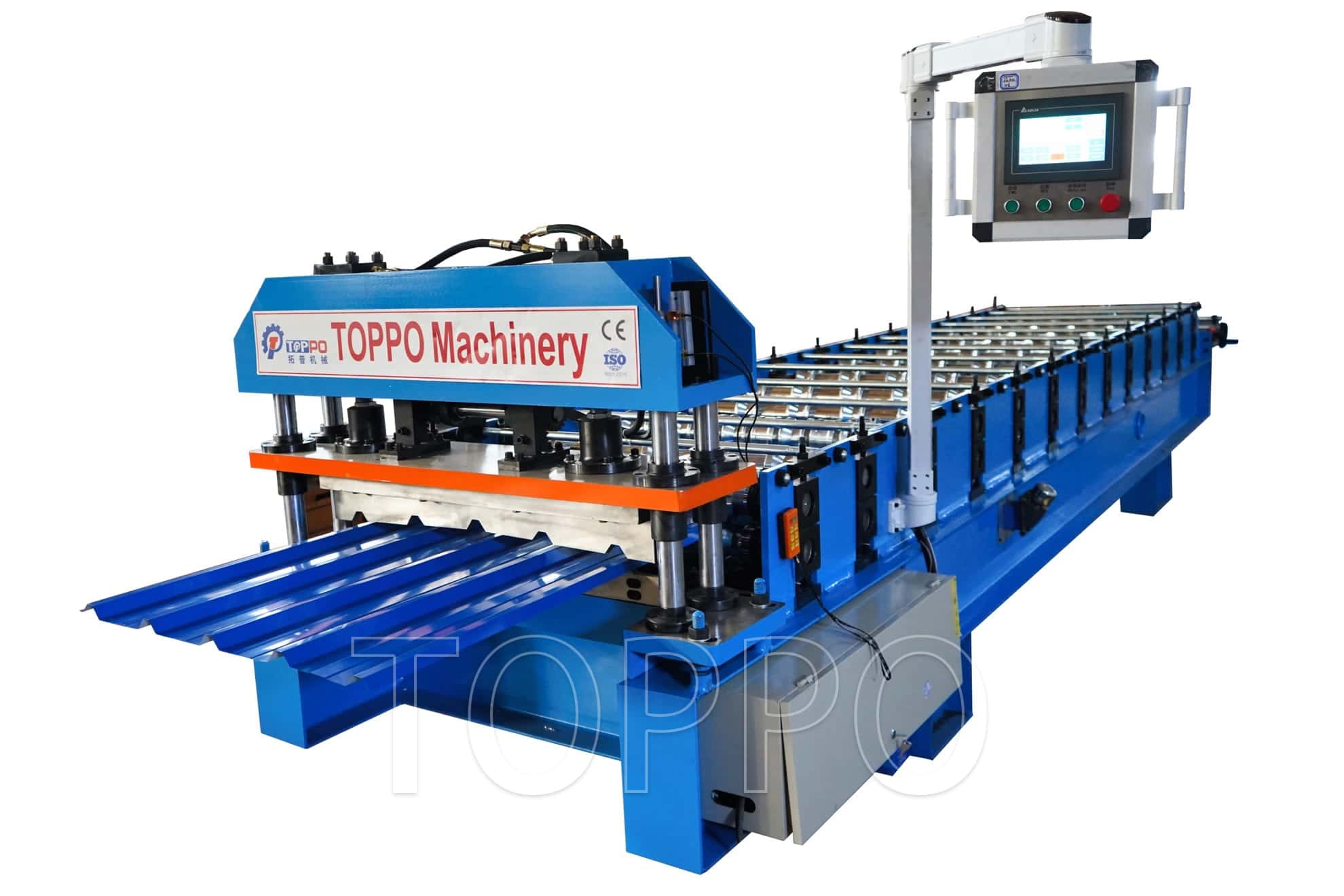
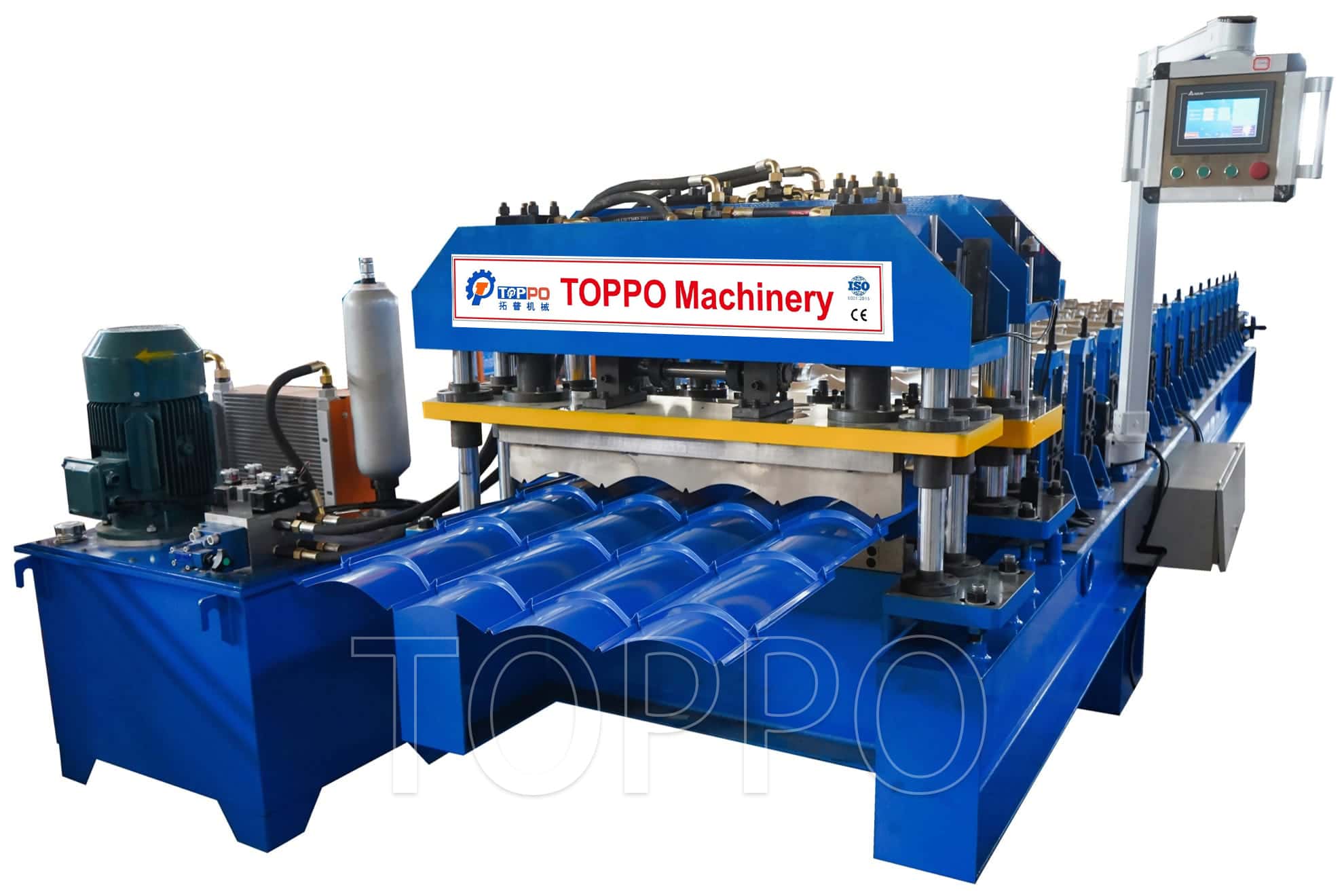
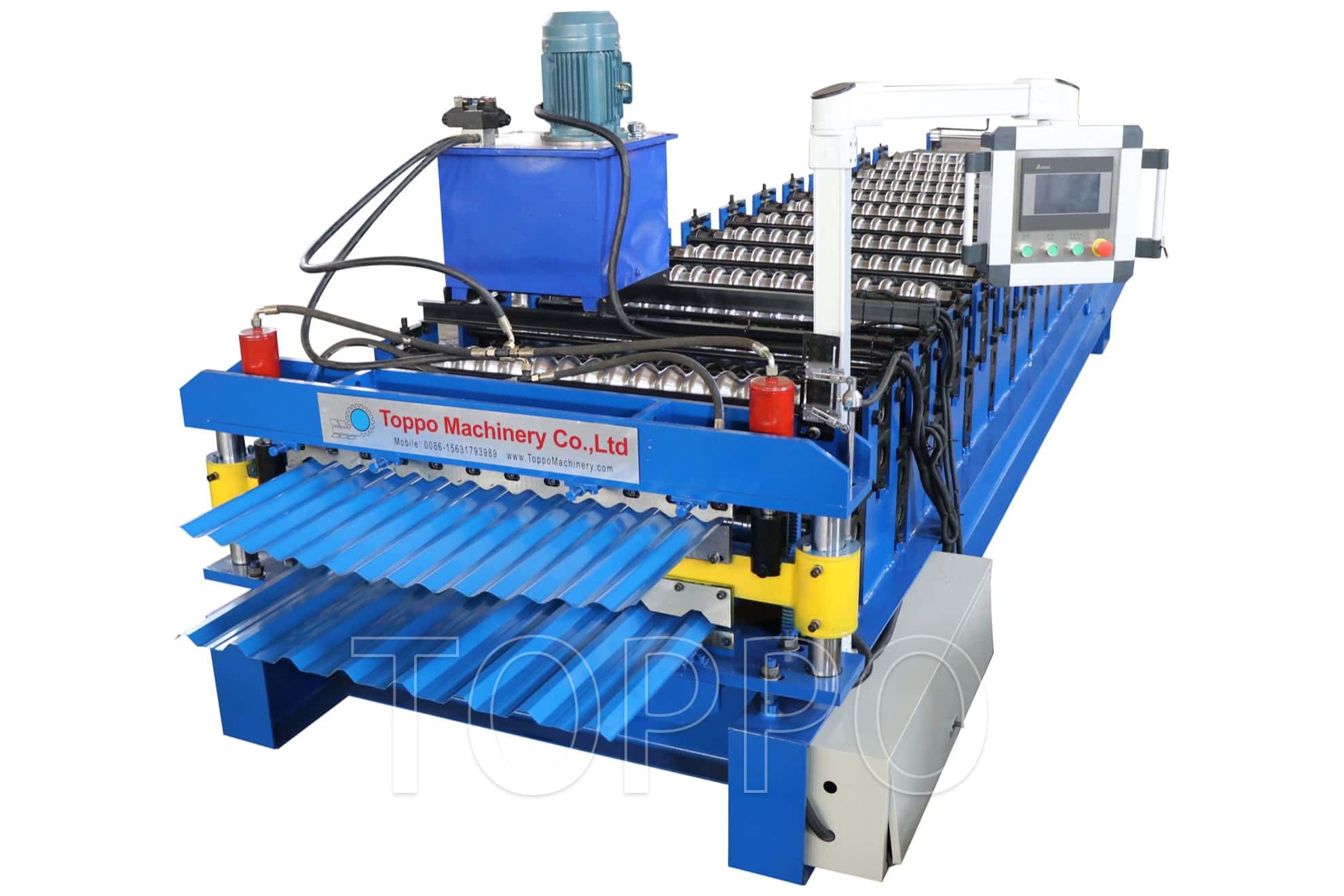
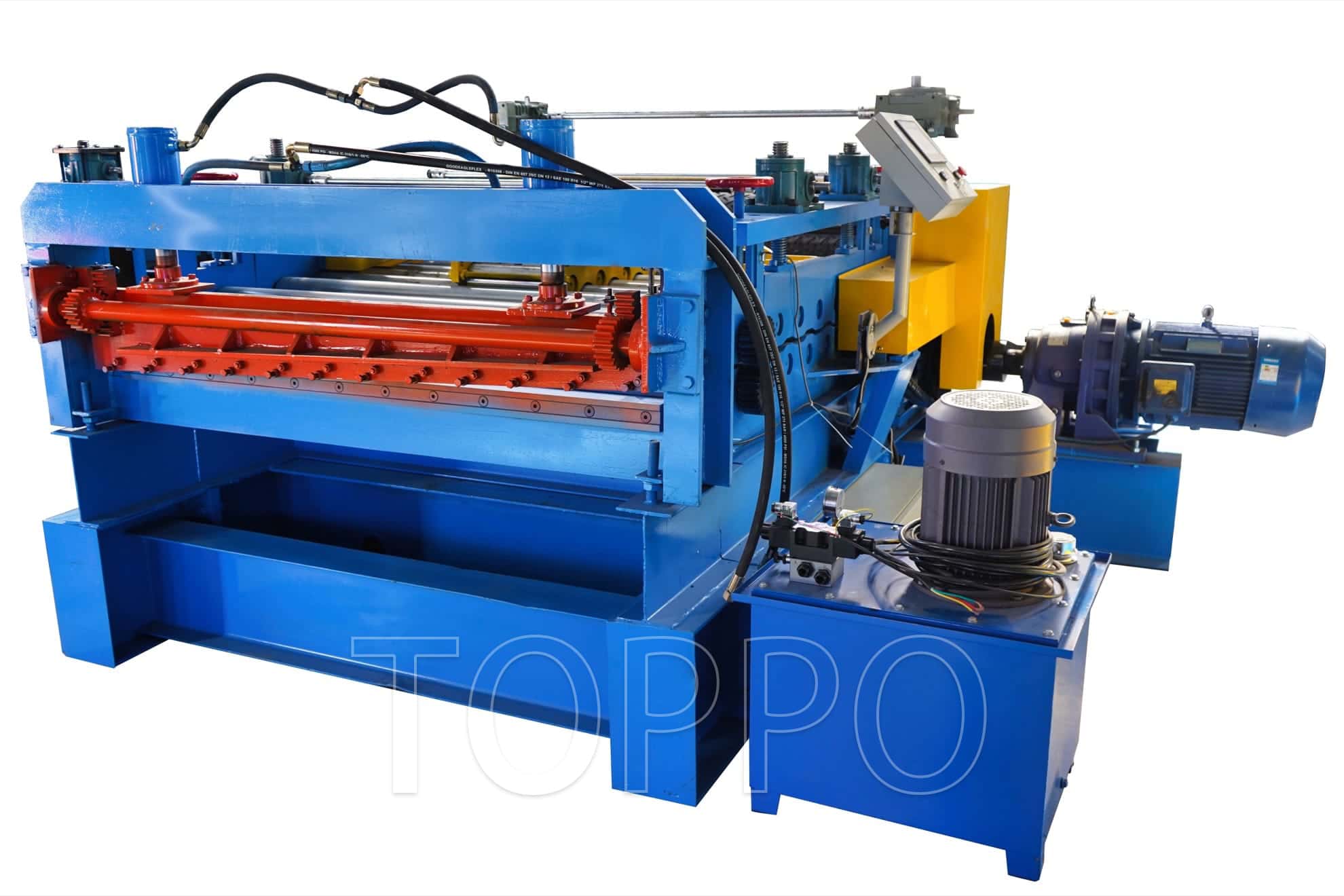
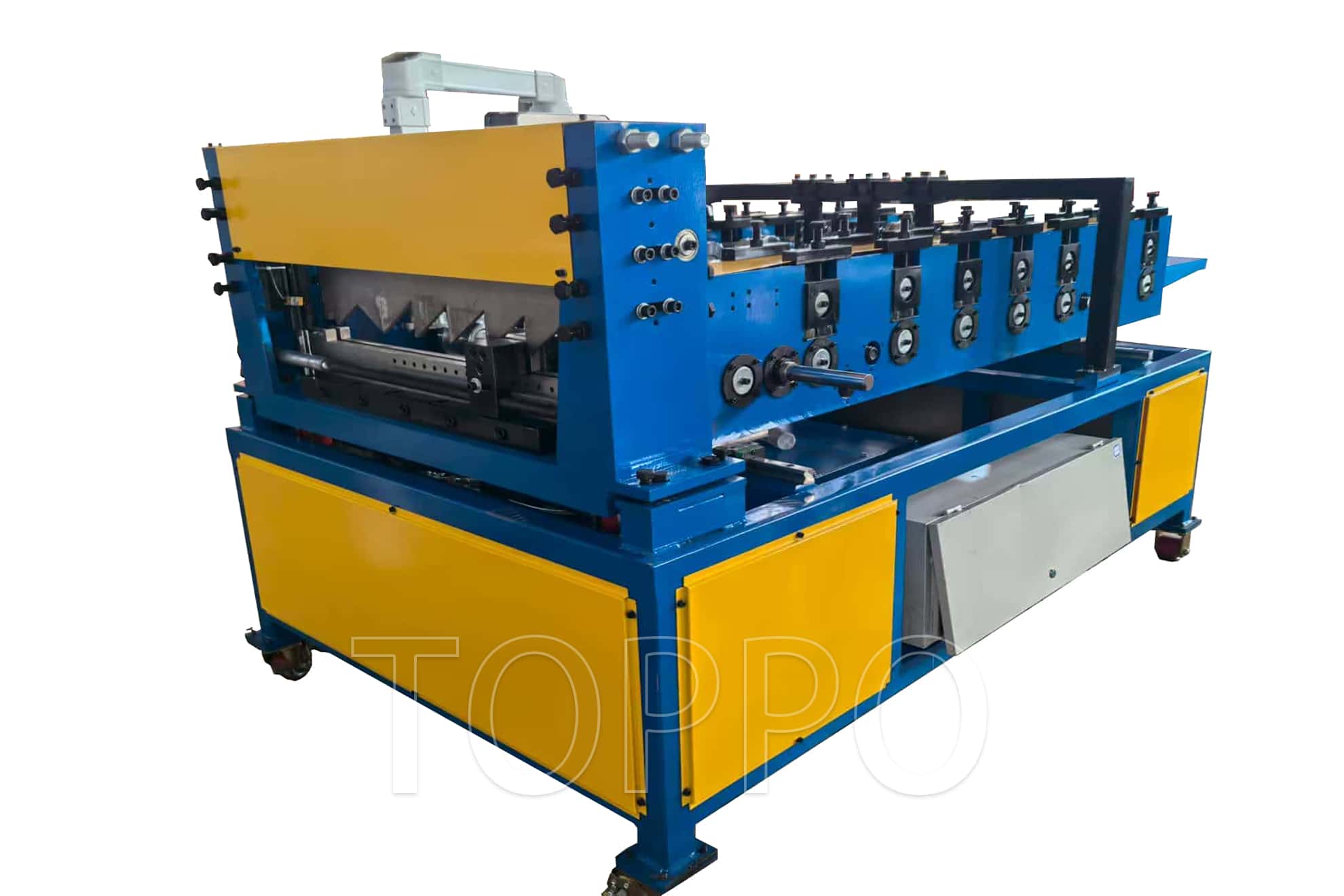
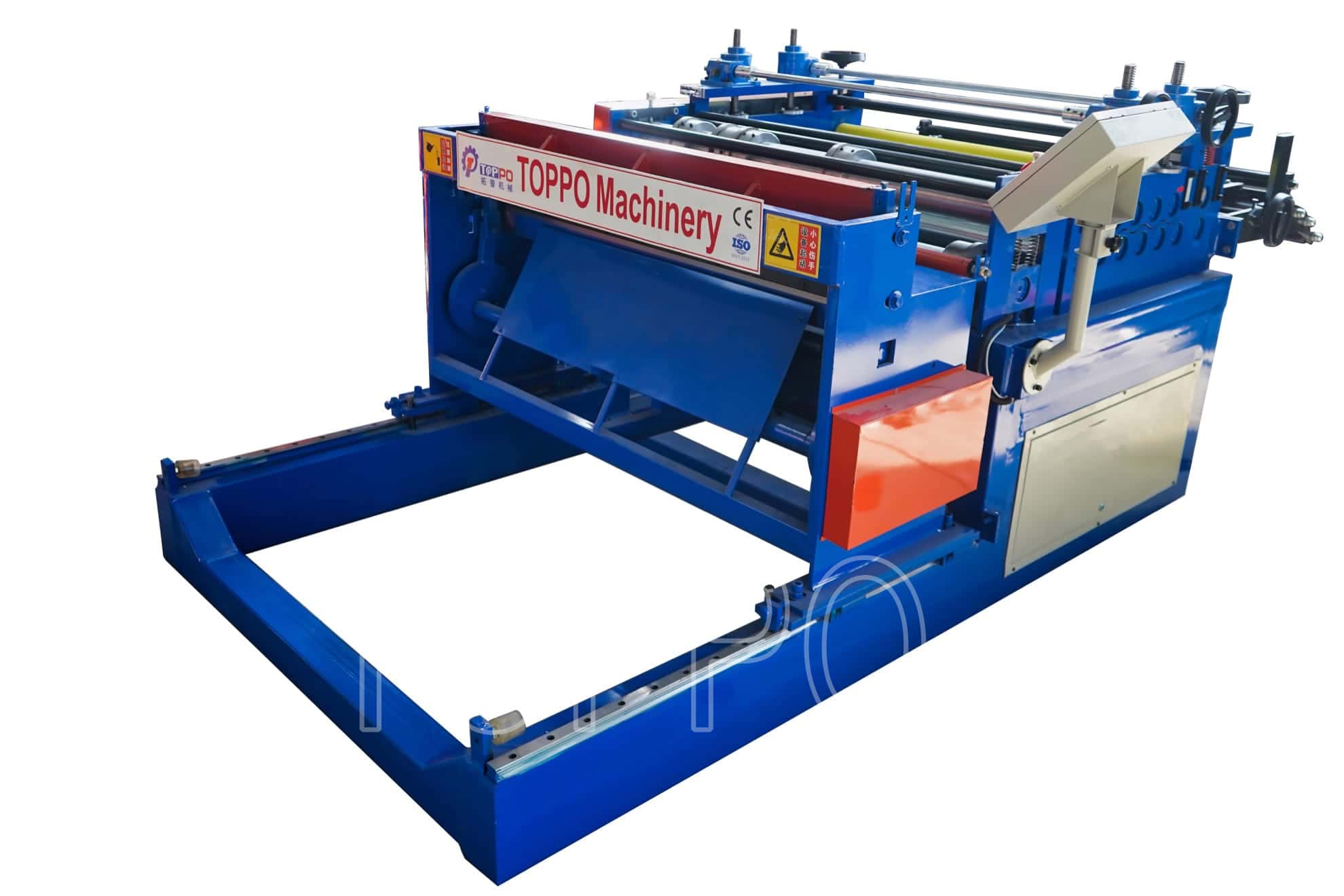
The corrugated roll forming machine and the roof panel making machine are essential tools for producing roofing materials like corrugated sheets, roof panels, and various other profiles. These machines are integral to roofing factories and can significantly impact production quality and efficiency. Distributors must understand the specific needs of the roofing factory, such as the types of roofing sheets required, the scale of production, and any special customization needs, to offer the most suitable machine.
2. Steps for Supplying Roll Forming Machines
Distributors must follow specific steps to ensure a smooth and successful installation process:
Understand Factory Requirements: Assessing the roofing factory’s production capacity and specific needs is critical for recommending the right machine. Whether the factory produces corrugated sheets, roof panels, or custom profiles, distributors must align their machine offerings accordingly.
Customization: Some roll forming machines, including the 836 steel corrugated roll forming machine, may need to be customized for the factory’s specific production requirements, such as sheet thickness, speed, or material type.
Installation and Calibration: After delivery, distributors should ensure proper installation and calibration. Proper setup of the machine ensures the factory can produce high-quality roofing sheets without defects or inefficiencies.
Operator Training: Training the factory’s operators is a key part of the installation process. Distributors should provide comprehensive training on machine operation, maintenance, and safety to prevent operational errors and reduce downtime.
3. Common Mistakes to Avoid
While supplying roll forming machines, there are several common mistakes distributors should avoid:
Failure to Assess Factory Needs: Not understanding the full scope of the factory’s needs may lead to recommending the wrong machine, which can negatively affect production efficiency.
Skipping Customization: Each roofing factory may have unique requirements, and failing to customize the machine can result in poor performance or inefficiencies in production.
Lack of After-Sales Support: Offering comprehensive after-sales support, including maintenance services and spare parts availability, is essential for keeping the machine running smoothly and minimizing downtime.
4. Case Study: Successful Roll Forming Machine Installation
A roofing factory in Europe had been struggling with production efficiency before working with a distributor who provided a customized roof panel making machine. By assessing the factory’s needs and installing the appropriate machine, the distributor helped the factory achieve smoother production and higher-quality roofing sheets. The distributor also offered training and ongoing technical support, which led to fewer machine breakdowns and improved overall efficiency.
5. Conclusion
Supplying roll forming machines like the 836 steel corrugated roll forming machine is a critical task for distributors. By assessing factory needs, offering customization, ensuring proper installation, and providing training and after-sales support, distributors can significantly contribute to the success of local roofing factories. With the right machine and the proper support, factories can optimize production and deliver high-quality roofing materials.
Author: Amelia
READ MORE: