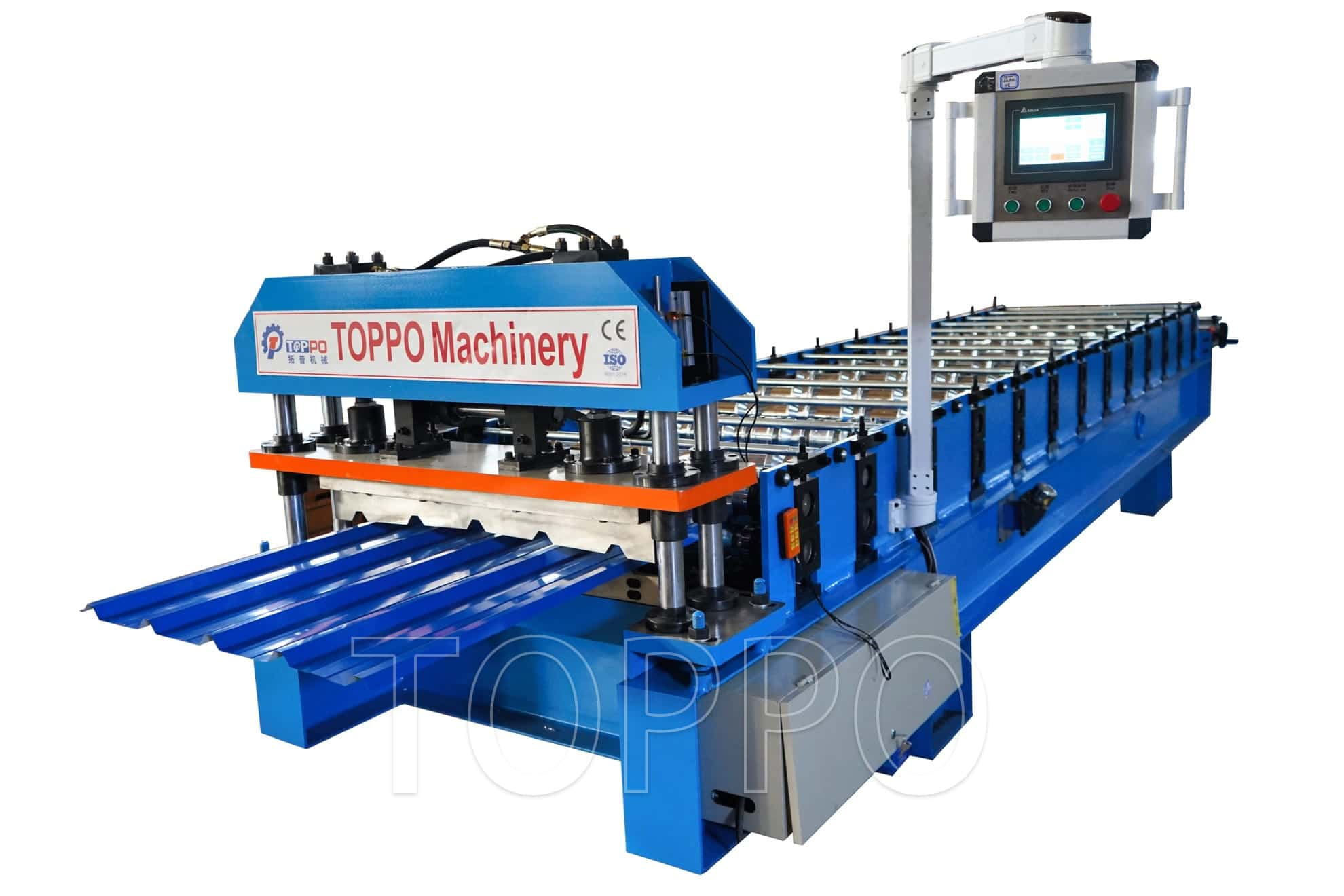
- Trapezoidal Machine
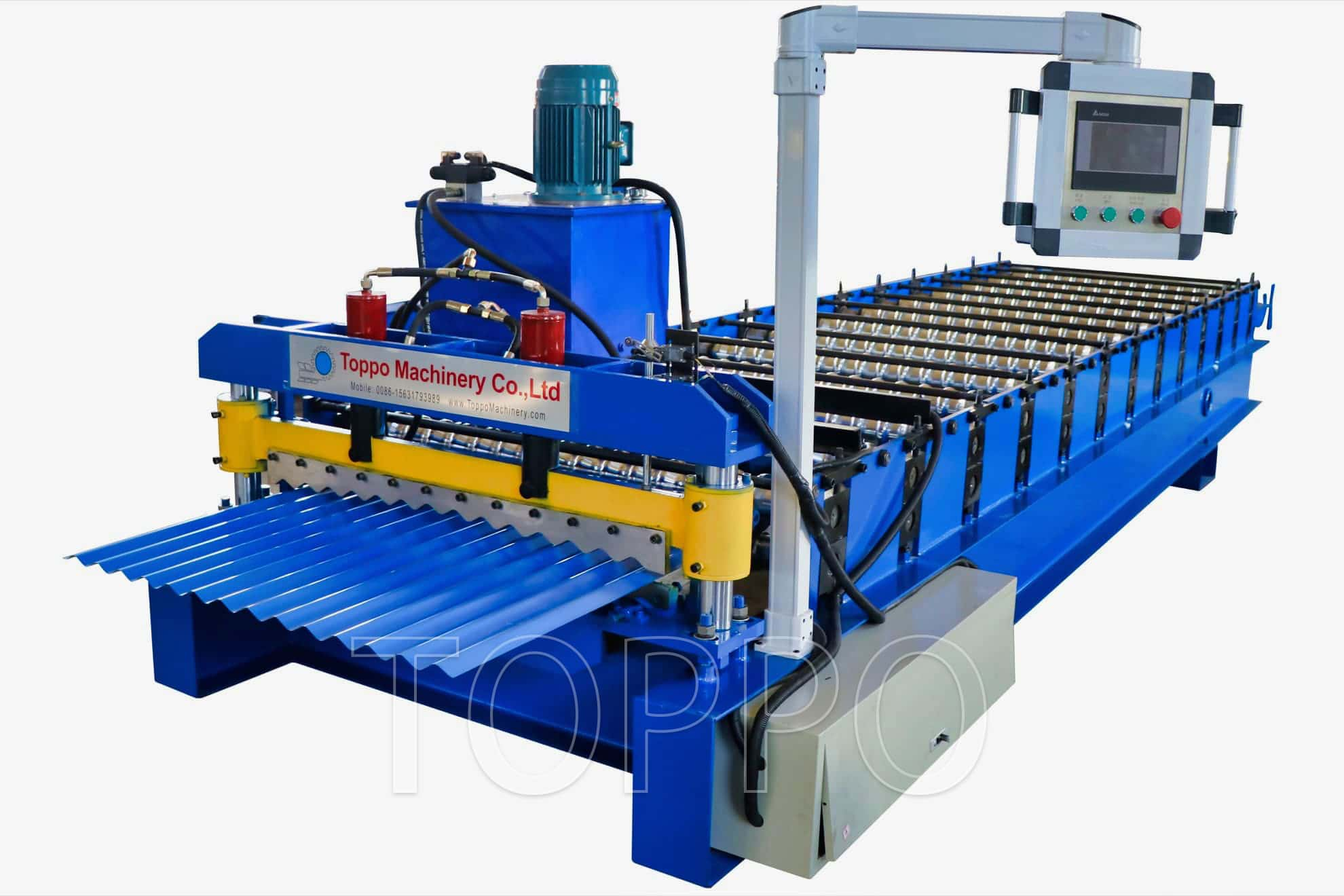
- Corrugated Machine
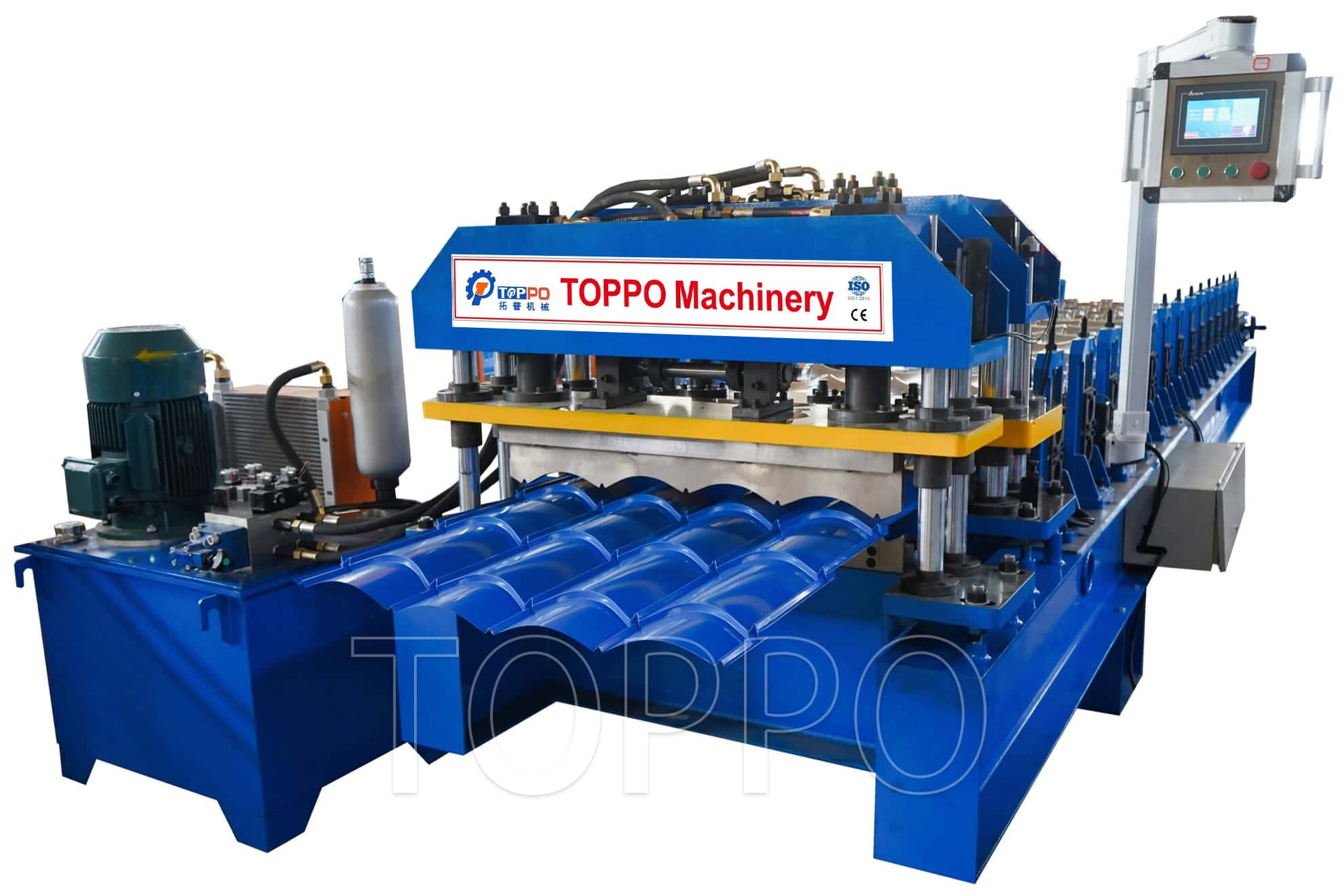
- Glazed Tile Machine
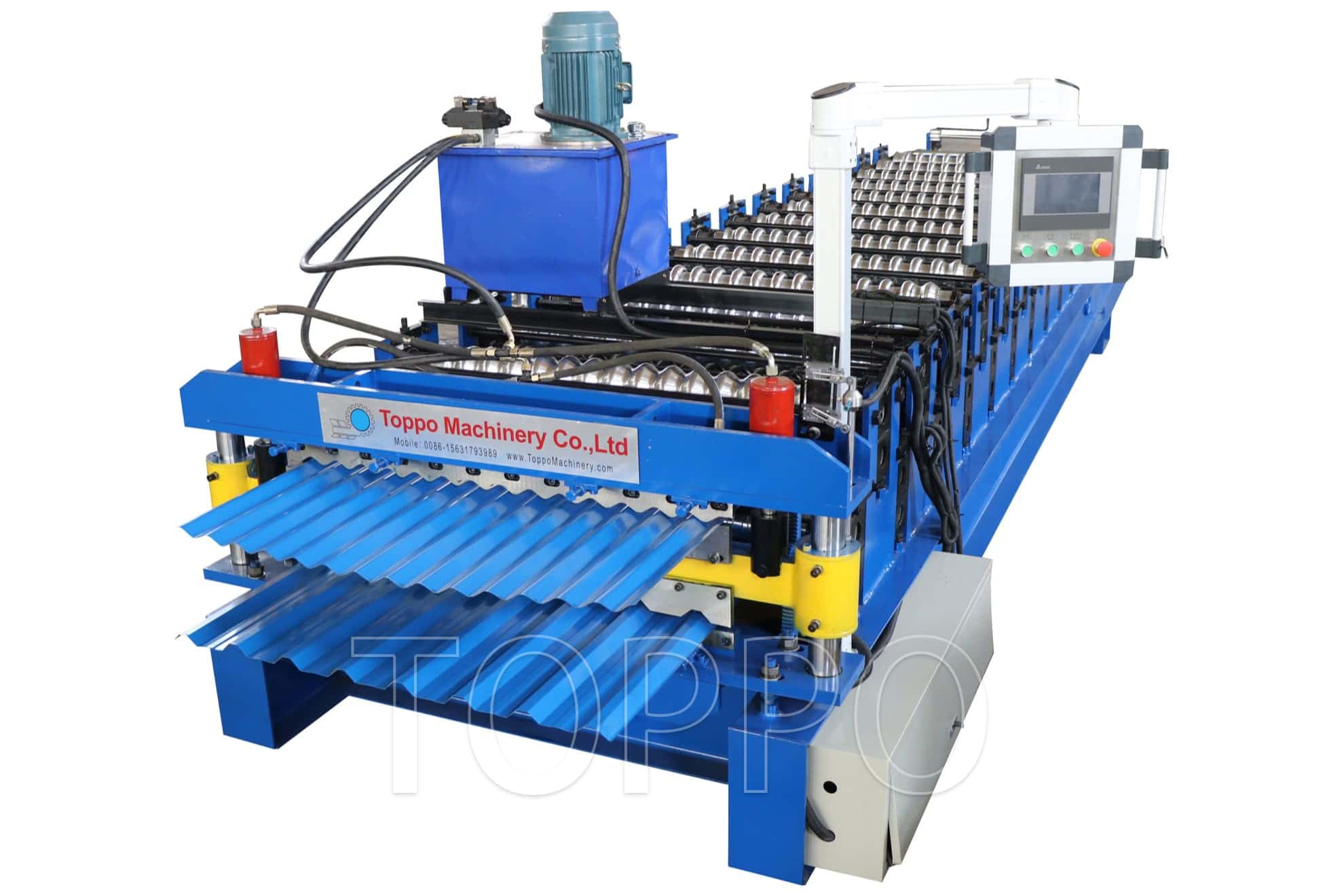
- Double Layer Machine
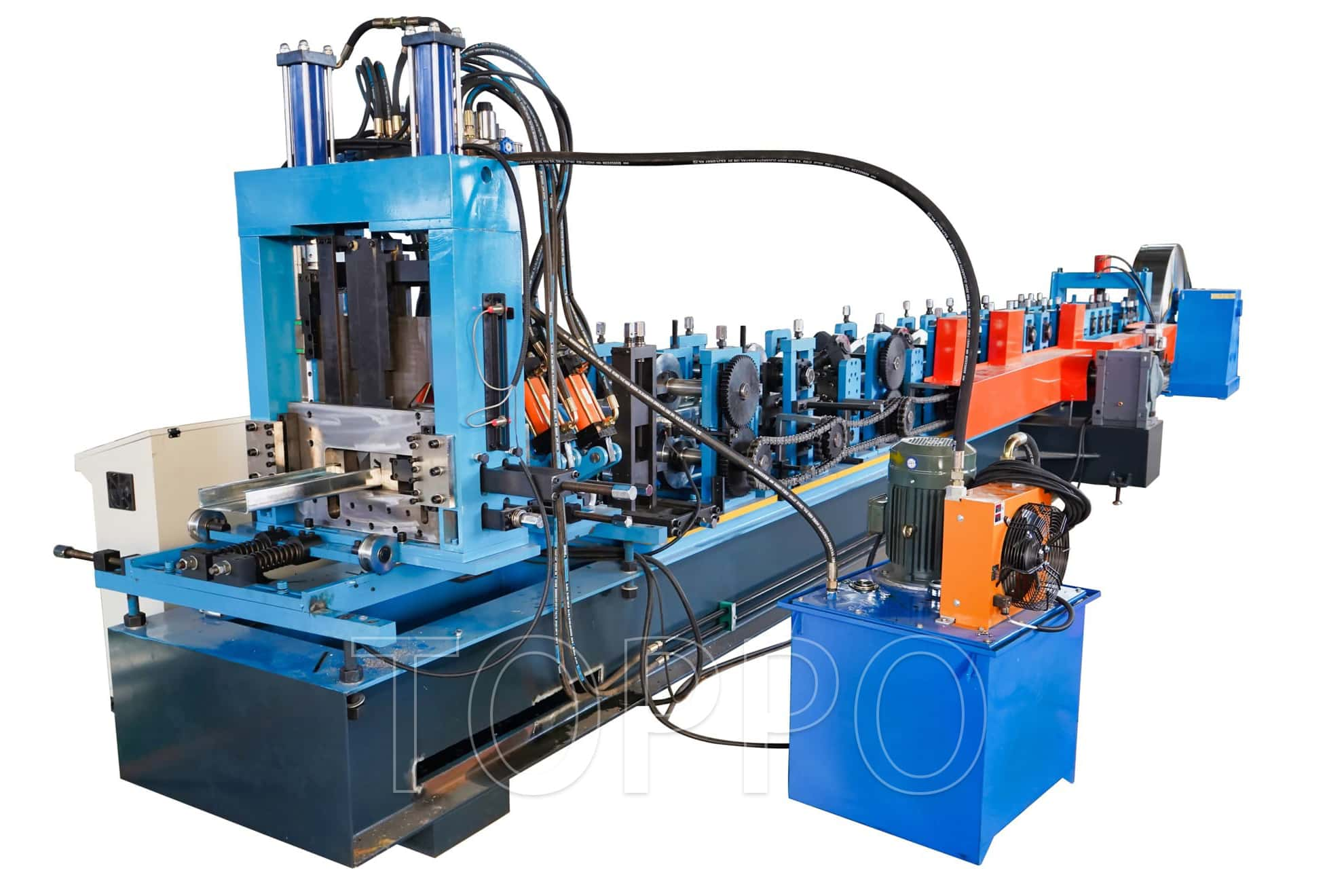
- CZU Purlin Machine
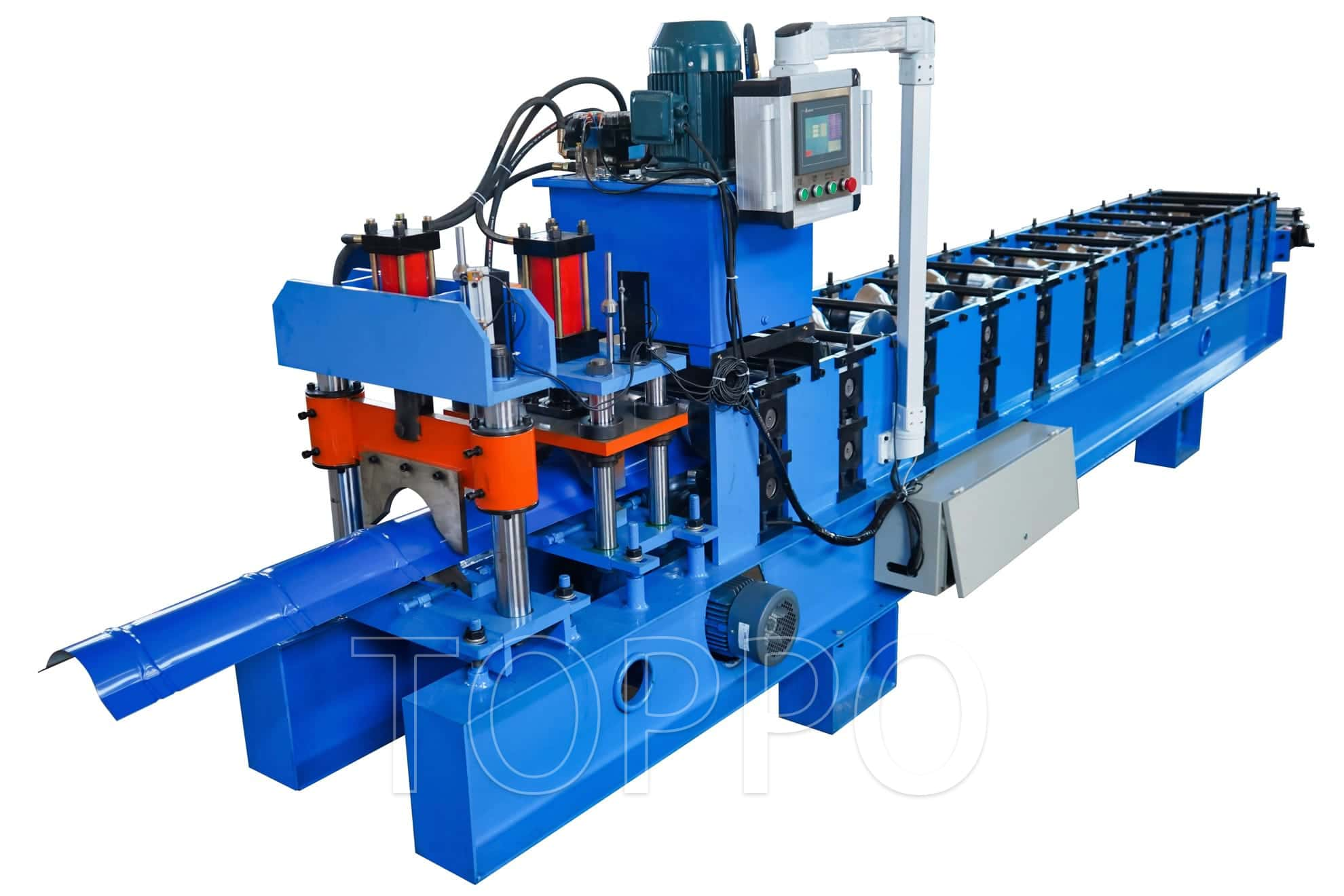
- Ridge Cap Machine
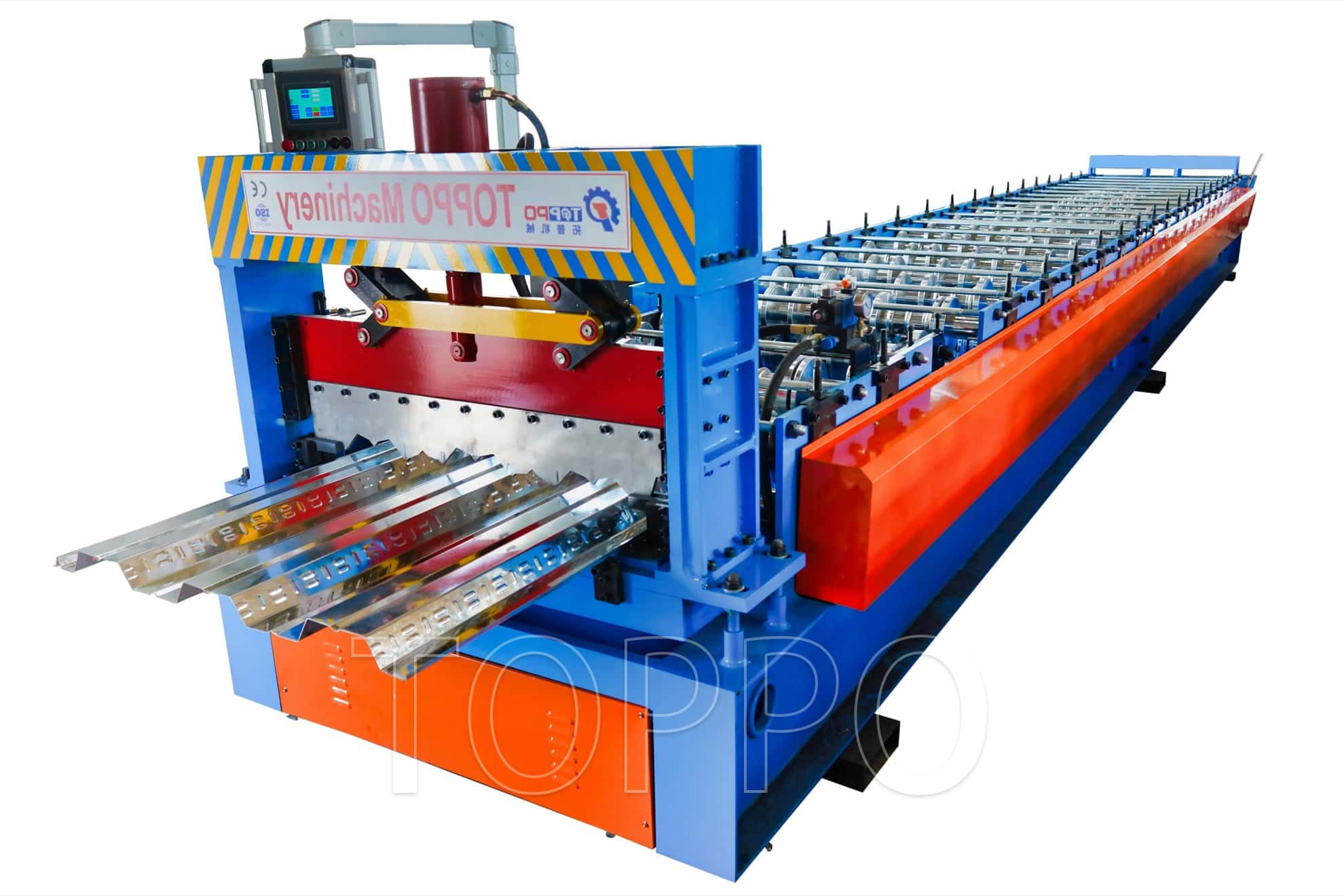
- Floor Decking Machine
- Rolling Door Machine
- Fence Machine
- Embossing Machine
- Standing Seam Machine
- Cut To Length And Slitting Line
- Guard Rail Machine
- Decoiler And Stacker
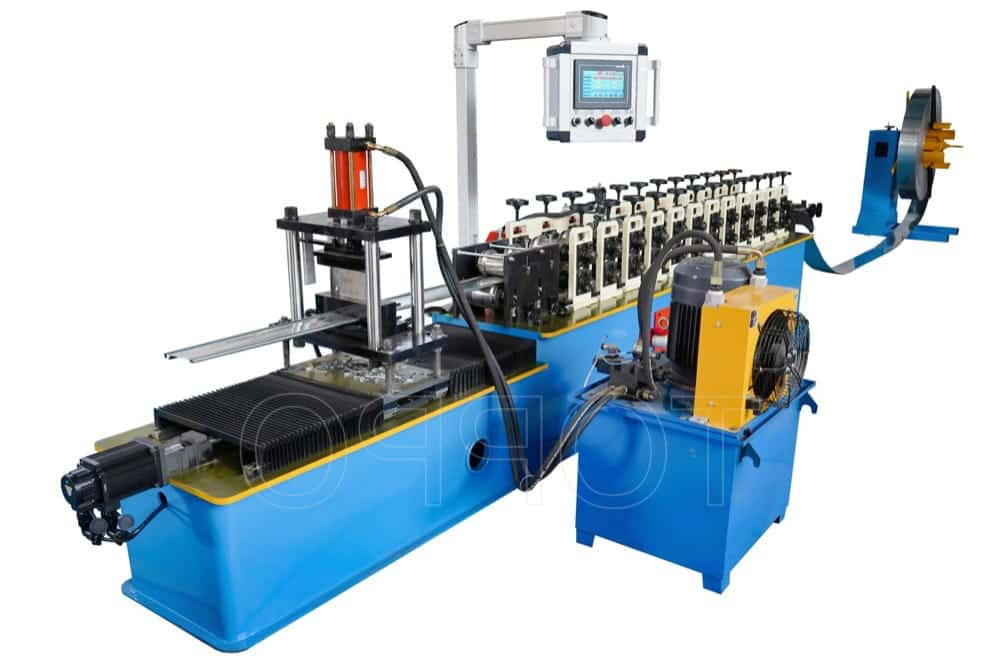
- Stud And Track Machine
- Gutter And DownPipe
- Curving Machine
- Cladding Panel Machine
- Corollary Equipment


Introduction
Metal glazed roof tiles are widely used in modern roofing projects because they combine a decorative tile-style appearance with the practical benefits of metal roofing materials. For manufacturers looking to enter or expand the metal roofing market, understanding the production process is essential when selecting the right equipment.
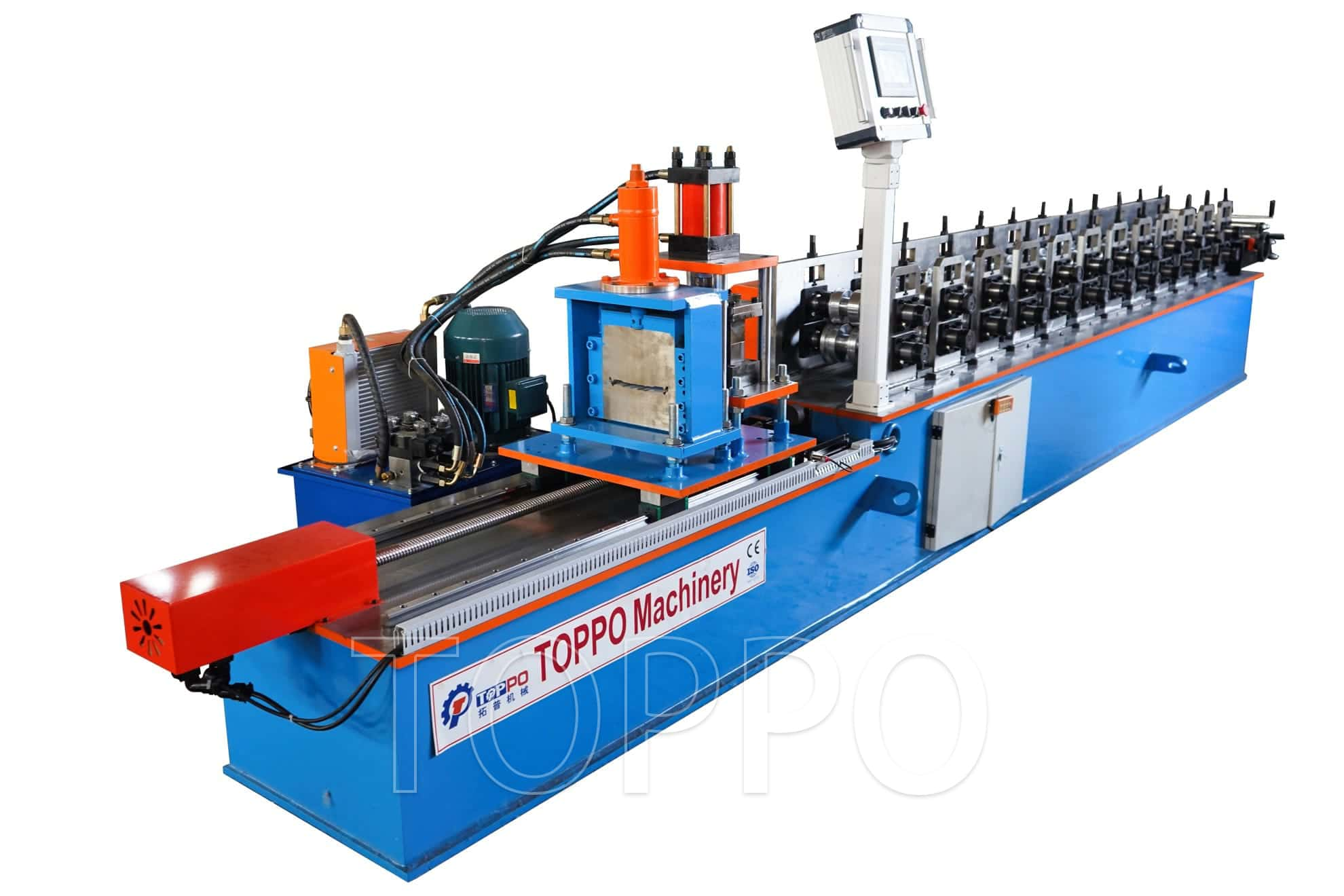
A Metal Glazed Roof Tile Roll Forming Machine transforms suitable metal coils into roofing sheets with a specified tile profile. Through a series of forming rollers and a cutting system, the production line creates sheets according to the required dimensions and technical specifications.
In this guide, TOPPO Machinery explains the main stages of the metal glazed roof tile manufacturing process, the equipment required, and the factors that influence production quality.
1. Raw Material Preparation
The first step in metal roof tile production is selecting suitable raw materials.
Depending on the machine design and product requirements, common materials include pre-painted galvanized steel (PPGI) and galvanized steel (GI). Material selection affects the appearance, corrosion resistance, forming performance, and suitability of the finished roofing sheets.
Before production, manufacturers should confirm the following specifications:
Material type and grade
Material thickness
Coil width
Coil weight and dimensions
Surface coating and finish
Required finished tile profile
These details help determine whether the selected roll forming machine is suitable for the intended application.
Correct material preparation also helps reduce production interruptions and material waste.
2. Coil Loading and Decoiling
After the raw material is prepared, the metal coil is installed on the decoiler.
The decoiler supports the coil and feeds the metal strip into the production line. Its loading capacity should match the coil weight and dimensions specified for the project.
A suitable decoiling system helps maintain stable material feeding and supports continuous production.
When selecting a metal glazed roof tile production line, buyers should confirm the decoiler capacity, supported coil width, and compatibility with the intended material.
3. Metal Sheet Roll Forming
Roll forming is the main stage of the metal glazed roof tile manufacturing process.
The metal strip passes through a series of forming roller stations. Each station gradually changes the sheet geometry until the required tile profile is achieved.
The roller design is developed according to the profile drawing, material specifications, and required finished dimensions.
A properly designed forming system helps maintain consistent profile geometry throughout production.
Several factors influence the forming result:
Roller design and manufacturing accuracy
Material thickness and mechanical properties
Coil feeding stability
Machine alignment and adjustment
Production speed and operating conditions
For this reason, manufacturers should provide the required tile profile drawing before confirming the machine design.
4. Hydraulic Cutting and Length Control
After the metal sheet reaches the required profile, the cutting system separates it into individual roofing sheets.
A hydraulic cutting system can be configured to cut formed sheets according to the required length. Depending on the machine design, length measurement and cutting operations may be coordinated through a PLC control system.
The cutting blade and mechanism must be suitable for the actual tile profile and material thickness.
Before ordering a metal glazed roof tile making machine, buyers should confirm the cutting method, supported material range, length control requirements, and expected production cycle.
These details are particularly important when the production line needs to manufacture roofing sheets in different lengths.
5. Finished Sheet Inspection
After cutting, the finished roofing sheets should be inspected before packaging.
Quality inspection may include checking:
Tile profile dimensions
Sheet length and width
Forming consistency
Cutting edge quality
Surface scratches or coating damage
Visible deformation
The inspection criteria should match the product specifications and customer requirements.
Proper material handling during production and packaging is also important for protecting the finished sheets from unnecessary surface damage.
6. Main Equipment in a Metal Roof Tile Production Line
A typical metal glazed roof tile production line may include the following equipment.
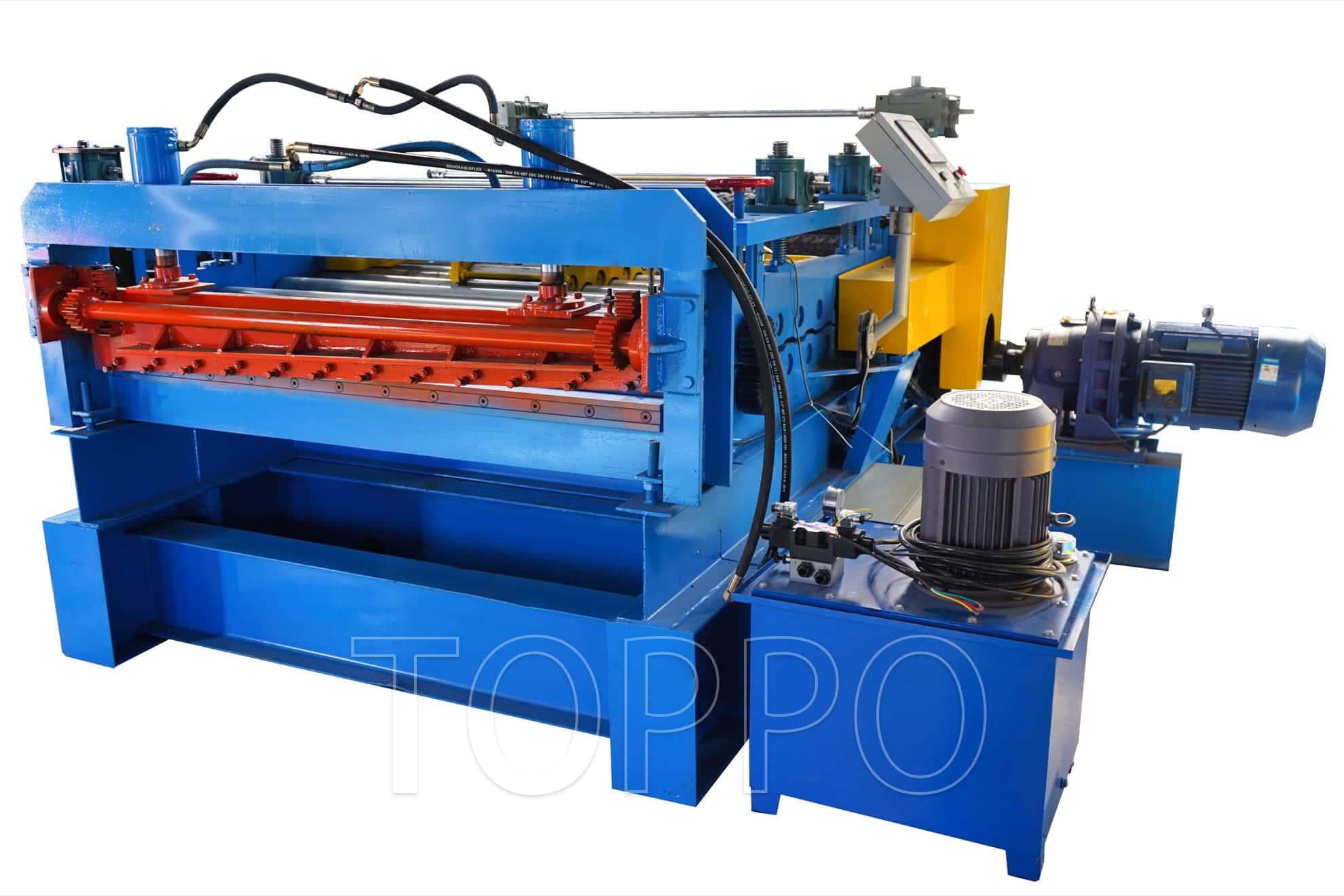
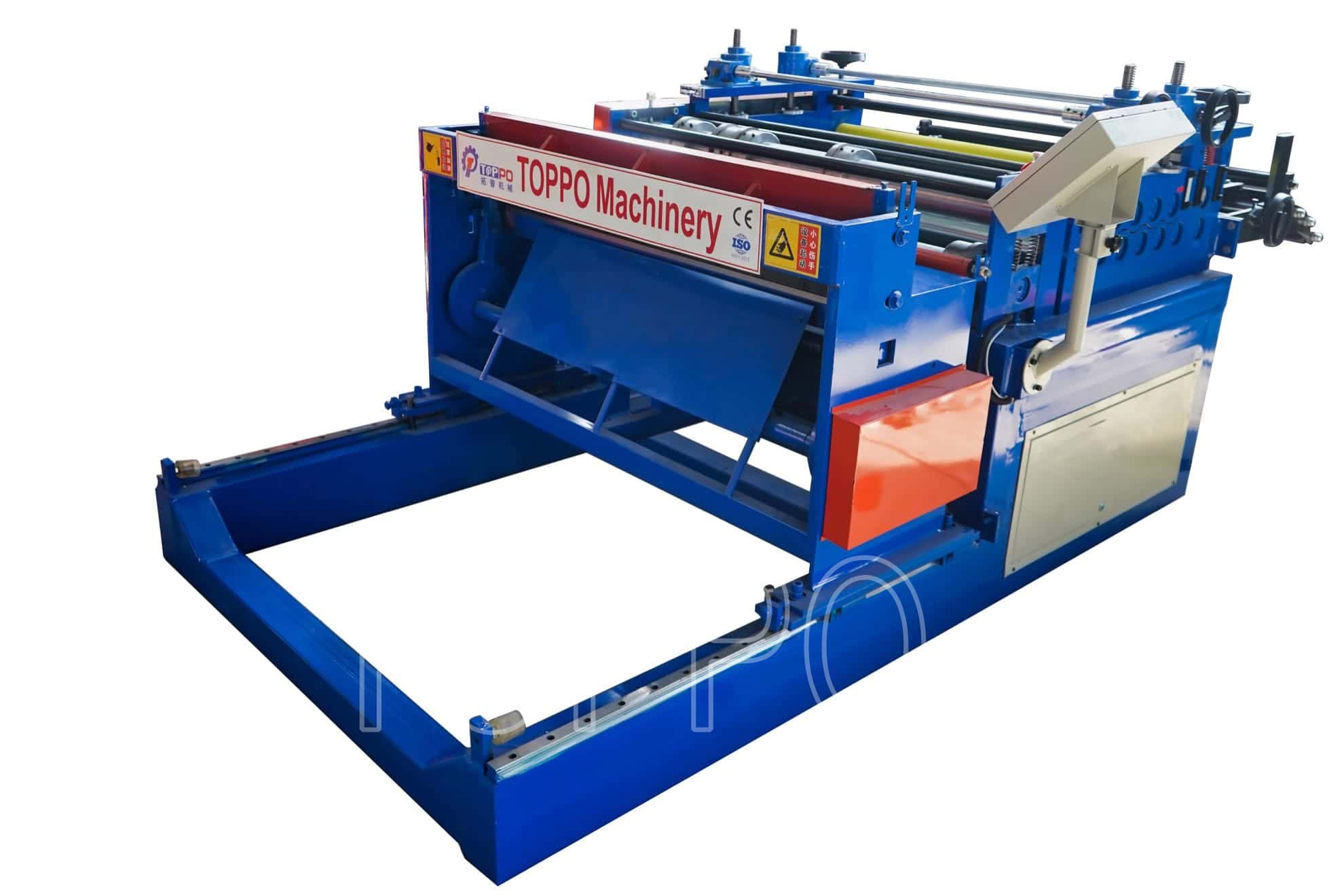
Decoiler
The decoiler supports and feeds the raw metal coil into the forming system.
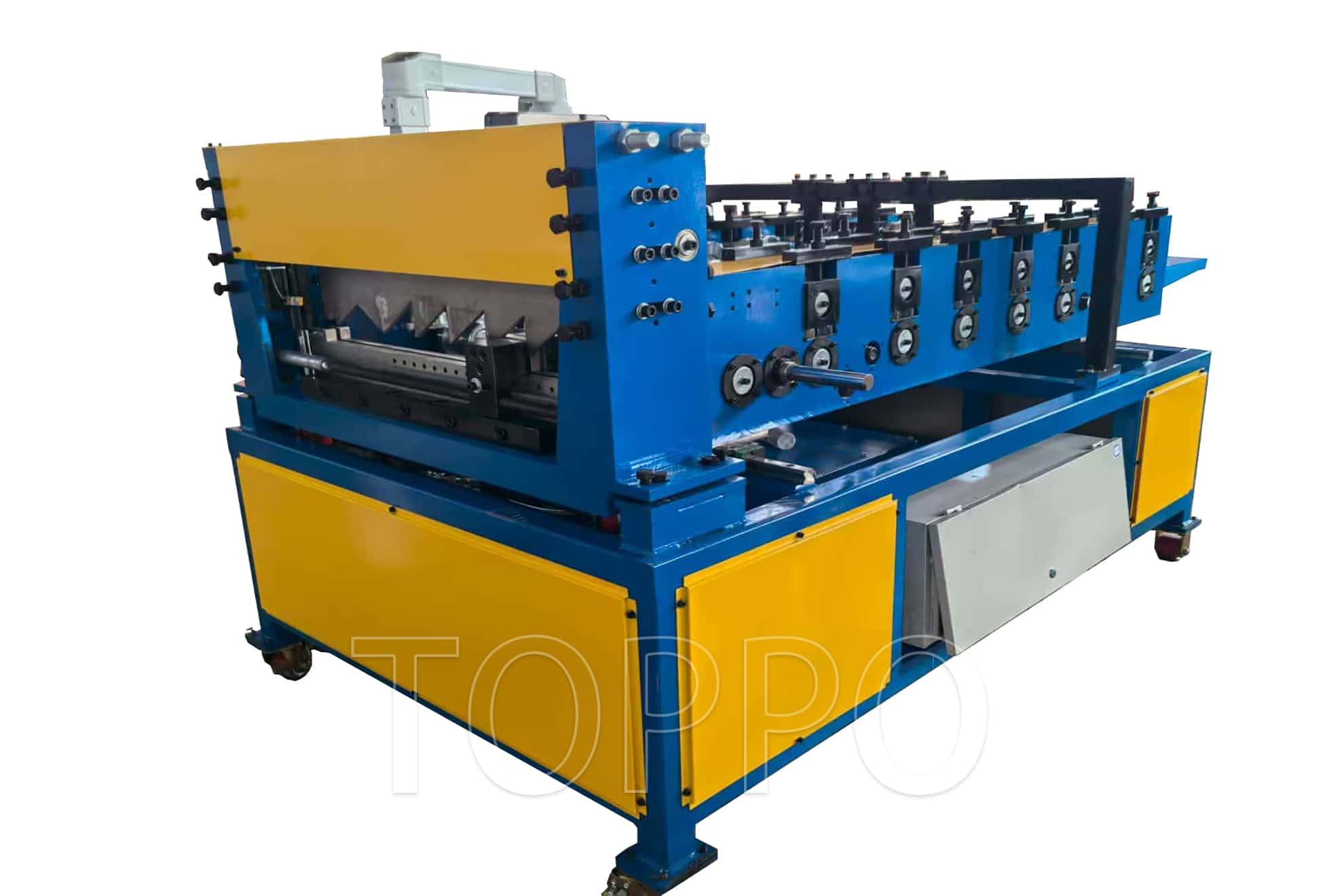
Feeding System
The feeding system guides the material and helps maintain stable entry into the forming rollers.
Roll Forming Machine
The roll forming section contains the roller stations that gradually shape the metal strip into the required tile profile.
Hydraulic Cutting System
The cutting system separates the formed sheet according to the required length and machine configuration.
PLC Control System
The PLC control system allows operators to manage supported production functions, such as length settings and production counting.
Automatic Stacking System
An automatic stacking system may be added when required to improve finished sheet handling and reduce repetitive manual work.
The final equipment configuration depends on the product profile, material specifications, production target, and customer's budget.
7. Factors That Affect Metal Roof Tile Production Quality
Producing consistent metal glazed roofing sheets requires suitable equipment, correct material selection, and proper operating procedures.
Profile Accuracy
The forming rollers must match the approved tile profile drawing. Incorrect roller geometry may result in dimensional deviations or an inconsistent finished shape.
Material Compatibility
The material thickness and mechanical properties must fall within the machine's supported range. Using unsuitable materials can affect forming quality and equipment performance.
Stable Feeding
Proper coil alignment and stable feeding help reduce material deviation during forming.
Cutting Performance
The cutting system must match the formed profile and required sheet dimensions. Correct adjustment helps achieve consistent lengths and acceptable cutting edges.
Regular Maintenance
Routine inspection and maintenance of rollers, bearings, hydraulic components, and electrical systems help maintain stable operation.
Following the manufacturer's operating instructions is essential for reliable long-term production.
8. How to Select a Suitable Metal Glazed Roof Tile Roll Forming Machine
Choosing the right machine starts with clearly defining your production requirements.
Before requesting a quotation, prepare the following information:
Required metal glazed roof tile profile drawing
Material type and thickness range
Raw material coil width
Required finished sheet lengths
Expected production capacity
Factory voltage, frequency, and phase
Required automation level
Destination country or shipping port
With these details, the manufacturer can evaluate the required roller design, cutting configuration, and auxiliary equipment.
When comparing suppliers, review the complete machine specifications, included components, delivery terms, warranty conditions, and technical support instead of considering the purchase price alone.
9. Why Choose TOPPO Machinery?
TOPPO Machinery specializes in roll forming equipment for metal roofing and building material production.
We understand that roofing manufacturers may have different requirements for tile profiles, raw materials, production capacity, and automation levels.
Our team can review your technical drawings and production requirements to discuss a suitable machine configuration for your project.
Whether you are starting a new metal roofing business or expanding an existing factory, selecting equipment that matches your actual production needs is an important step toward building a reliable manufacturing process.
Frequently Asked Questions
What materials can a metal glazed roof tile roll forming machine process?
Depending on the machine design, suitable materials may include pre-painted galvanized steel and galvanized steel. The supported material types and thickness range should be confirmed before ordering.
Can the machine manufacture customized roof tile profiles?
Customized profiles may be possible. Provide a technical drawing or sample so the manufacturer can evaluate the required roller design and cutting arrangement.
How are metal glazed roof tiles cut to length?
A suitable cutting system separates the formed roofing sheets according to the specified length. The cutting method depends on the machine configuration and profile requirements.
What determines the production speed?
Production speed depends on the machine design, material specifications, forming requirements, cutting method, and finished sheet handling process.
How can I obtain a quotation for a metal roof tile production line?
Send the manufacturer your profile drawing, material type, thickness range, coil width, production target, and electrical requirements. This information helps determine a suitable machine configuration and quotation.
Conclusion
The metal glazed roof tile manufacturing process involves raw material preparation, decoiling, roll forming, cutting, and finished sheet inspection. Each stage contributes to the consistency and quality of the final roofing product.
For manufacturers planning to invest in a Metal Glazed Roof Tile Roll Forming Machine, the most important steps are confirming the tile profile, selecting compatible materials, and choosing equipment that matches the required production capacity.
Planning to manufacture metal glazed roofing sheets?
Contact TOPPO Machinery with your tile profile drawing, material specifications, and production requirements. Our team can help you evaluate a suitable roll forming machine solution for your business.