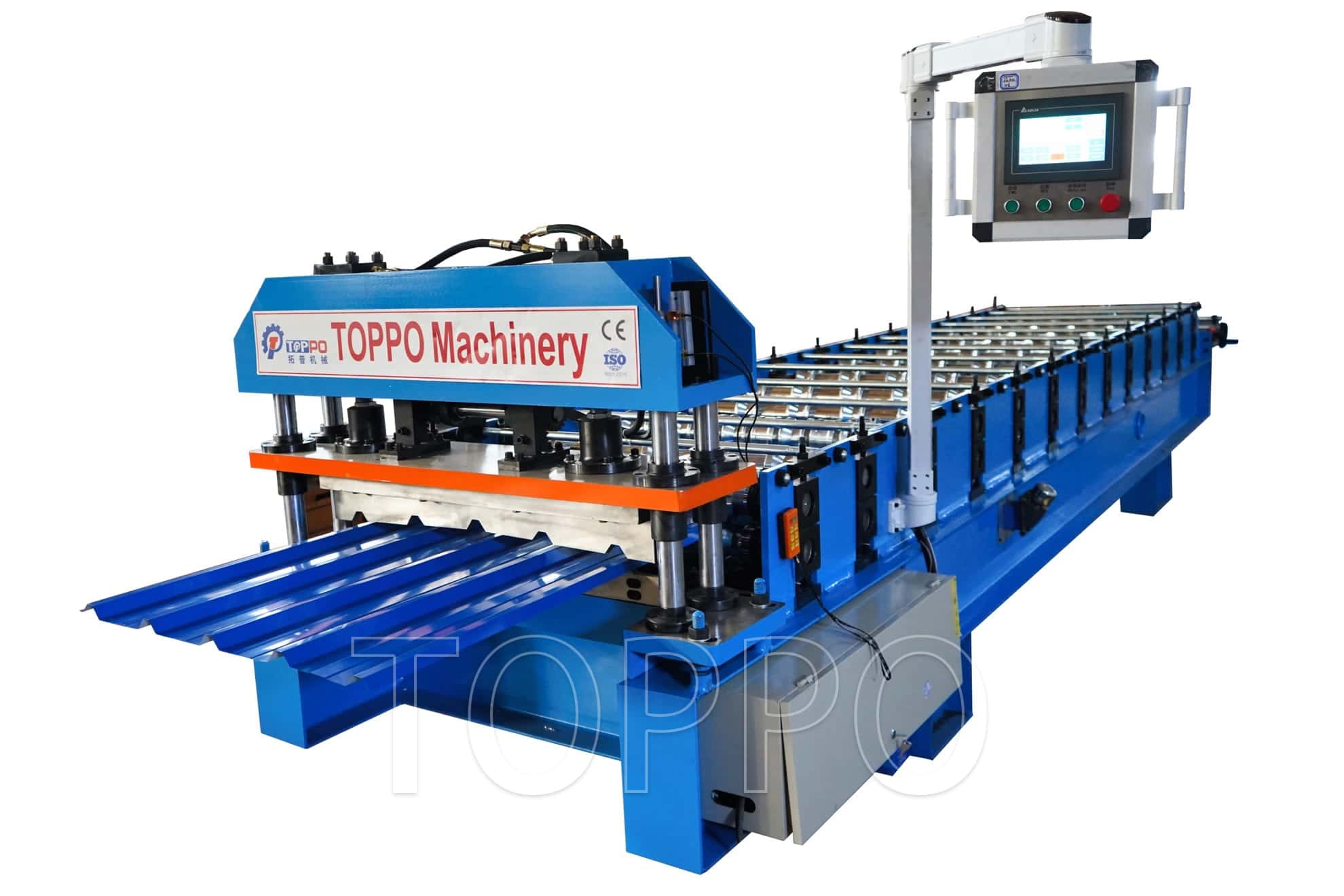
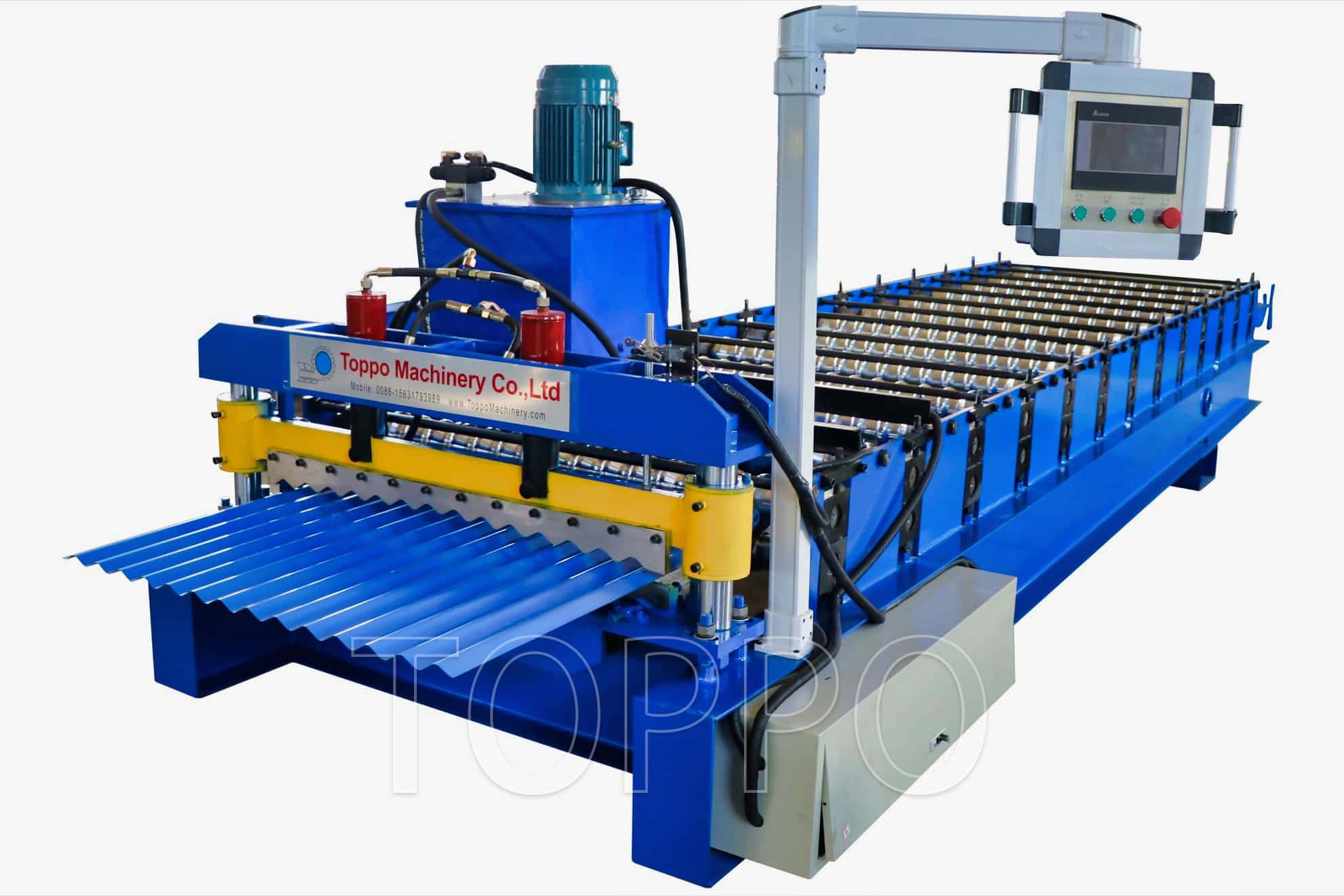
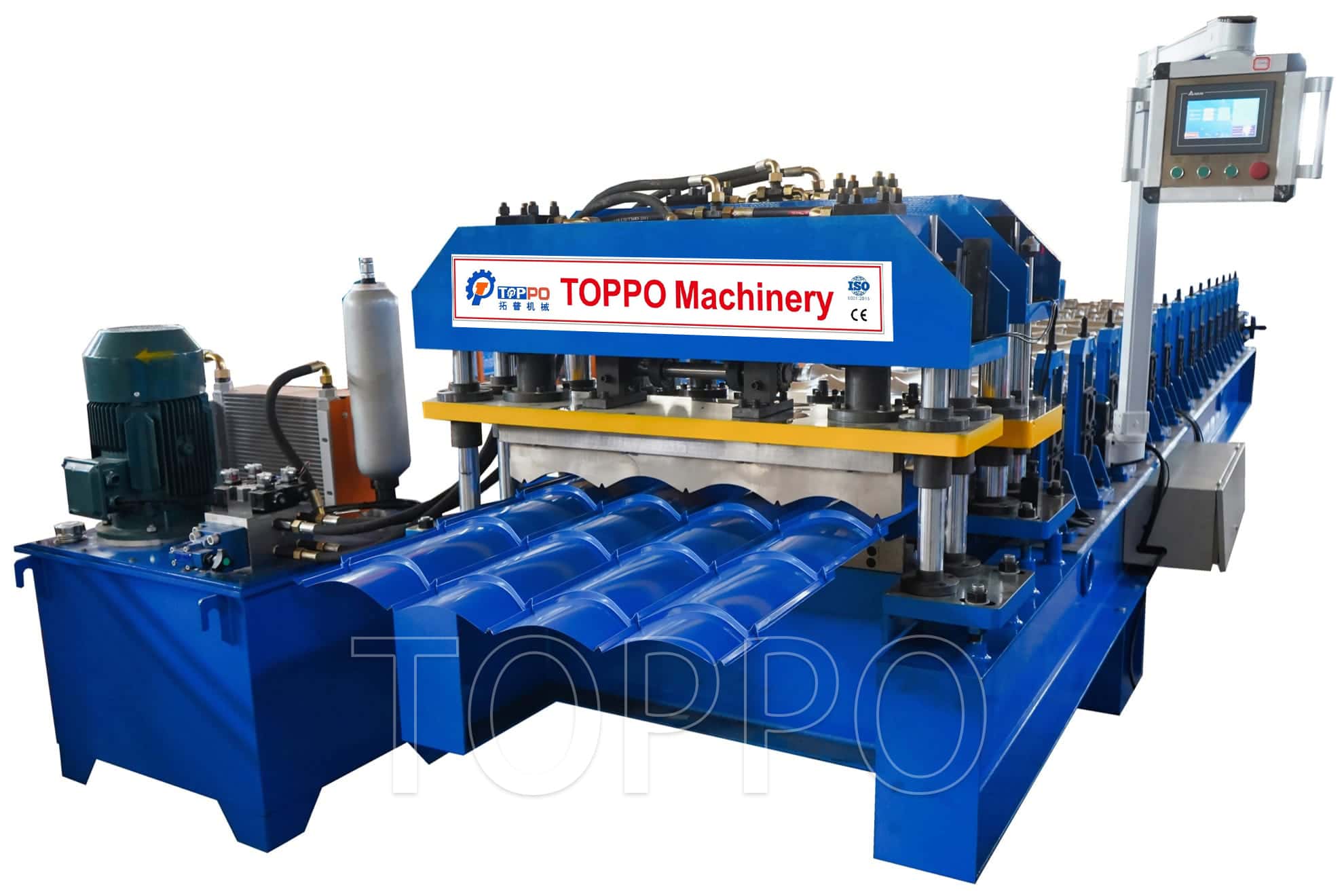
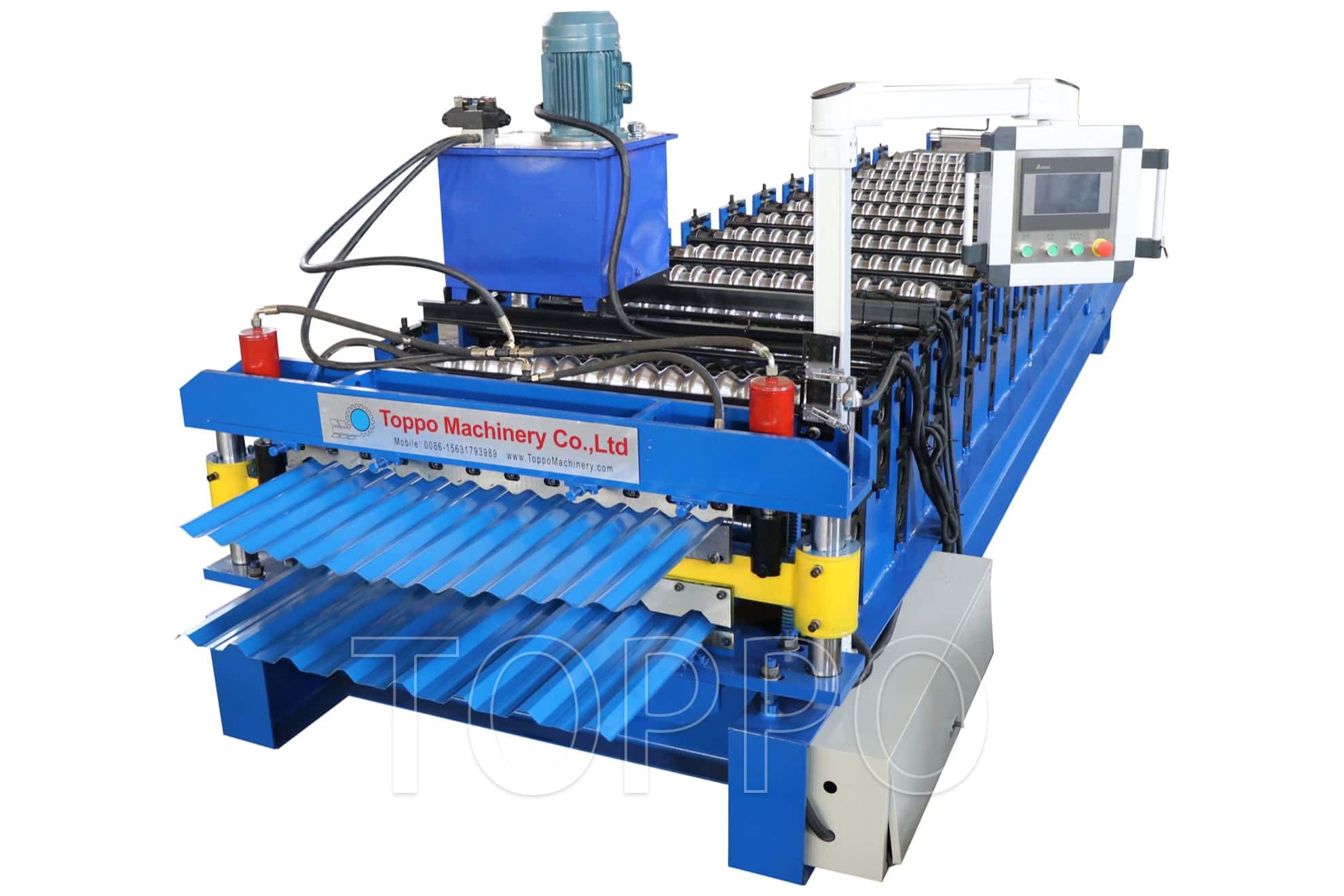
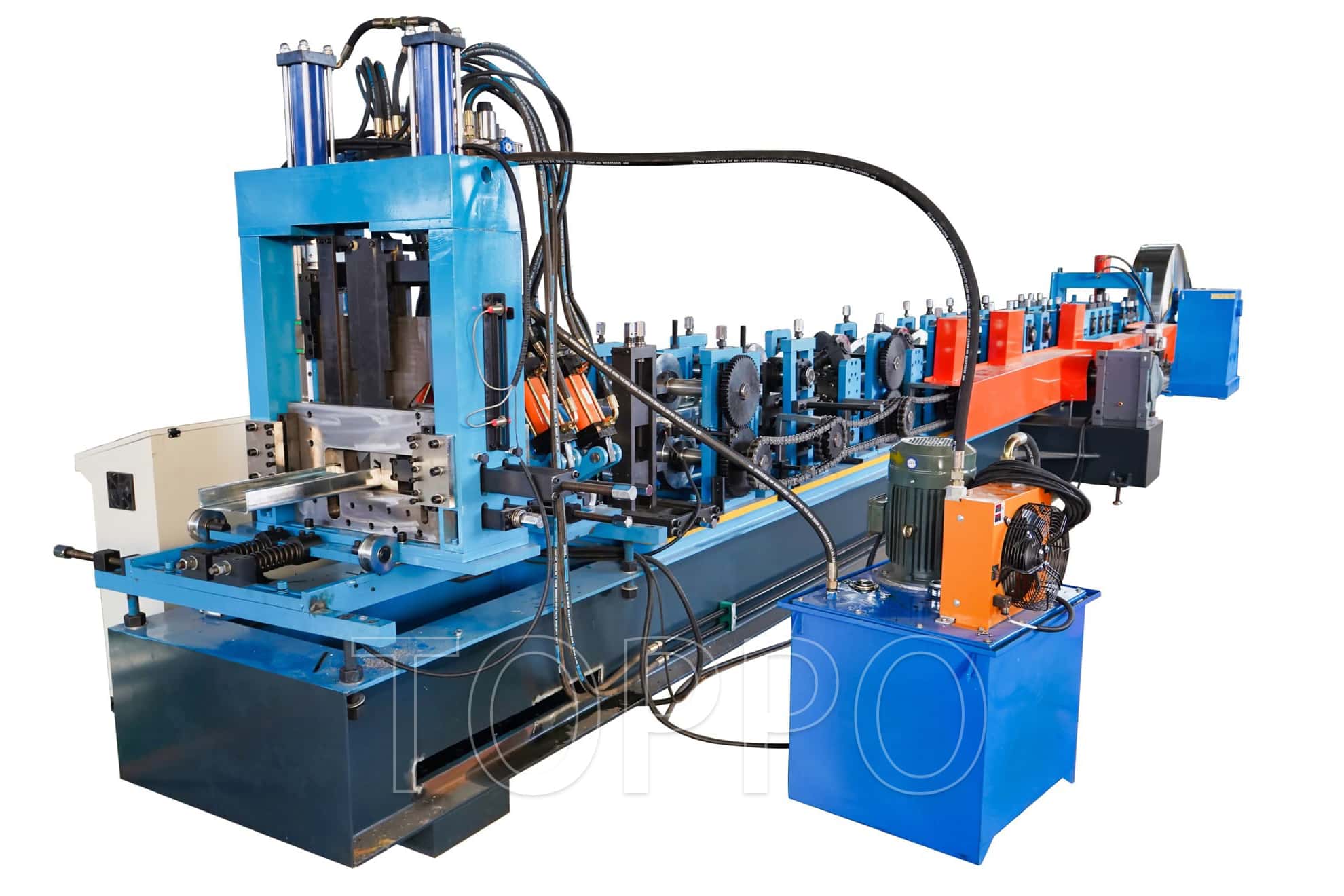
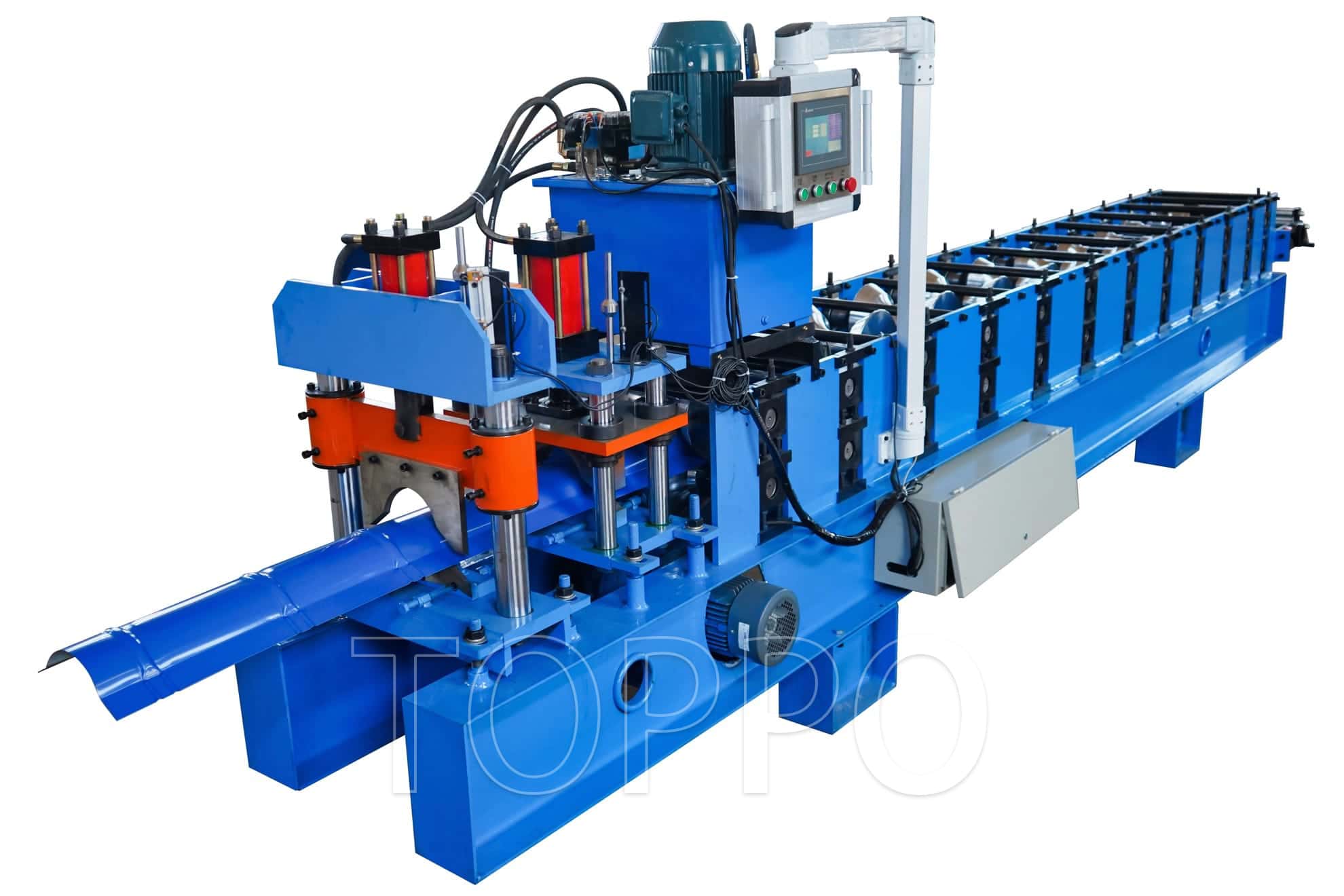
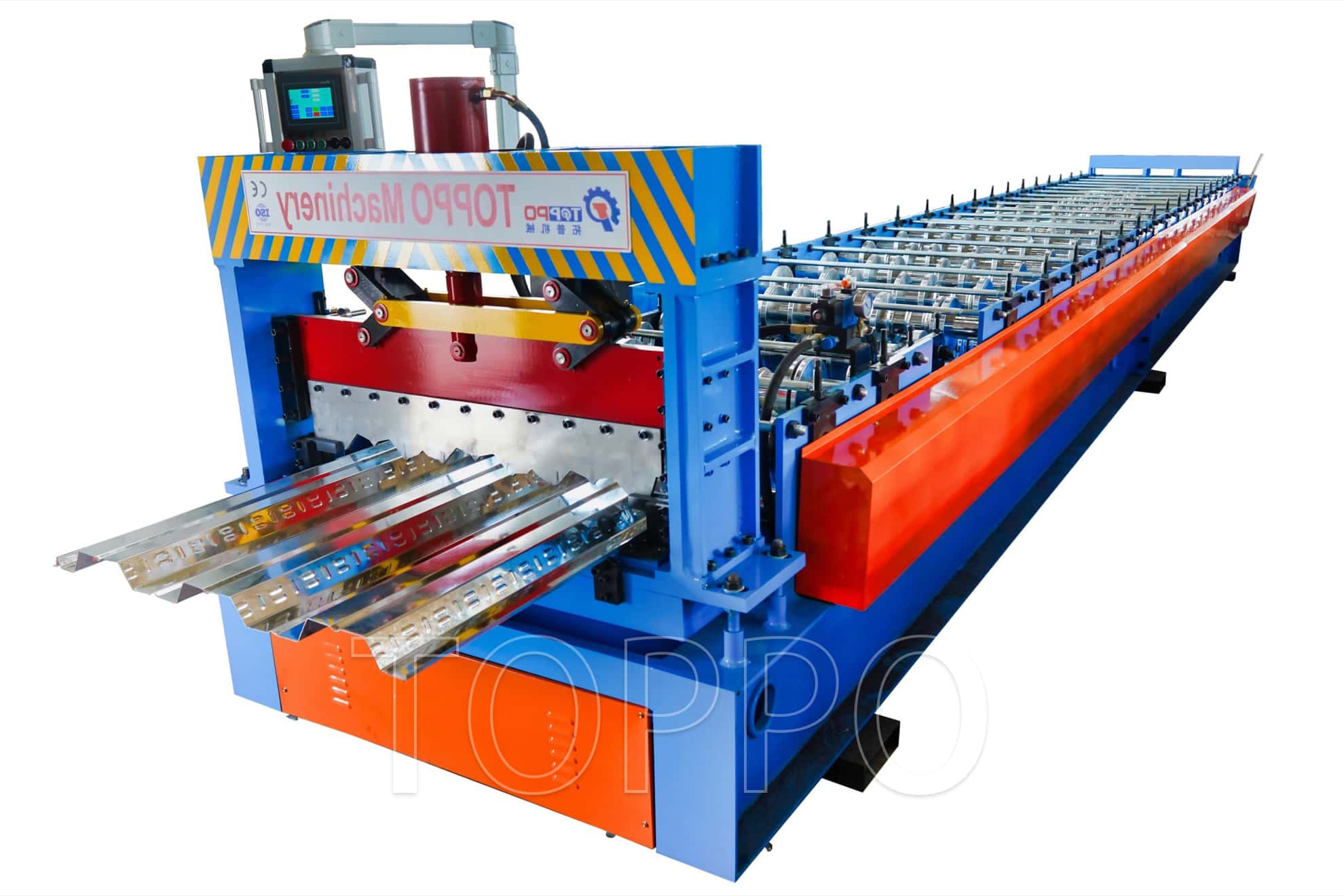
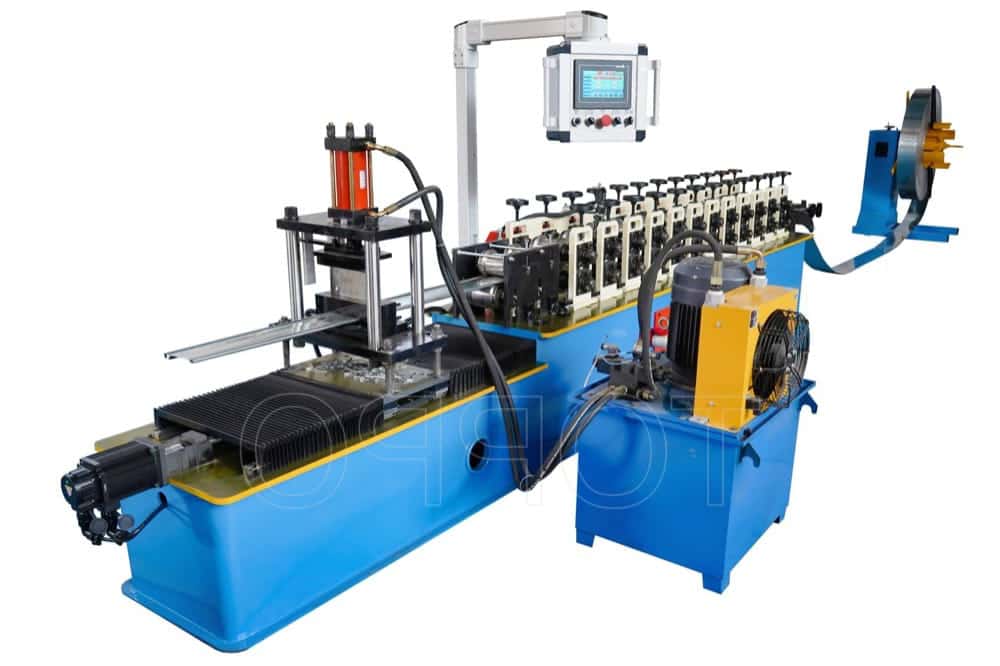
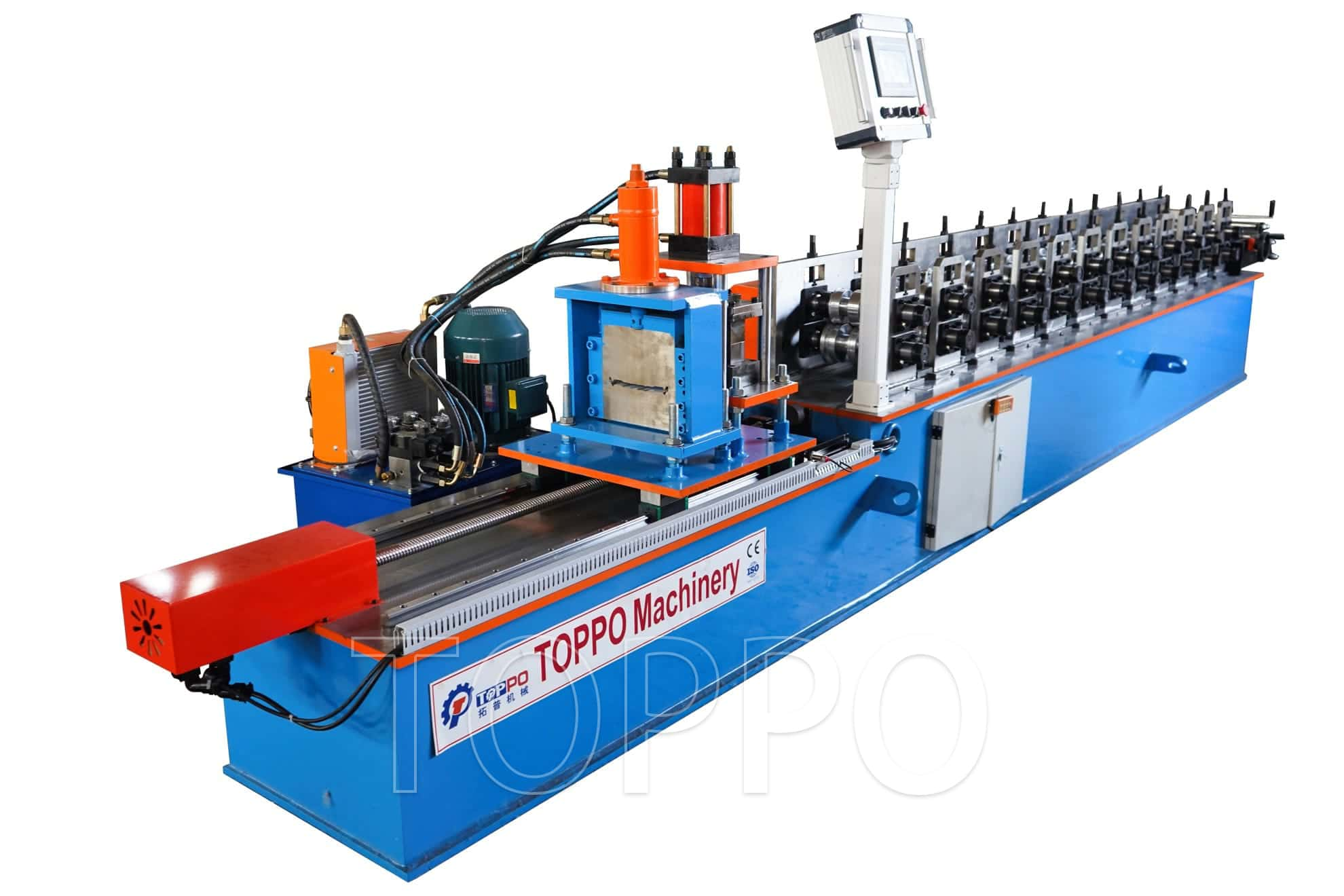
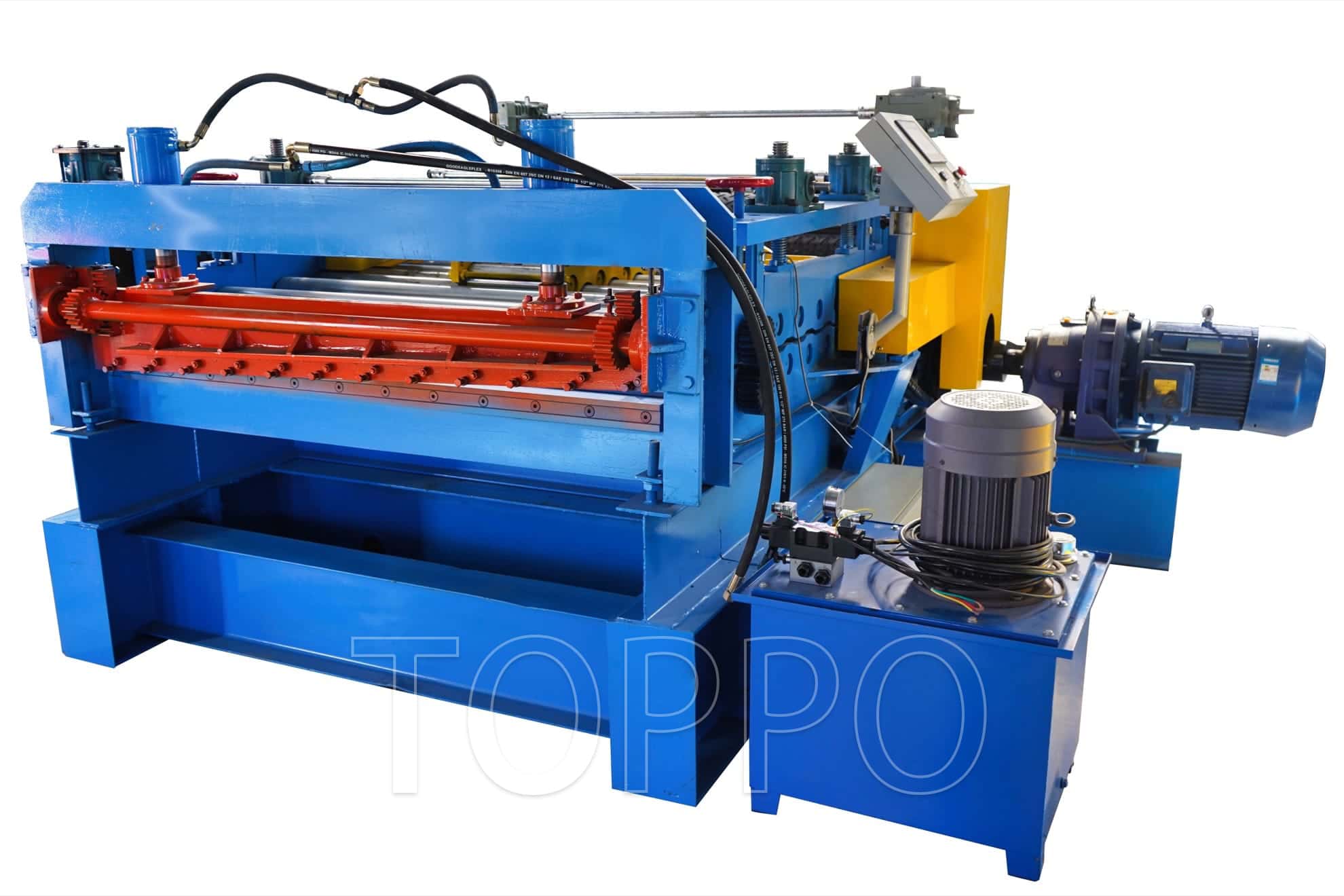
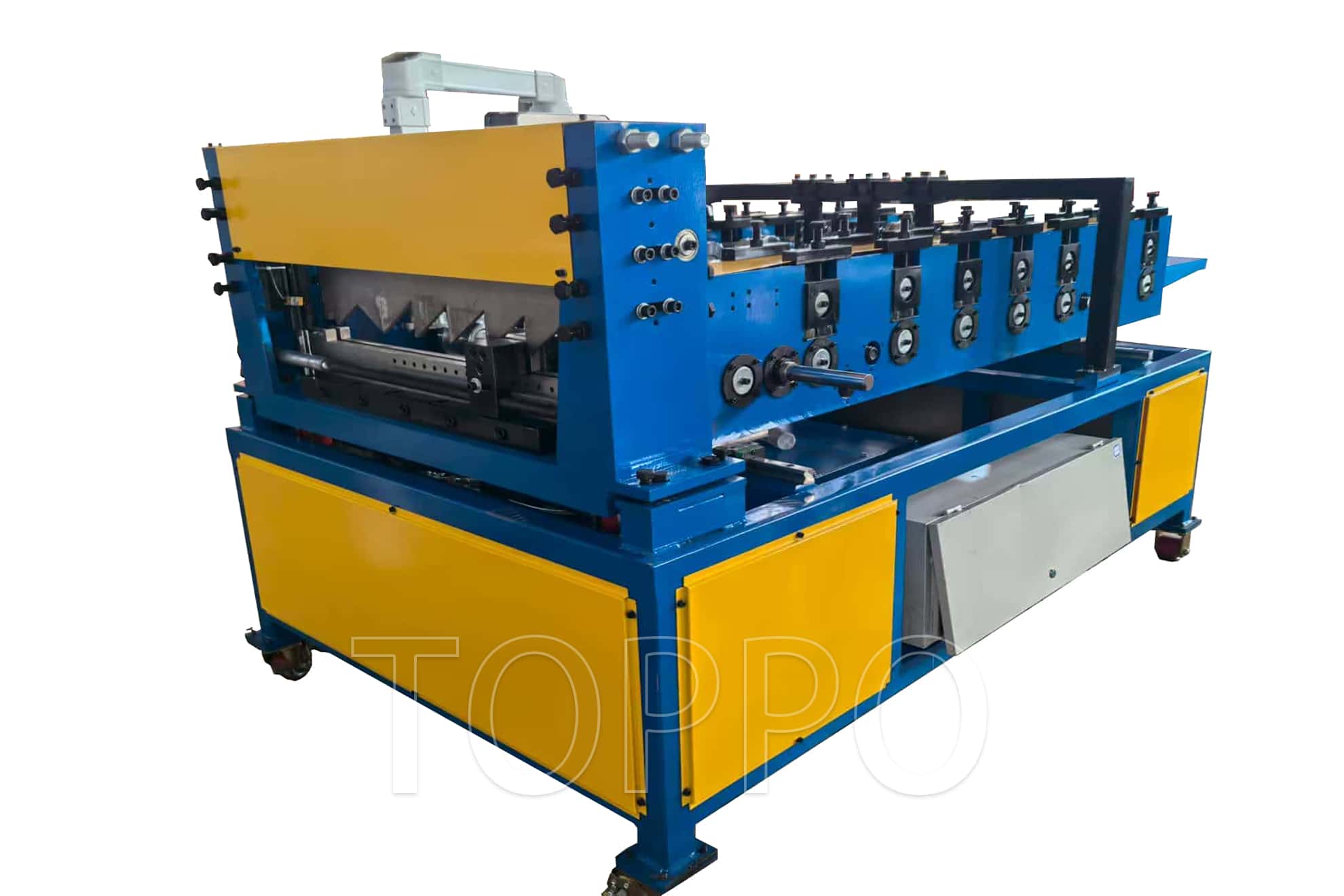
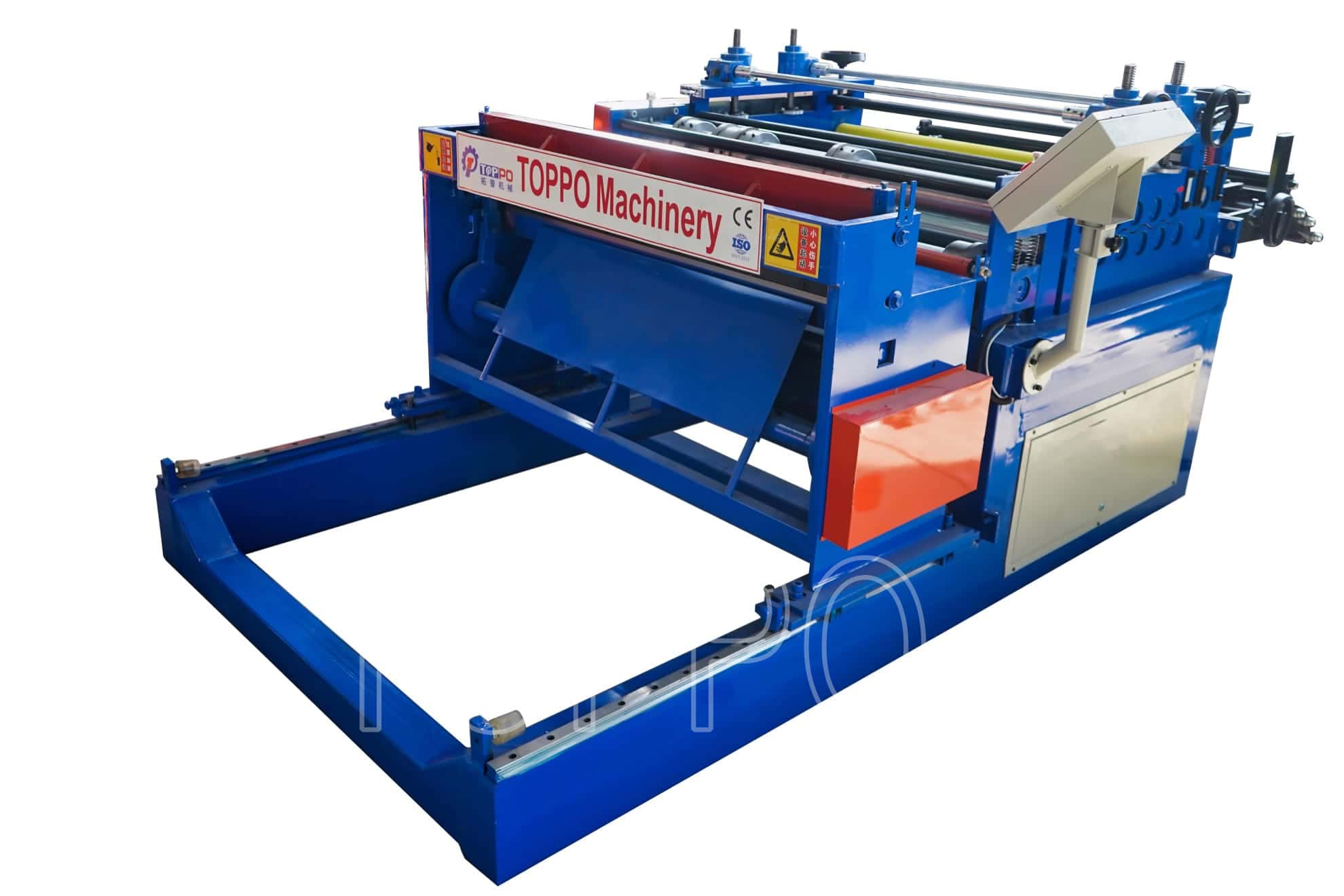
The Double Layer Roll Forming Machine is an advanced cold roll forming solution engineered to produce two different metal profiles using one integrated machine structure. By stacking two sets of roll forming stations vertically, this machine significantly reduces factory space requirements while improving production flexibility and efficiency.
Machine Type: Double layer cold roll forming machine
Working Layers: Upper layer + lower layer
Forming Profiles: Two different profiles (customizable)
Raw Material Type: GI, PPGI, PPGL, aluminum, steel coil
Material Thickness: 0.3–0.8 mm (customizable)
Coil Width: According to profile drawing
Yield Strength: ≤ 350 MPa
Forming Speed: 10–25 m/min
Roller Stations: 14–20 stations per layer
Roller Material: GCr15 bearing steel, heat treated
Shaft Diameter: 70–90 mm
Shaft Material: 45# steel with quenching & tempering
Main Frame Thickness: 16–20 mm steel plate
Cutting Type: Hydraulic cutting
Cutter Material: Cr12 with heat treatment
Cutting Tolerance: ±1 mm
Drive System: Chain drive / Gearbox drive
Main Motor Power: 5.5–11 kW
Hydraulic Station Power: 4–7.5 kW
Control System: PLC automatic control
PLC Brand: Siemens / Delta / Panasonic (optional)
Touch Screen: HMI interface
Voltage: 380V / 50Hz / 3 Phase (customizable)
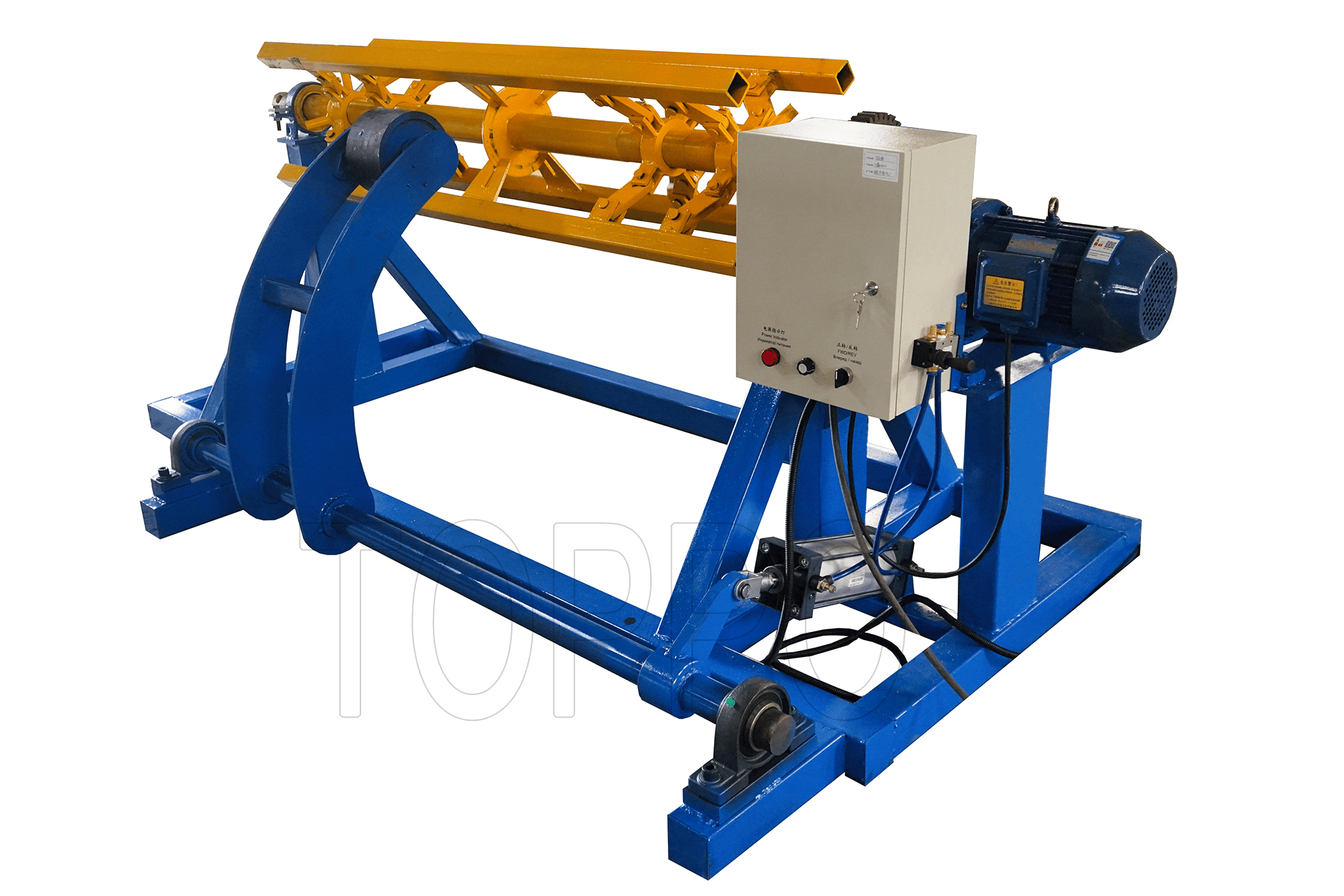
Decoiler Type: Manual or hydraulic decoiler
Decoiler Capacity: 5–10 tons
Profile Change Method: Switch working layer
Operation Mode: Fully automatic
Production Accuracy: High precision forming
Noise Level: Low operation noise
Energy Consumption: Energy-saving design
Surface Finish: Smooth, scratch-free
Machine Structure: Strong welded steel frame
Safety System: Emergency stop & safety covers
Maintenance: Easy maintenance design
Installation: Overseas installation support
Training: Operator training provided
Machine Lifetime: Long service life
Customization: Profile and size customizable
OEM Service: Available
This double layer roll forming machine is ideal for manufacturers who need to produce multiple roofing or wall panel profiles with limited workshop space. The integrated design reduces equipment investment, improves production efficiency, and allows quick switching between profiles without changing rollers.
Widely used in industrial buildings, warehouses, steel structure workshops, residential roofing, wall cladding systems, and construction material factories.