Advanced Strategies for Multi-Profile Production with Double Layer Roofing Machines
Roofing manufacturers today face increasing demand for diversified panel designs. Industrial buildings, warehouses, commercial centers, and residential homes all require different roofing profiles. Instead of investing in multiple independent production lines, many factories turn to a double layer roofing sheet roll forming machine to achieve flexibility and cost efficiency. However, maximizing its output requires technical precision, structured implementation, and disciplined operation.
1. Understanding the Dual-Layer Structure
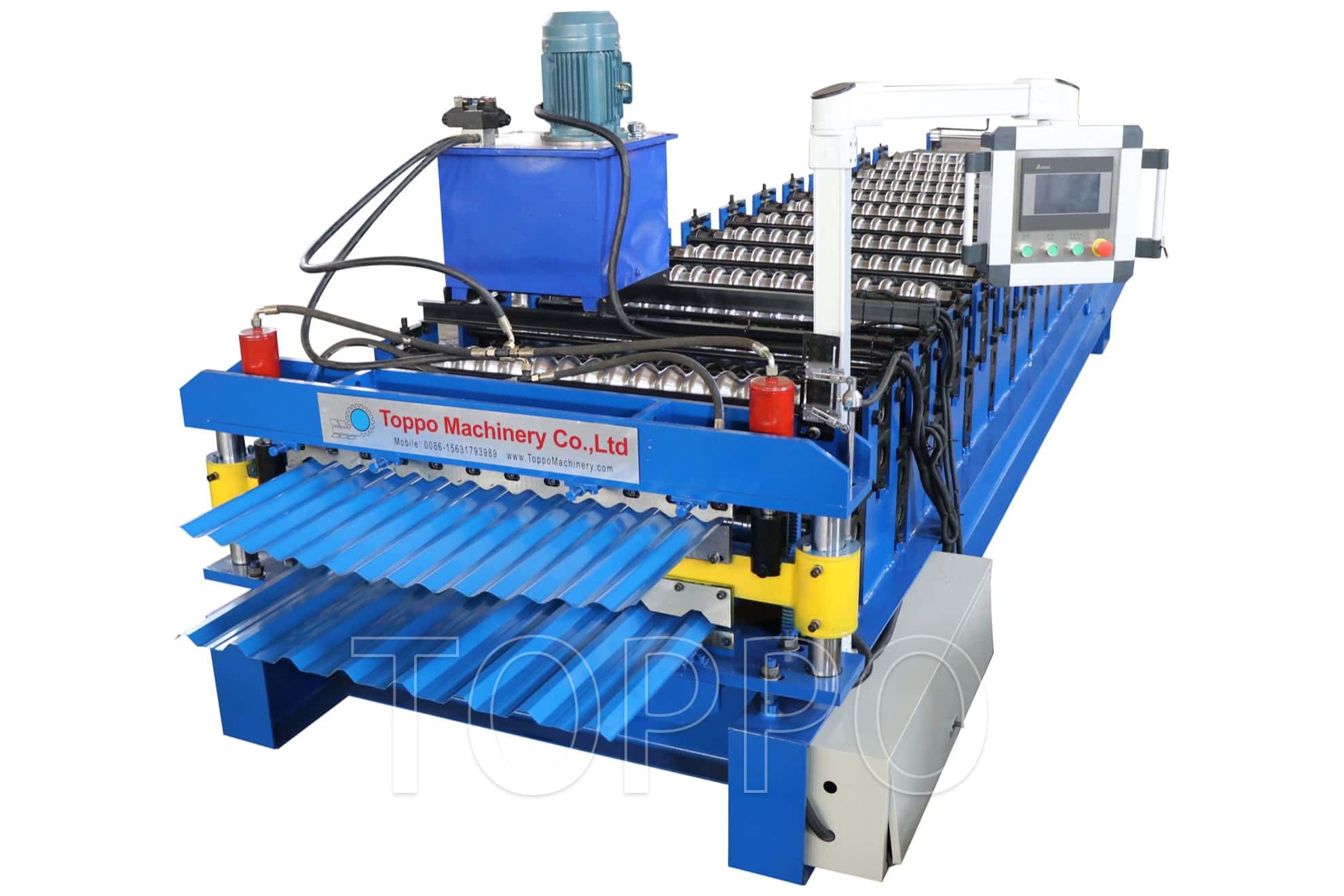
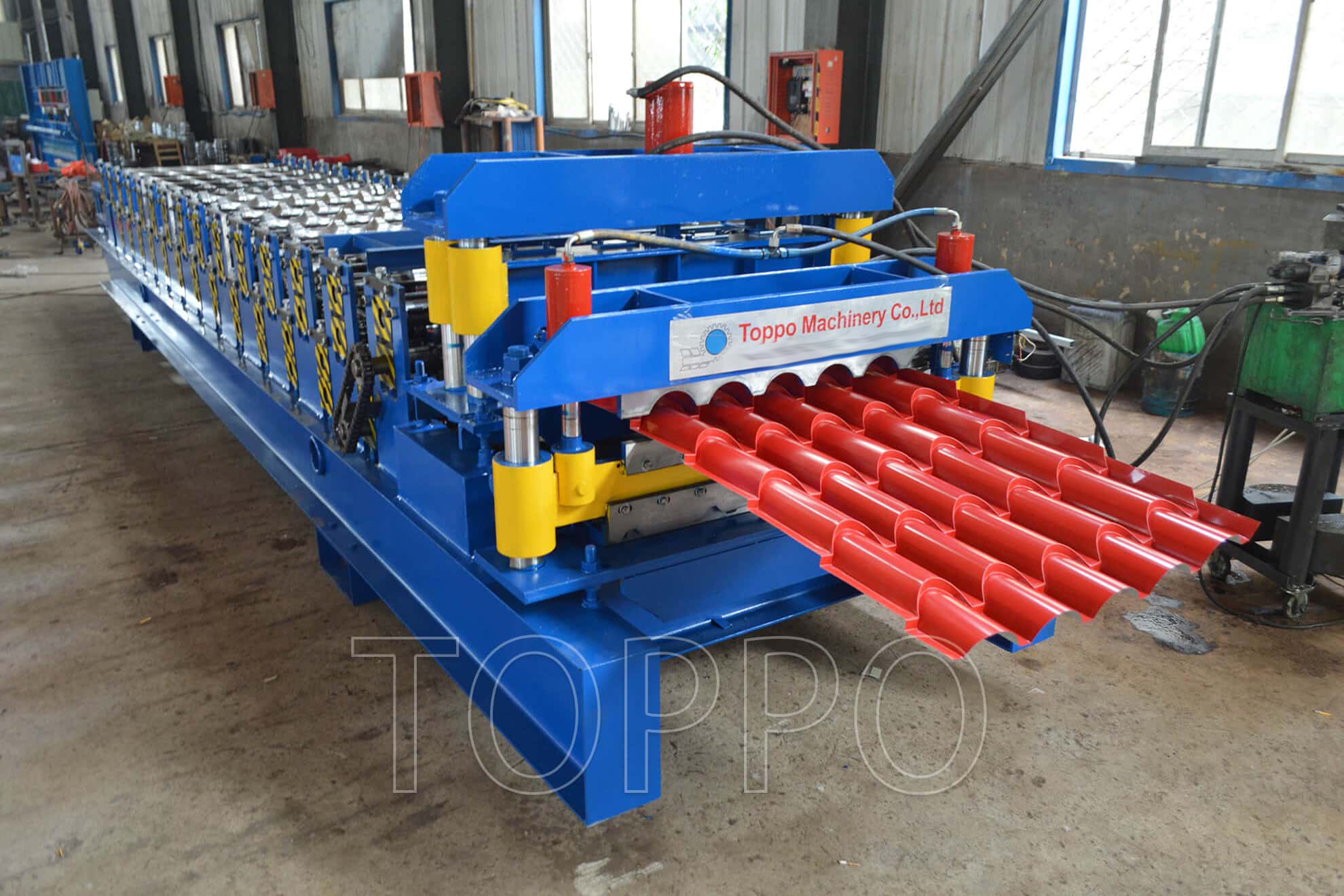
A double layer roofing sheet roll forming machine integrates two forming systems within a single machine frame. Each layer has dedicated roller stations and a cutting mechanism, while sharing a hydraulic station and PLC control cabinet. Operators can switch between the upper and lower layers to produce different roofing profiles such as trapezoidal sheets and corrugated panels.
Compared to installing two separate lines, this solution significantly reduces workshop space requirements. When compared with a traditional roof panel making machine, the double-layer design offers greater versatility while minimizing capital investment.
2. Step-by-Step Implementation Procedures
Step 1: Technical Specification Confirmation
Before installation, confirm raw material thickness range, coil width, yield strength, and coating type. One common mistake is processing steel outside the rated thickness range, which can cause roller overload and permanent deformation.
Step 2: Foundation and Alignment
The equipment must be installed on a reinforced concrete foundation. Use laser leveling tools to ensure perfect horizontal alignment. Even minor misalignment may lead to uneven roller pressure and inconsistent rib height.
Step 3: Roller Gap Calibration
Each layer of the double layer roll forming machine must be calibrated independently. The roller gap should precisely match sheet thickness. Excessive pressure may damage coating surfaces and shorten bearing life, while insufficient pressure results in wave defects.
Step 4: PLC Programming and Encoder Testing
Accurate cutting length depends on correct PLC parameter settings. Input target length, batch quantity, and tolerance values carefully. Always test encoder accuracy before full-speed production to avoid cumulative cutting errors.
Step 5: Trial Production
Run 3–5 sample sheets on both layers. Measure effective width, diagonal tolerance, rib symmetry, and cutting burr quality. Fine adjustments at this stage can significantly reduce material waste.
3. Production Capacity and Profile Flexibility
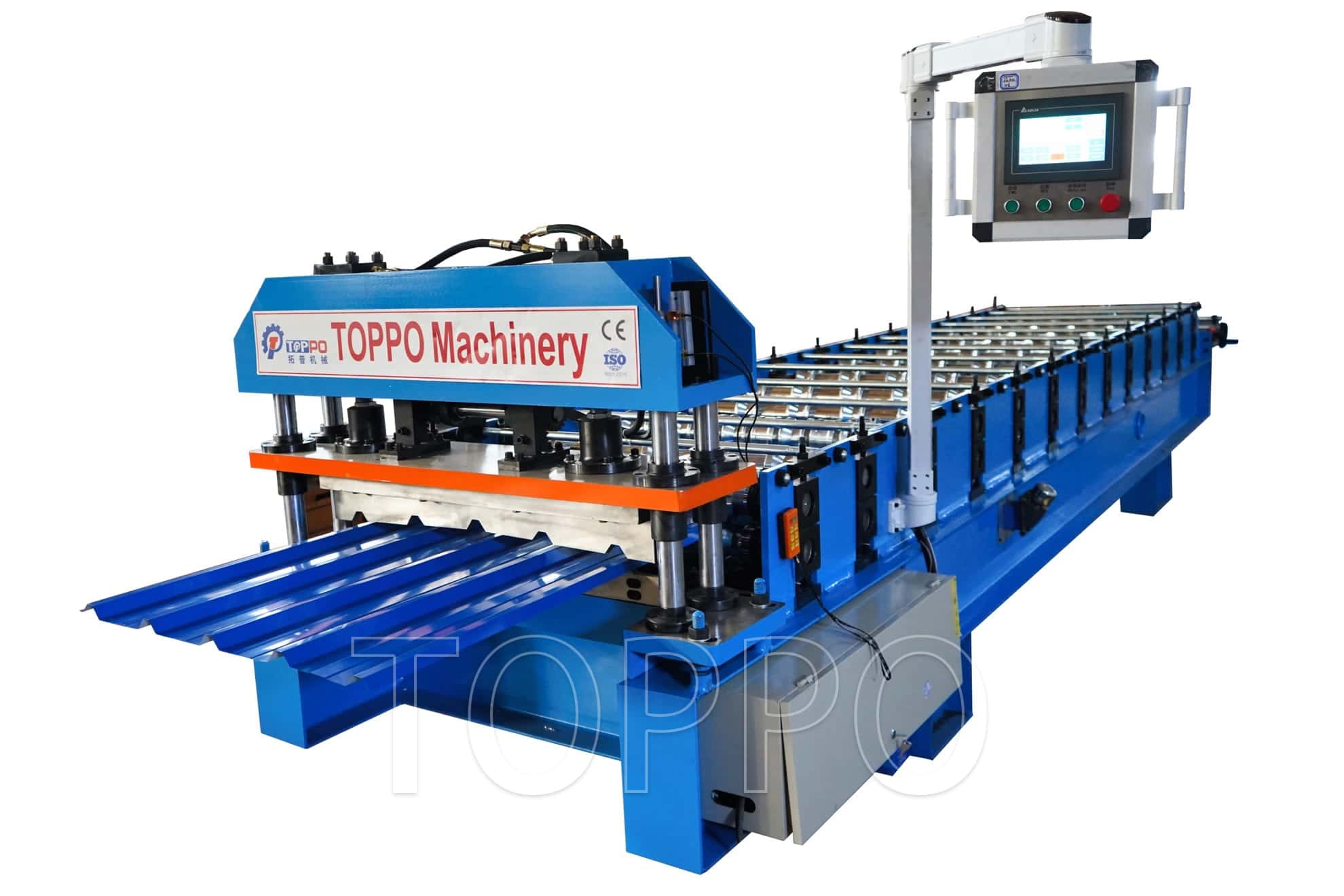
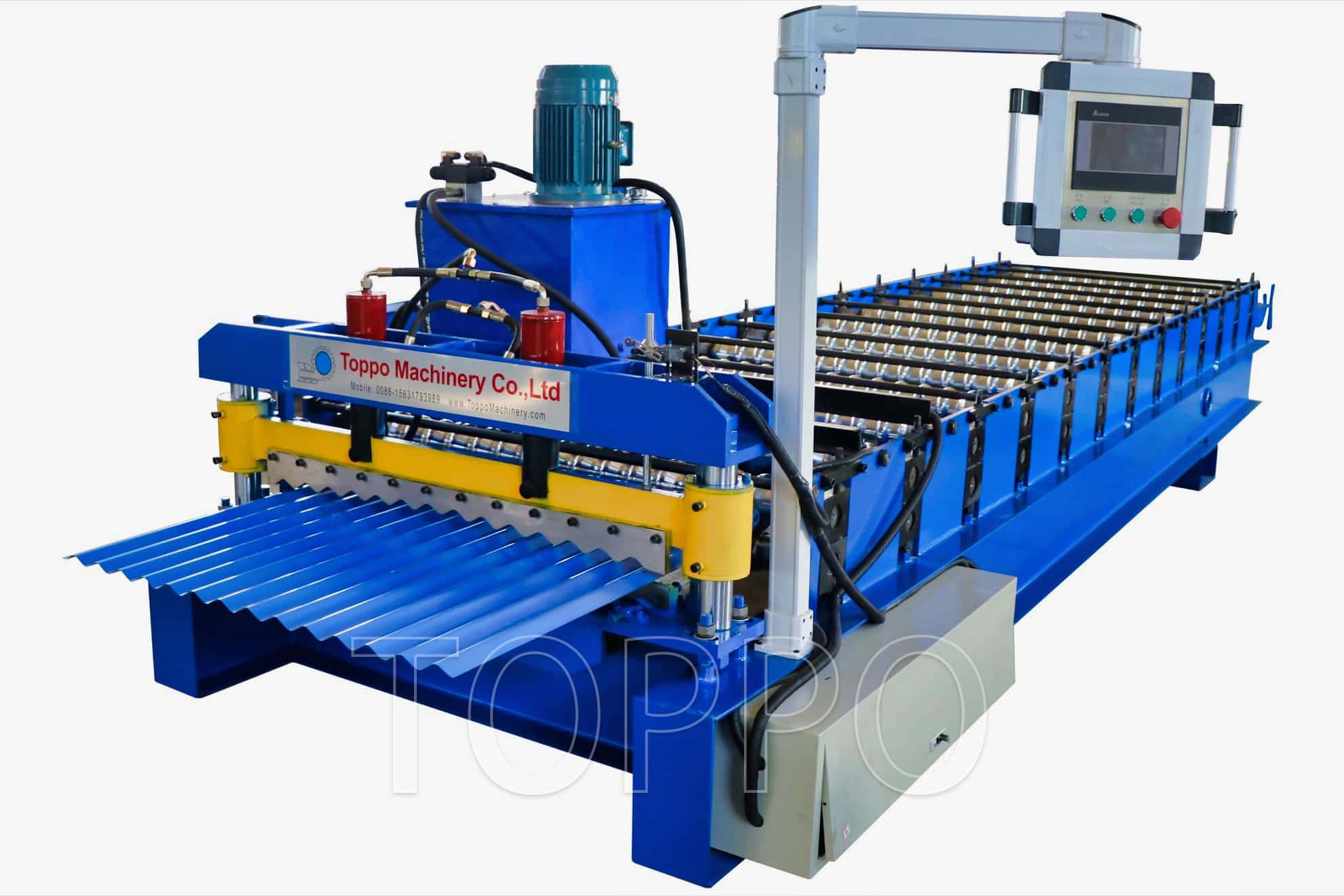
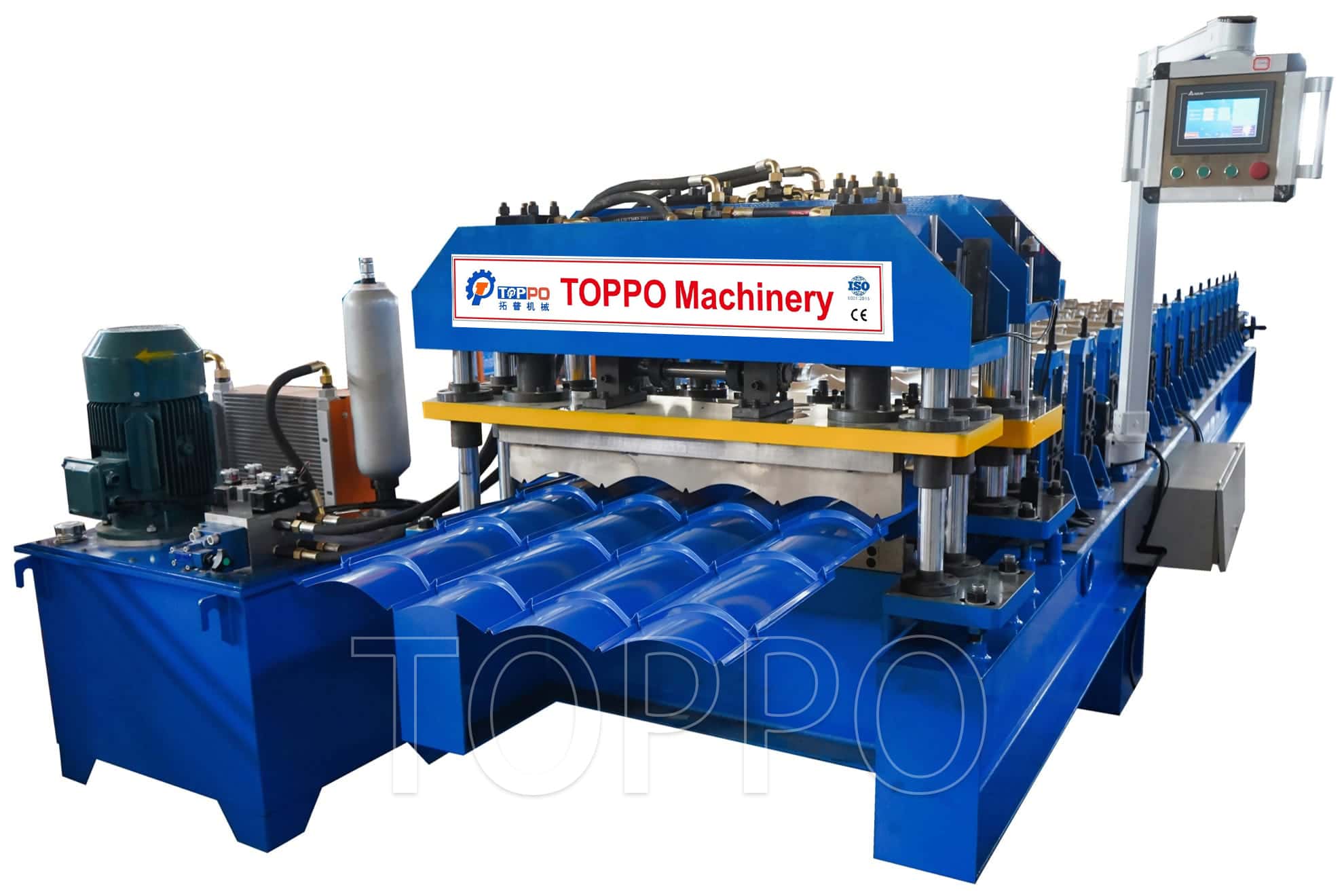
Under standard configuration, a double layer roofing sheet roll forming machine produces two profiles—one per layer. However, by replacing roller sets and cutting molds, manufacturers can expand production to four or more profile types. This modular capability transforms the equipment into a scalable long-term investment.
Compared with running multiple roof panel making machine systems, the dual-layer configuration reduces energy consumption and simplifies operator training.
4. Common Mistakes and How to Avoid Them
Mistake 1: Improper Layer Switching
Operators sometimes switch layers without completely stopping the active system. A double layer roll forming machine requires full shutdown of one layer before activating the other to prevent mechanical shock and gearbox damage.
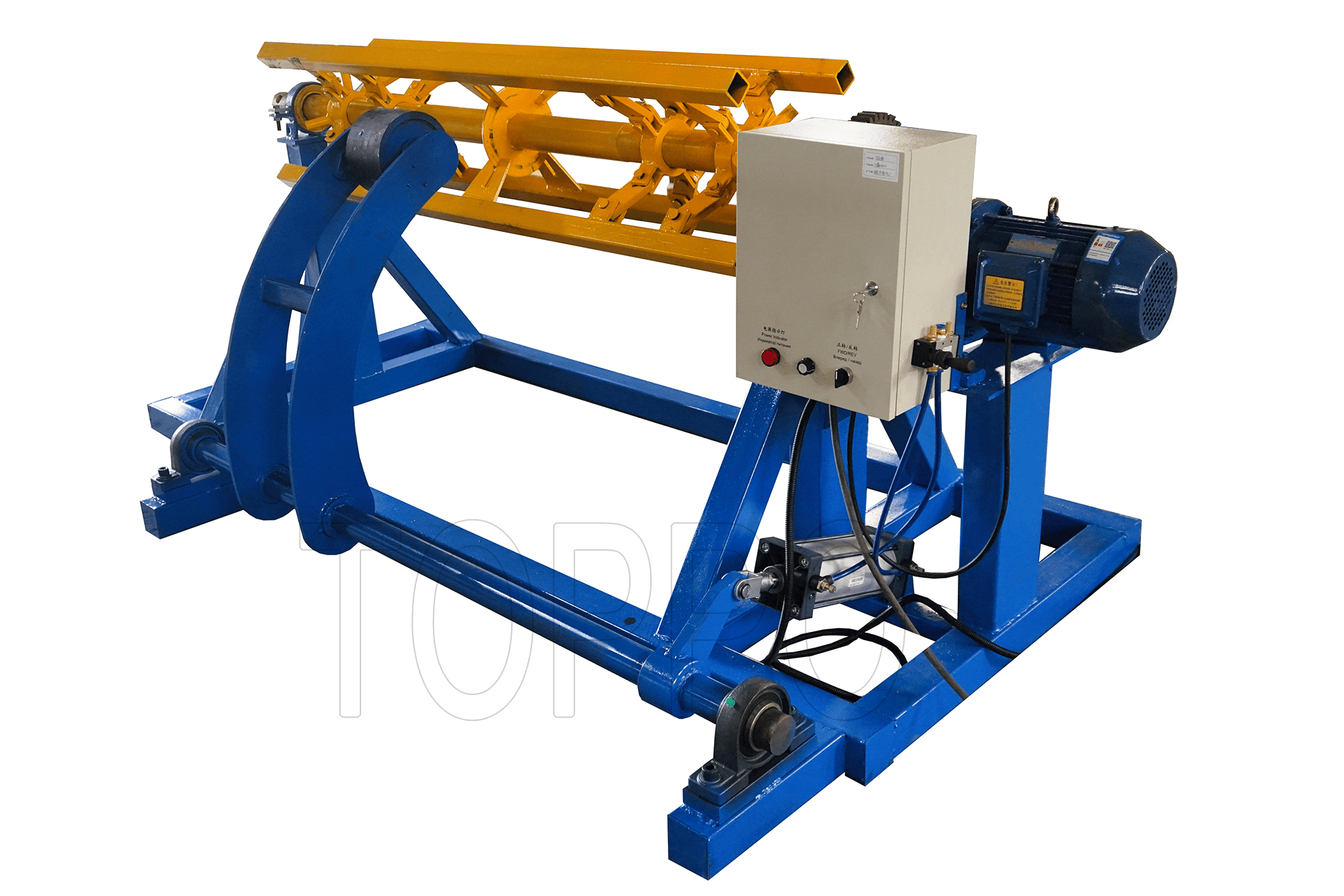
Mistake 2: Ignoring Decoiler Tension
Incorrect braking force on the decoiler may cause sheet misalignment and profile deviation. Always adjust coil tension based on material thickness and forming speed.
Mistake 3: Blade Misalignment
Improper blade clearance leads to burr formation and uneven edges. Regular blade inspection and calibration are essential, especially when processing high-strength galvanized steel.
5. Practical Case Study
A roofing manufacturer in Eastern Europe invested in a double layer roofing sheet roll forming machine to supply both industrial trapezoidal sheets and residential corrugated panels. During the first month of operation, they observed inconsistent rib heights on the lower layer.
After technical inspection, engineers discovered slight foundation misalignment causing uneven roller pressure. By re-leveling the machine and recalibrating the roller gaps, defect rates decreased by 58%. During peak construction seasons, the company supplemented production with an additional roof panel making machine to handle large-volume standard orders, while reserving the dual-layer system for customized production. This strategic allocation improved delivery efficiency by nearly 30%.
6. Maintenance and Long-Term Stability
- Lubricate roller bearings and chain drives weekly.
- Inspect hydraulic oil quality and replace filters regularly.
- Check PLC wiring connections monthly.
- Calibrate cutting blades according to production intensity.
With systematic preventive maintenance, a double layer roofing sheet roll forming machine can operate reliably for over a decade, maintaining dimensional precision and consistent output.
7. Key Recommendations for Maximum Efficiency
To fully leverage a double layer roll forming machine, manufacturers should focus on precise installation, disciplined operational procedures, and continuous monitoring of forming pressure. Avoid exceeding rated speed limits and always verify raw material compatibility before starting production.
When implemented correctly, a double layer roofing sheet roll forming machine not only increases profile variety but also strengthens competitiveness in global roofing markets by combining flexibility, efficiency, and cost control.
SEO Keywords: double layer roofing sheet roll forming machine, roof panel making machine, double layer roll forming machine, metal roofing roll former, roofing sheet roll forming machine, steel roll forming machine
READ MORE: