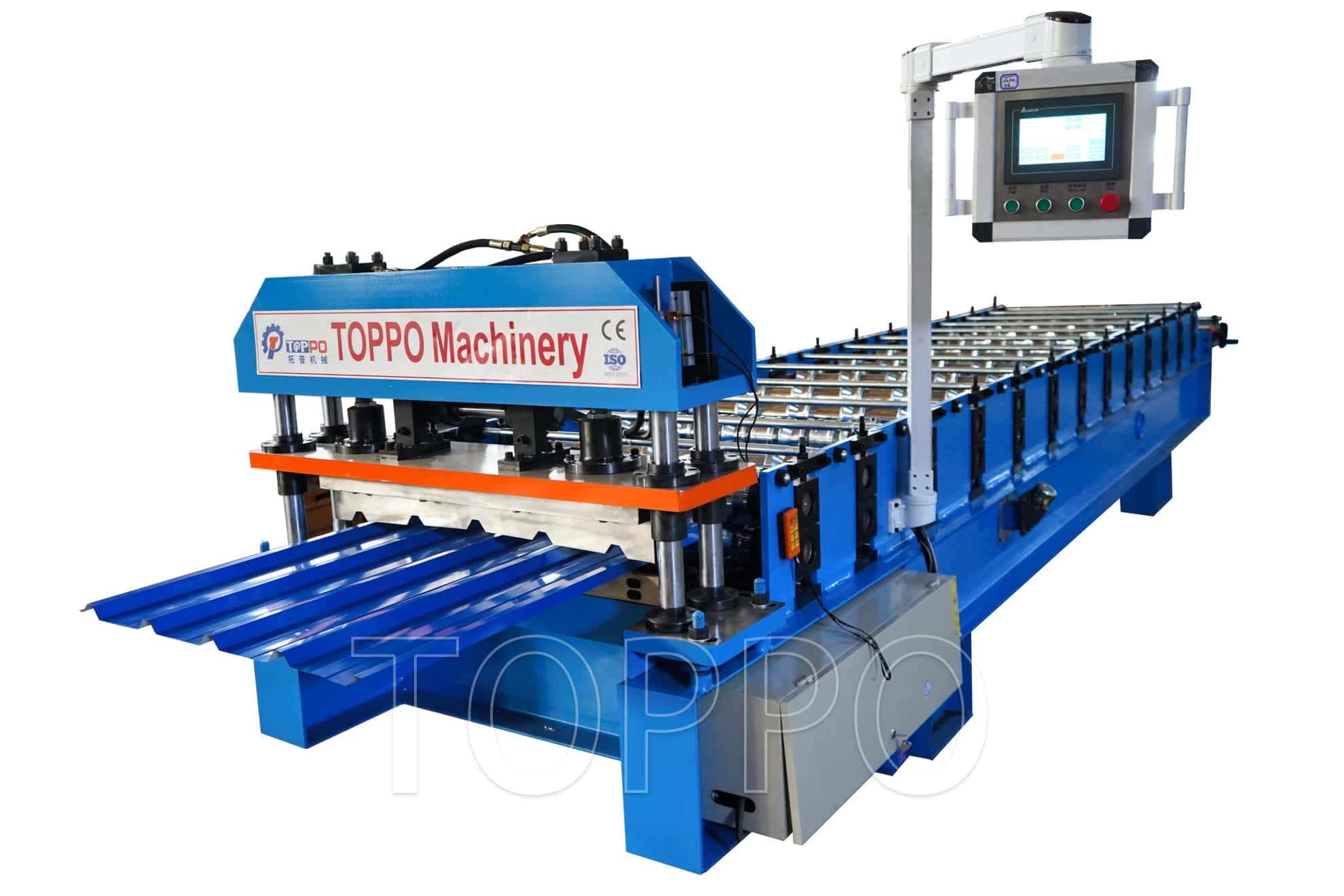
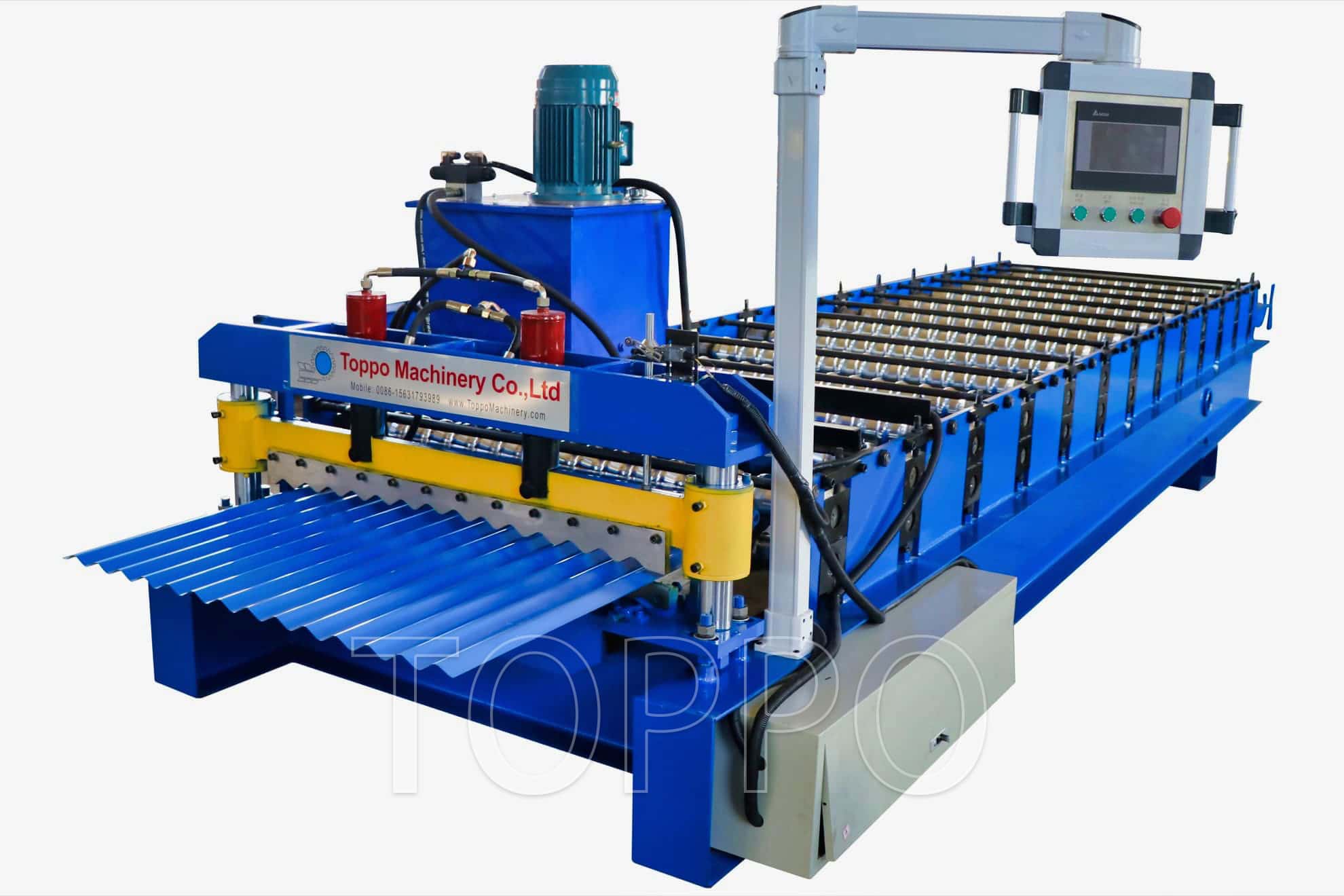
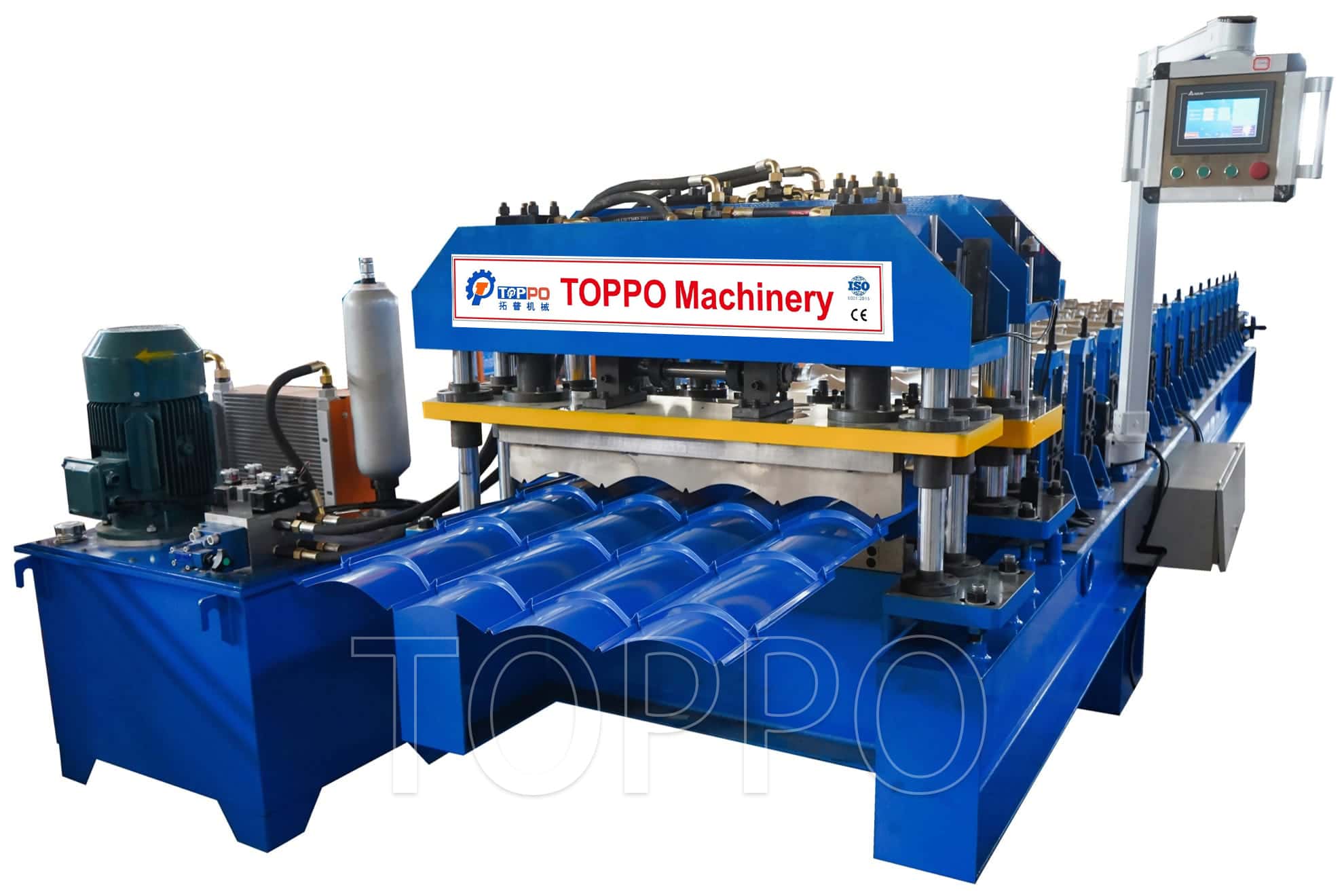
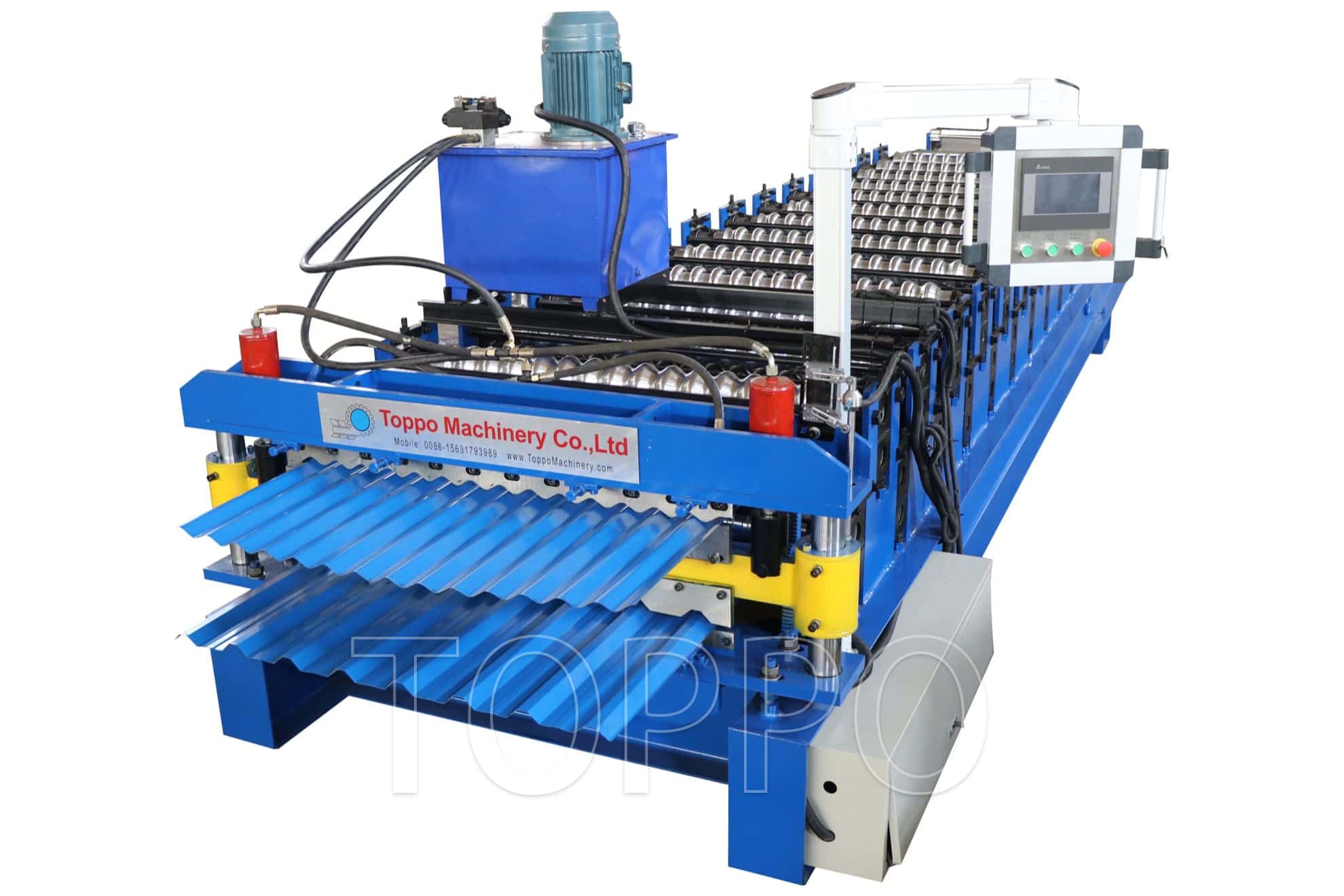
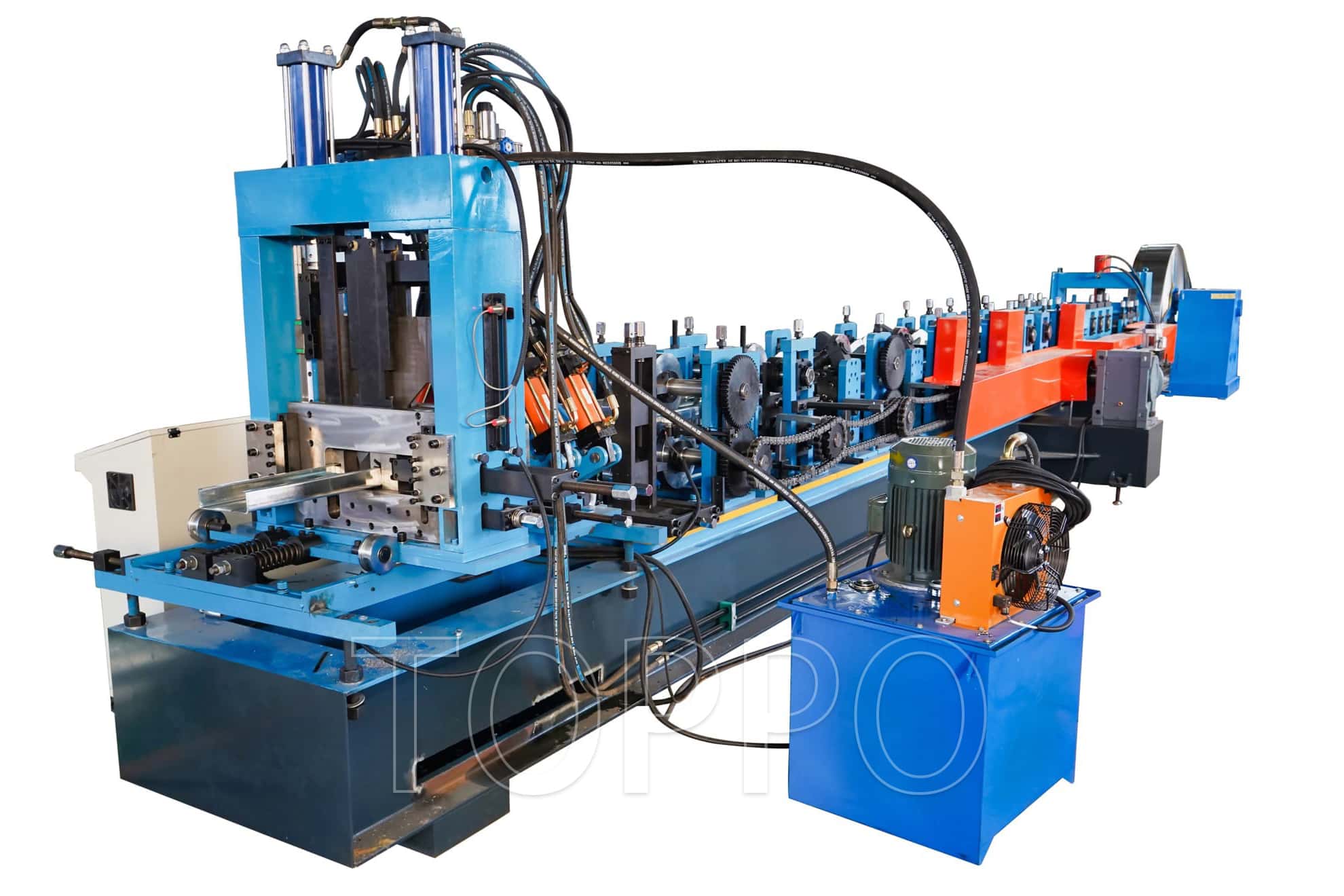
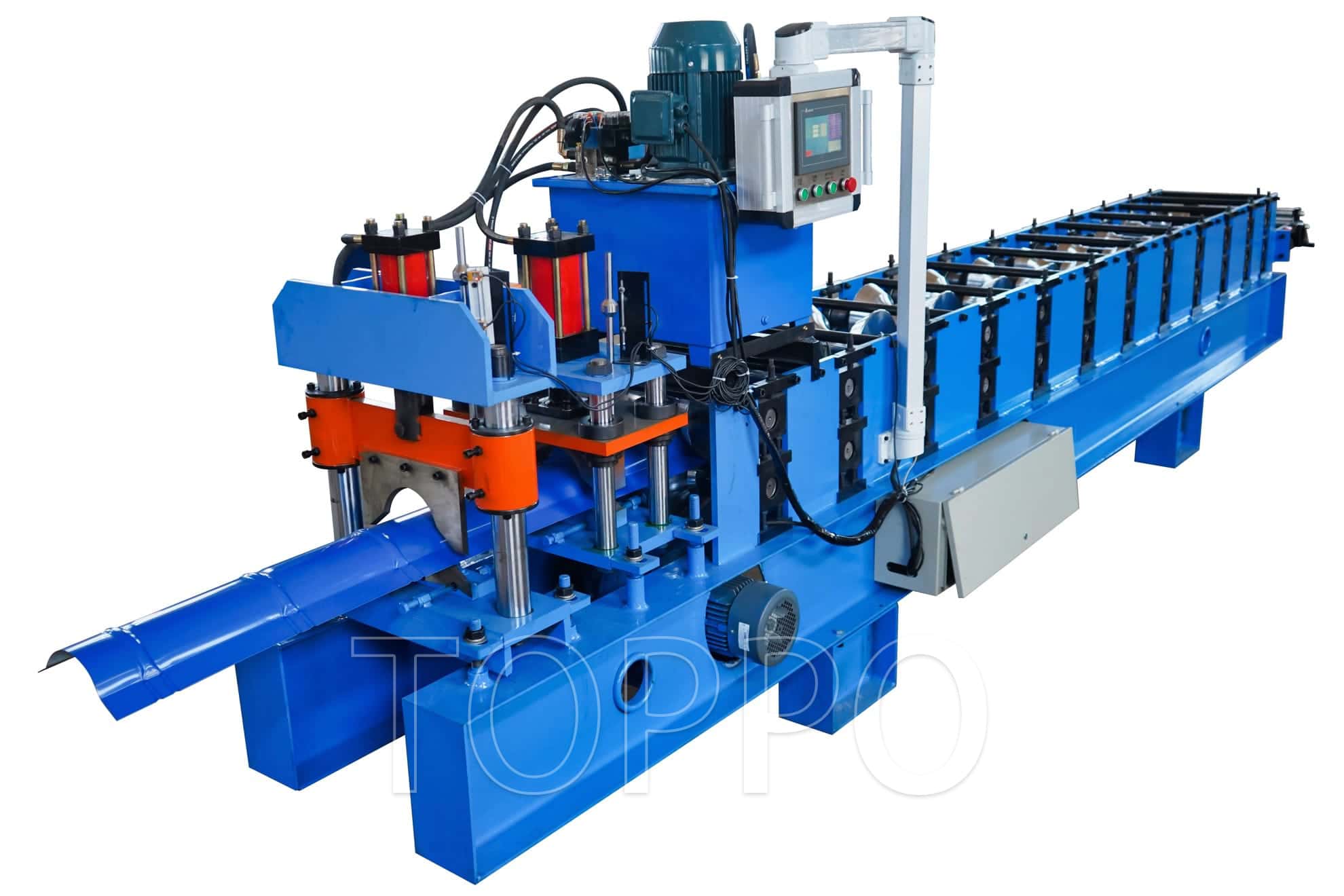
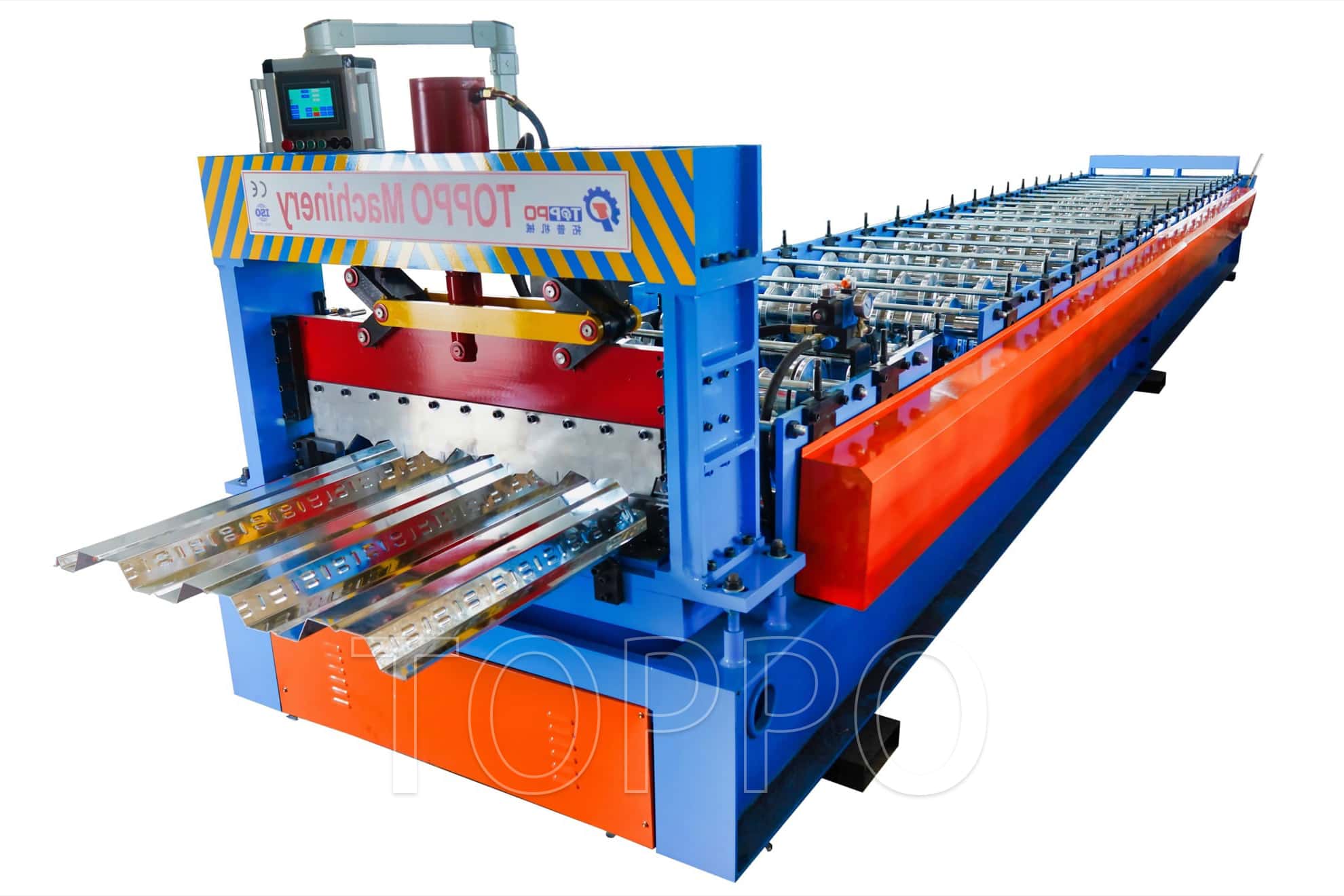
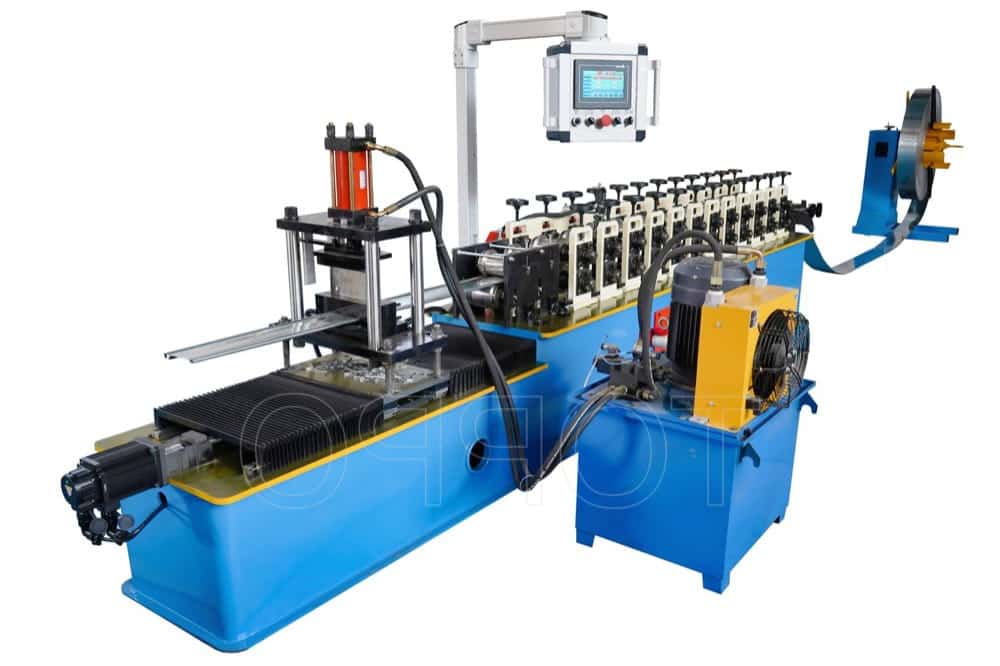
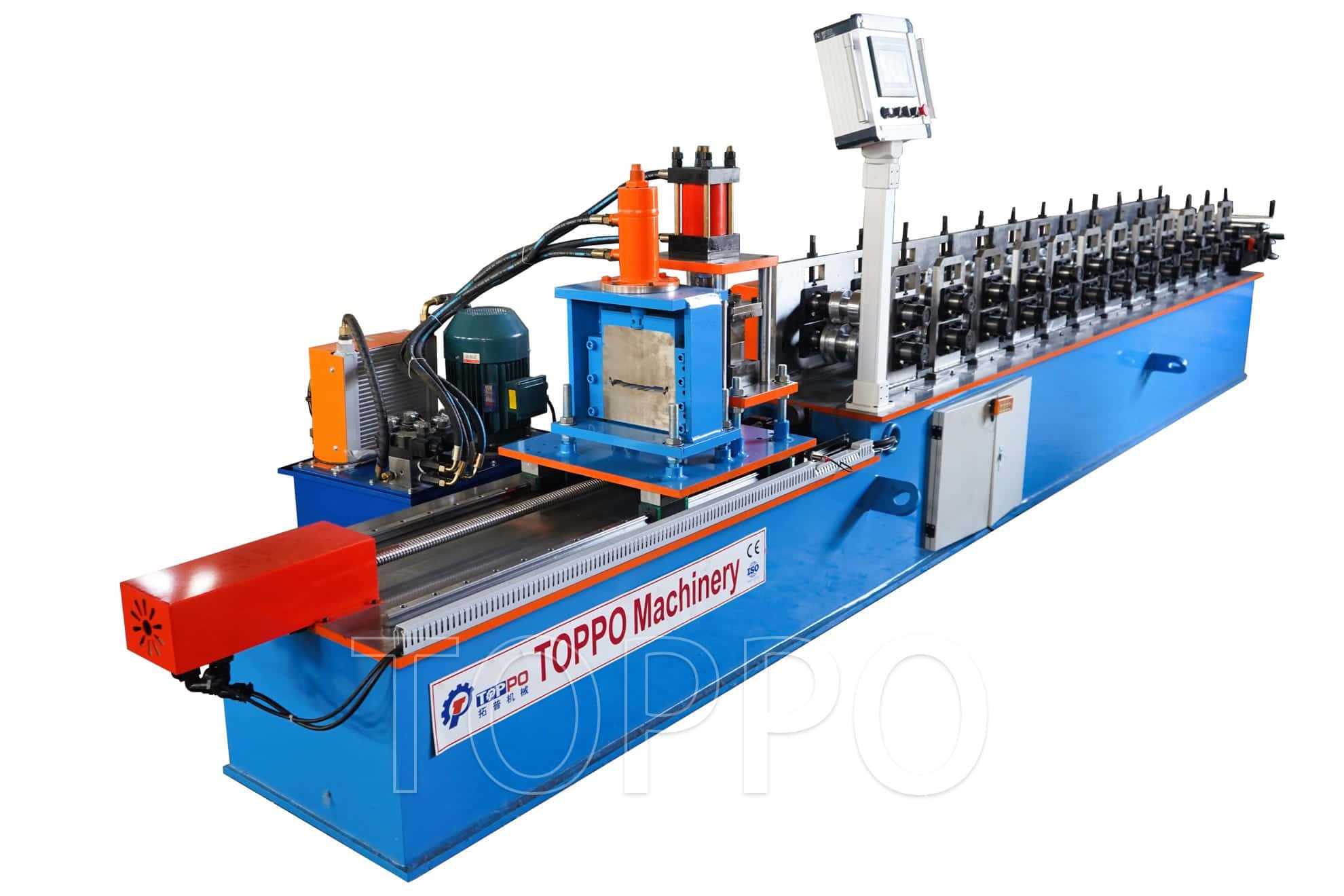
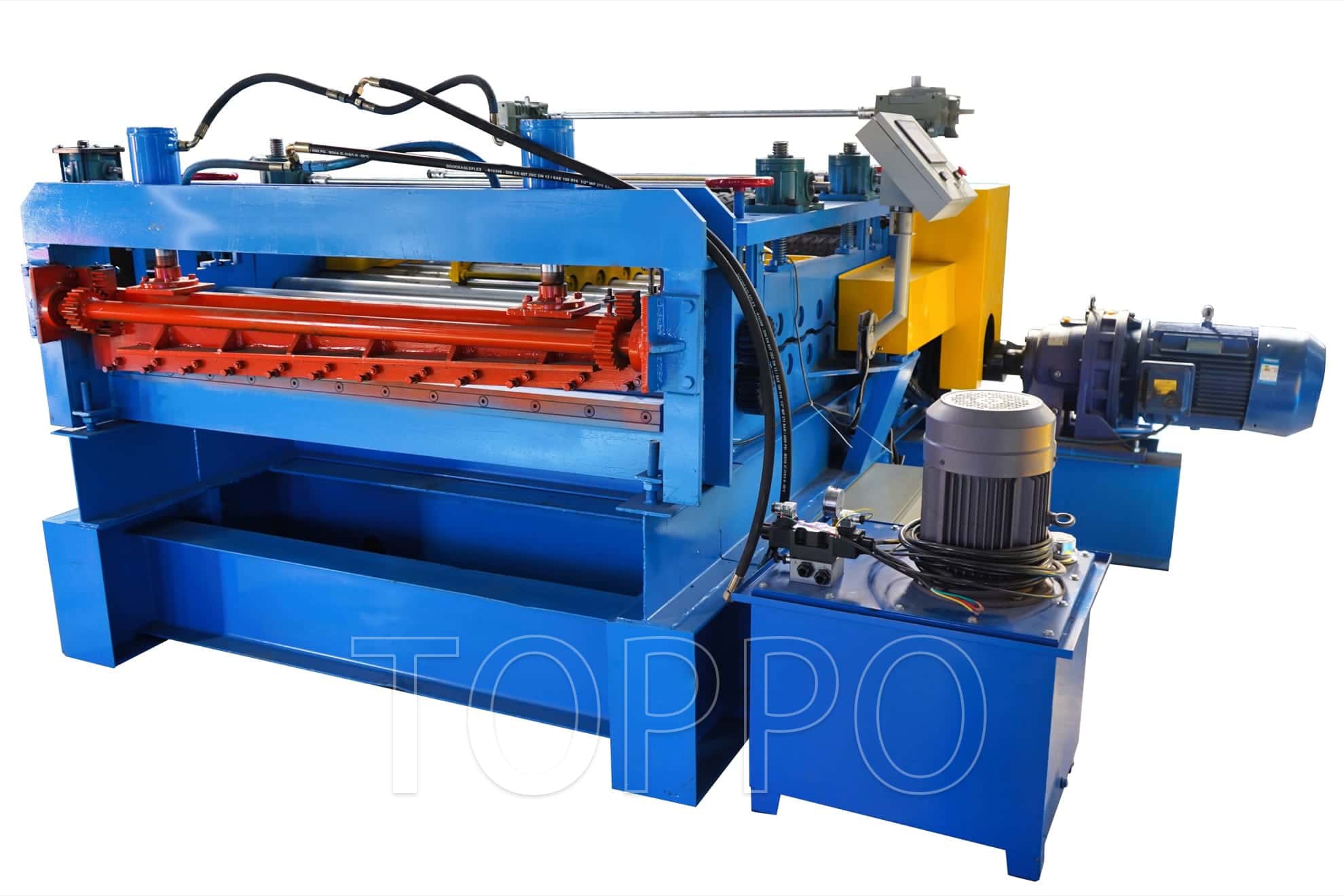
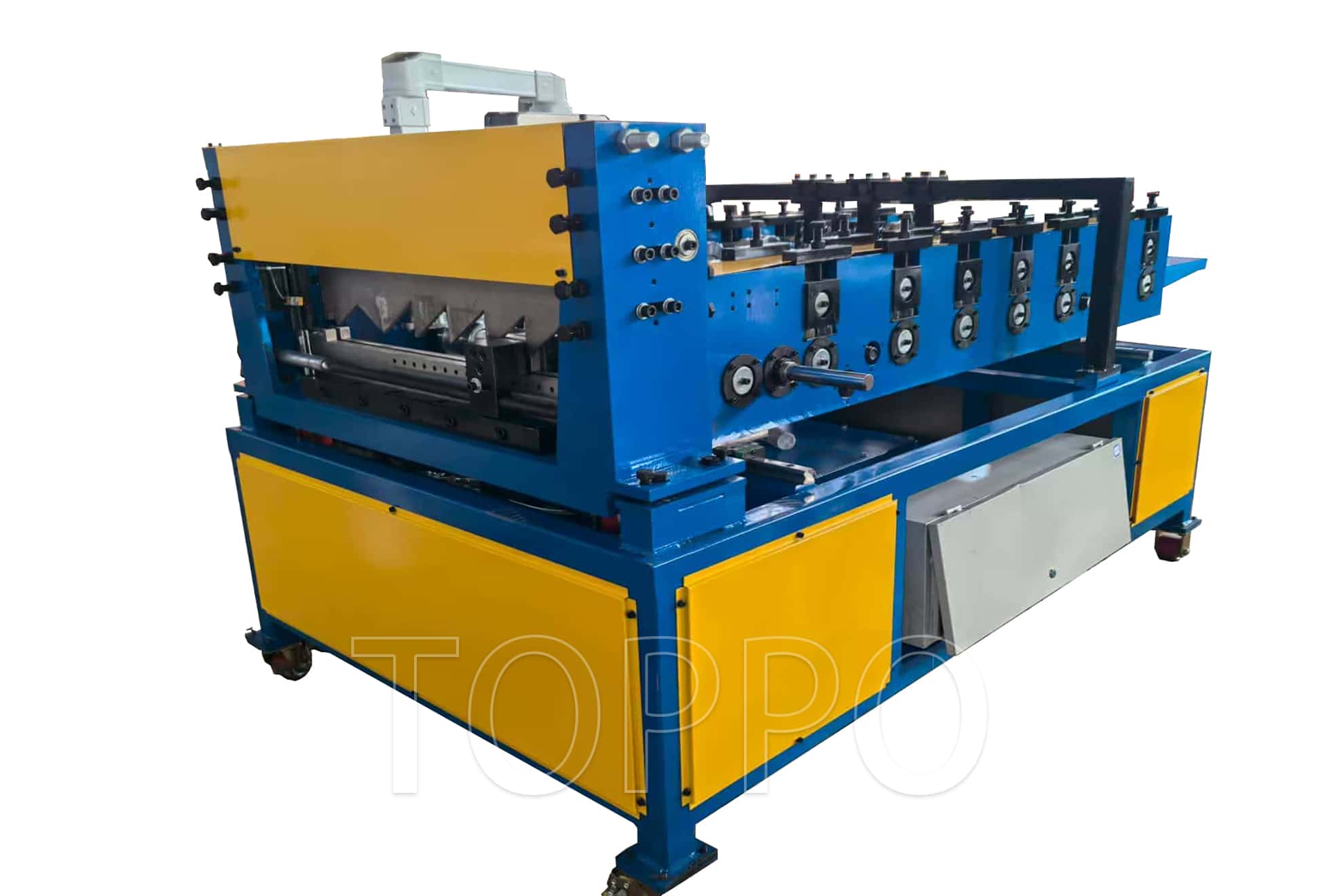
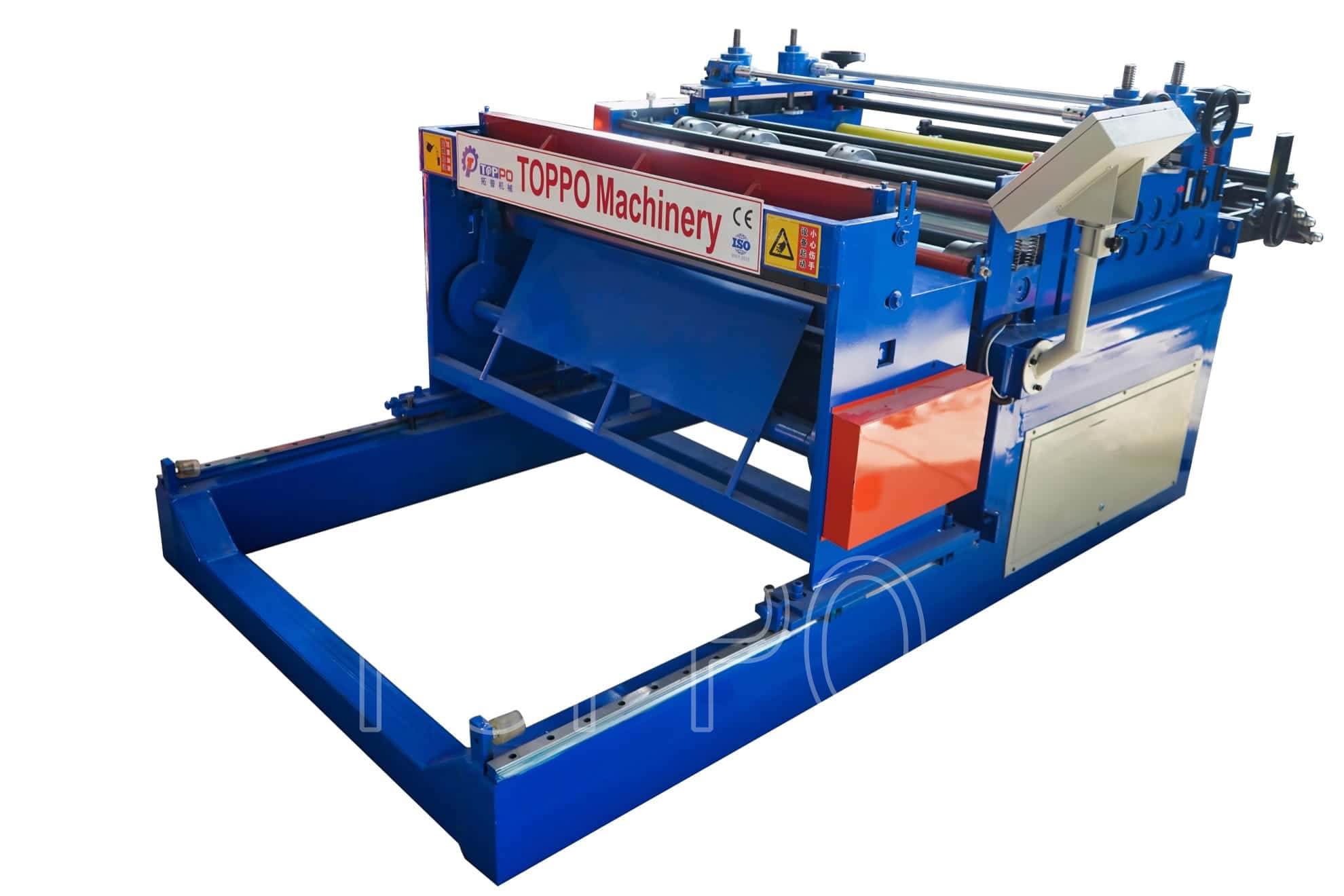
This standing seam roll forming machine is widely used for producing high-quality metal roofing panels with excellent precision and efficiency. It is suitable for modern construction, industrial buildings, and steel structure roofing systems.
Machine Type: Standing seam roll forming machine
Application: Metal roofing panel production
Material Compatibility: Galvanized steel, aluminum, PPGI, GI
Control System: PLC intelligent automatic control
Operation Mode: Fully automatic
Cutting System: Hydraulic cutting device
Forming Speed: 10-30 m/min
Voltage: 380V/50Hz/3Phase (customizable)
Drive System: Chain and gear transmission
Roller Material: Cr12 / Cr12Mov hardened steel
Roll Stations: 14-22 stations
Shaft Material: 45# quenched steel
Shaft Diameter: 70-90mm
Frame Structure: Heavy-duty welded frame
Thickness Range: 0.3-1.0mm
Feeding Width: Adjustable
Panel Width: Customizable
Profile Type: Standing seam roofing panel
Cutting Length: Adjustable
Cutting Accuracy: ±1mm
Main Motor Power: 5.5-7.5KW
Hydraulic Power: 4KW
Cooling System: Air cooling
Lubrication System: Automatic lubrication
Control Interface: Touch screen HMI
Language Support: Multi-language system
Transmission Type: Continuous forming
Noise Level: Low noise operation
Automation Level: High automation
Production Capacity: Continuous production
Safety System: Emergency stop and protection
Surface Treatment: Anti-rust coating
Machine Color: Customizable
Dimensions: Custom design available
Total Weight: Approx. 3-6 tons
Installation: Easy installation and commissioning
Maintenance: Low maintenance cost
Durability: Long service life
Stability: Smooth and stable operation
Customization: Fully customizable profiles
Packaging: Standard export packing
Delivery Time: 30-45 working days
Warranty: 12 months
After-sales Service: Technical support, training, and spare parts
This machine adopts advanced roll forming technology to ensure smooth panel forming and tight seam locking. It supports customized roofing profiles and can be integrated into automated production lines for improved efficiency.
It is widely used in factories, warehouses, commercial buildings, and prefabricated structures, helping manufacturers enhance productivity, reduce labor costs, and maintain consistent product quality.