- Trapezoidal Machine
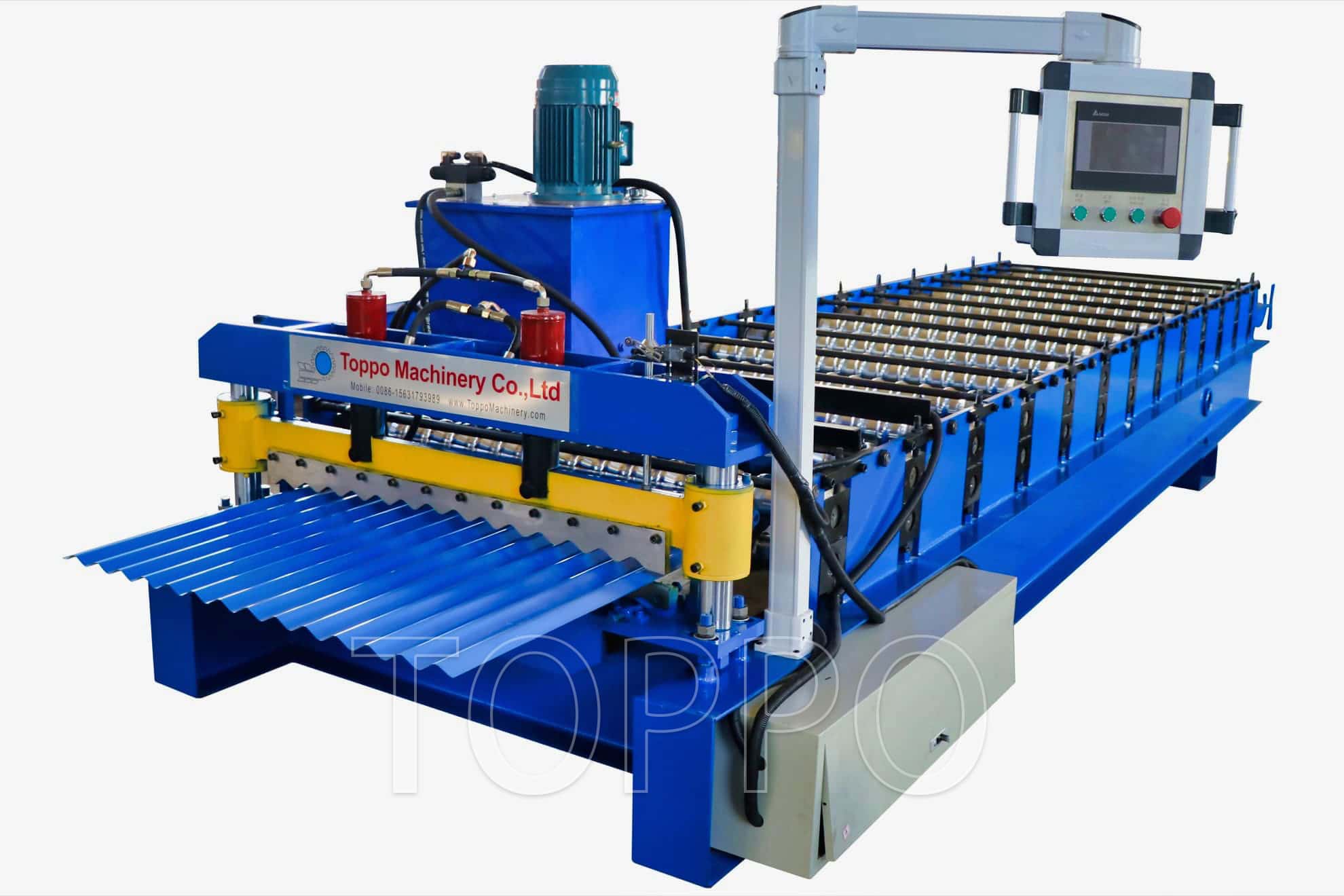
- Corrugated Machine
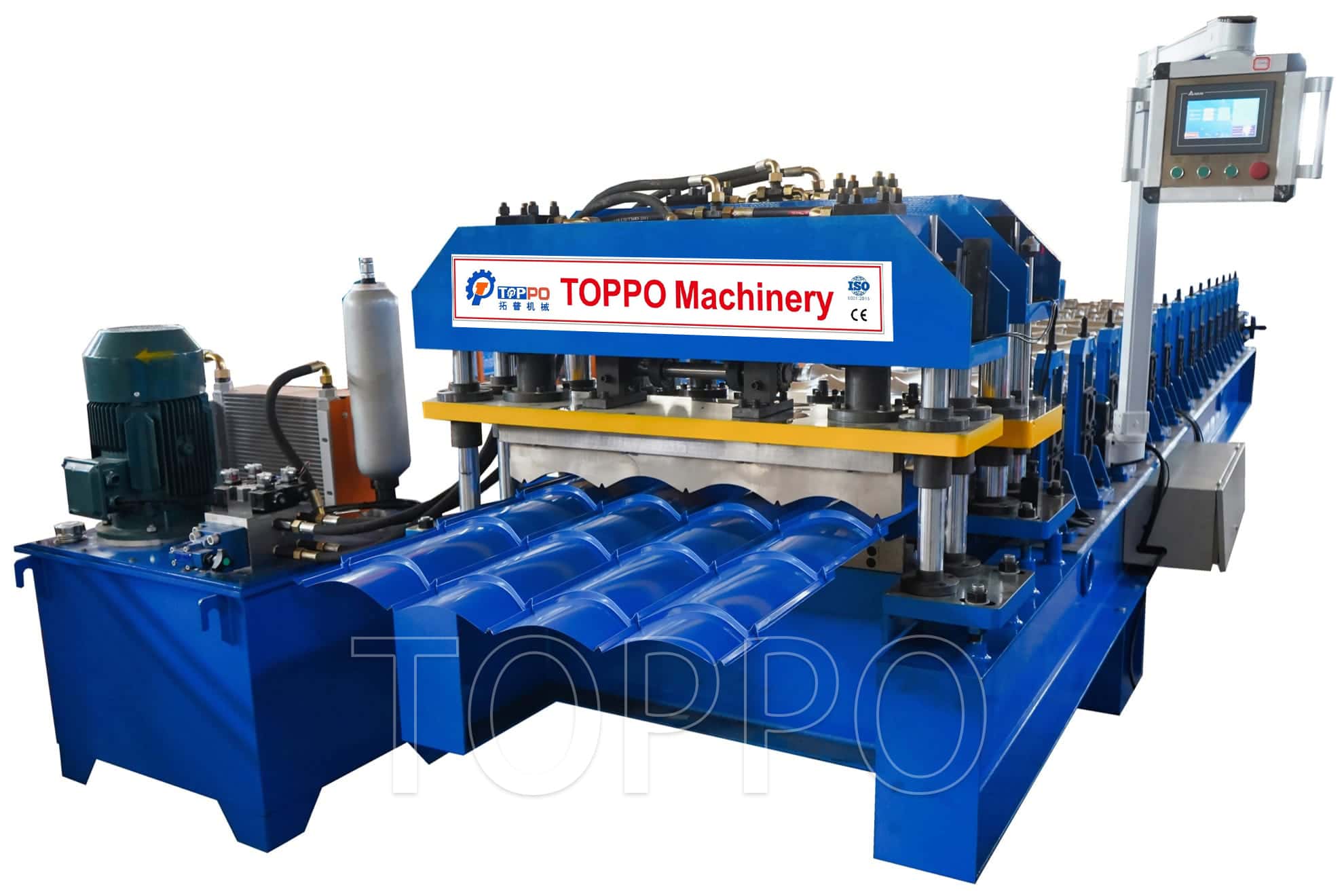
- Glazed Tile Machine
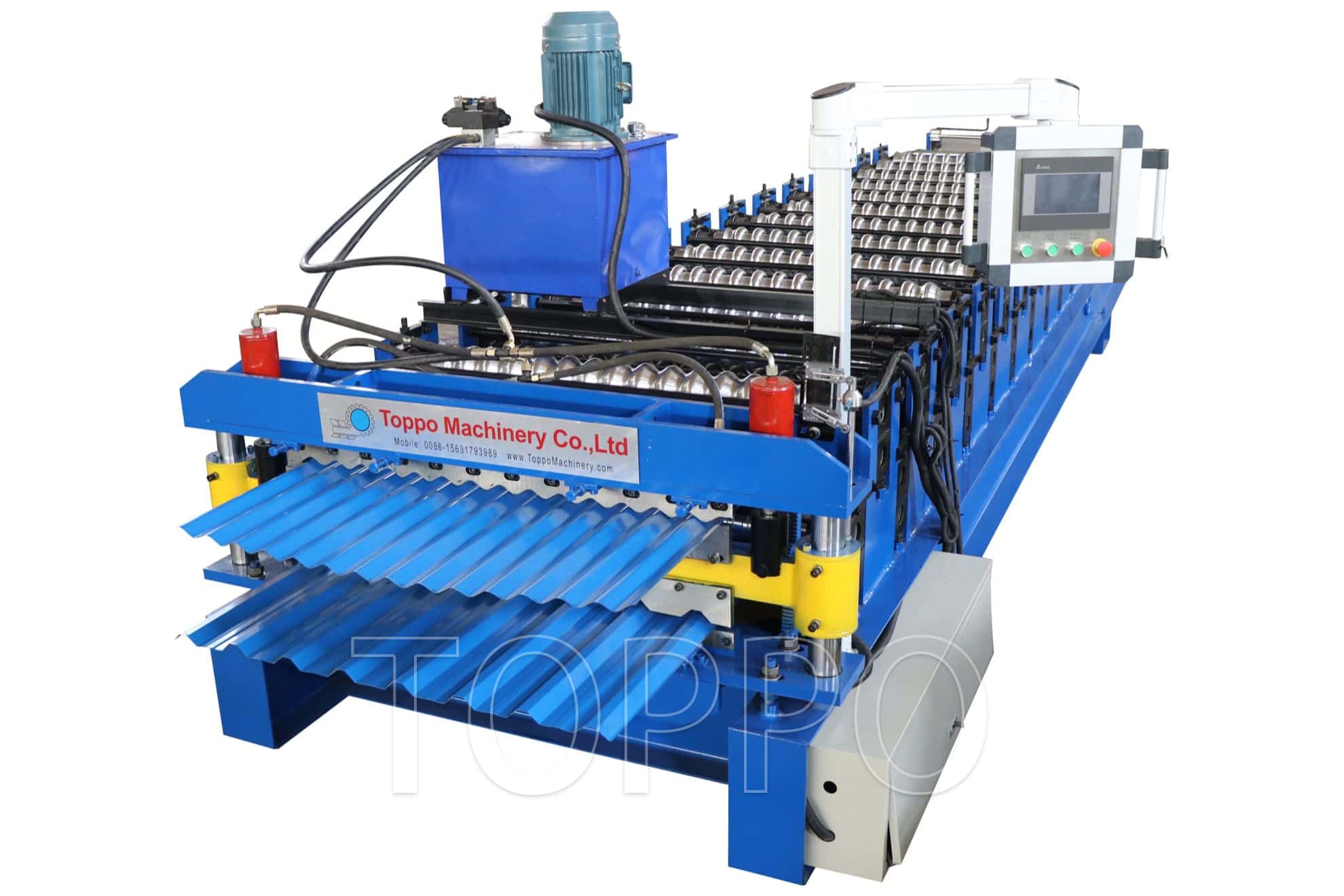
- Double Layer Machine
- CZU Purlin Machine
- Ridge Cap Machine
- Floor Decking Machine
- Rolling Door Machine
- Fence Machine
- Embossing Machine
- Standing Seam Machine
- Cut To Length And Slitting Line
- Guard Rail Machine
- Decoiler And Stacker
- Stud And Track Machine
- Gutter And DownPipe
- Curving Machine
- Cladding Panel Machine
- Corollary Equipment
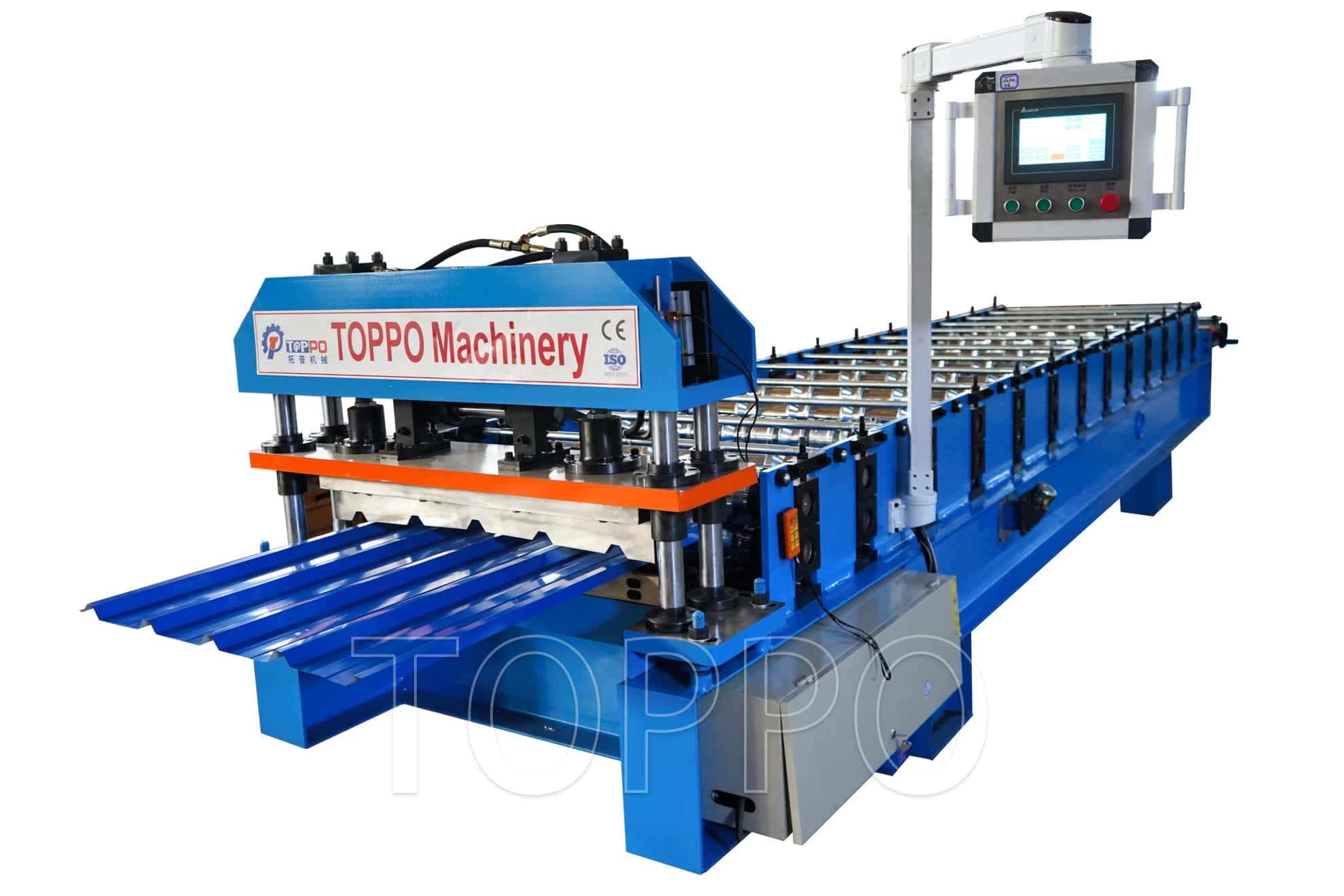



- Trapezoidal Machine
- Corrugated Machine
- Glazed Tile Machine
- Double Layer Machine
- CZU Purlin Machine
- Ridge Cap Machine
- Floor Decking Machine
- Rolling Shutter Door Machine
- Palisade Fence Machine
- Embossing Machine
- Standing Seam Machine
- Cut To Length And Slitting Line
- Guard Rail Machine
- Decoiler And Stacker
- Stud And Track Machine
- Gutter And DownPipe
- Curving Machine
- Cladding Panel Machine
- Corollary Equipment
- Other
Automatic Color Steel Glazed Roof Tile Roll Forming Machine
This automatic glazed tile roofing making machine is designed to transform coated or galvanized metal coils into decorative stepped roof panels with an attractive traditional-tile appearance. The production line integrates feeding, precision roll forming, hydraulic step pressing, electronic measuring, automatic cutting and finished-sheet discharge in one coordinated system.
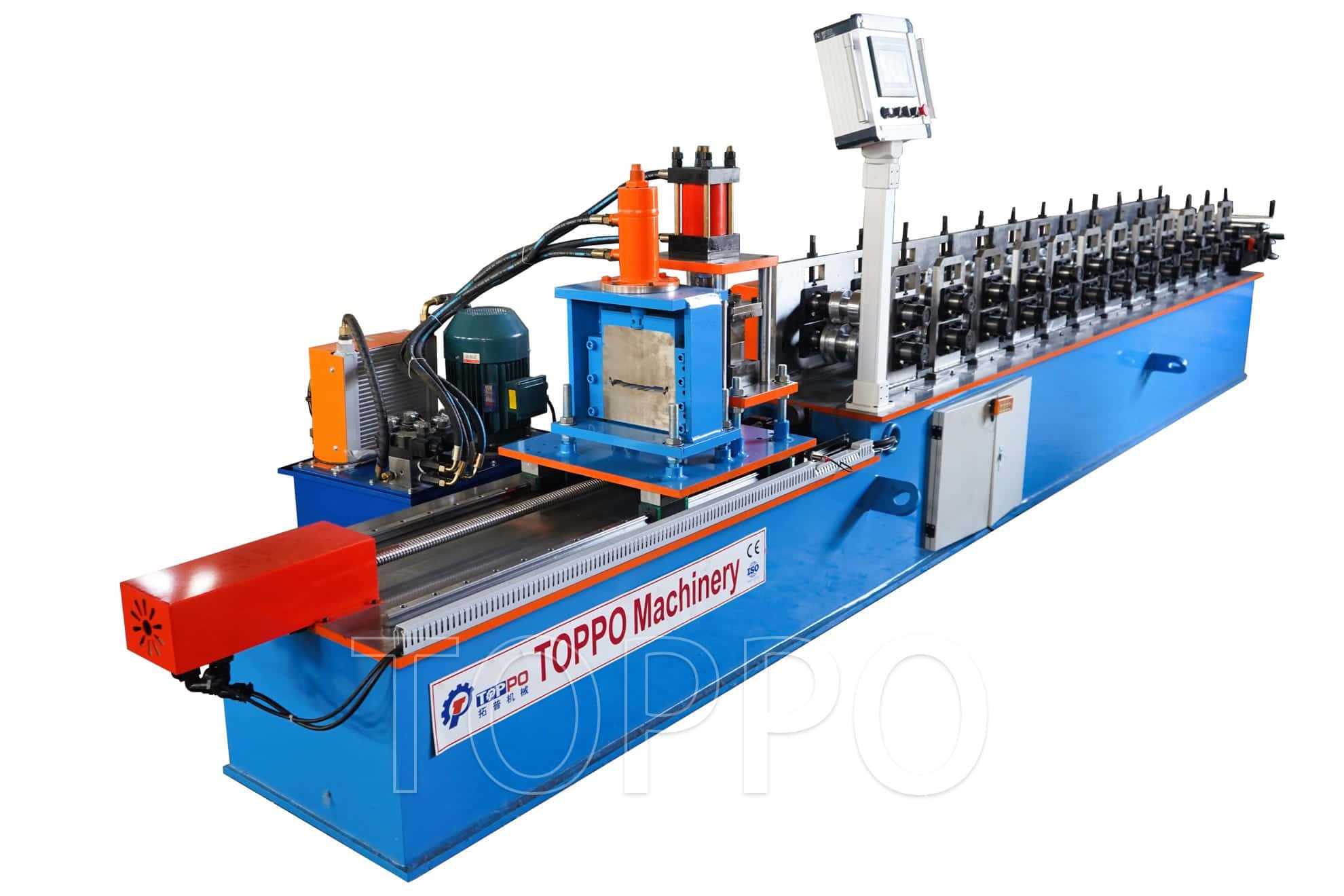
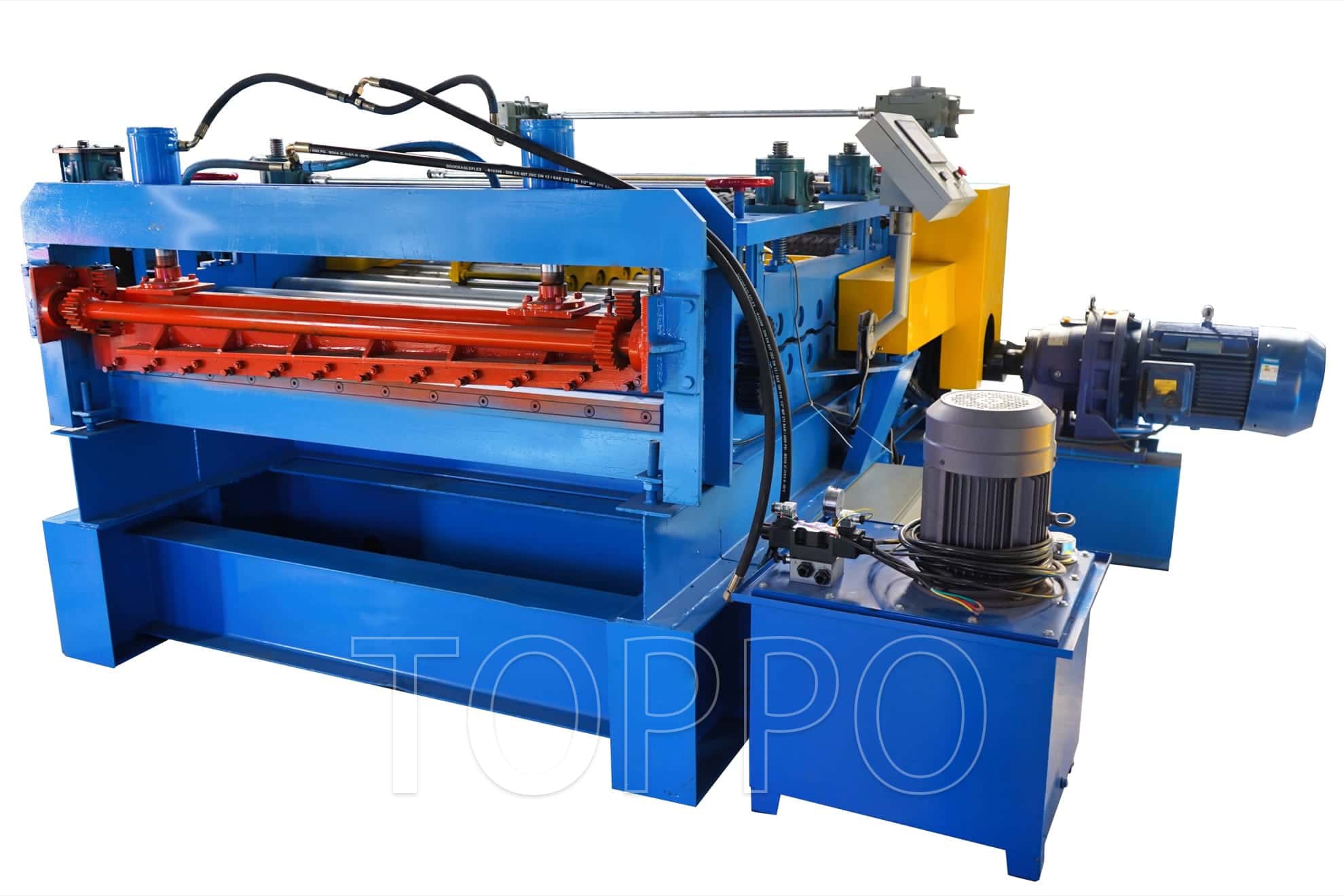
The machine shown uses a rigid welded steel base, multiple roll-forming stations, a hydraulic forming and cutting section, an independent hydraulic power unit and a PLC control cabinet. Its modular configuration can be adapted to different glazed-tile profiles, effective cover widths, raw-material gauges and local electrical standards.
Main Advantages
Automatic production from coil feeding to finished panel cutting.
Hydraulic step-forming system creates consistent tile pitch and depth.
PLC and touch-screen control improve repeatability and reduce manual setting work.
Heavy-duty frame and precision-machined forming components support stable operation.
Programmable length, quantity and tile-step parameters suit multiple order sizes.
Custom profile engineering is available from a customer's drawing or physical sample.
Suitable for color steel, PPGI, galvanized steel and other compatible roofing-sheet materials.
Optional decoiler, run-out table and automatic stacking solutions can be matched to the line.
Product Attributes and Configuration Options
| Attribute | Specification / Description |
|---|---|
| 1. Product Name | Glazed Tile Roofing Making Machine |
| 2. Machine Type | Automatic cold roll forming production line |
| 3. Finished Product | Stepped glazed metal roof tile panels |
| 4. Finished Profile Style | Decorative wave and tile-step roofing profile |
| 5. Primary Function | Continuous forming and cutting of metal roofing tiles |
| 6. Production Method | Coil-fed cold roll forming with hydraulic step pressing |
| 7. Suitable Raw Material | PPGI, color-coated steel, galvanized steel and compatible metal sheet |
| 8. Material Surface | Pre-painted, zinc-coated or other protected metal surface |
| 9. Material Thickness | Customized according to profile and customer requirements |
| 10. Material Yield Strength | Machine designed according to the specified coil strength |
| 11. Coil Feeding Width | Customized to match the selected glazed-tile profile |
| 12. Effective Cover Width | Customized according to the finished roof-panel drawing |
| 13. Profile Drawing | Produced according to approved customer drawing or sample |
| 14. Tile Pitch | Programmable through the control system within the designed range |
| 15. Tile Step Depth | Determined by hydraulic tooling design |
| 16. Forming Stations | Configured according to profile complexity and forming quality |
| 17. Forming Roller Material | High-quality wear-resistant steel selected for the application |
| 18. Roller Processing | Precision CNC machining for accurate sheet contact |
| 19. Roller Surface Treatment | Optional hardening, polishing or chrome treatment |
| 20. Main Shaft Material | High-strength machined steel |
| 21. Shaft Diameter | Engineered to suit load, width and material thickness |
| 22. Main Frame | Heavy-duty welded steel structure |
| 23. Frame Construction | Rigid floor-mounted industrial base |
| 24. Machine Finish | Industrial anti-corrosion paint |
| 25. Standard Machine Color | Blue or customized by agreement |
| 26. Drive Type | Motor-driven transmission system |
| 27. Transmission Method | Selected according to machine design and production load |
| 28. Main Motor Power | Configured according to profile, speed and material specifications |
| 29. Forming Speed | Customized for required capacity and tile-step process |
| 30. Speed Control | Adjustable operating speed where specified |
| 31. Step Pressing Unit | Integrated hydraulic tile-step forming system |
| 32. Step Forming Action | Automatic synchronized pressing at programmed intervals |
| 33. Cutting Unit | Hydraulic cutting device integrated with the line |
| 34. Cutting Method | Automatic cut-to-length operation |
| 35. Cutting Blade Material | Hardened tool steel for durable cutting performance |
| 36. Cutting Tolerance | Dependent on encoder setting, material and final configuration |
| 37. Length Measurement | Electronic encoder measuring system |
| 38. Length Programming | Digital input through the operator interface |
| 39. Quantity Programming | Automatic batch quantity setting |
| 40. Piece Counter | Automatic finished-panel counting |
| 41. Control System | PLC automatic control |
| 42. Operator Interface | HMI display with parameter setting and production monitoring |
| 43. Control Language | English; other languages available subject to configuration |
| 44. Operating Modes | Automatic, manual and jog modes |
| 45. Emergency Stop | Emergency-stop control on the electrical console |
| 46. Electrical Cabinet | Independent enclosed control cabinet |
| 47. Electrical Components | Selected according to project standard and availability |
| 48. Power Supply | Voltage, phase and frequency customized for destination country |
| 49. Hydraulic Station | Independent hydraulic power pack |
| 50. Hydraulic Motor | Sized according to pressing and cutting requirements |
| 51. Hydraulic Pressure | Adjusted for tooling and raw-material specifications |
| 52. Hydraulic Cooling | Optional cooling arrangement for demanding operating conditions |
| 53. Coil Decoiler | Manual, powered or hydraulic decoiler available |
| 54. Sheet Guiding Device | Adjustable entry guides for stable coil alignment |
| 55. Receiving Table | Run-out support table available in customized length |
| 56. Automatic Stacker | Optional for higher automation requirements |
| 57. Production Direction | Configured according to factory layout |
| 58. Line Dimensions | Determined by forming stations, profile and auxiliary equipment |
| 59. Machine Weight | Determined by frame design and final configuration |
| 60. Installation | Floor installation on a suitable level foundation |
| 61. Operator Requirement | Designed for operation by trained production personnel |
| 62. Routine Maintenance | Lubrication, fastening checks, cleaning and hydraulic inspection |
| 63. Spare Parts | Wear parts and recommended spares available by agreement |
| 64. Profile Customization | Available from drawing, sample or requested roof coverage |
| 65. Logo Customization | Machine branding can be customized subject to order terms |
| 66. Factory Testing | Trial production and functional inspection before shipment |
| 67. Test Material | Customer material can be used when supplied in advance |
| 68. Packaging | Export-oriented protective packing for agreed transport mode |
| 69. Shipping | Container loading arranged according to machine dimensions |
| 70. Documentation | Operation and maintenance documentation supplied according to contract |
| 71. Technical Support | Remote guidance or on-site service can be arranged |
| 72. Warranty Terms | Confirmed in the commercial contract |
How the Machine Works
The metal coil is loaded onto a decoiler and guided into the roll-forming section. A sequence of precision rollers gradually bends the flat strip into the required roofing profile without excessive deformation. The hydraulic press then forms the decorative tile steps at programmed intervals. The encoder measures panel length, and the control system activates the hydraulic cutter when the preset value is reached. Finished panels are finally transferred to the receiving table or optional stacker.
Finished Roof Tile Features
Traditional glazed-tile appearance with lightweight metal construction.
Consistent overlapping geometry for efficient roof installation.
Suitable for coated steel in a broad range of architectural colors.
Long-panel production reduces roof joints and can improve installation efficiency.
Applicable to both new construction and renovation projects.
Typical Applications
Finished glazed roofing sheets are widely used for villas, residences, hotels, resorts, pavilions, commercial buildings, warehouses, workshops, prefabricated houses, light-steel structures and architectural renovation. The formed panels combine decorative appearance with the practical handling and installation advantages of metal roofing.
Quality and Production Considerations
Final panel quality depends on the approved profile design, coil thickness, material strength, coating condition, roll alignment and correct operating parameters. Before production, the operator should confirm material compatibility, inspect the feeding path and enter the correct panel length, quantity and tile pitch. Regular cleaning and lubrication help maintain forming accuracy and machine service life.
Information Required for a Customized Quotation
Please provide the finished-profile drawing, raw-material type, coil thickness, feeding width, effective cover width, tile pitch, required production speed, destination voltage, factory layout and preferred decoiler or stacking method. Based on this information, the forming stations, shaft size, motor power, hydraulic system and overall line arrangement can be engineered for the project.
Important: Technical values are finalized according to the buyer's approved roof-tile profile and production requirements. Product images show a representative glazed tile roofing machine configuration and may differ from the final customized equipment.
- User name Member Level Quantity Specification Purchase Date
- Satisfaction :
-