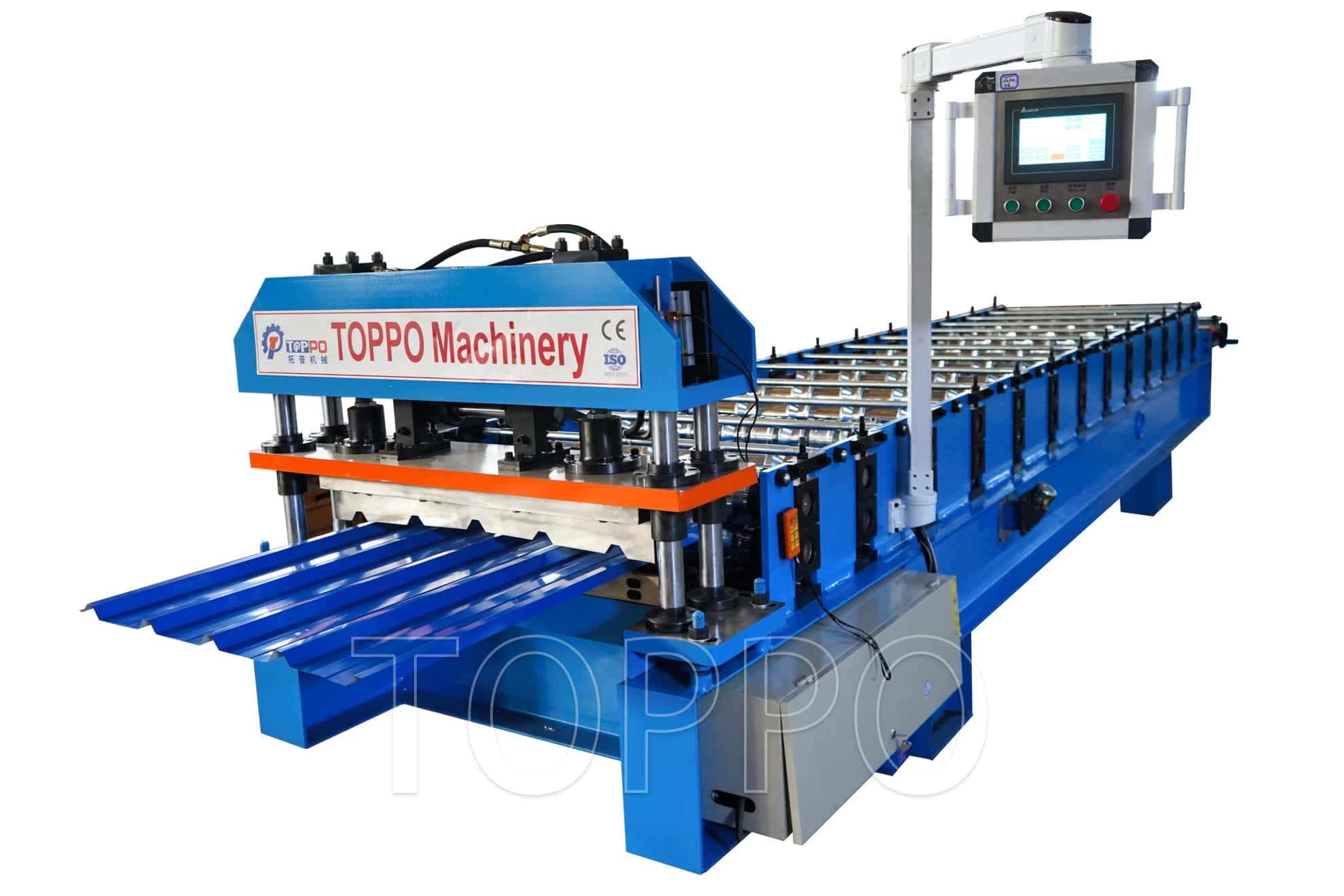
- Trapezoidal Machine
- Corrugated Machine
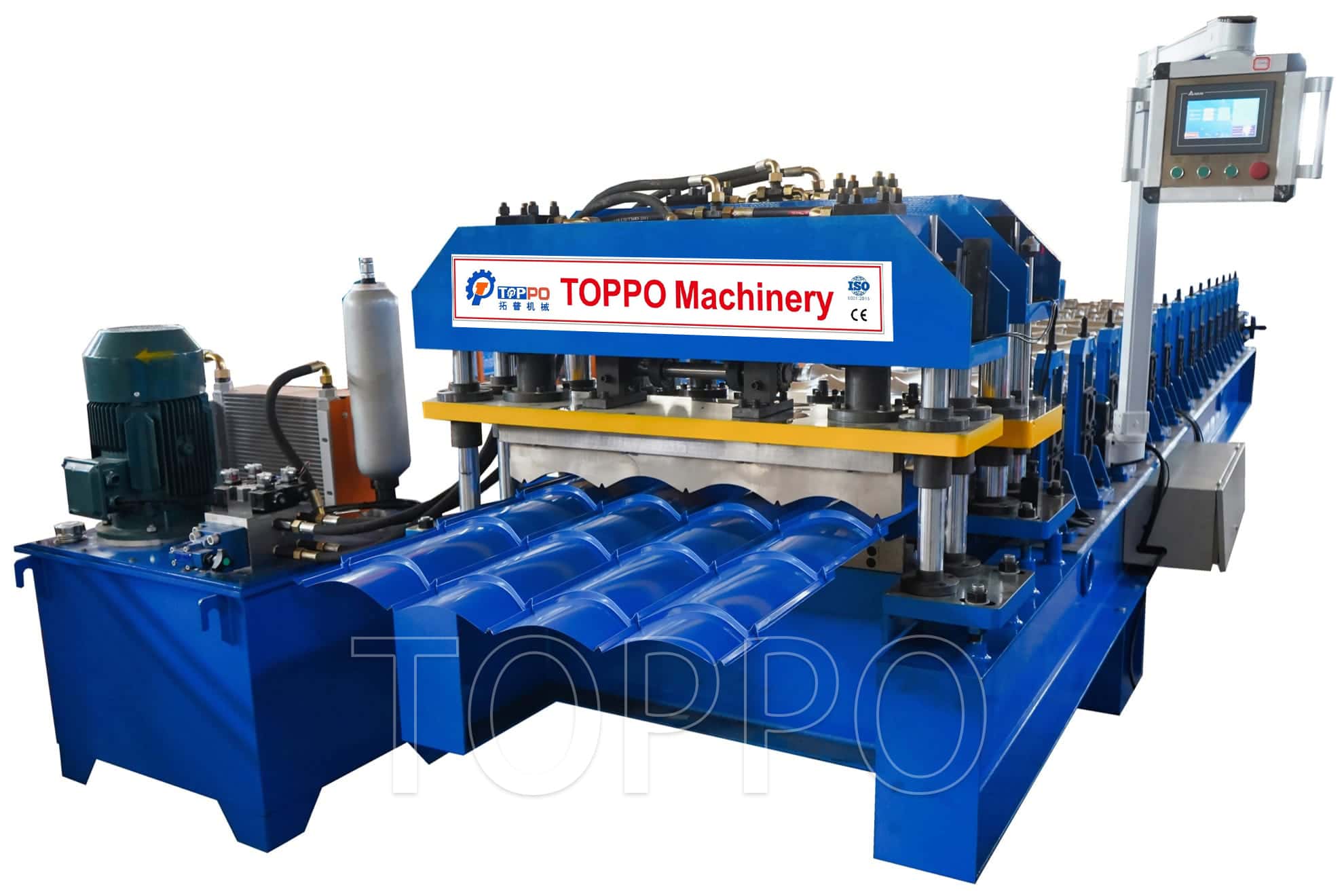
- Glazed Tile Machine
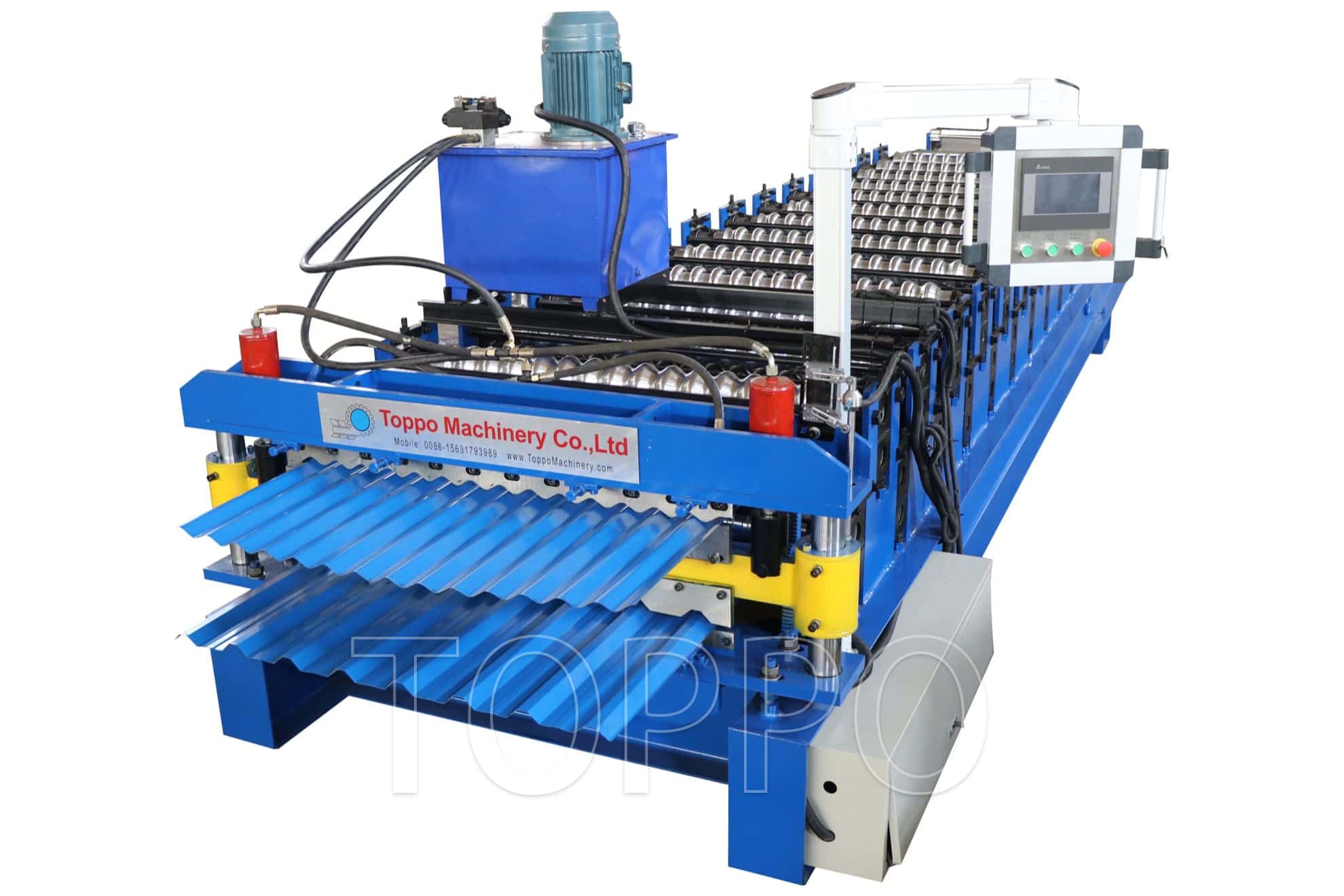
- Double Layer Machine
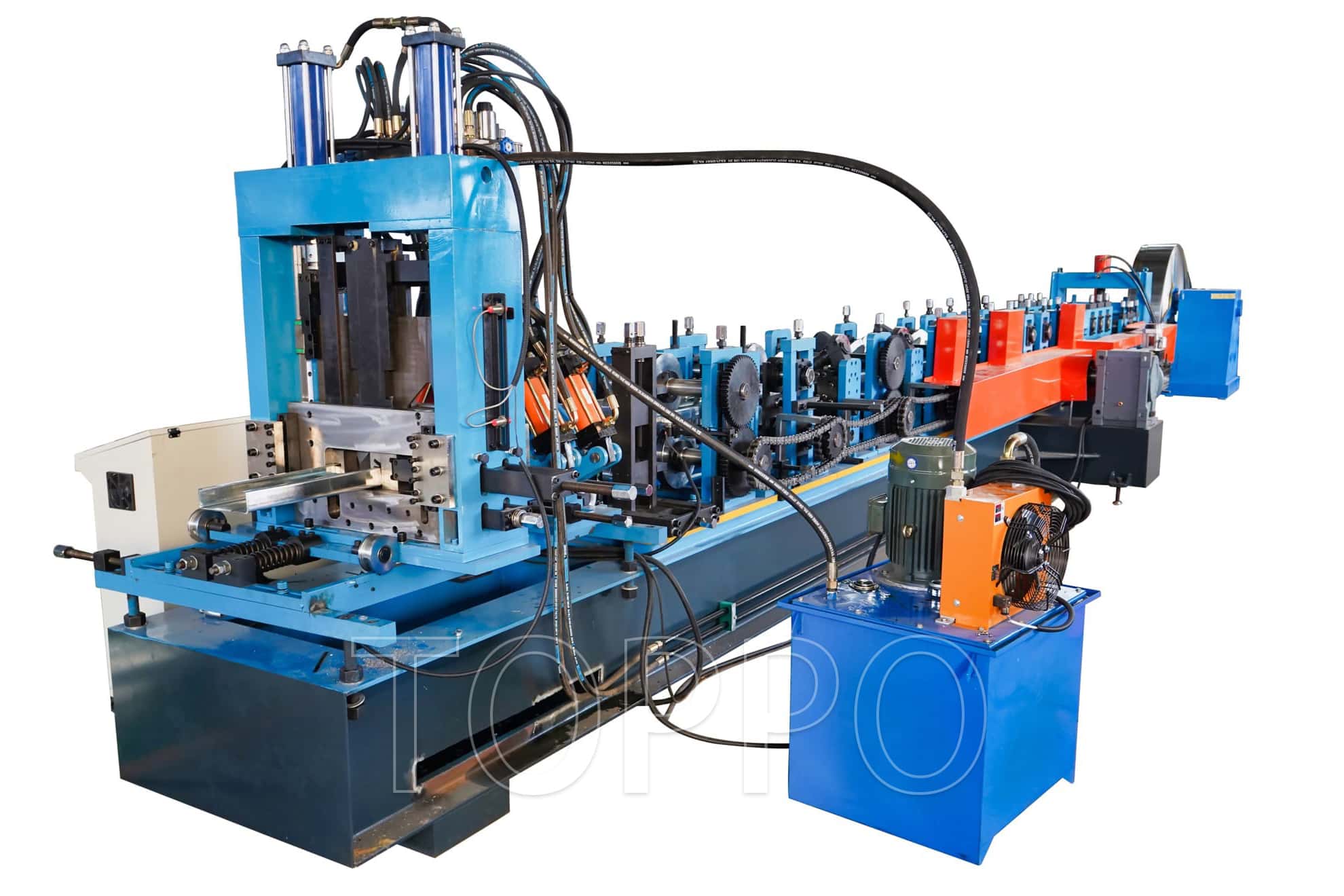
- CZU Purlin Machine
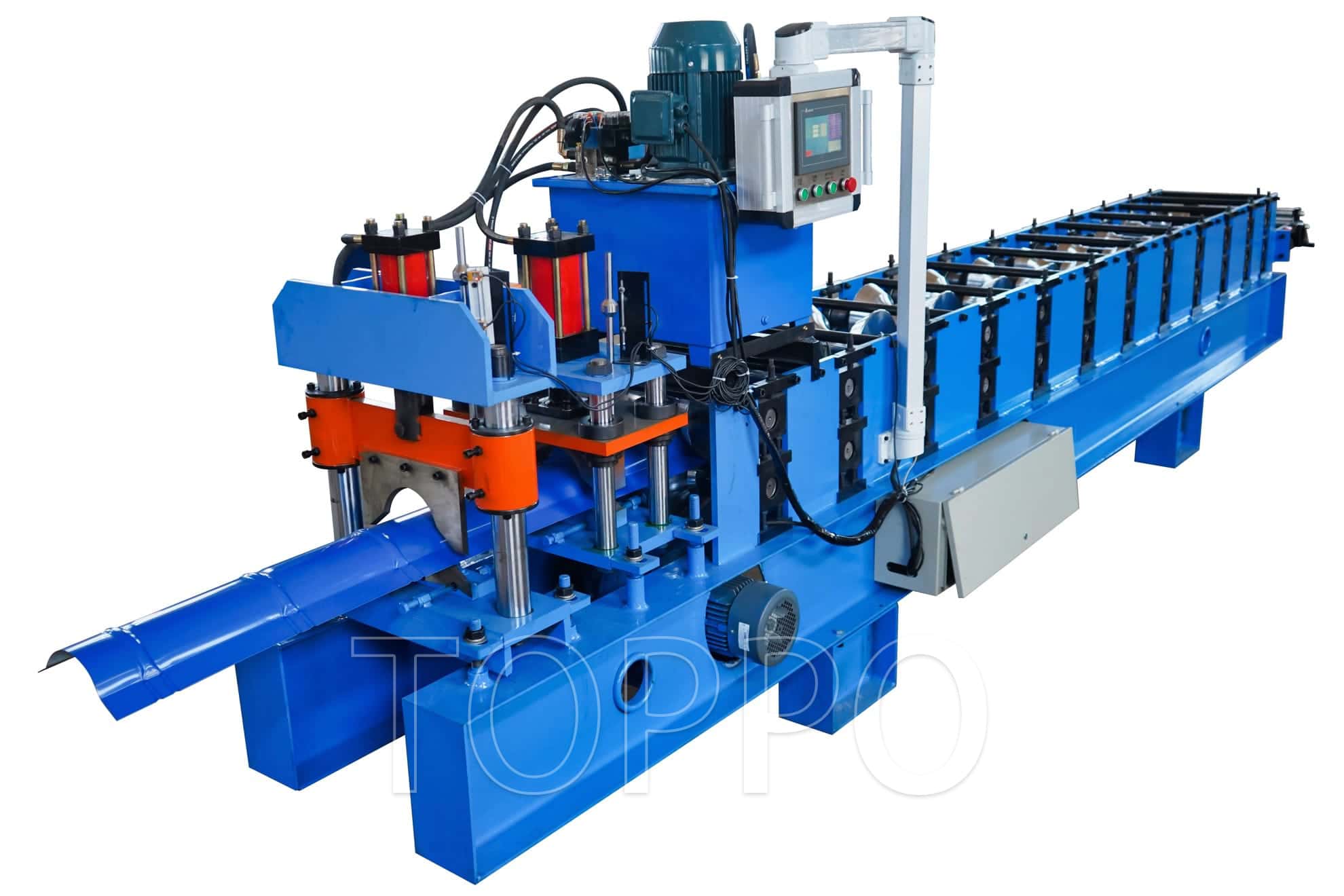
- Ridge Cap Machine
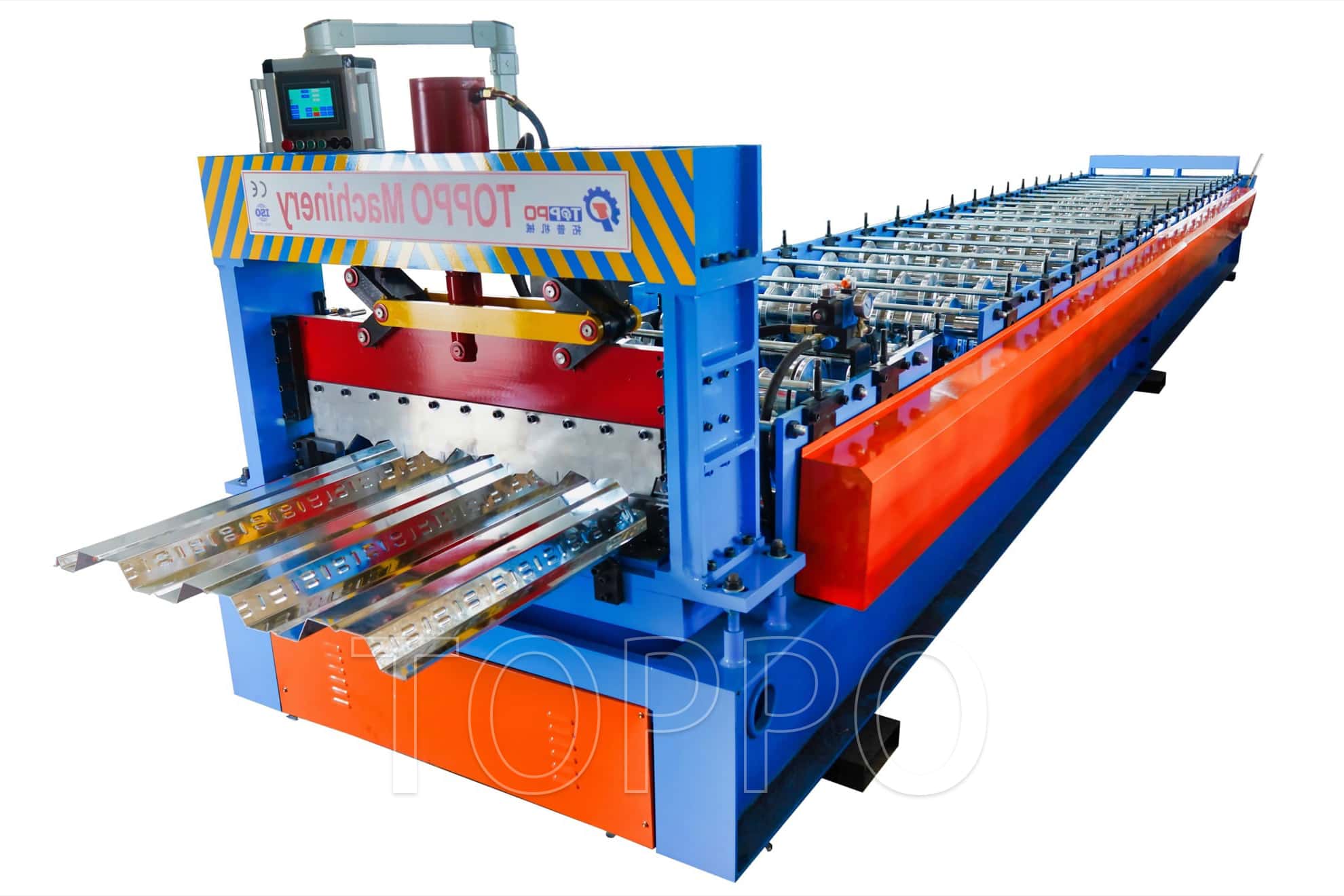
- Floor Decking Machine
- Rolling Door Machine
- Fence Machine
- Embossing Machine
- Standing Seam Machine
- Cut To Length And Slitting Line
- Guard Rail Machine
- Decoiler And Stacker
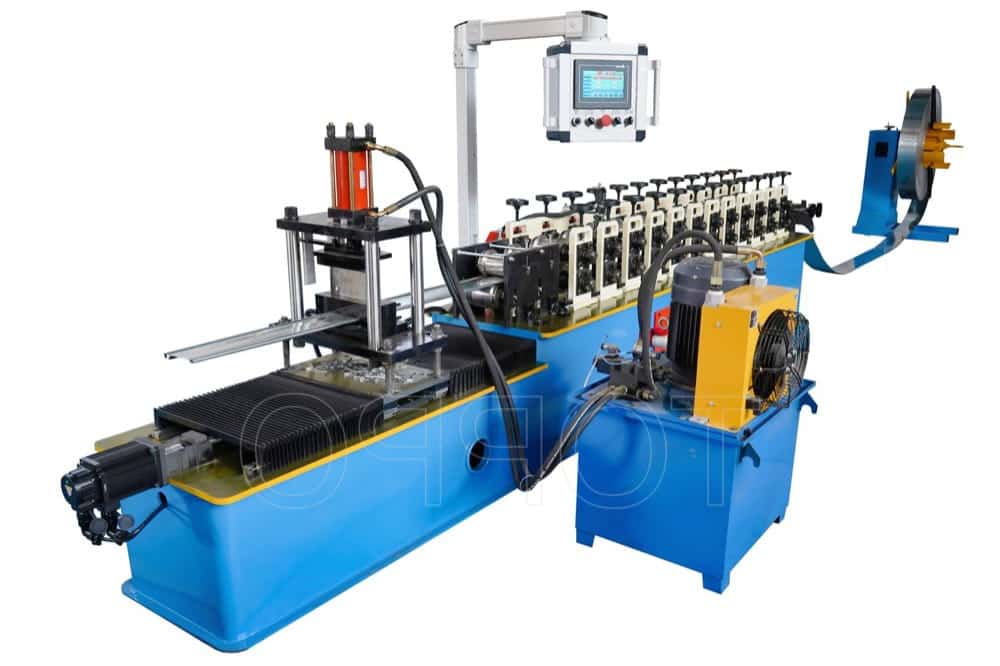
- Stud And Track Machine
- Gutter And DownPipe
- Curving Machine
- Cladding Panel Machine
- Corollary Equipment
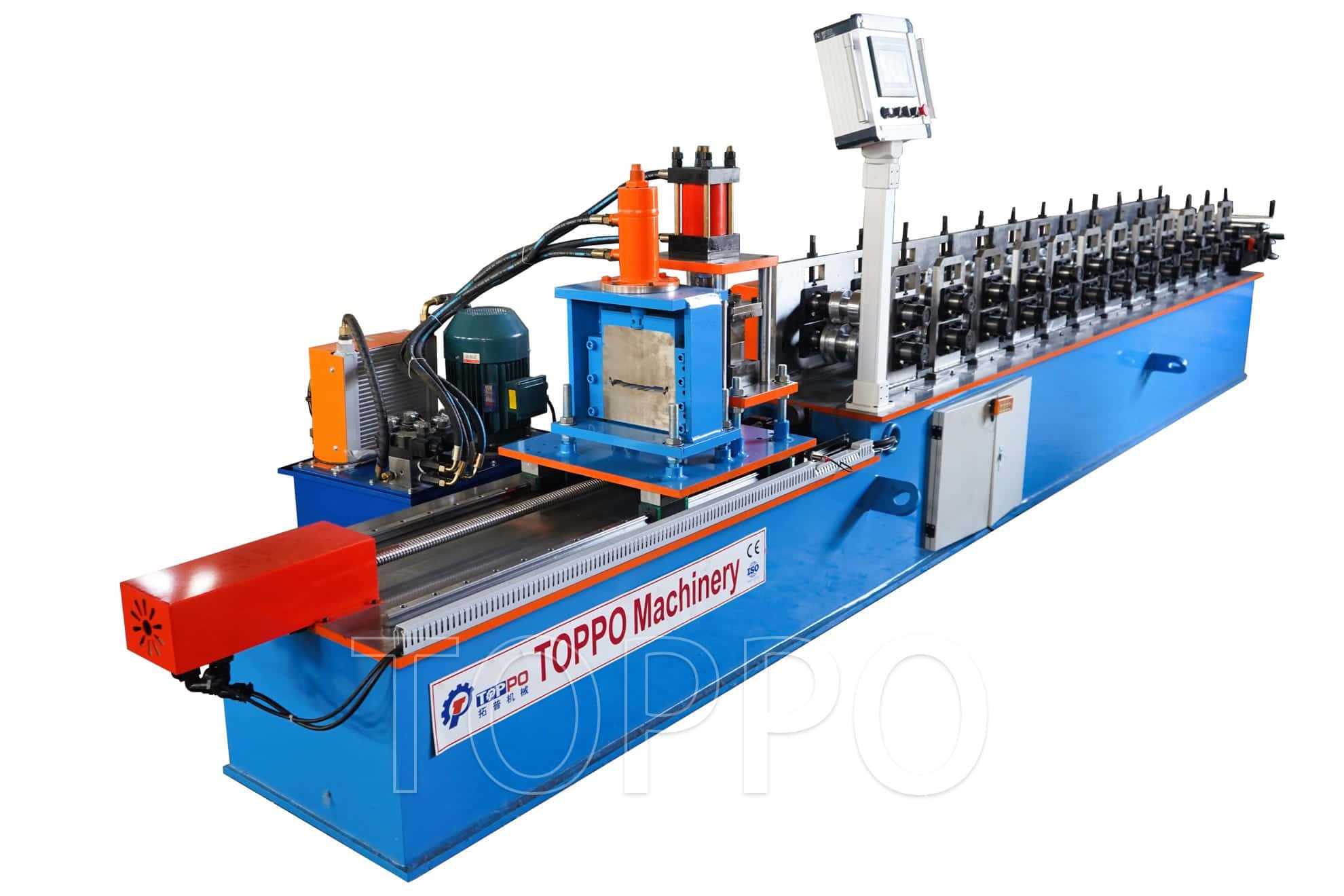
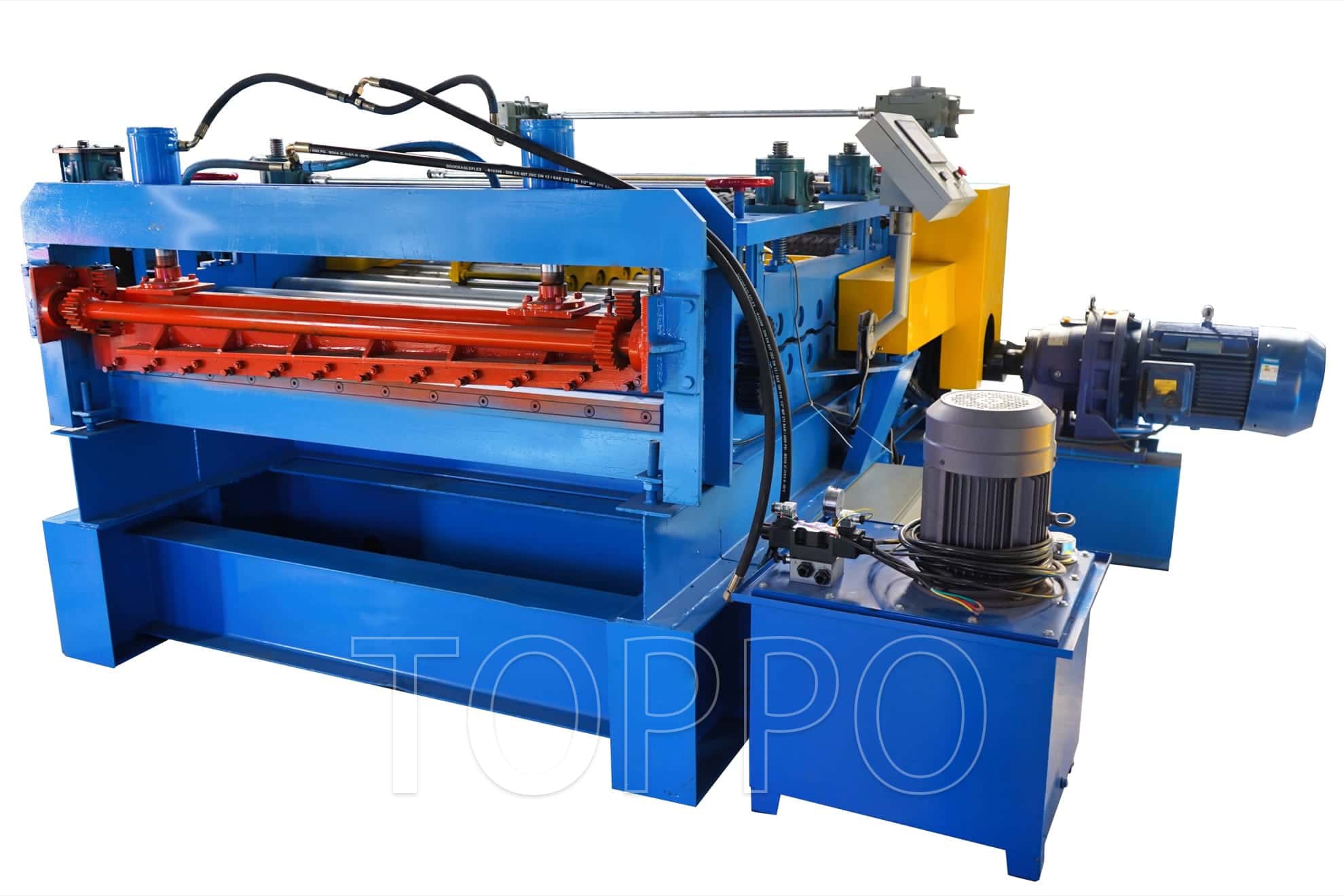
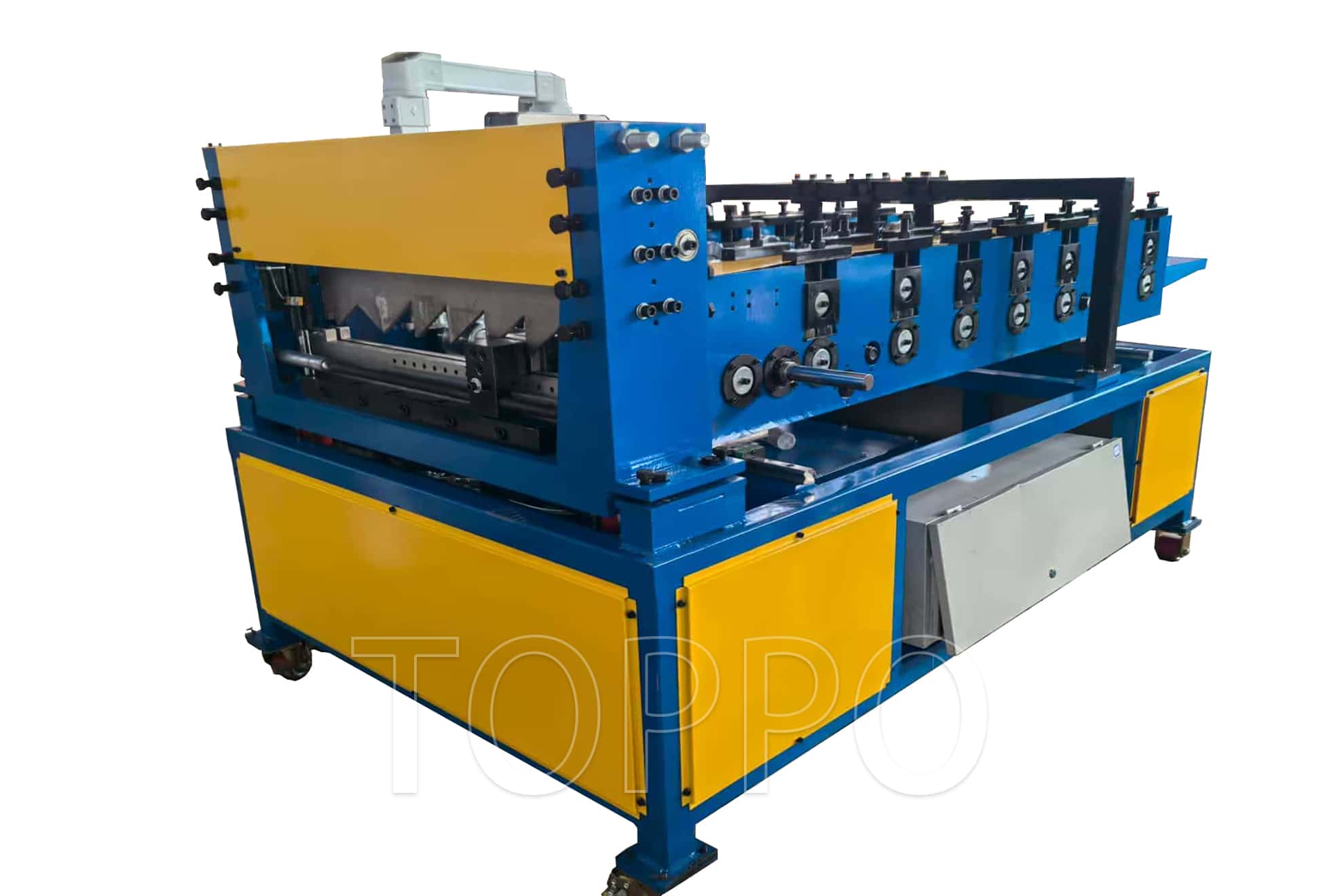
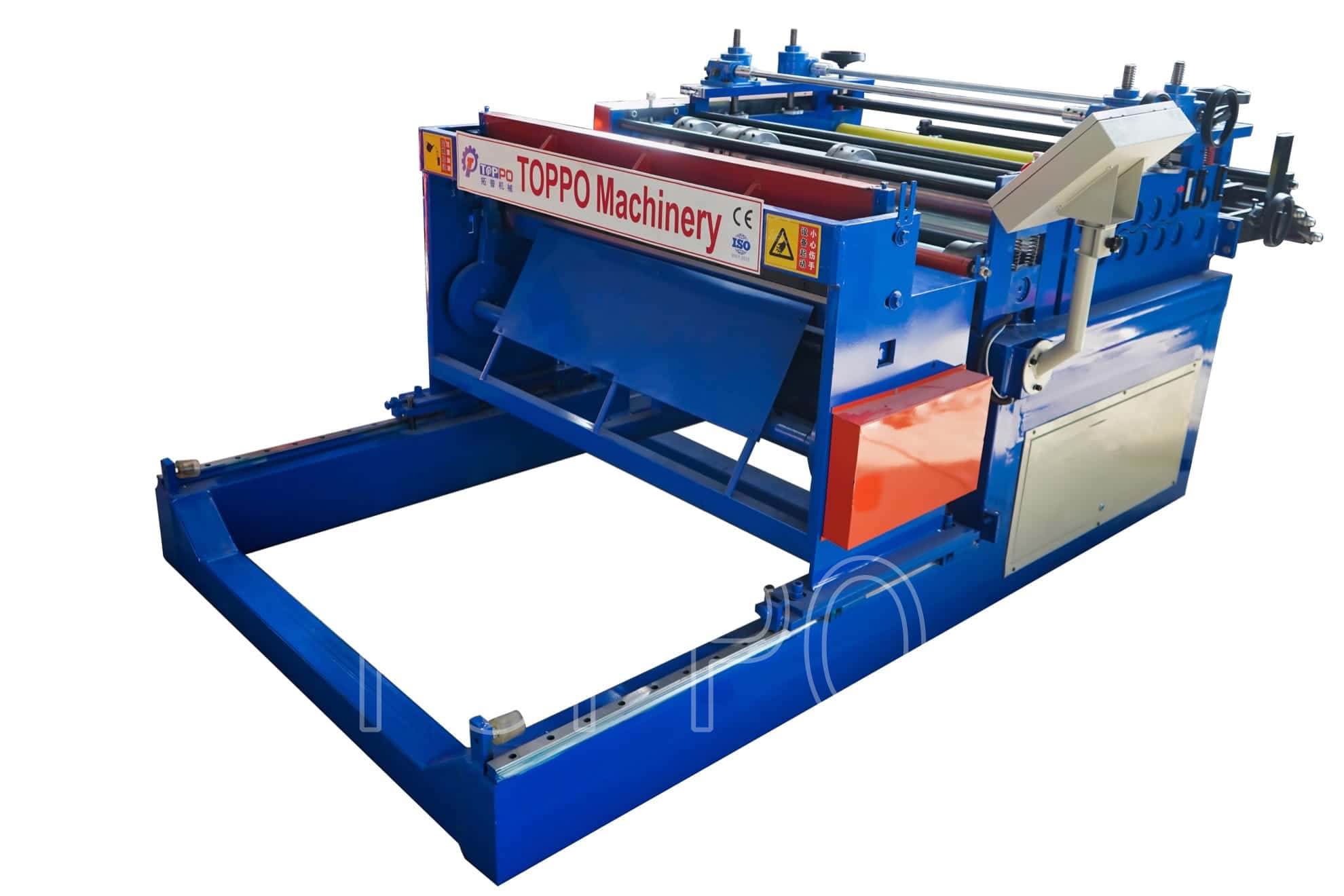



- Trapezoidal Machine
- Corrugated Machine
- Glazed Tile Machine
- Double Layer Machine
- CZU Purlin Machine
- Ridge Cap Machine
- Floor Decking Machine
- Rolling Shutter Door Machine
- Palisade Fence Machine
- Embossing Machine
- Standing Seam Machine
- Cut To Length And Slitting Line
- Guard Rail Machine
- Decoiler And Stacker
- Stud And Track Machine
- Gutter And DownPipe
- Curving Machine
- Cladding Panel Machine
- Corollary Equipment
- Other
Automatic Corrugated Roof Panel Roll Forming Machine with PLC HMI
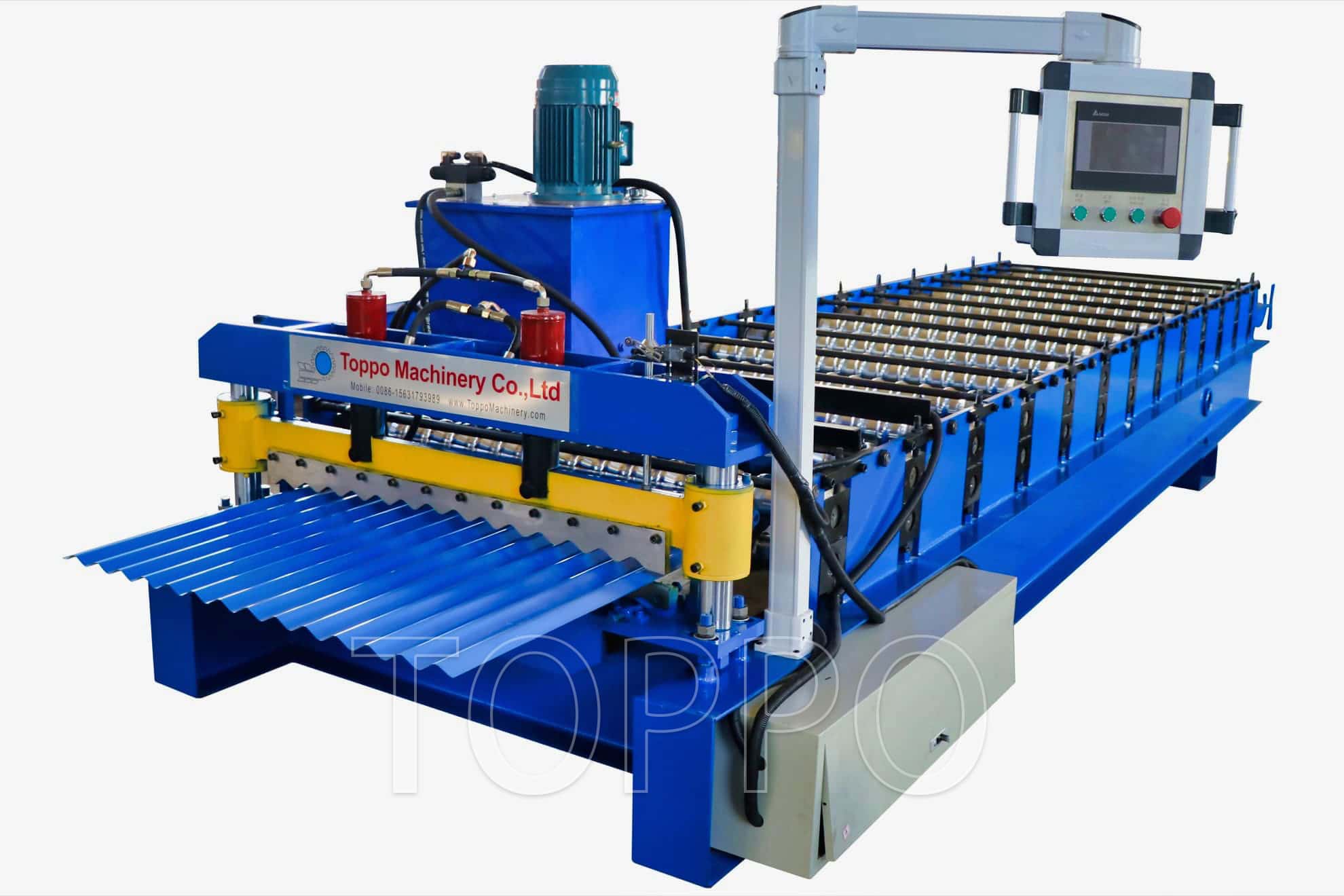
This corrugated roll forming machine is a complete cold-forming solution for producing metal roofing sheets, wall-cladding panels, siding sheets, fencing profiles, and other corrugated construction panels. The machine shown features a rigid welded base, multiple precision forming stations, an exposed front profile-forming and cutting section, a suspended PLC touch-screen console, and an enclosed electrical cabinet. Its long forming bed provides gradual profile development for stable sheet geometry and smooth material travel.
During production, coil material is centered through the entry guide and fed into the forming stations. Each roller pair progressively shapes the strip until the required corrugated profile is completed. An encoder measures the running sheet, while the PLC controls panel length, quantity, batch production, and the hydraulic cutting cycle. Finished sheets can be discharged onto manual receiving tables or transferred to an optional conveyor and automatic stacking system.
Key Features
PLC touch-screen control: Operators can set panel length, production quantity, batch information, and basic process parameters from the HMI.
Progressive multi-station forming: The sheet is formed gradually to improve profile consistency and reduce sudden deformation or springback.
Encoder length measurement: Continuous measurement supports repeatable automatic cutting at the programmed length.
Hydraulic profile cutting: A profile-matched cutting system provides reliable cutting action and clean finished ends.
Rigid welded structure: The integrated machine base and reinforced stands support alignment during continuous production.
Coated-sheet compatibility: Precision-machined and polished rollers help reduce scratches on galvanized and pre-painted materials.
Flexible engineering: Profile, width, thickness, speed, voltage, control components, and auxiliary equipment can be customized.
Expandable line layout: Manual or hydraulic decoilers, loading cars, leveling units, film devices, conveyors, and stackers are available.
Technical Attributes and Typical Configuration
Note: The following values describe common industrial configurations. Final specifications are confirmed according to the approved profile drawing, raw material properties, production target, and technical agreement.
| 1. Product Name | Automatic Corrugated Roof Panel Roll Forming Machine |
|---|---|
| 2. Equipment Category | Automatic cold roll forming production line |
| 3. Main Function | Continuous forming of corrugated roofing and wall-cladding panels |
| 4. Finished Product | Corrugated wave-profile metal sheets |
| 5. Application Fields | Roofing, wall cladding, siding, fencing, and general construction panels |
| 6. Suitable Raw Materials | GI, PPGI, GL, PPGL, aluminum, and other cold-formable coils |
| 7. Material Surface | Plain, galvanized, aluminum-zinc coated, or pre-painted |
| 8. Typical Thickness Range | Commonly 0.3-0.8 mm; other ranges available by engineering design |
| 9. Coil Width | Customized according to profile and effective cover width |
| 10. Coil Weight | Matched to the selected decoiler capacity |
| 11. Material Yield Strength | Confirmed before roller, shaft, and drive design |
| 12. Material Tensile Strength | According to customer-supplied coil specification |
| 13. Profile Shape | Round-wave, narrow-wave, or custom corrugated profile |
| 14. Effective Cover Width | Customized from the approved profile drawing |
| 15. Total Sheet Width | Customized |
| 16. Corrugation Pitch | Customized |
| 17. Corrugation Depth | Customized |
| 18. Side-Lap Geometry | Customized for installation and weather-sealing requirements |
| 19. Forming Method | Continuous progressive multi-pass roll forming |
| 20. Forming Stations | Selected according to profile complexity, material strength, and thickness |
| 21. Forming Roller Material | High-grade precision-machined steel |
| 22. Roller Heat Treatment | Optional hardening, quenching, chrome plating, or protective treatment |
| 23. Roller Surface Finish | Precision polished to help protect coated sheet surfaces |
| 24. Roller Design | Engineered from the approved profile drawing or physical sample |
| 25. Main Shaft Material | High-strength solid steel |
| 26. Shaft Diameter | Selected according to forming load and machine design |
| 27. Bearing Type | Industrial-duty bearings for continuous operation |
| 28. Forming Stand Structure | Heavy-duty vertical roller stands |
| 29. Main Frame | Rigid welded steel construction |
| 30. Machine Base | Integrated base for alignment and vibration resistance |
| 31. Main Drive | Electric motor with reduction or gearbox transmission |
| 32. Transmission Method | Chain, gear, gearbox, shaft, or combined transmission |
| 33. Main Motor Power | Configured according to material width, thickness, strength, and speed |
| 34. Production Speed | Customized; standard and high-output versions available |
| 35. Speed Control | Frequency-converter or servo-based control available |
| 36. Feeding Direction | Left-to-right or right-to-left layout |
| 37. Entry Guide | Adjustable guide assembly for accurate strip alignment |
| 38. Leveling System | Optional pre-leveling or precision leveling device |
| 39. Protective Film Unit | Optional film-covering device for painted sheet |
| 40. Cutting Method | Hydraulic profile cutting |
| 41. Cutting Position | Post-cut configuration; alternative layouts available |
| 42. Cutting Blade Material | Wear-resistant tool steel matched to the finished profile |
| 43. Cutting Cycle | Automatic hydraulic cutting controlled by PLC |
| 44. Finished Length | Programmable through the touch-screen control system |
| 45. Length Measurement | Encoder-based automatic measurement |
| 46. Length Calibration | Adjustable through PLC parameters |
| 47. Production Counting | Automatic piece and batch counting |
| 48. Hydraulic Station | Independent hydraulic power unit |
| 49. Hydraulic Motor Power | Selected according to cutting load and line speed |
| 50. Hydraulic Pressure | Adjusted to the final cutter configuration |
| 51. Control System | PLC automatic control |
| 52. Operator Interface | Industrial touch-screen HMI |
| 53. Operating Modes | Manual, jog, and automatic modes |
| 54. Control Functions | Length setting, quantity setting, batch control, jog, reset, and status display |
| 55. HMI Language | English or customized language options |
| 56. Electrical Components | Industrial-grade components; preferred brands can be specified |
| 57. Electrical Cabinet | Independent enclosed control cabinet |
| 58. Power Supply | Customized to destination voltage, phase, and frequency |
| 59. Typical Voltage Options | 380V/50Hz/3Ph, 415V/50Hz/3Ph, 440V/60Hz/3Ph, or customized |
| 60. Emergency Stop | Integrated emergency-stop protection |
| 61. Overload Protection | Motor, drive, and electrical overload protection |
| 62. Safety Guarding | Protective covers around transmission and cutting areas |
| 63. Surface Protection | Polished rollers and controlled forming pressure help protect sheet coatings |
| 64. Forming Stability | Progressive station design helps reduce distortion and springback |
| 65. Profile Repeatability | Consistent geometry under stable material and setup conditions |
| 66. Machine Color | Standard industrial finish or customized RAL color |
| 67. Overall Dimensions | Determined by profile, station quantity, and auxiliary equipment |
| 68. Machine Weight | Determined by final structure and drive configuration |
| 69. Decoiler Options | Manual, motorized, or hydraulic decoiler |
| 70. Coil Loading Car | Optional hydraulic loading trolley |
| 71. Run-Out Support | Manual receiving tables, conveyor, or automatic stacker |
| 72. Customization Scope | Profile, material, thickness, speed, voltage, direction, controls, and line layout |
Standard Production Process
Load the metal coil onto the selected decoiler.
Center the strip through the adjustable entry guide.
Pass the sheet through the optional leveling or protective-film device.
Feed the material into the first roll-forming stations.
Progressively form the required corrugated profile.
Measure the running sheet continuously with the encoder.
Activate hydraulic profile cutting at the programmed length.
Transfer finished panels to receiving tables, a conveyor, or an automatic stacker.
Suitable Raw Materials
The production line can be engineered for galvanized steel, pre-painted galvanized steel, Galvalume, pre-painted Galvalume, aluminum, and other cold-formable coil materials. Since different materials have different yield strength, tensile strength, coating sensitivity, and springback behavior, the roller geometry, station quantity, shaft size, motor power, and cutting system are finalized after the material specification is confirmed.
Typical Applications
Industrial workshop roofing and wall cladding
Warehouse and logistics-building panels
Agricultural sheds, barns, and livestock buildings
Commercial buildings and light-steel structures
Prefabricated houses and modular buildings
Temporary construction facilities
Metal fencing and protective wall panels
Roofing-sheet manufacturing and distribution centers
Optional Production-Line Equipment
A complete line may include a manual decoiler, motorized decoiler, hydraulic decoiler, coil loading car, leveling unit, protective-film device, pre-punching system, servo feeder, main roll former, hydraulic cutting unit, PLC control cabinet, receiving tables, conveyor, and automatic stacker. The final arrangement can be selected according to coil weight, production target, factory space, labor level, and investment plan.
Information Required for Customization
For an accurate quotation and technical proposal, please provide the finished panel drawing, effective cover width, total sheet width, corrugation pitch, corrugation depth, raw material type, material grade, thickness range, coil width, coil weight, target production speed, required panel length, local voltage, preferred control brands, and required auxiliary equipment. A physical sheet sample may also be used for profile confirmation.
Quality Control and Factory Testing
Before shipment, the machine can be fully assembled, aligned, wired, and test-run. Typical inspection items include roller alignment, shaft operation, profile dimensions, sheet surface quality, cutting action, length calibration, hydraulic pressure, PLC functions, emergency-stop operation, transmission performance, and overall running stability. Test sheets, photos, and machine-operation videos can be supplied according to the project agreement.
Installation and After-Sales Support
Machine layout drawings, foundation information, electrical diagrams, operation manuals, and maintenance instructions are available. Remote support can assist with machine placement, wiring, hydraulic preparation, parameter setup, length calibration, and trial production. On-site installation, commissioning, and operator training can be arranged according to contract terms.
Maintenance Recommendations
Clean forming rollers and entry guides regularly to protect finished sheet surfaces.
Lubricate bearings, chains, gears, and designated moving parts on schedule.
Inspect roller alignment, transmission tension, fasteners, and cutting-blade clearance.
Check hydraulic oil level, hoses, seals, valves, filters, and operating pressure.
Keep the electrical cabinet dry, clean, and properly ventilated.
Recalibrate length settings after changing material, speed, or encoder components.
Frequently Asked Questions
Q: Can the machine produce our exact corrugated profile?
A: Yes. The forming rollers and cutting blade are designed from the approved drawing or physical sample.
Q: Can the line process pre-painted steel?
A: Yes. The forming sequence and roller surface can be optimized for coated material. Material samples are recommended for final testing.
Q: Is the finished panel length adjustable?
A: Yes. Length and quantity can be entered through the PLC touch screen within the designed operating range.
Q: Can voltage and control language be customized?
A: Yes. Voltage, phase, frequency, electrical standards, and interface language can be configured for the destination market.
Q: Can an automatic stacker be added?
A: Yes. Receiving tables, conveyors, pneumatic stackers, hydraulic stackers, and servo stacking systems are available.
Why Choose This Corrugated Roll Forming Machine?
This machine combines progressive forming technology, PLC automation, encoder length control, hydraulic profile cutting, a rigid mechanical platform, and flexible auxiliary equipment in one production line. It is suitable for manufacturers seeking repeatable panel quality, efficient coil processing, reduced manual handling, and a system customized to their exact roofing profile and material requirements.
- User name Member Level Quantity Specification Purchase Date
- Satisfaction :
-