- Trapezoidal Machine
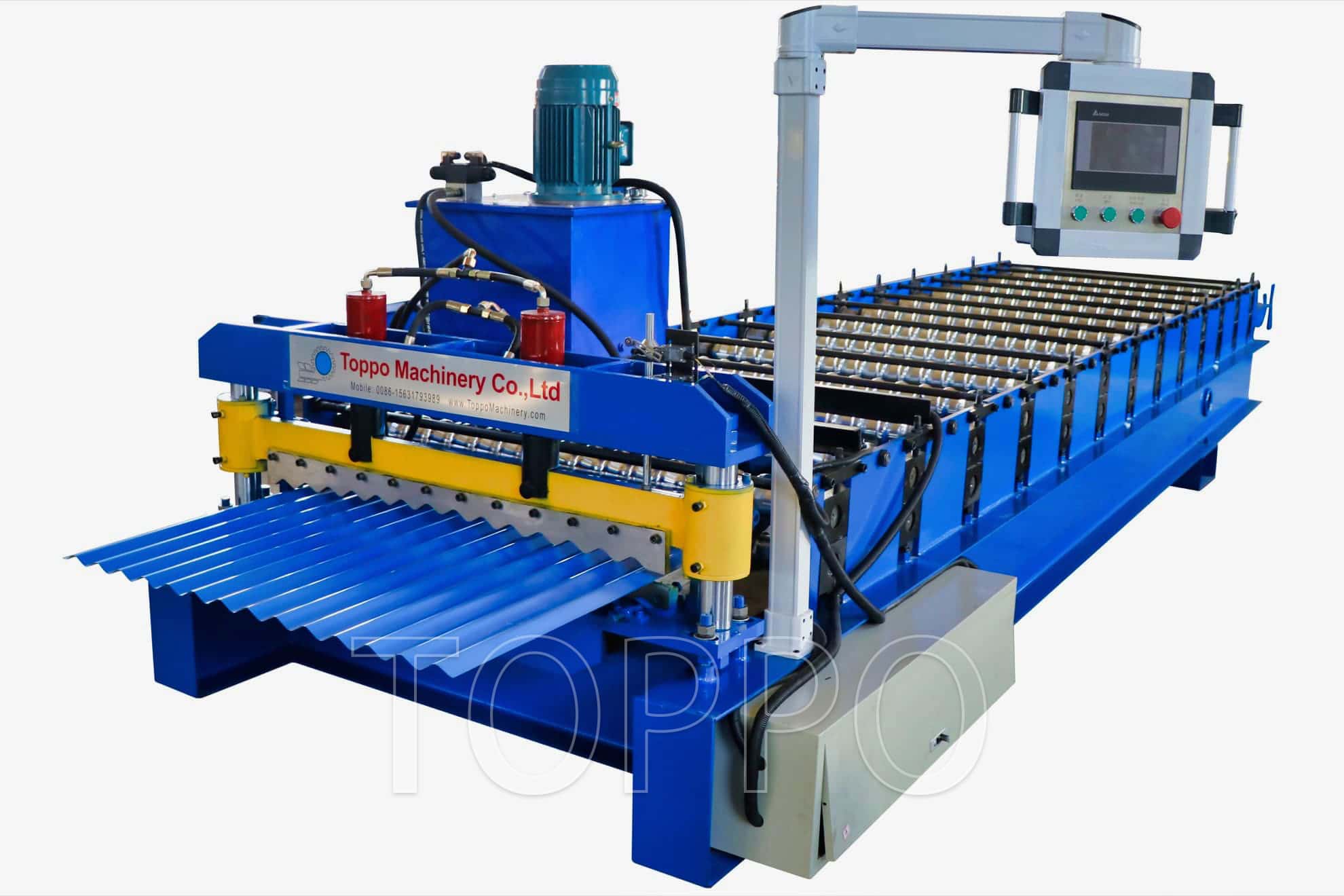
- Corrugated Machine
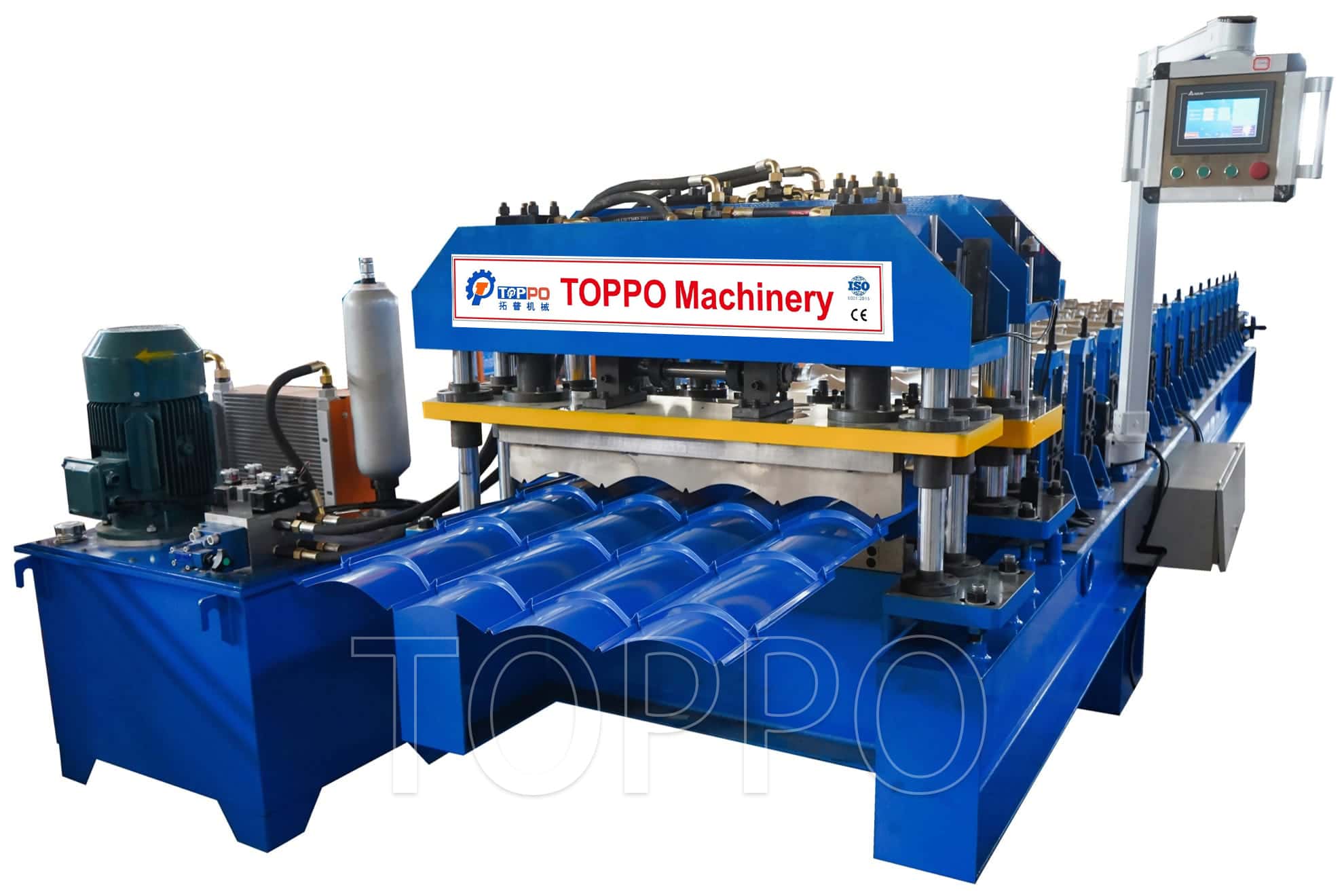
- Glazed Tile Machine
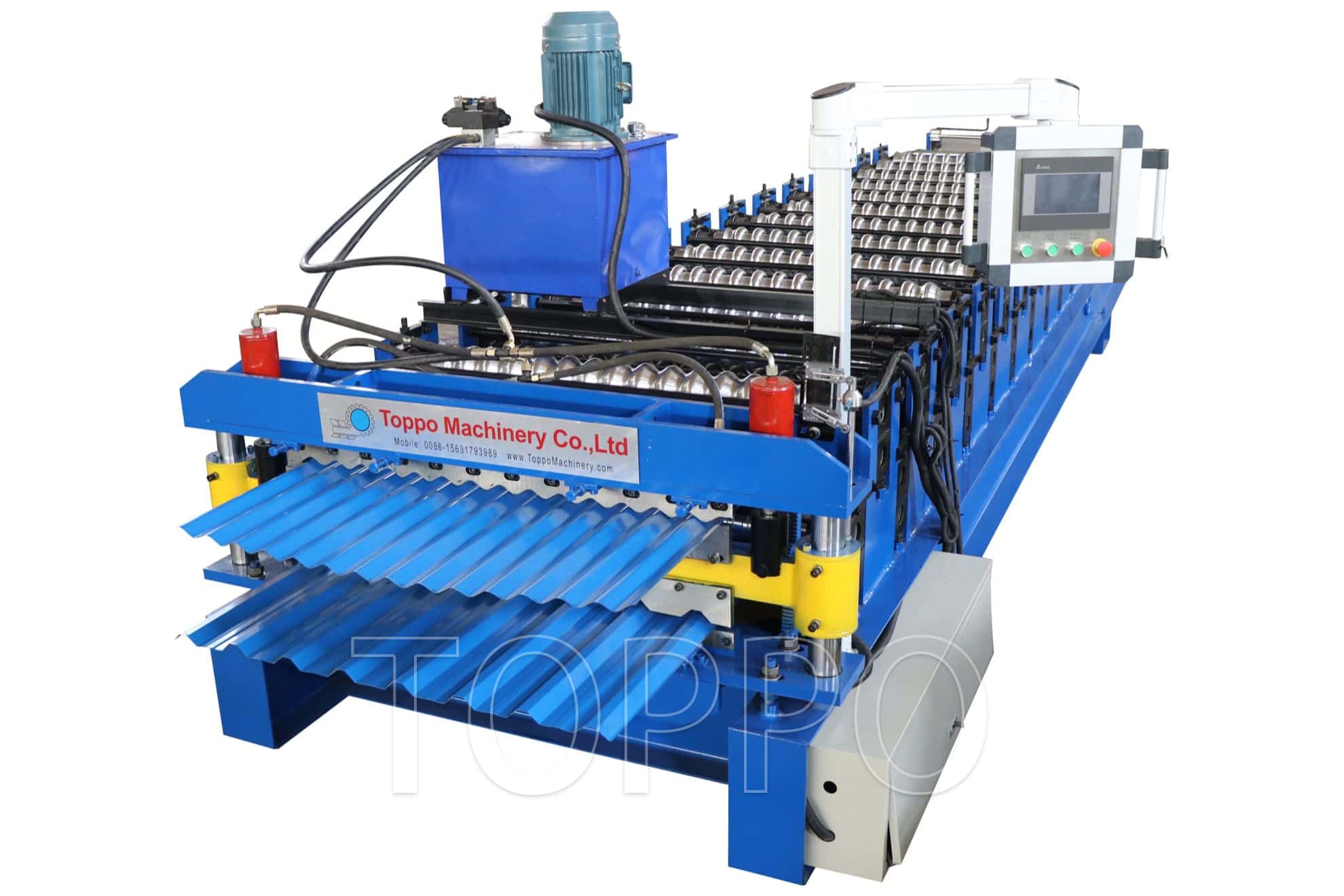
- Double Layer Machine
- CZU Purlin Machine
- Ridge Cap Machine
- Floor Decking Machine
- Rolling Door Machine
- Fence Machine
- Embossing Machine
- Standing Seam Machine
- Cut To Length And Slitting Line
- Guard Rail Machine
- Decoiler And Stacker
- Stud And Track Machine
- Gutter And DownPipe
- Curving Machine
- Cladding Panel Machine
- Corollary Equipment
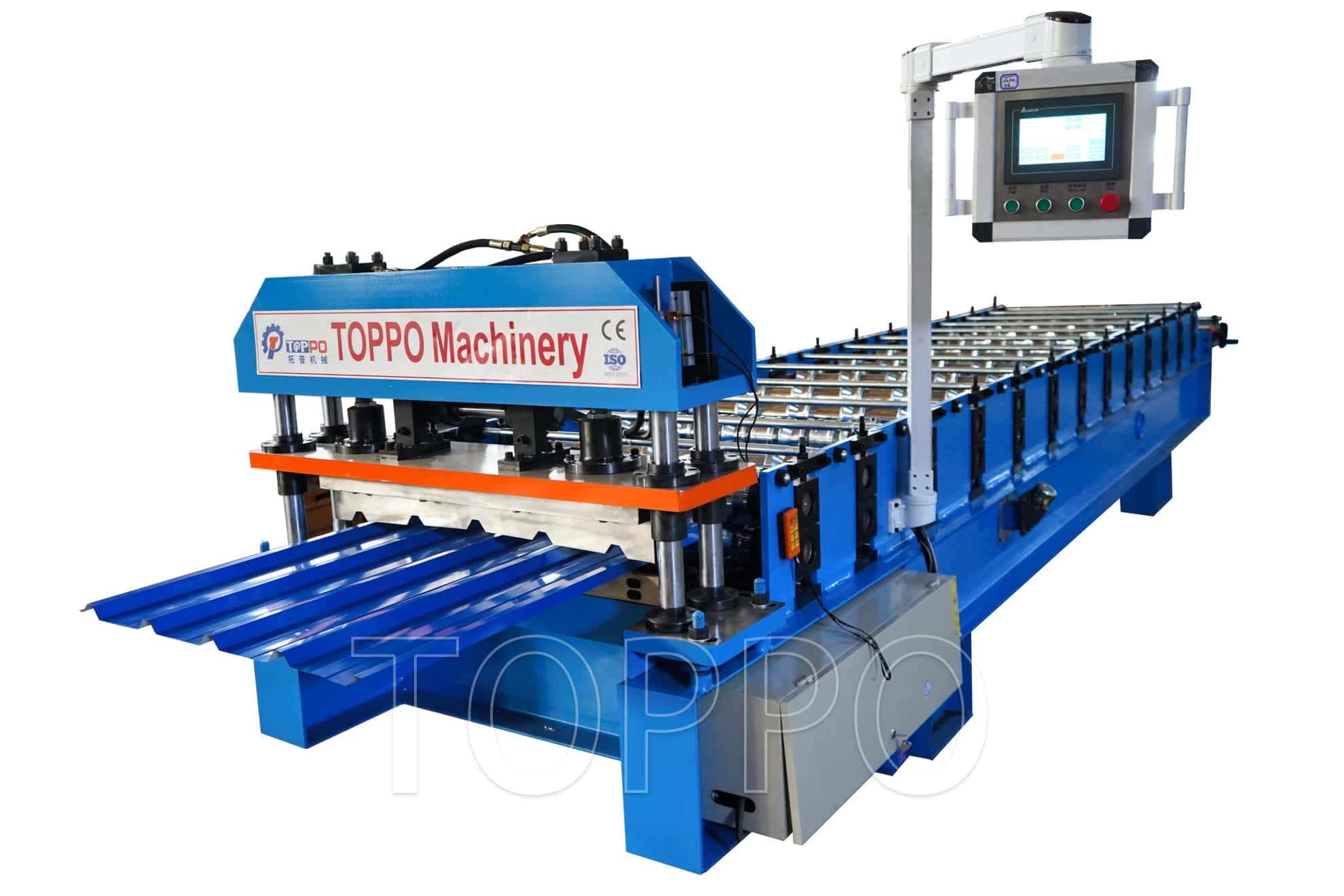



- Trapezoidal Machine
- Corrugated Machine
- Glazed Tile Machine
- Double Layer Machine
- CZU Purlin Machine
- Ridge Cap Machine
- Floor Decking Machine
- Rolling Shutter Door Machine
- Palisade Fence Machine
- Embossing Machine
- Standing Seam Machine
- Cut To Length And Slitting Line
- Guard Rail Machine
- Decoiler And Stacker
- Stud And Track Machine
- Gutter And DownPipe
- Curving Machine
- Cladding Panel Machine
- Corollary Equipment
- Other
Automatic Glazed Tile Roofing Making Machine
This glazed tile roofing making machine produces attractive stepped metal roofing panels with a traditional tile appearance and the strength, light weight, and durability of coated steel. The line is engineered for stable forming, accurate tile-step positioning, repeatable cutting length, and convenient operation. It is suitable for medium- and large-scale production of roofing sheets used in villas, residential buildings, resorts, factories, warehouses, pavilions, and commercial construction.
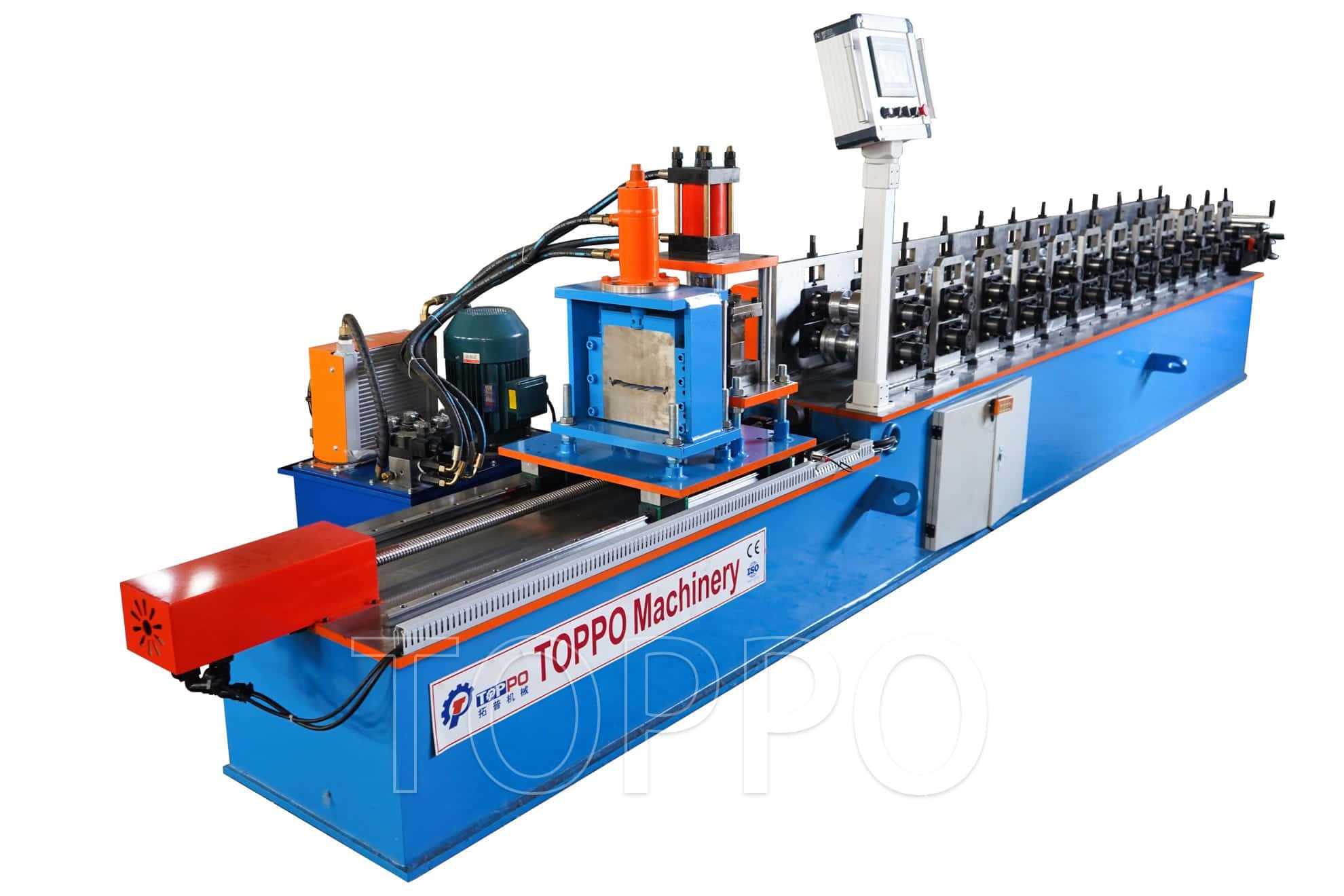
The machine shown is equipped with a rigid welded base, multi-station roll forming section, hydraulic tile-step pressing and cutting unit, hydraulic power pack, electrical control cabinet, and movable touch-screen operator panel. Final specifications are configured according to the customer's required profile drawing, coil material, thickness, and production capacity.
Key Benefits
Produces decorative glazed-style metal roofing panels in a continuous automated process.
PLC and touch-screen control simplify length setting, quantity setting, speed adjustment, and production monitoring.
Hydraulic step pressing creates consistent tile spacing and a clear three-dimensional roof tile appearance.
Precision forming rollers help protect the coating surface and maintain stable profile geometry.
Automatic length measurement and cutting reduce manual work and improve batch consistency.
Modular configuration allows customization for different tile profiles, widths, pitches, materials, and factory standards.
Typical Production Process
Coil loading → material guiding → leveling → continuous roll forming → tile-step pressing → automatic length measurement → hydraulic cutting → finished panel discharge.
Product Attributes and Technical Configuration
| Attribute | Typical Specification / Description |
|---|---|
| 1. Product Name | Glazed Tile Roofing Making Machine |
| 2. Machine Category | Cold roll forming equipment for decorative metal roofing panels |
| 3. Main Function | Forms flat metal coil into stepped glazed tile roof sheets |
| 4. Finished Product | Metal glazed roof tile panels with repeated tile steps |
| 5. Suitable Raw Material | Pre-painted steel, galvanized steel, Galvalume steel, or aluminum |
| 6. Material Form | Coil-fed sheet metal |
| 7. Material Thickness | Commonly configured around 0.3-0.8 mm; customized by profile and material strength |
| 8. Feeding Width | Customized according to the required finished panel profile |
| 9. Effective Cover Width | Customized according to roof sheet drawing |
| 10. Tile Step Length | Programmable or mechanically configured to customer requirements |
| 11. Tile Step Height | Customized by forming and hydraulic pressing design |
| 12. Profile Shape | Glazed tile, Roman tile, classic tile, or custom decorative roofing profile |
| 13. Forming Method | Continuous multi-pass cold roll forming |
| 14. Forming Stations | Selected according to profile complexity and material specification |
| 15. Roller Material | High-grade machined steel with optional surface hardening or chrome treatment |
| 16. Roller Processing | Precision CNC machining for stable profile accuracy |
| 17. Main Shaft Material | Heat-treated high-strength steel |
| 18. Shaft Diameter | Configured according to machine load and profile design |
| 19. Machine Frame | Heavy-duty welded steel base with stress-relief and precision machining |
| 20. Side Structure | Guide-post, wall-panel, or modular support design depending on model |
| 21. Drive System | Motor-driven transmission through chain, gearbox, or combined drive |
| 22. Main Motor | Industrial electric motor sized to line speed and material thickness |
| 23. Speed Control | Variable-frequency control available for smooth acceleration and adjustment |
| 24. Typical Forming Speed | Configured to the profile and pressing cycle; custom high-efficiency options available |
| 25. Feeding Guide | Adjustable entry guide for accurate coil alignment |
| 26. Leveling Function | Optional pre-leveling section improves strip flatness before forming |
| 27. Tile Pressing System | Hydraulic step-forming press |
| 28. Cutting Method | Hydraulic profile-following cutting or stop-to-cut system |
| 29. Cutting Length Control | Automatic encoder-based length measurement |
| 30. Length Accuracy | Optimized through encoder calibration, stable feeding, and PLC control |
| 31. Control System | PLC automatic control |
| 32. Operator Interface | Touch-screen HMI with production parameter display |
| 33. Operating Mode | Automatic and manual/jog modes |
| 34. Quantity Setting | Batch quantity can be entered through the touch screen |
| 35. Length Setting | Multiple panel lengths can be programmed according to controller configuration |
| 36. Emergency Stop | Dedicated emergency-stop circuit for operator safety |
| 37. Electrical Components | Industrial-grade components; preferred brands can be specified |
| 38. Hydraulic Power Unit | Independent hydraulic station for tile pressing and cutting |
| 39. Hydraulic Cooling | Cooling configuration available for prolonged or high-duty production |
| 40. Lubrication | Manual or centralized lubrication points for key transmission components |
| 41. Power Supply | Customized voltage, frequency, and phase for the destination country |
| 42. Machine Color | Standard industrial finish or customized RAL color |
| 43. Installation Type | Floor-mounted production line with leveling and anchoring points |
| 44. Decoiler Compatibility | Manual, hydraulic, or motorized decoiler can be matched |
| 45. Coil Capacity | Selected according to customer coil weight and production plan |
| 46. Run-out Support | Simple support table, roller conveyor, or automatic stacker available |
| 47. Automation Level | Semi-automatic to fully automatic configuration |
| 48. Noise and Vibration Control | Rigid base, aligned shafts, and stable transmission reduce operating vibration |
| 49. Surface Protection | Roller design helps minimize scratches on pre-painted sheet surfaces |
| 50. Profile Change | Fixed-profile, cassette, or special quick-change solution available by project |
| 51. Customization Basis | Customer profile drawing, sample sheet, cover width, pitch, and material data |
| 52. Application Industry | Roofing sheet factories, steel construction, building materials, and prefab housing |
| 53. Typical Buildings | Villas, houses, resorts, pavilions, factories, warehouses, and commercial roofs |
| 54. Required Operators | Normally one trained operator plus material handling support, depending on line setup |
| 55. Maintenance Focus | Roller cleaning, chain or gearbox inspection, hydraulic oil, sensors, and fasteners |
| 56. Documentation | Operation manual, electrical diagram, foundation information, and parts list available |
| 57. Factory Testing | Trial production and dimensional inspection can be performed before shipment |
| 58. Packaging | Main machine protected for export; electrical and loose parts packed separately |
| 59. Transport | Containerized shipping configuration according to machine dimensions |
| 60. After-sales Support | Remote technical guidance, installation support, training, and spare-parts service available |
Roofing Panel Applications
The finished glazed metal tiles combine an architectural appearance with efficient installation and low structural weight. They are commonly used for villa roofs, residential developments, tourism buildings, garden structures, farm buildings, light-steel houses, commercial facilities, and renovation projects where a decorative tiled appearance is required.
Customization Options
Custom roof tile profile based on drawing or physical sample
Different tile pitch, step depth, rib height, and effective cover width
Manual, hydraulic, or motorized decoiler
Pre-leveler, protective-film device, punching unit, or embossing option
Servo-controlled pressing and cutting for enhanced production flexibility
Automatic receiving table, conveyor, or stacking system
Electrical configuration for local voltage and preferred component brands
Safety guarding, warning lights, language options, and remote diagnostics
Quality and Ordering Information
For an accurate machine proposal, please provide the roof tile profile drawing, raw material type, material thickness, coil width, required panel lengths, expected production capacity, local power supply, and preferred automation level. The machine will then be engineered and tested around the confirmed production parameters.
Note: Technical values are project-dependent. Final specifications are subject to the approved profile drawing and sales contract.
- User name Member Level Quantity Specification Purchase Date
- Satisfaction :
-