Improving Edge Straightness in Roofing Sheet Production: Practical Machine Adjustment Techniques
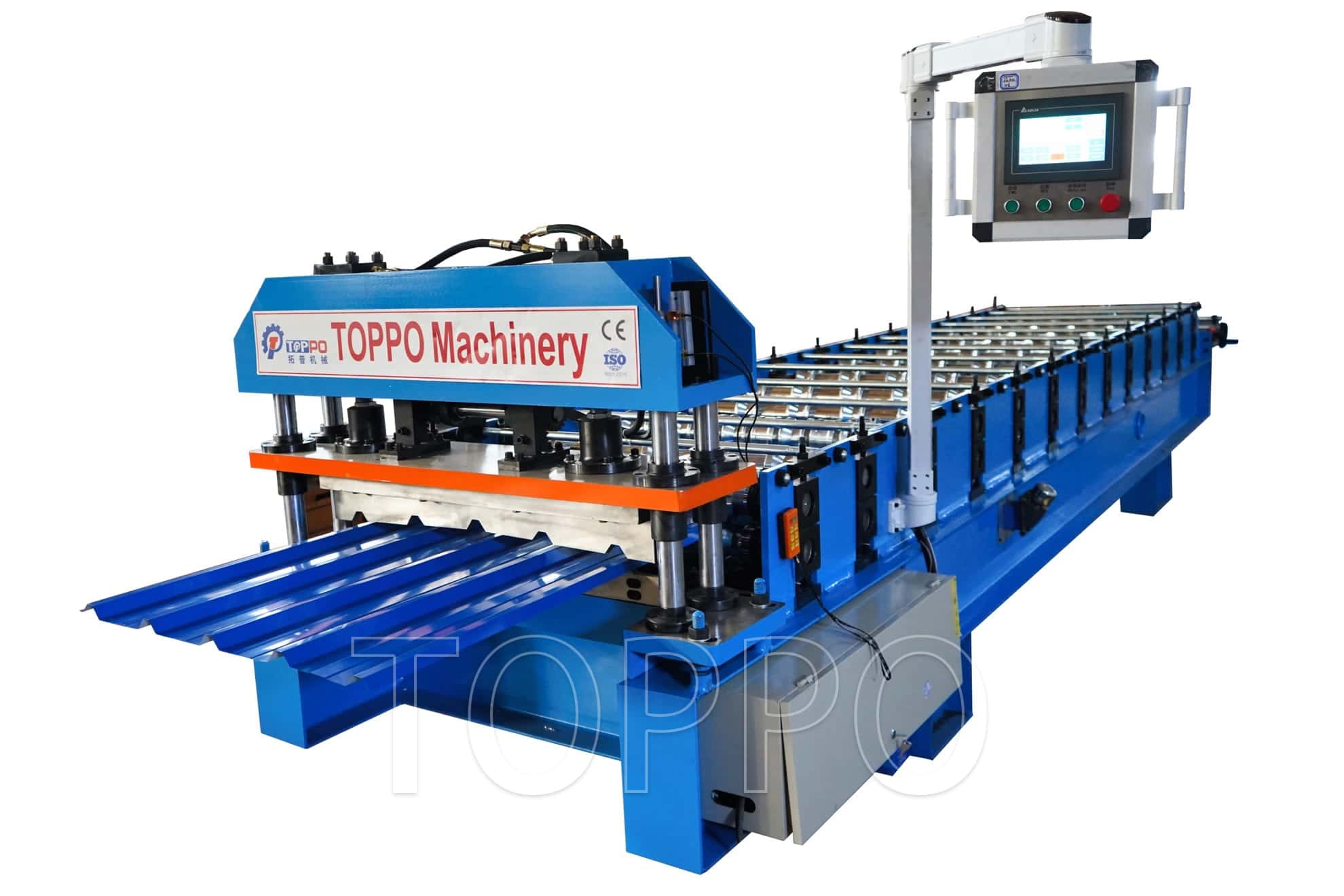
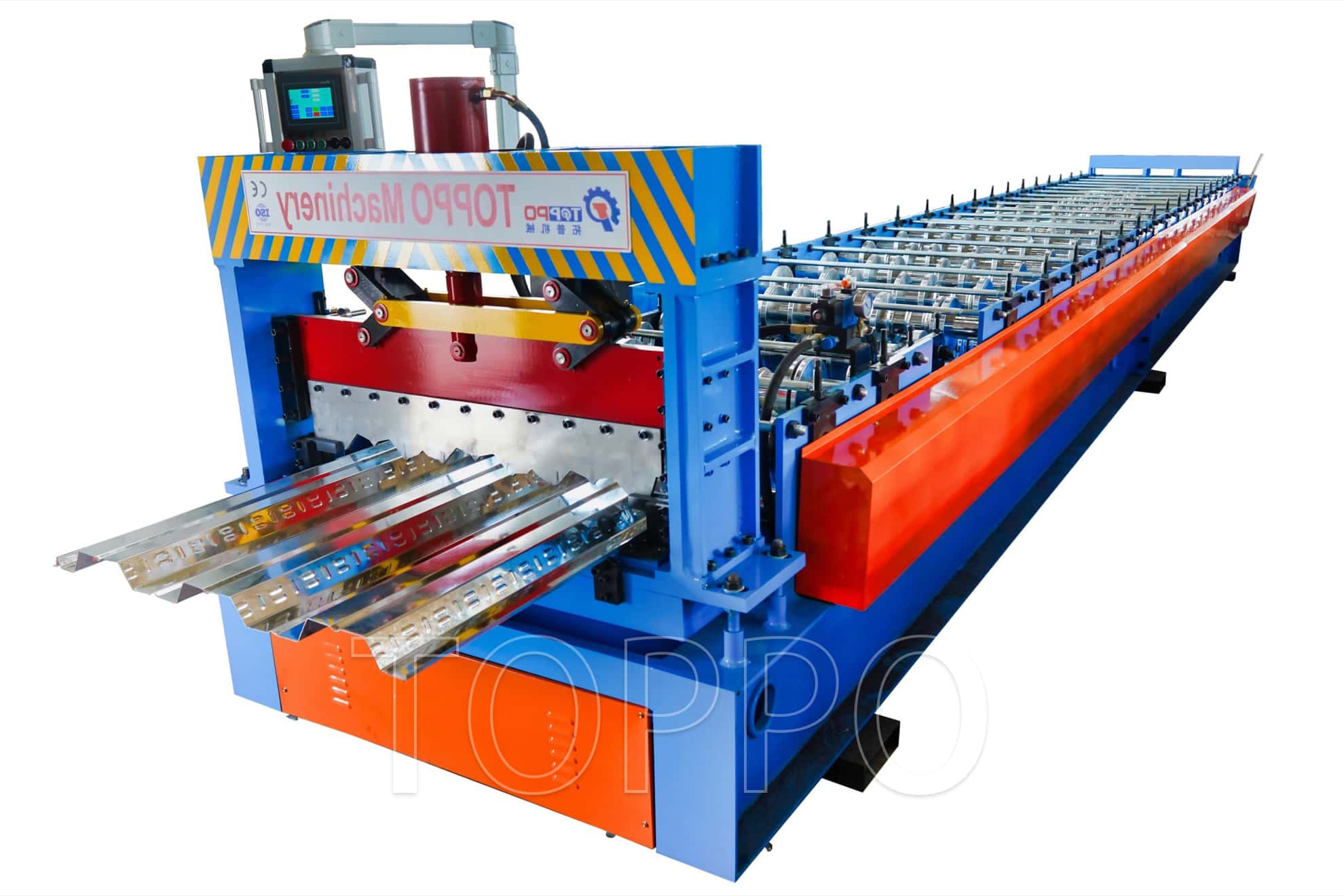
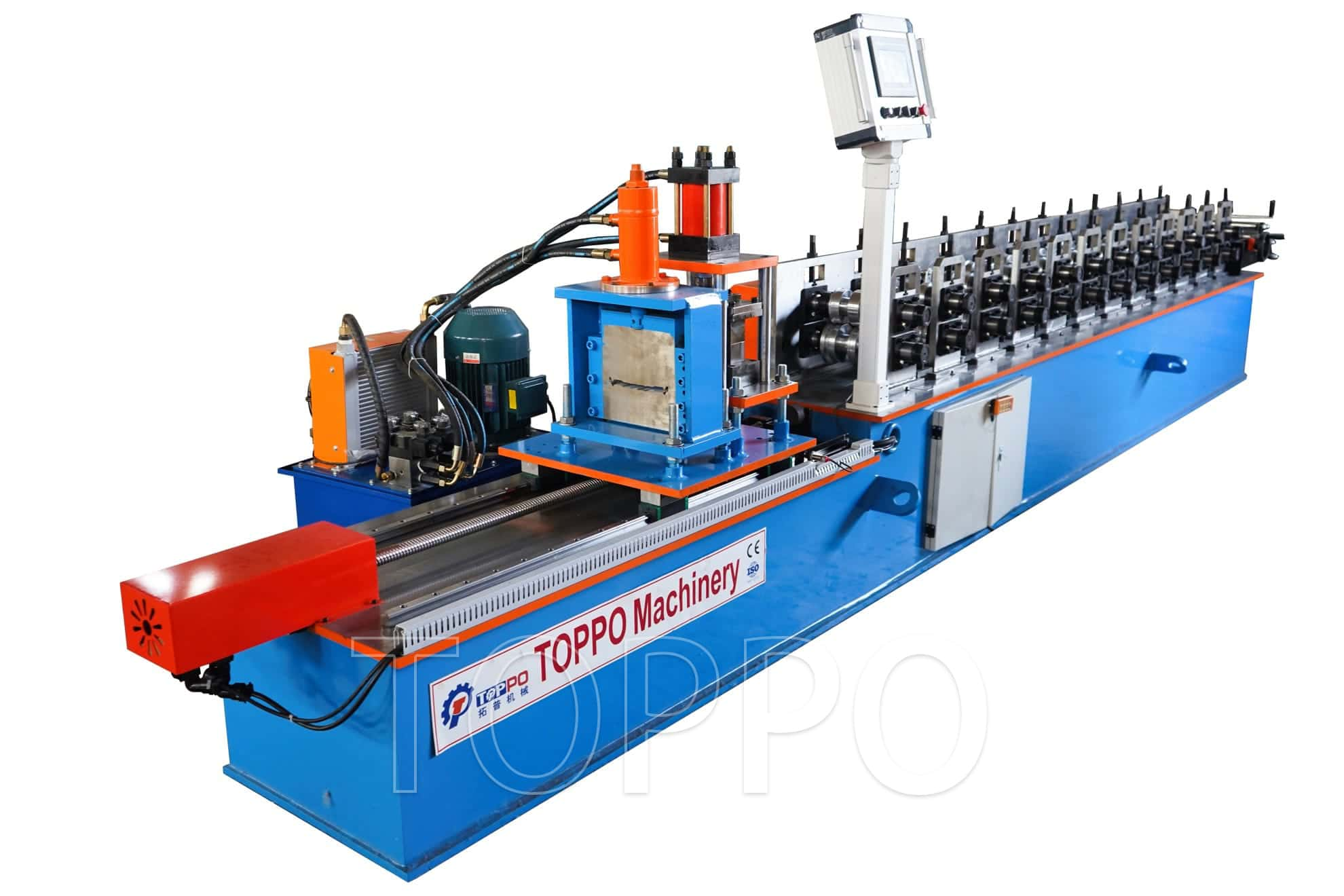
This article offers detailed guidance on improving edge straightness in roofing sheet production using PV4 panel trapezoidal sheet roll forming machines.

Improving Edge Straightness in Roofing Sheet Production: Practical Machine Adjustment Techniques
Maintaining edge straightness in roofing sheets is essential for structural fit and aesthetic appeal. The PV4 panel trapezoidal sheet roll forming machine plays a central role in achieving this. With proper setup and ongoing calibration, manufacturers can significantly enhance panel quality.
1. Level Entry Guides Properly
Misaligned entry guides cause uneven feeding. Ensure both sides of the coil are symmetrically guided into the trapezoidal roll forming machine with micrometer-verified spacing adjustments.
2. Adjust Roller Gap Uniformly
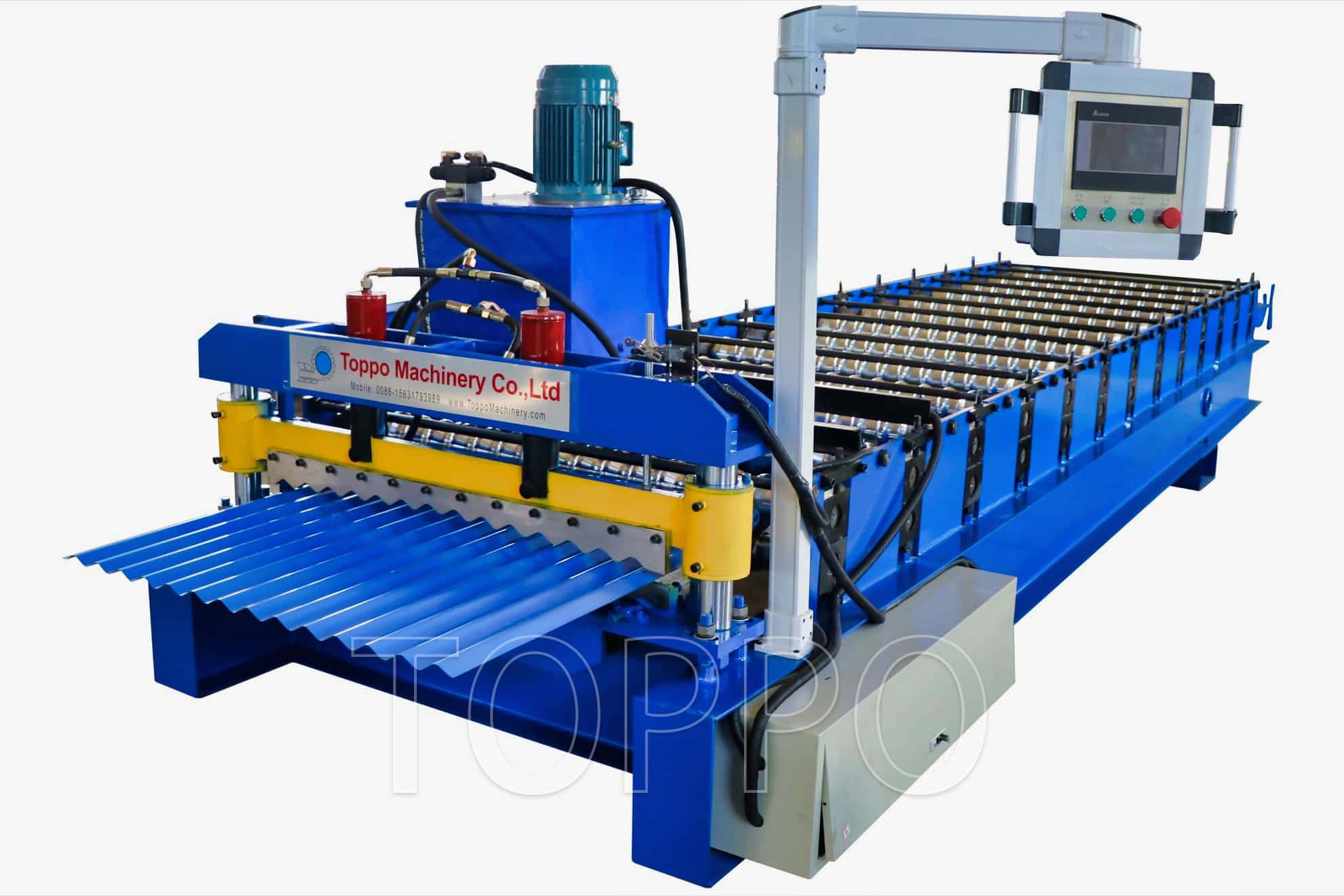
Gaps between rollers must be consistent across the line. Use feeler gauges to verify uniform spacing on both ends of each roller pair on the roof panel making machine.
3. Monitor Material Memory
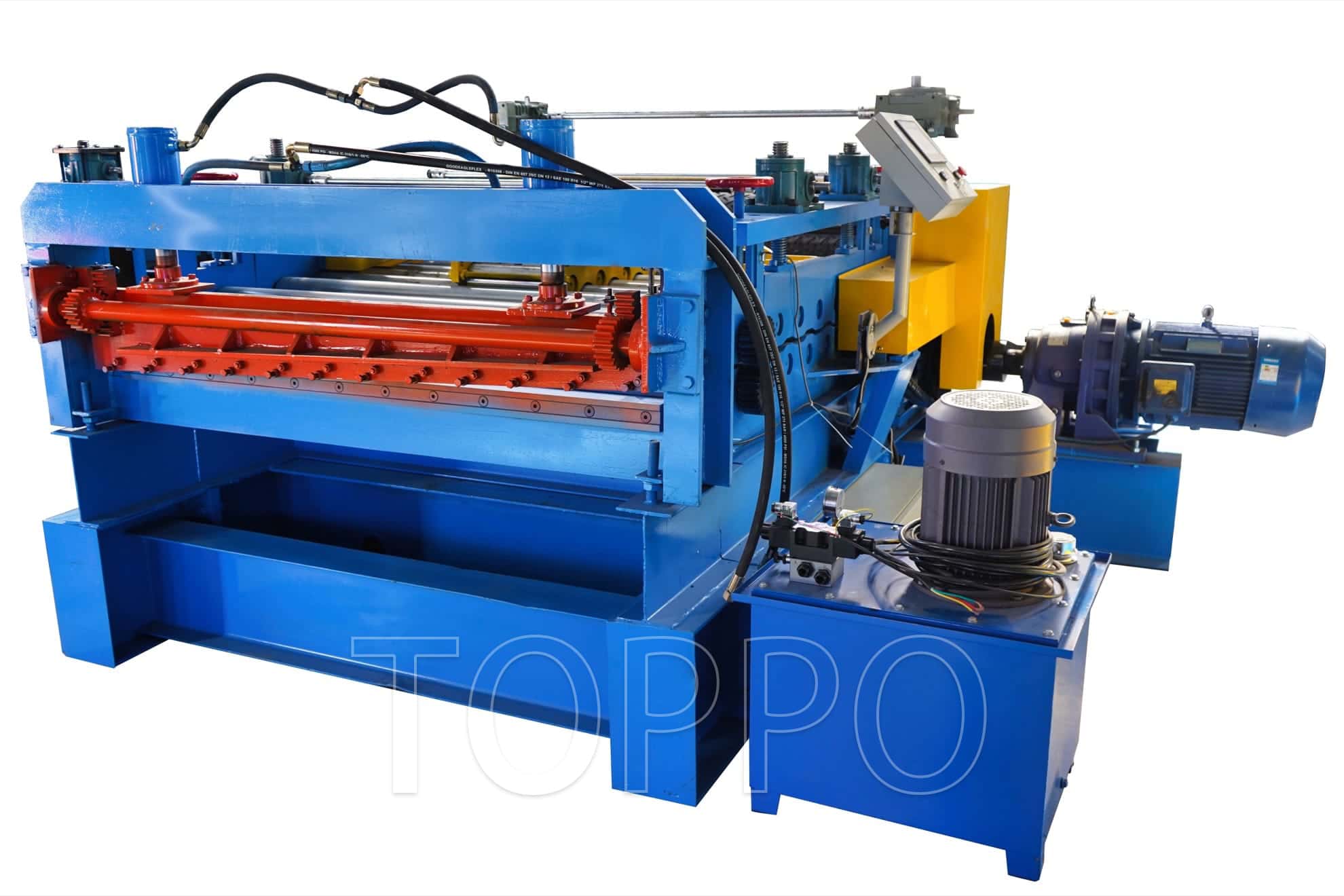
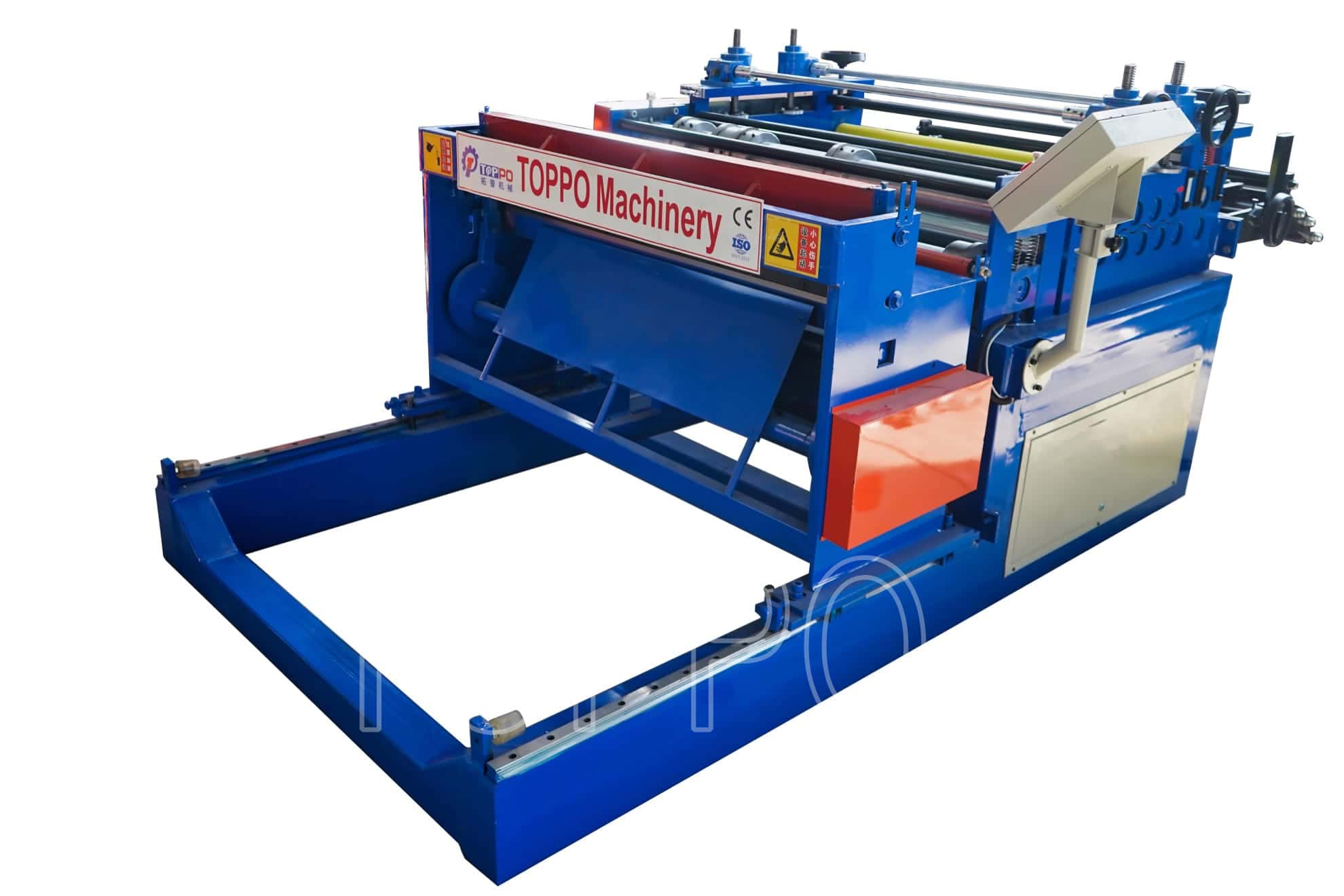
Some coils retain curvature. Flattening systems should be properly calibrated to prevent material from “snapping back,” which affects edge control.
4. Calibrate Edge Cutting Units
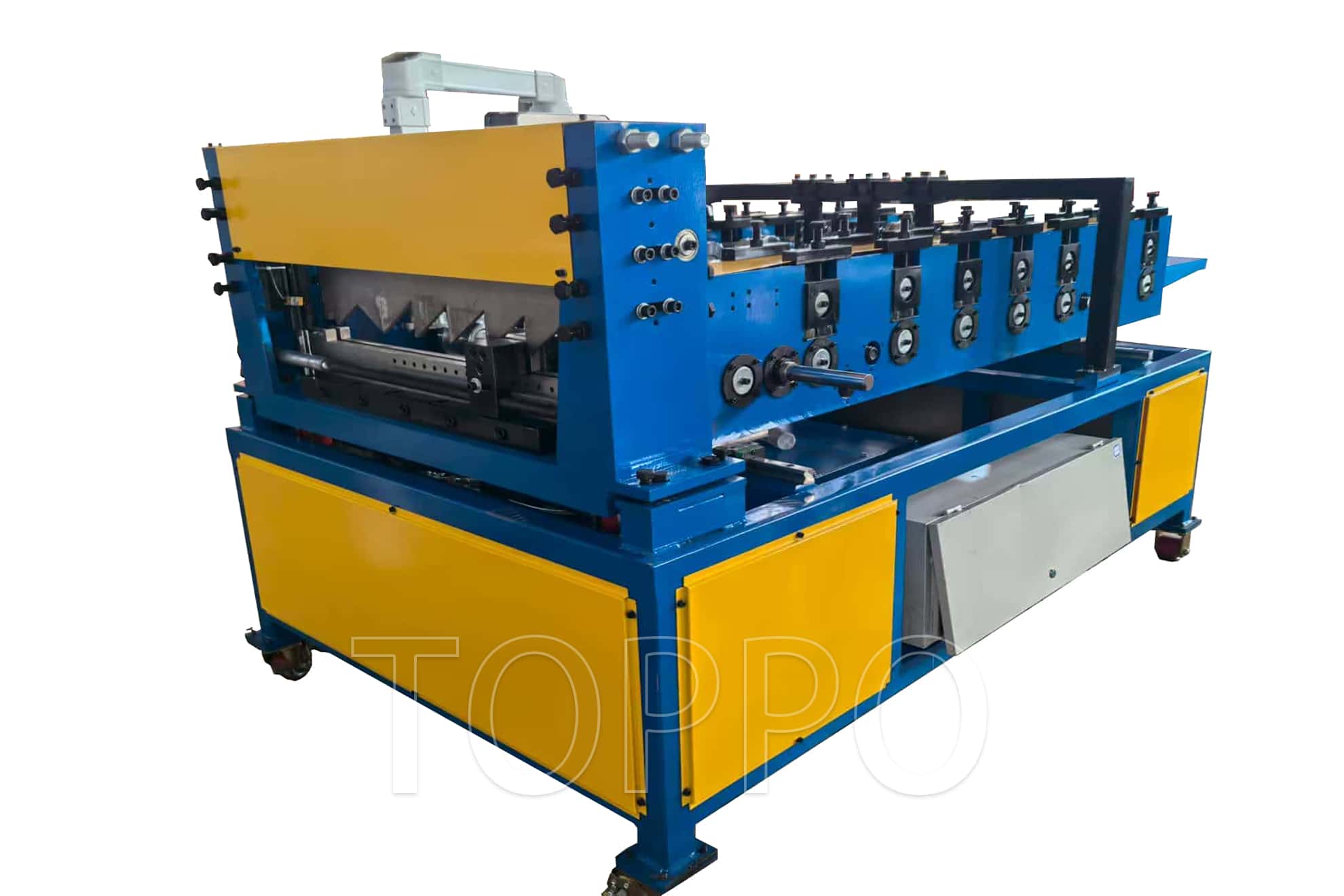
Shearing systems at the line exit must be adjusted to compensate for roll pressure displacement. Uneven cuts are often a symptom of side-load bias during forming.
5. Document and Repeat Adjustments
Log every change made during calibration. Build a checklist for operators handling PV4 lines to standardize quality across shifts and teams.
Case Study: Montevideo Steel Forms
This factory reduced edge deviation by 70% by installing line sensors to track sheet drift. Data was used to re-tune the roof panel making machine and balance force along the trapezoidal roll forming machine.
Tags: PV4 panel trapezoidal sheet roll forming machine, roof panel making machine, trapezoidal roll forming machine, edge straightness, roll forming calibration
READ MORE: