Boosting Productivity While Cutting Labor Costs in South African Roofing Manufacturing
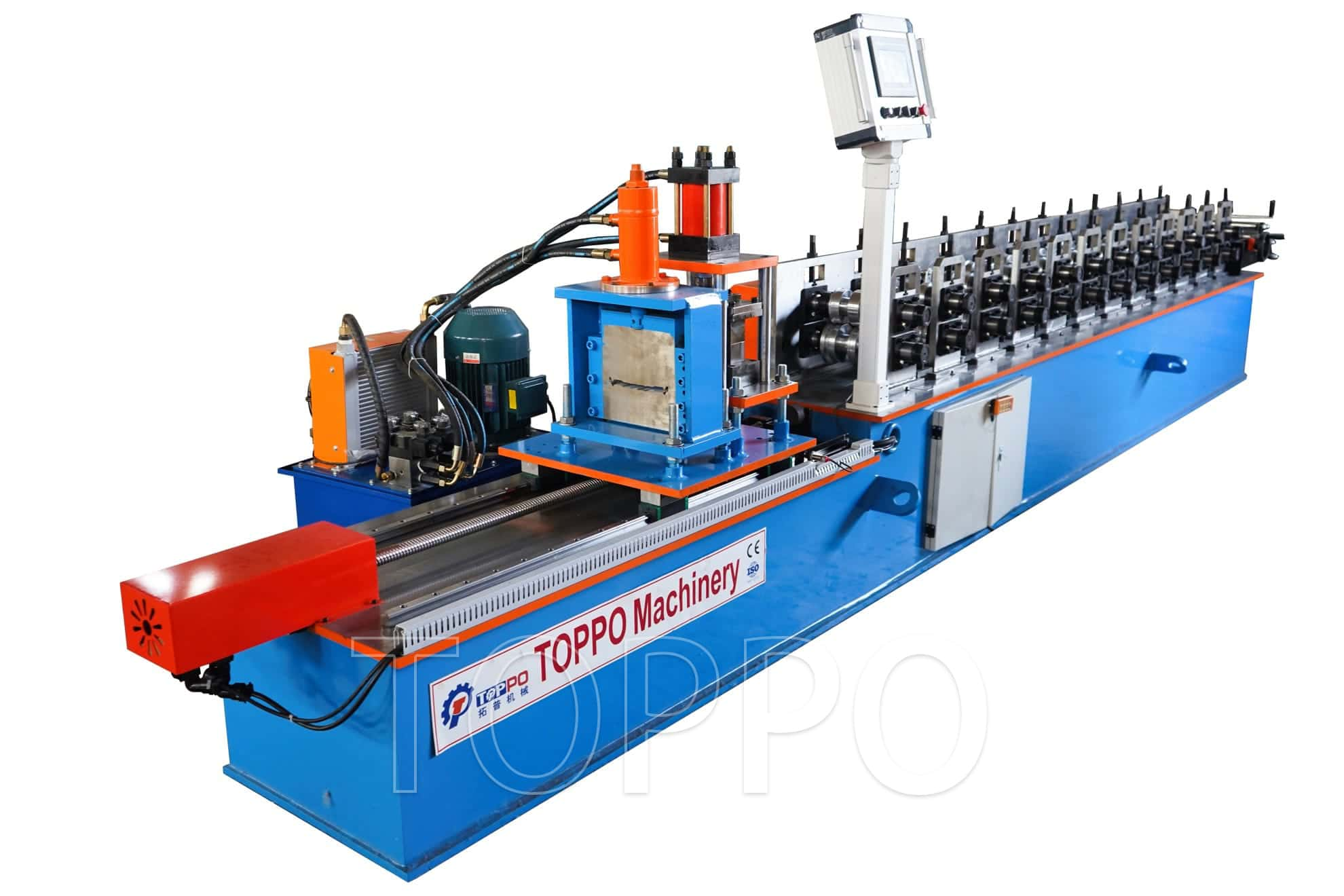
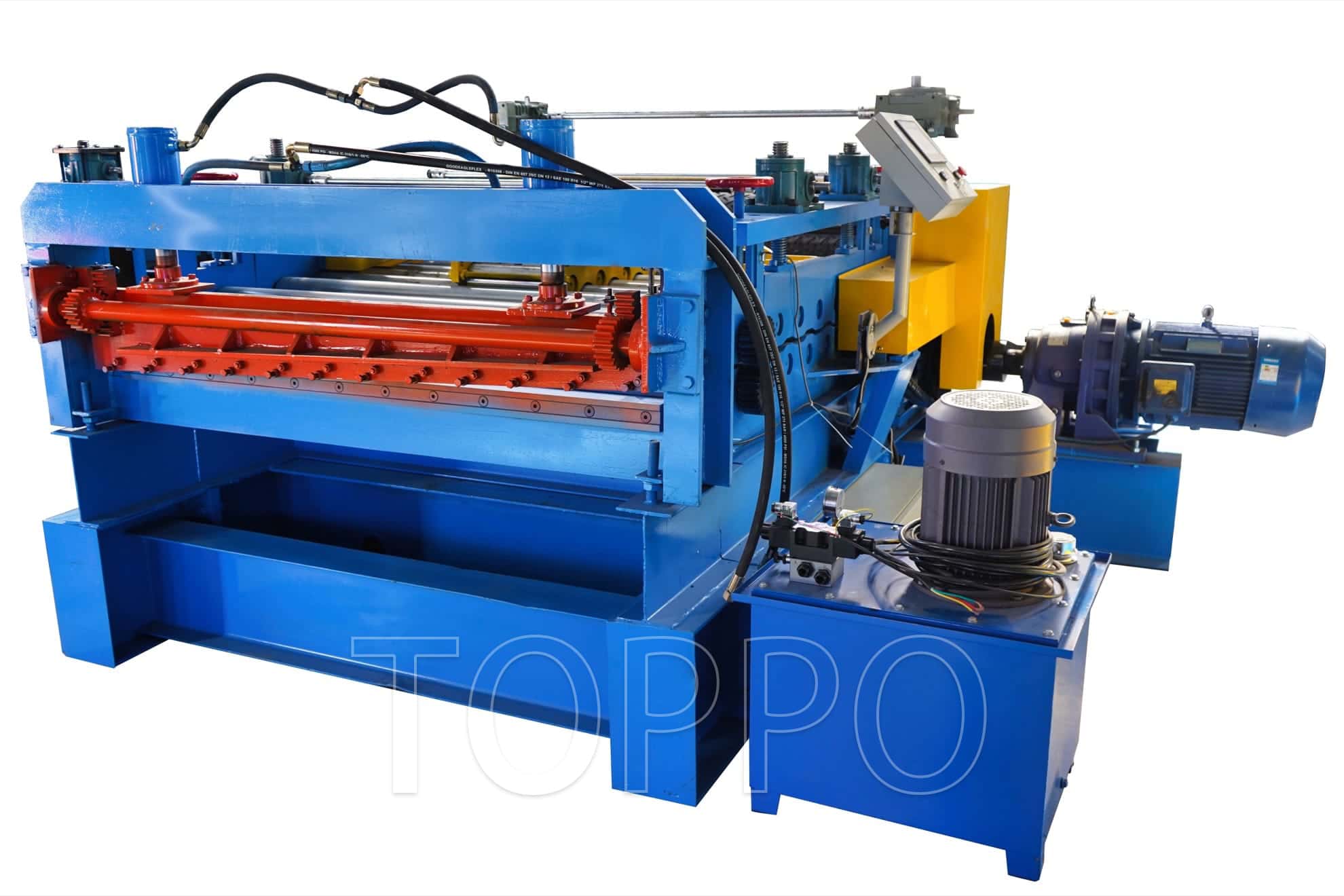
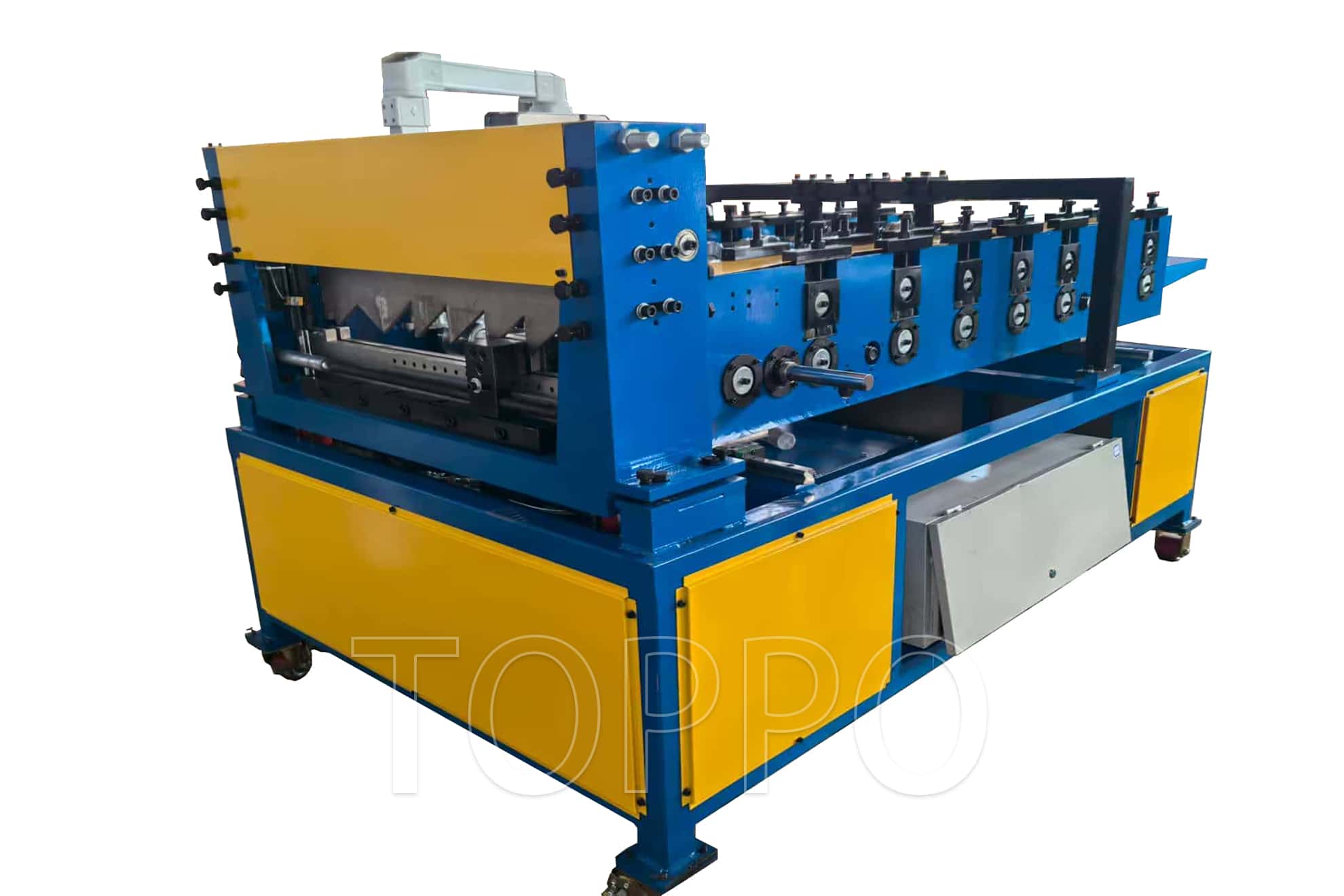
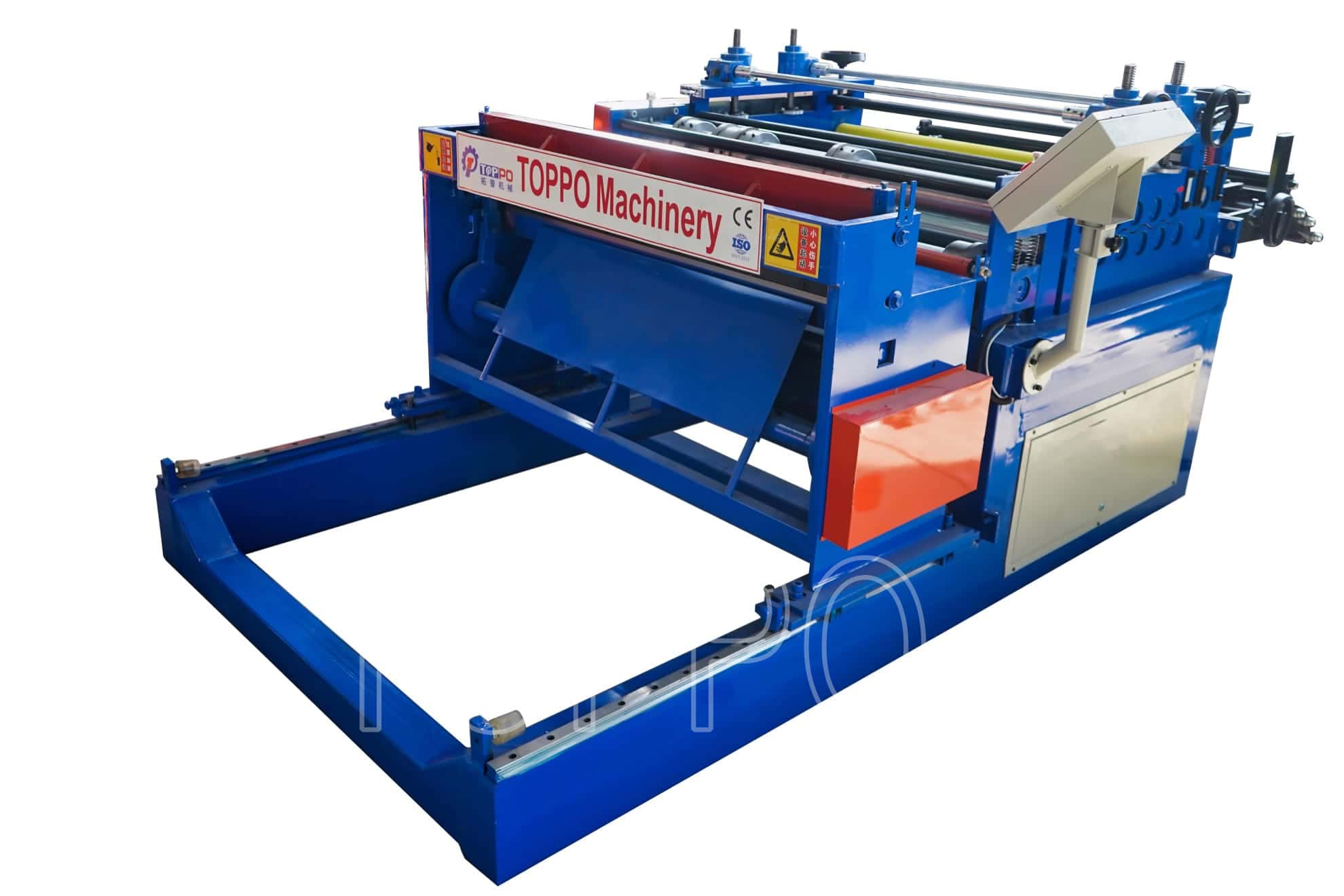
South African roofing manufacturers are facing mounting pressure from rising wages, energy instability, and increasing competition. Labor expenses often account for 25%–40% of total operational costs in small to mid-sized factories. Instead of reducing workforce blindly, forward-thinking companies are investing in process optimization and automation, particularly through the adoption of a double layer roofing sheet roll forming machine. When implemented correctly, this integrated solution can significantly reduce manpower requirements while improving output consistency.
1. Traditional Labor Structure in Roofing Plants
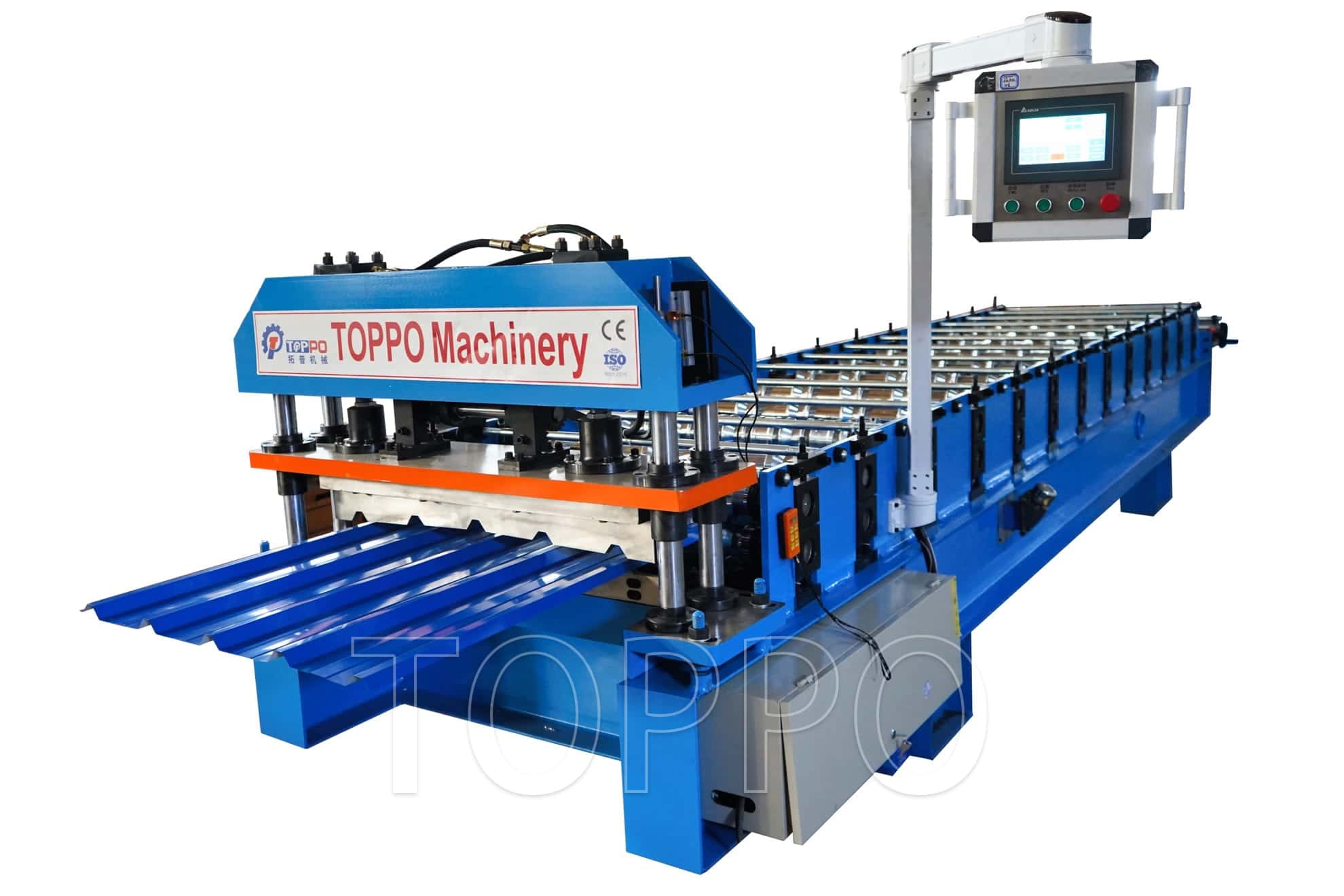
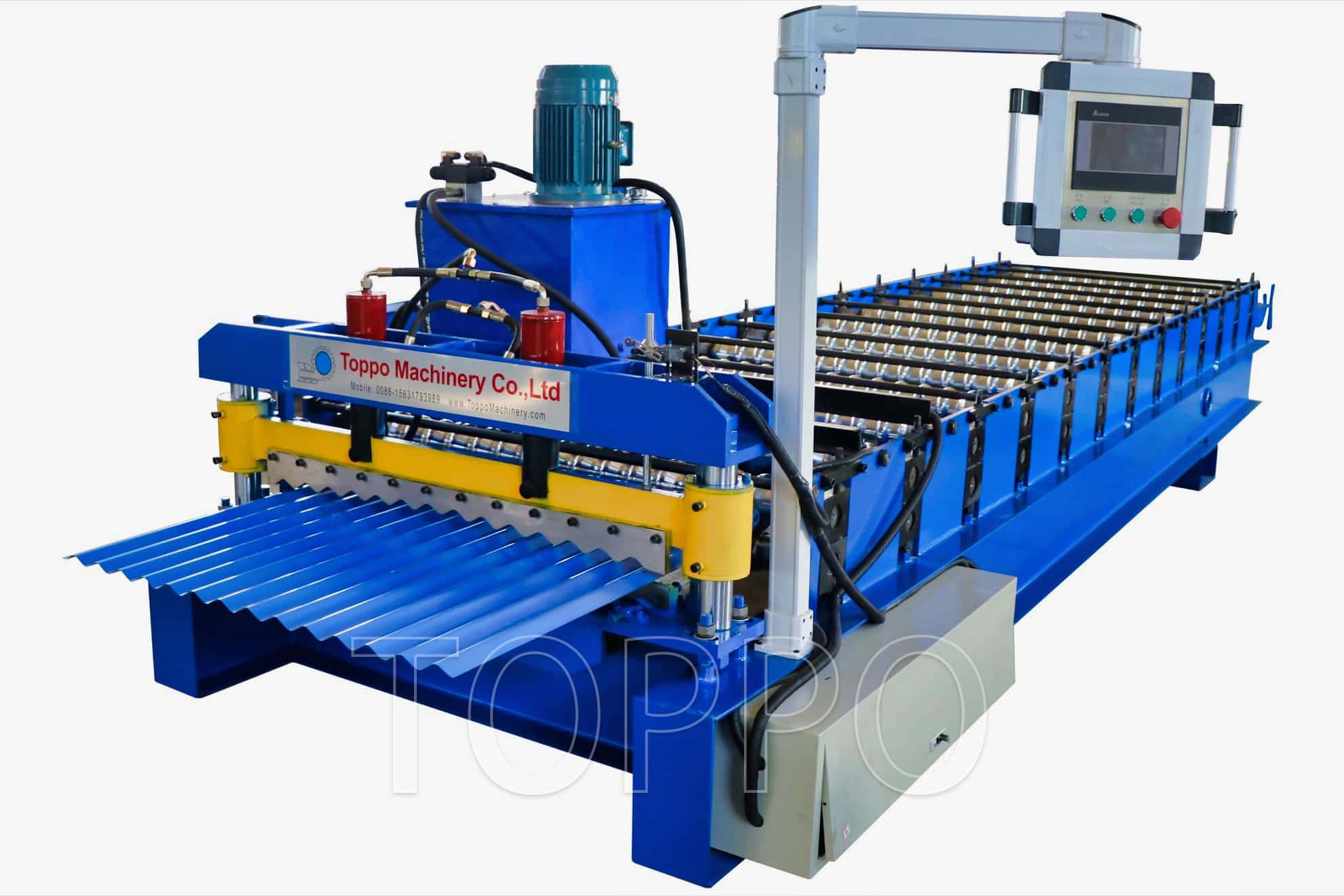
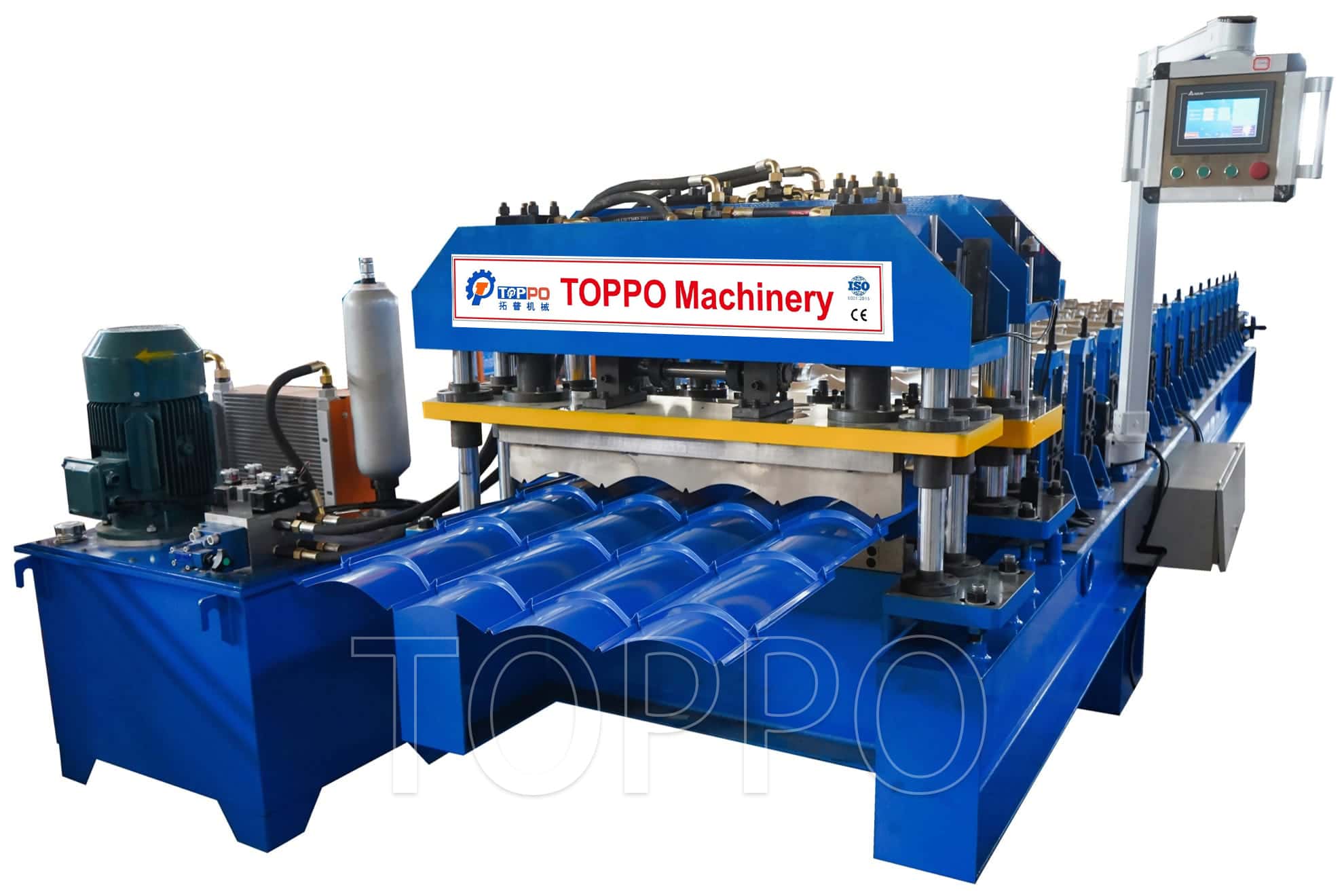
In a conventional setup, each roofing profile requires its own roof panel making machine. Typically, one production line needs 4–5 workers per shift: one for coil loading, one monitoring forming quality, one managing cutting operations, and at least one handling stacking and packaging. If two profile lines run simultaneously, total manpower may reach 8–10 operators per shift.
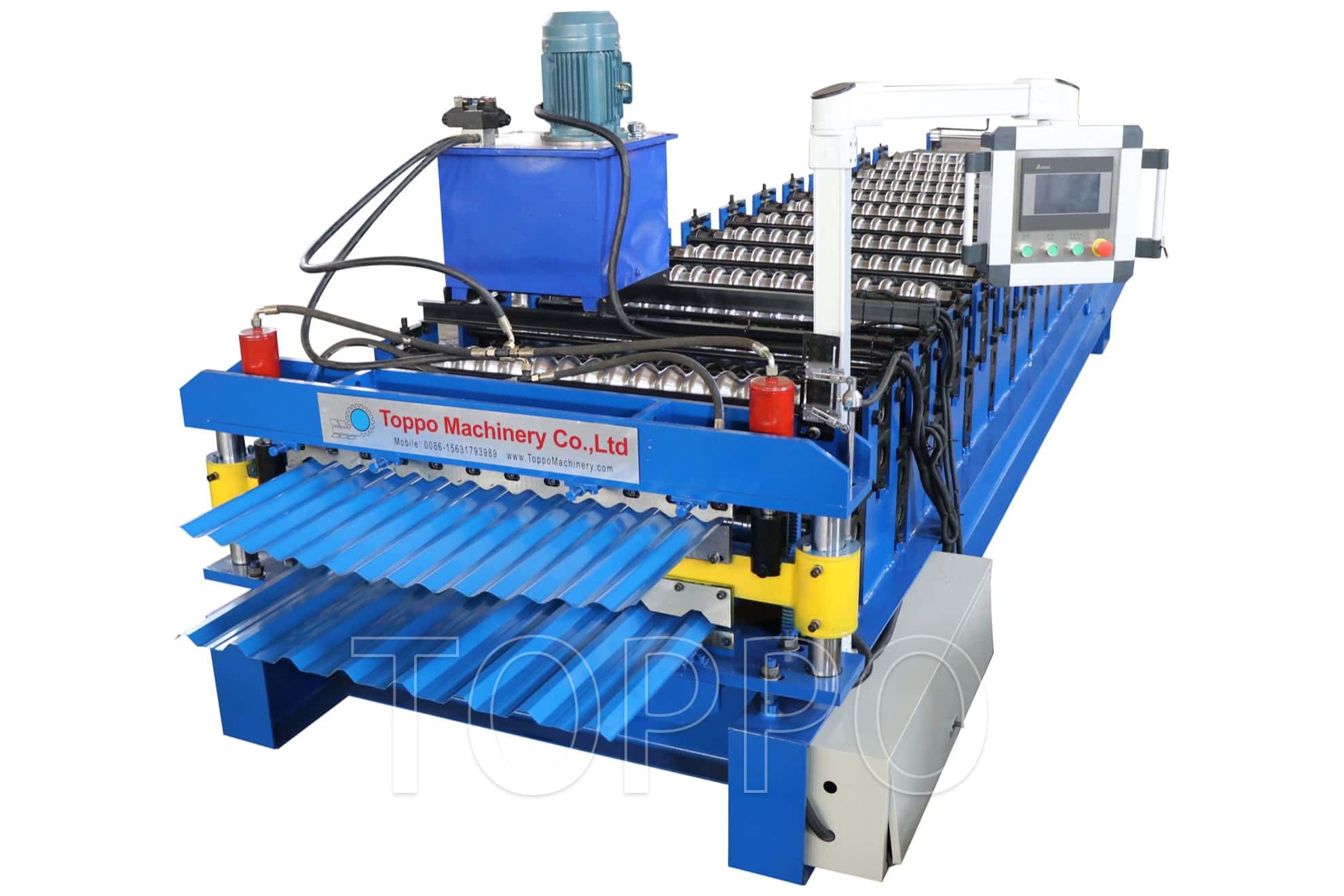
By contrast, a double layer roofing sheet roll forming machine combines two forming systems within a single machine frame. This integration enables centralized control, reducing duplication of operator roles.
2. Step-by-Step Implementation for Labor Reduction
Step 1: Conduct a Workflow Audit
Analyze responsibilities assigned to each roof panel making machine. Identify redundant monitoring positions and unnecessary manual handling tasks.
Step 2: Upgrade to Integrated Double Layer Equipment
Replacing two independent lines with one double layer roofing sheet roll forming machine consolidates operations. A properly configured double layer roll forming machine typically requires only 3–4 operators per shift to manage two profiles.
Step 3: Automate Stacking and Handling
Integrate automatic stacking systems at the discharge end of the double layer roofing sheet roll forming machine. This reduces heavy manual lifting and lowers injury risks.
Step 4: Provide Structured Technical Training
A common mistake is installing a double layer roll forming machine without comprehensive operator training. Staff must understand layer switching procedures, roller calibration, and PLC parameter adjustments to avoid downtime.
3. Where the Real Savings Occur
Labor cost savings come from multiple sources:
Reduced operator duplication
Lower scrap and rework rates
Decreased overtime expenses
Simplified supervision requirements
Compared with operating two separate roof panel making machine lines, a double layer roofing sheet roll forming machine centralizes management and improves communication efficiency.
4. Common Mistakes That Undermine Savings
Mistake 1: Poor Installation Alignment
If the double layer roofing sheet roll forming machine is not properly leveled, uneven forming pressure can cause dimensional defects, increasing manual correction work.
Mistake 2: Ignoring Preventive Maintenance
Neglecting routine maintenance of the double layer roll forming machine can lead to unexpected breakdowns, resulting in overtime labor and production delays.
Mistake 3: Failure to Restructure Teams
Some factories maintain the same staffing structure even after integration. Workforce planning must adapt to the new equipment configuration.
5. Practical Case Study: KwaZulu-Natal Factory
A roofing manufacturer in KwaZulu-Natal previously operated two separate lines powered by independent roof panel making machine systems. The factory required 18 workers across two shifts.
After upgrading to a double layer roofing sheet roll forming machine, production was consolidated into a single integrated system. Workforce requirements dropped to 12 workers while maintaining equivalent output capacity. Additionally, improved forming precision from the double layer roll forming machine reduced scrap rates by 11%, lowering indirect labor linked to rework and material handling.
Within one year, the company reported overall labor cost savings of approximately 27%, including overtime reductions and lower supervisory overhead.
6. Long-Term Strategic Benefits
More predictable shift scheduling
Reduced training time for new hires
Improved safety due to lower manual handling
Higher consistency in product quality
A double layer roofing sheet roll forming machine not only reduces workforce requirements but also improves production stability and operational transparency.
7. Final Recommendations
For South African roofing manufacturers, sustainable labor savings require structured automation rather than workforce cuts alone. Investing in a double layer roofing sheet roll forming machine enables profile diversification and centralized control, reducing manpower per shift while maintaining output quality.
When combined with preventive maintenance and workforce restructuring, a double layer roll forming machine becomes a powerful tool for long-term cost control and competitiveness in the regional roofing industry.
SEO Keywords: double layer roofing sheet roll forming machine, roof panel making machine, double layer roll forming machine, metal roofing roll former, roofing sheet roll forming machine, steel roll forming machine
READ MORE: