Reducing Production Footprint: Smart Factory Planning with Double Layer Roofing Equipment
Factory space is one of the most expensive resources in modern manufacturing. For roofing panel producers, every additional meter of production line length increases foundation cost, electrical infrastructure investment, and internal logistics complexity. As profile demand grows, many manufacturers consider installing multiple forming lines. However, a double layer roofing sheet roll forming machine provides a more efficient alternative by integrating two profile systems into one compact structure. The real question is not just whether space can be saved—but how to implement the solution correctly and avoid costly planning mistakes.
1. Traditional Layout vs. Integrated Double Layer System
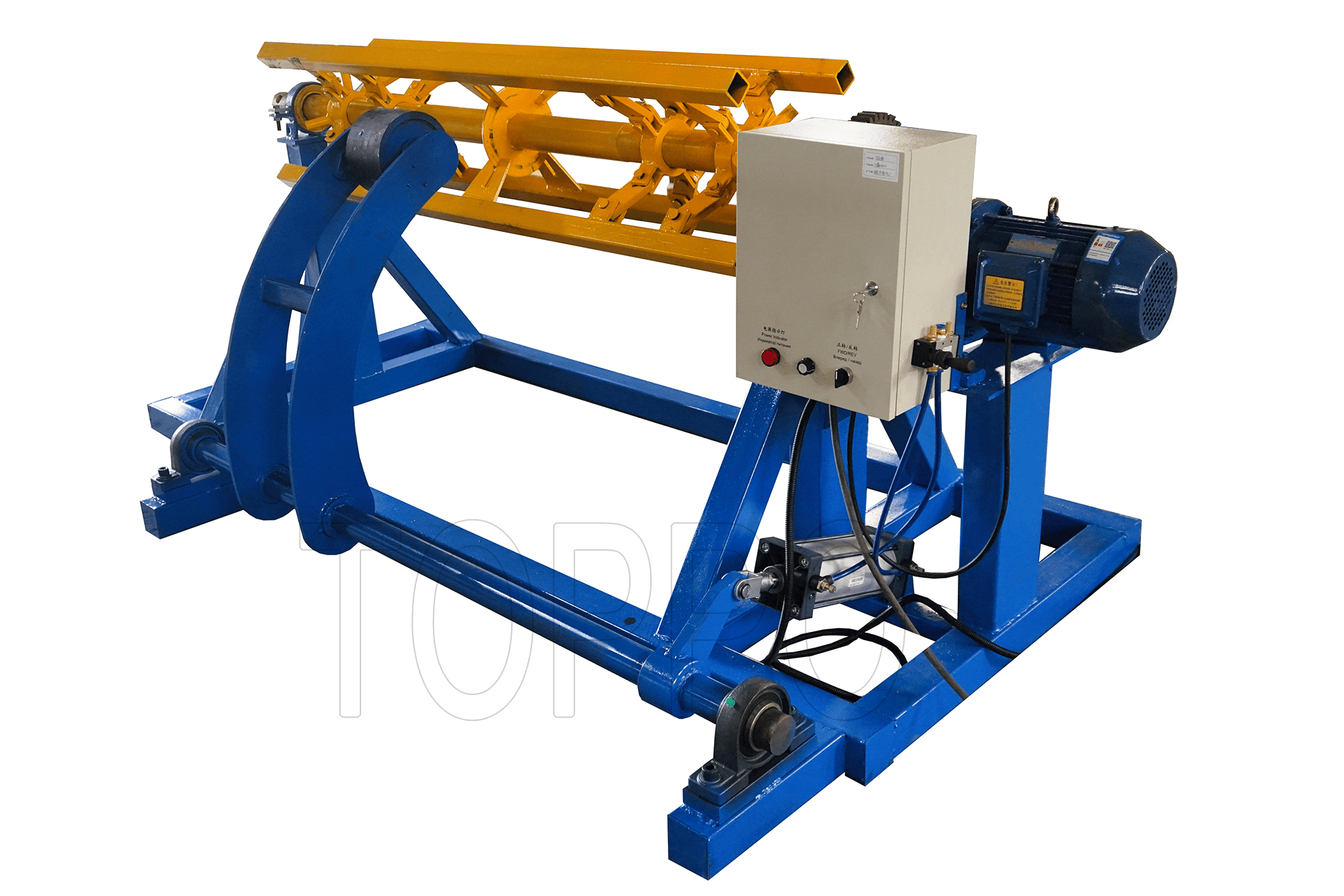
In a traditional configuration, each roofing profile requires an independent roof panel making machine. A standard production line—including decoiler, forming section, cutting device, and run-out table—can occupy 25–35 meters in length. If a factory produces two main profiles, total line length may exceed 60 meters.
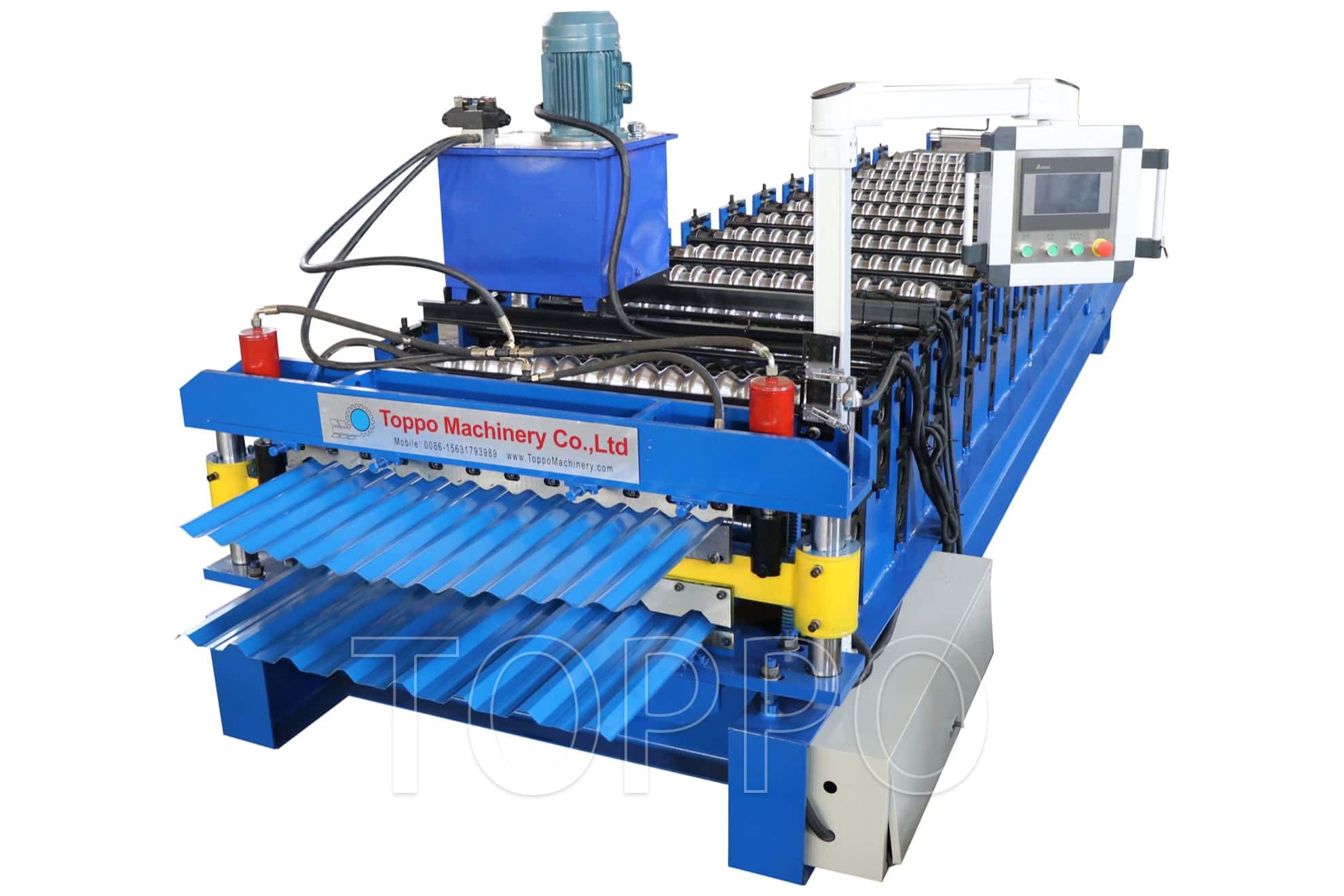
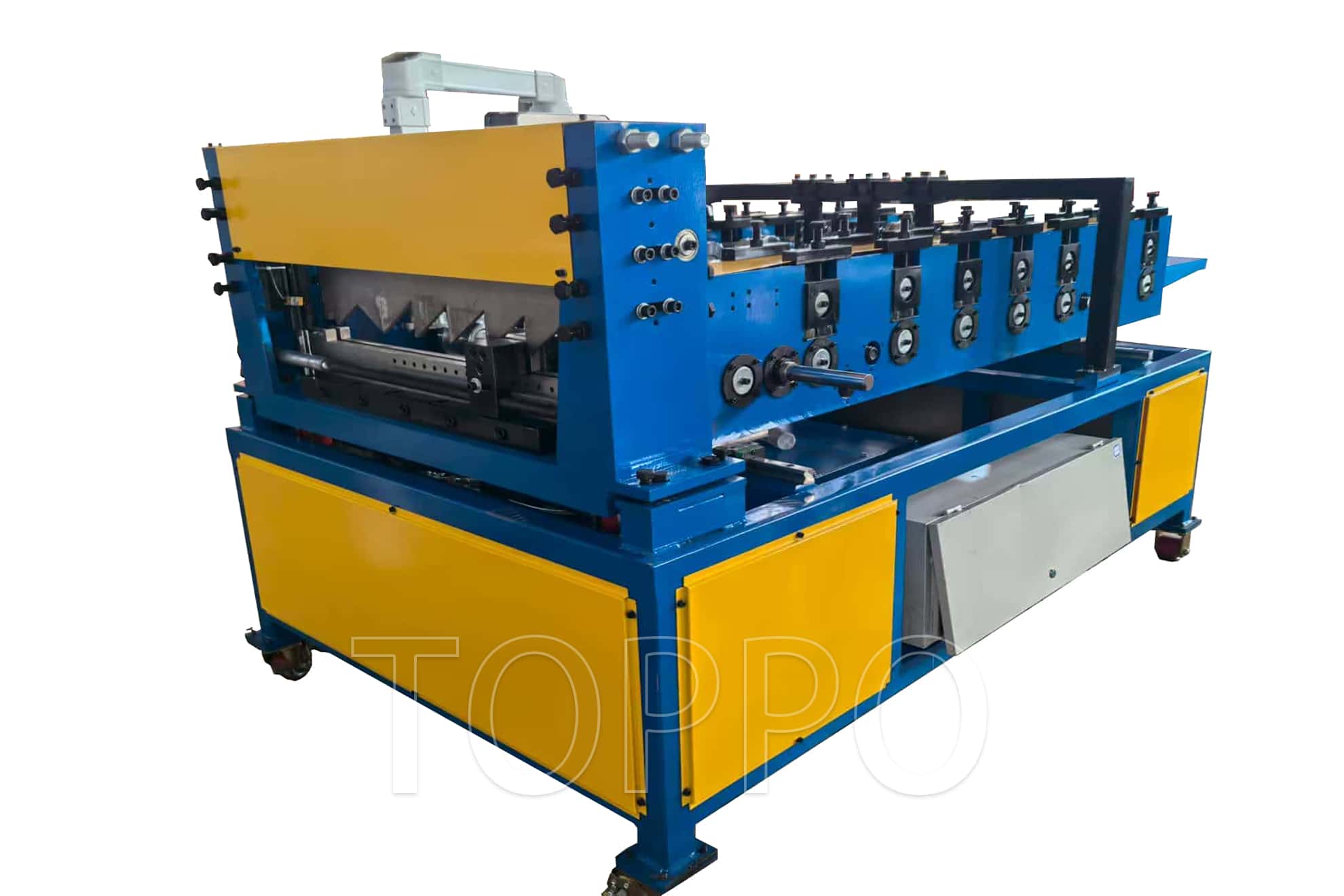
By contrast, a double layer roofing sheet roll forming machine combines two forming layers within a single frame. The upper and lower forming systems share one hydraulic station and one control cabinet. In practical terms, this integration can reduce total line length by 30–45%, depending on layout design. The savings are especially significant in small and medium-sized workshops where expansion is limited.
2. Step-by-Step Implementation for Maximum Space Savings
Step 1: Evaluate Existing Layout
Before introducing a double layer roofing sheet roll forming machine, analyze the current workshop structure. Measure available width, ceiling height, coil storage zones, and forklift pathways. Identify unused buffer zones that can be optimized.
Step 2: Redesign Material Flow
Switching from two separate roof panel making machine lines to one integrated solution changes logistics patterns. Position coil storage closer to the decoiler to reduce transportation distance. Centralize finished panel stacking areas to improve workflow efficiency.
Step 3: Foundation Planning and Alignment
The double layer roll forming machine must be installed on a reinforced concrete base with precise leveling. Improper alignment is one of the most common implementation mistakes and can cause vibration, uneven forming pressure, and long-term mechanical wear.
Step 4: Electrical and Hydraulic Integration
Because the double layer roofing sheet roll forming machine shares hydraulic and control systems, centralized cabinet placement is essential. Avoid cable congestion and ensure sufficient maintenance access space.
3. How Much Space Can Actually Be Saved?
In real factory scenarios, replacing two independent roof panel making machine lines with one double layer roofing sheet roll forming machine can reduce occupied production length from approximately 65–70 meters to around 40–45 meters. This translates into space savings of roughly 35–40%.
Additionally, a double layer roll forming machine eliminates duplicate hydraulic stations and electrical cabinets, freeing valuable side-space that can be repurposed for automated packaging or raw material storage.
4. Common Mistakes During Layout Optimization
Mistake 1: Ignoring Coil Handling Space
Although the double layer roofing sheet roll forming machine reduces forming section length, some factories underestimate the required area for coil loading and unloading. Ensure sufficient space for safe forklift operation.
Mistake 2: Over-Compressing Maintenance Zones
While space reduction is beneficial, insufficient clearance around the double layer roll forming machine can complicate roller replacement and hydraulic inspection. Leave at least 800–1000 mm of maintenance clearance.
Mistake 3: Poor Workflow Sequencing
Without careful planning, finished panels may cross paths with incoming coils, creating safety risks. Redesign traffic routes before installation.
5. Real Factory Case Study
A roofing manufacturer in Southeast Asia previously operated two independent lines, each powered by a separate roof panel making machine. The combined footprint exceeded 68 meters in length. After upgrading to a double layer roofing sheet roll forming machine, production was consolidated into a 42-meter integrated line.
This transition reduced occupied floor space by approximately 38%. The freed area was converted into an automated stacking and packaging zone. Furthermore, by replacing two systems with one double layer roll forming machine, the factory reduced electrical consumption by 15% and simplified maintenance scheduling.
6. Additional Operational Benefits Beyond Space Savings
Lower foundation construction costs
Reduced electrical installation complexity
Centralized operator control
Improved internal logistics efficiency
Beyond physical footprint reduction, a double layer roofing sheet roll forming machine enhances production flexibility by allowing quick switching between profiles without relocating equipment.
7. Final Recommendations for Implementation
To fully realize space-saving benefits, manufacturers must combine equipment integration with intelligent layout planning. A double layer roofing sheet roll forming machine delivers measurable footprint reduction only when supported by proper foundation alignment, optimized material flow, and adequate maintenance access.
When implemented correctly, a double layer roll forming machine not only saves factory space but also improves operational efficiency and long-term scalability. For roofing manufacturers seeking to expand production capacity without expanding their buildings, this integrated solution provides both technical and economic advantages.
SEO Keywords: double layer roofing sheet roll forming machine, roof panel making machine, double layer roll forming machine, metal roofing roll former, roofing sheet roll forming machine, steel roll forming machine
READ MORE: