Smart Automation Strategies to Lower Labor Expenses in South African Roofing Plants
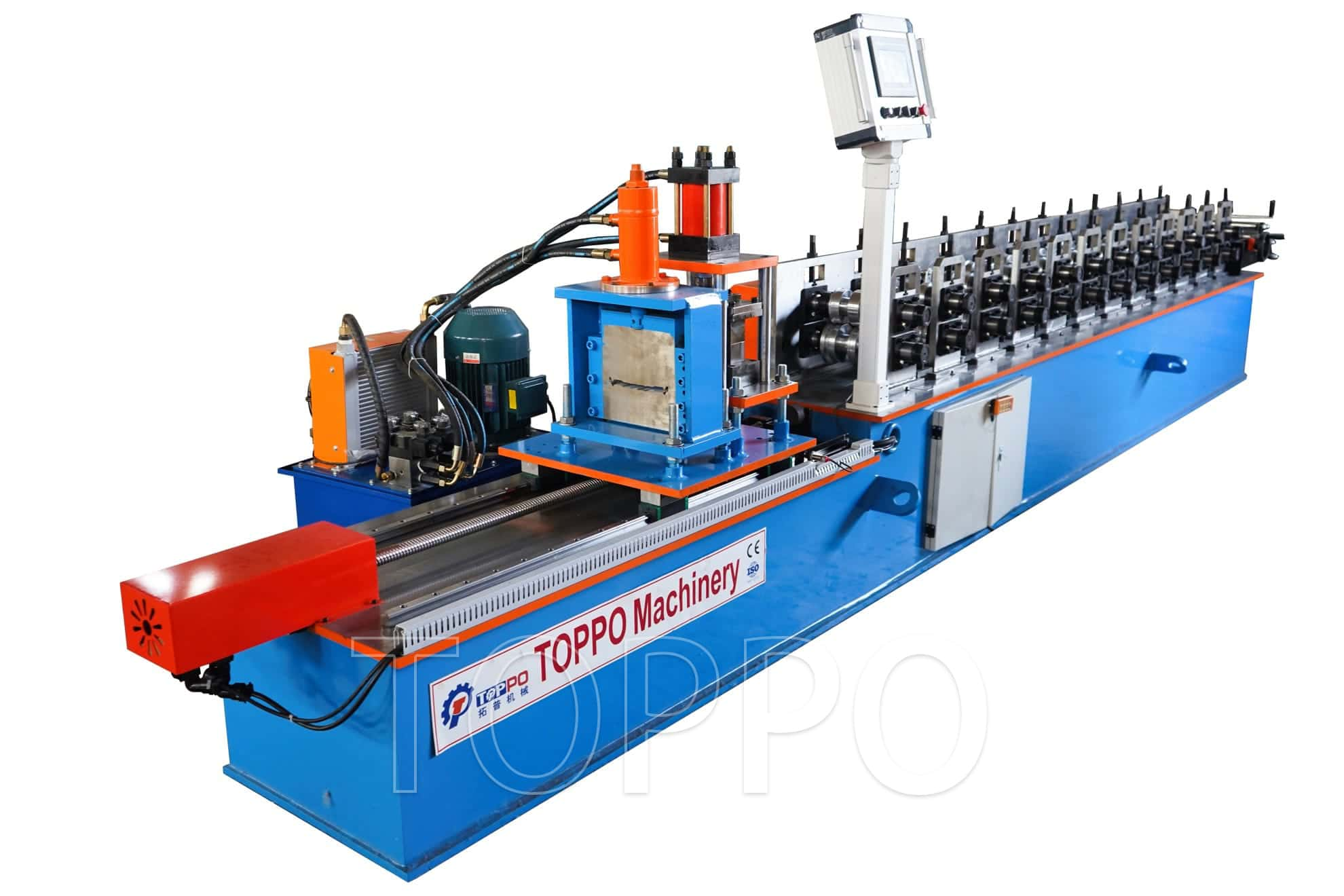
Labor expenditure has become one of the most pressing financial challenges for roofing manufacturers across South Africa. Rising minimum wages, electricity instability that causes overtime recovery, and skills shortages all contribute to increasing operational pressure. Instead of simply downsizing staff, progressive factories are adopting automation and integrated forming technology such as the double layer roofing sheet roll forming machine to improve productivity per worker. The true savings come from process consolidation, reduced rework, and optimized shift management.
1. Current Labor Structure in Traditional Roofing Production
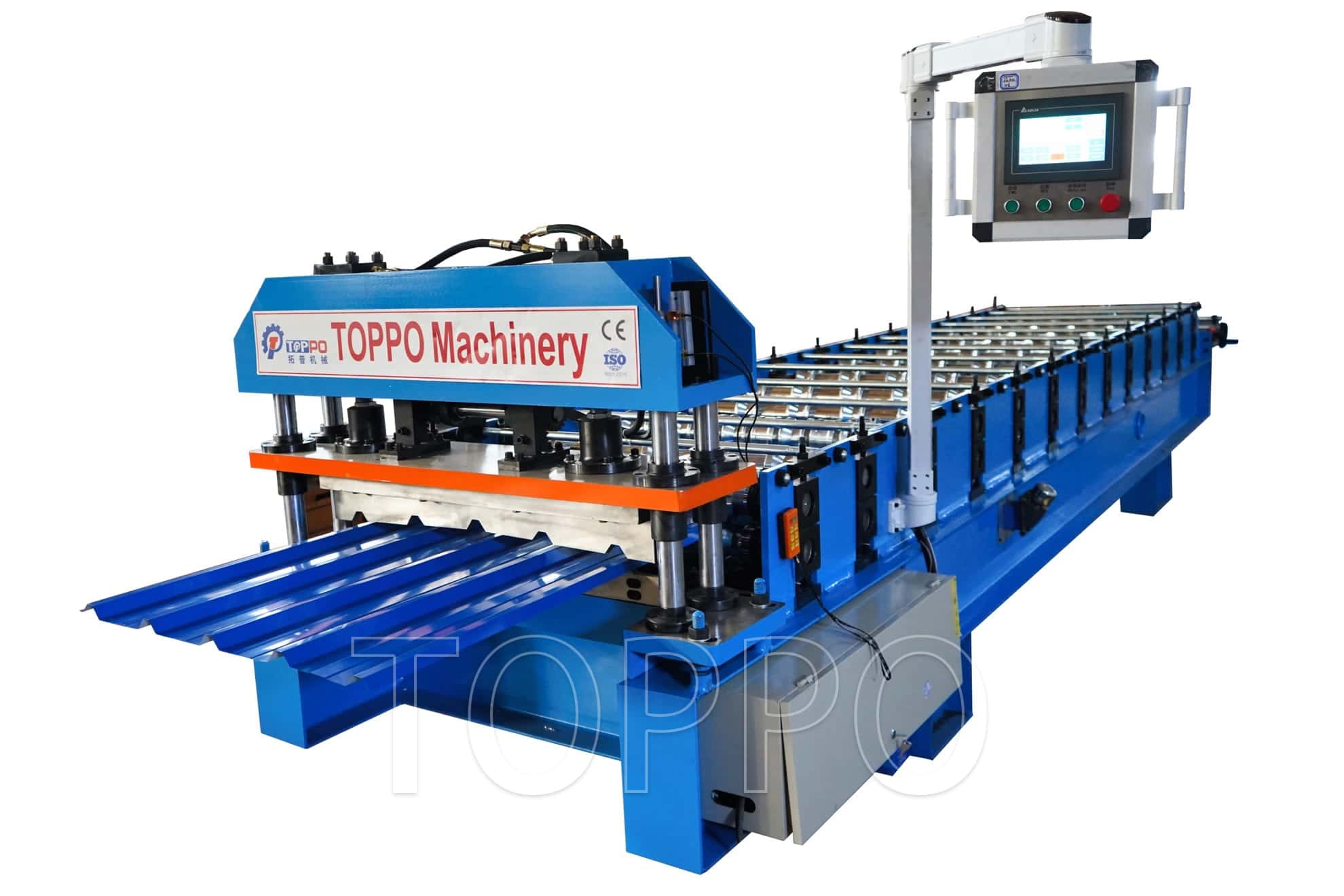
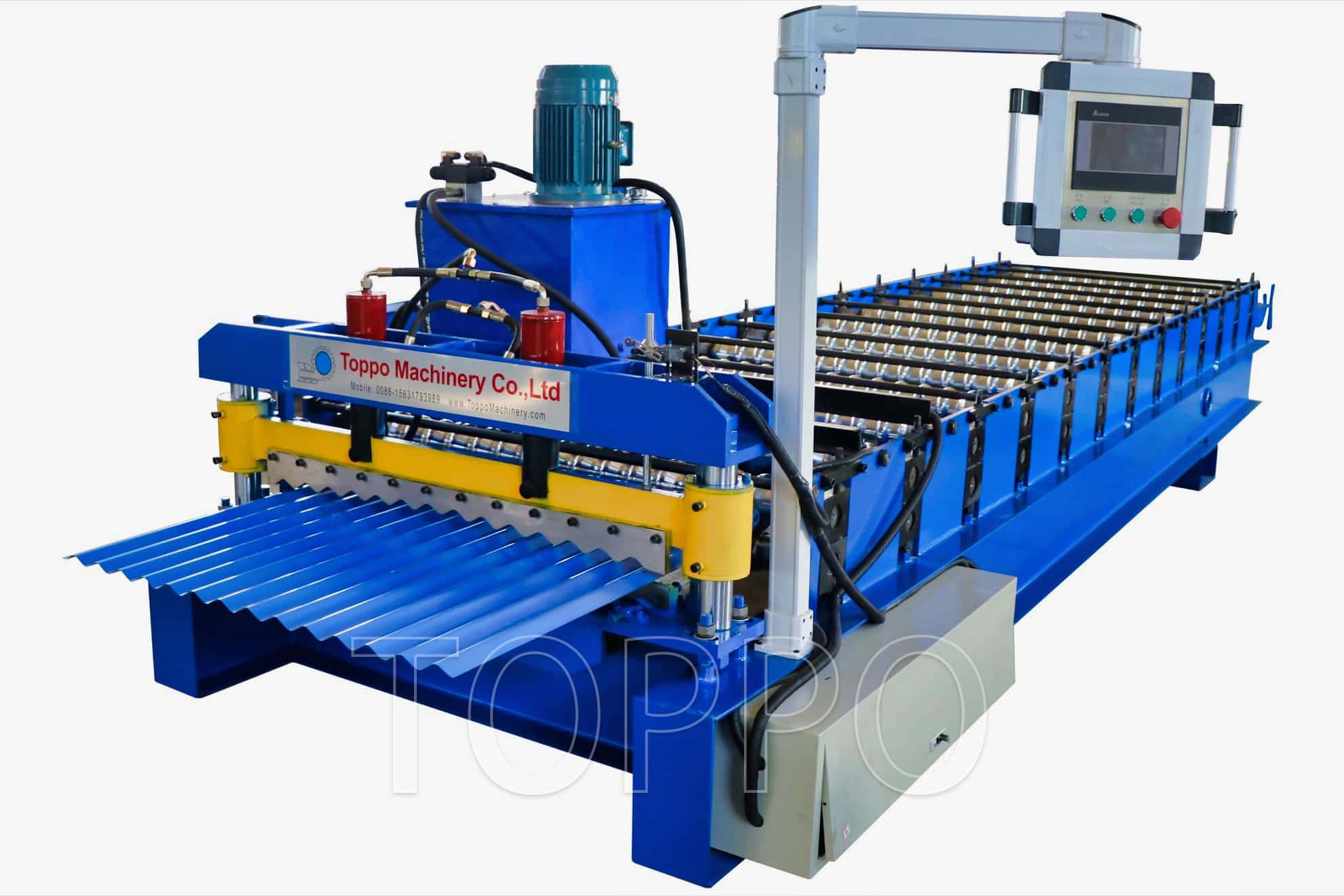
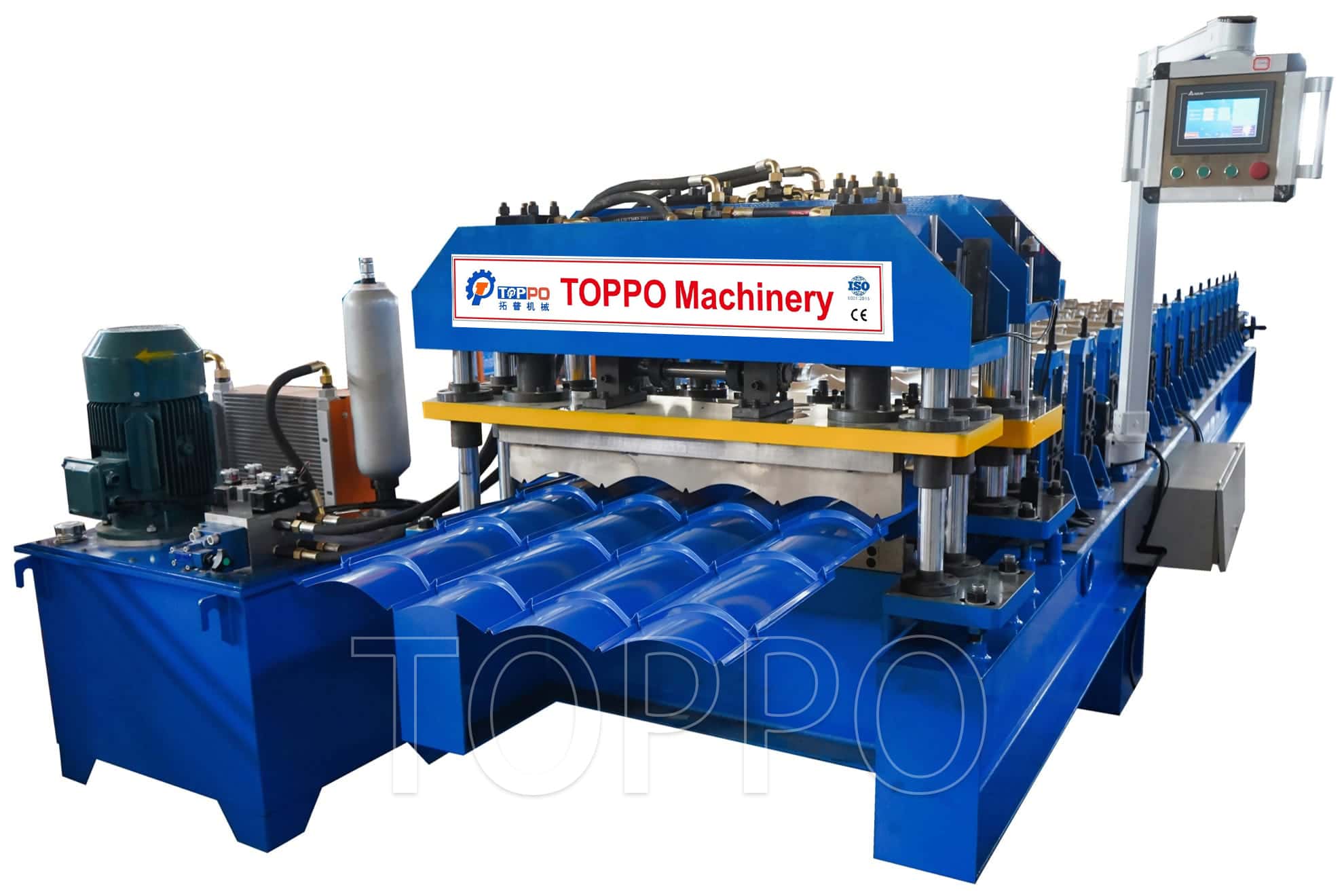
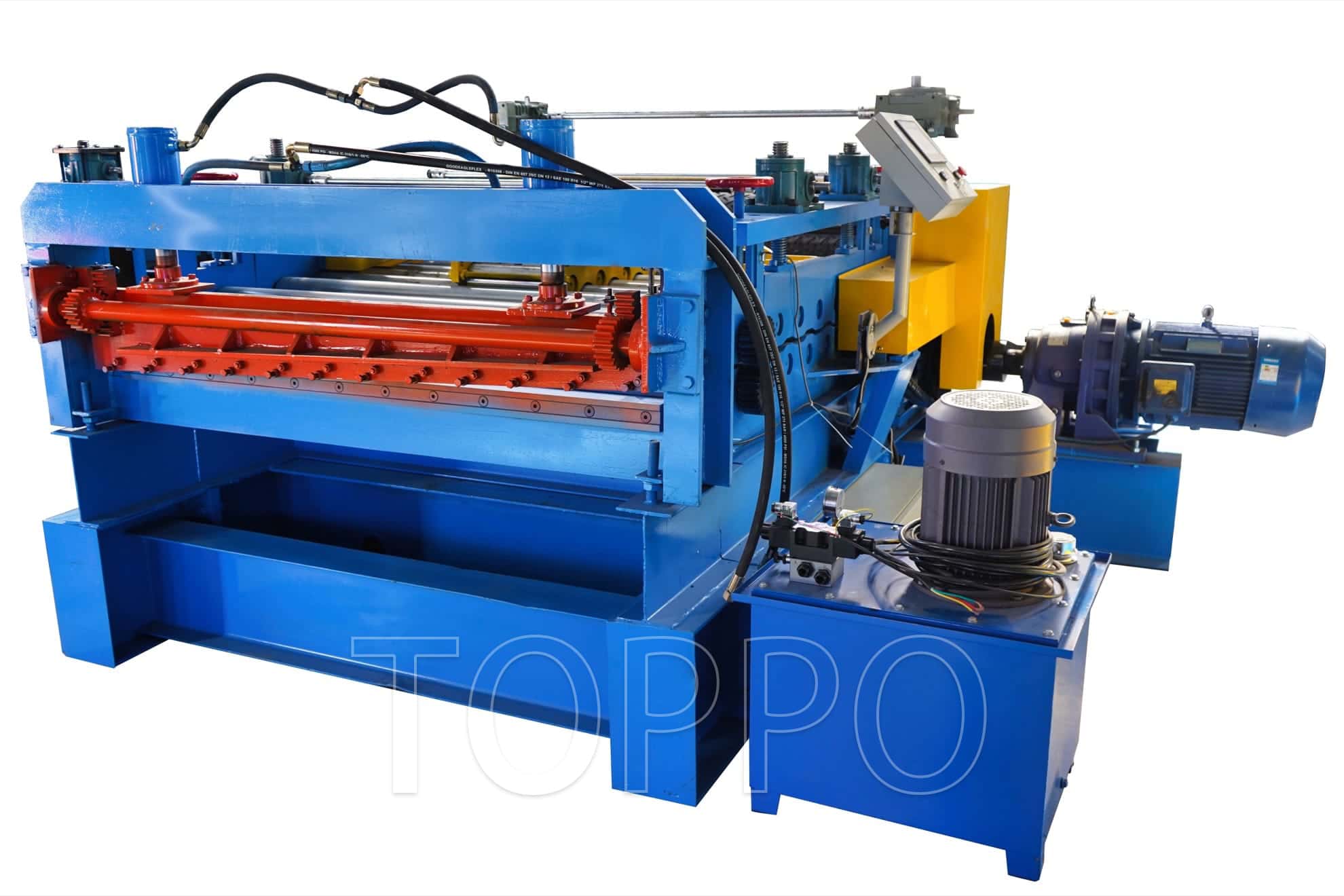
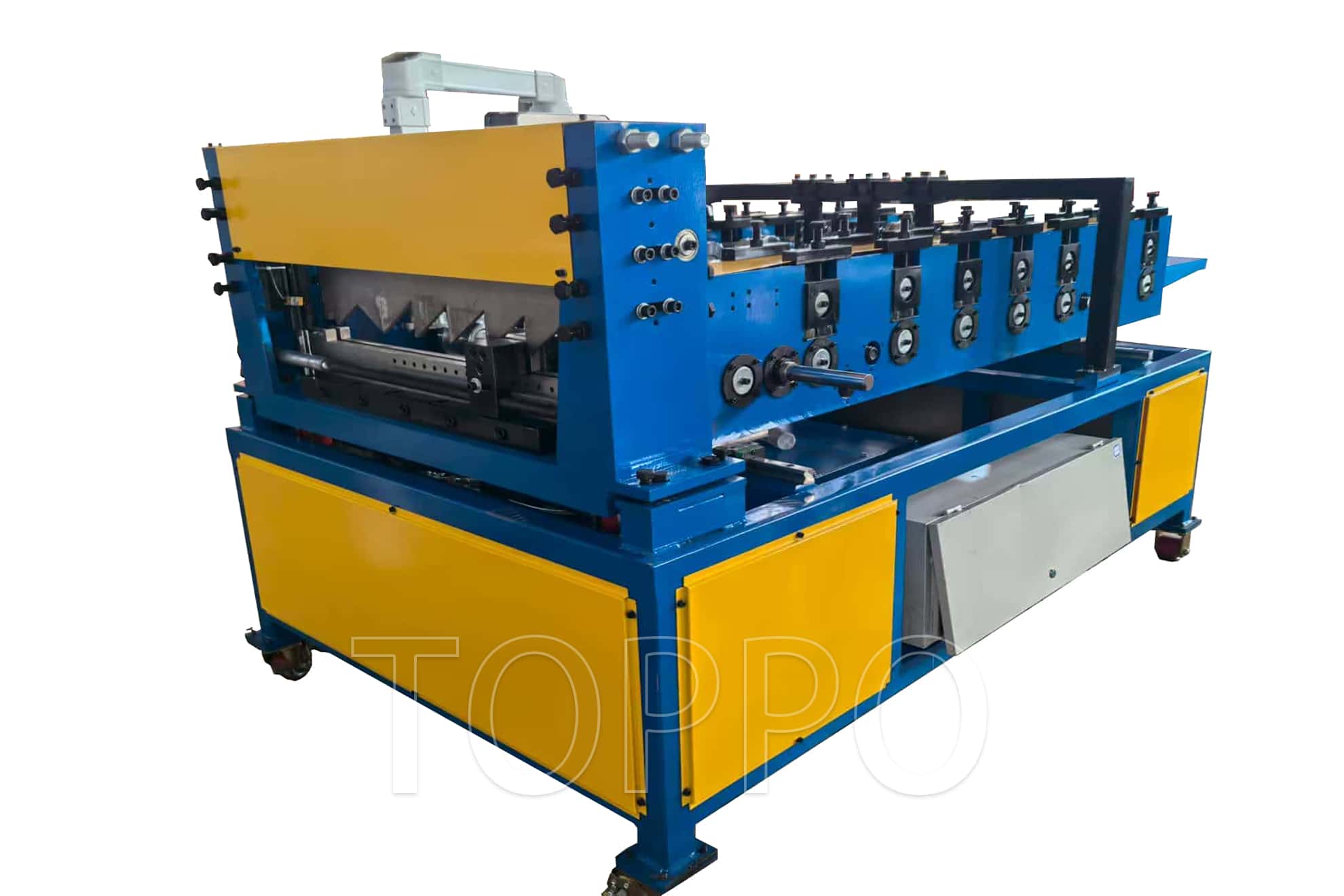
In a conventional workshop, each profile is typically produced on a separate roof panel making machine. One line often requires 4–6 workers per shift: a coil loading operator, a forming monitor, a cutting supervisor, and stacking personnel. When factories operate two lines simultaneously, total manpower requirements can reach 10–12 workers per shift.
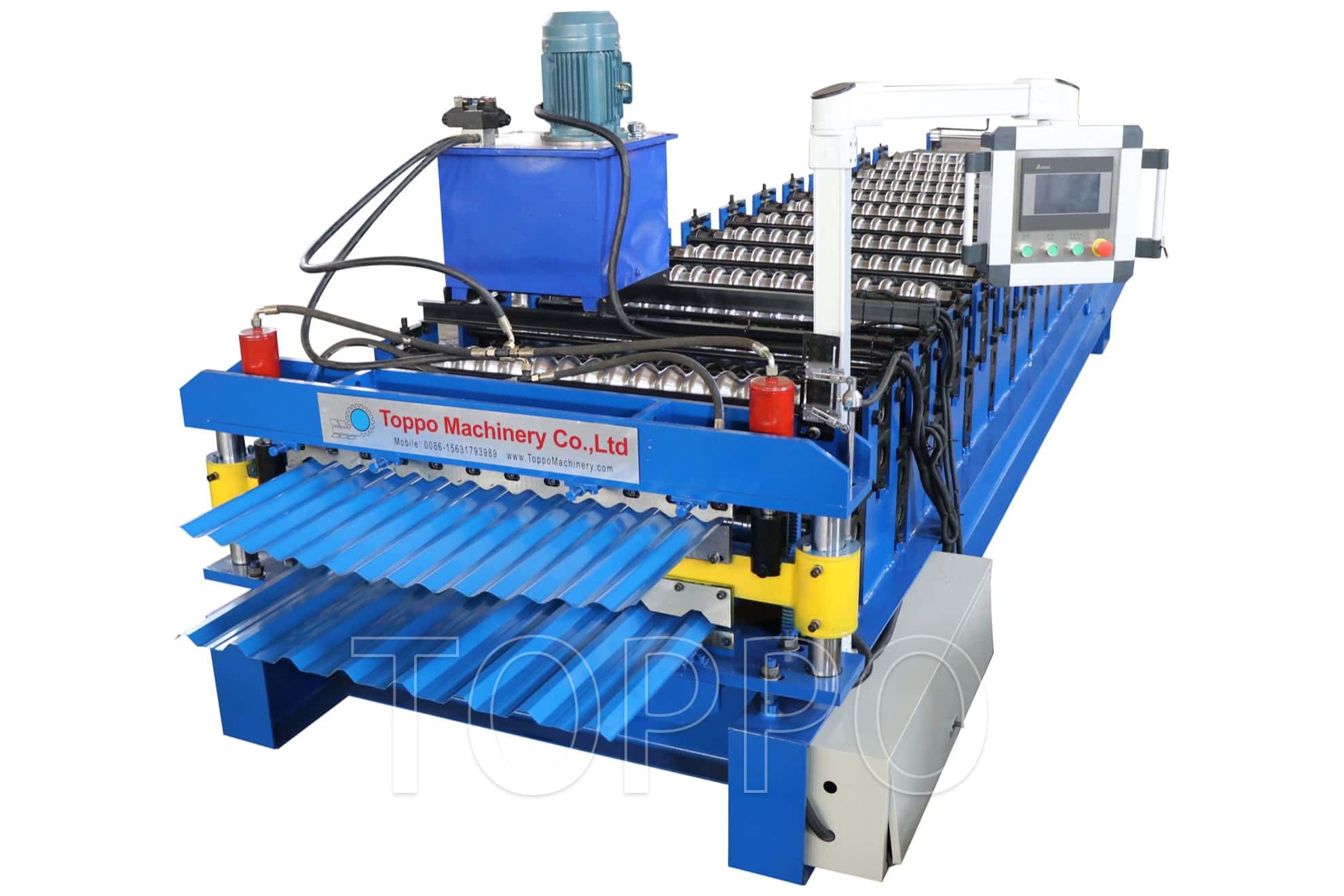
By introducing a double layer roofing sheet roll forming machine, two roofing profiles can be produced within a single integrated frame. This allows consolidation of monitoring and control tasks, reducing operator duplication.
2. Step-by-Step Implementation to Achieve Labor Savings
Step 1: Conduct Workforce Analysis
Map the responsibilities assigned to each roof panel making machine. Identify overlapping supervision roles and unnecessary manual handling steps.
Step 2: Replace Dual Lines with Integrated Equipment
Upgrading to a double layer roofing sheet roll forming machine enables two forming systems to share one PLC cabinet and one hydraulic station. A well-configured double layer roll forming machine can typically operate efficiently with 3–4 workers instead of 8–10 across two separate lines.
Step 3: Optimize Material Handling
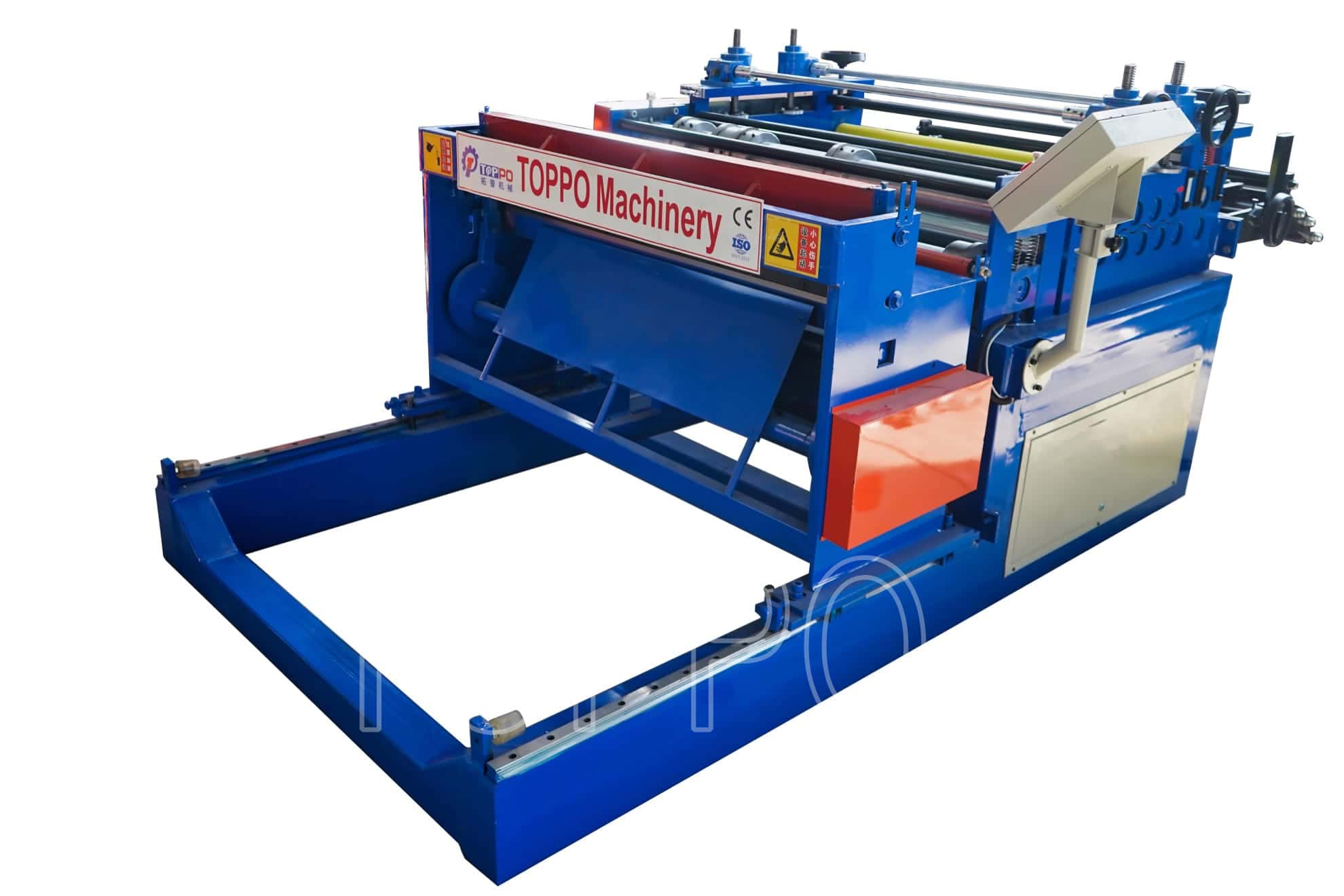
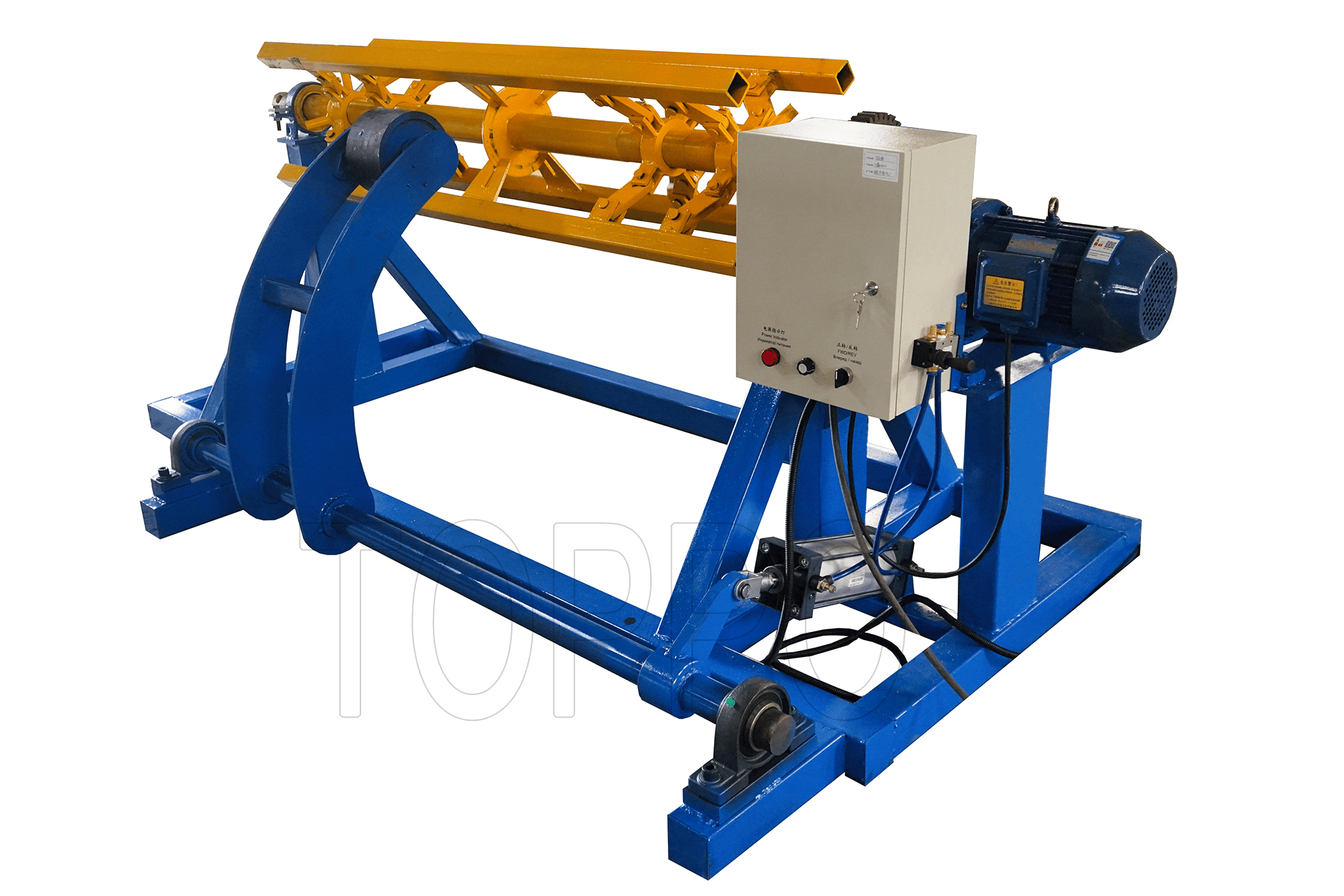
Position coil storage closer to the decoiler and introduce automated stacking tables at the discharge end. Automation reduces physical handling labor and improves safety.
Step 4: Provide Technical Training
A common mistake is installing a double layer roll forming machine without structured training. Operators must understand layer switching procedures, roller gap adjustment, and PLC configuration to prevent downtime.
3. Quantifying Potential Labor Savings
When replacing two traditional lines with one double layer roofing sheet roll forming machine, labor per shift can often be reduced by 25–35%. Additional indirect savings arise from lower rework rates, reduced overtime, and simplified supervision structures.
Compared with running multiple roof panel making machine systems, integrated production centralizes operations and improves communication efficiency among team members.
4. Common Mistakes That Limit Cost Reduction
Mistake 1: Poor Installation Alignment
If the double layer roofing sheet roll forming machine is not properly leveled, uneven forming pressure may lead to dimensional inconsistencies, increasing scrap and additional manual correction work.
Mistake 2: Neglecting Preventive Maintenance
Failure to maintain a double layer roll forming machine can result in unexpected breakdowns. Emergency repairs often require overtime labor, offsetting planned savings.
Mistake 3: Retaining Old Workflow Structure
Some factories continue scheduling labor as if two separate lines still exist. Workforce restructuring must accompany equipment integration.
5. Practical Case Study: Western Cape Manufacturer
A mid-sized roofing factory in the Western Cape previously operated two independent lines powered by separate roof panel making machine units. The plant required 16 production workers across two shifts.
After upgrading to a double layer roofing sheet roll forming machine, operations were consolidated into one integrated line. Workforce requirements dropped to 11 workers per shift while maintaining output capacity. Additionally, the improved forming precision of the double layer roll forming machine reduced scrap rates by 10%, lowering indirect labor tied to rework.
Within 12 months, the factory reported overall labor cost savings of approximately 30%, including overtime reduction and simplified supervisory management.
6. Additional Long-Term Benefits
Improved production stability
Lower training costs for new hires
Centralized performance monitoring
Reduced dependency on highly specialized manual operators
Because a double layer roofing sheet roll forming machine integrates production processes, it enables more predictable scheduling and improved workforce allocation.
7. Final Recommendations
South African roofing manufacturers seeking sustainable labor savings should prioritize process integration over simple headcount reduction. Investing in a double layer roofing sheet roll forming machine provides measurable workforce efficiency improvements when combined with structured training and preventive maintenance.
When properly implemented, a double layer roll forming machine not only lowers direct labor costs but also enhances productivity, quality consistency, and long-term competitiveness in the regional roofing market.
SEO Keywords: double layer roofing sheet roll forming machine, roof panel making machine, double layer roll forming machine, metal roofing roll former, roofing sheet roll forming machine, steel roll forming machine
READ MORE: