How to Expand Roofing Production Capacity with a Double Layer Roofing System
For metal roofing manufacturers, equipment flexibility directly determines market competitiveness. A double layer roofing sheet roll forming machine allows factories to produce two different roofing profiles within a single integrated structure. But beyond the theoretical advantage, the real question is: how can manufacturers implement it correctly, avoid common mistakes, and truly maximize output? This article provides practical steps, technical precautions, and real production cases based on field experience.
1. Equipment Structure and Production Logic
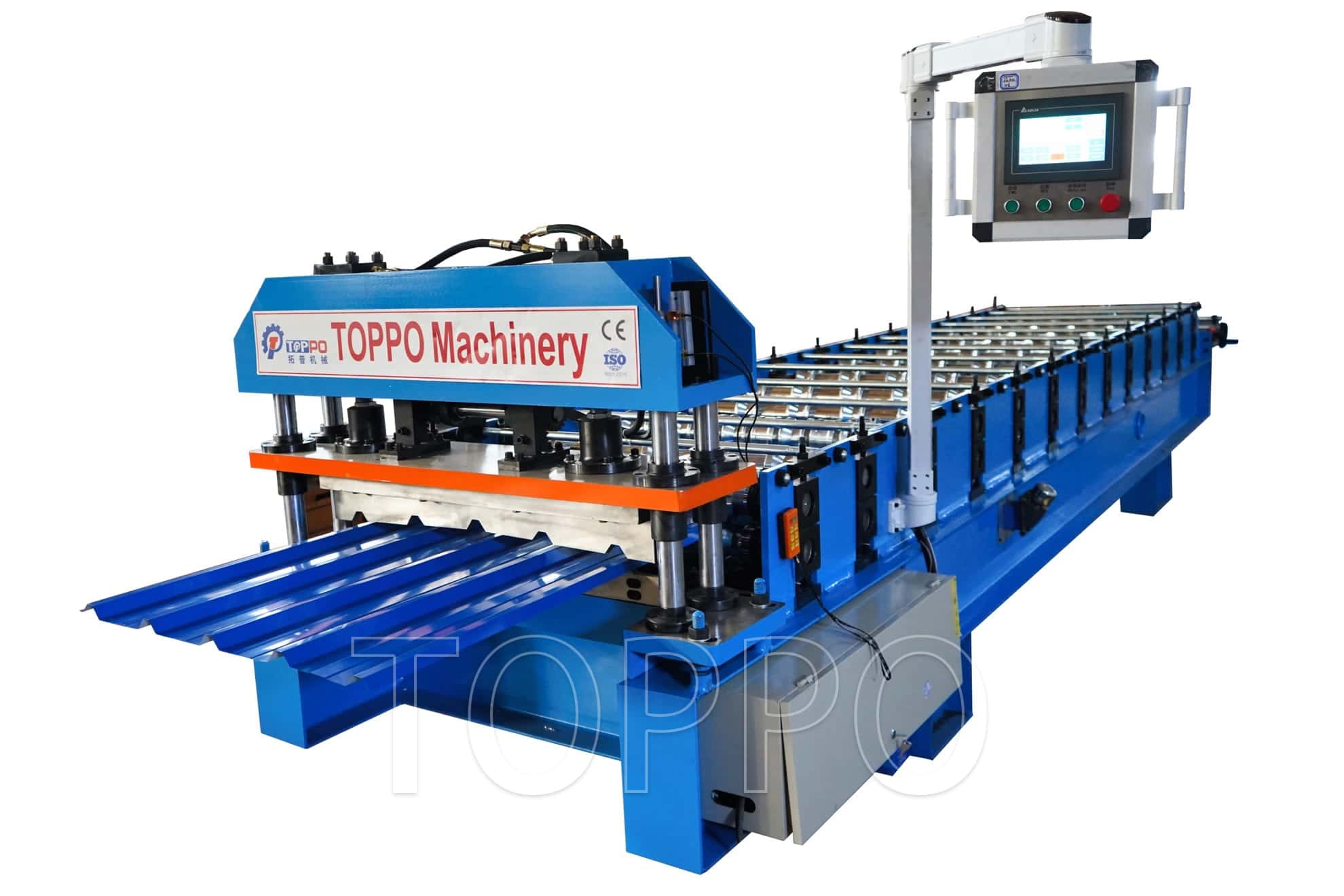
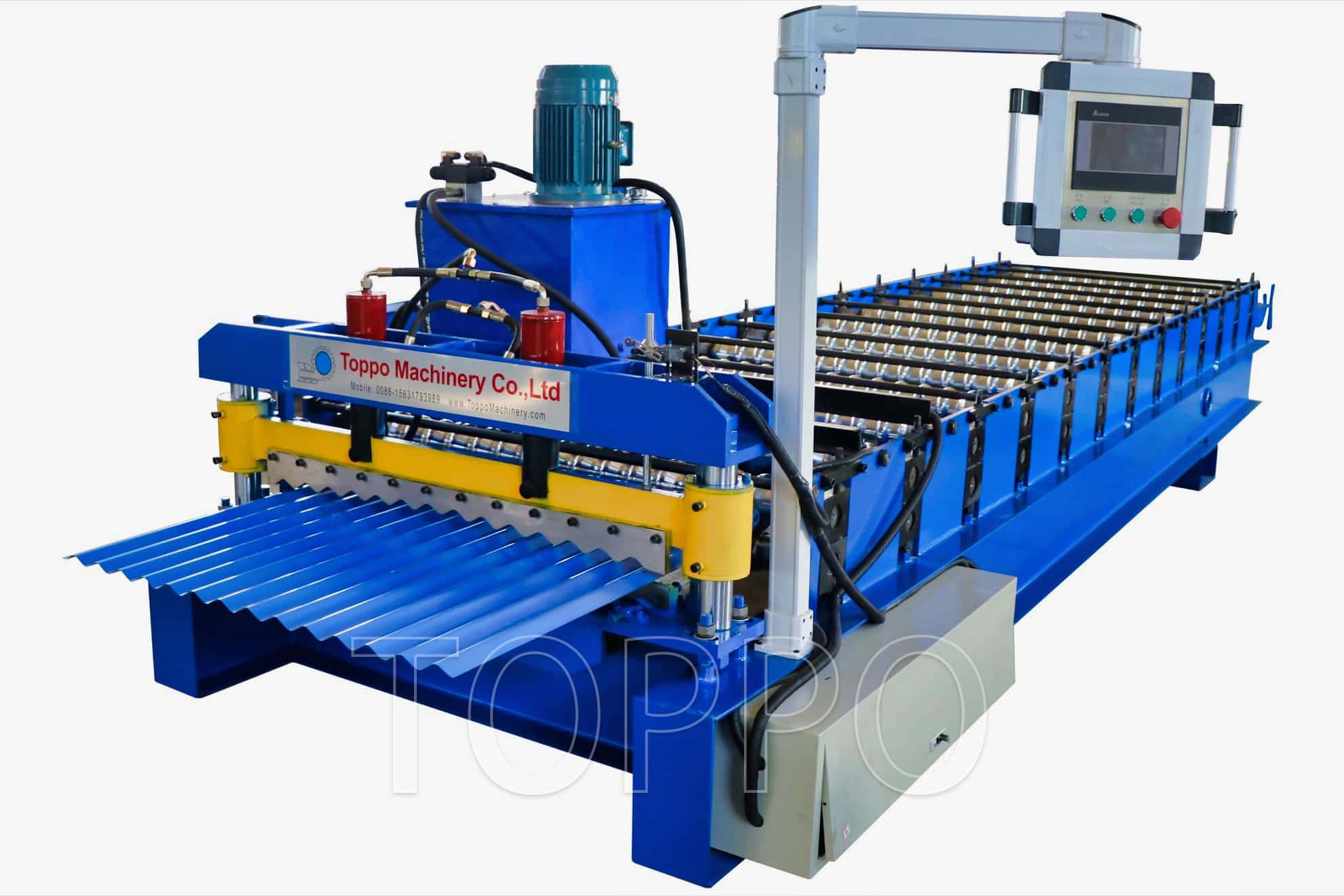
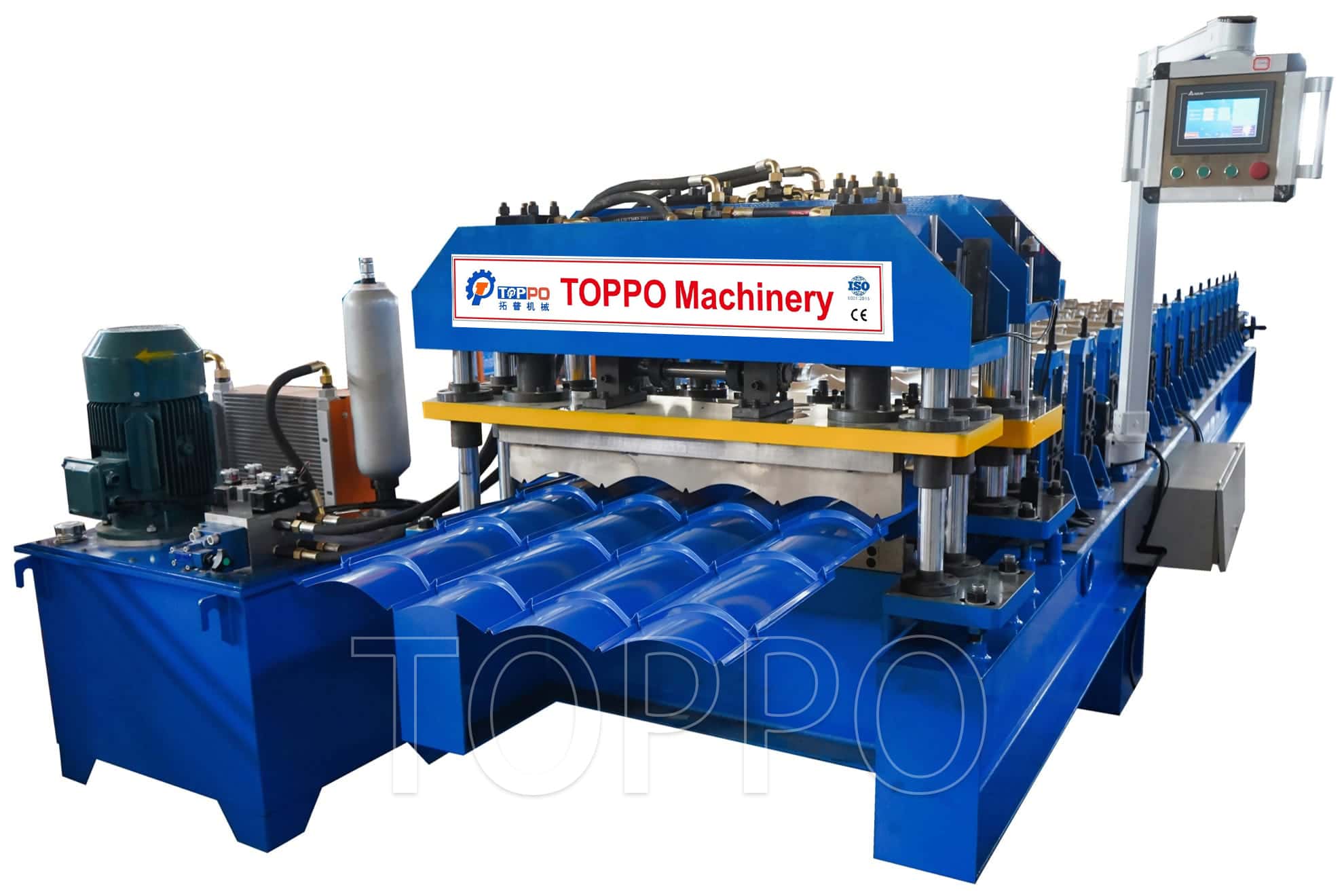
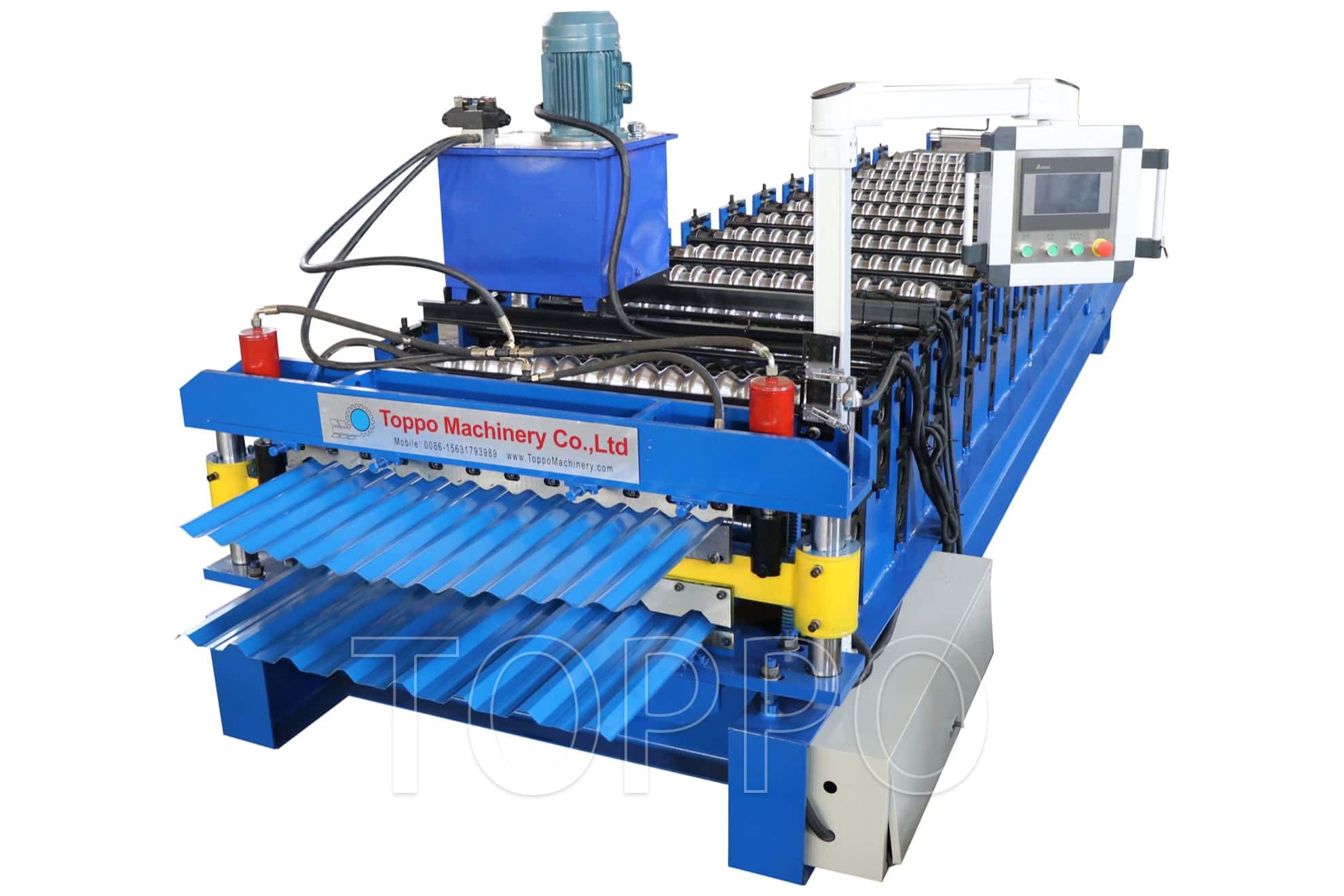
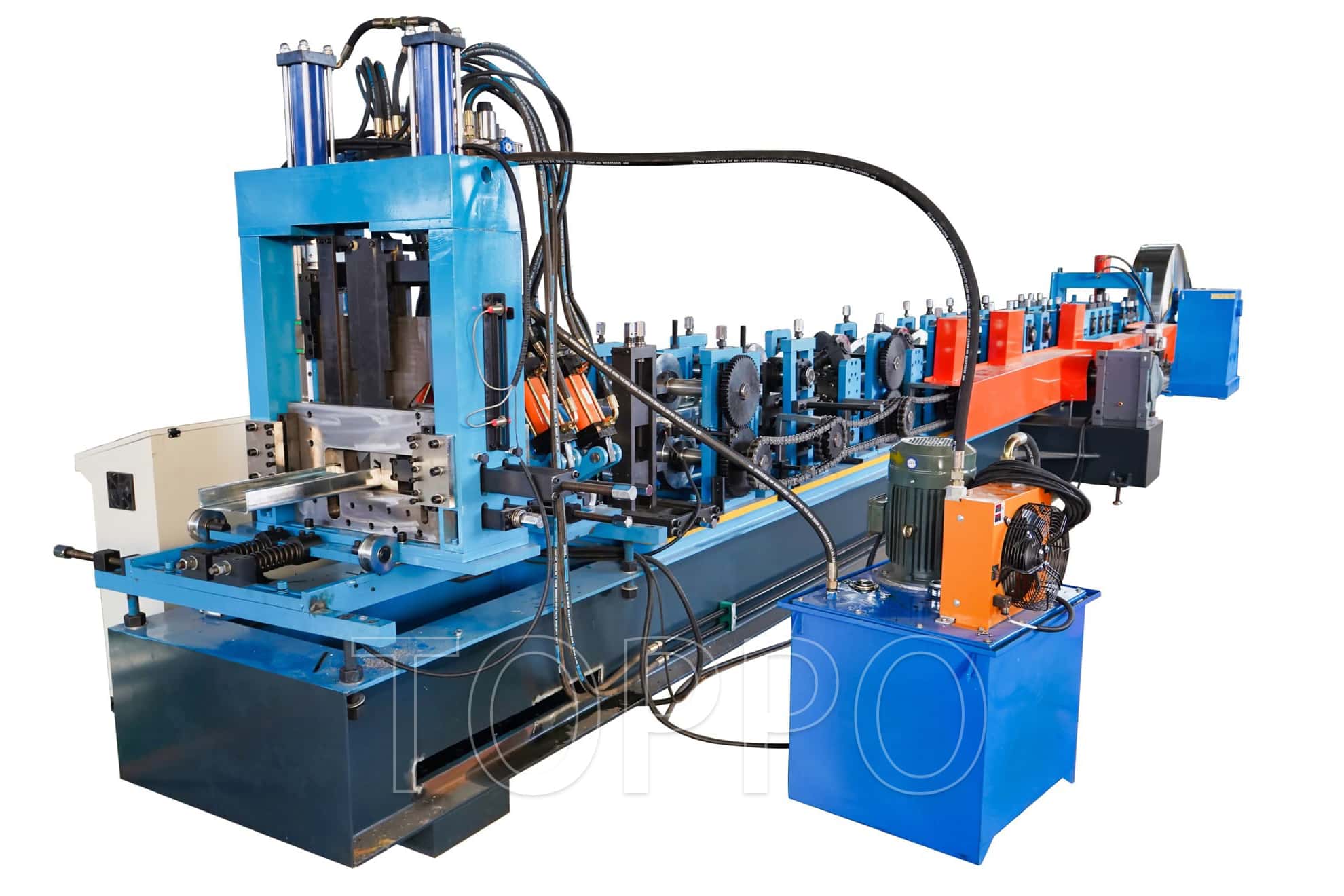
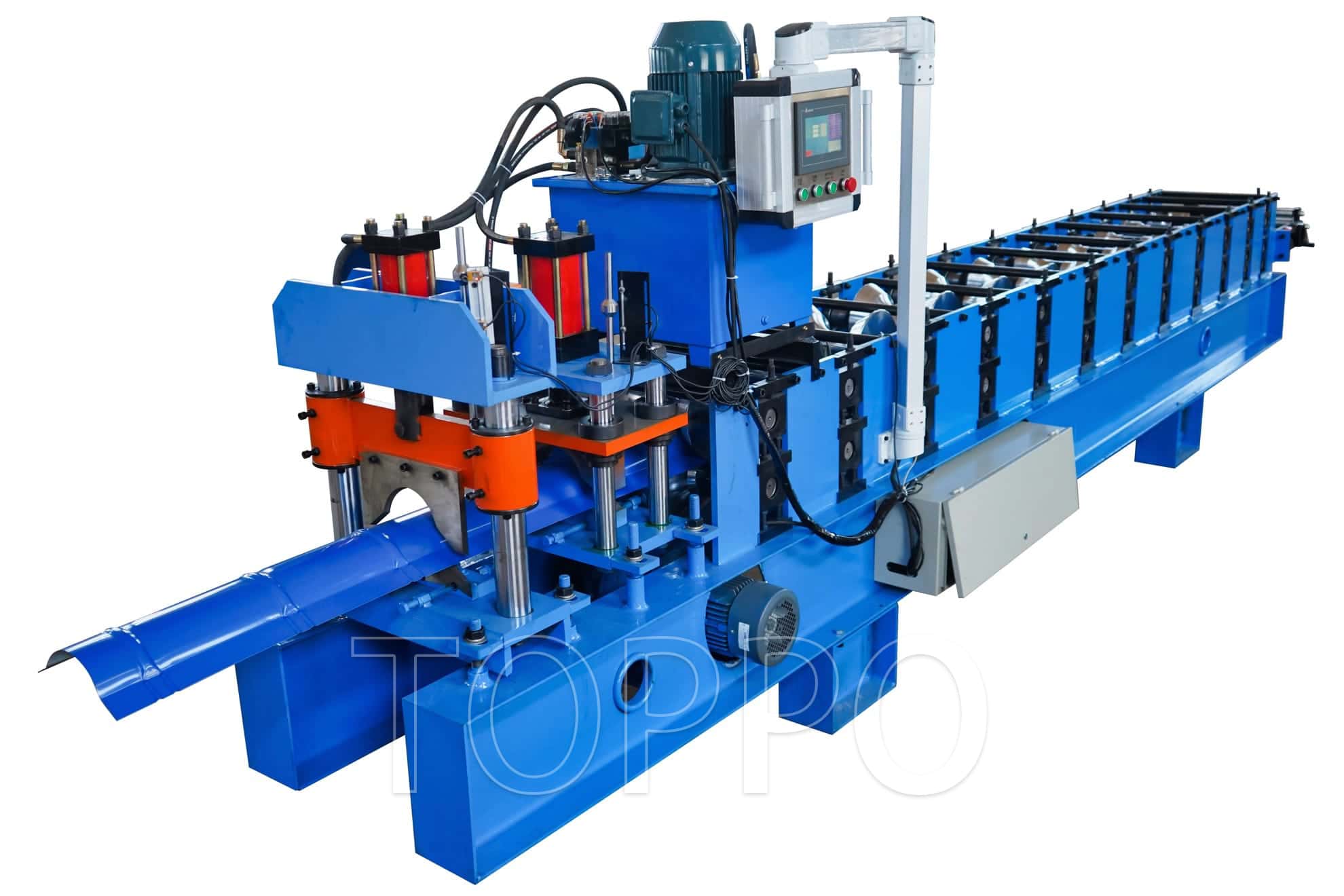
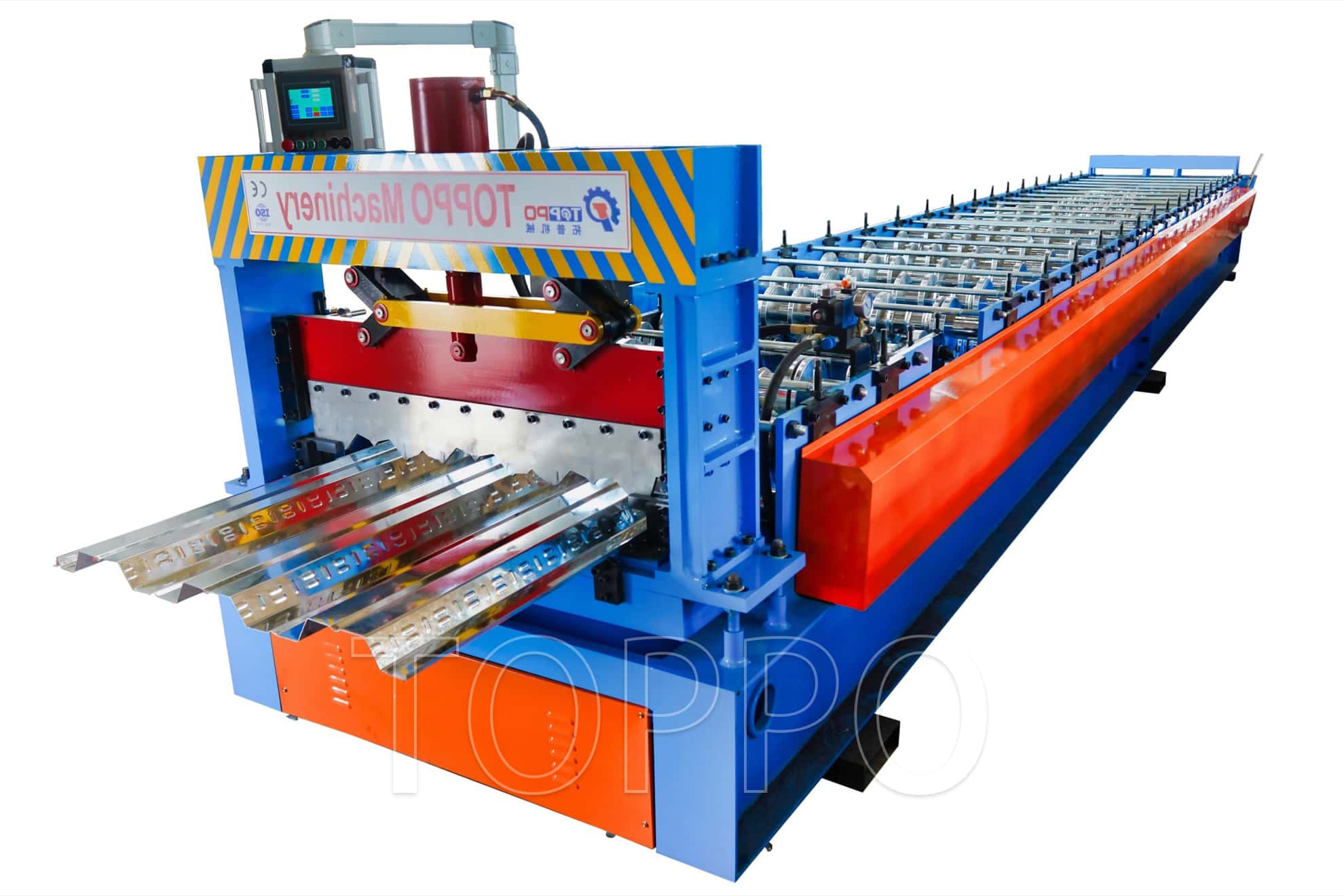
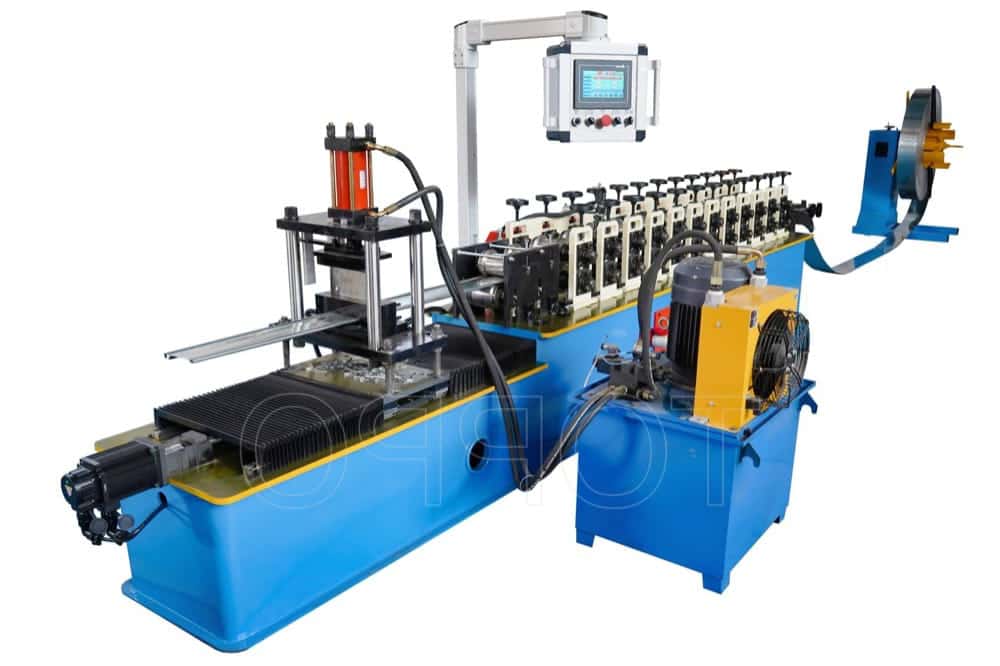
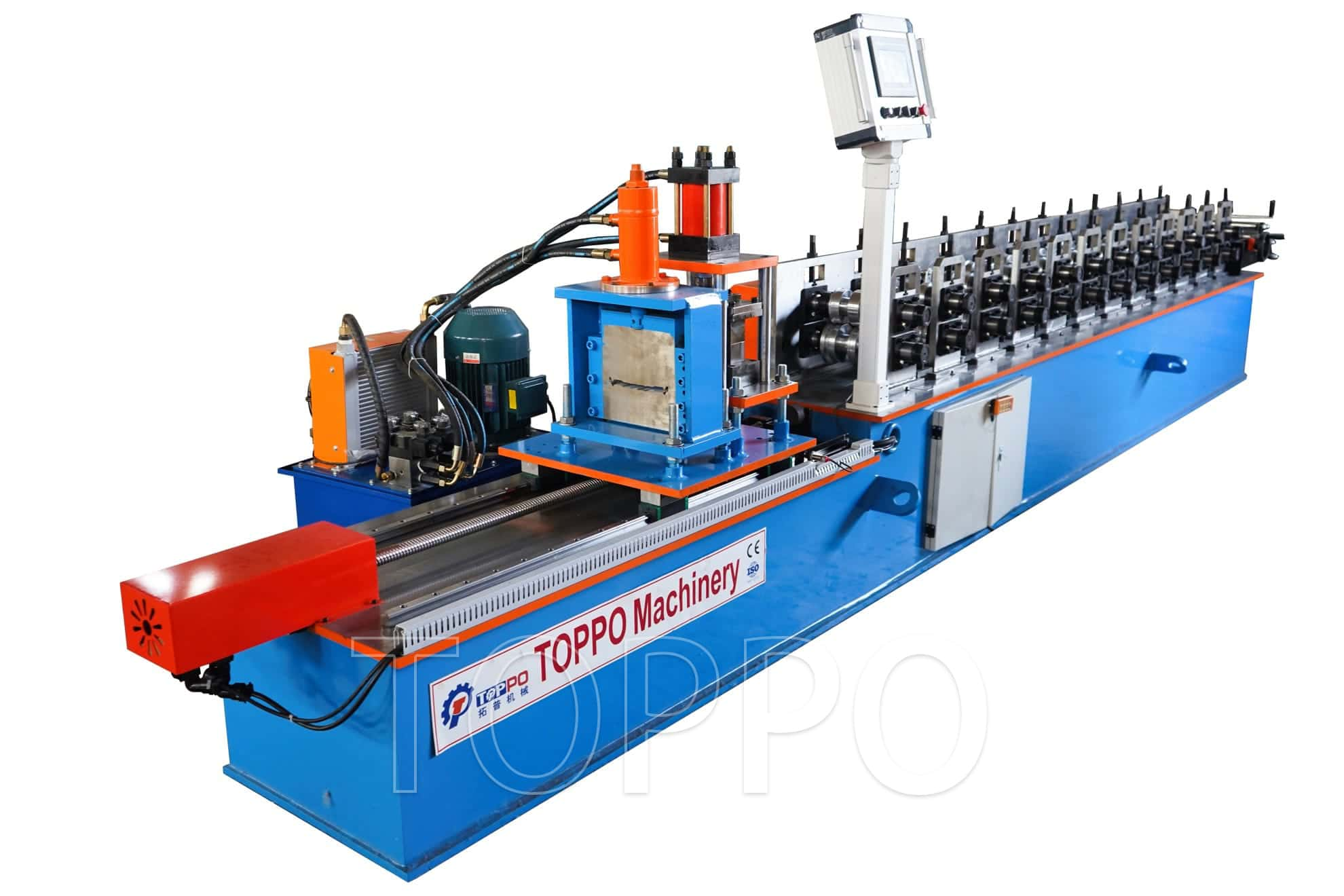
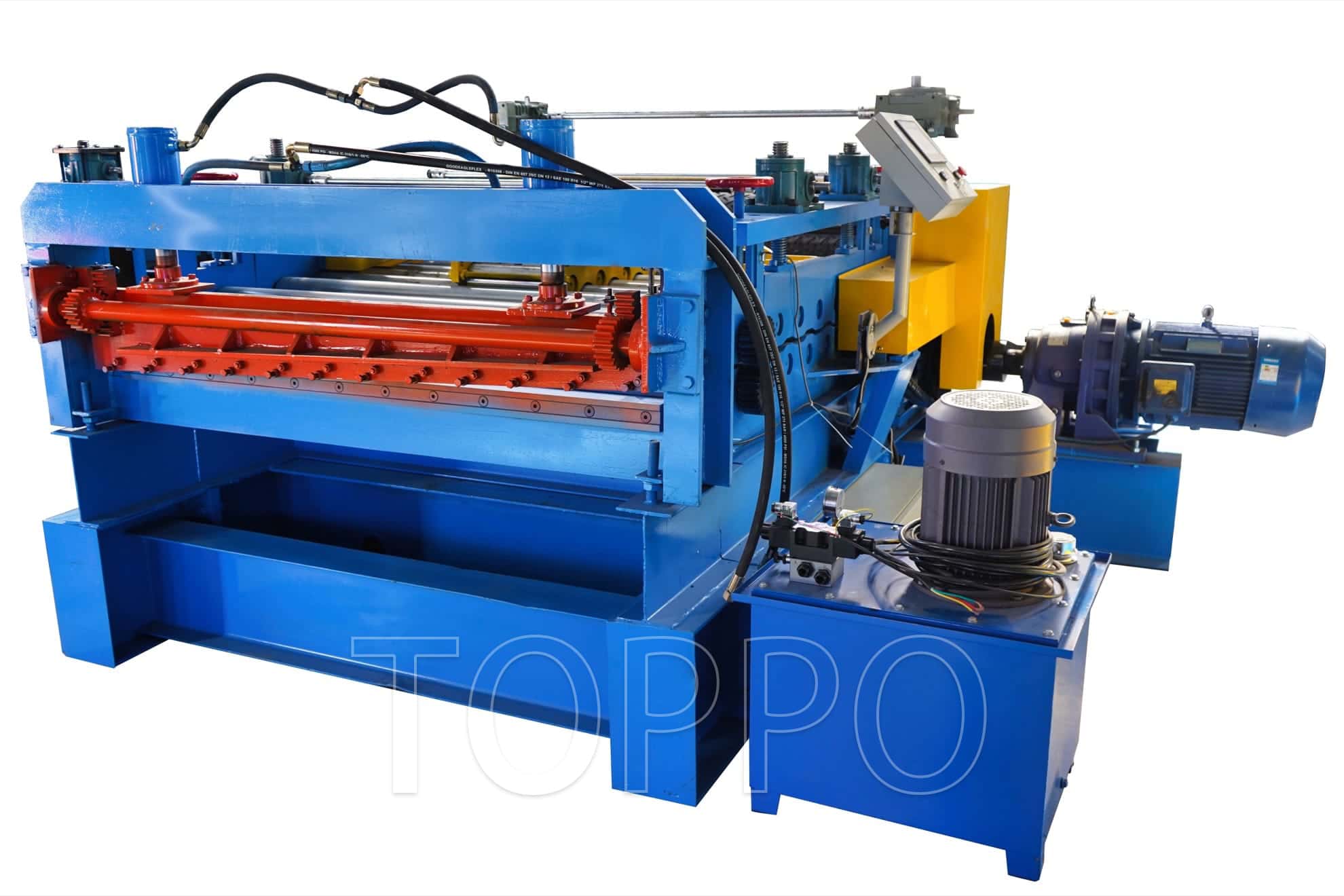
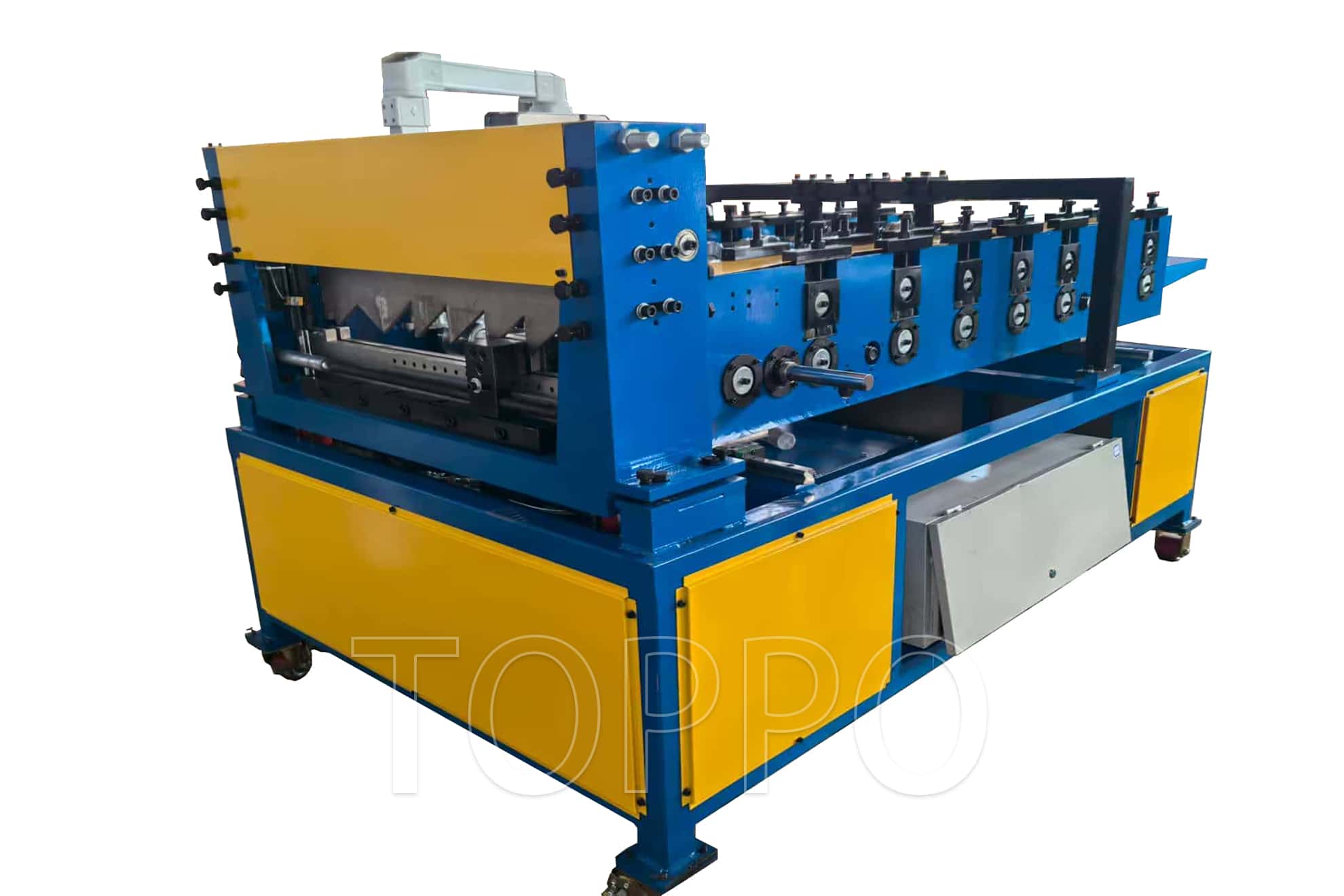
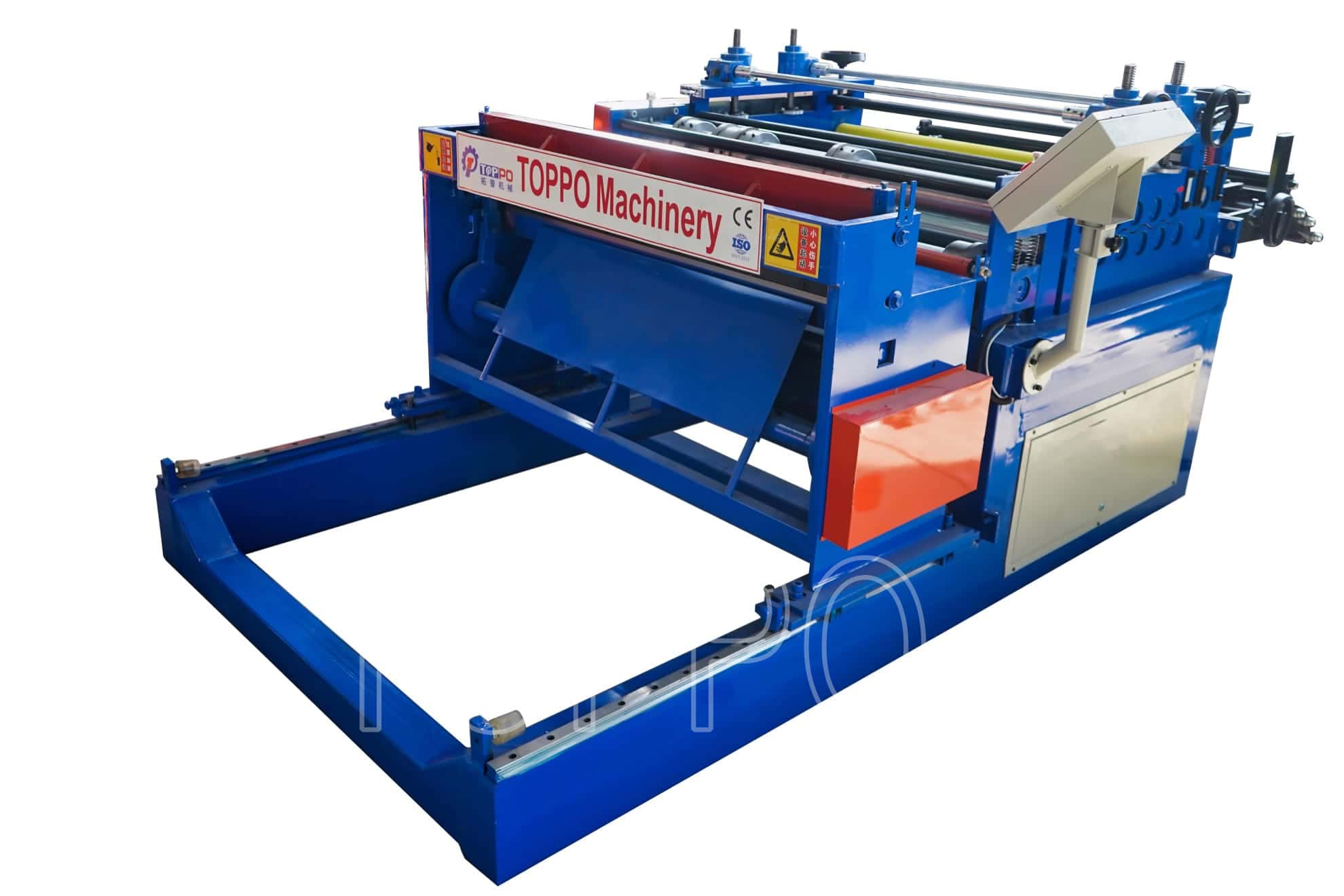
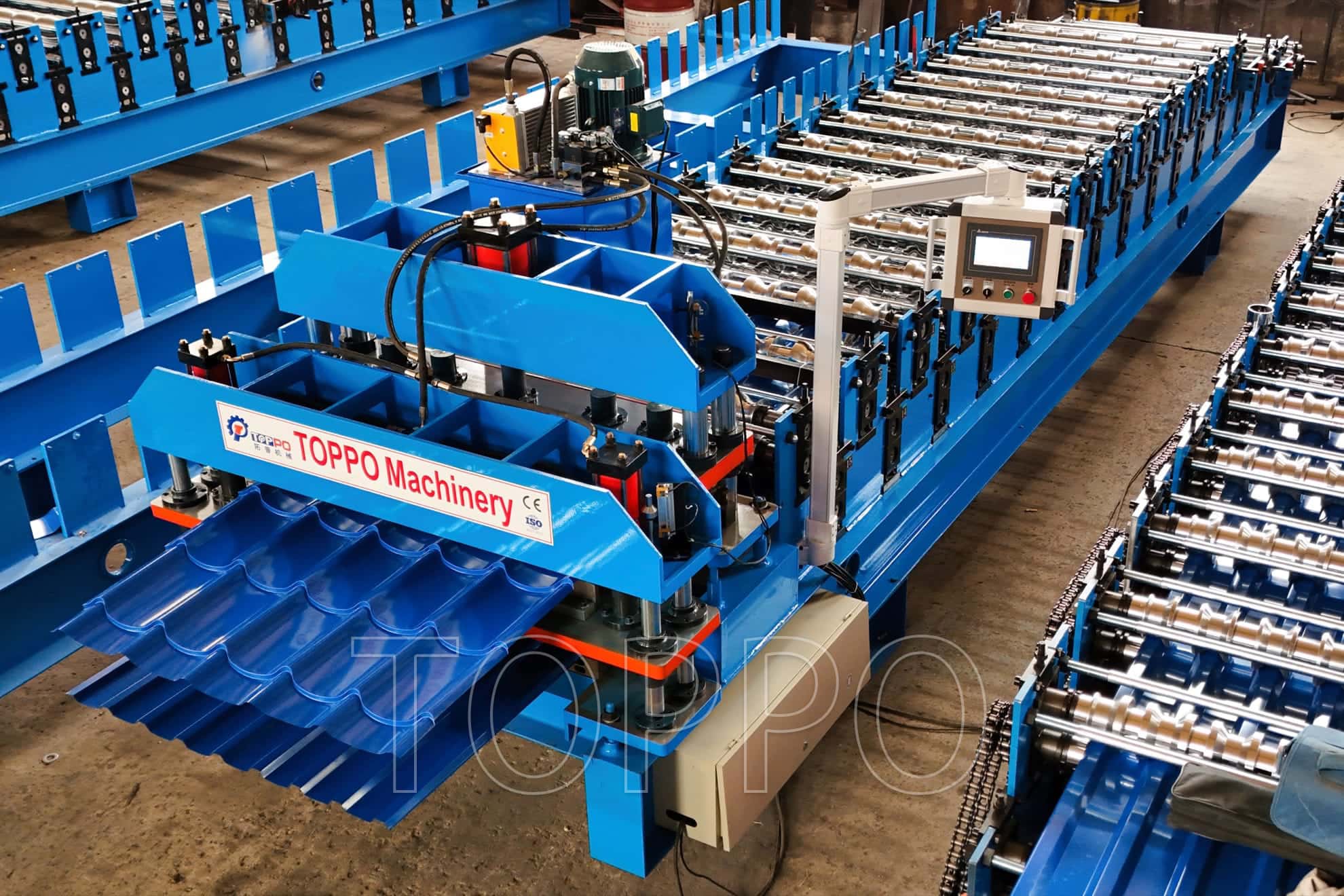
A double layer roofing sheet roll forming machine consists of two independent forming layers installed on one frame. Each layer has its own roller stations and cutting system, while sharing components such as the hydraulic station and PLC control cabinet. By switching between upper and lower layers, operators can produce two distinct profiles—commonly corrugated and trapezoidal sheets.
Compared with a traditional single roof panel making machine, this configuration reduces factory floor space and lowers initial investment costs. However, proper setup is critical to ensure stable operation.
2. Step-by-Step Implementation Process
Step 1: Confirm Technical Parameters
Before installation, confirm raw material thickness range, coil width, yield strength, and target profile drawings. A mismatch between coil specifications and roller design is one of the most frequent sources of deformation problems.
Step 2: Foundation and Alignment
The machine frame must be installed on a level concrete foundation. Use precision leveling tools to ensure longitudinal and transverse alignment. Even small deviations can cause feeding instability and uneven forming pressure.
Step 3: Roller Gap Calibration
Each layer of the double layer roll forming machine must be calibrated independently. Adjust roller gaps according to material thickness. Excessive pressure leads to surface scratches and bearing wear; insufficient pressure causes wave defects.
Step 4: Electrical and PLC Setup
Accurate PLC programming determines cutting precision. Input correct sheet length, quantity, and tolerance parameters. Test the encoder measurement system before mass production to prevent length deviation.
Step 5: Trial Production and Inspection
Produce 3–5 trial sheets on each layer. Inspect effective width, rib height, diagonal tolerance, and cutting burr condition. Fine-tune hydraulic pressure and forming speed if necessary.
3. Common Operational Mistakes
Mistake 1: Ignoring Material Tension Control
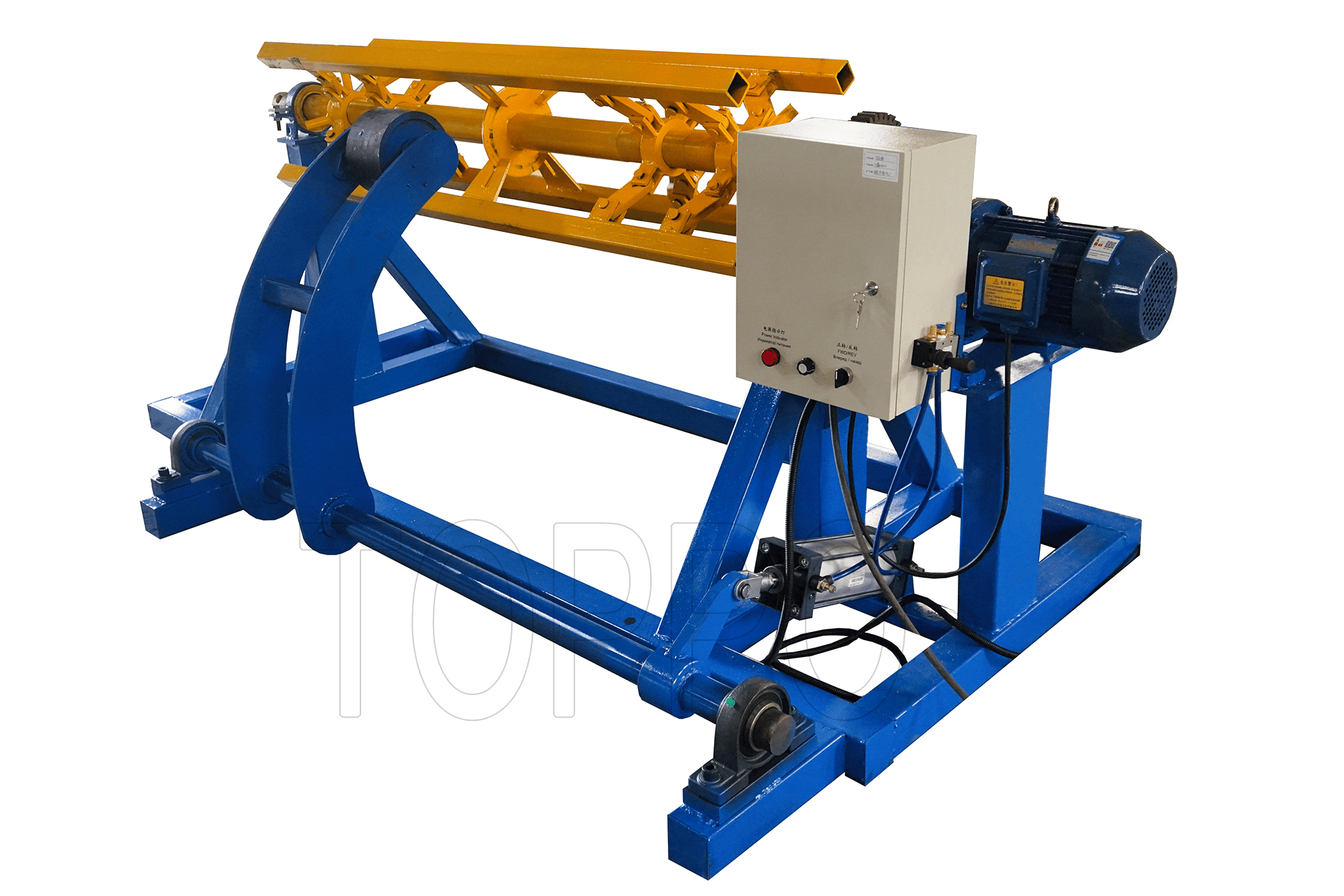
Improper decoiler tension causes sheet misalignment. Always adjust feeding speed and braking force before production.
Mistake 2: Running Both Layers Improperly
Operators sometimes attempt rapid switching without fully stopping the inactive layer. A double layer roll forming machine requires complete shutdown of one layer before activating the other to avoid mechanical damage.
Mistake 3: Blade Misalignment
Cutting blades must match the exact profile contour. Incorrect blade installation results in burrs or edge cracking, especially when processing high-strength steel.
4. Increasing the Number of Profiles
Standard configuration enables two roofing profiles. However, manufacturers can expand to 4–6 profiles by replacing roller sets within each layer. This modular design turns the double layer roofing sheet roll forming machine into a scalable long-term investment rather than a fixed-function machine.
When compared to installing two separate lines, a double-layer system reduces space consumption by approximately 30–40% and simplifies maintenance scheduling.
5. Real Factory Case Study
A roofing manufacturer in South America installed a double layer roofing sheet roll forming machine to produce trapezoidal panels for industrial buildings and corrugated sheets for residential projects. Initially, they experienced inconsistent cutting lengths. After recalibrating the encoder and stabilizing hydraulic pressure, length accuracy improved to within ±1mm.
During peak season, they operated a secondary roof panel making machine for high-volume orders while reserving the double-layer system for customized profiles. This production strategy reduced delivery time by 20% and improved equipment utilization efficiency.
6. Maintenance and Long-Term Stability
Lubricate roller bearings regularly to prevent wear.
Inspect hydraulic oil levels and filter cleanliness monthly.
Check electrical wiring connections to avoid PLC signal interruptions.
Calibrate cutting blades every 3 months depending on workload.
With proper maintenance, a double-layer roofing system can operate reliably for over a decade, providing stable output and consistent profile accuracy.
7. Final Practical Advice
To fully leverage a double layer roofing sheet roll forming machine, manufacturers should focus on three principles: precise calibration, disciplined operating procedures, and regular preventive maintenance. Avoid rushing production speed beyond rated capacity, and always verify material compatibility before loading new coils.
When implemented correctly, this equipment not only increases product variety but also strengthens market adaptability—allowing factories to respond quickly to changing customer demands.
Related SEO Terms:
metal roofing roll former, roofing sheet roll forming machine, steel roll forming machine, cold roll forming machine for metal, continuous roll forming machine, high-speed roll forming machine, industrial metal forming machine, metal profile roll former, roll forming machine for roofing panels, corrugated sheet forming machine, corrugated roll forming machine, automatic roof panel machine, steel panel forming machine, metal roof panel forming machine, trapezoidal roofing machine, trapezoidal sheet forming machine, trapezoidal panel roll former, trapezoidal profile roll former, steel trapezoidal roll former, roll forming line for trapezoidal panels, corrugated sheet roll former, automatic corrugated sheet forming machine, roll forming line for corrugated sheets, CZ purlin roll forming machine, C & Z purlin roll forming machine, C Z steel framing machine, C/Z purlin roll former, Steel structure purlin roll former
SEO Keywords: double layer roofing sheet roll forming machine, roof panel making machine, double layer roll forming machine, metal roofing roll former, roofing sheet roll forming machine, steel roll forming machine
READ MORE: