Optimizing Multi-Profile Roofing Production with Double Layer Roll Forming Technology
As global demand for metal roofing systems continues to grow, manufacturers are under pressure to deliver multiple roofing profiles quickly and efficiently. Investing in a double layer roofing sheet roll forming machine has become one of the most practical solutions for factories seeking flexibility without expanding floor space. But how can companies truly maximize its capacity? And what are the critical implementation steps and common pitfalls? This article provides detailed technical guidance and real-world operational insights.
1. Structural Design and Production Logic
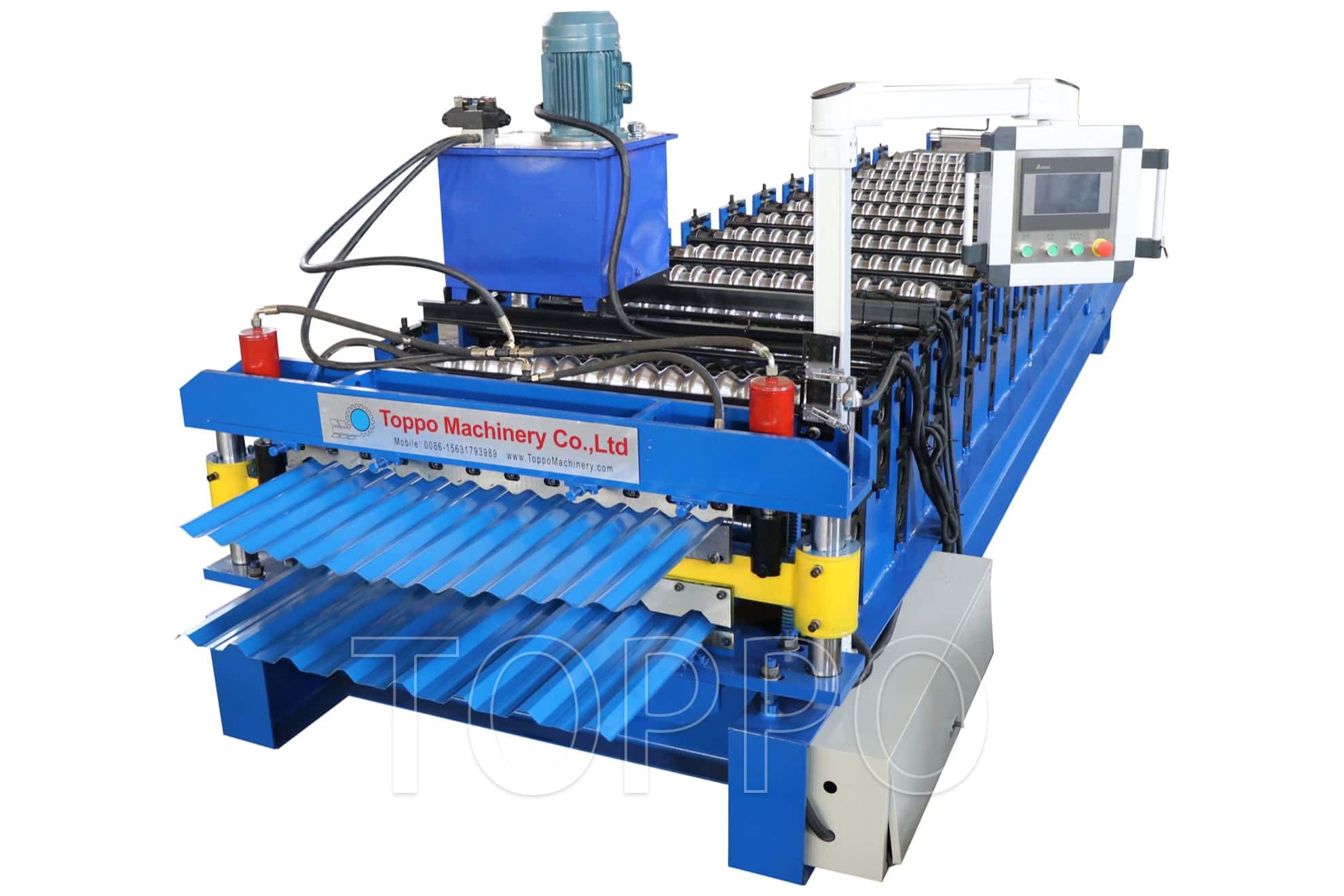
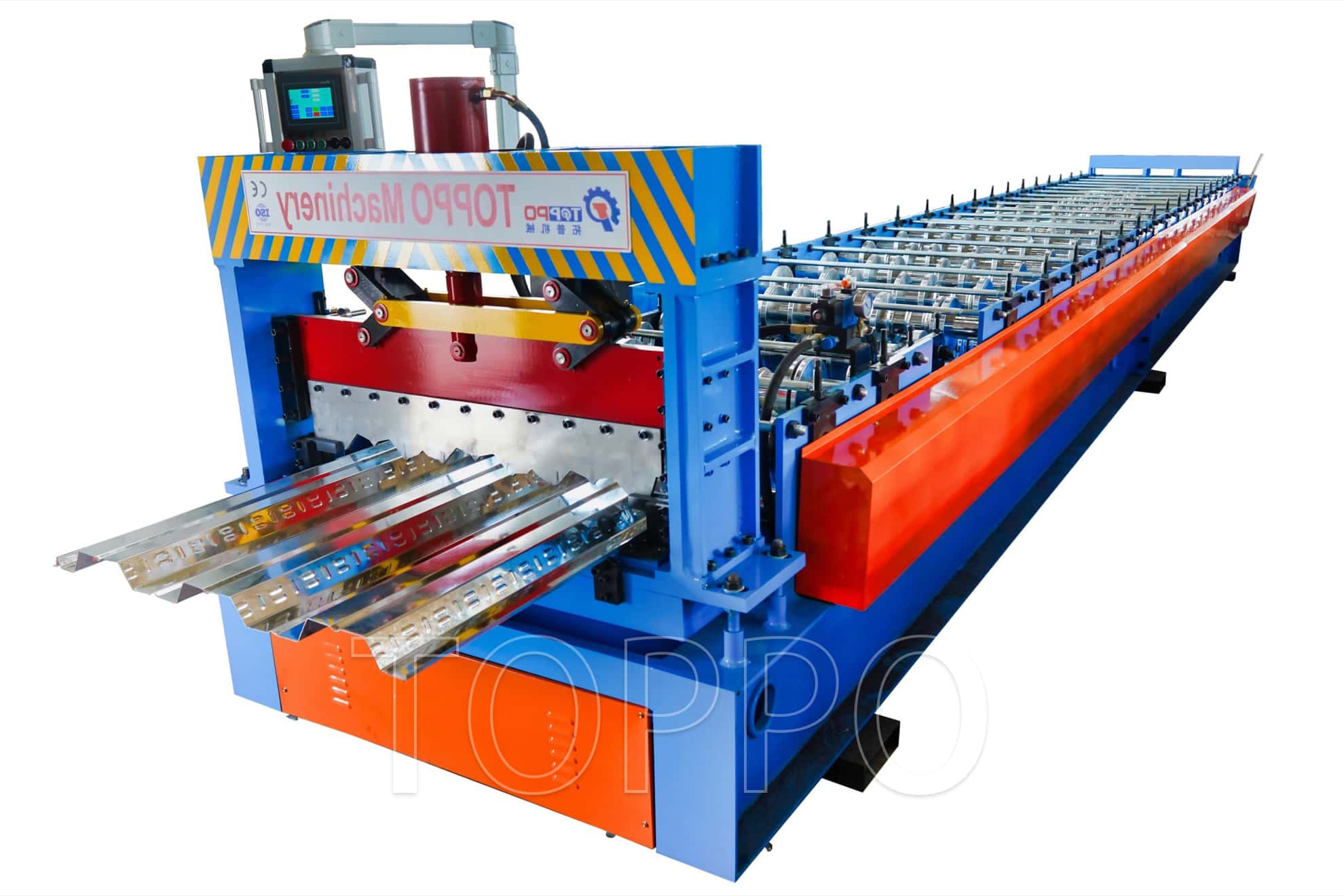
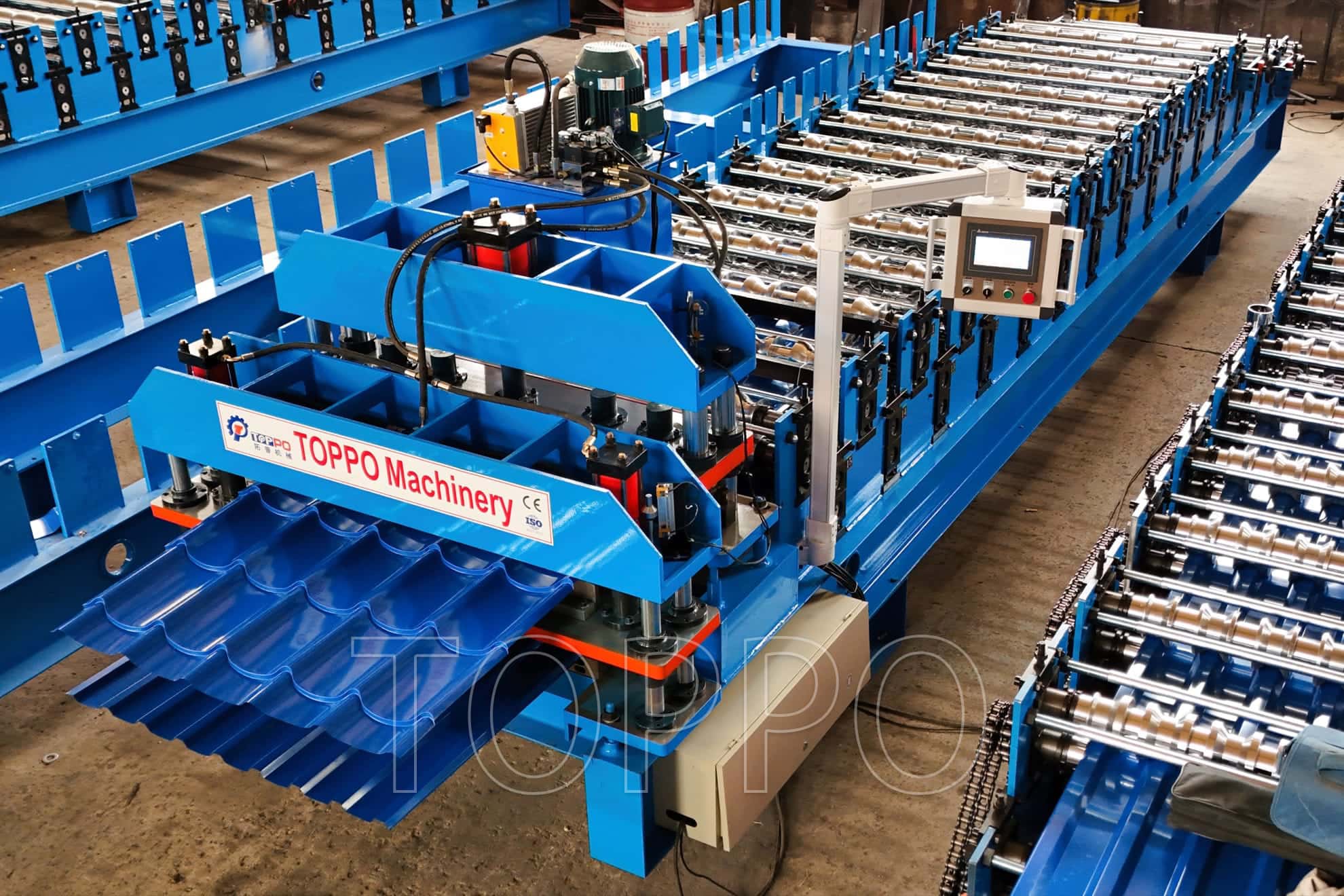
A double layer roofing sheet roll forming machine integrates two separate forming layers within a single frame. Each layer is equipped with independent roller stations and a cutting device, while sharing a hydraulic system and PLC control cabinet. This structure allows operators to switch between two roofing profiles—typically corrugated and trapezoidal sheets—without dismantling the machine.
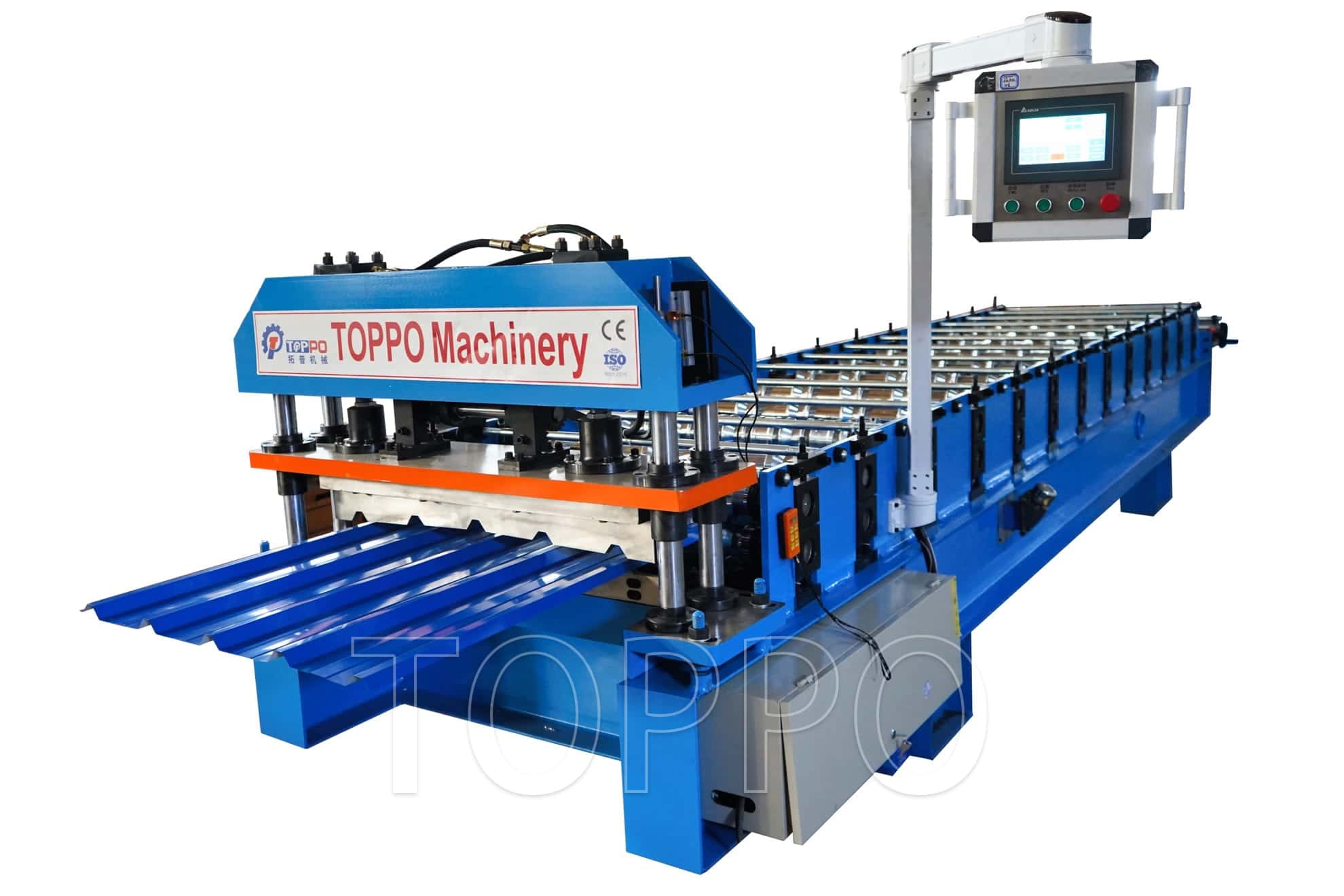
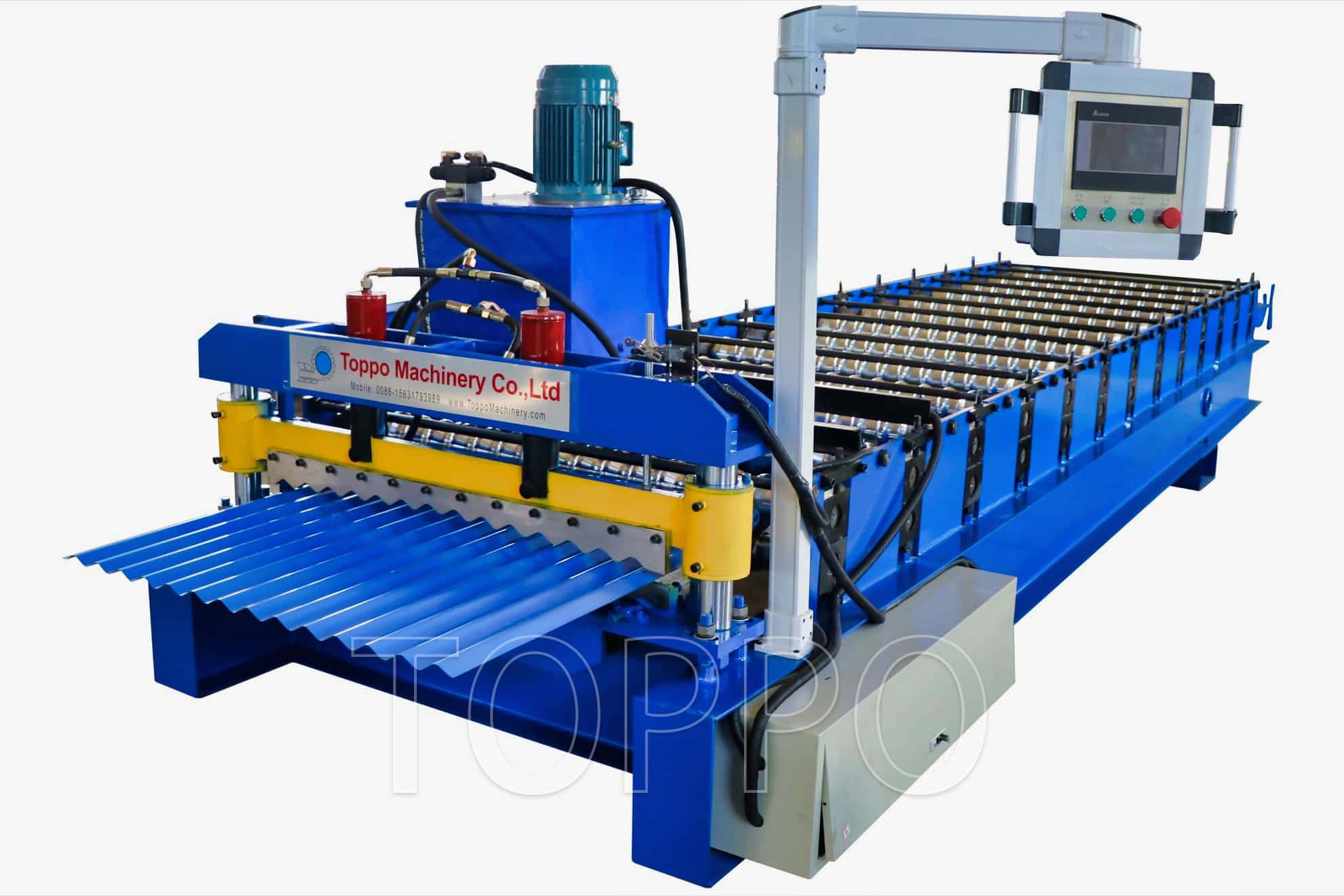
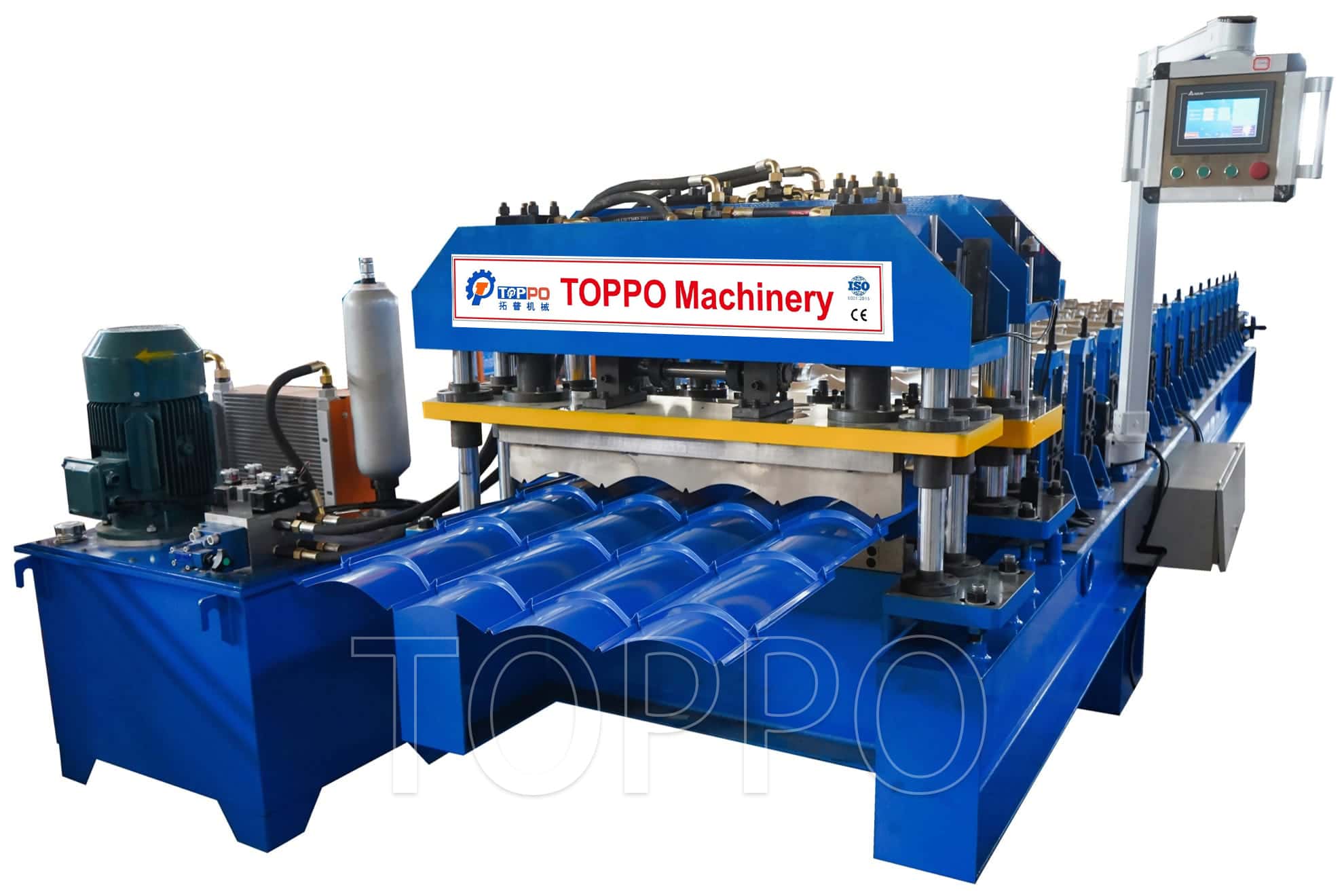
Compared with a standalone roof panel making machine, the double-layer configuration significantly reduces installation space and power consumption. However, because both layers share structural components, precise calibration and disciplined operation are essential.
2. Step-by-Step Implementation Guide
Step 1: Confirm Technical Specifications
Before installation, confirm material thickness range, coil width, yield strength, and target profile drawings. Mismatched specifications are one of the most common causes of forming defects. Always verify that the coil thickness falls within the machine’s rated range.
Step 2: Foundation and Machine Leveling
Install the equipment on a reinforced concrete foundation. Use precision leveling instruments to ensure the entire frame is horizontally aligned. Even minor misalignment can lead to uneven roller pressure and profile distortion.
Step 3: Roller Gap Adjustment
Each forming layer of the double layer roll forming machine must be calibrated separately. Adjust roller gaps according to actual sheet thickness. Excessive pressure can scratch coating surfaces and overload bearings, while insufficient pressure causes wave defects and incomplete rib formation.
Step 4: PLC Programming and Encoder Testing
Accurate length control depends on proper PLC configuration. Input sheet length, quantity, and tolerance values carefully. Always test encoder accuracy before starting mass production to avoid cumulative cutting errors.
Step 5: Trial Production and Quality Inspection
Run 3–5 test sheets on each layer. Measure effective width, rib height, diagonal accuracy, and cutting edge quality. Fine-tune hydraulic pressure and feeding alignment if necessary.
3. How Many Profiles Can Be Produced?
Under standard configuration, one double layer roofing sheet roll forming machine can produce two roofing profiles—one on each layer. However, by replacing roller sets and cutting dies, manufacturers can expand production to four or even six different profiles over time. This modular flexibility is one of the main advantages over installing two independent lines.
In comparison, operating a separate roof panel making machine for each profile requires more space, higher electrical consumption, and increased maintenance costs.
4. Common Operational Mistakes
Mistake 1: Improper Layer Switching
Operators sometimes attempt to switch layers without fully stopping the active system. A double layer roll forming machine requires complete shutdown of one layer before activating the other to prevent mechanical shock and gearbox damage.
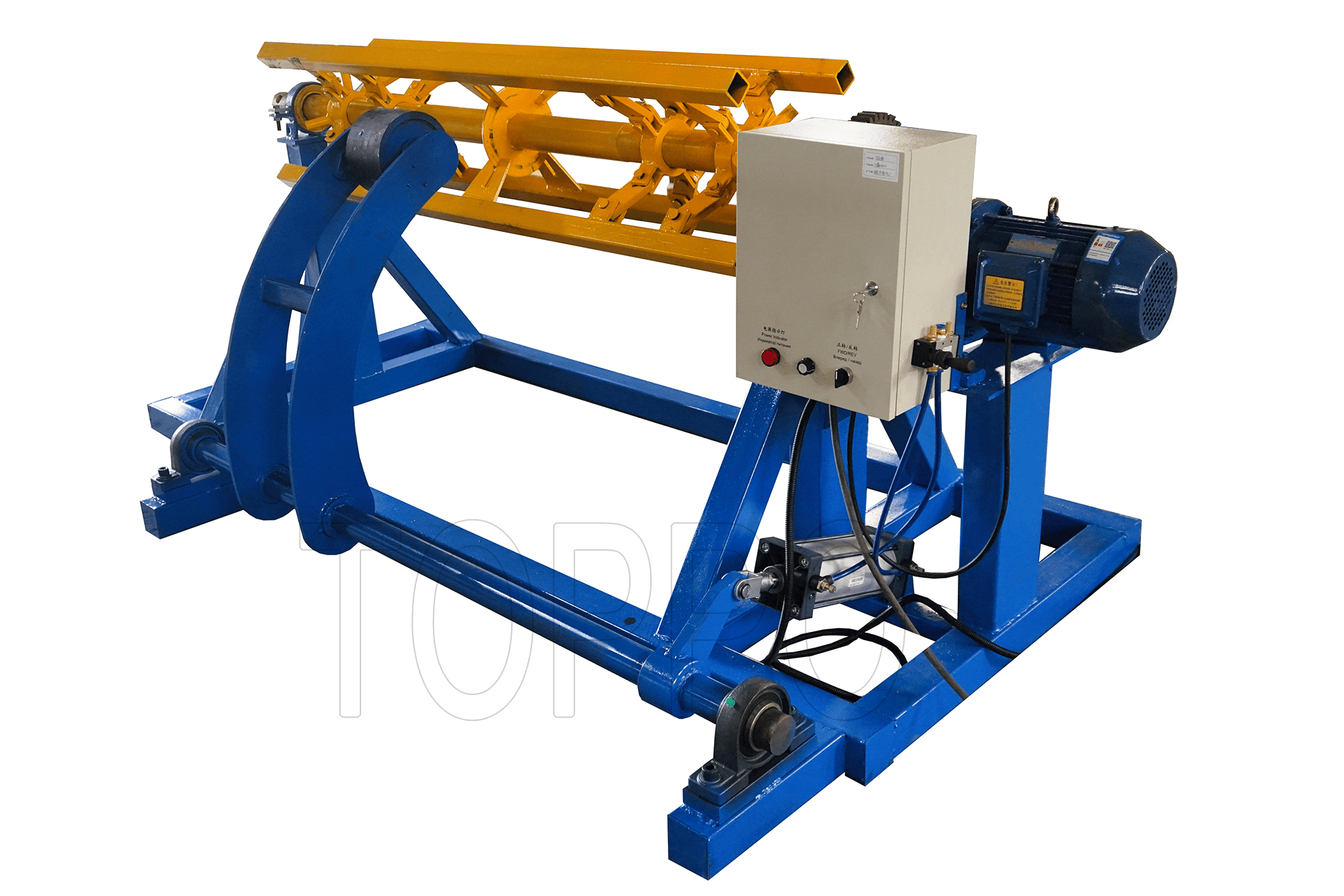
Mistake 2: Ignoring Decoiler Tension
Incorrect braking force on the decoiler can cause sheet misalignment. Always adjust coil tension before production.
Mistake 3: Blade Misalignment
Cutting blades must match the profile contour precisely. Misalignment leads to burrs, edge cracks, and inconsistent panel length.
5. Real Production Case Study
A roofing manufacturer in Southeast Asia invested in a double layer roofing sheet roll forming machine to produce trapezoidal panels for warehouses and corrugated sheets for residential housing. Initially, they experienced wave defects on the lower layer. After inspection, engineers discovered uneven roller pressure due to foundation misalignment.
After recalibrating the base frame and adjusting roller gaps, defect rates decreased by 60%. During peak season, the factory used an additional roof panel making machine for high-volume standard orders while reserving the double-layer system for customized specifications. This strategy improved delivery efficiency by 25%.
6. Maintenance and Long-Term Stability
Lubricate chain drives and bearings weekly.
Inspect hydraulic oil levels and replace filters regularly.
Check PLC wiring connections to avoid signal interruption.
Calibrate cutting blades every 3–6 months.
With proper maintenance, a double layer roofing sheet roll forming machine can operate reliably for over a decade, delivering consistent profile accuracy and stable production output.
7. Practical Recommendations
To fully utilize a double layer roll forming machine, manufacturers should focus on precision calibration, disciplined operation procedures, and preventive maintenance planning. Avoid pushing production speed beyond rated capacity, and always confirm raw material compatibility before loading new coils.
When properly implemented, the double layer roofing sheet roll forming machine provides unmatched flexibility, reduces capital investment, and enhances competitiveness in the metal roofing industry.
SEO Keywords: double layer roofing sheet roll forming machine, roof panel making machine, double layer roll forming machine, metal roofing roll former, roofing sheet roll forming machine, steel roll forming machine
READ MORE: