- Trapezoidal Machine
- Corrugated Machine
- Glazed Tile Machine
- Double Layer Machine
- CZU Purlin Machine
- Ridge Cap Machine
- Floor Decking Machine
- Rolling Door Machine
- Fence Machine
- Embossing Machine
- Standing Seam Machine
- Cut To Length And Slitting Line
- Guard Rail Machine
- Decoiler And Stacker
- Stud And Track Machine
- Gutter And DownPipe
- Curving Machine
- Cladding Panel Machine
- Corollary Equipment



- Trapezoidal Machine
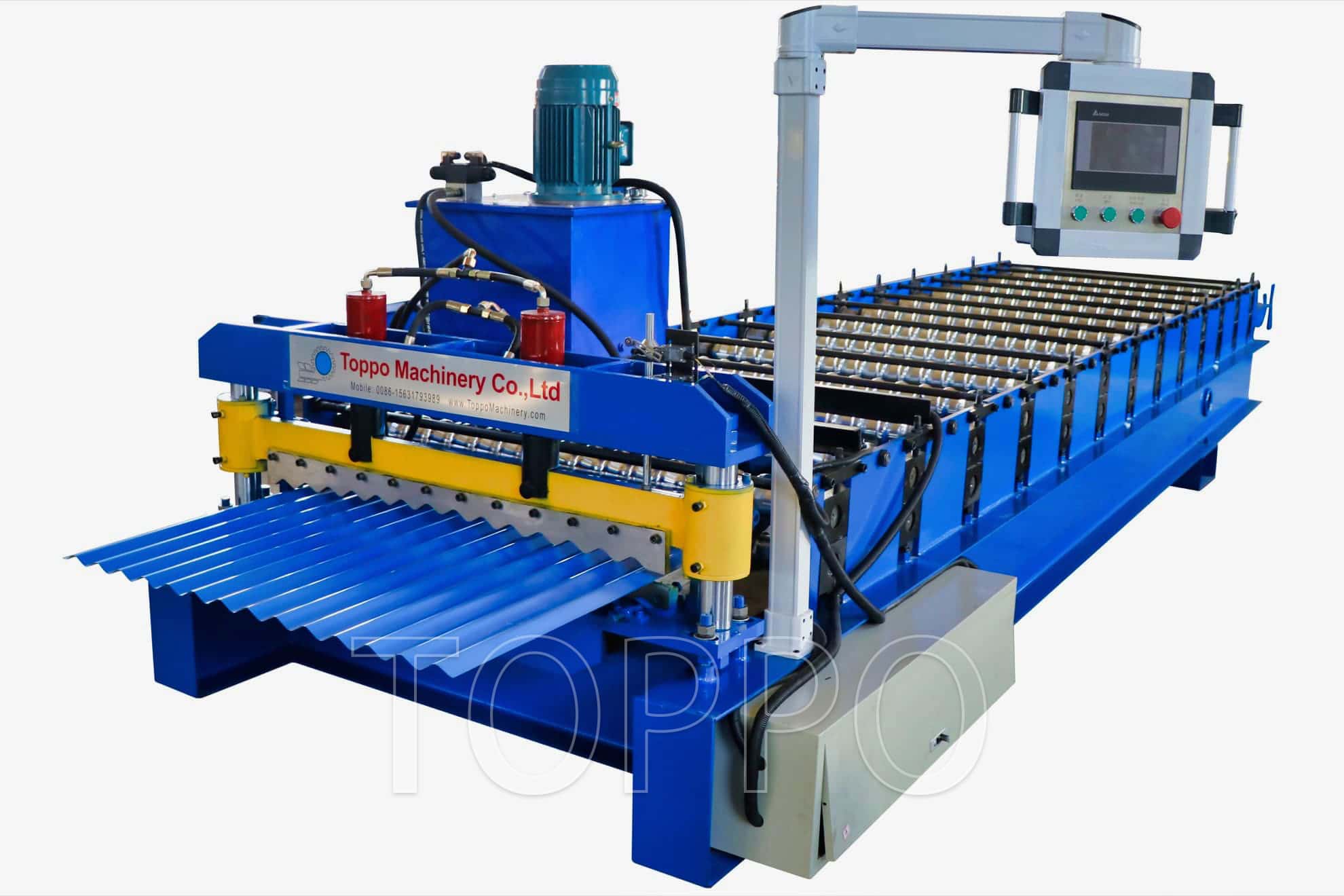
- Corrugated Machine
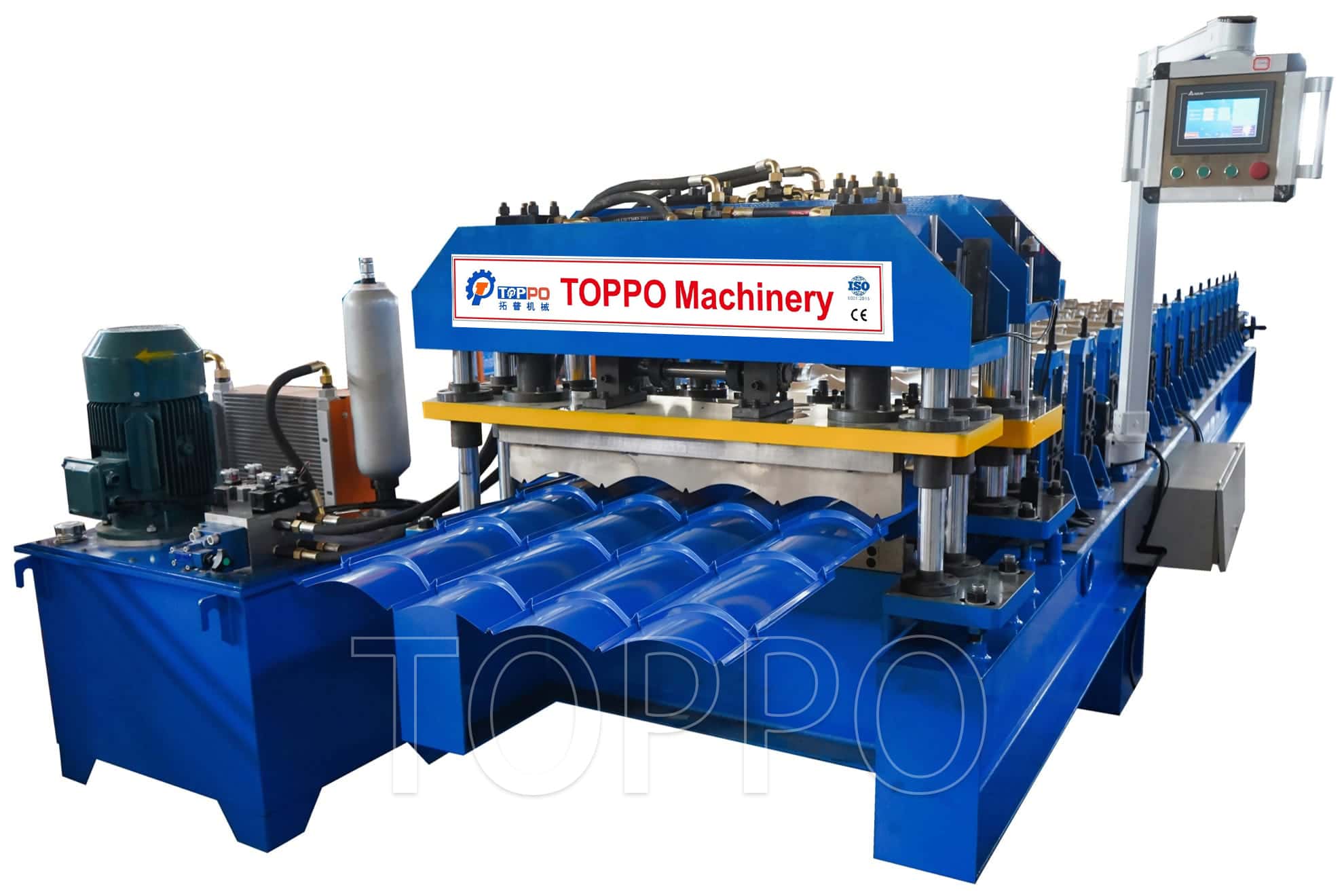
- Glazed Tile Machine
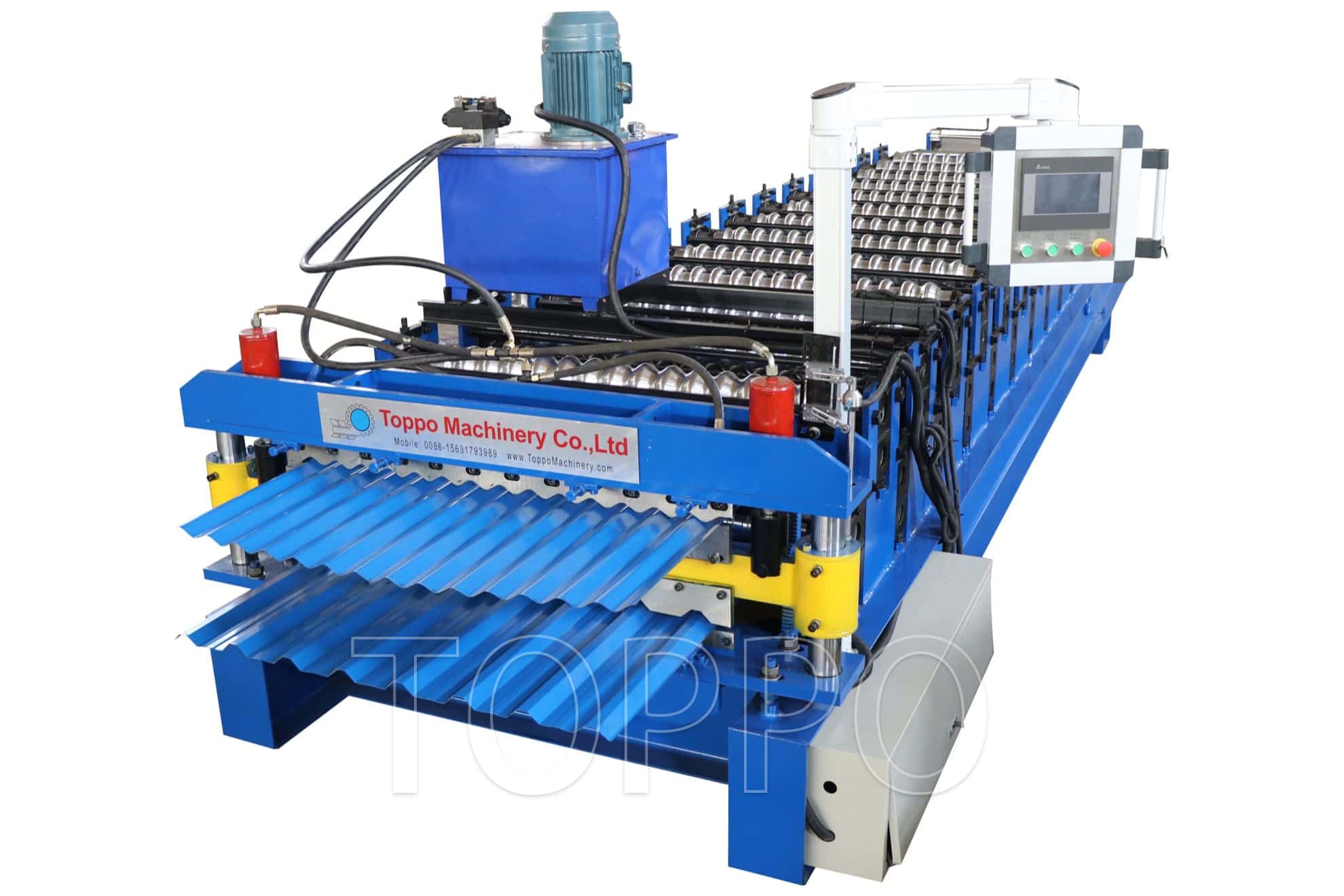
- Double Layer Machine
- CZU Purlin Machine
- Ridge Cap Machine
- Floor Decking Machine
- Rolling Shutter Door Machine
- Palisade Fence Machine
- Embossing Machine
- Standing Seam Machine
- Cut To Length And Slitting Line
- Guard Rail Machine
- Decoiler And Stacker
- Stud And Track Machine
- Gutter And DownPipe
- Curving Machine
- Cladding Panel Machine
- Corollary Equipment
- Other
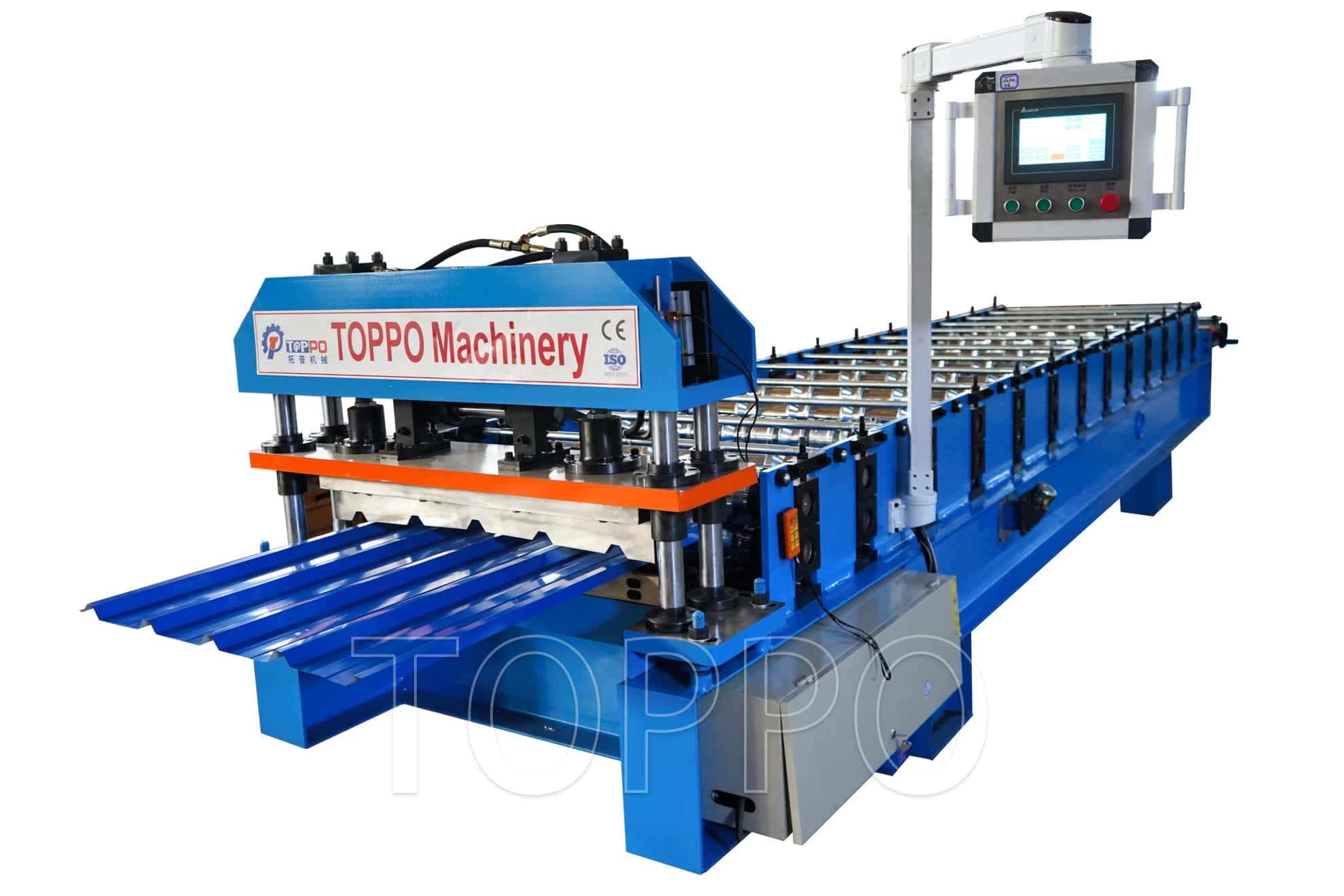
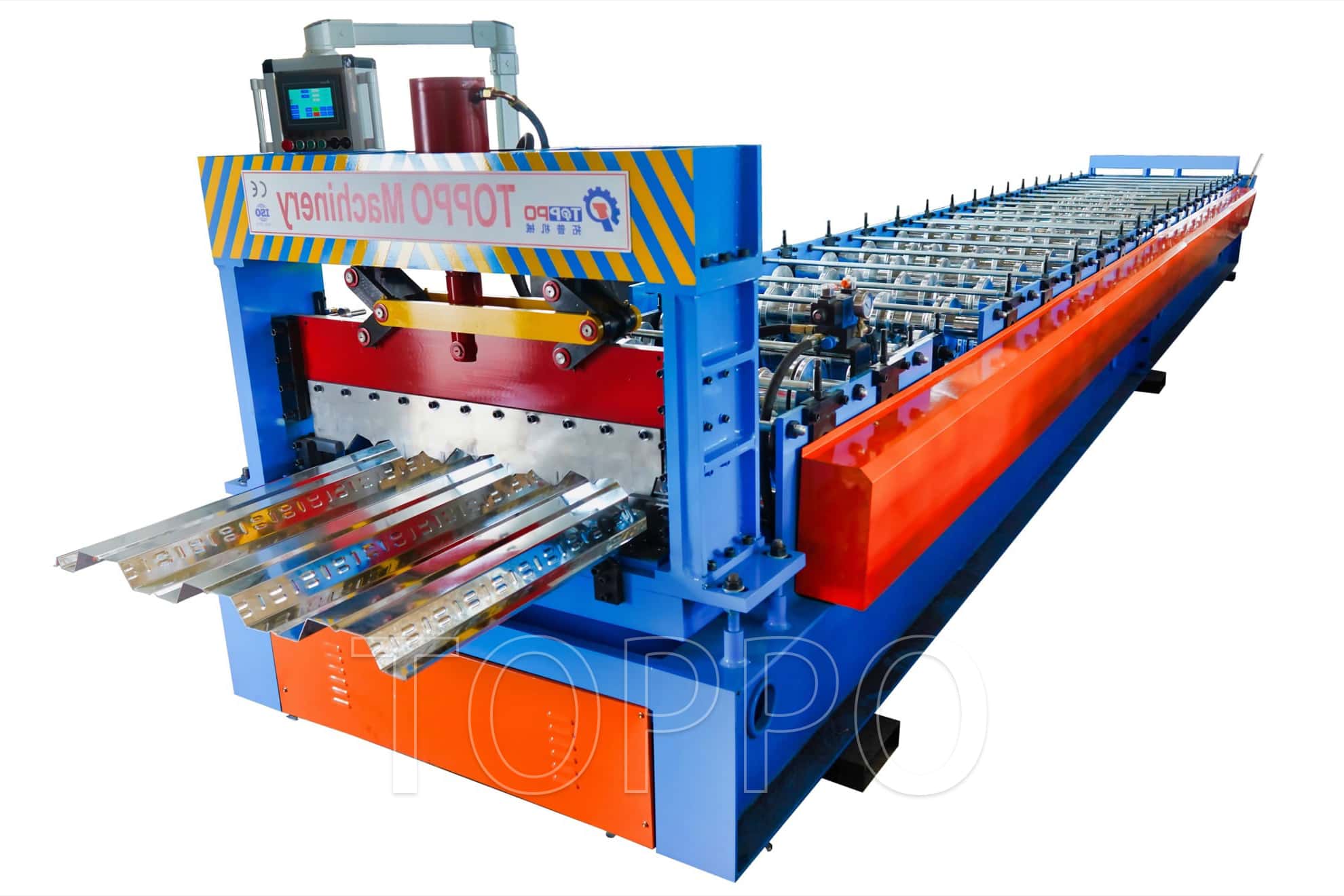
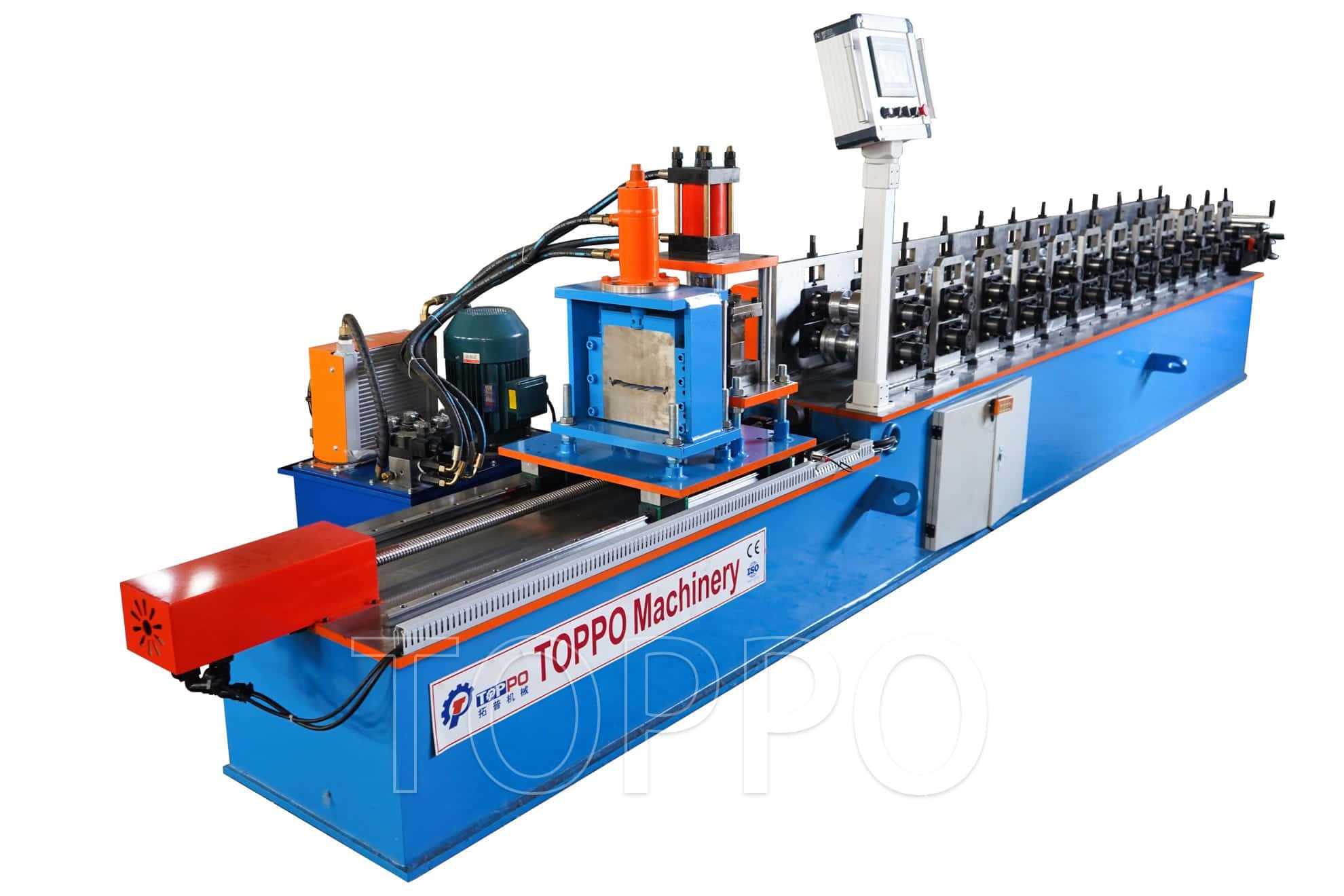
Industrial Trapezoidal Metal Roof Panel Roll Forming Machine
This industrial roll forming line is engineered to convert flat metal coil into accurate trapezoidal roof and wall panels in a continuous production process. The system is suitable for manufacturers serving steel-structure buildings, warehouses, workshops, agricultural facilities, commercial projects and prefabricated construction.
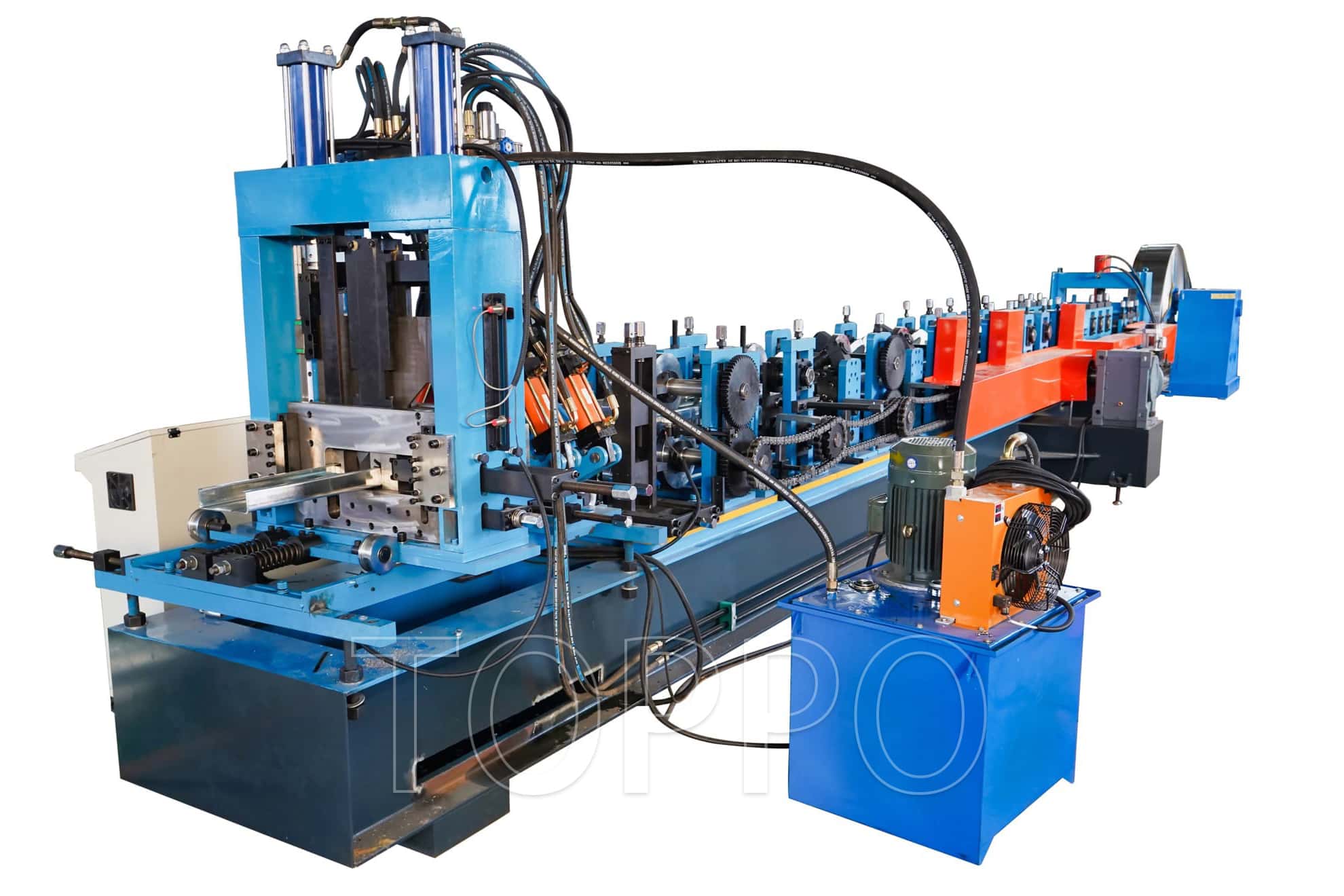
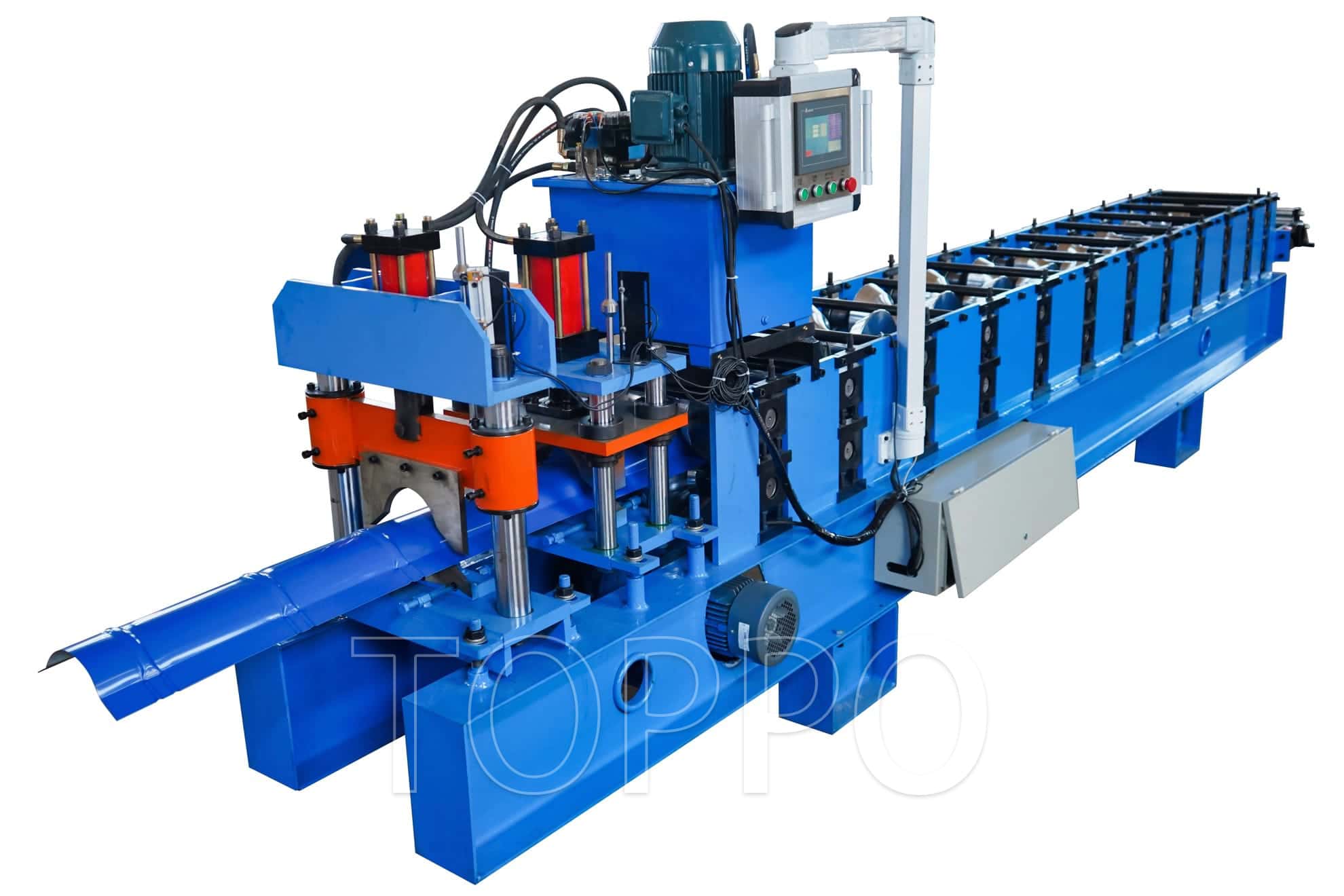
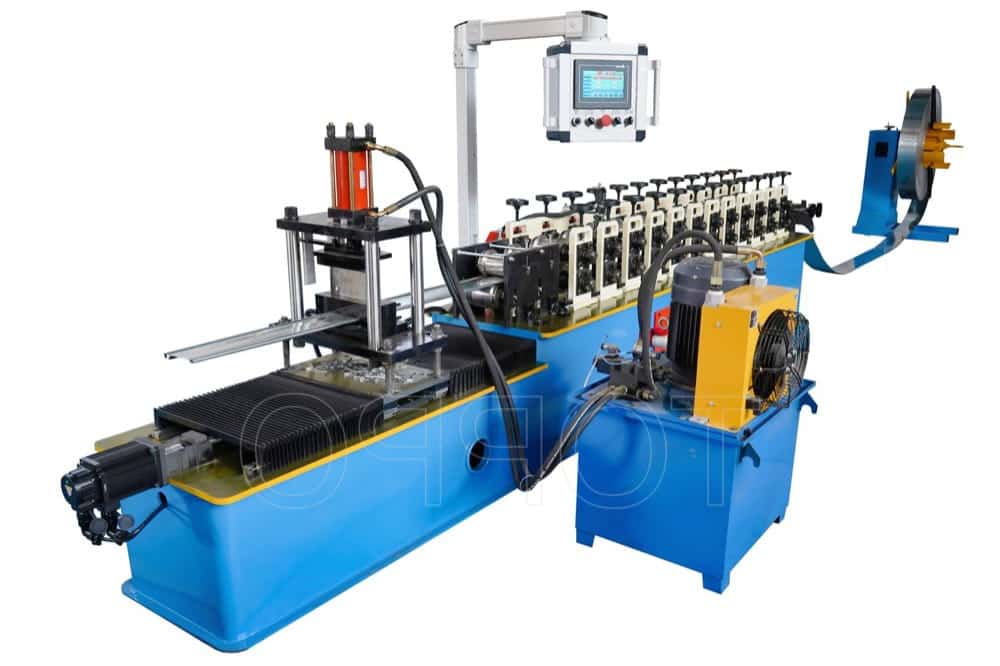
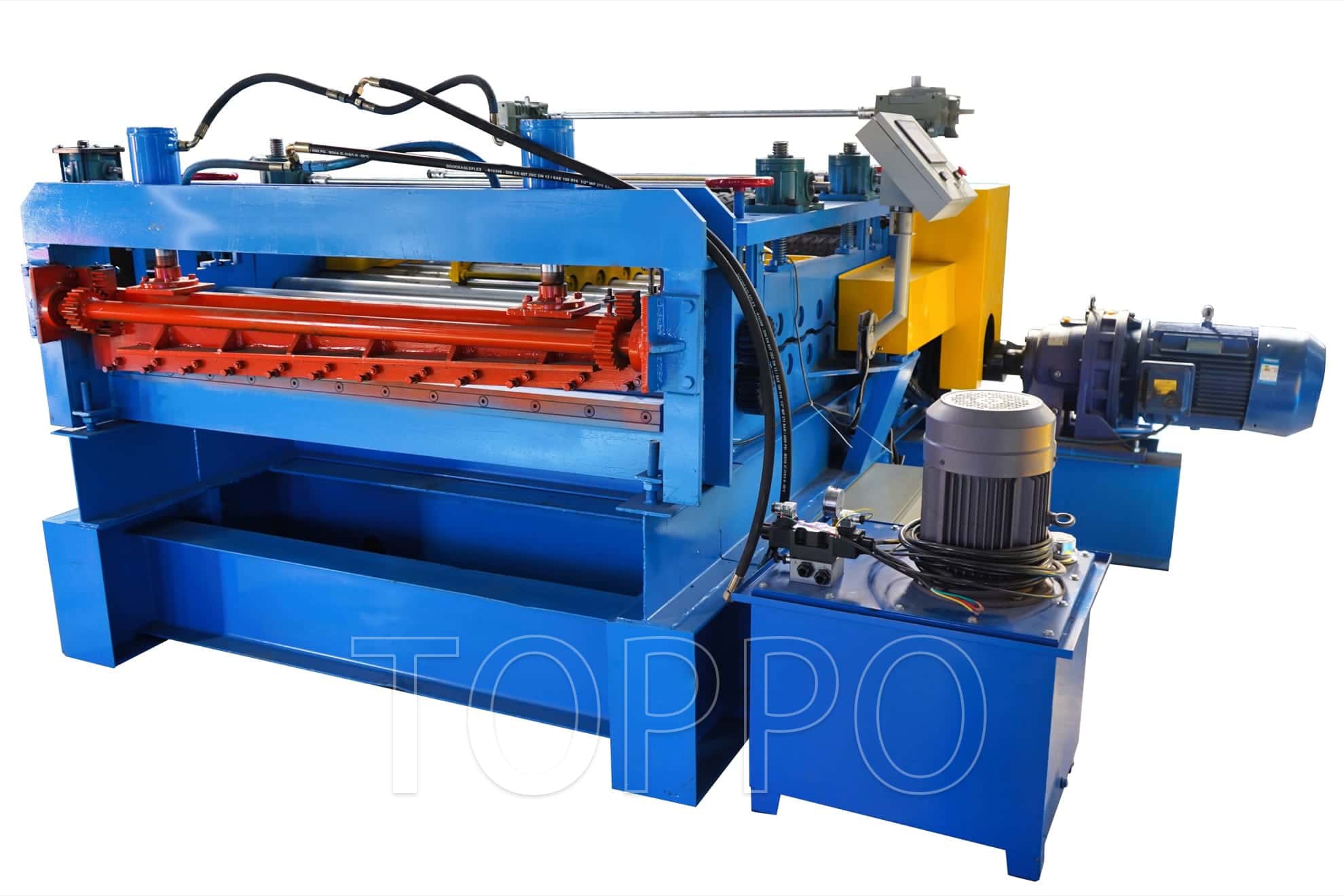
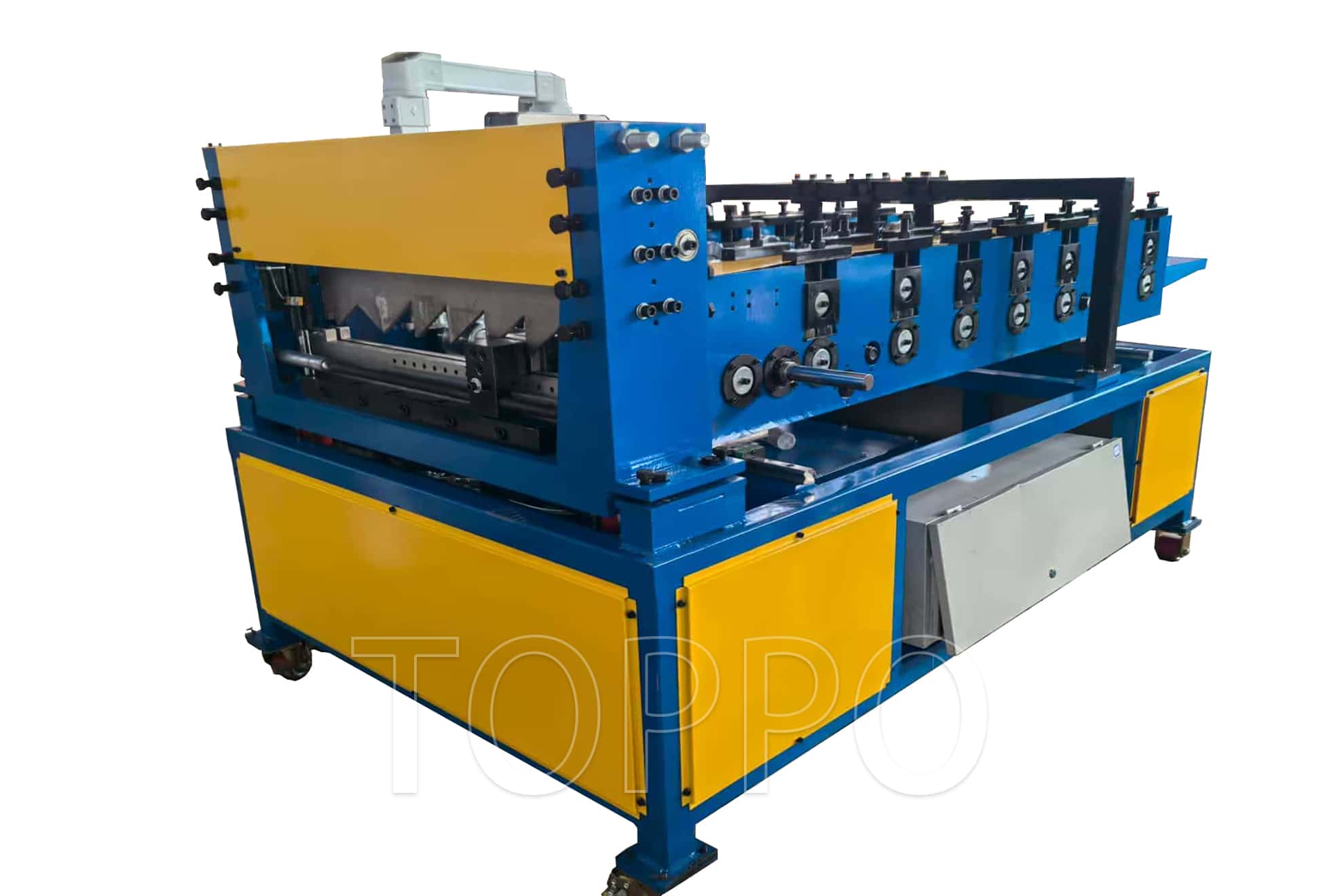
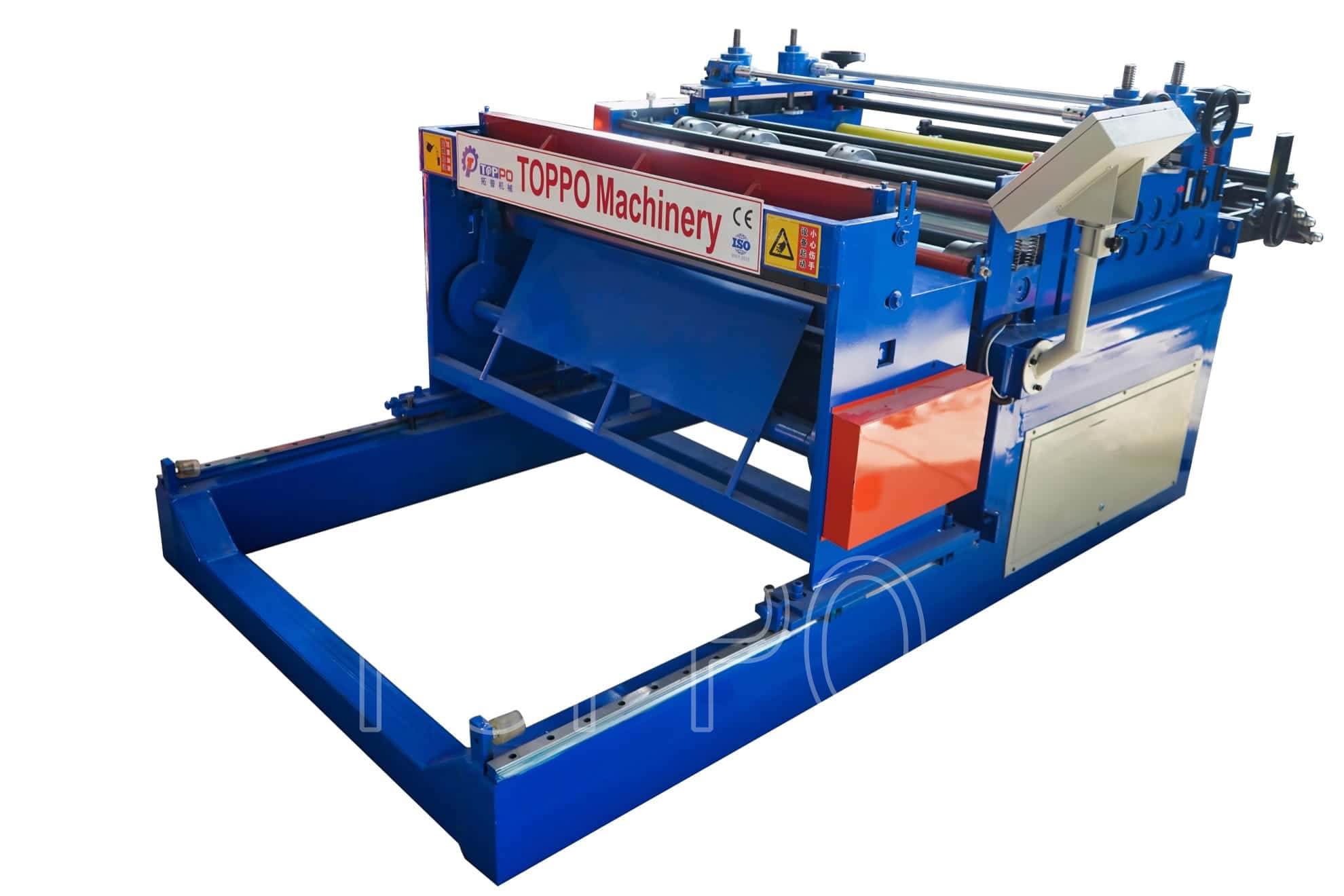
The machine shown uses a heavy welded frame, precision forming stands, a hydraulic cutting unit, an independent hydraulic power station and a movable PLC operator console. A progressive forming sequence helps control material stress, preserve coated surfaces and maintain consistent rib shape, panel width and cut length.
Key Features
Automatic operation from coil feeding to finished panel cutting
PLC control with touchscreen production-data setting
Encoder-based length measurement and automatic batch counting
Rigid frame and closely supported forming stations for stable production
Hydraulic profile cutter for clean and repeatable panel ends
Custom roller tooling for different trapezoidal roof profiles
Compatible with common coated steel and aluminum coil materials
Expandable with decoilers, leveling, punching, stacking and packing systems
Typical Technical Attributes
Notice: The values below are typical references. Final specifications are confirmed according to the approved panel drawing, material grade, thickness range, target speed and local electrical standard.
| Attribute | Typical Specification / Description |
|---|---|
| 1. Product name | Industrial trapezoidal metal roof panel roll forming machine |
| 2. Machine type | Automatic cold roll forming production line |
| 3. Main function | Producing trapezoidal roofing and wall-cladding panels |
| 4. Finished product | Ribbed trapezoidal metal sheet |
| 5. Forming process | Continuous multi-pass cold roll forming |
| 6. Suitable materials | GI, GL, PPGI, PPGL and aluminum coil |
| 7. Typical thickness | 0.30-0.80 mm; customized ranges available |
| 8. Material strength | Engineered according to specified yield strength |
| 9. Input coil width | Customized to the finished profile |
| 10. Effective cover width | According to the approved panel drawing |
| 11. Rib height | Customized for stiffness and drainage |
| 12. Rib pitch | Customized to the selected profile |
| 13. Side-lap design | Configured for overlap and weather resistance |
| 14. Typical forming speed | 10-25 m/min, depending on profile and cut mode |
| 15. High-speed option | Available with servo tracking or flying cut |
| 16. Forming stations | Usually 12-20 stations |
| 17. Roller material | Precision-machined 45# steel or alloy steel |
| 18. Roller treatment | Hard chrome plating and polishing |
| 19. Roller machining | CNC machined to the approved forming sequence |
| 20. Main shaft material | Heat-treated high-strength steel |
| 21. Typical shaft diameter | Approximately 70-95 mm |
| 22. Bearing system | Industrial bearing blocks for continuous duty |
| 23. Main frame | Heavy-duty welded steel base |
| 24. Frame treatment | Stress relieved, machined and aligned |
| 25. Forming stand | Steel plate or cast-iron arch structure |
| 26. Transmission type | Chain, gear or gearbox drive |
| 27. Main motor power | Typically 5.5-11 kW |
| 28. Hydraulic motor power | Typically 4-7.5 kW |
| 29. Hydraulic station | Tank, pump, motor, valve block, gauge and filter |
| 30. Control system | PLC automatic control |
| 31. Operator interface | Touchscreen HMI |
| 32. Speed control | Variable-frequency inverter |
| 33. Length measurement | Electronic encoder |
| 34. Length setting | Programmed through the HMI |
| 35. Batch control | Automatic quantity setting and counting |
| 36. Operating modes | Automatic, manual and jog |
| 37. Cutting method | Hydraulic post-cut, pre-cut or tracking cut |
| 38. Cutting blade | Cr12, Cr12MoV or equivalent tool steel |
| 39. Typical length accuracy | Approximately +/-1.5 mm |
| 40. Blade profile | Matched to the finished panel shape |
| 41. Feeding guide | Adjustable side guides |
| 42. Leveling option | Multi-roll entry leveler available |
| 43. Decoiler type | Manual, hydraulic or automatic |
| 44. Typical decoiler capacity | 3-5 tons; heavier options available |
| 45. Coil inner diameter | Typically 450-550 mm |
| 46. Coil outer diameter | Configured to coil weight and layout |
| 47. Coil loading | Crane, hydraulic expansion or coil car |
| 48. Output support | Run-out tables or roller conveyor |
| 49. Stacking option | Manual, pneumatic, servo or vacuum stacker |
| 50. Punching option | Pre-punching or inline hydraulic punching |
| 51. Marking option | Inkjet, laser or embossing system |
| 52. Electrical voltage | 220 V, 380 V, 400 V, 415 V, 440 V or local standard |
| 53. Frequency | 50 Hz or 60 Hz |
| 54. Electrical phase | Three-phase industrial supply |
| 55. Electrical components | International or buyer-specified brands |
| 56. Emergency protection | Emergency stops and overload protection |
| 57. Safety guarding | Protective covers and warning labels |
| 58. Lubrication | Accessible points or centralized system |
| 59. Machine finish | Industrial primer and durable topcoat |
| 60. Machine color | TOPPO standard or customized |
| 61. Production direction | Left-to-right or right-to-left |
| 62. Machine footprint | Determined by stations and auxiliary equipment |
| 63. Machine weight | Determined by final configuration |
| 64. Profile customization | Based on drawing, sample or cover width |
| 65. Profile-change option | Spacer, cassette, quick-change or double-layer |
| 66. Material utilization | Continuous forming reduces scrap |
| 67. Surface protection | Progressive forming minimizes coating damage |
| 68. Stability | Rigid frame and aligned transmission reduce vibration |
| 69. Quality inspection | Assembly test, no-load test and sample trial |
| 70. Documentation | Manual, electrical diagram and foundation drawing |
| 71. Standard accessories | Control cabinet, hydraulic station, tools and tables |
| 72. Spare parts | Recommended wearing parts supplied as contracted |
| 73. Installation support | Remote guidance or optional on-site service |
| 74. Operator training | Operation, adjustment, maintenance and safety |
| 75. Packaging | Export-standard protective packing |
| 76. Custom service | OEM and ODM configurations supported |
Production Workflow
Coil loading: The coil is loaded onto the decoiler and aligned with the production line.
Guided feeding: Adjustable guides center the strip before forming.
Progressive forming: Multiple roller stations gradually produce the trapezoidal profile.
Length control: The encoder sends real-time length data to the PLC.
Hydraulic cutting: The profile cutter operates at the programmed length.
Receiving: Finished panels move to support tables or an automatic stacker.
Typical Applications
Finished panels are used for industrial roofs, warehouse walls, workshops, logistics facilities, agricultural sheds, garages, carports, prefabricated houses, modular buildings and general steel-structure construction.
Optional Line Configurations
Manual decoiler, roll former, hydraulic cutter and receiving tables
Hydraulic decoiler with coil car and leveling unit
High-speed line with servo tracking cut
Inline punching and marking system
Double-layer machine for two profiles
Automatic stacking, counting and packaging line
Customization Information
For accurate engineering, please provide the finished panel drawing, material type, grade, thickness range, input width, effective cover width, rib height, rib pitch, required speed, cutting method, local voltage and desired auxiliary equipment.
Quality Control
Before shipment, the complete line is assembled and test-run. Roller alignment, drive operation, hydraulic pressure, cutting action, PLC program, encoder measurement and sample-panel dimensions are checked against the approved specification.
Maintenance and Service
Routine maintenance includes cleaning the forming rollers, lubricating bearings and transmission parts, checking hydraulic oil and filters, verifying blade clearance and keeping the electrical cabinet dry and ventilated. TOPPO provides remote commissioning support, operator training, spare-parts service and optional on-site assistance.
- User name Member Level Quantity Specification Purchase Date
- Satisfaction :
-