Optimizing Factory Layout: Space-Saving Benefits of Double Layer Roofing Roll Forming Systems
For roofing manufacturers, factory space is directly linked to production capacity, logistics efficiency, and long-term profitability. As demand for diversified roofing profiles increases, many factories face a difficult decision: expand workshop space or optimize existing equipment. A double layer roofing sheet roll forming machine offers a strategic solution by combining two production functions into a single integrated structure. But how much space can realistically be saved, and what practical steps are required to achieve maximum efficiency?
1. Why Space Optimization Matters in Roofing Manufacturing
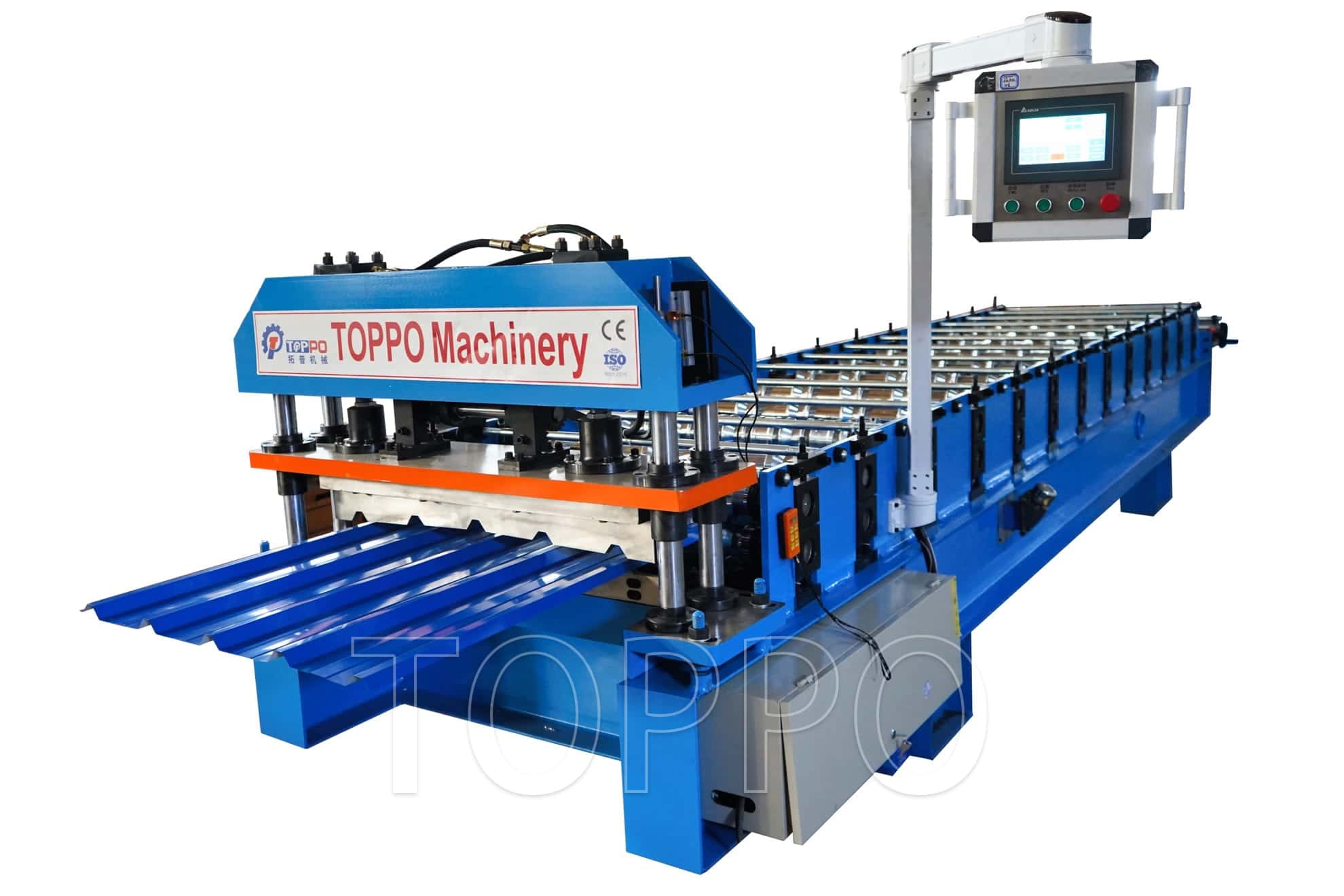
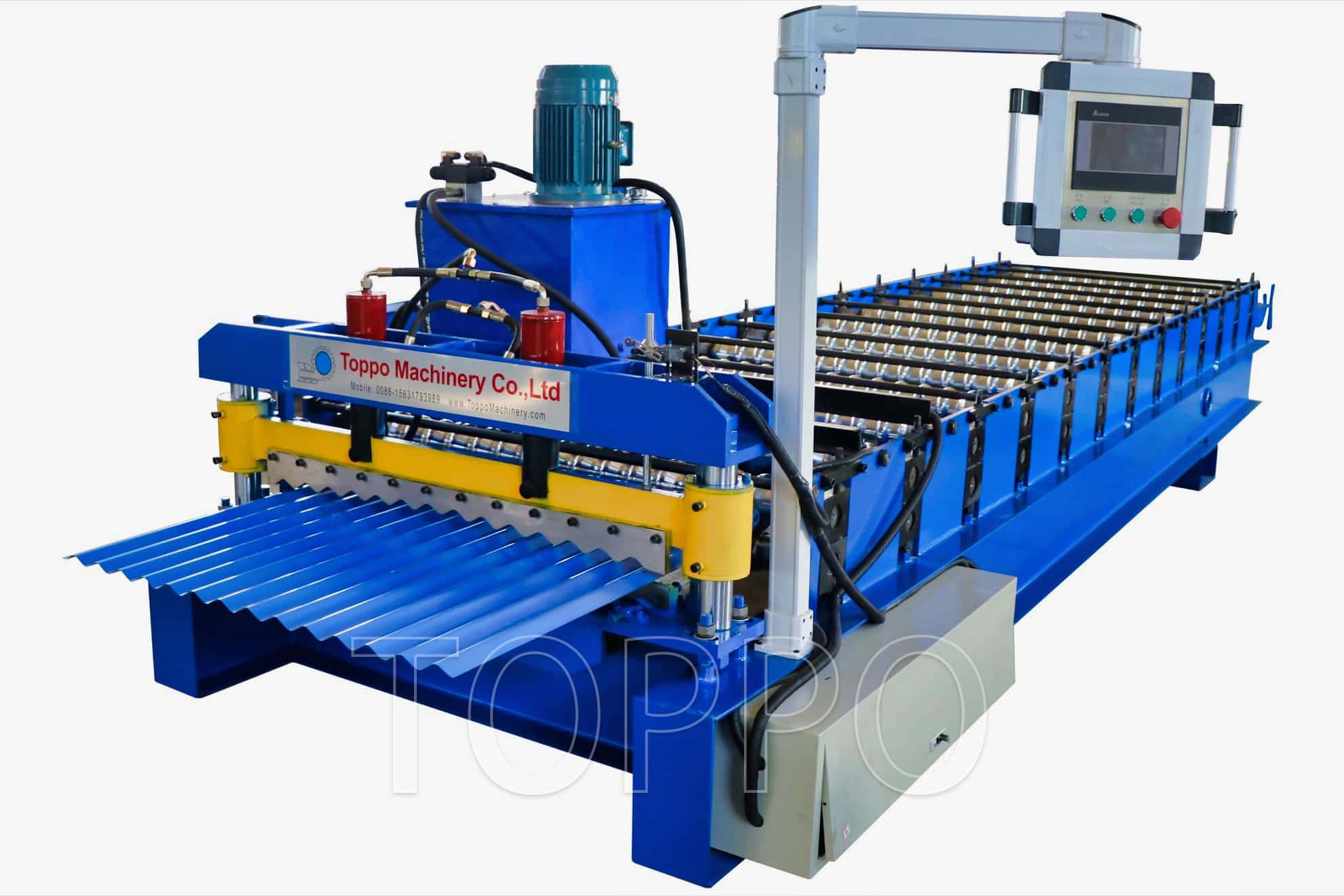
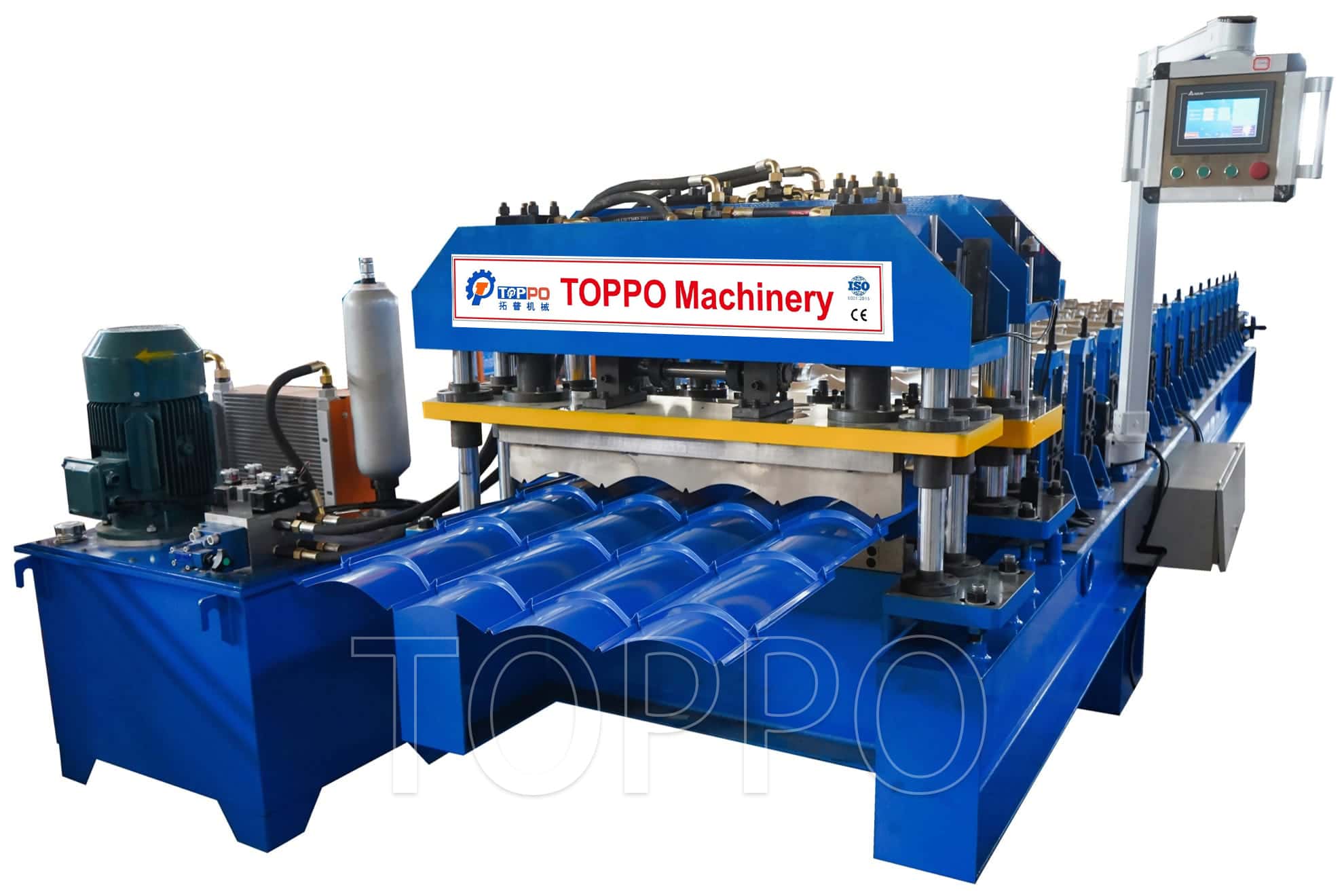
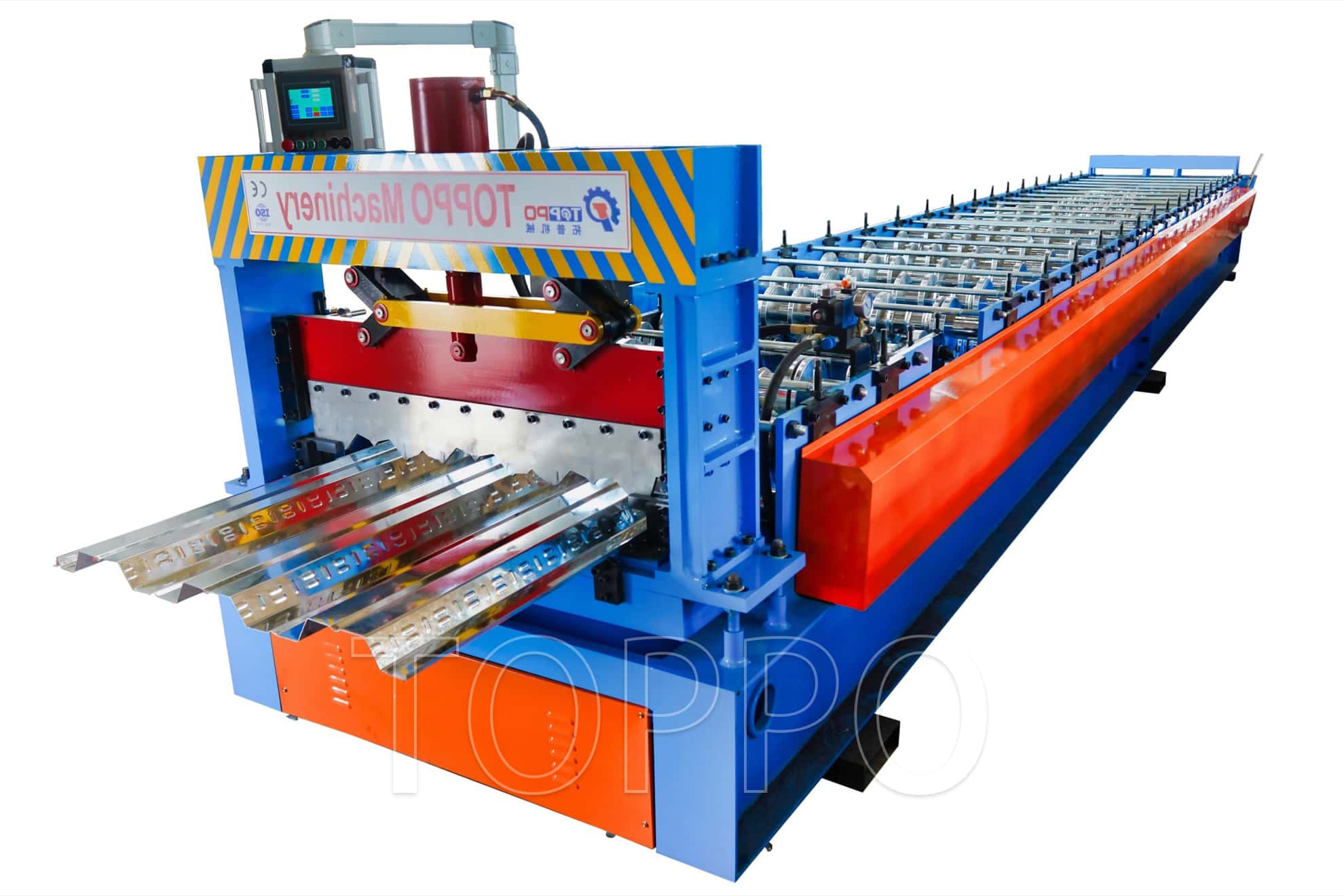
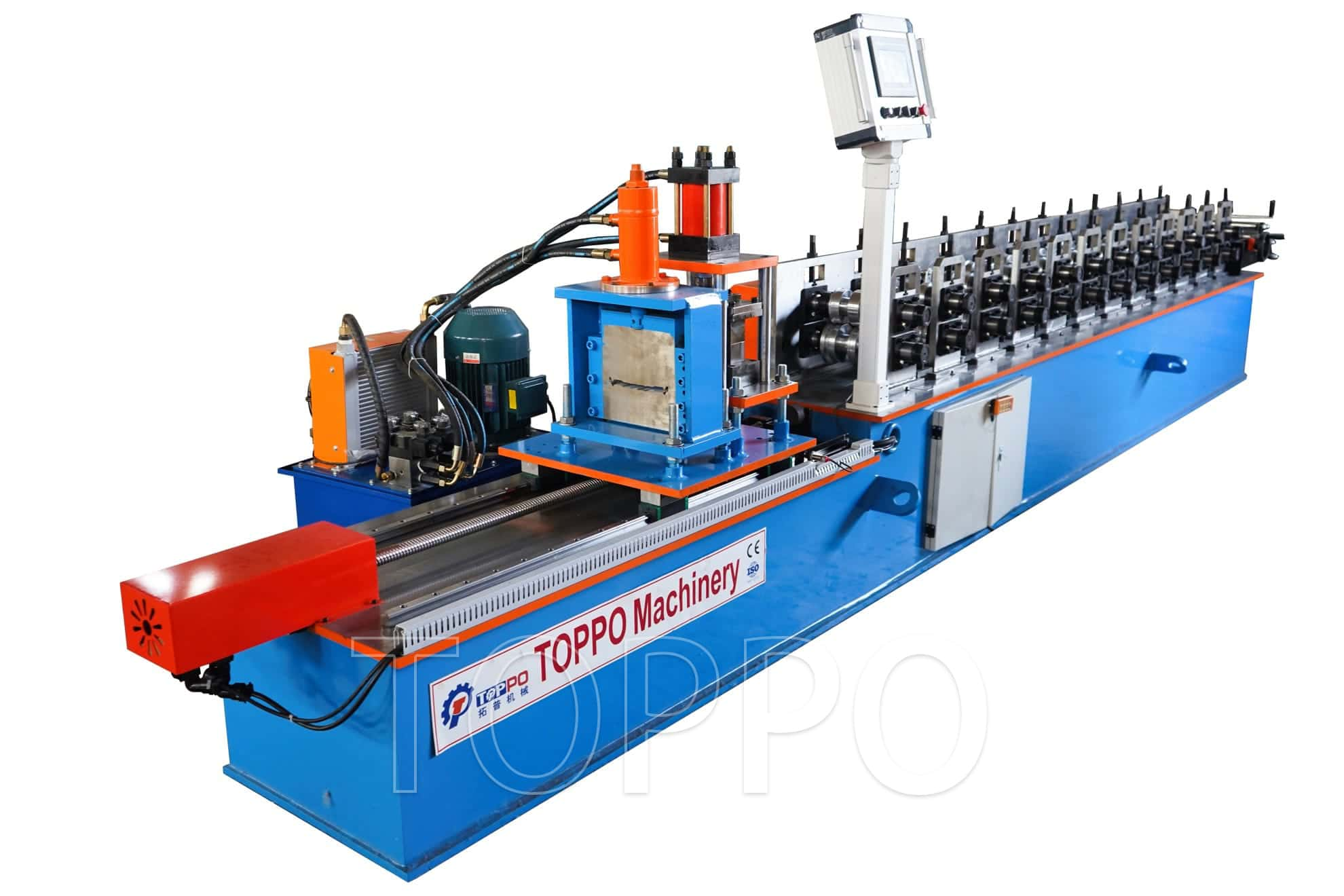
Traditional production planning often requires installing one line per profile. For example, a corrugated panel line and a trapezoidal panel line would typically require two separate forming machines, two decoilers, and separate run-out tables. Each standalone roof panel making machine may occupy 25–35 meters in length, not including coil storage and finished product stacking areas.
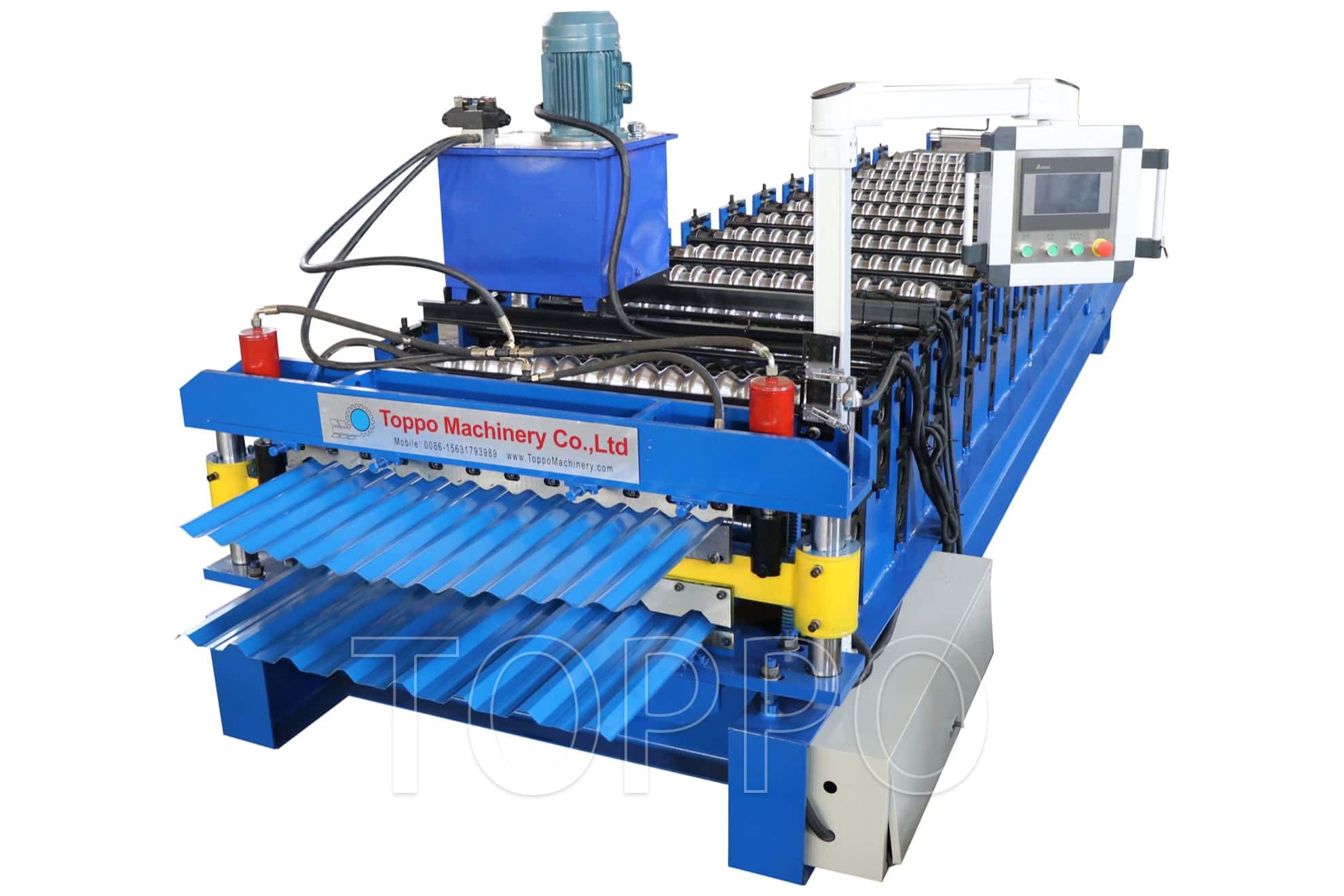
By contrast, a double layer roofing sheet roll forming machine integrates two forming layers into one frame, significantly reducing equipment footprint. In practical factory planning, manufacturers can save approximately 30–40% of linear production space compared to operating two independent lines.
2. Structural Advantages of Double Layer Equipment
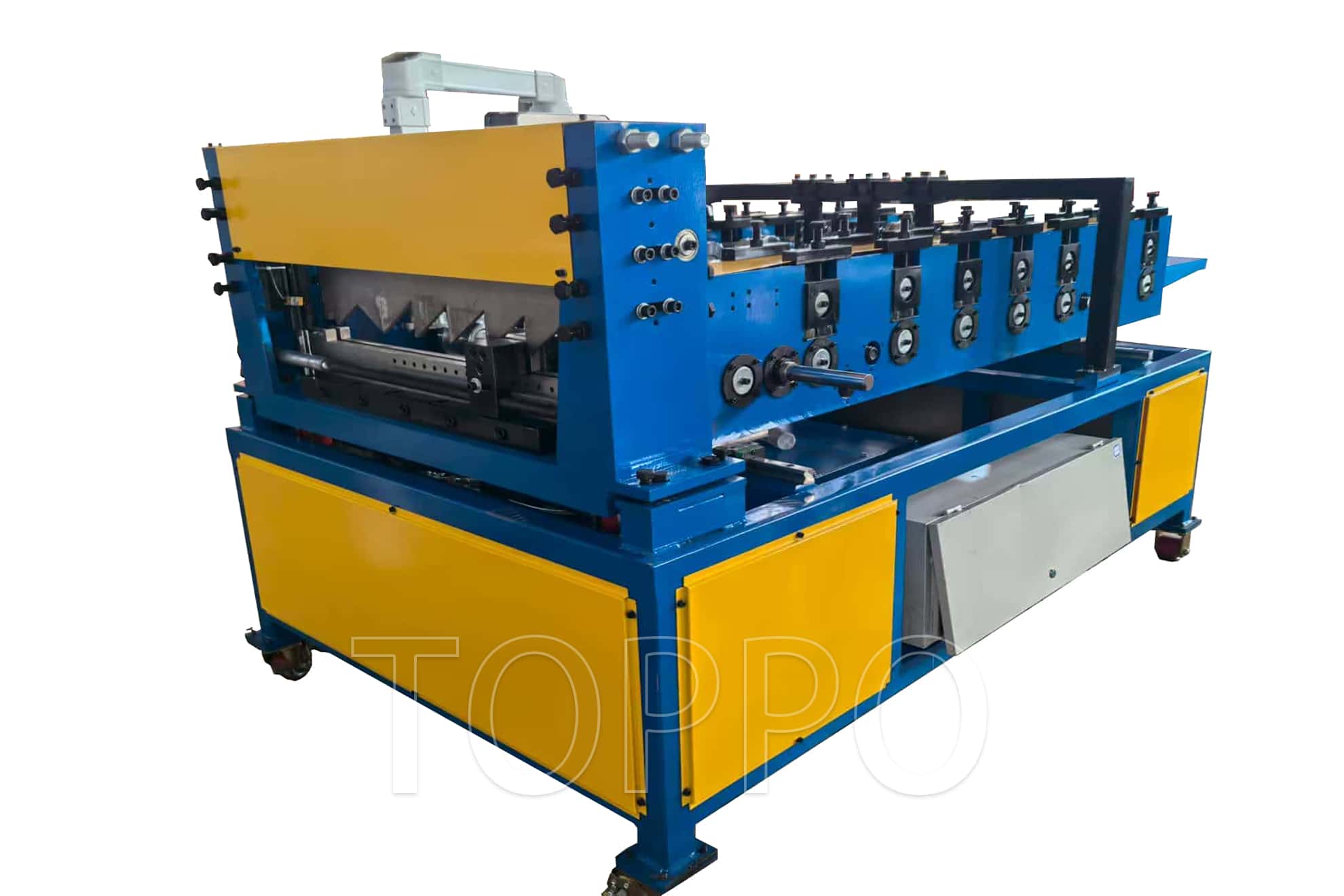
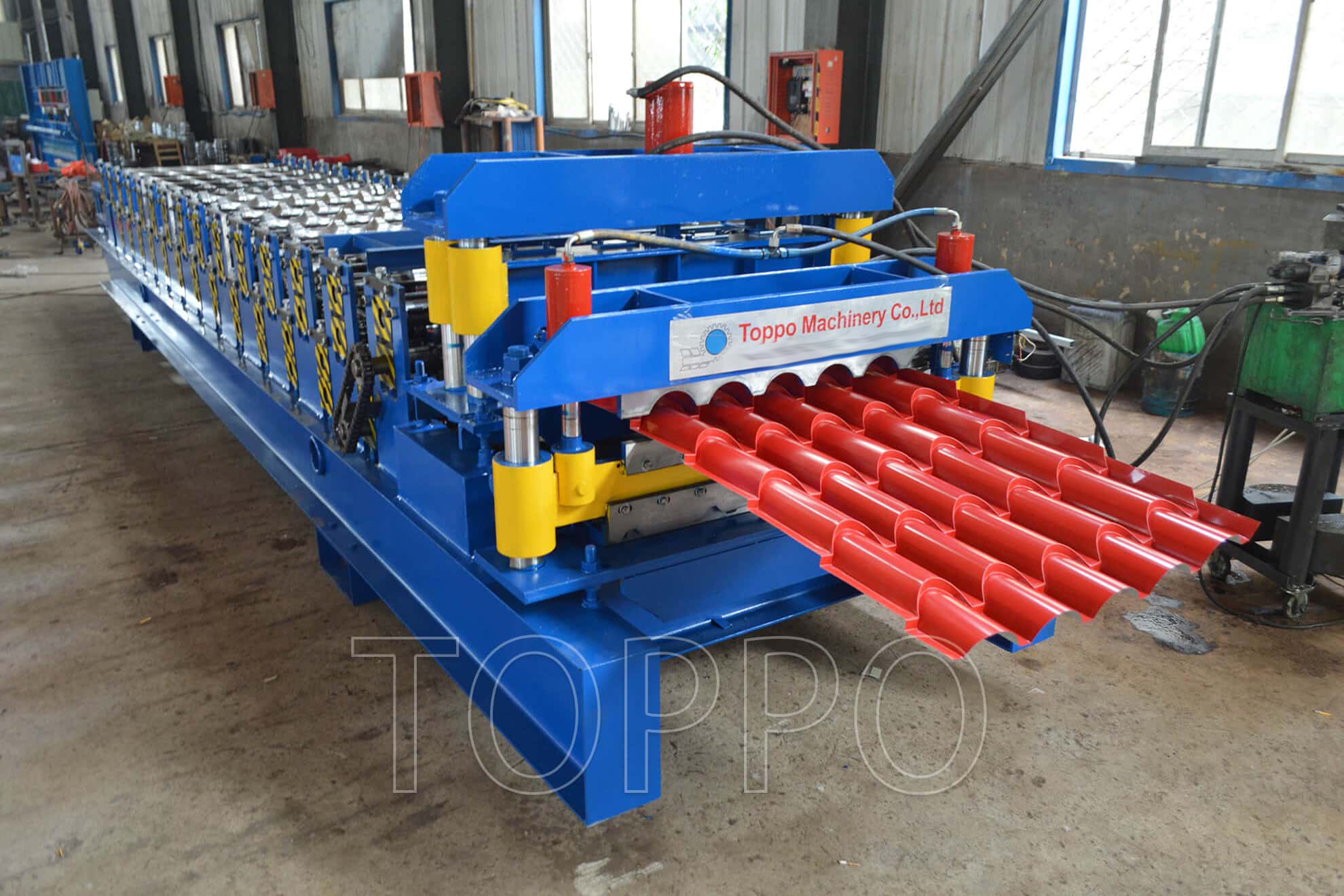
A double layer roofing sheet roll forming machine includes two independent roll forming layers sharing one hydraulic station and PLC cabinet. The upper and lower forming layers operate separately but occupy the same base frame. This configuration eliminates the need for duplicate support systems.
Compared with installing two independent roof panel making machine systems, the integrated design reduces:
Foundation length requirements
Electrical cabinet space
Hydraulic station duplication
Operator working area overlap
Additionally, a well-configured double layer roll forming machine streamlines material flow by centralizing coil feeding and panel discharge zones.
3. Step-by-Step Implementation for Space Optimization
Step 1: Analyze Current Workshop Layout
Before introducing a double layer roofing sheet roll forming machine, evaluate the existing production layout. Measure total available length, width, and ceiling height. Identify bottlenecks in coil loading and finished panel stacking areas.
Step 2: Redesign Material Flow
Optimize coil storage positioning to minimize forklift travel distance. In many cases, switching from two separate roof panel making machine lines to one dual-layer system reduces internal logistics paths by up to 20%.
Step 3: Foundation and Alignment Planning
The double layer roll forming machine must be installed on a reinforced concrete base with precise leveling. Improper alignment is a common mistake that can lead to uneven forming pressure and vibration.
Step 4: Electrical and Hydraulic Integration
Ensure centralized control cabinet placement for efficient operator access. Avoid cable congestion, which can complicate maintenance.
4. Common Mistakes During Layout Optimization
Mistake 1: Underestimating Coil Handling Space
While a double layer roofing sheet roll forming machine reduces forming area length, manufacturers sometimes forget to allocate sufficient space for coil loading and unloading.
Mistake 2: Ignoring Maintenance Access
Compressing layout too aggressively can restrict maintenance pathways. Leave adequate clearance around the double layer roll forming machine for roller replacement and hydraulic inspection.
Mistake 3: Poor Workflow Planning
Without proper workflow analysis, the space-saving benefits may not fully translate into efficiency gains.
5. Real Factory Case Study
A roofing manufacturer in South America operated two independent forming lines, each powered by a separate roof panel making machine. Combined, the lines occupied nearly 70 meters of production length. After upgrading to a double layer roofing sheet roll forming machine, they consolidated production into a 40-meter line.
This change reduced equipment footprint by approximately 43%. Additionally, the centralized configuration simplified maintenance and reduced energy consumption by eliminating redundant hydraulic systems. The company reinvested the freed space into automated packaging equipment, increasing overall production efficiency by 18%.
6. Additional Operational Benefits
Reduced electrical infrastructure costs
Lower foundation construction expenses
Simplified operator training
Improved workflow coordination
A properly installed double layer roll forming machine not only saves physical space but also enhances production flexibility, allowing quick switching between profile types without major structural changes.
7. Final Recommendations
To maximize factory space savings, manufacturers should combine equipment integration with intelligent layout planning. A double layer roofing sheet roll forming machine delivers measurable footprint reduction, but only when implemented with proper alignment, workflow optimization, and maintenance planning.
By replacing two standalone lines with one double layer roofing sheet roll forming machine, factories can reclaim valuable production area, improve logistics efficiency, and strengthen long-term competitiveness in the roofing market.
SEO Keywords: double layer roofing sheet roll forming machine, roof panel making machine, double layer roll forming machine, metal roofing roll former, roofing sheet roll forming machine, steel roll forming machine
READ MORE: