7 Core Reasons Driving the Popularity of Standing Seam Roofing Across South Africa
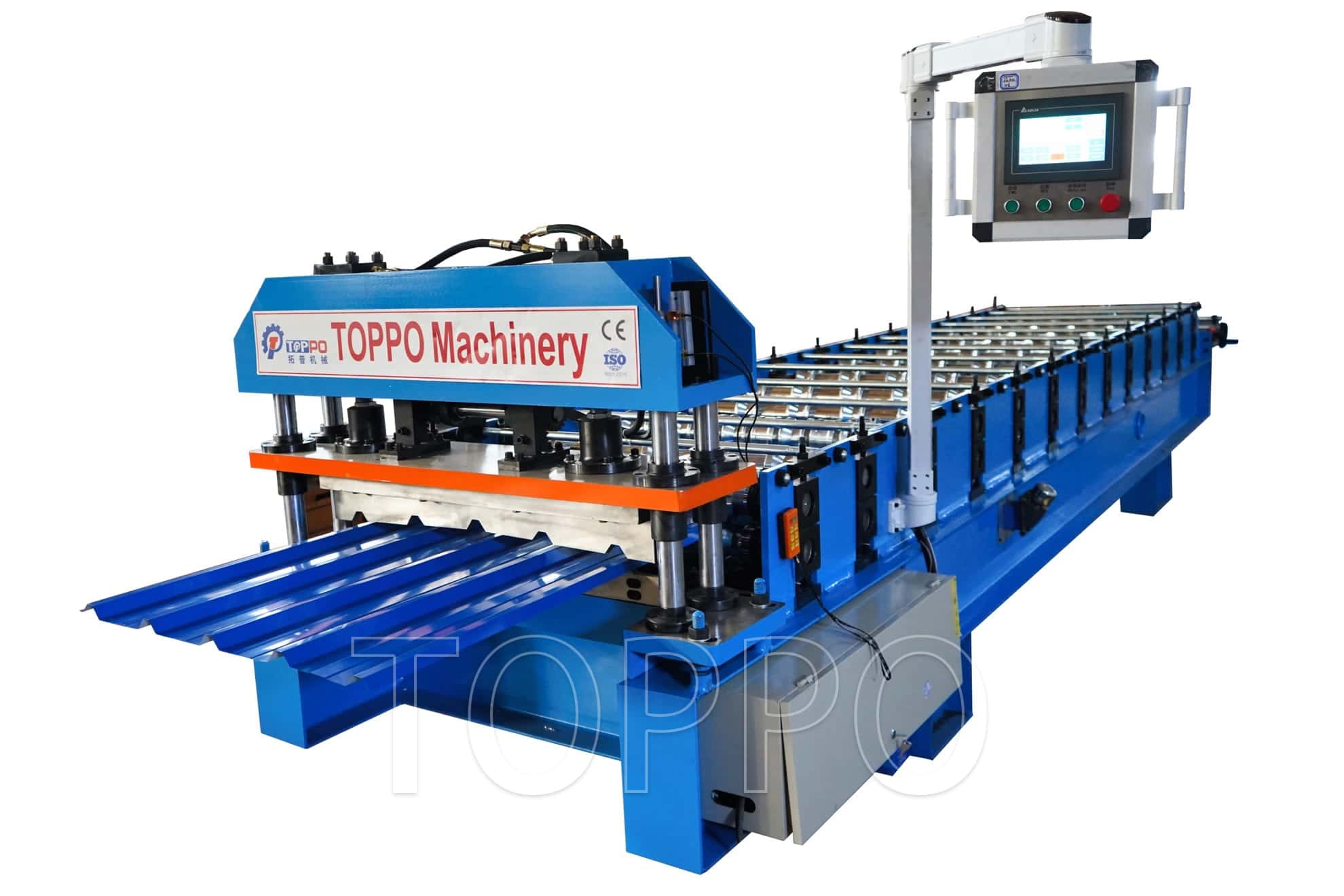
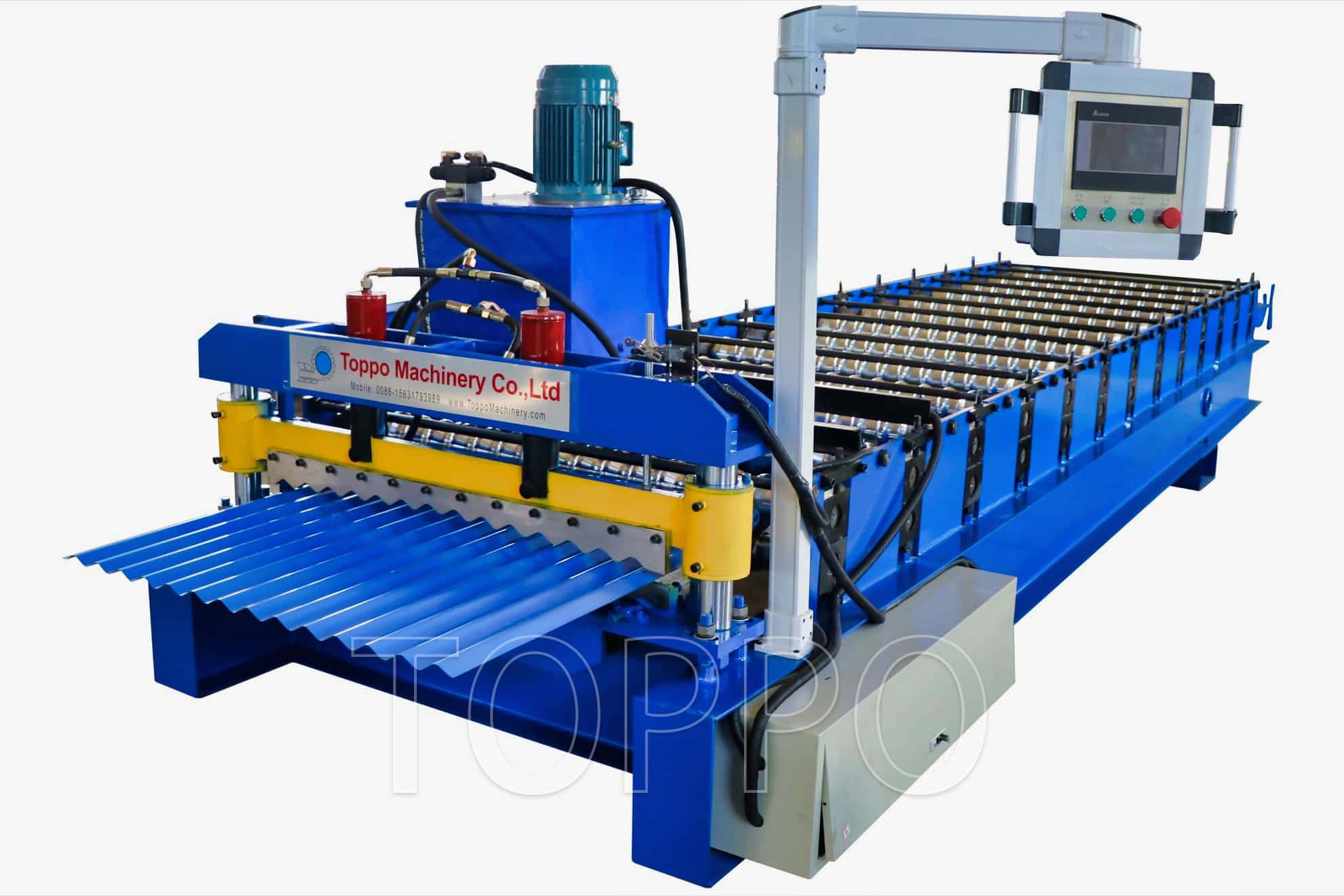
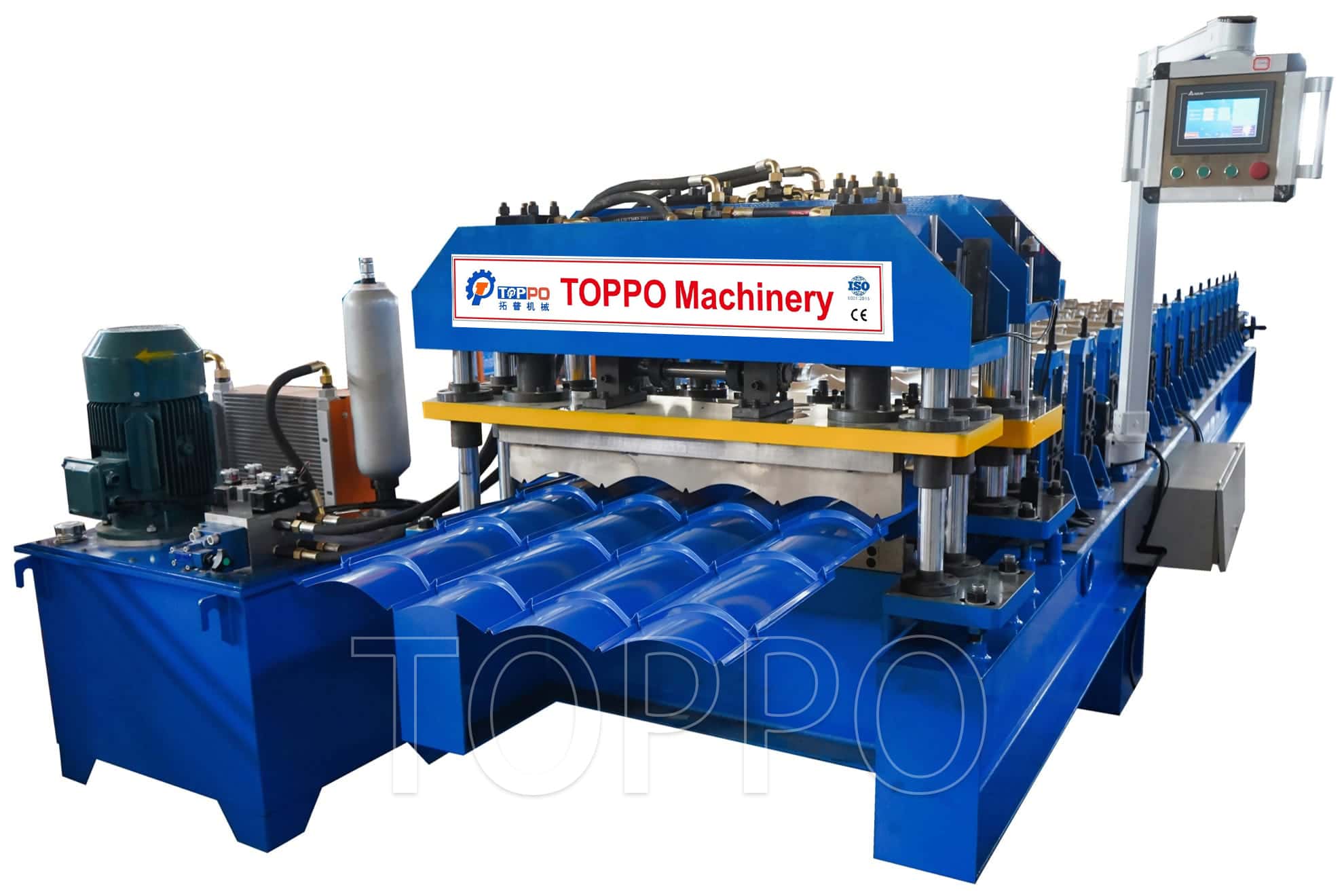
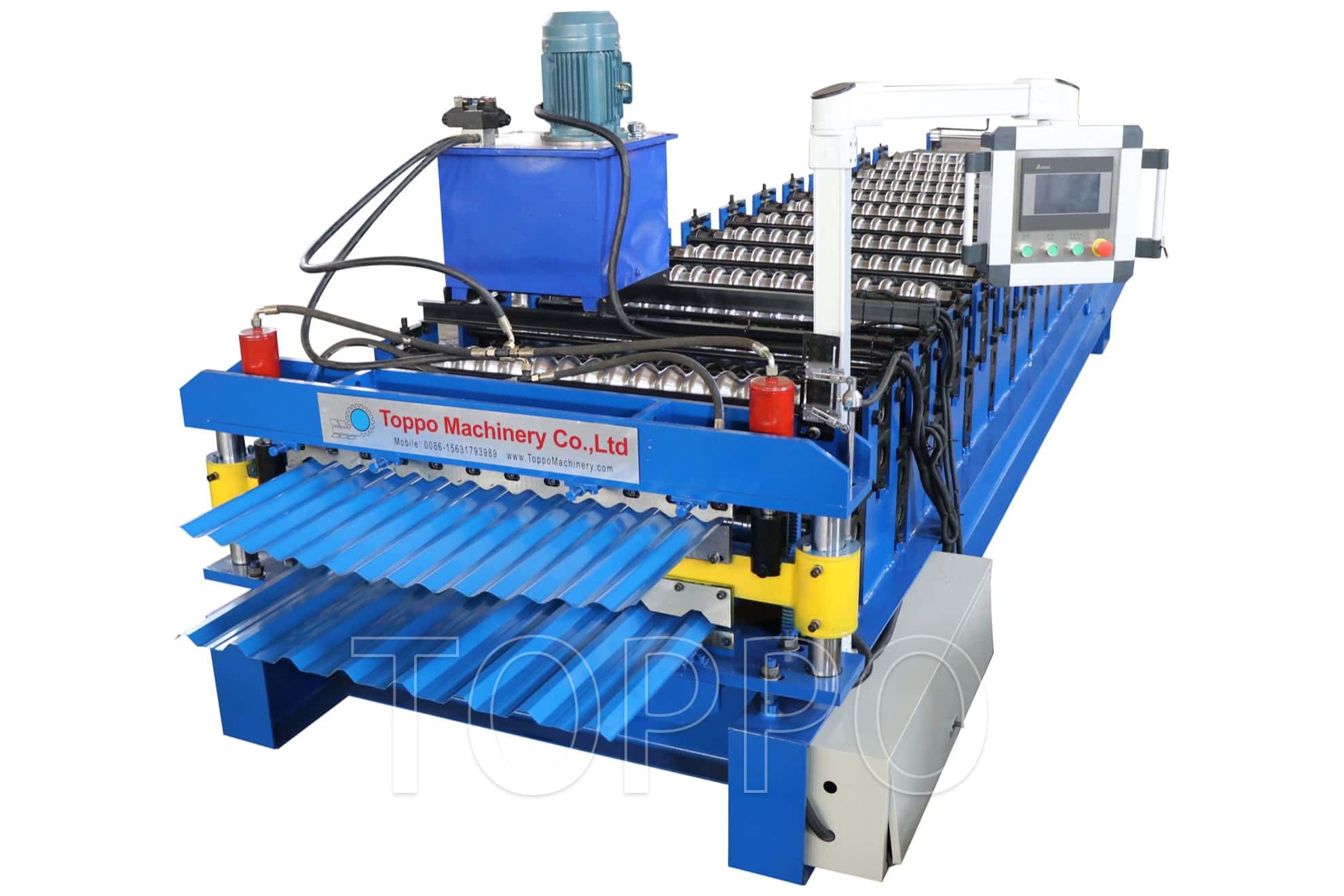
Standing seam roofing is quickly becoming a dominant solution in South Africa’s construction sector. From industrial warehouses to modern residential projects, this roofing system is favored for its durability, efficiency, and aesthetic appeal. With the support of advanced machinery such as the standing seam roof panel roll forming machine, manufacturers are now able to meet rising demand with consistent quality and speed. This article explores seven core reasons behind this trend, including practical implementation steps, common mistakes, and real-world applications.
1. Strong Performance in Extreme Weather
South Africa’s climate includes high UV exposure, storms, and temperature fluctuations. Standing seam roofing offers excellent resistance to these conditions.
Implementation steps:
Use high-quality coated steel or aluminum
Ensure tight seam locking during installation
Apply anti-corrosion treatments
Common mistake: Using low-grade materials that reduce durability.
2. Lower Maintenance Costs Over Time
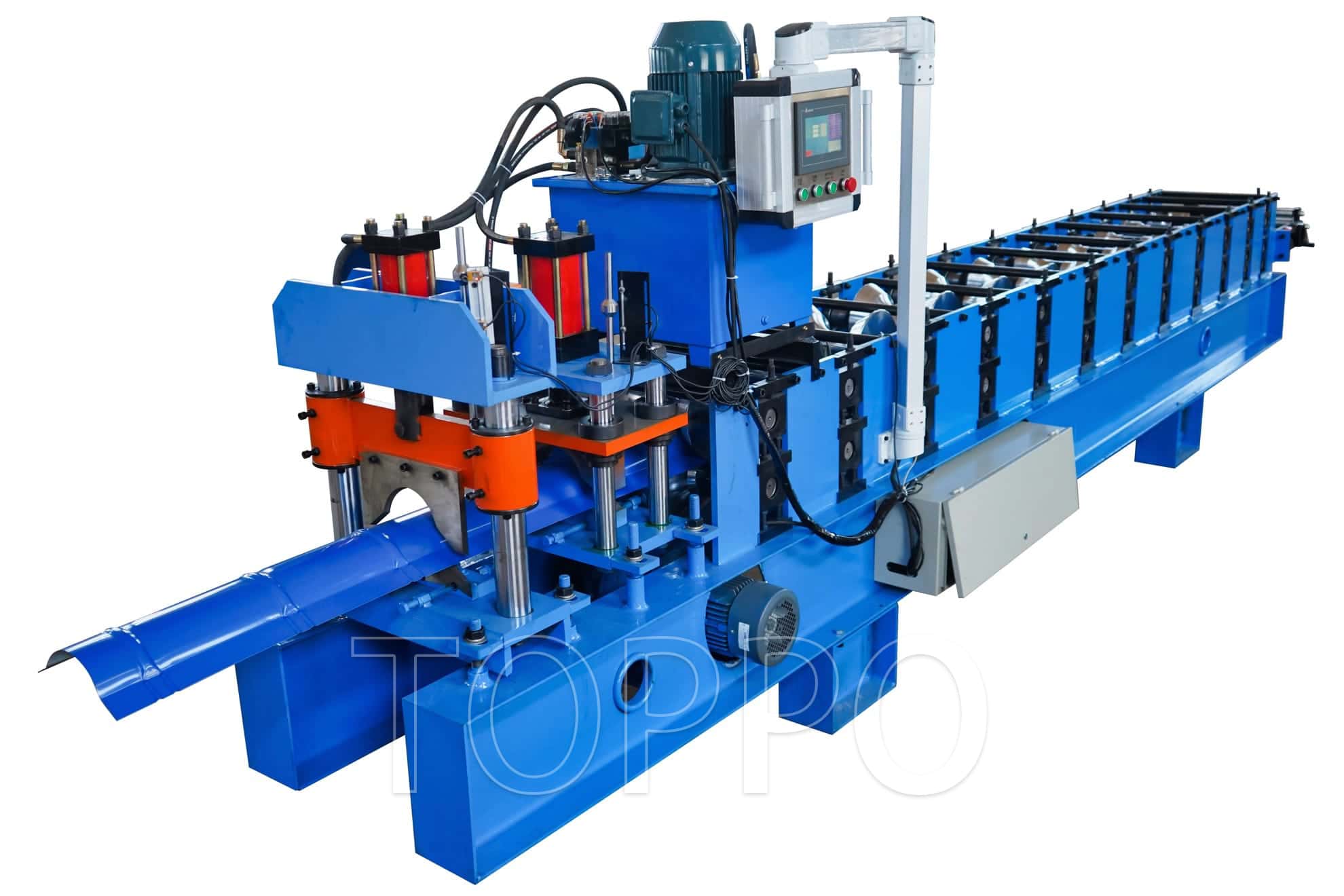
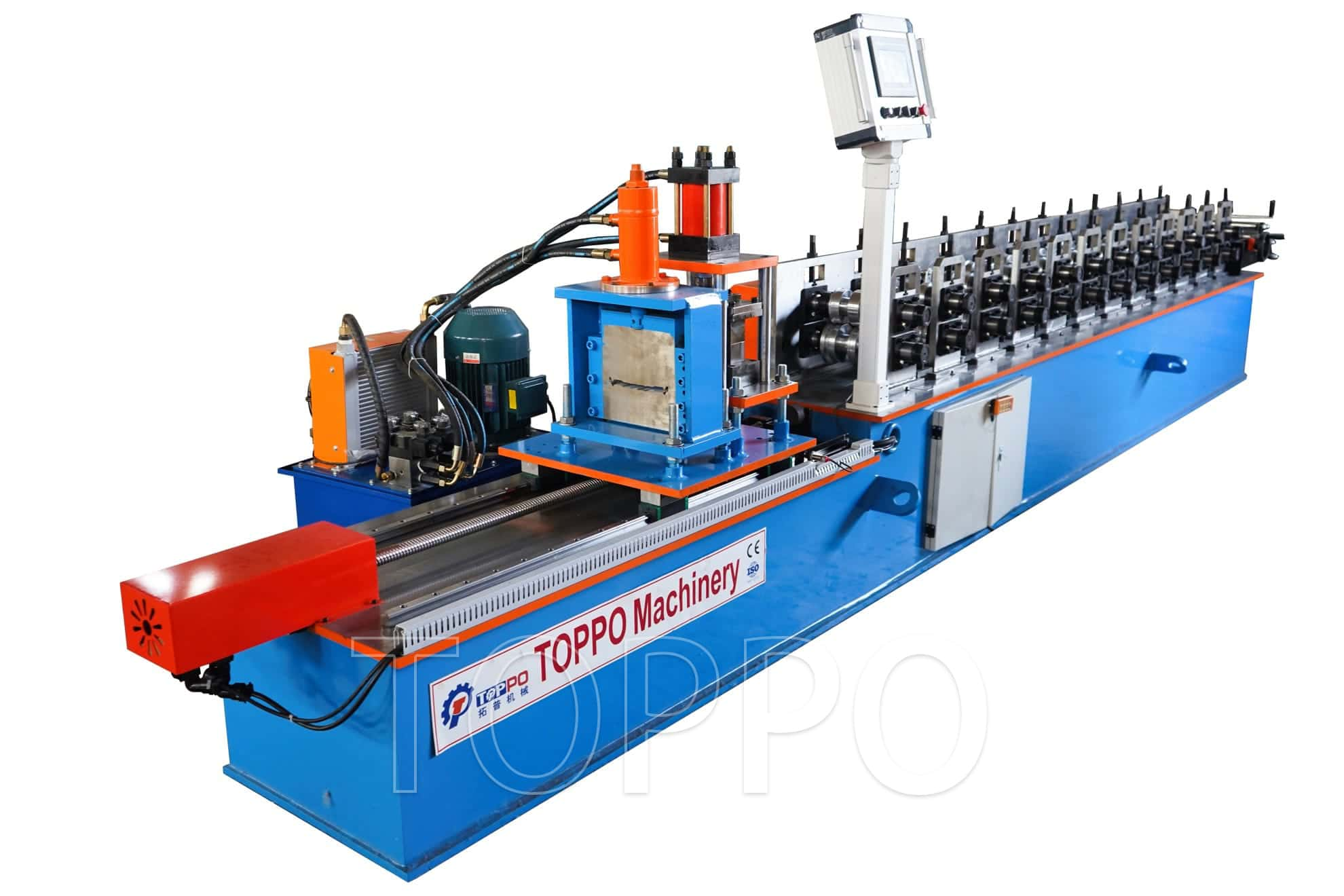
Standing seam systems require less maintenance compared to traditional roofing. A standing seam roof panel roll forming machine ensures precision production, reducing defects.
Case example: A logistics center in Johannesburg reduced maintenance costs by 28% over five years.
3. Rising Demand for Modern Design
Architectural trends in South Africa are shifting toward modern and minimalist designs.
Implementation:
Offer various panel styles and finishes
Use a roof panel making machine for uniformity
Ensure smooth surface quality
Common error: Limited customization options.
4. Faster Installation Efficiency
Standing seam roofing allows quicker installation compared to conventional systems.
Steps:
Pre-manufacture panels with precision
Train installation teams effectively
Standardize installation workflows
Real-world insight: A Cape Town project improved installation efficiency by 23%.
5. Growth of On-Site Production Solutions
Portable production using a standing seam roll forming machine is becoming more common.
Implementation steps:
Deploy mobile machines for large projects
Calibrate machines after transport
Train operators for on-site conditions
Common mistake: Skipping recalibration after relocation.
6. Increased Focus on Energy Efficiency
Energy-saving construction practices are driving demand for reflective roofing systems.
Steps:
Case study: A Durban office building achieved significant cooling cost reductions.
7. Advancements in Manufacturing Technology
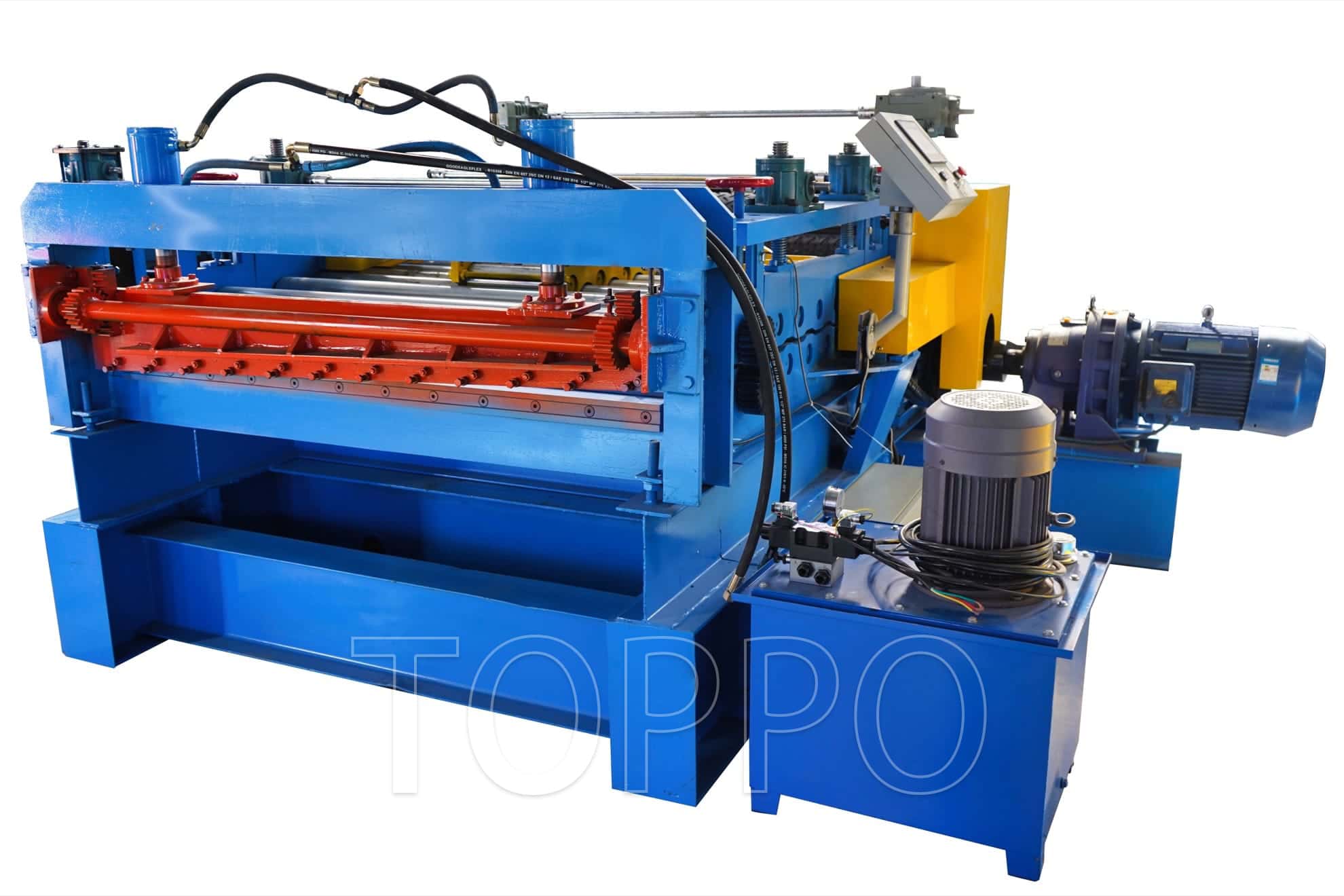
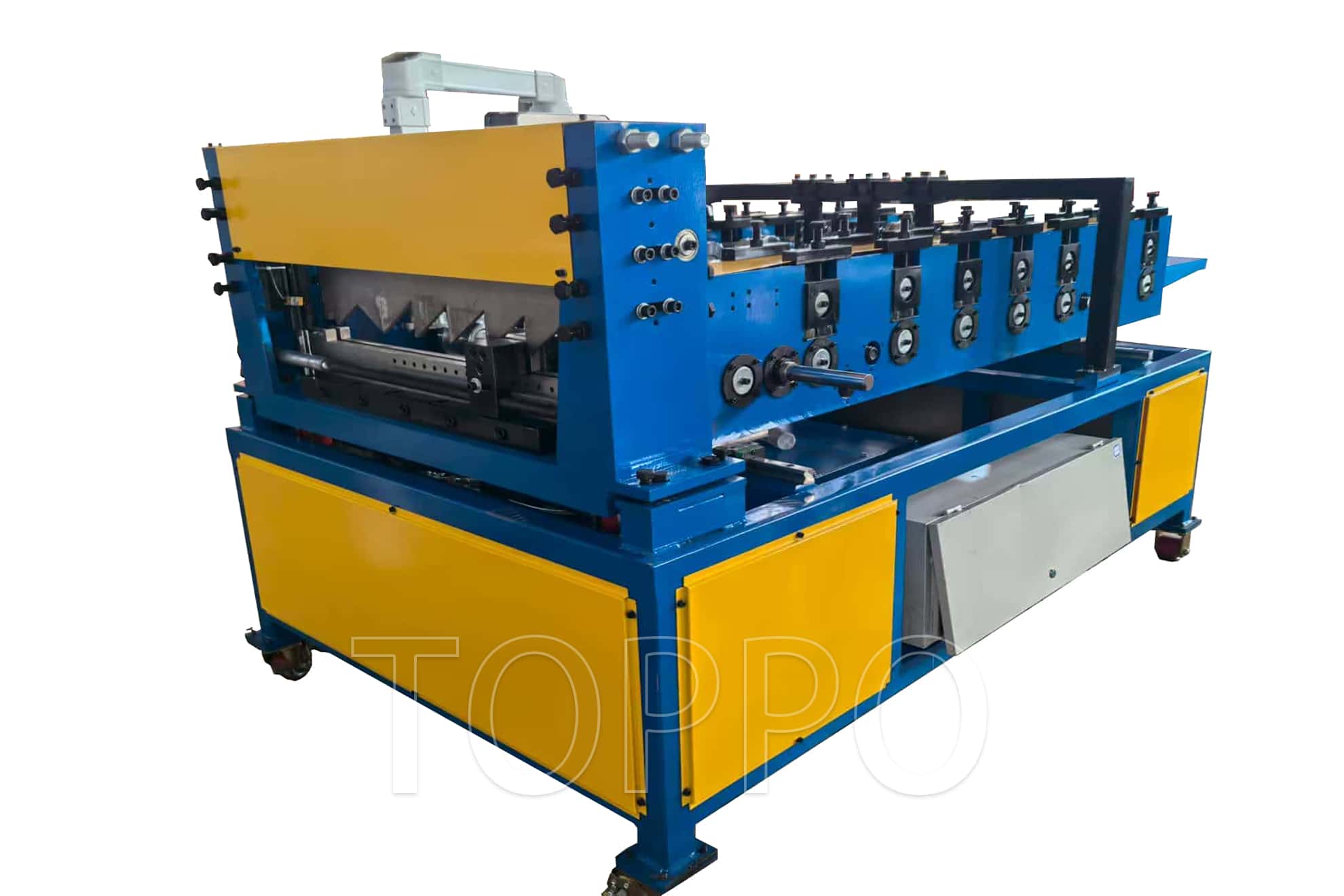
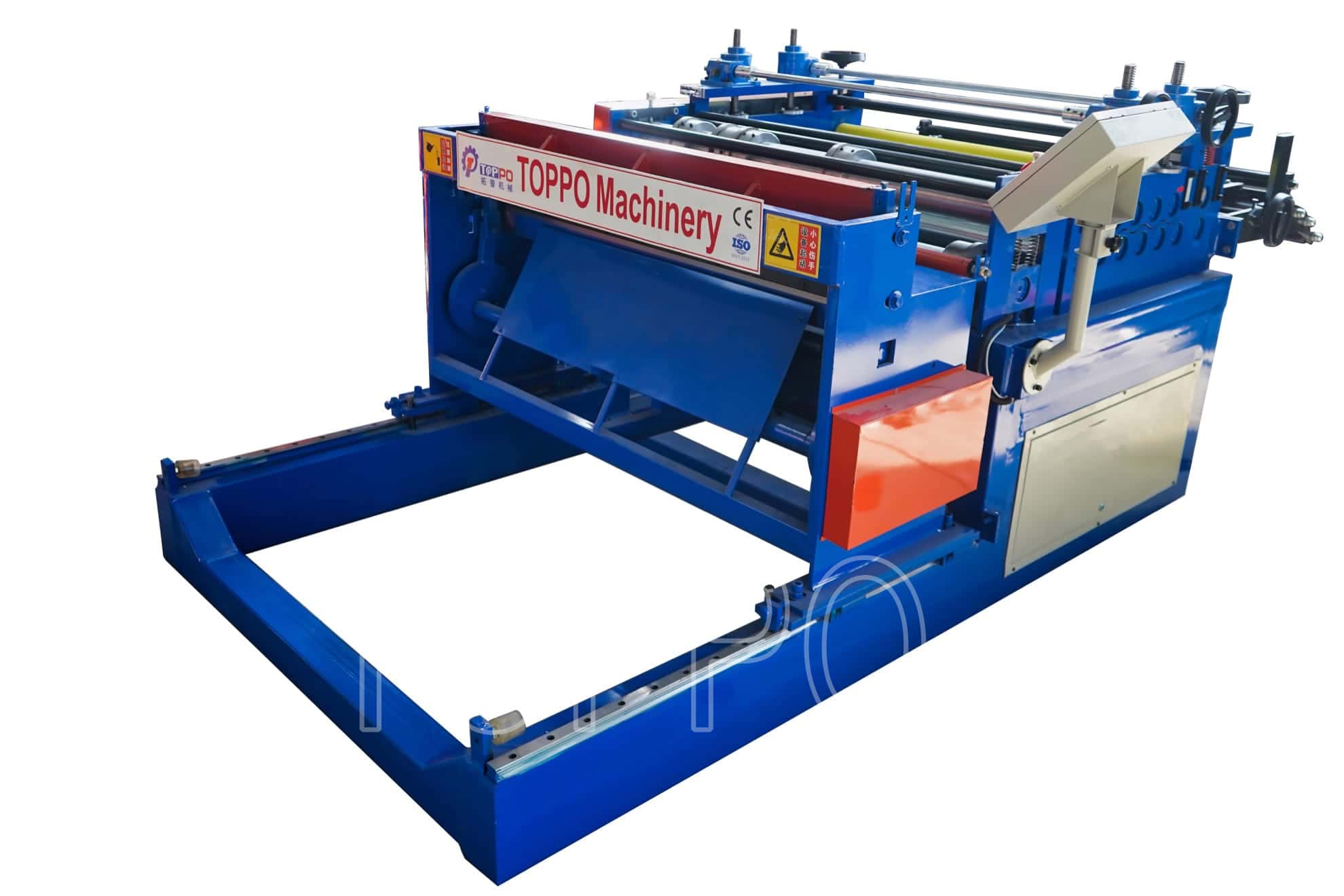
Modern equipment such as the roof panel making machine and standing seam roll forming machine improves production efficiency and consistency.
Implementation steps:
Adopt automated production systems
Monitor production in real time
Train staff on machine capabilities
Common mistake: Not fully utilizing advanced machine features.
Conclusion
The growing popularity of standing seam roofing in South Africa is driven by durability, efficiency, modern design, and technological progress. By leveraging advanced equipment such as the standing seam roof panel roll forming machine, manufacturers and contractors can meet increasing demand while maintaining high standards. Applying best practices and avoiding common mistakes will ensure long-term success in this expanding market.
Tags: standing seam roof panel roll forming machine, roof panel making machine, standing seam roll forming machine, standing seam roofing South Africa, roofing trends Africa, roll forming solutions
READ MORE: