7 Major Factors Accelerating the Adoption of Standing Seam Roofing in South Africa
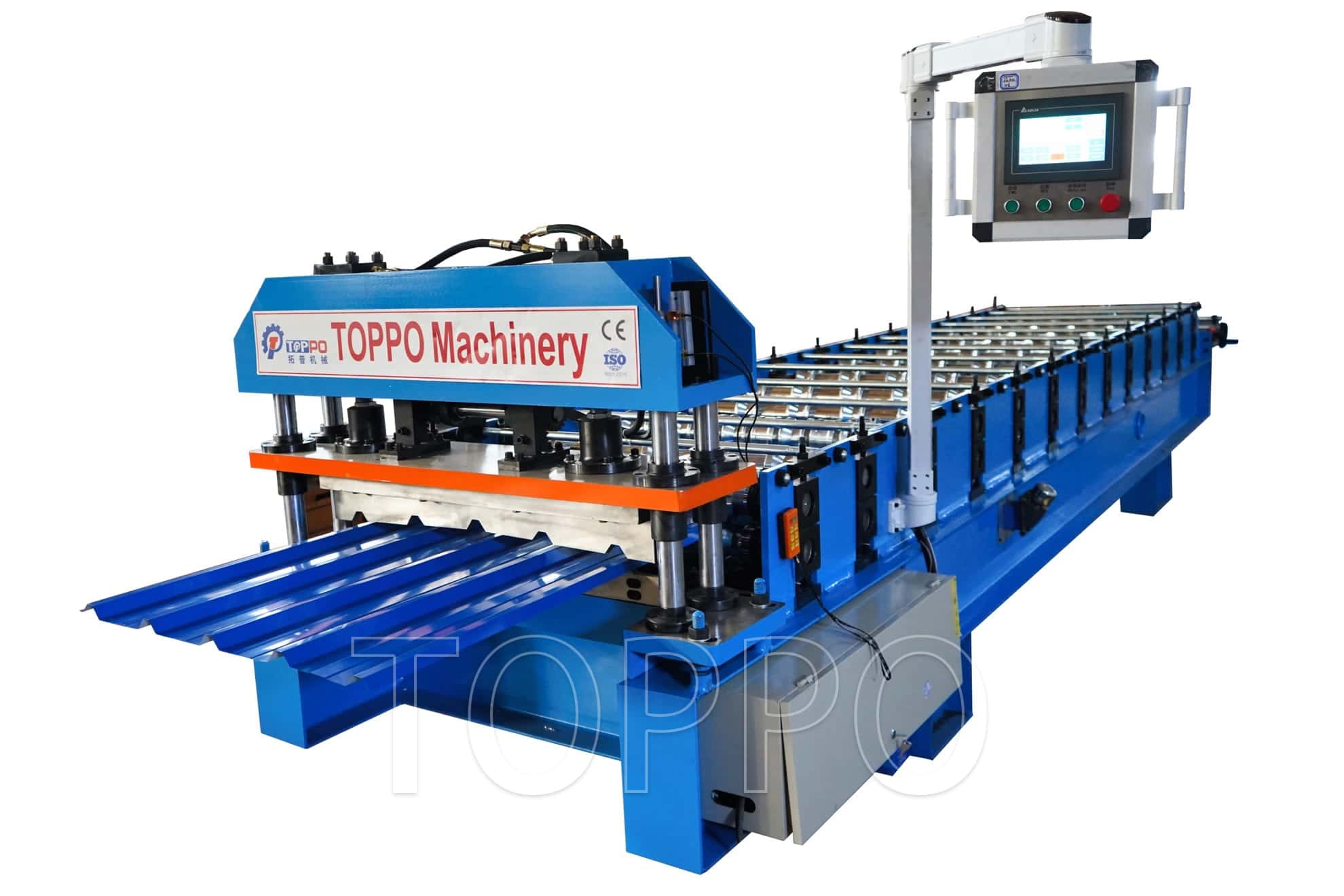
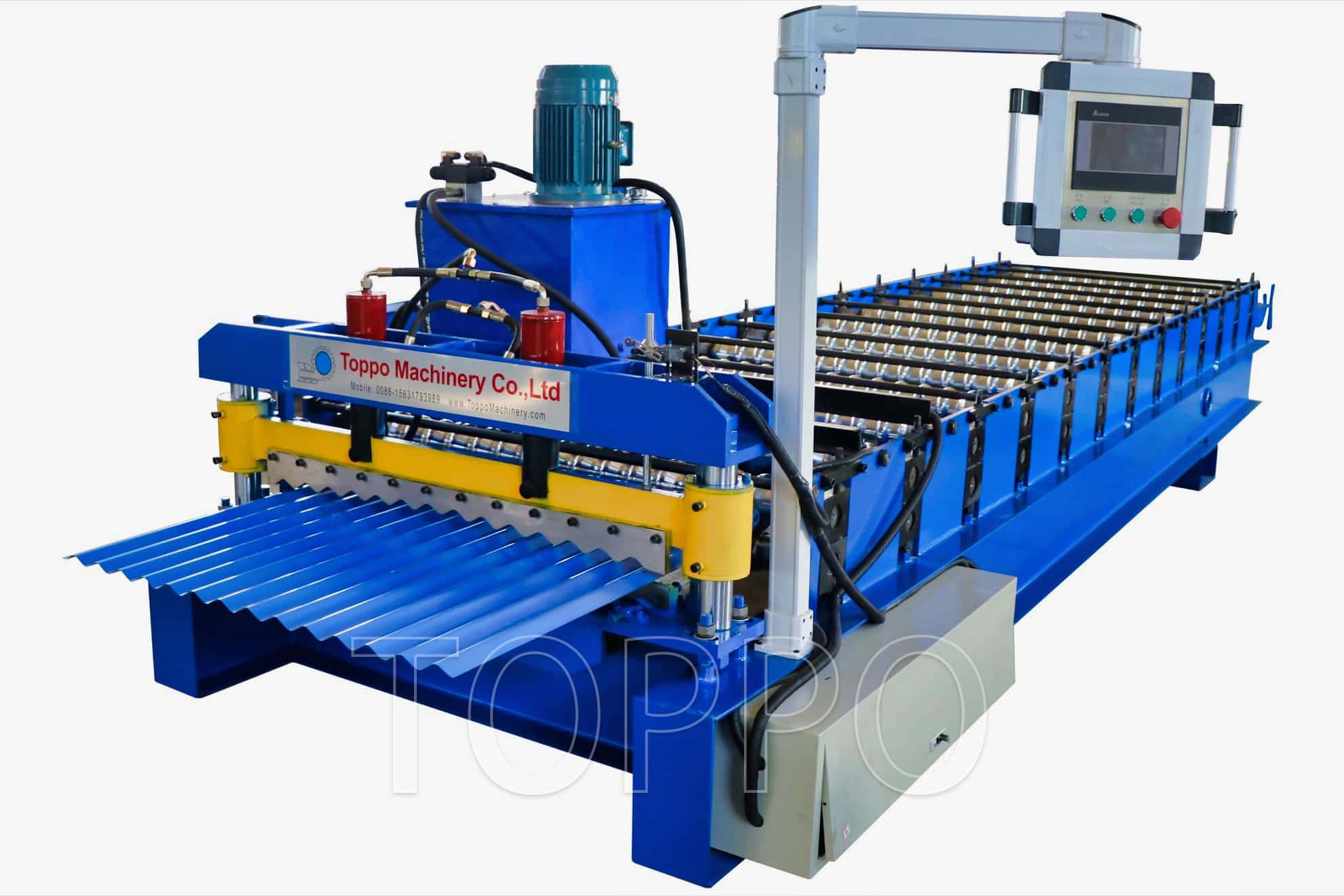
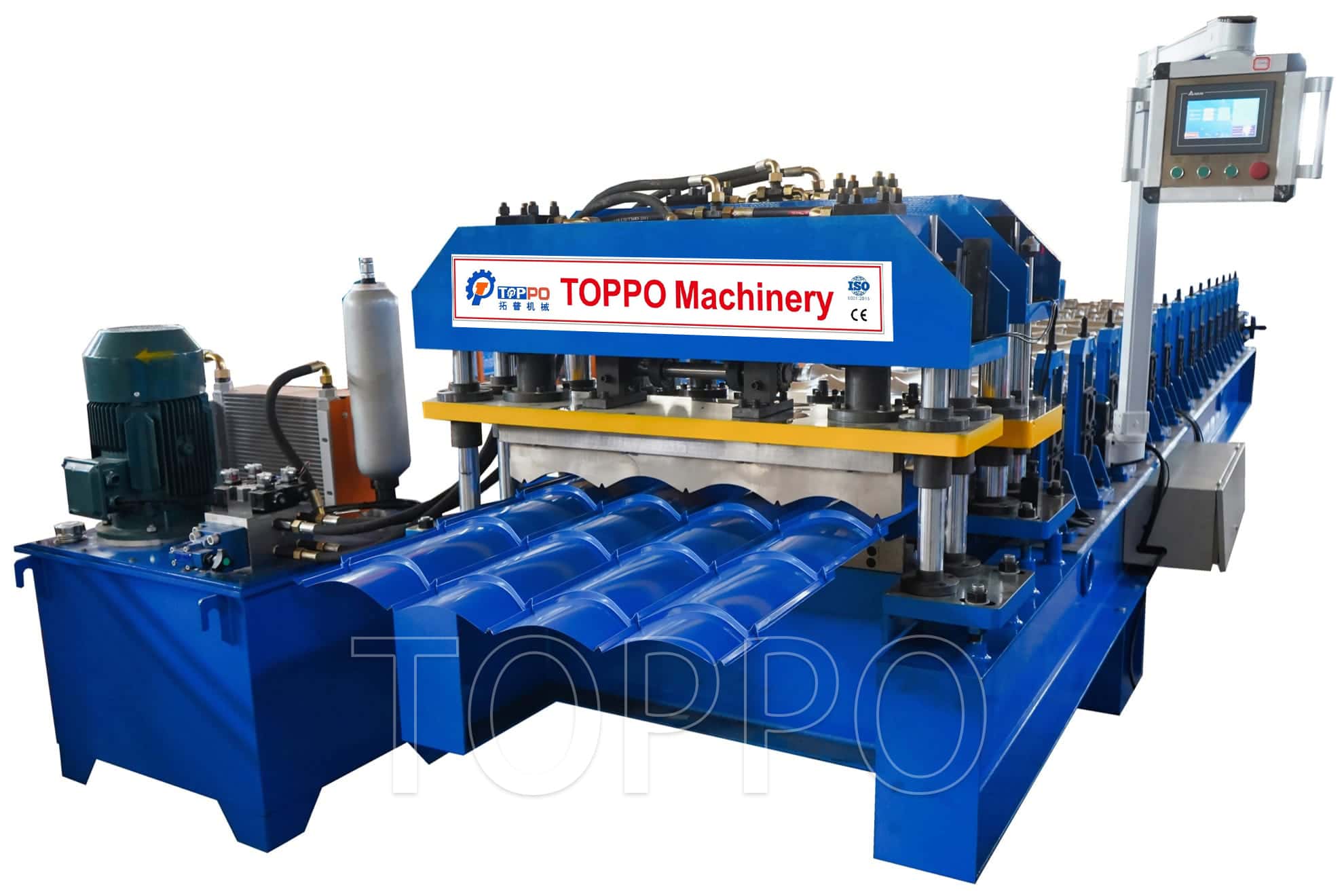
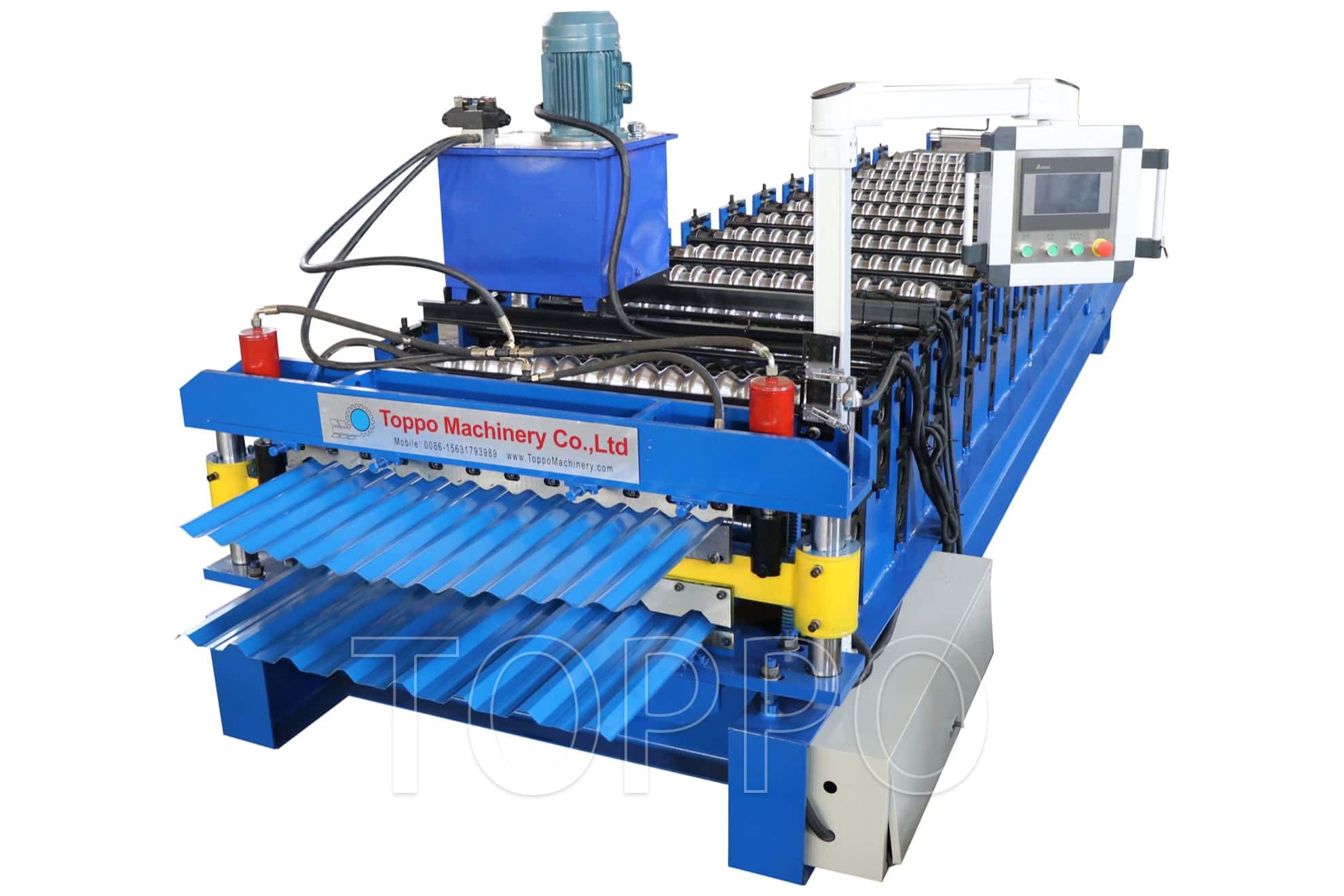
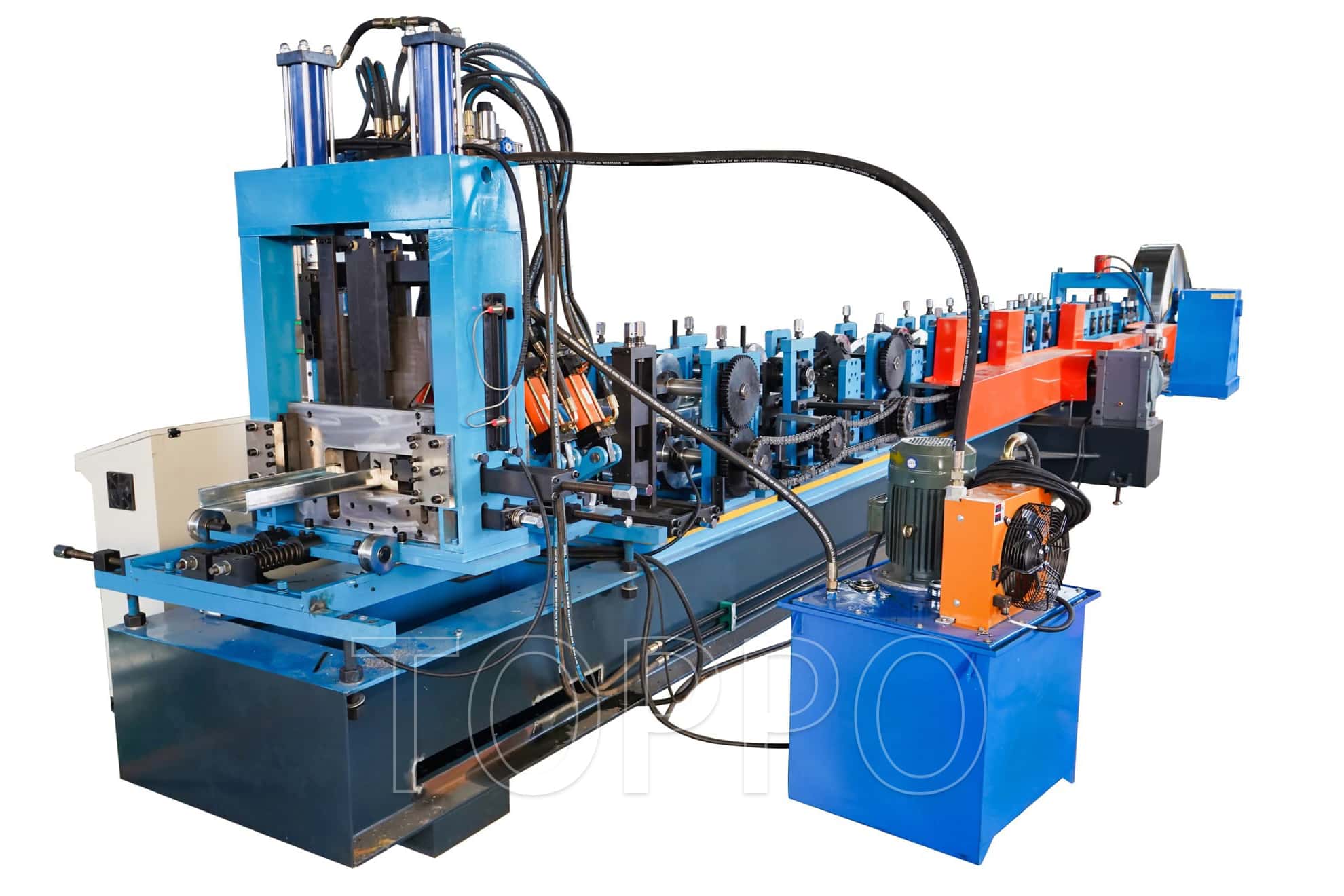
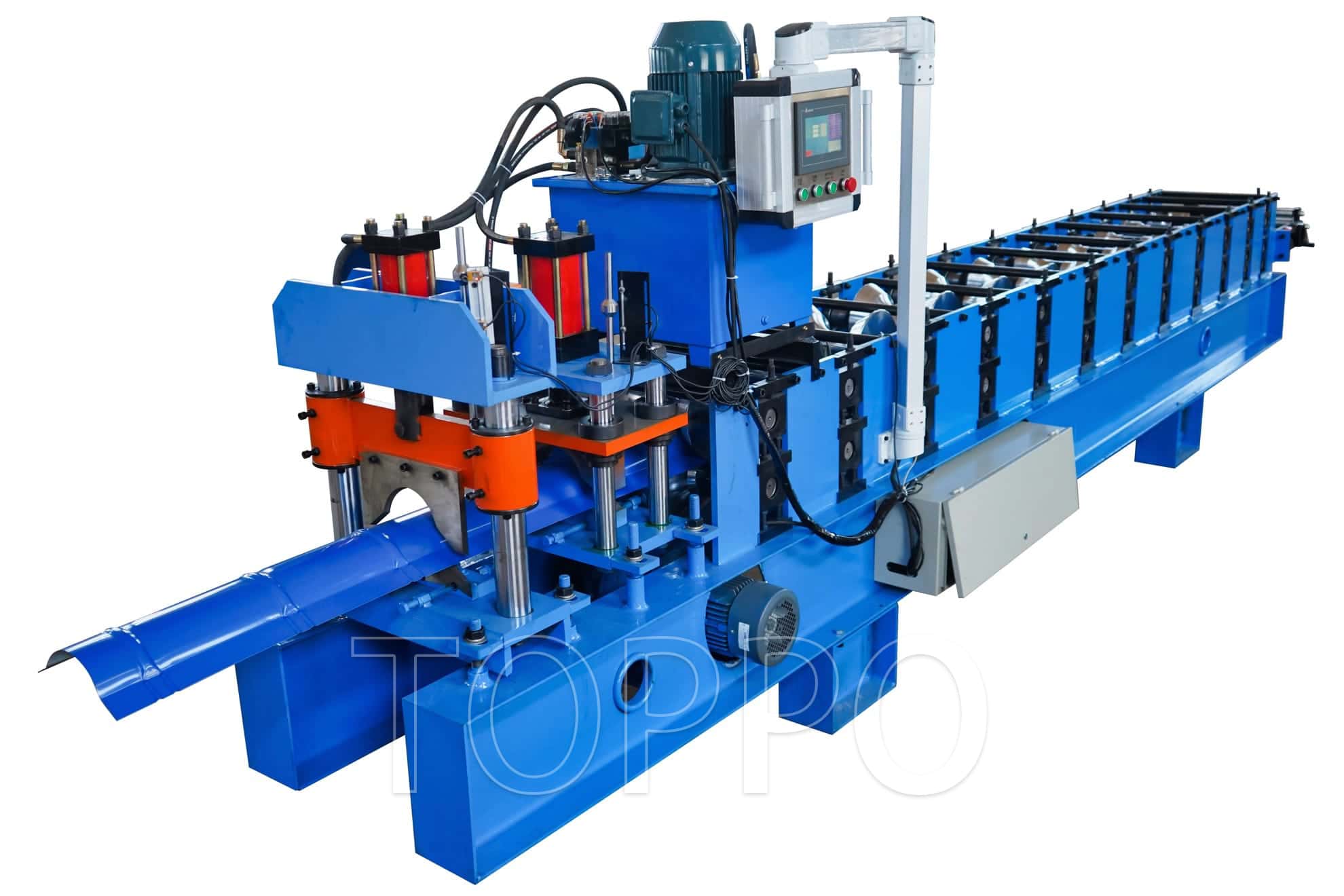
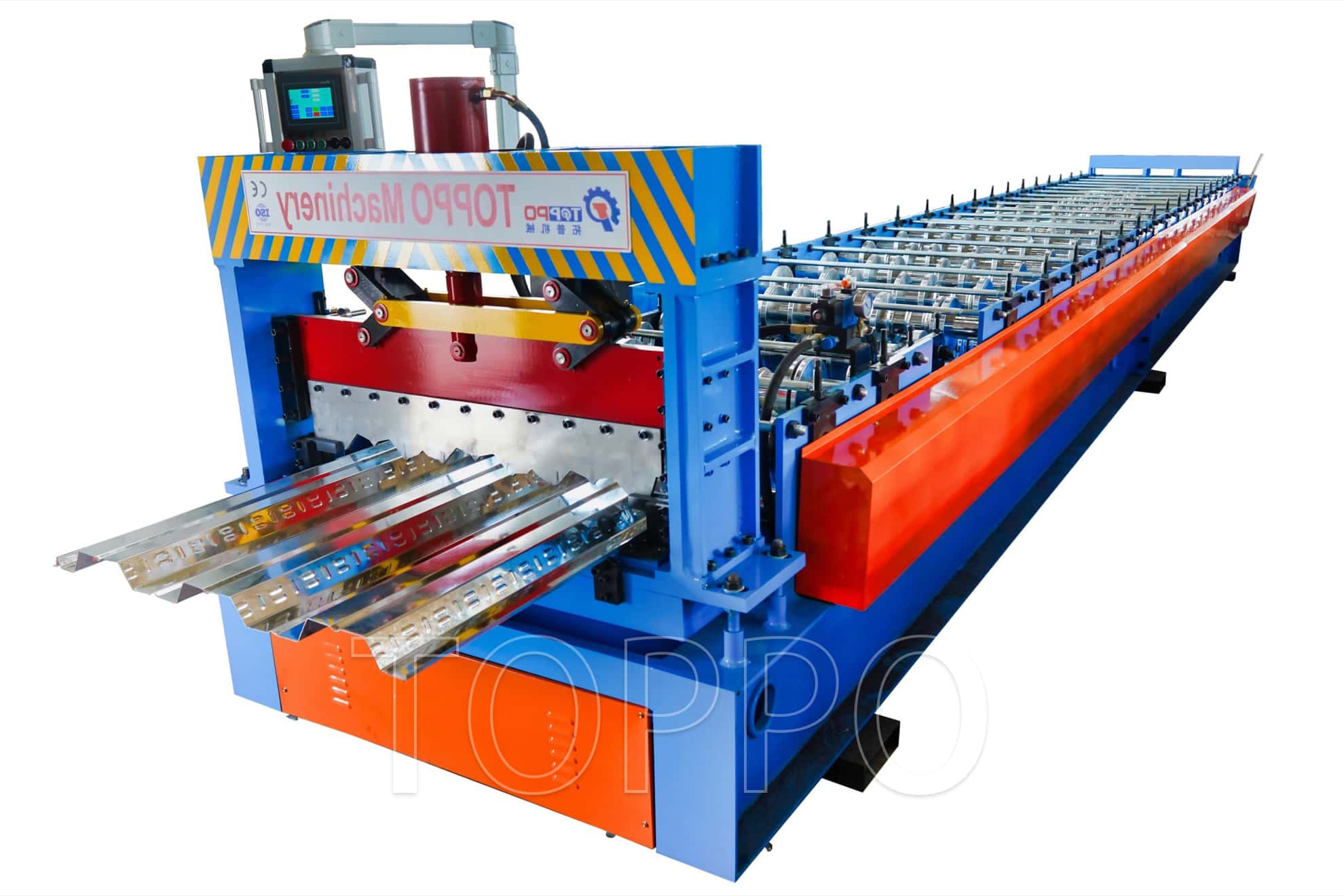
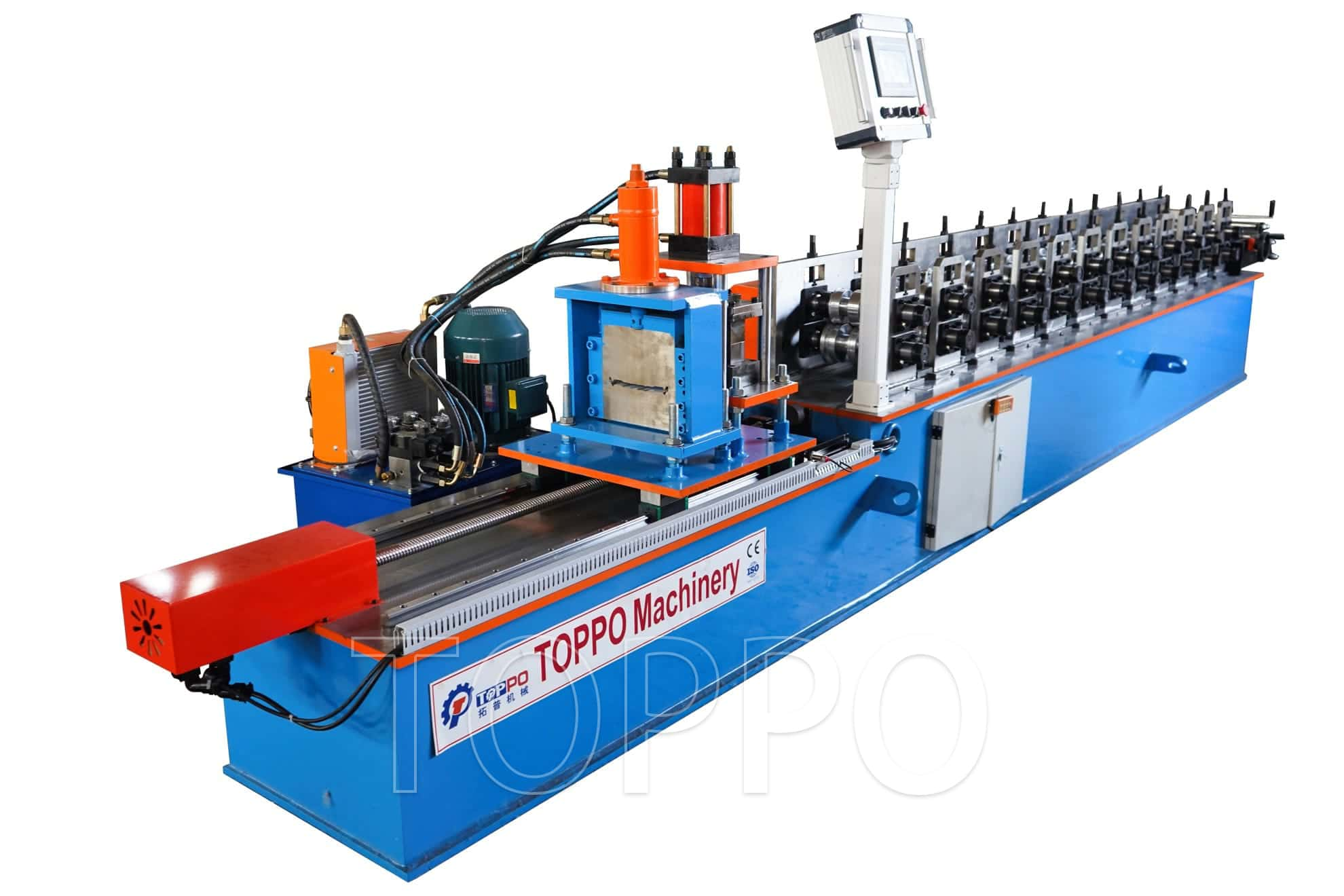
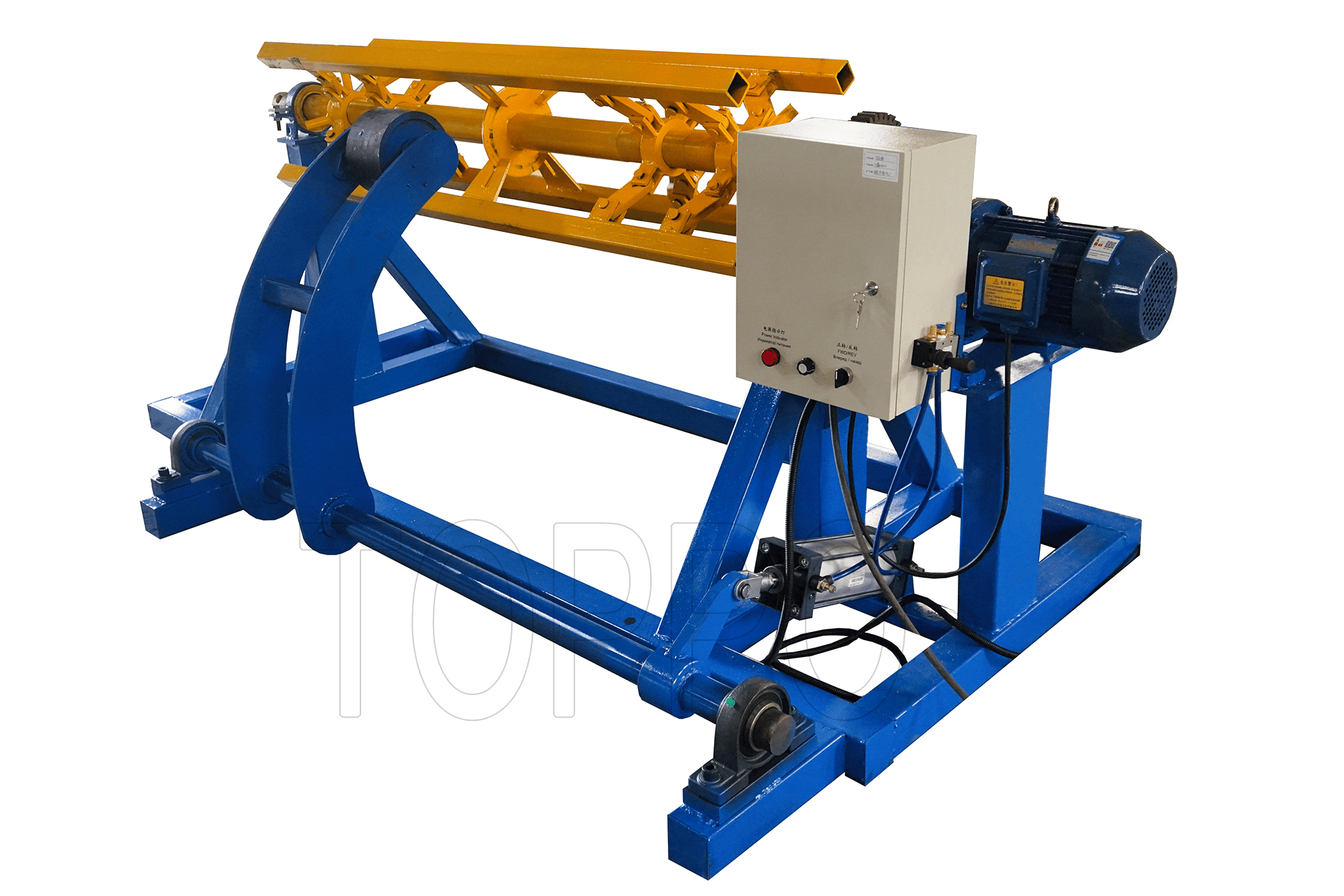
Standing seam roofing is becoming increasingly popular across South Africa’s construction sector. From industrial facilities to residential developments, this roofing system offers durability, efficiency, and modern aesthetics. Supported by advanced equipment such as the standing seam roof panel roll forming machine, manufacturers can produce high-quality panels efficiently to meet rising demand. This article explores seven major factors behind this growth, including implementation strategies, common mistakes, and real-world case insights.
1. High Resistance to Harsh Environmental Conditions
South Africa’s diverse climate requires durable roofing solutions.
Implementation steps:
Select corrosion-resistant materials
Ensure tight seam locking systems
Apply UV-resistant coatings
Common mistake: Using low-grade materials that fail under extreme weather.
2. Long-Term Economic Benefits
Standing seam roofing reduces maintenance and repair costs. A standing seam roof panel roll forming machine ensures precision production and fewer defects.
Case example: A logistics center reduced maintenance costs by 30% over five years.
3. Demand for Modern Architectural Solutions
Modern construction trends favor clean and sleek designs.
Implementation:
Common error: Limited design flexibility.
4. Faster Installation and Labor Efficiency
Standing seam roofing allows quicker installation compared to traditional systems.
Steps:
Real-world insight: A Cape Town project improved installation efficiency by 20%.
5. Growth of Mobile Production Solutions
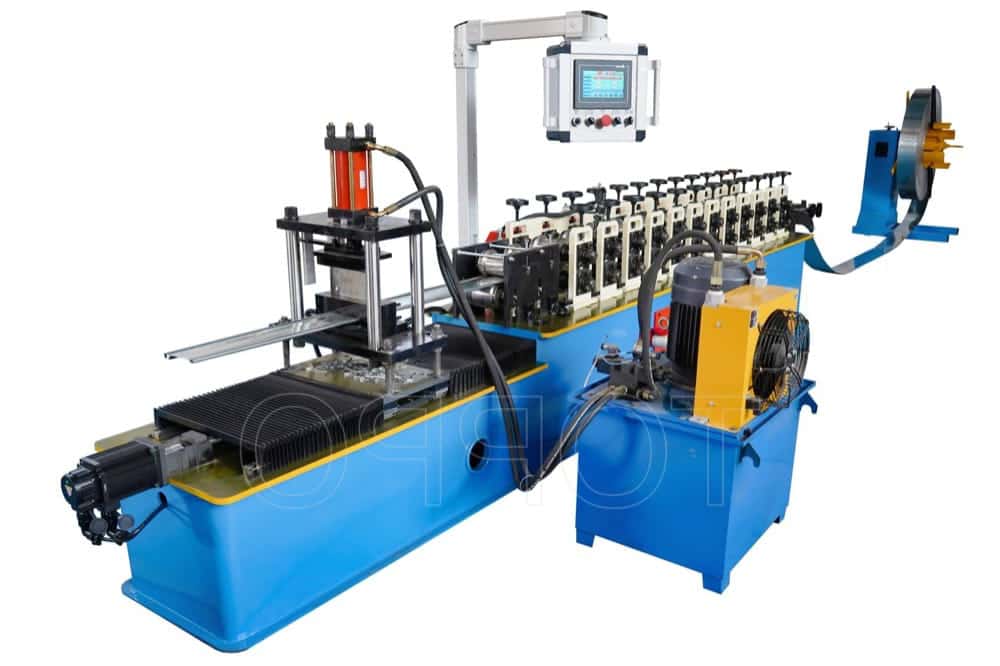
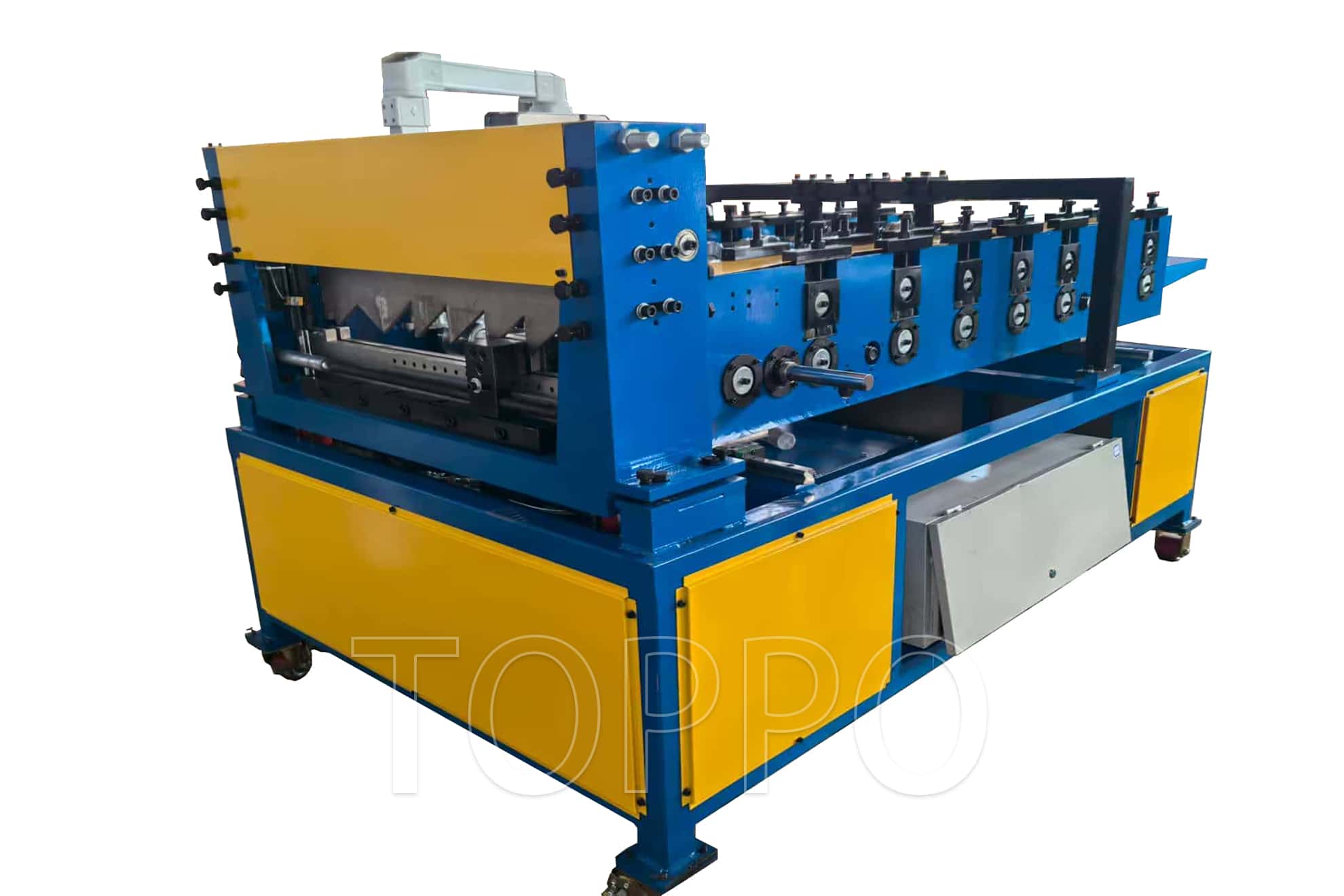
Portable manufacturing using a standing seam roll forming machine is becoming more common.
Implementation steps:
Deploy mobile machines for large projects
Calibrate after transport
Train operators for field conditions
Common mistake: Skipping calibration, leading to inaccurate panels.
6. Increased Focus on Sustainability
Energy-efficient construction practices are driving adoption.
Steps:
Case study: A Durban building project reduced cooling costs significantly.
7. Technological Advancements in Manufacturing
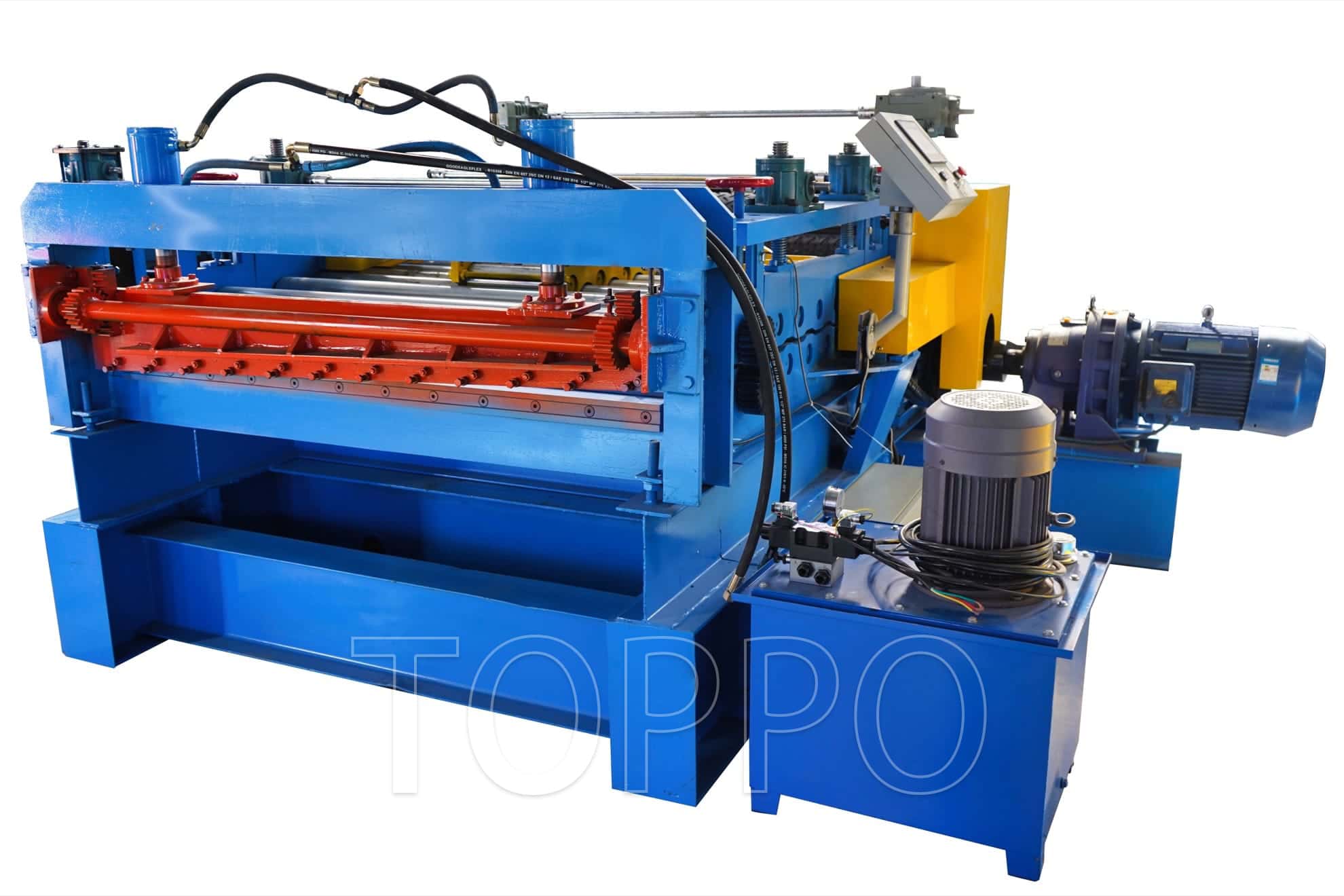
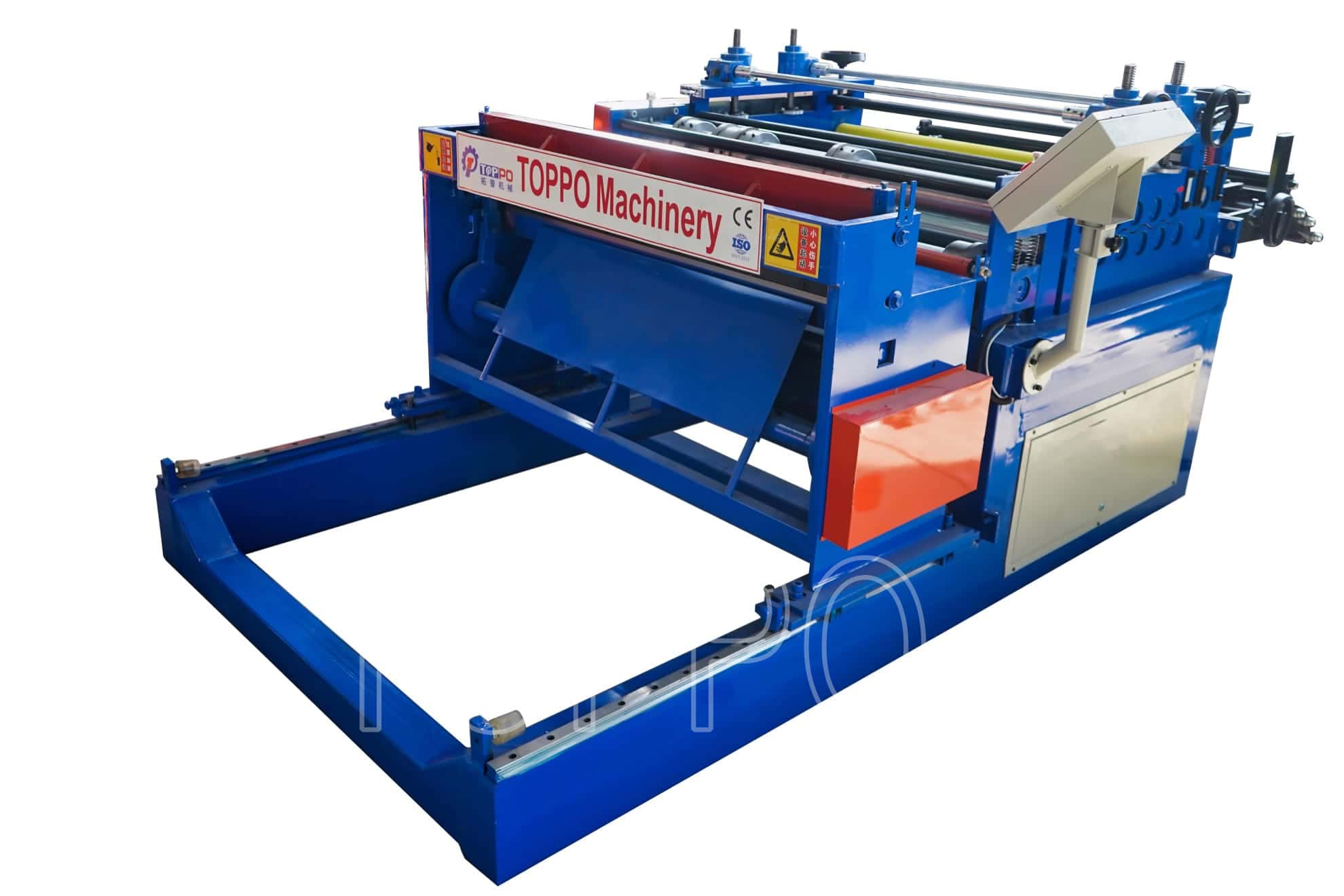
Modern equipment such as the roof panel making machine and standing seam roll forming machine improves efficiency and product consistency.
Implementation steps:
Adopt automated production lines
Monitor output in real time
Train staff on advanced features
Common mistake: Not utilizing full automation capabilities.
Conclusion
The increasing adoption of standing seam roofing in South Africa is driven by durability, efficiency, and modern construction needs. By leveraging advanced equipment such as the standing seam roof panel roll forming machine, manufacturers can meet growing demand while maintaining high standards. Applying best practices and avoiding common mistakes ensures long-term success.
Tags: standing seam roof panel roll forming machine, roof panel making machine, standing seam roll forming machine, standing seam roofing South Africa, roofing trends Africa, roll forming solutions
READ MORE: