7 Driving Forces Behind the Surge of Standing Seam Roofing Adoption in South Africa
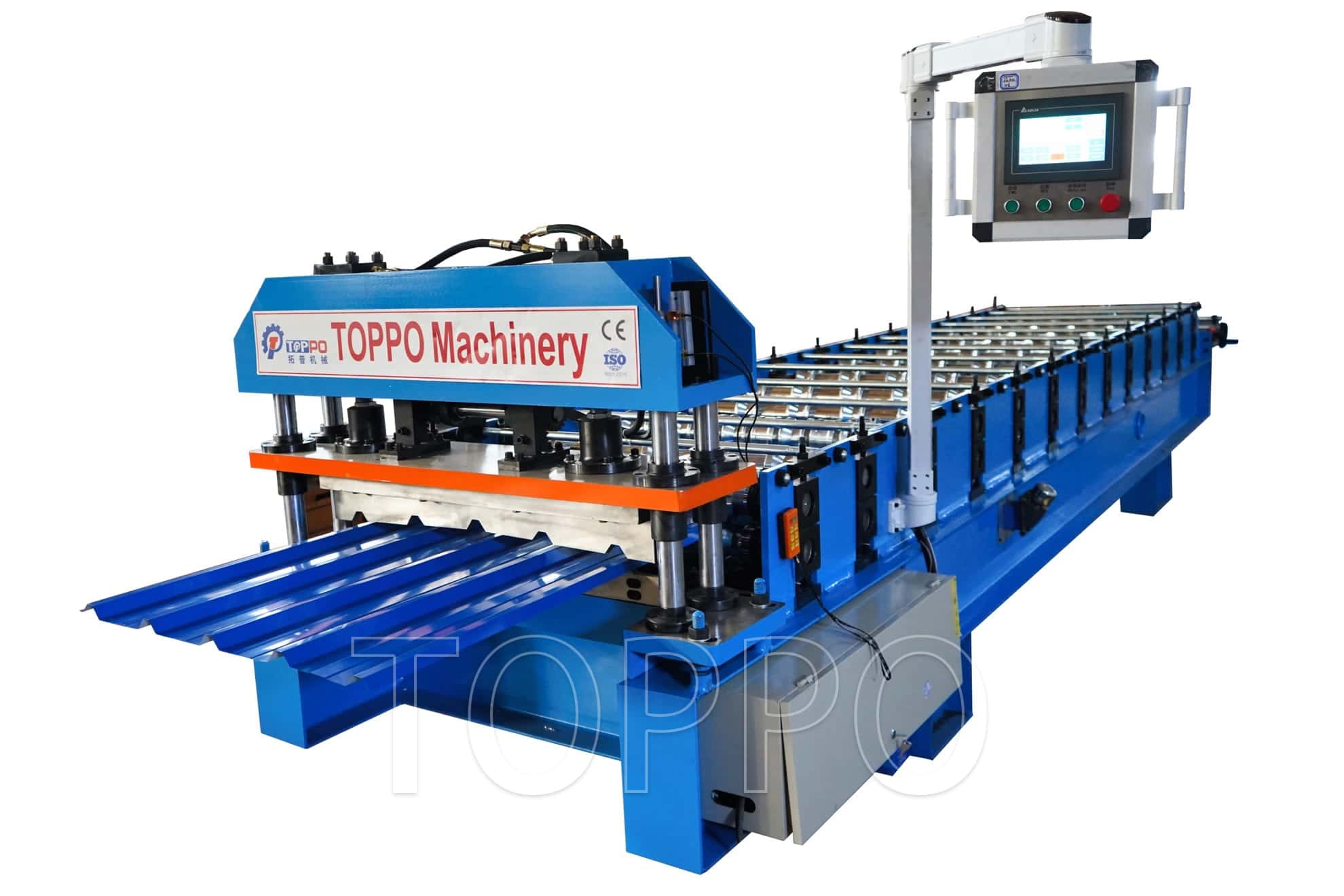
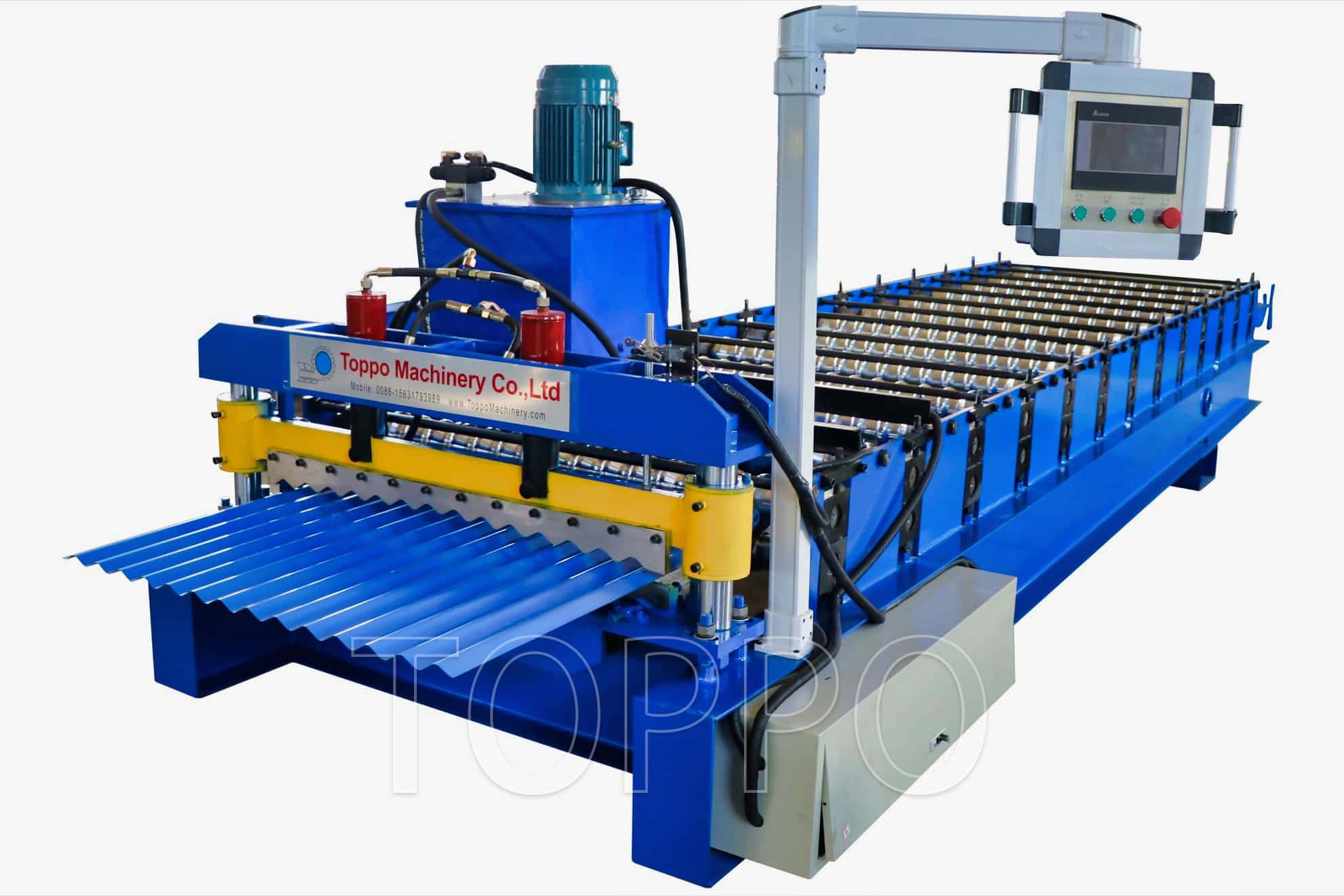
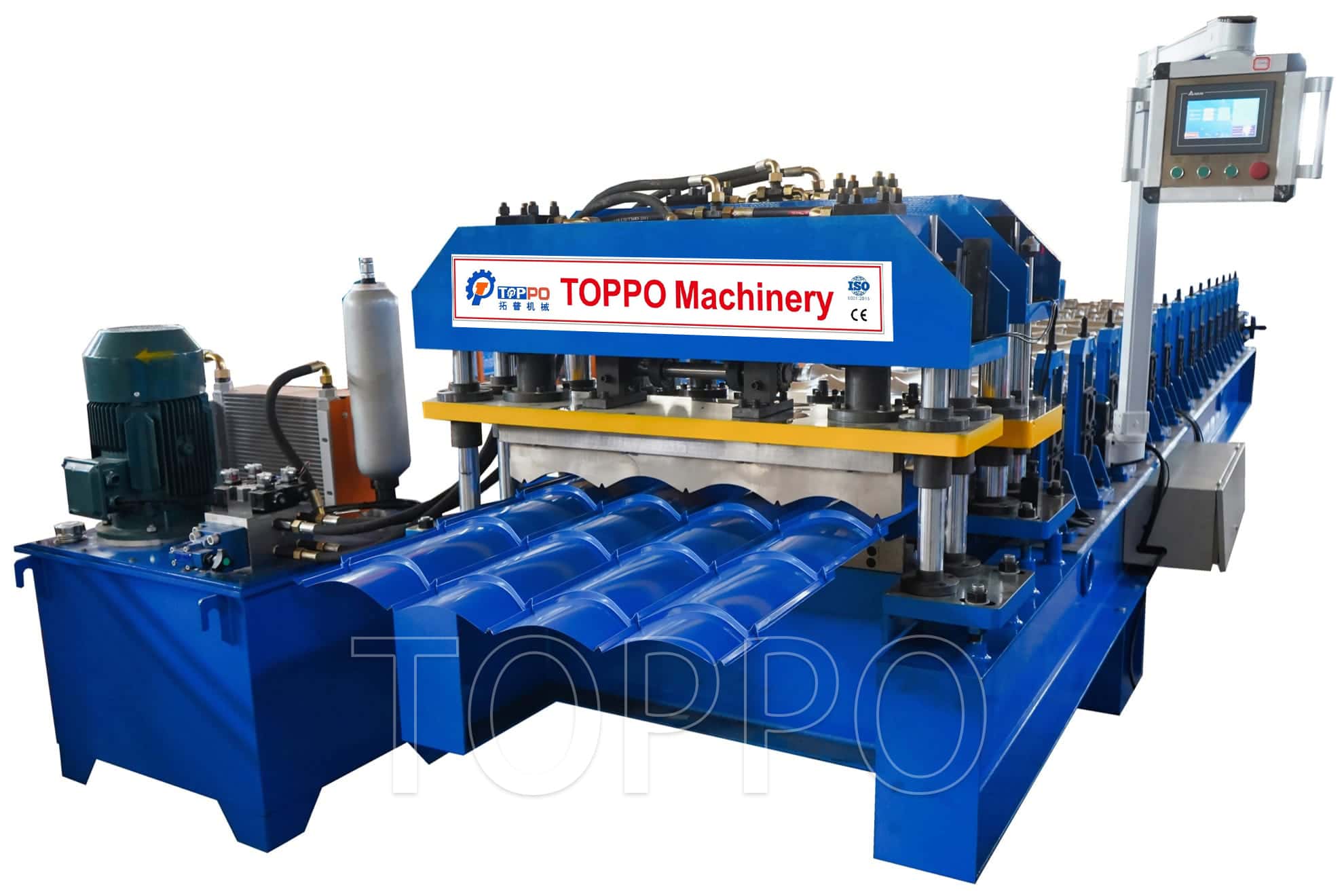
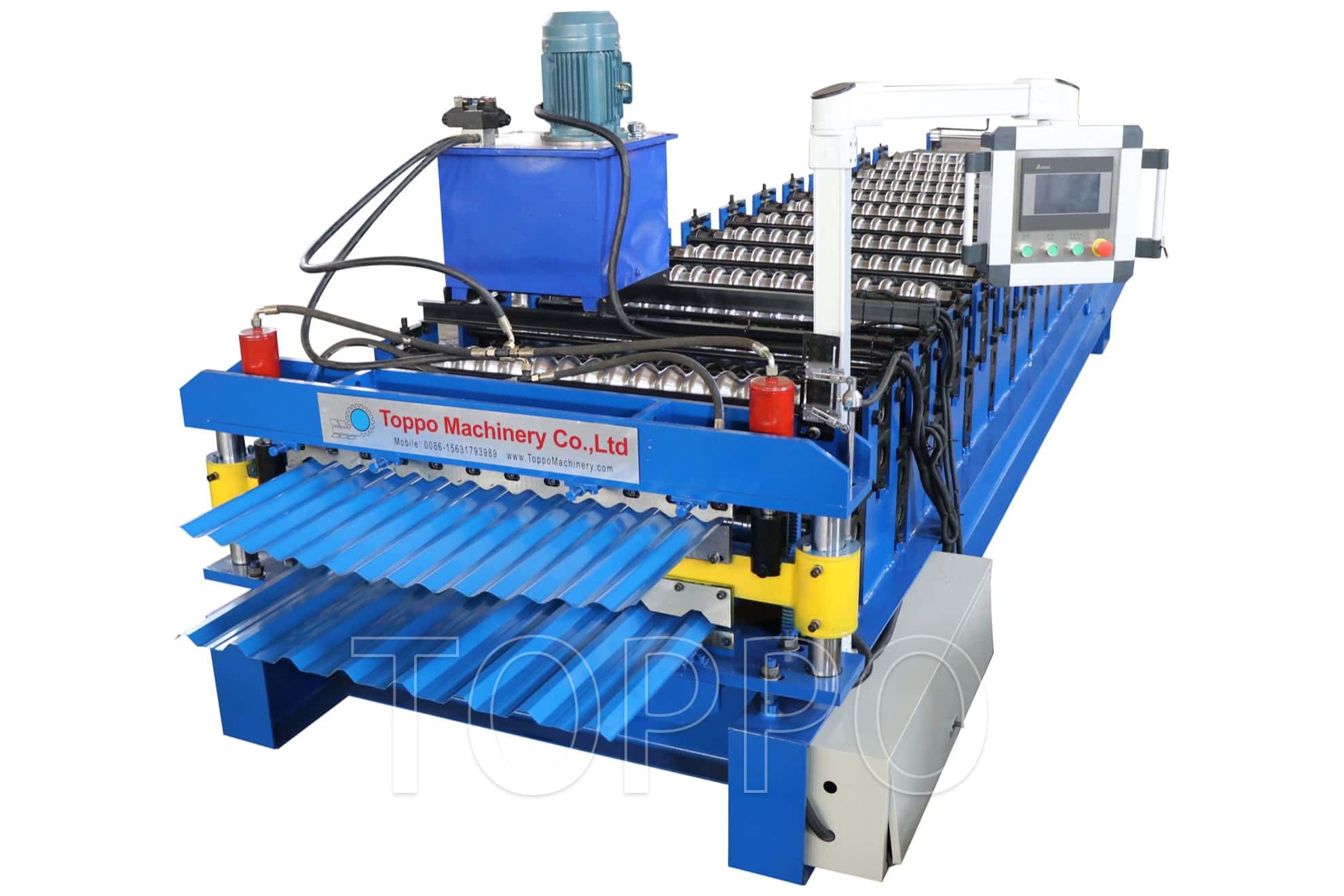
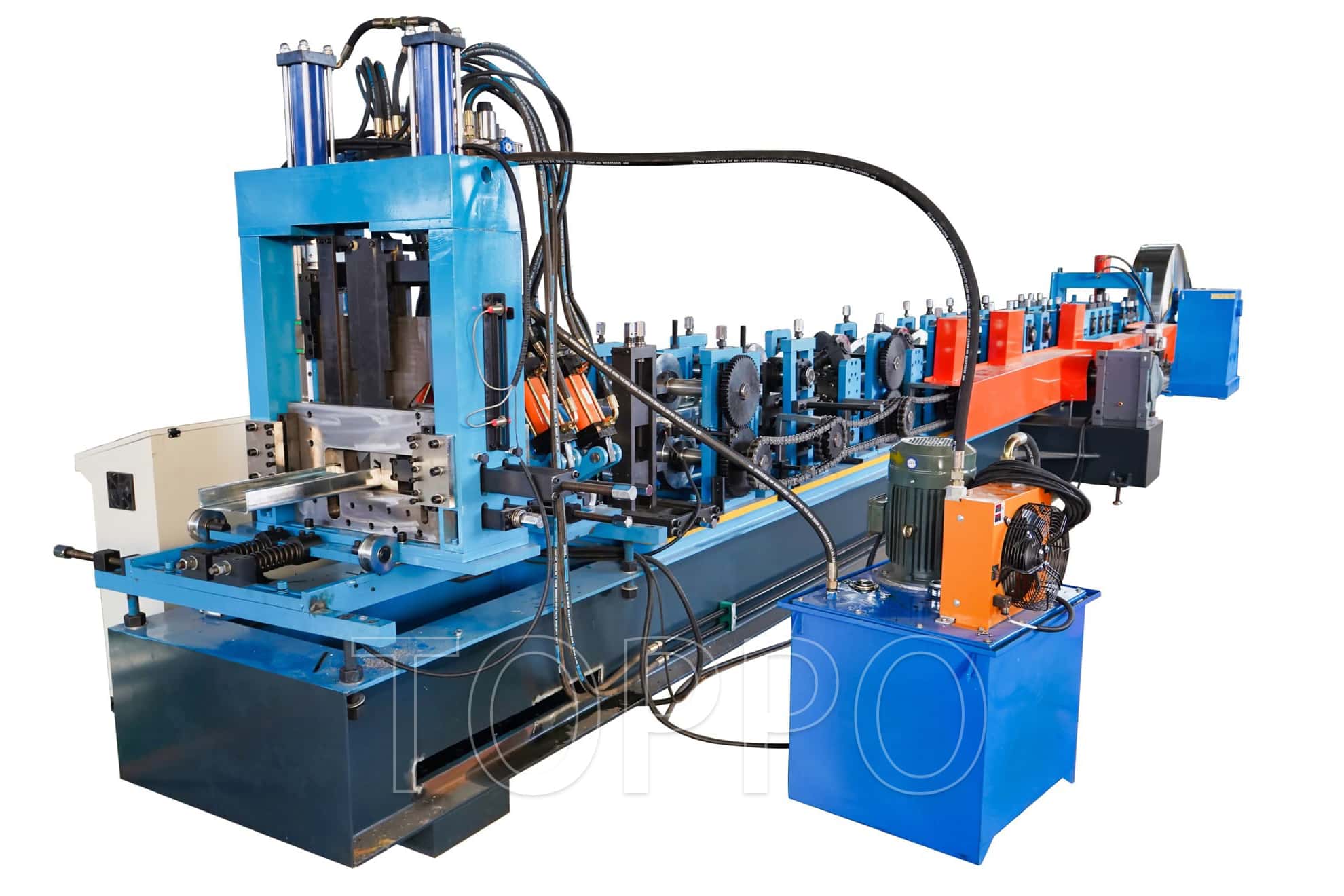
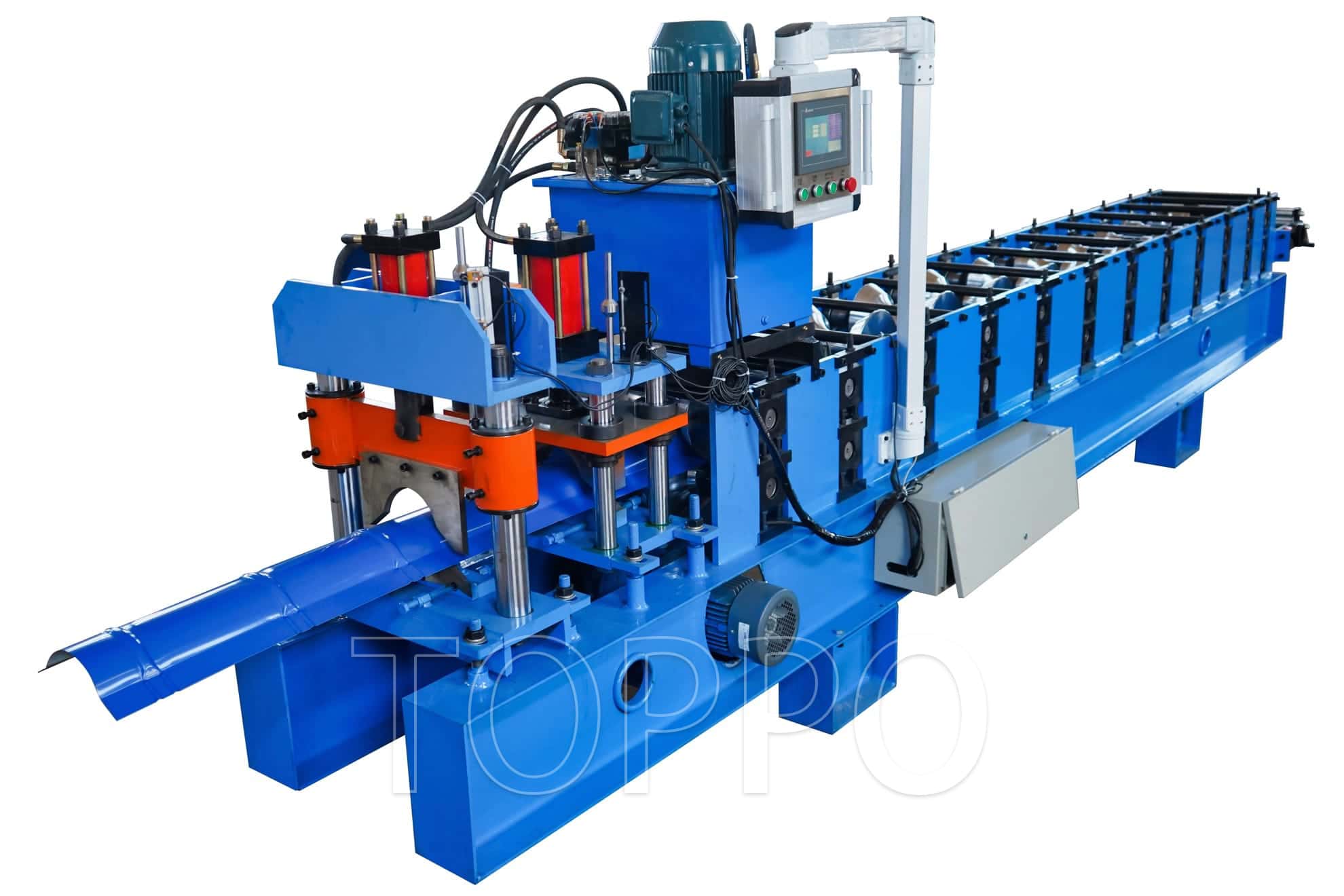
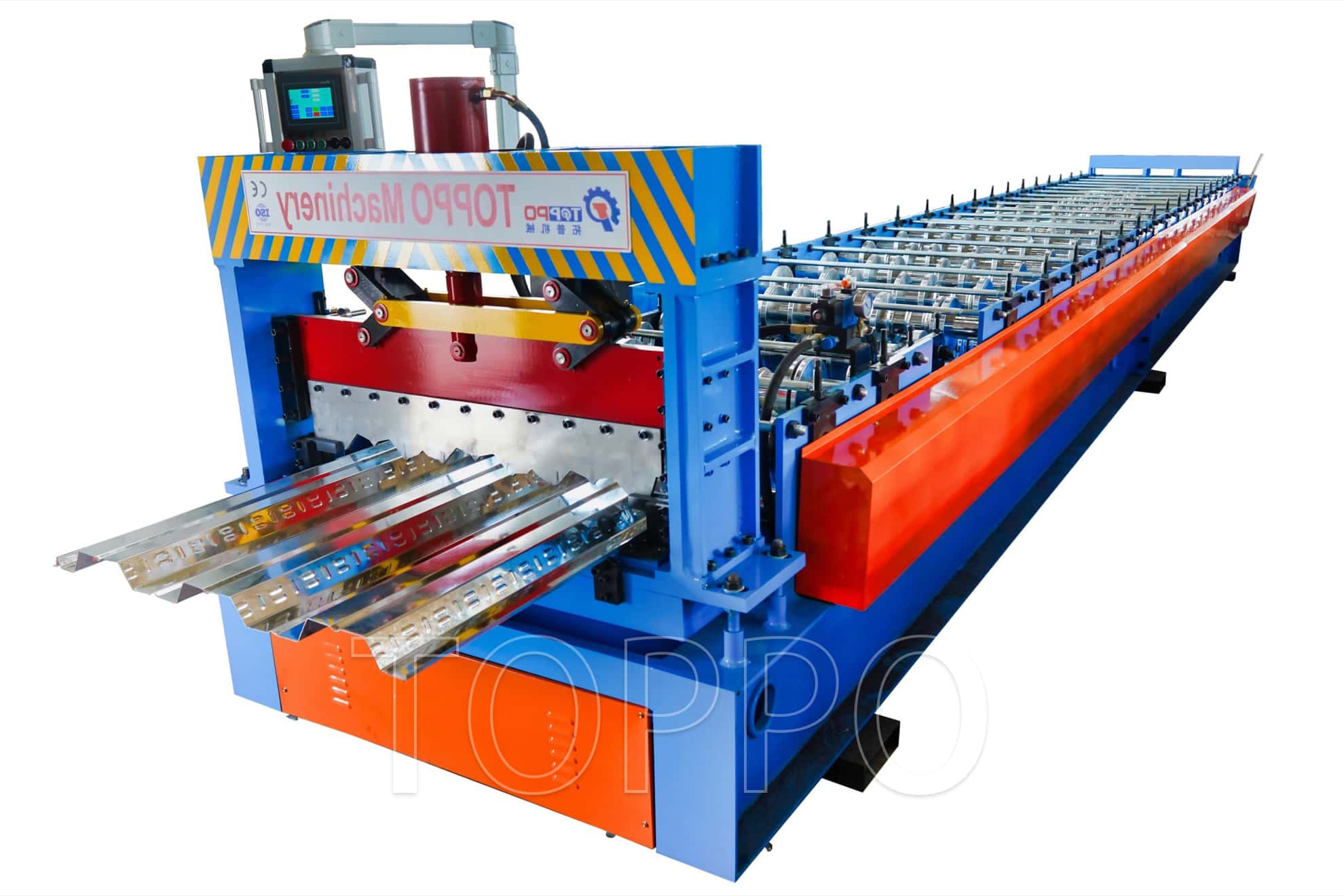
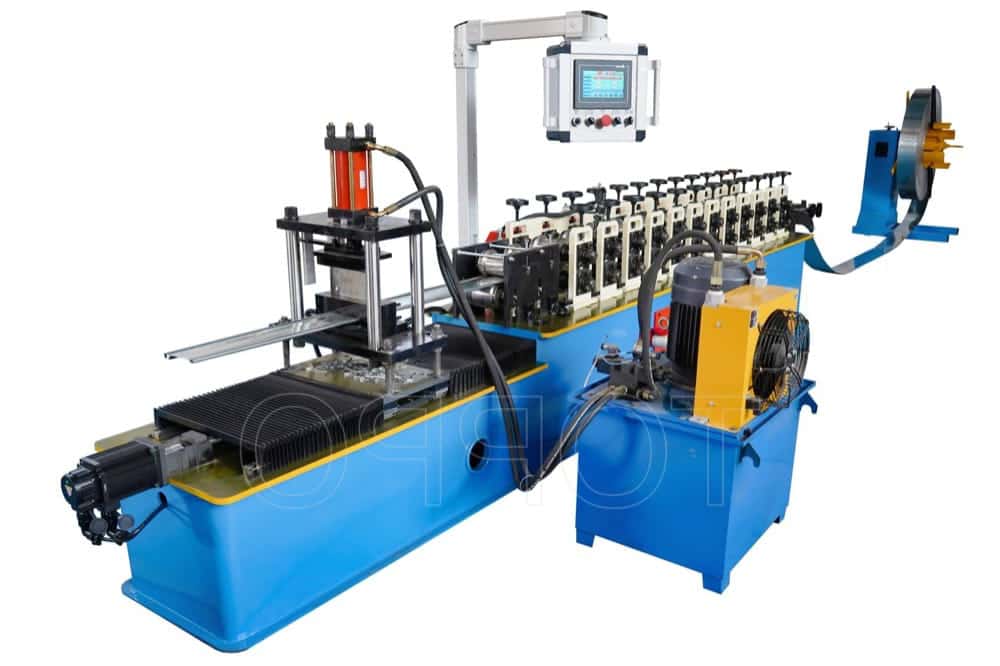
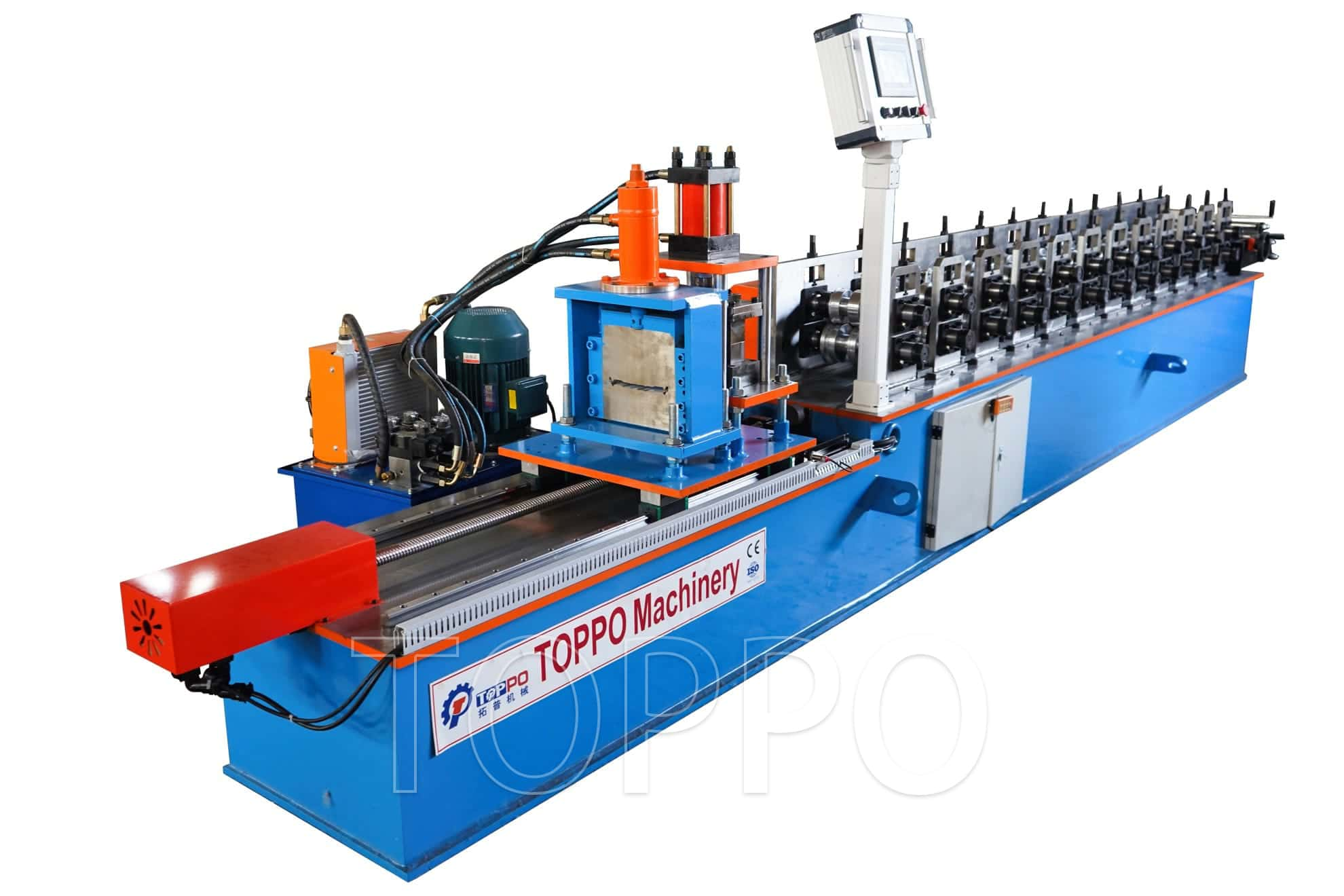
South Africa’s construction industry is undergoing a transformation, with standing seam roofing emerging as a preferred solution for modern projects. Its durability, energy efficiency, and sleek appearance make it ideal for diverse applications. Supported by advanced equipment such as the standing seam roof panel roll forming machine, manufacturers can deliver consistent, high-quality panels at scale. This article explores seven major drivers behind this growth, along with practical steps, common mistakes, and real-world insights.
1. Climate Resilience and Durability
South Africa’s harsh climate—intense sun, heavy rains, and strong winds—demands durable roofing systems.
Implementation steps:
Select corrosion-resistant materials like aluminum or galvanized steel
Use high-quality coatings for UV protection
Ensure proper seam locking during installation
Common mistake: Choosing low-grade materials that deteriorate quickly.
2. Reduced Lifecycle Costs
While initial investment may be higher, long-term maintenance savings are significant. A standing seam roof panel roll forming machine ensures precise production, reducing defects.
Case example: A logistics warehouse in Johannesburg cut maintenance expenses by 32% over five years.
3. Alignment with Modern Architectural Trends
Architects increasingly favor minimalist and contemporary designs.
Implementation:
Offer diverse panel profiles and finishes
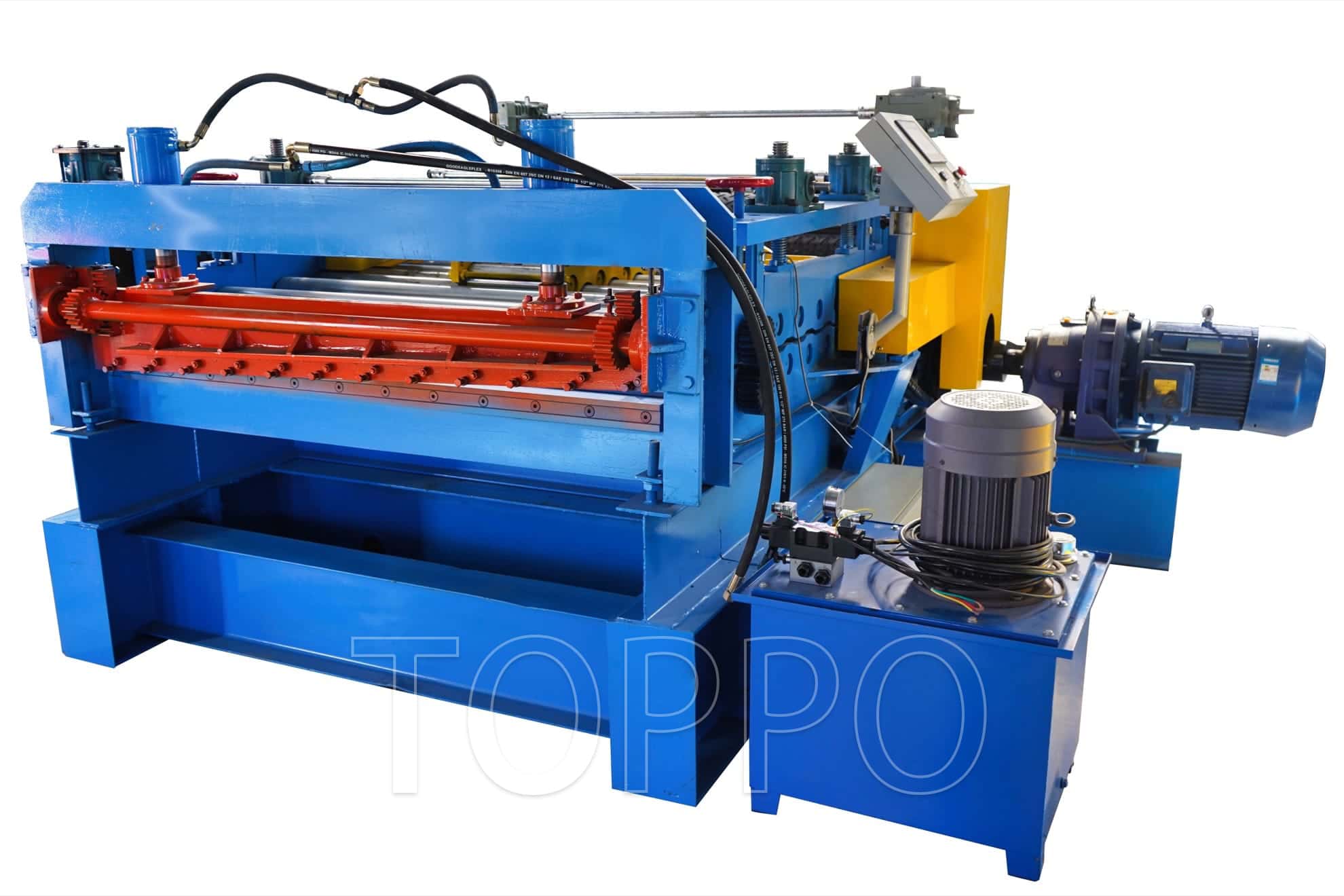
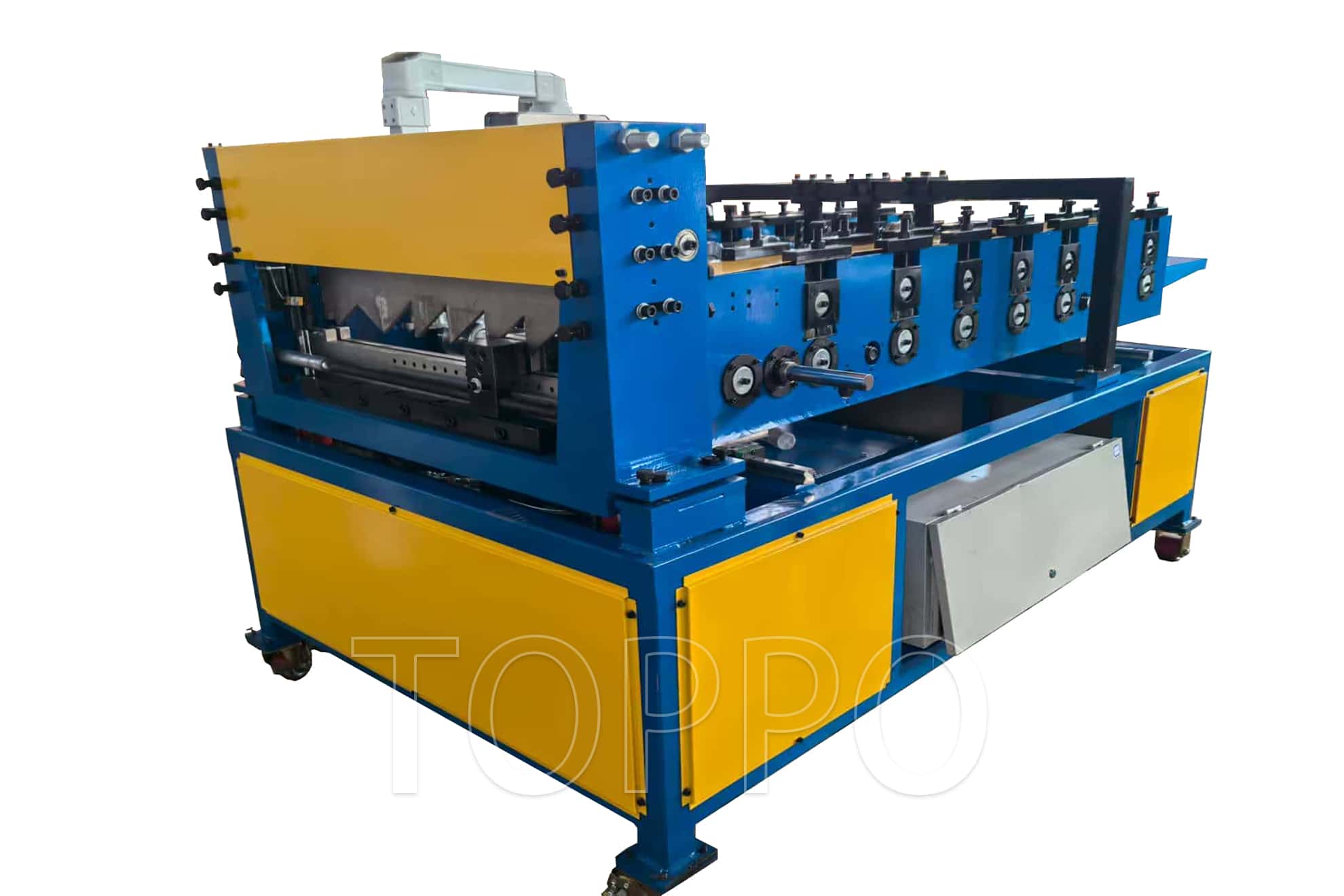
Use a roof panel making machine for consistent quality
Provide customization options for projects
Common error: Limited design flexibility.
4. Faster Installation and Labor Efficiency
Standing seam systems reduce installation time and labor costs.
Steps:
Pre-produce panels with precise dimensions
Train installation teams effectively
Adopt standardized installation processes
Real-world insight: A Cape Town commercial project improved installation efficiency by 24%.
5. Expansion of On-Site Manufacturing
Portable production is becoming common using a standing seam roll forming machine.
Implementation steps:
Deploy mobile machines for large-scale projects
Calibrate equipment after relocation
Train operators for on-site conditions
Common mistake: Ignoring recalibration after transport.
6. Sustainability and Energy Efficiency Focus
Green building initiatives are driving demand for energy-efficient roofing.
Steps:
Use reflective coatings to reduce heat absorption
Incorporate insulation systems
Minimize waste through precise production
Case study: A Durban office building reduced cooling costs significantly with standing seam roofing.
7. Technological Advancements in Manufacturing
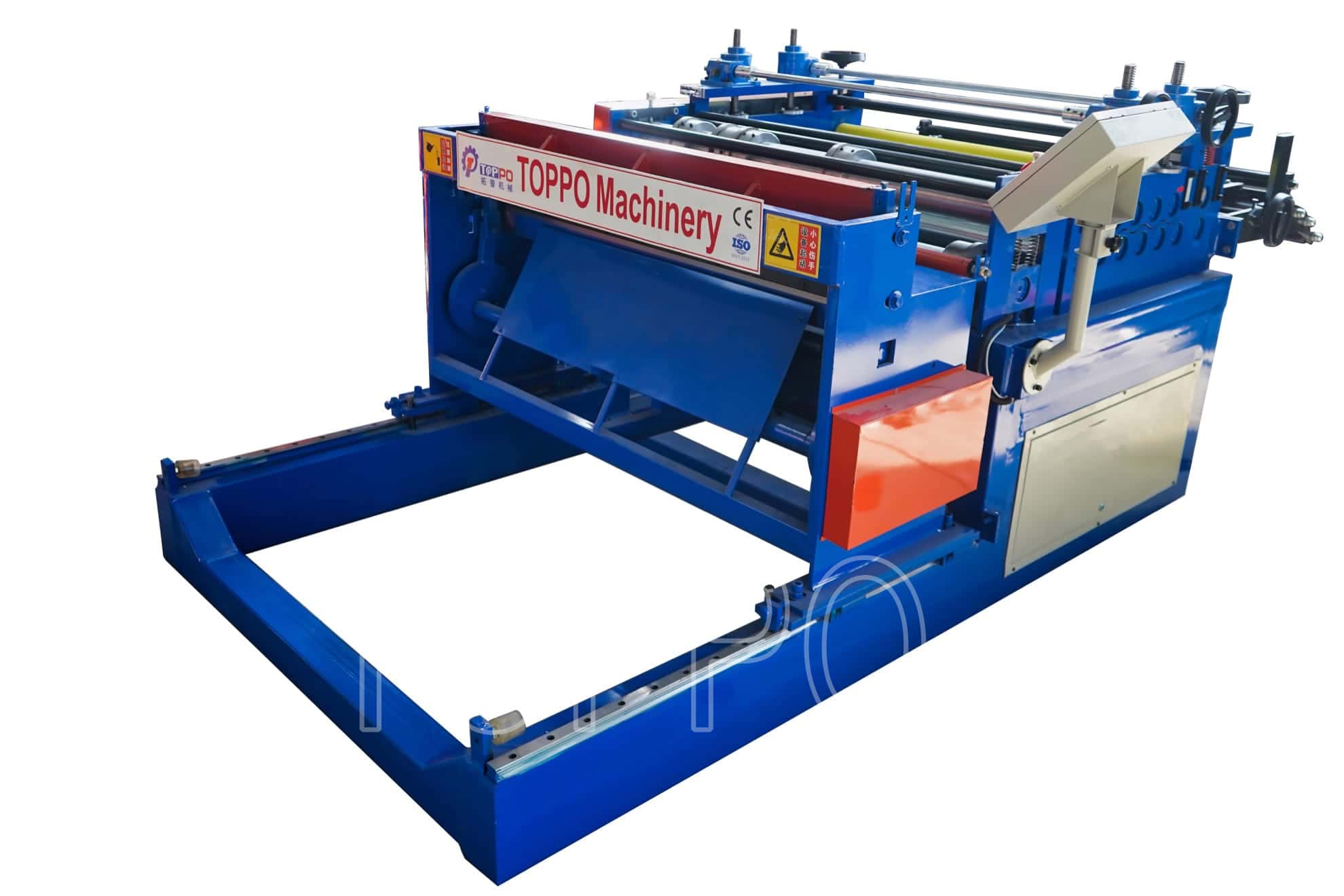
Modern machines such as the roof panel making machine and standing seam roll forming machine have enhanced production speed and consistency.
Implementation steps:
Adopt automated production systems
Monitor output with real-time data
Train staff on advanced machine functions
Common mistake: Underutilizing automation features.
Conclusion
The rapid adoption of standing seam roofing in South Africa is driven by durability, efficiency, sustainability, and modern construction demands. By leveraging advanced equipment such as the standing seam roof panel roll forming machine, manufacturers and contractors can meet growing demand while maintaining high quality. Applying best practices and avoiding common mistakes ensures long-term success in this expanding market.
Tags: standing seam roof panel roll forming machine, roof panel making machine, standing seam roll forming machine, standing seam roofing South Africa, roofing trends Africa, roll forming solutions
READ MORE: