7 Key Factors Fueling the Expansion of Standing Seam Roofing in South Africa
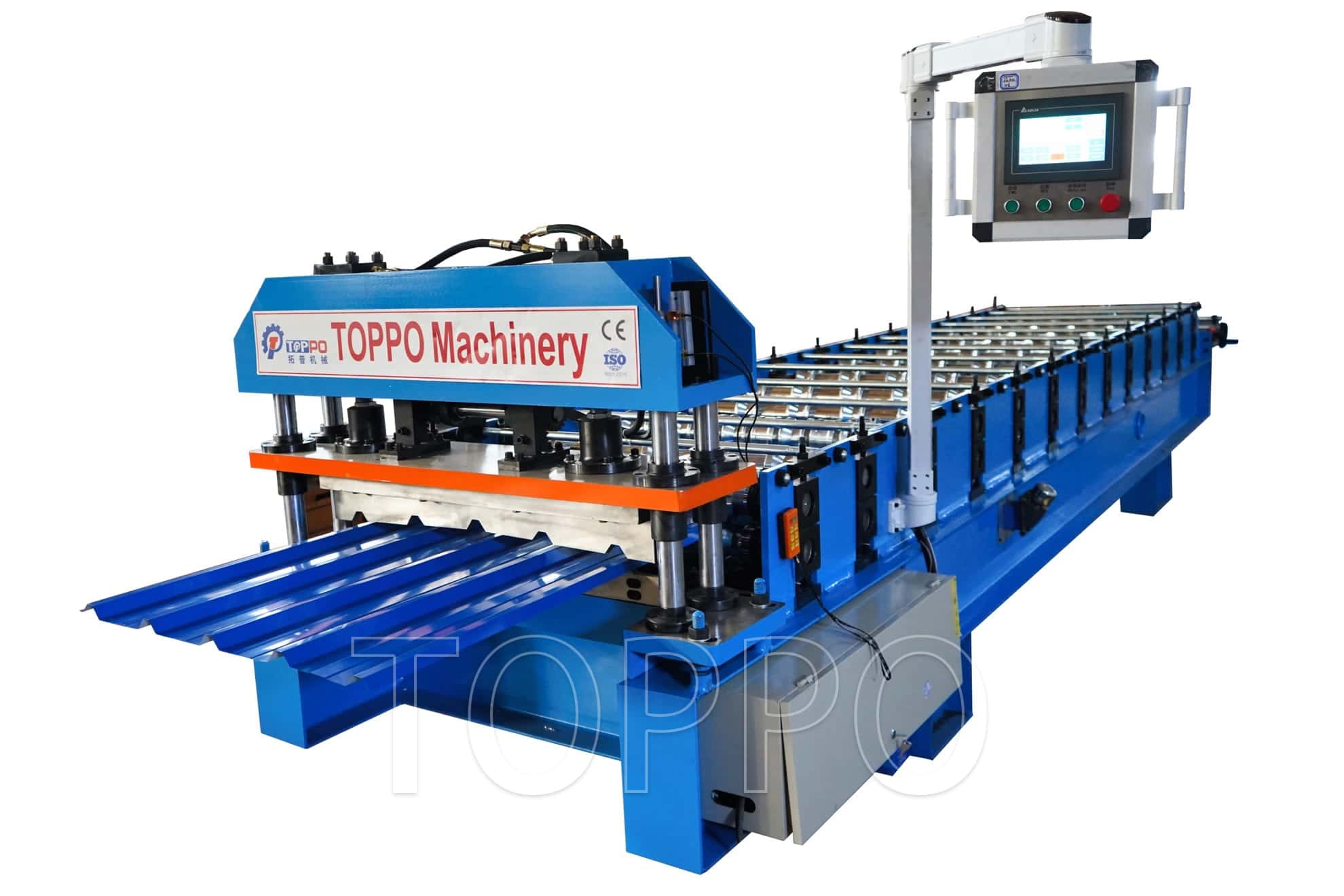
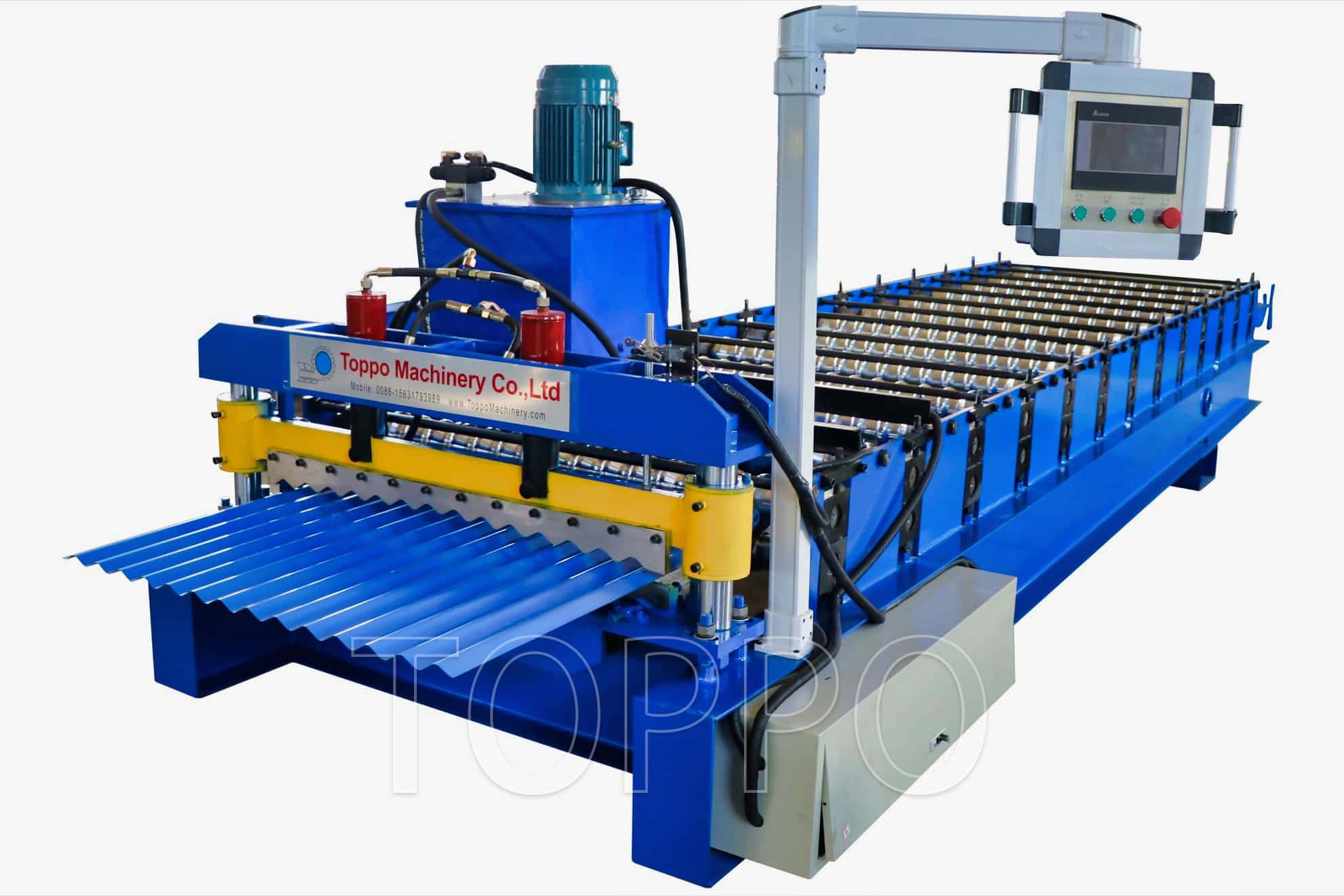
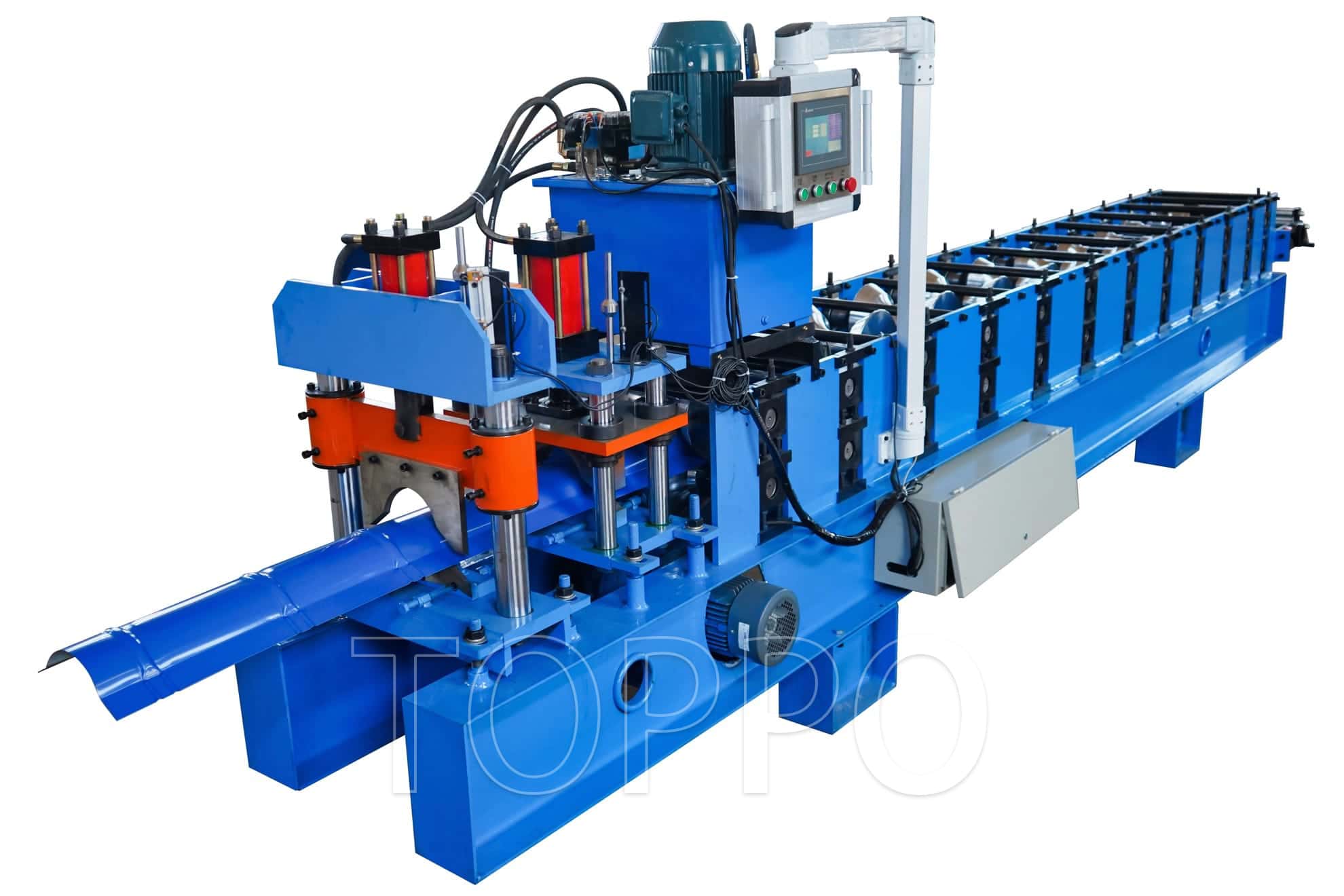
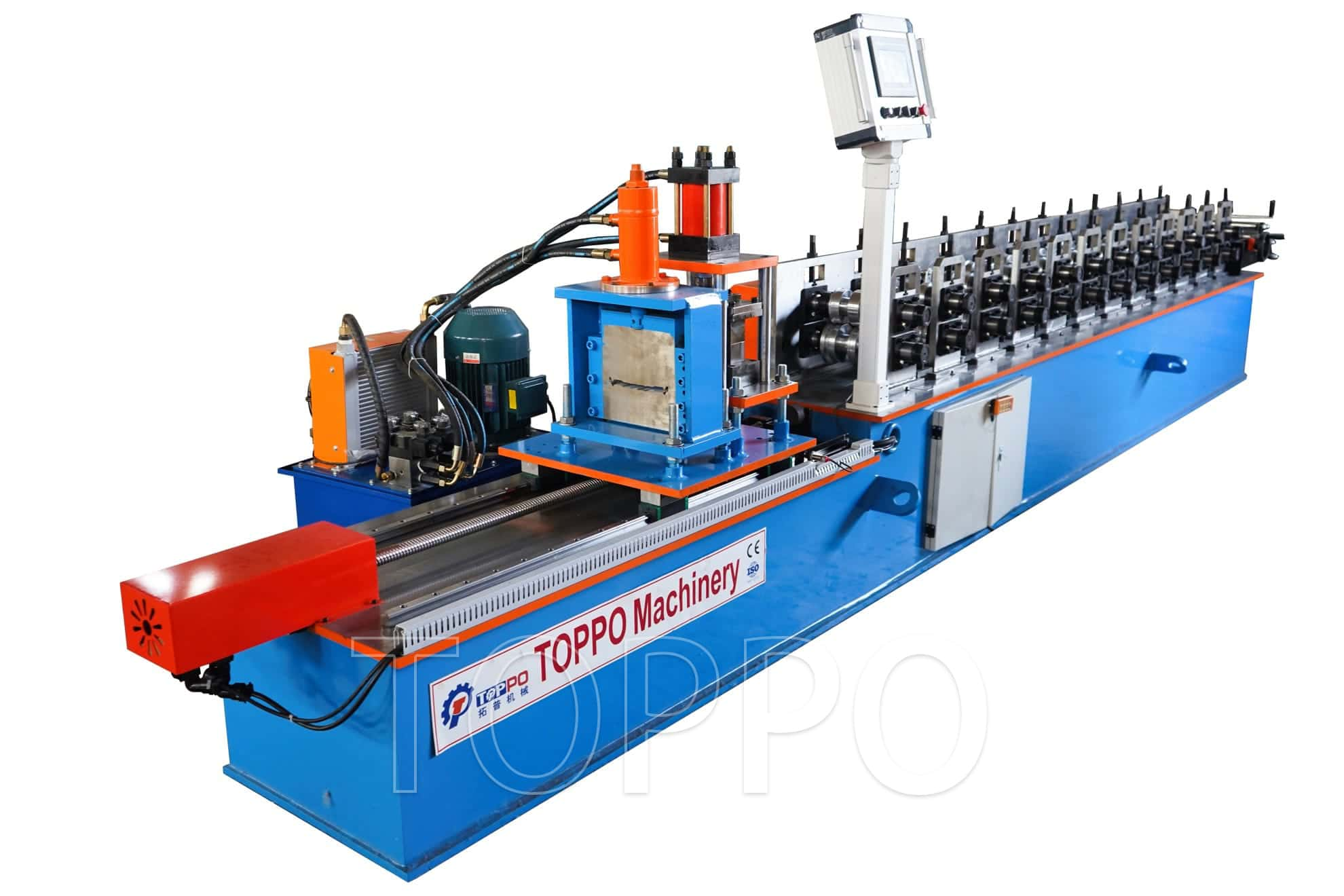
Standing seam roofing has become one of the fastest-growing roofing solutions in South Africa. Driven by climate challenges, modern architectural demand, and improved manufacturing technologies, this roofing system is now widely used across residential, commercial, and industrial projects. With advanced equipment such as the standing seam roof panel roll forming machine, manufacturers can produce high-quality panels efficiently. This article explores seven key factors behind this growth, along with practical implementation steps, common mistakes, and real-world insights.
1. Excellent Resistance to Harsh Weather
South Africa’s climate includes strong UV exposure, heavy rainfall, and high winds. Standing seam roofing provides superior durability.
Implementation steps:
Use corrosion-resistant materials
Ensure proper seam locking
Apply protective coatings
Common mistake: Using low-quality materials that degrade quickly.
2. Long-Term Cost Savings
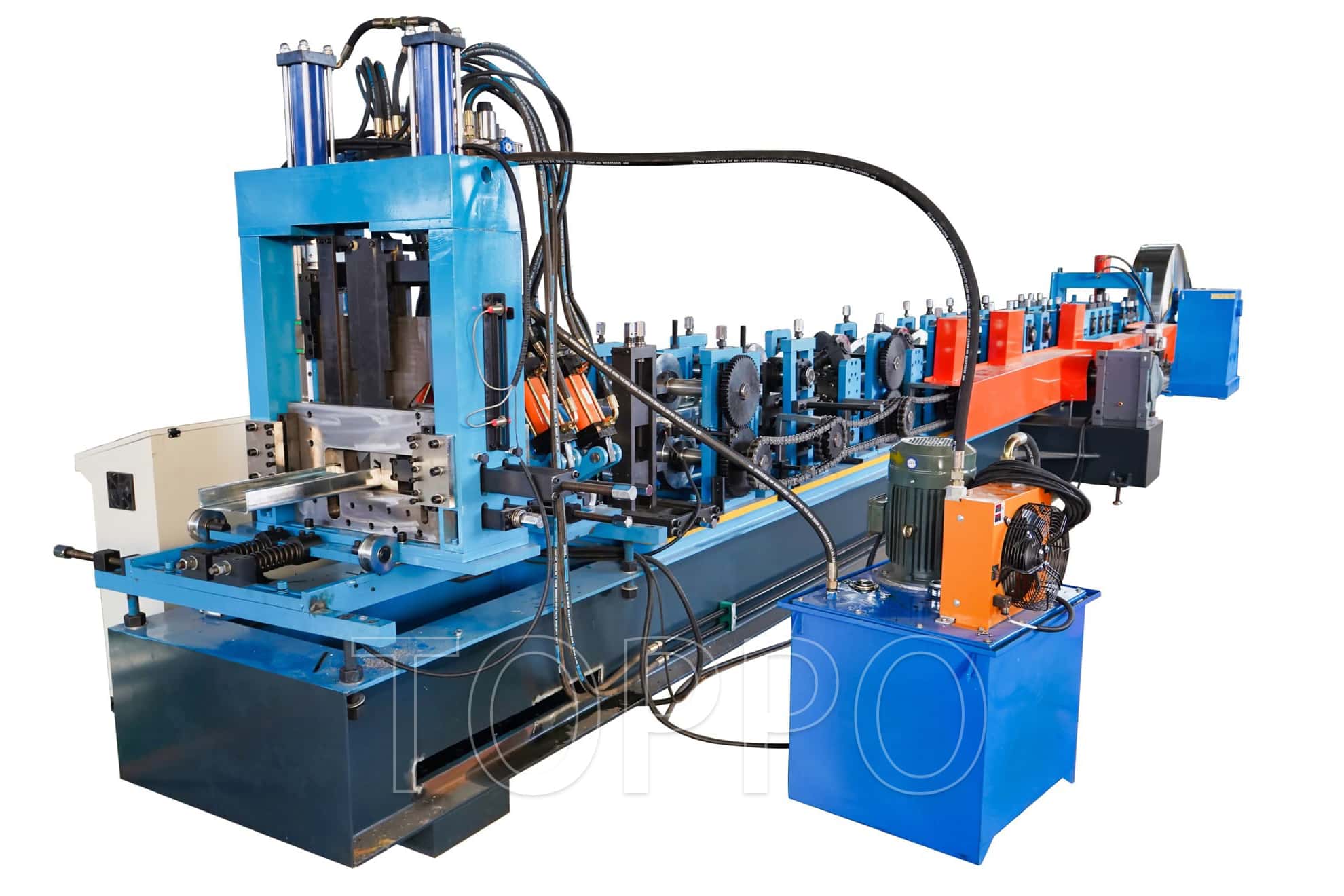
Although initial investment may be higher, long-term maintenance costs are significantly lower. A standing seam roof panel roll forming machine ensures precision and reduces defects.
Case example: A Johannesburg factory reduced maintenance costs by 30% over several years.
3. Increasing Demand for Modern Design
Architects prefer sleek and modern roofing styles.
Implementation:
Offer multiple panel styles
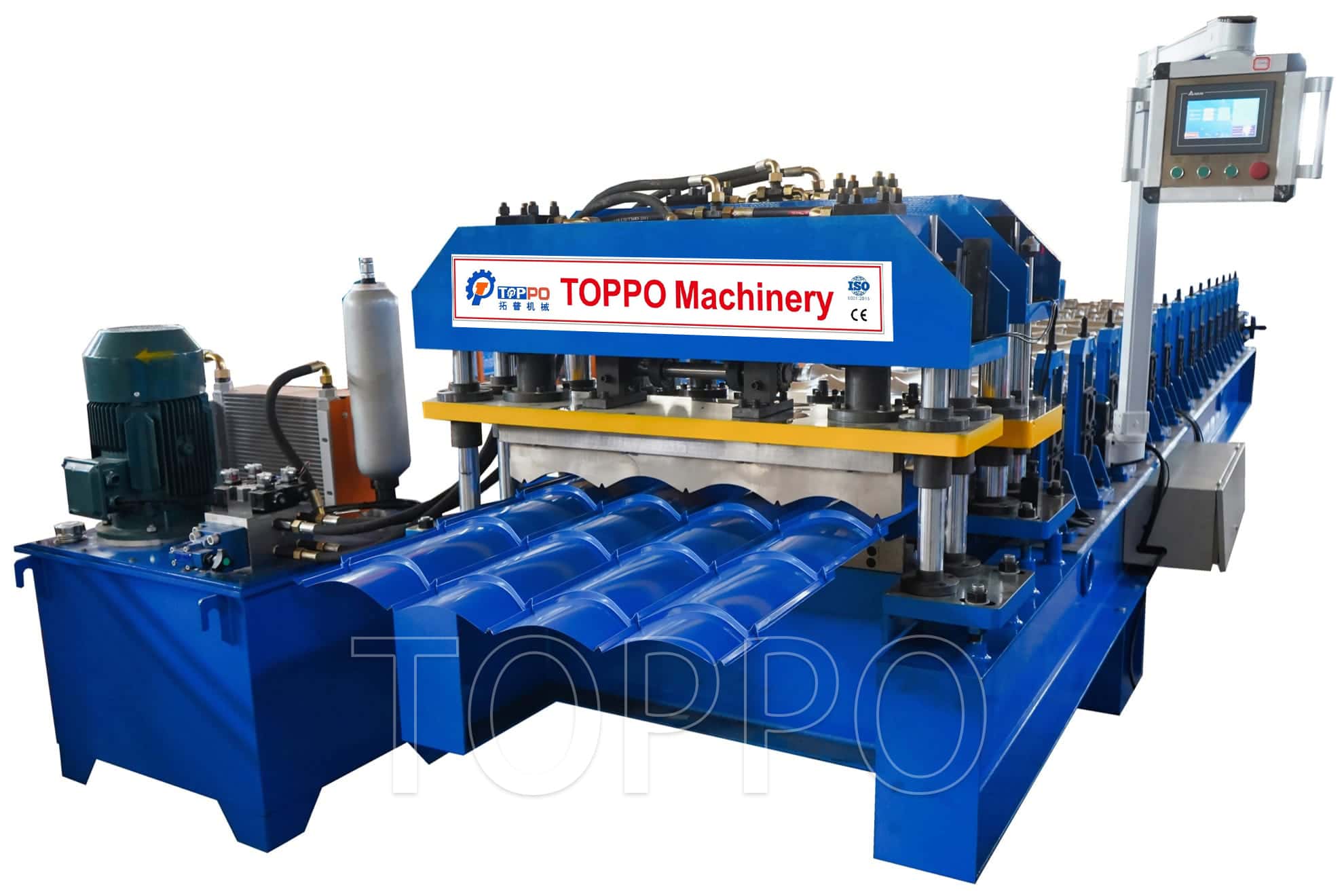
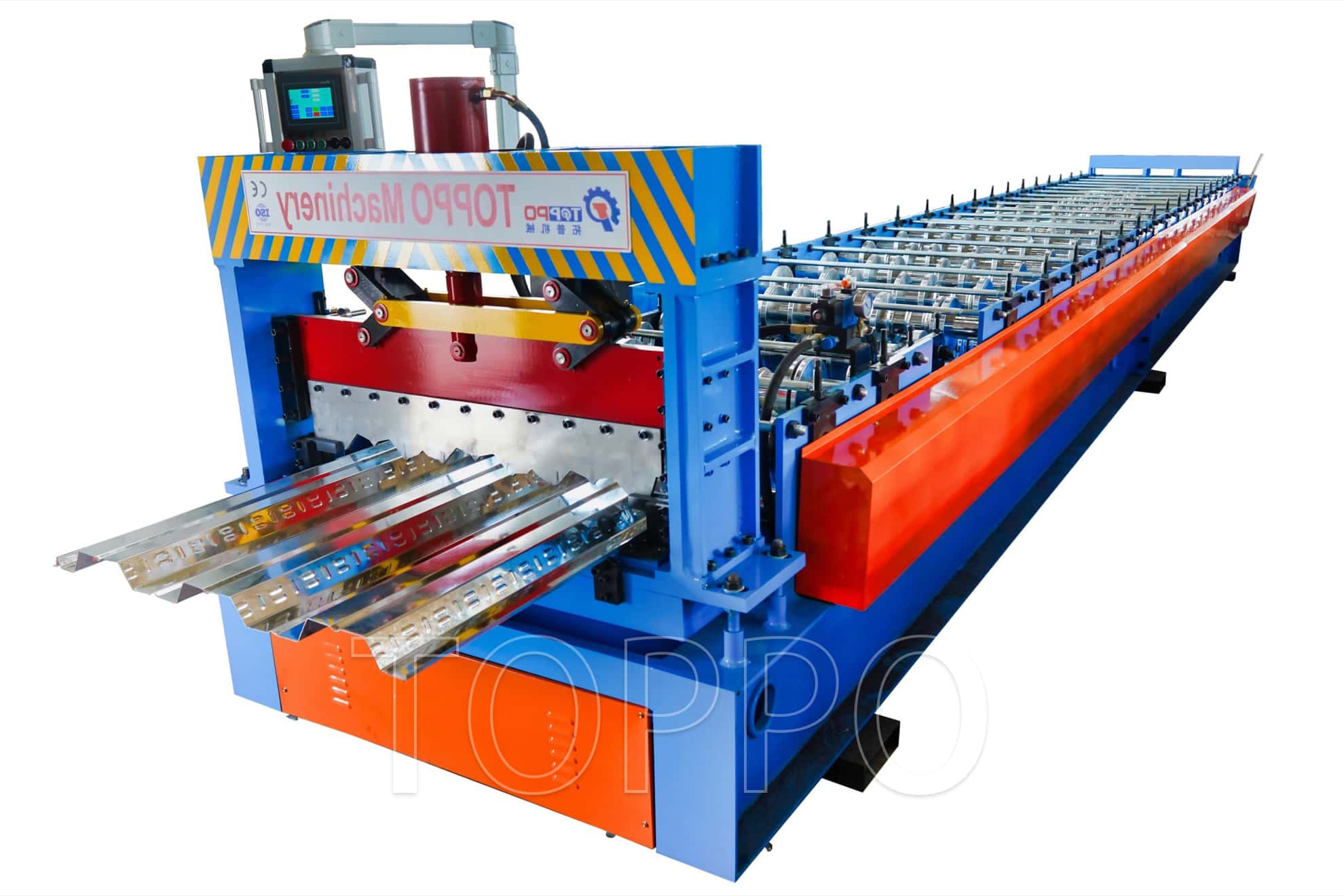
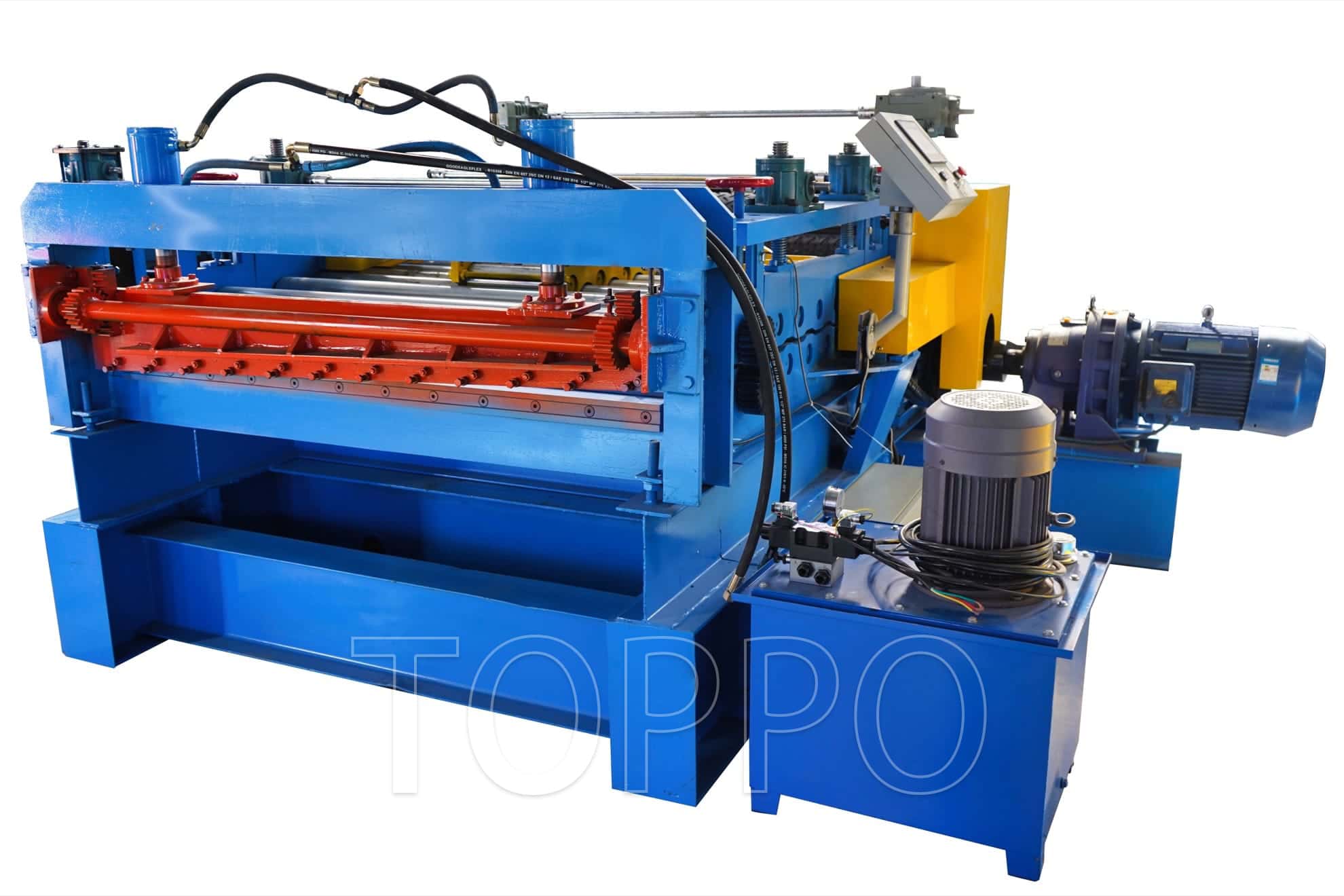
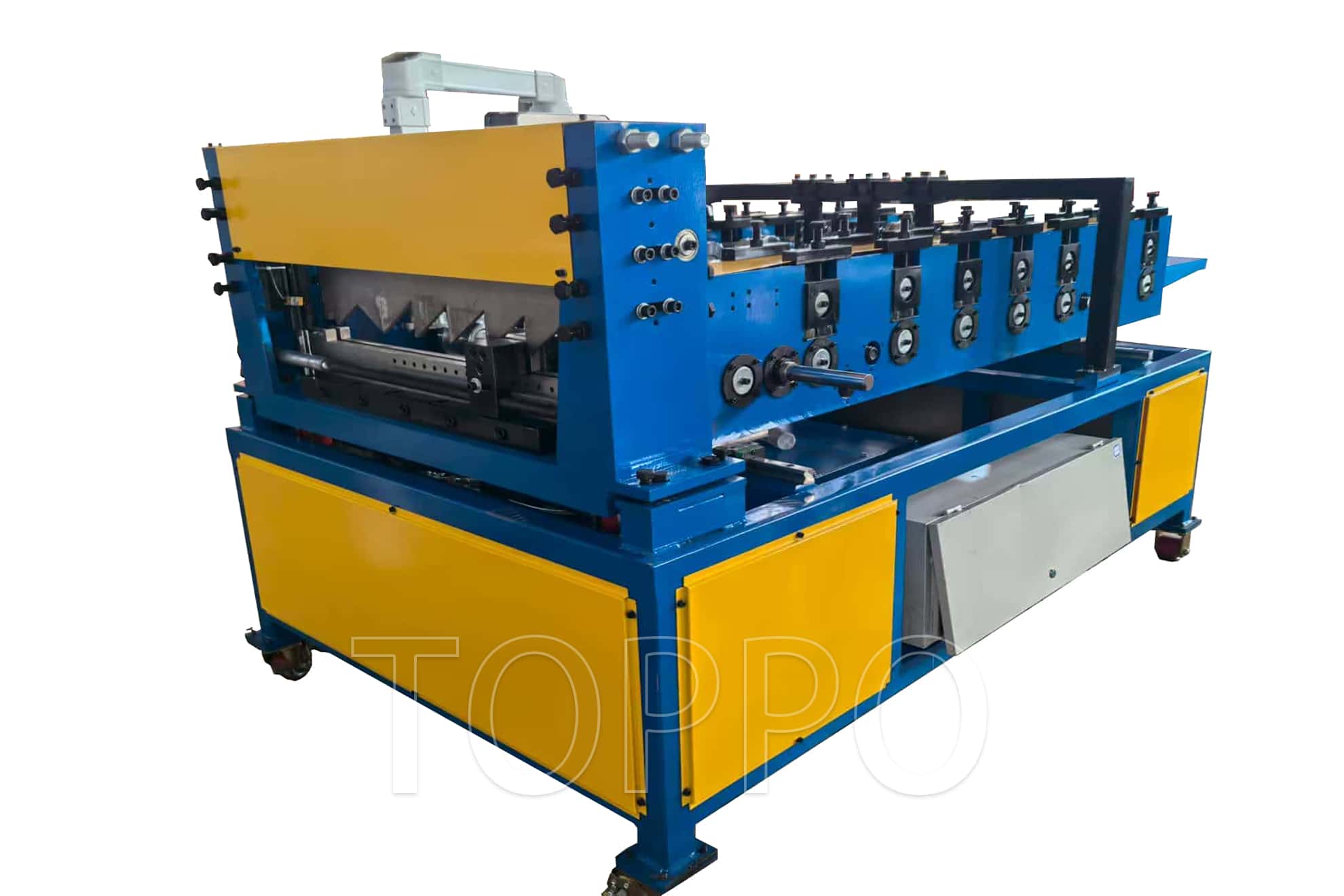
Use a roof panel making machine for precision
Ensure consistent finishes
Common error: Limited design flexibility.
4. Faster Installation Process
Standing seam systems allow quicker installation.
Steps:
Real-world insight: A Cape Town project reduced installation time by 22%.
5. On-Site Production Capabilities
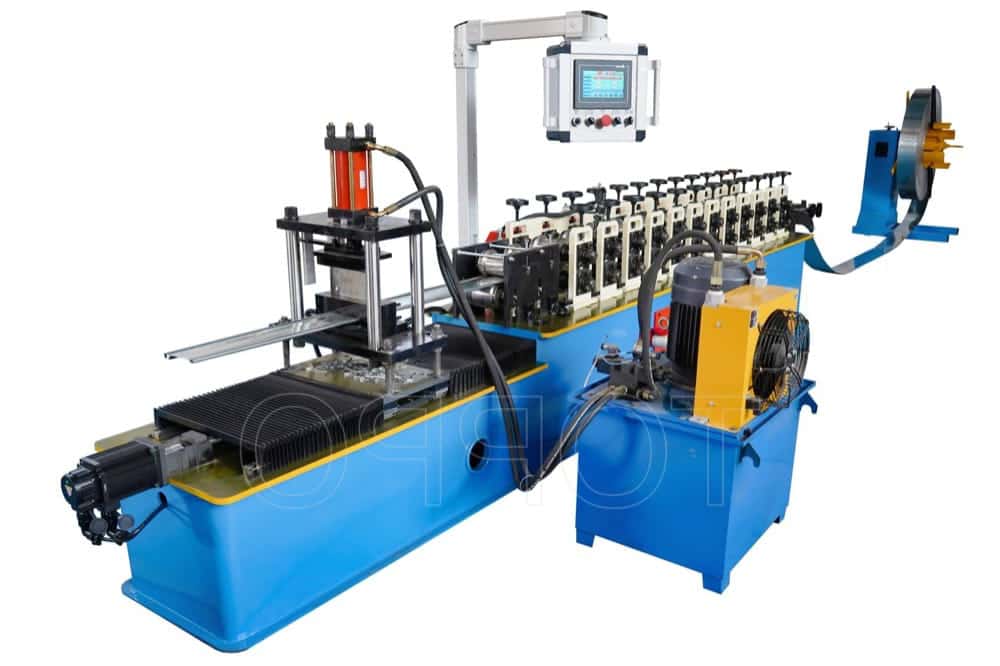
Portable machines allow on-site manufacturing using a standing seam roll forming machine.
Implementation steps:
Common mistake: Skipping calibration.
6. Sustainability and Energy Efficiency
Standing seam roofing supports energy-saving construction.
Steps:
Case study: A Durban project improved energy efficiency significantly.
7. Advancements in Production Technology
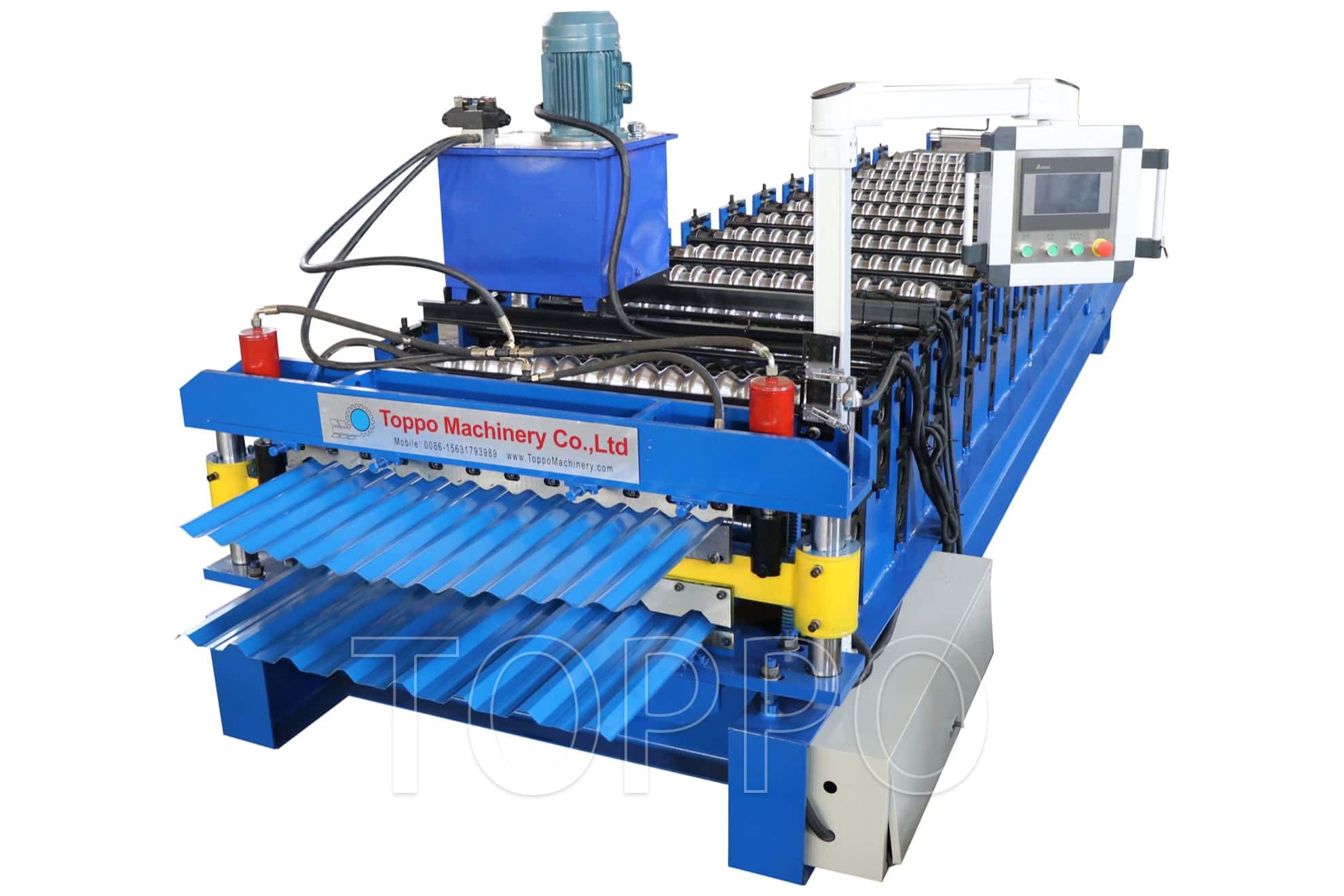
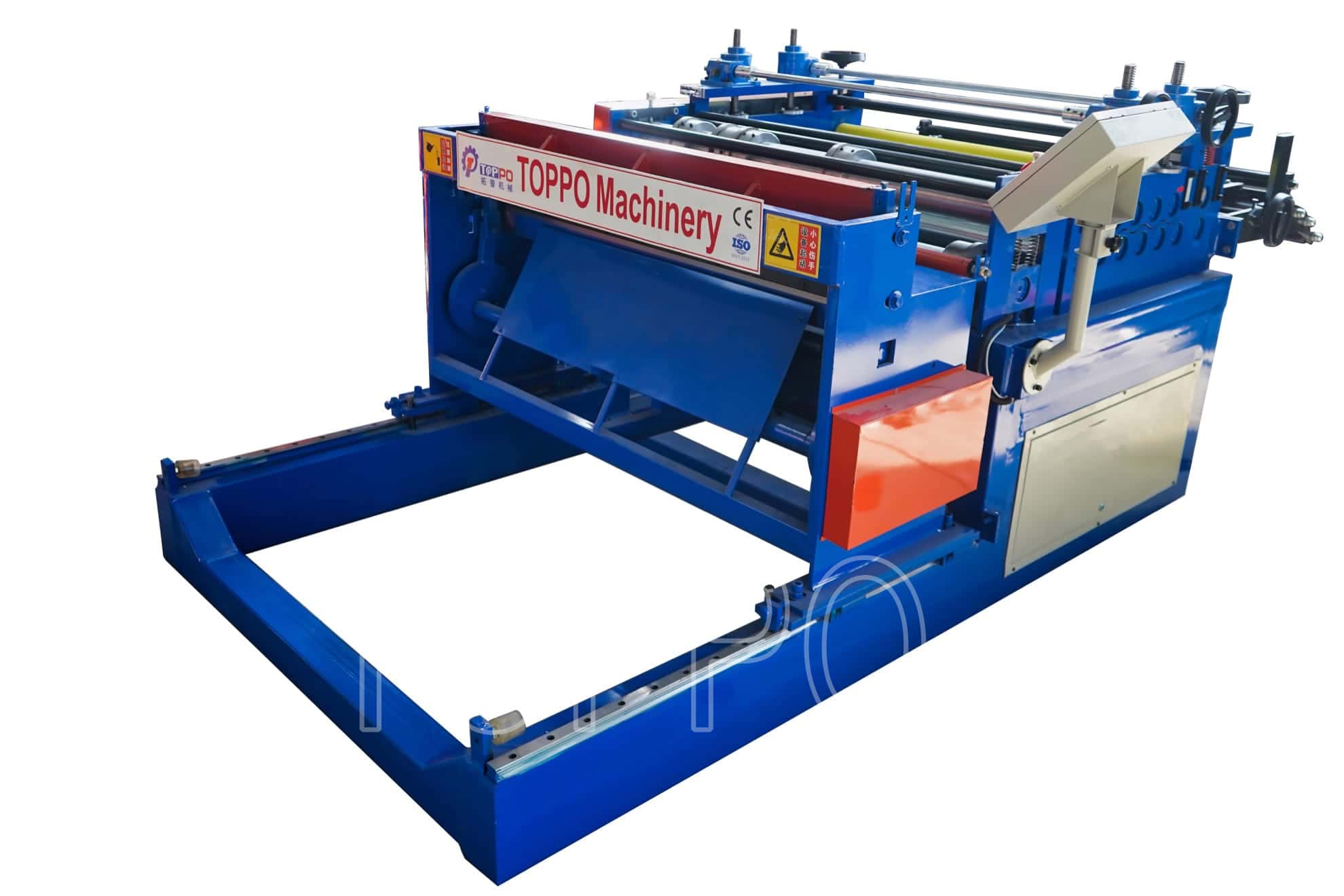
Modern equipment like the roof panel making machine and standing seam roll forming machine improves efficiency and quality.
Implementation steps:
Adopt automated systems
Monitor production data
Train operators
Common mistake: Not using full machine capabilities.
Conclusion
The rapid growth of standing seam roofing in South Africa is driven by durability, efficiency, modern design, and advanced manufacturing technologies. By leveraging equipment such as the standing seam roof panel roll forming machine, businesses can meet growing demand while maintaining high quality. Applying best practices and avoiding common mistakes will ensure long-term success in this expanding market.
Tags: standing seam roof panel roll forming machine, roof panel making machine, standing seam roll forming machine, standing seam roofing South Africa, roofing trends, roll forming solutions
READ MORE: