7 Key Trends Driving the Expansion of Standing Seam Roofing Systems in South Africa
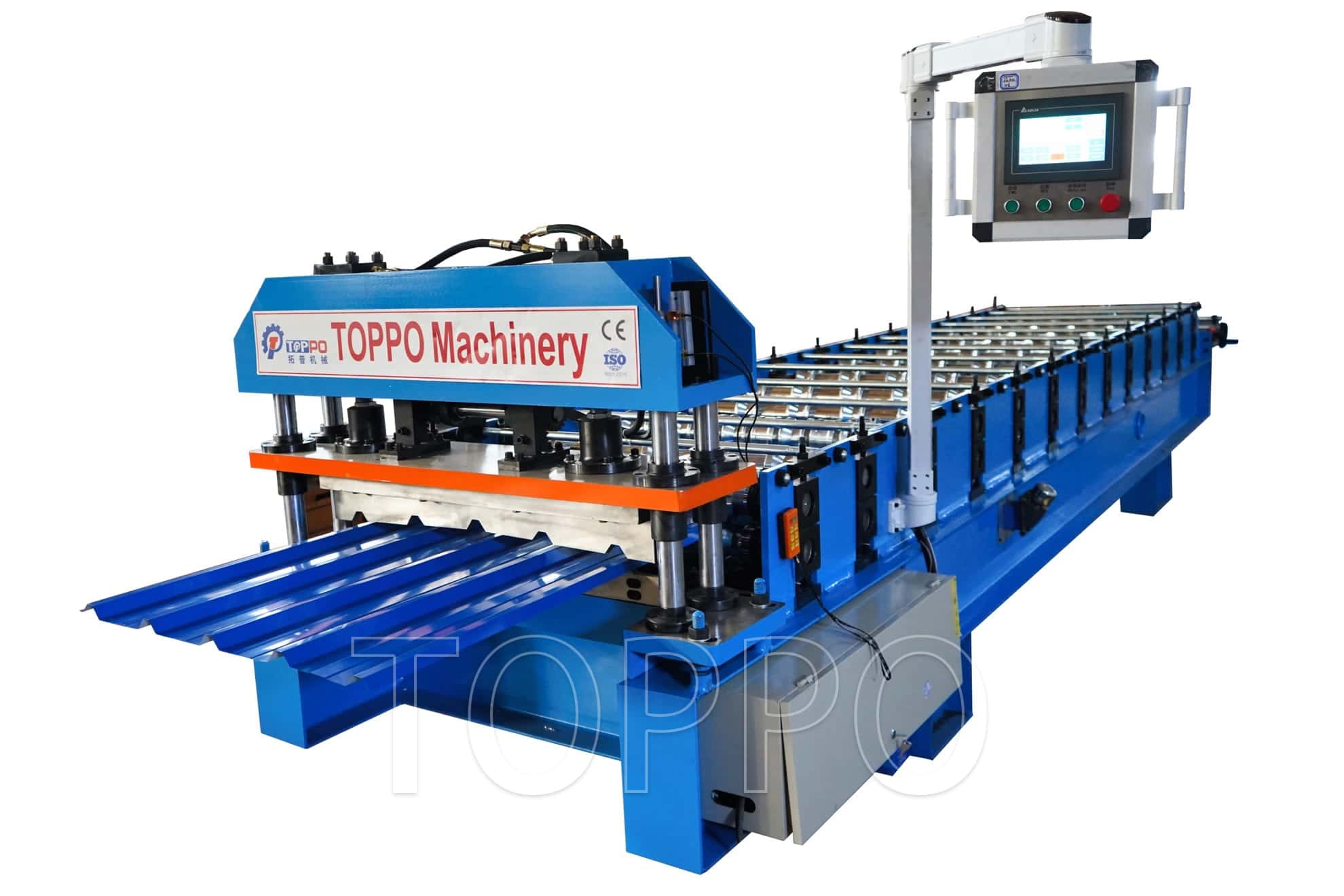
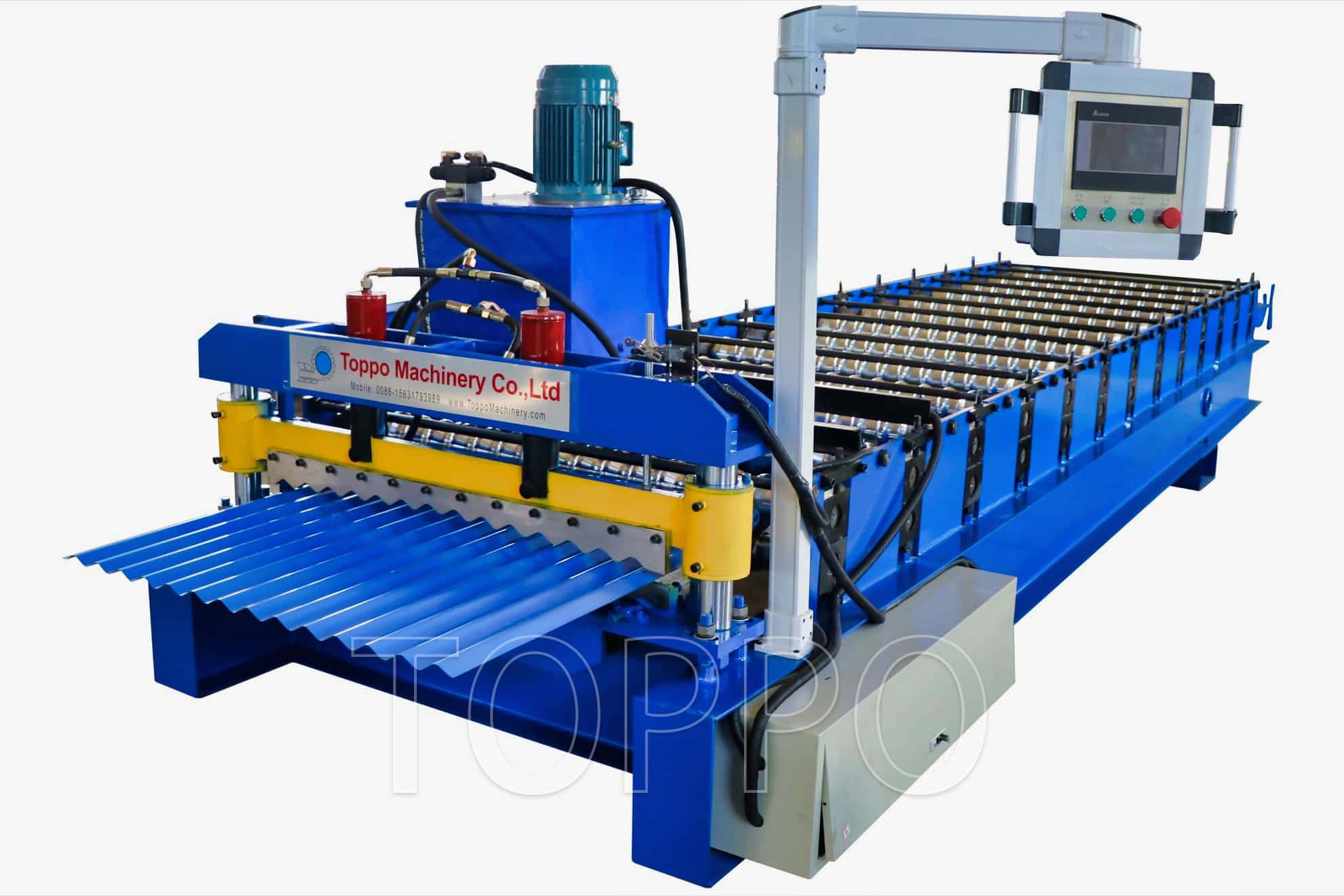
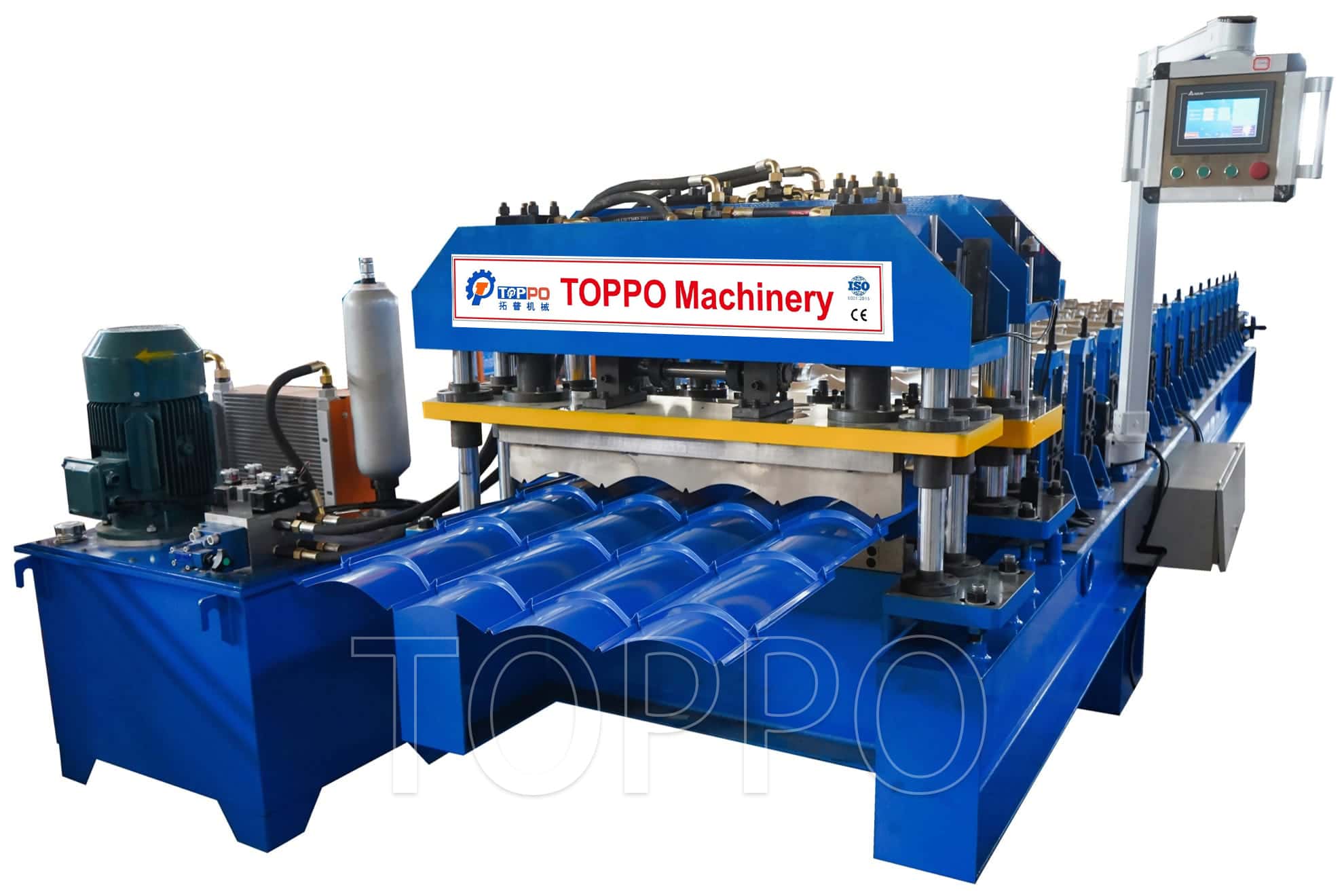
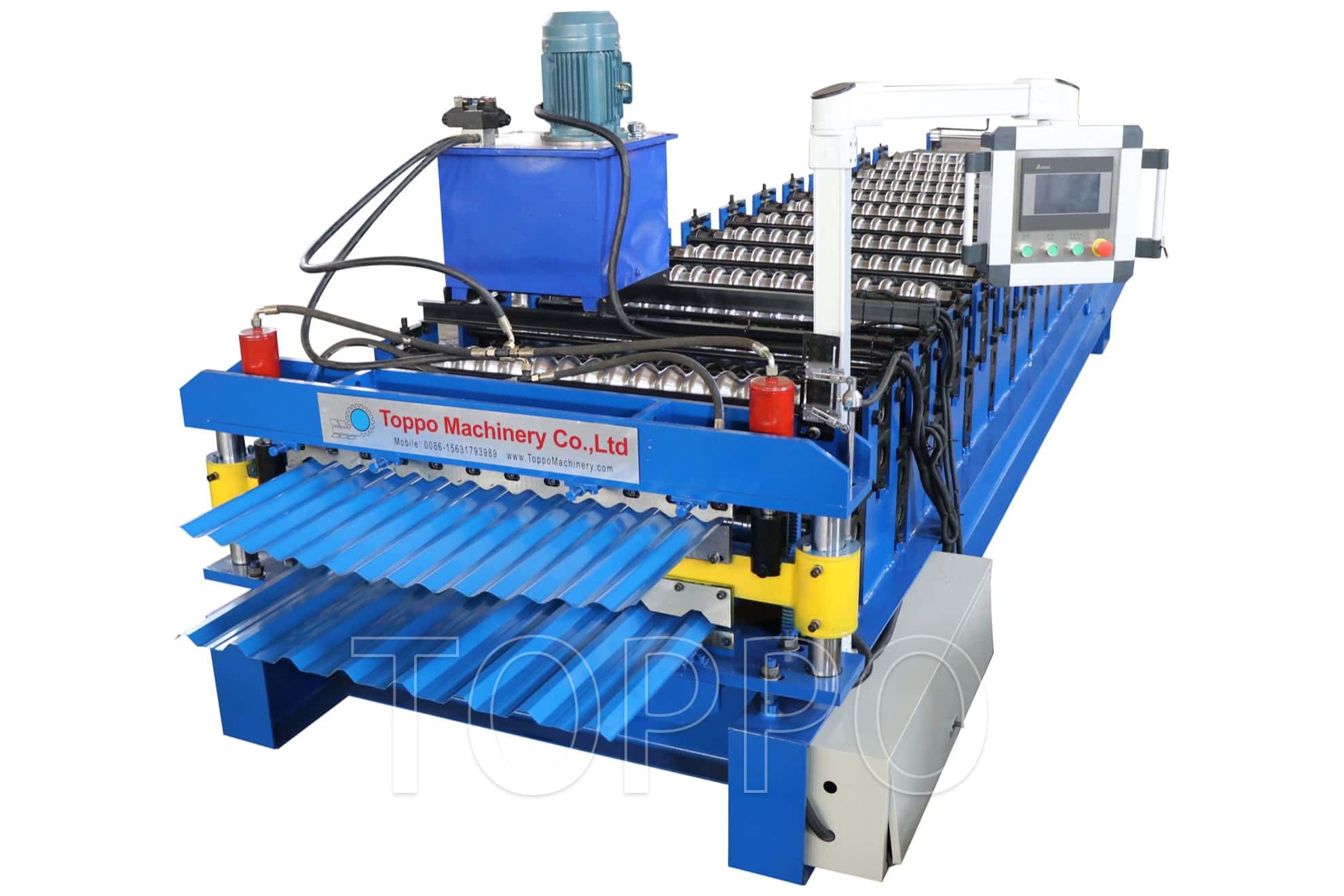
The South African roofing market is rapidly evolving, with standing seam roofing becoming a preferred solution for modern construction. Known for its durability, sleek design, and efficiency, this system is widely adopted across commercial and residential projects. With advanced equipment such as the standing seam roof panel roll forming machine, manufacturers can efficiently meet growing demand while maintaining consistent quality. This article explores seven key trends behind this expansion, along with implementation strategies, common mistakes, and real-world examples.
1. Strong Resistance to Extreme Climate Conditions
South Africa’s climate requires roofing systems that can withstand intense sun, heavy rain, and strong winds.
Implementation steps:
Use high-quality coated steel or aluminum
Ensure proper seam locking during installation
Apply corrosion-resistant finishes
Common mistake: Using substandard materials that fail prematurely.
2. Reduced Long-Term Maintenance Costs
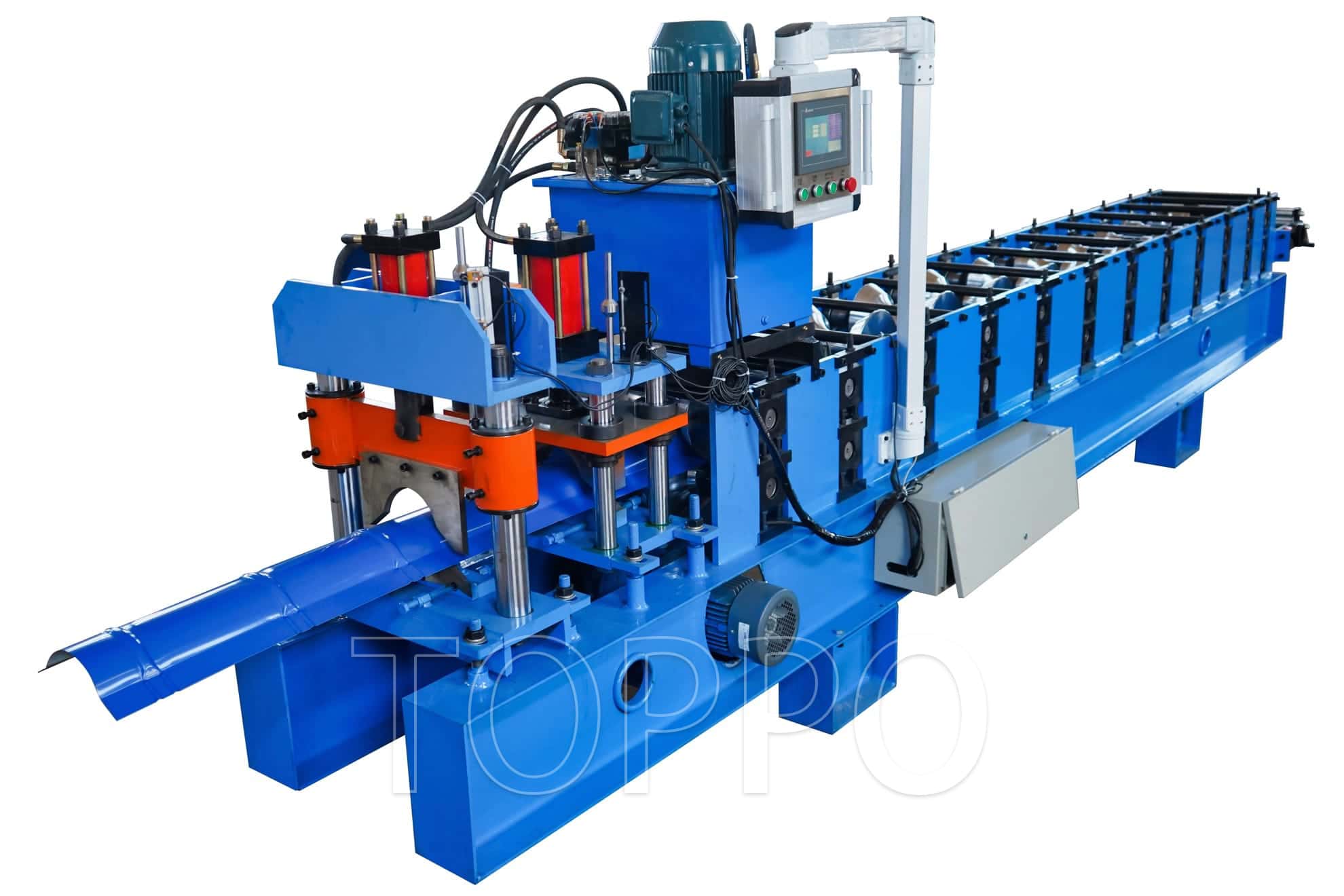
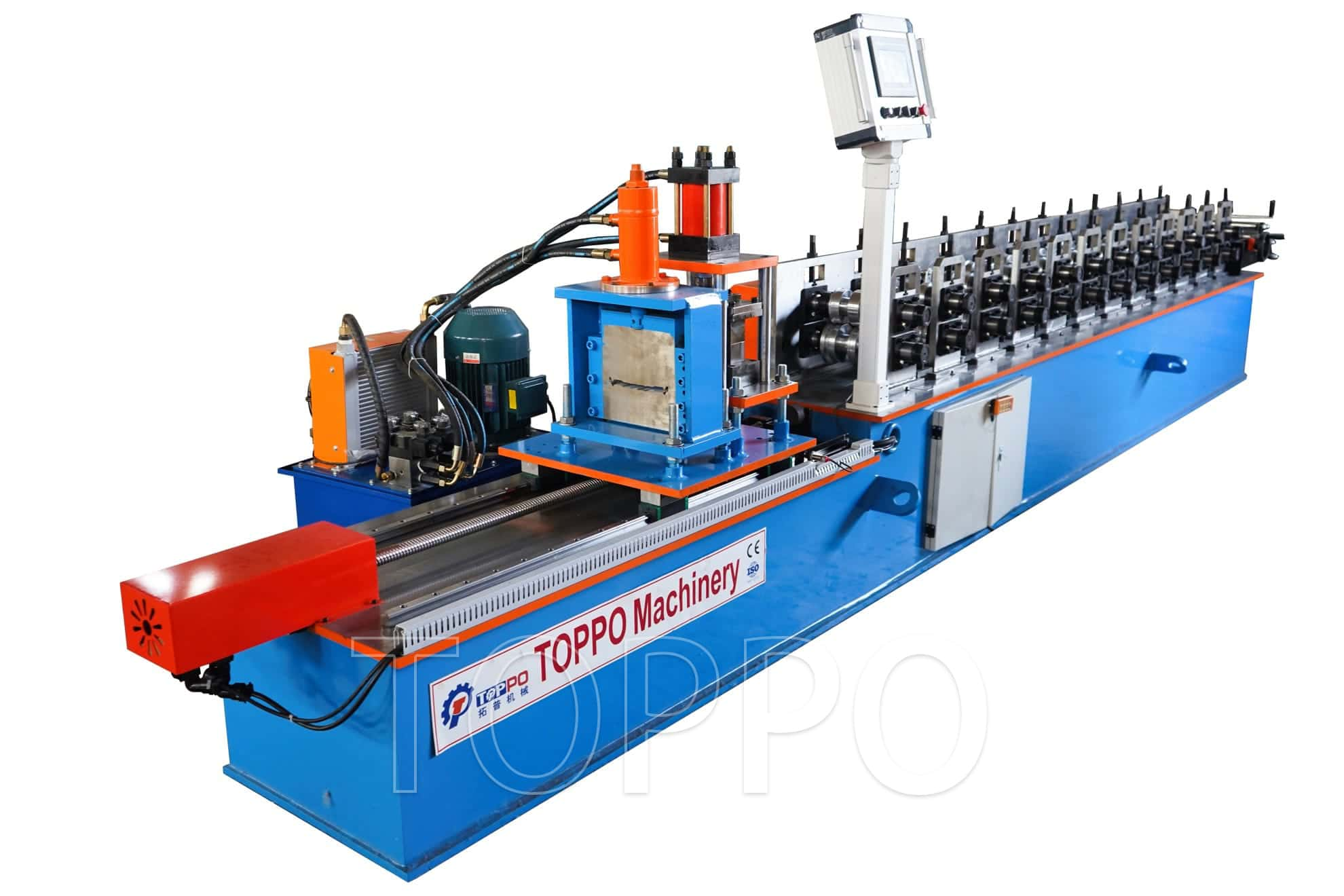
Standing seam roofing systems require minimal maintenance compared to traditional roofing. A standing seam roof panel roll forming machine ensures high precision, reducing defects and repairs.
Case example: A Johannesburg warehouse project reduced maintenance costs by 33% over five years.
3. Increasing Demand for Modern Architectural Designs
Modern architecture in South Africa favors clean, linear roofing systems.
Implementation:
Offer diverse panel profiles
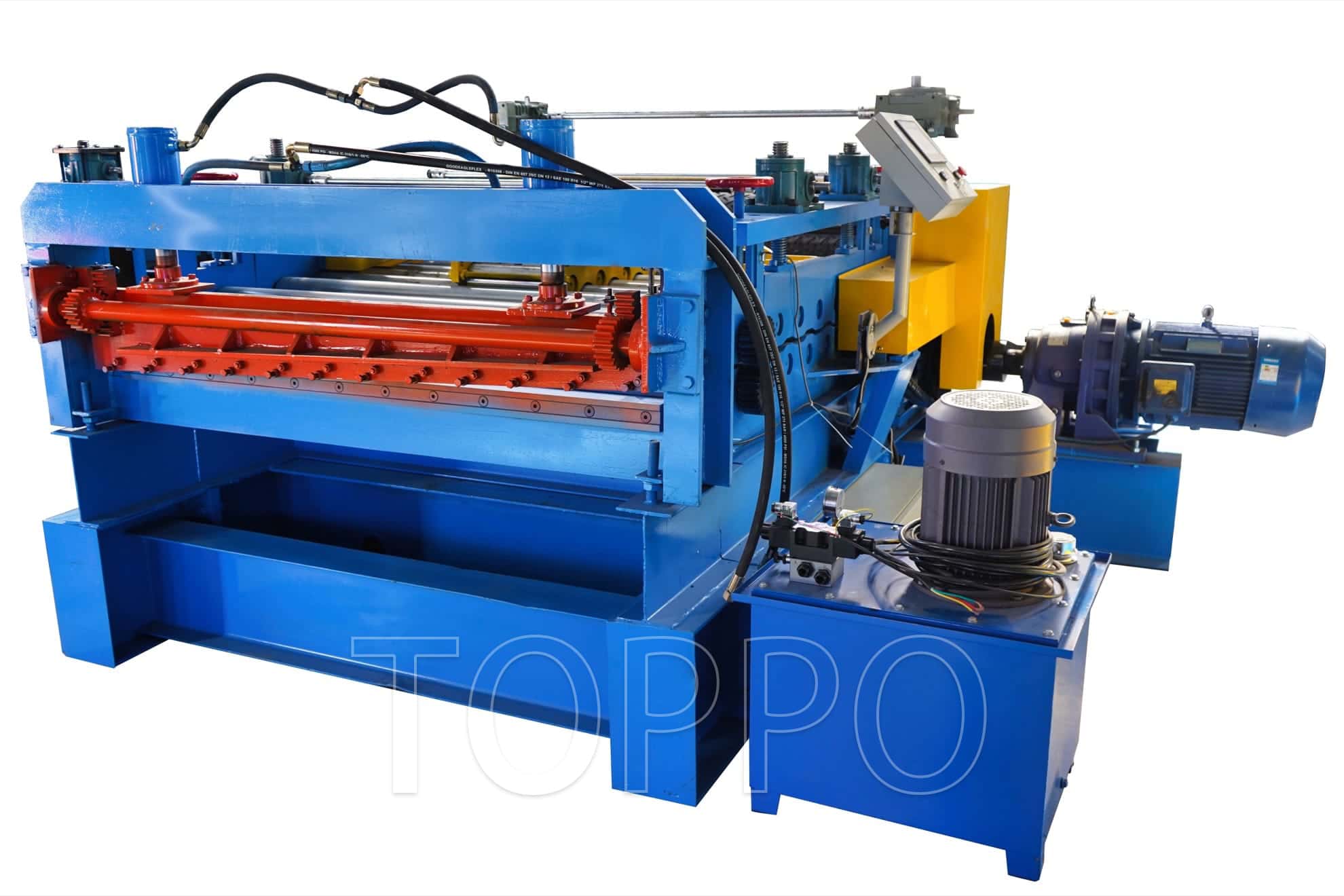
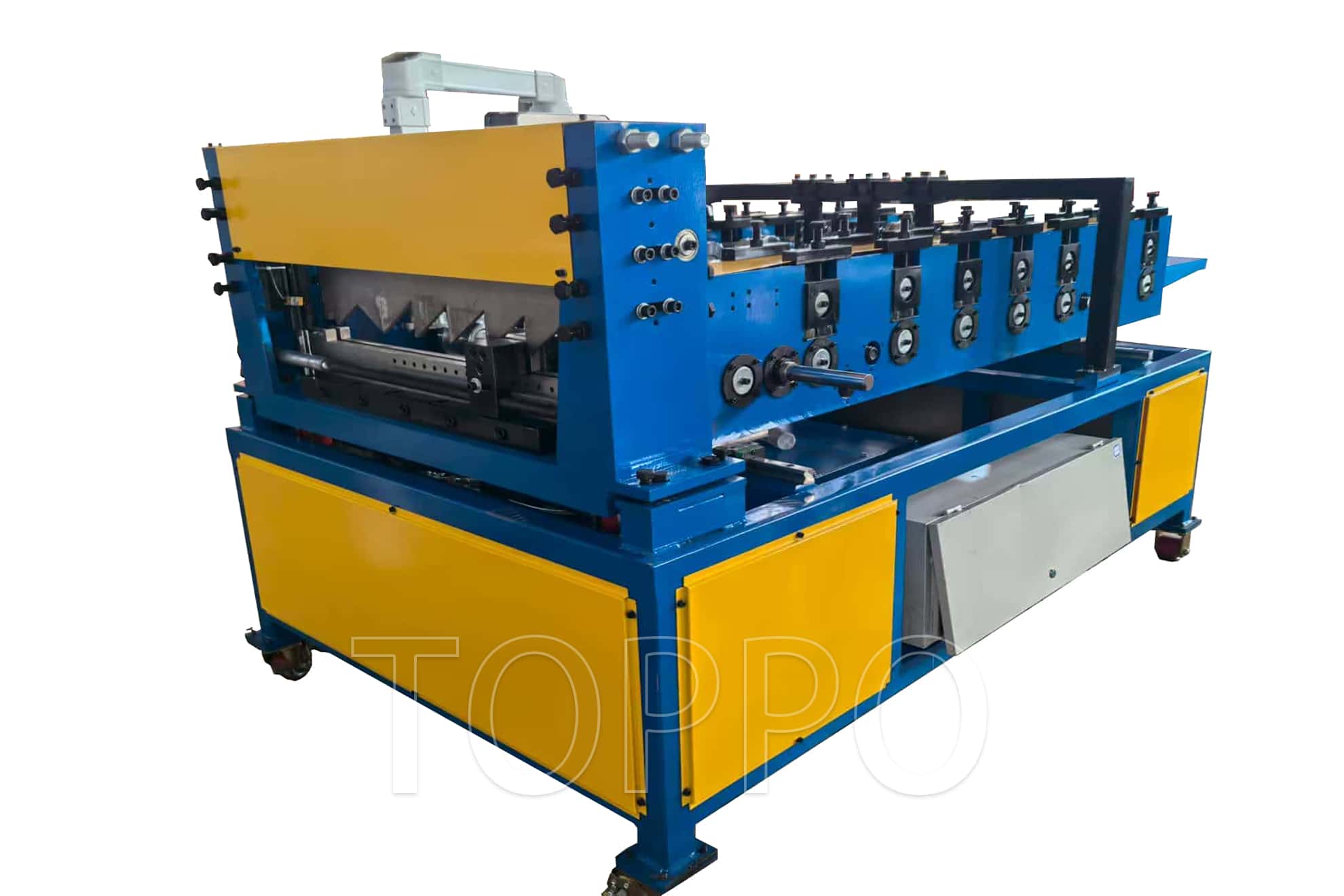
Use a roof panel making machine for consistent production
Provide customized finishes
Common error: Limited design flexibility.
4. Faster Installation and Labor Efficiency
Standing seam roofing systems enable quicker installation and reduced labor costs.
Steps:
Pre-produce panels with precise dimensions
Train installation teams effectively
Standardize installation procedures
Real-world insight: A Cape Town commercial project improved installation efficiency by 21%.
5. Growth of On-Site Manufacturing Solutions
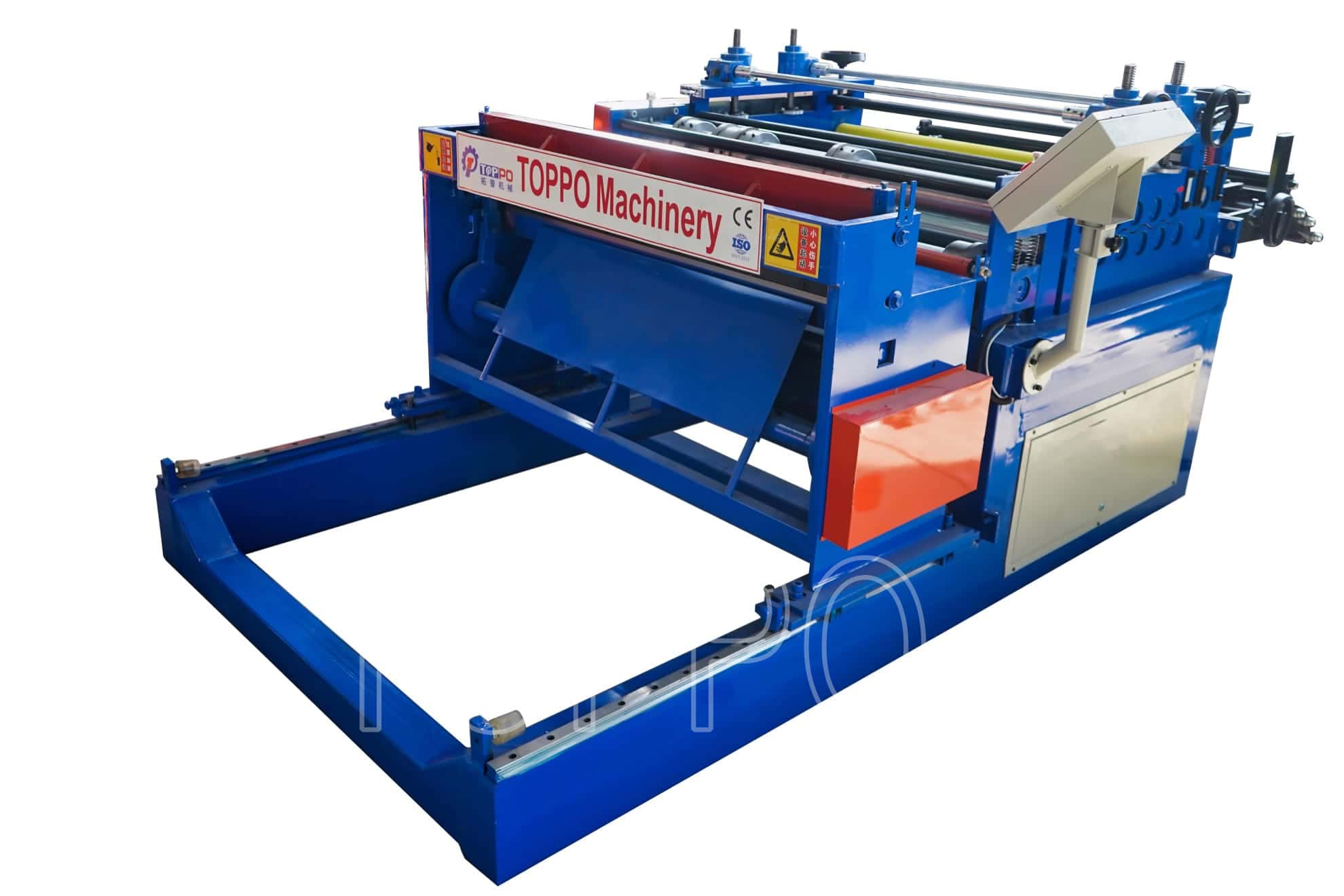
Portable production using a standing seam roll forming machine is becoming more popular.
Implementation steps:
Use mobile machines for large-scale projects
Calibrate equipment after transportation
Train operators for on-site conditions
Common mistake: Skipping calibration, resulting in inaccurate panels.
6. Sustainability and Energy Efficiency Focus
Energy-efficient construction practices are driving demand for reflective roofing systems.
Steps:
Case study: A Durban building project significantly reduced cooling costs using standing seam roofing.
7. Advancements in Manufacturing Technology
Modern equipment such as the roof panel making machine and standing seam roll forming machine improves production efficiency and product consistency.
Implementation steps:
Adopt automated production lines
Monitor production in real time
Train operators on advanced features
Common mistake: Underutilizing machine capabilities.
Conclusion
The expansion of standing seam roofing in South Africa is driven by climate adaptability, cost efficiency, modern design trends, and technological innovation. By leveraging advanced equipment such as the standing seam roof panel roll forming machine, manufacturers and contractors can meet market demand while maintaining high standards. Applying best practices and avoiding common mistakes will ensure long-term success.
Tags: standing seam roof panel roll forming machine, roof panel making machine, standing seam roll forming machine, standing seam roofing South Africa, roofing trends Africa, roll forming solutions
READ MORE: